

Reviewed · WORKSHOPS
Addis Ababa City Tours With Cocking Class of Ethiopian Food
Addis Ababa rewards curious eaters. This long private outing combines the city’s museums and markets with a home cooking lesson, giving you a useful introduction to Ethiopia through its food, people, and daily routines. You visit the former palace of Emperor Haile Selassie, shop for ingredients at Merkato, then prepare classic dishes with a local host.
I like the way the tour connects culture with cooking, rather than treating Addis as a series of quick photo stops. I also like the practical setup: airport pickup, private transportation, an English-speaking guide, market ingredients, lunch, water, and coffee are included in the $90 price.
The main caution is the length. The listed duration is about one day and ten hours, making this a strong choice for a long Addis Ababa layover but a tiring plan if you want a slow, easy day. The Ethnological Museum can also be closed on Mondays, so confirm the schedule before booking.
In This Review
- Key points to know before booking
- Why this Addis Ababa tour works well for a long layover
- The Ethnological Museum inside Haile Selassie’s former palace
- Shopping for ingredients at Addis Ababa’s Merkato
- Cooking injera, shiro, and mesir wot in a local home
- The Ethiopian coffee ceremony brings the day together
- What the $90 price really covers
- How the guides and drivers affect the experience
- Practical details that can make or break your day
- Who should book this Addis Ababa cooking experience?
- Should you book it?
- FAQ
- Where does the tour start?
- How long does the experience last?
- Is the tour private?
- What food is prepared during the cooking class?
- Are lunch and the market ingredients included?
- What happens if I cancel?
Key points to know before booking
- Merkato is the shopping heart of the day: You help buy the ingredients used in the cooking class at one of Africa’s largest open-air markets.
- The cooking takes place in a local home: This is more personal than eating at a restaurant, with injera, shiro, and mesir wot on the menu.
- The Ethnological Museum occupies a former imperial palace: You see cultural collections inside the old residence of Emperor Haile Selassie.
- Airport transfers make this useful for layovers: Pickup begins at Bole Airport, and you can return to the airport or a hotel at the end.
- The tour is private: Only your group participates, allowing more room for questions, dietary requests, and changes to the pace.
- Coffee is part of the meal, not an afterthought: The Ethiopian coffee ceremony gives the food experience a proper local finish.
Why this Addis Ababa tour works well for a long layover

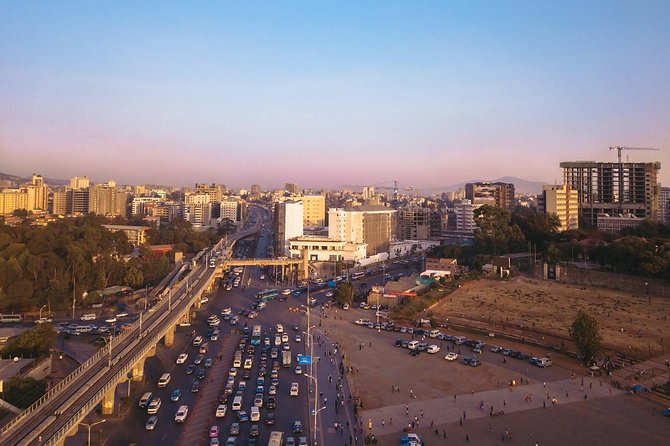
Addis Ababa is often encountered between flights, especially through Bole International Airport. A long connection can feel awkward: too much time to spend airside, but not enough time for a multi-day visit. This tour is designed for that gap.
Pickup is offered from Bole Airport or your hotel, and the final transfer can take you back to the airport or to your hotel. That removes much of the planning burden, though you should still provide your exact flight details and leave enough time for airport procedures.
The private format matters here. You are not joining a large coach group with a fixed script. A guide can explain local customs, answer questions, and adjust the pace if traffic or your flight schedule creates pressure. Guides named Joseph, Yoseph, Jocy, and Neway have been associated with these outings, while drivers including George and Bart have received praise for being punctual and helpful.
The day is not just a transfer with a few attractions added. It is a broad introduction to Addis Ababa. You move from museum collections to a huge market, then from shopping to a family-style kitchen. That progression helps you understand how objects, ingredients, and everyday life fit together.
Still, Addis traffic can make a long schedule feel even longer. The stated duration is approximately one day and ten hours, so this is best for a substantial layover or a full day based in the city. If you have only a short connection, ask the operator to confirm the route and return time before you commit.
More Addis Ababa city tours:
- Authentic Addis Ababa City Tour with a Local Guide
★ 4.9 · 109 reviews - Every day Addis Ababa City Tour
★ 5.0 · 54 reviews - Addis Ababa City Tours Full Day With Hotel Pickup And Drop Off.
★ 5.0 · 51 reviews
The Ethnological Museum inside Haile Selassie’s former palace
The first major stop is the Ethnological Museum, located on the main campus of Addis Ababa University. The building was formerly the palace of Emperor Haile Selassie, giving the visit interest before you even reach the exhibits.
The museum houses anthropological, musicological, and cultural objects. It is also described as Ethiopia’s first university museum and is connected with the Institute of Ethiopian Studies. For a first visit to Ethiopia, this is a useful place to get basic context about the country’s many communities, traditions, and forms of expression.
I appreciate that the tour begins here. You are not thrown straight into the market without any background. A good guide can help you connect what you see in the museum with what appears later in the food and shopping portions of the day.
Expect the museum stop to be more about cultural understanding than spectacle. The appeal is the setting and the range of material, not a single famous object. If you prefer a tightly focused museum with large displays and a fast route through the galleries, this may feel quieter and less dramatic.
There is one important scheduling point: the museum was closed on a Monday during one outing. If your visit falls on Monday, ask whether the stop will be replaced or skipped. Some city tours have also included other sights such as the National Museum or Mount Entoto, but those are not listed as guaranteed parts of this cooking-focused experience. Do not assume they are included unless the operator confirms it.
Shopping for ingredients at Addis Ababa’s Merkato
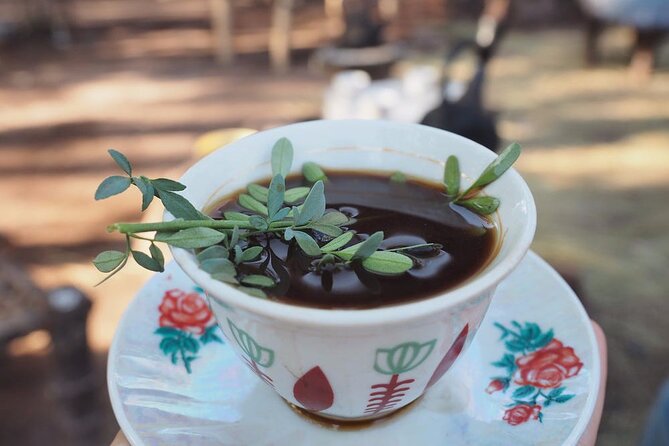
Next comes Merkato, the city’s huge open-air market. It was established by the Italians around 1937 and covers several square miles, with an estimated 13,000 people working across about 7,100 business entities.
Those numbers help explain the scale, but they do not fully describe what you will feel on the ground. Merkato is not a tidy food hall arranged for sightseeing. It is a working market where people buy and sell goods, and the point of your visit is to shop for ingredients rather than simply walk through and take pictures.
That makes this one of the most useful parts of the experience. You see the raw materials before they become lunch. Your guide can help identify what you are buying and explain how it fits into Ethiopian cooking. The market visit also gives the cooking class a clear purpose: you are not preparing a demonstration meal from ingredients that appeared by magic.
You should be ready for a busy, crowded setting and keep your belongings secure. The supplied details do not promise a guided shopping lesson for every ingredient, so ask questions as you go. If you want to spend extra time on photography or browsing, check that the schedule allows it.
The market can also be a lot for anyone who dislikes noise, crowds, or unstructured places. In that case, the private format is helpful because you can tell your guide when you need a pause. The tour includes the food ingredient cost, but personal purchases are not included. Set aside money if you want to buy something beyond the class supplies.
Cooking injera, shiro, and mesir wot in a local home
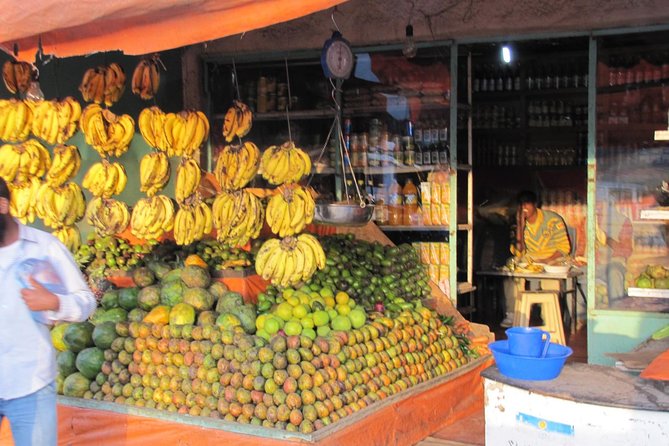
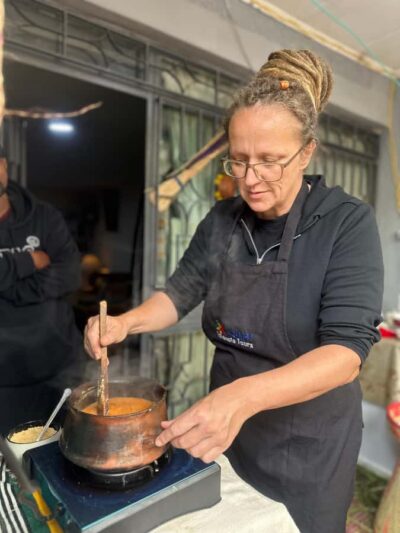
After shopping, you drive to a staff member’s house for the cooking class. This is the heart of the day. Instead of watching a chef prepare a polished restaurant plate, you take part in a meal made in a more personal setting, with the guide’s family involved on some outings.
The menu introduces three important Ethiopian foods:
- Injera, or enjera: Ethiopia’s national food, a soft fermented flatbread used to scoop up other dishes with your fingers.
- Shiro: A smooth dish made from chickpea powder.
- Mesir wot: Red split lentils cooked in a spicy berbere sauce, with a striking red color.
The meal is a good lesson in how Ethiopian food is eaten. Injera is both bread and serving surface. You tear off a piece with your right hand, use it to pick up the food, and share the meal from the same platter. If you are new to eating with your fingers, your guide or host can show you how to handle it.
The menu also gives you variety. Shiro is creamy and comforting, while mesir wot brings lentils and berbere spice. The meal is not built around one mild dish, so tell the operator about food preferences or restrictions before the tour. The supplied information confirms that lunch is included, but it does not state that every dietary need can be accommodated.
The home setting is a major advantage for anyone seeking contact with local life. You have a chance to ask about cooking methods, ingredients, and household customs in a relaxed place. One of the strongest impressions from the experience is the warmth of the family-style visit, not simply the finished food.
There are also limits. A home cooking class is not a formal culinary school. The exact level of hands-on work may depend on the household, timing, and what is being prepared. If you want a technical lesson with printed recipes, precise measurements, and professional equipment, ask what the class involves before booking.
More food tours in Addis Ababa:
- Ethiopian Culinary Tour – Market, Food, Coffee Ceremony & more
★ 5.0 · 65 reviews - Hidden Treasures of Addis Ababa – Food, Culture and History Tour
★ 5.0 · 57 reviews - Ethiopia coffee cupping class/Ethiopian food injera making
★ 5.0 · 10 reviews - Local Ethiopian Food Tour
★ 4.0 · 7 reviews
The Ethiopian coffee ceremony brings the day together

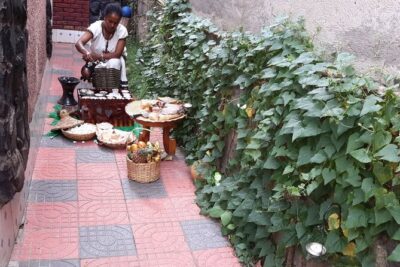
Ethiopia is closely associated with coffee, and the ceremony gives the afternoon a fitting close. The coffee is prepared and served as part of a social ritual, not rushed through as a quick caffeine stop.
The included lunch comes with Ethiopian coffee and a bottle of water. The ceremony itself is important because it shows another side of the meal. Ethiopian food is not only about strong flavors and shared plates. Hospitality, conversation, and time at the table matter too.
The exact ceremony format is not described in detail, so you should not expect a set number of rounds or a particular presentation unless the operator confirms it. What is clear is that coffee is a planned part of the home visit, and it has been a highlight for people using the tour during long layovers.
If you have never tried Ethiopian coffee, this is a better introduction than grabbing a cup between museum stops. You experience it in the same setting as the food and the family visit. For many people, this will be the most memorable part of the day.
What the $90 price really covers
At $90 per person, the tour is not the cheapest way to see Addis Ababa. Its value comes from what is bundled together: transportation with a professional driver, an English-speaking guide, entrance fees, market ingredients, lunch, bottled water, coffee, and airport or hotel transfers.
A private vehicle is especially useful in Addis Ababa because the route includes separate parts of the city. You are paying for time, coordination, and local help, not just admission to one attraction. For a solo visitor on a long layover, the price may compare favorably with arranging separate transport, museum entry, food, and market assistance.
The cooking class also changes the value calculation. A basic city tour could show you major sights, but it would not necessarily explain how to prepare injera, shiro, or mesir wot in a local home. If food and cultural contact are your priorities, the added cost feels justified.
For two or more people, ask about group discounts. The tour is private, so the experience is shared only with your own group. That can make the price more appealing for a couple or family, though the available discount is not specified.
Dinner and alcoholic drinks are not included. Personal expenses and gratuities are also separate. Lunch is included, but you should not treat this as a full-day meal plan that covers dinner after the final transfer.
How the guides and drivers affect the experience

A city tour like this depends heavily on the people running it. The strongest praise has gone to Joseph and Yoseph for detailed explanations, flexibility, and a friendly manner. Jocy has also been associated with a particularly well-received food, history, and shopping day.
Drivers matter just as much on a route of this length. George and Bart have been described as punctual, safe, and pleasant. That is important when you are connecting the city to an international flight and spending many hours moving between stops.
The team’s flexibility is a clear benefit. Guides have helped arrange local restaurants, vegetarian food, photography stops, and changes to a planned route on other Addis outings. Those extras are not guaranteed in this specific package, but they suggest that it is worth explaining your needs early.
You should still be direct. Tell the operator whether you care most about food, museums, shopping, photography, or a quick layover route. The more clearly you state your priorities, the more useful a private tour can become.
Practical details that can make or break your day
Confirmation is provided when you book. Pickup begins at Bole Airport in Addis Ababa, and hotel pickup is also offered.
Most people can take part, and service animals are allowed. The tour is near public transportation, but the supplied details do not say that you will use buses or trains. Your main transport is the private car with driver.
Good weather is required. If poor weather forces cancellation, you are offered another date or a full refund. You can cancel for a full refund up to 24 hours before the start time. Inside that 24-hour window, refunds are not provided and changes are not accepted.
Dress for a full day out and wear comfortable shoes, especially for walking through Merkato. These are general practical suggestions rather than stated requirements, but they fit the museum, market, and home visit format.
The tour is suitable for most people, but the schedule is long. You may be tired after an overnight flight, especially if you arrive early and depart late. Plan your energy carefully, and confirm the final airport drop-off time rather than relying on a rough duration.
Who should book this Addis Ababa cooking experience?
I would choose this tour if you have a long layover and want more than a drive past the city. It gives you a sensible first look at Addis Ababa, then adds something you are unlikely to get from a standard sightseeing route: shopping for ingredients and preparing Ethiopian food in a local home.
It also suits first-time visitors who want a guide to explain customs and history in plain terms. The private setup works well for couples, families, and small groups who prefer to ask questions without keeping up with strangers.
You may want another tour if your main goal is a long museum day, a serious food course, or a relaxed schedule with only one or two stops. The day covers a lot of ground, and the museum visit may need to change if you go on Monday.
Should you book it?
Book it if you want food, local contact, and airport convenience in one long day. The strongest parts are the market-to-kitchen connection, the traditional coffee ceremony, and the chance to see Addis Ababa with a guide such as Joseph or Yoseph.
Skip it if you dislike full schedules or want a formal cooking school. Before paying, confirm the museum’s opening day, your pickup and return times, dietary needs, and which guide and driver are assigned. For a long layover, though, $90 buys a well-rounded introduction to Addis Ababa and a meal you will remember for more than its spice.
FAQ
Where does the tour start?
The listed starting point is Bole Airport in Addis Ababa, Ethiopia. Pickup is also offered from hotels.
How long does the experience last?
The approximate duration is listed as one day and ten hours.
Is the tour private?
Yes. Only your group participates in the activity.
What food is prepared during the cooking class?
The menu includes injera, shiro, and mesir wot. The experience also includes an Ethiopian coffee ceremony.
Are lunch and the market ingredients included?
Yes. The price includes food ingredients purchased at the market, lunch, a bottle of water, and Ethiopian coffee.
What happens if I cancel?
You can receive a full refund if you cancel at least 24 hours before the start time. Cancellations or changes made less than 24 hours before the experience are not refunded or accepted.
More City Tours in Addis Ababa
- Addis Ababa Guided City Tour With Airport & Hotel Pick Up
★ 5.0 · 237 reviews - Full-Day Private City Tour of Addis Ababa
★ 5.0 · 147 reviews - Addis Ababa Authentic Private City Tour
★ 5.0 · 134 reviews - Addis Ababa highlight city tour
★ 4.8 · 107 reviews
Just added in Addis Ababa
- Yod Abyssinia Cultural Night: Dinner, Music, and Dance★ 5.0 · 7 reviews
- Addis Ababa City Tours Full-Day Tours★ 5.0 · 5 reviews
- Locally crafted beer and wine tasting and nightlife in Addis tour★ 5.0 · 6 reviews
- Unique Ethiopian Cooking Class and Coffee Ceremony with a Local in Addis Ababa★ 4.5 · 7 reviews
- Stunning Views Wonchi Crater Lake a Private Day Trip★ 5.0 · 3 reviews
- Visiting the wonders of Lalibela in Three (3) days and Two ( 2) nights★ 5.0 · 2 reviews
- .2- Days and 1 Night Tour To Awash National Park water falls★ 5.0 · 1 review
- Two days Lake Wenchi and Menagesha Forest★ 5.0 · 1 review
Workshops, compared.
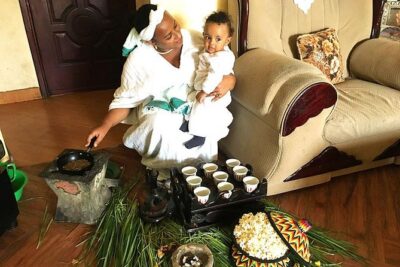
Market Tour and Cooking Class with a Coffee Ceremony at a Home in Addis Ababa
Read our review →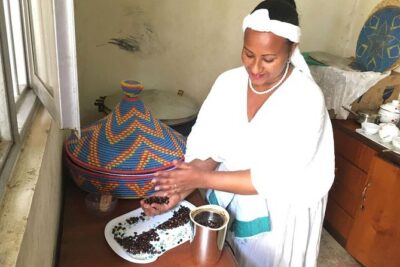
Ethiopian Cooking Class and Coffee Ceremony with a Local in Addis with transfers
Read our review →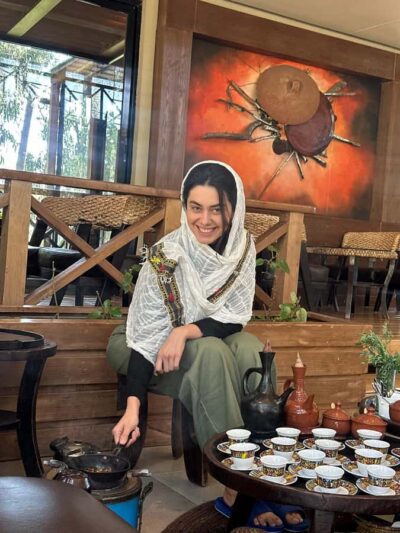
Ethiopia coffee cupping class/Ethiopian food injera making
Read our review →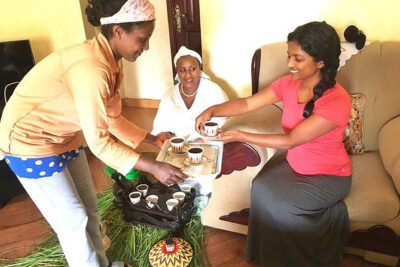
Unique Ethiopian Cooking Class and Coffee Ceremony with a Local in Addis Ababa
Read our review →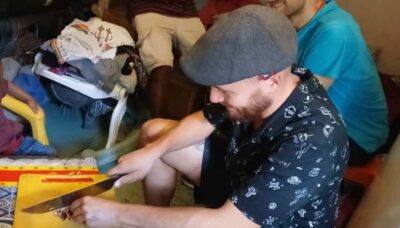
Private Ethiopian Home Cooking Class in Addis Ababa with Transfer
Read our review →
Browse the lists this tour appears in