
Reviewed · ETHIOPIAN COFFEE CEREMONIES
Ethiopian Culinary Tour – Market, Food, Coffee Ceremony & more
Taste Addis one cup at a time. This 5 to 6-hour food and culture tour links the city’s markets with an injera-making lesson, lunch at historic Taitu Hotel, and a traditional coffee ceremony in Sululta. I especially like the mix of hands-on cooking and everyday city life, plus the chance to see both Tomoca Coffee and Merkato in one outing.
I also like that guides such as Zerefa, Samuel, Emmanuel, Seya, Abiy, and Desale have adapted the day when guests had already seen part of the planned route. The main consideration is pace: markets, lunch, sightseeing, mountain scenery, coffee, and honey wine make for a full schedule, and pickup communication has not always been perfect.
In This Review
- Five things to know before you book
- Why this food tour works so well in Addis Ababa
- Atkilt Tera and Merkato: start with the ingredients
- Tomoca Coffee: a short stop with a long tradition
- Learning to make injera with local women
- Taitu Hotel in Piassa: historic setting, generous lunch
- Piassa sightseeing and the city between stops
- Sululta coffee ceremony and honey wine
- Guides, drivers, and the value of a local escort
- Is $85 a fair price?
- Who should book this Addis Ababa food experience?
- Practical details before you go
- Should you book it?
- FAQ
- How long does the Ethiopian Culinary Tour last?
- Is hotel pickup included?
- What food is included?
- Will I make injera during the tour?
- Is the coffee ceremony included?
- What is the cancellation policy?
Five things to know before you book
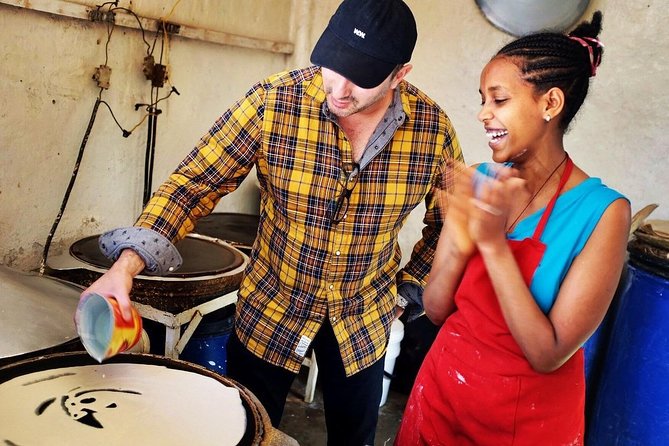
- Make your own injera: You learn the basic process, then eat the bread you helped prepare, including any amusingly uneven results.
- See Addis through its food shops: Atkilt Tera and Merkato reveal produce, spices, shopping habits, and street life that are hard to understand from a car window.
- Coffee gets two very different treatments: Tomoca offers a quick taste of Addis coffee culture, while Sululta provides a full ceremony with washing, roasting, and serving.
- Lunch comes at Taitu Hotel: Ethiopia’s oldest hotel provides a historic setting for an assorted buffet of Ethiopian dishes.
- The guides are a major part of the experience: Zerefa is praised for flexibility, while Seya is noted for detailed explanations of Ethiopian history and culture.
- The price covers the main day: At $85 per person, you receive transport, a driver, an English-speaking guide, local guides, lunch, water, and hot drinks.
Why this food tour works so well in Addis Ababa
Addis Ababa can feel hard to read during a short visit. The streets are busy, the city is spread out, and the best food experiences are often tied to local routines rather than formal sights. This tour gives you a useful framework: first see where ingredients are sold, then learn about injera, eat a traditional meal, and finish with coffee and honey wine.
That order makes sense. You are not simply moving from one attraction to another. You are tracing a meal from market produce and spices to the bread beneath the food, then to the drinks served after it.
I like the tour most for that reason. It gives you food, but it also explains the social setting around food. The coffee ceremony in Sululta is not just a tasting stop. It shows how coffee is prepared and shared, with time given to the process rather than just the final cup.
The schedule is described as a full-day outing, although the stated duration is about five to six hours. That is still a sizeable half-day, especially with Addis traffic and several stops. If you have only one free day in the city, this outing covers a lot of ground.
More coffee ceremonies in Addis Ababa:
Atkilt Tera and Merkato: start with the ingredients
The day begins with pickup from your hotel, house, or the airport in Addis Ababa. The route heads toward Atkilt Tera, the city’s largest fruit and vegetable open market, located between Piassa and Merkato.
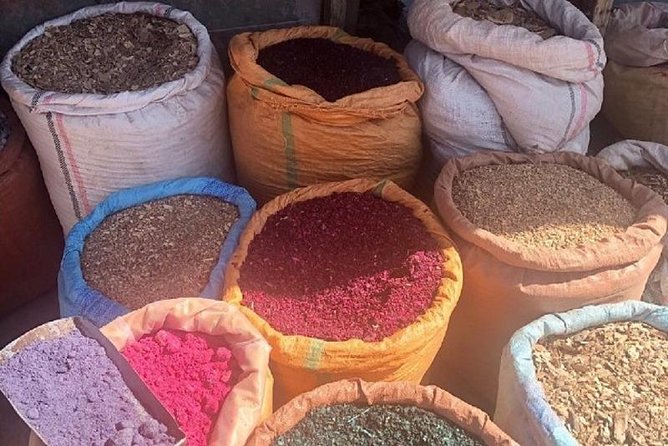
This is a strong opening because it puts Ethiopian food in a real setting. You can expect to see the produce side of the city first, then continue to the spice market in Merkato. The colors and smells are part of the lesson. Here, you begin to understand that Ethiopian cooking depends on more than injera and a plate of stew. Spices, grains, vegetables, and local drinks all have a place in the food culture.
Merkato is described as Africa’s largest open-air market. That scale matters, but the more useful point is that it can be difficult to experience alone. The market is crowded and chaotic, and one guide specifically helped keep a guest safe while moving through it. A local guide also makes shopping easier, especially if you want to buy spices or souvenirs without guessing at prices.
Desale was praised for helping choose souvenirs at a fair price. That is the sort of practical help that adds real value. Still, remember that a market visit is not a quiet museum tour. You will need to stay near your guide, pay attention to your belongings, and accept that the route may change with conditions on the ground.
Give yourself room for sensory overload. You may find the market fascinating, but it is not polished or arranged for sightseeing. That is precisely why it offers a useful look at daily Addis.
Tomoca Coffee: a short stop with a long tradition
The next stop is Tomoca Coffee, described as the oldest Tomoca cafe. You receive a cup of coffee or a macchiato prepared through decades of local coffee-making practice, and you can buy roasted or ground coffee to take home.
This stop lasts about 30 minutes, so it is not a full coffee lesson. Think of it as a focused introduction to Addis coffeehouse culture. It breaks up the market walk and gives you a chance to taste coffee in a classic city setting before the longer ceremony later in the day.
I like the contrast between Tomoca and Sululta. At Tomoca, coffee is quick, urban, and tied to a long-running cafe tradition. In Sululta, the beans are handled more slowly and publicly. Having both stops helps you see that Ethiopian coffee is not one single experience.
Coffee purchases are an easy souvenir choice. The tour specifically allows time to buy roasted or ground coffee, so you do not have to hunt for a shop later. If you do not drink coffee, this may be a less important stop, but the macchiato option gives you another choice.
The schedule does not say that a full meal is served at Tomoca. It is a tasting and shopping stop, not a substitute for lunch.
Learning to make injera with local women
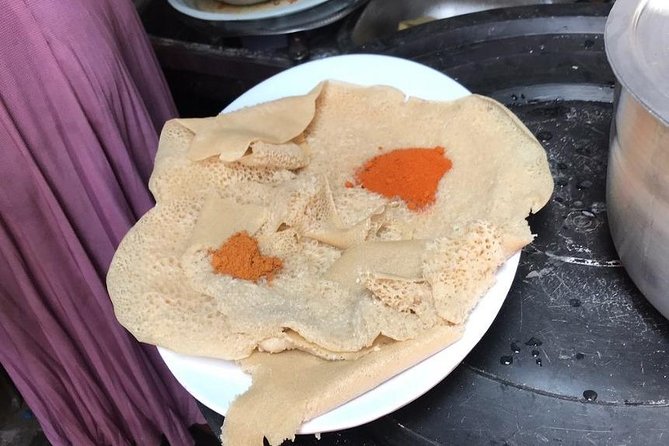
The injera lesson is the most hands-on part of the outing. You meet a group of women who demonstrate how this traditional Ethiopian bread is made, then you try the process yourself.
Injera is central to Ethiopian meals. It acts as both bread and utensil, holding the food and helping you scoop it up. Making it yourself gives you a better feel for the work behind the soft, slightly sour bread that arrives under stews and vegetables.
This activity is also a welcome change from simply watching. You are allowed to take part, and then eat what you made. One guest described the attempt as hilariously bad, while another found the bread-making exciting and memorable. That tells you what to expect: the lesson is friendly and participatory, but you should not expect to produce a perfect restaurant-quality injera on the first try.
The information provided does not include a detailed cooking lesson for the stews and sauces served with injera. One useful limitation is that the focus is on the bread, not a full Ethiopian cooking class. If your main goal is to learn how to prepare wot, tibs, or other dishes, ask the operator in advance what can be demonstrated on your date.
Still, this stop gives the tour a human center. You are not just photographing food. You are meeting the people who make a daily staple and sharing the result at the table.
More food tours in Addis Ababa:
- Hidden Treasures of Addis Ababa – Food, Culture and History Tour
★ 5.0 · 57 reviews - Addis Ababa City Tours With Cocking Class of Ethiopian Food
★ 5.0 · 20 reviews - Ethiopia coffee cupping class/Ethiopian food injera making
★ 5.0 · 10 reviews - Local Ethiopian Food Tour
★ 4.0 · 7 reviews
Taitu Hotel in Piassa: historic setting, generous lunch
Lunch takes place at Taitu Hotel in Piassa, described as Ethiopia’s first and oldest hotel. The meal is served as an assortment of Ethiopian dishes in buffet form, with water and hot drinks included.
This is more than a convenient restaurant stop. Taitu Hotel adds a sense of place and gives you a chance to connect the food with Addis Ababa’s older city center. After the markets and bread-making, a seated meal offers a useful pause.
The buffet format should suit curious eaters. You can sample several dishes rather than commit to one unfamiliar plate. Portions have been described as good, and the food has received especially strong praise. If you are new to Ethiopian food, this is a practical way to find favorites.
Do not expect the lunch to be a formal cooking demonstration. You are tasting the finished food, not watching a chef explain every spice. The menu is not specified in advance, so anyone with strict dietary needs should ask before booking.
The tour also includes hot drinks, but the major coffee ceremony comes later. Alcohol is not included except for the honey wine tasting in Sululta. Any other alcoholic drinks would be an additional cost.
Piassa sightseeing and the city between stops
After lunch, the route includes sightseeing in Piassa. The exact sightseeing points are not fixed in the information provided, which may be a benefit if your guide adjusts the route to your interests.
Zerefa is repeatedly praised for this kind of flexibility. When guests had already visited parts of the planned itinerary, he changed the day and took them elsewhere. Another guide found an art gallery for a guest who had already seen some of the listed stops.
That flexibility matters in Addis, where traffic, opening conditions, and your previous sightseeing can affect the best use of time. It also means the experience may not unfold in exactly the same order for every booking. Ask your guide early in the day if there is something you have already done or something you particularly want to see.
The tour is not limited to food in a narrow sense. Guides explain the city’s history and culture along the way, and one particularly strong experience included extra views and sights from the vehicle. If you want only restaurant visits, this may feel like too much city touring. If you want a quick orientation to Addis, the variety is a strength.
Sululta coffee ceremony and honey wine
The day then leaves central Addis for Sululta, a mountain city outside the capital. The ride gives you a change of scenery and leads to the longest scheduled stop, about two hours.
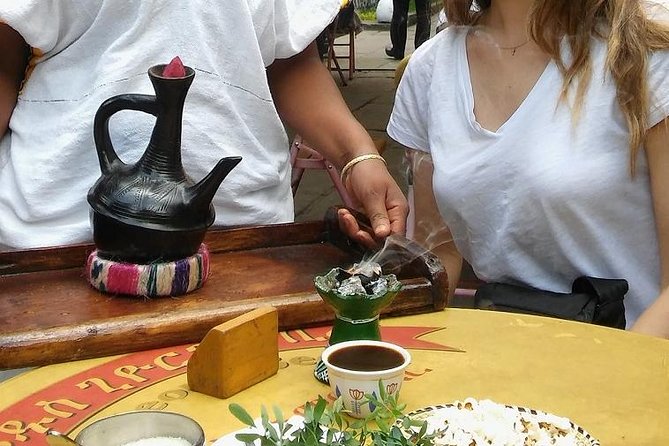
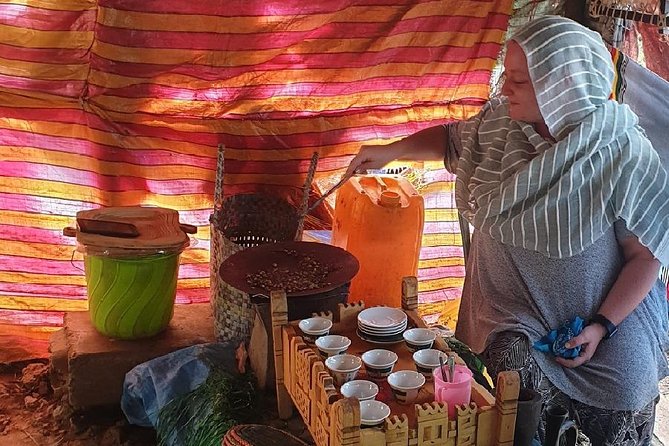
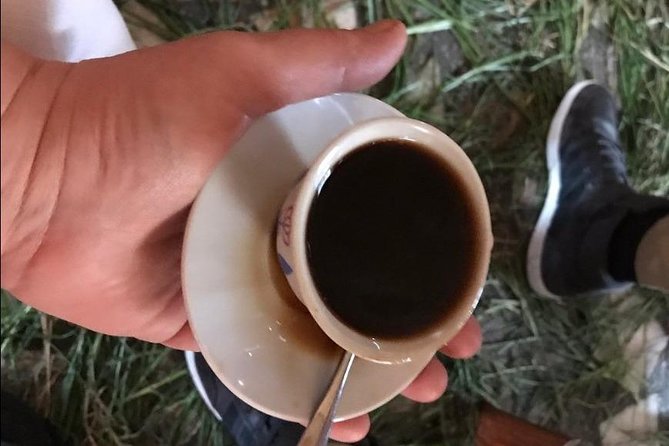
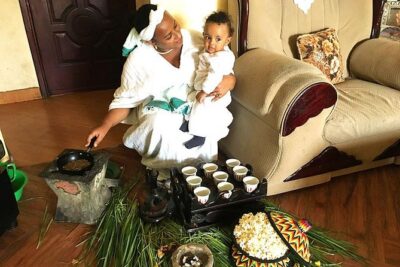
Here you take part in a full Ethiopian coffee ceremony. The demonstration includes washing the beans, roasting them live, and serving the finished coffee. This slow preparation is the heart of the tour for anyone interested in Ethiopian coffee culture.
The ceremony is different from ordering coffee at a cafe. You watch the beans change during roasting, follow the steps from raw ingredient to drink, and then sit down to enjoy the result. The pace is part of the experience. You should not expect to rush in, take a cup, and leave.
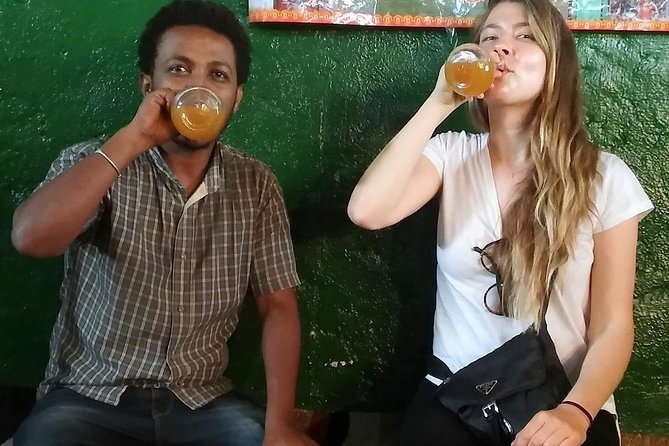
You also taste honey wine, known locally as tej. The stop includes an explanation of how it is made and a glass to sample. Some experiences also included locally made vodka and beer, but those drinks are not part of the listed inclusions, so you should treat them as possible extras rather than promised features.
The mountain setting adds breathing room after the markets and traffic. You can expect scenery on the ride and from the Sululta area, though the tour information does not promise a specific viewpoint or hiking activity. This is a cultural stop, not a mountain trek.
If you do not drink alcohol, the coffee ceremony remains the main reason to visit Sululta. The honey wine tasting is included, but other alcoholic beverages are not.
Guides, drivers, and the value of a local escort

The quality of this tour depends heavily on the guide and driver. A market such as Merkato is far easier to handle with someone who knows the streets, speaks the local language, and can explain what you are seeing.
The named guides in the feedback include Zerefa, Samuel, Emmanuel, Seya, Abiy, and Desale. Zerefa receives particular praise for strong English, a friendly manner, city knowledge, and a willingness to reshape the itinerary. Seya is praised for detailed explanations of Ethiopian history and culture. Samuel is noted for explaining both the destinations and the activities clearly.
The driver matters too. One guest singled out Tamirsat for careful support in crowded areas, while Muse was praised alongside Abiy. Since transportation is private to the tour vehicle but the group may contain up to 30 people, ask how your specific departure will be arranged if group size matters to you.
A guide cannot remove every rough edge from Addis. The city’s tourism infrastructure is still developing, and roads, traffic, market conditions, and communication can affect the day. One severe complaint involved a missed pickup and an unanswered phone during a period of conflict and communication outages. That appears to have been an unusual crisis, but it is still sensible to confirm your pickup details before the morning begins.
Is $85 a fair price?
At $85 per person, the price is reasonable if you would otherwise pay separately for transport, market guidance, lunch, cooking instruction, coffee tastings, and a trip to Sululta.
The strongest value comes from the number of moving parts. You receive round-trip transport within Addis Ababa, a car and driver with fuel, an English-speaking guide, local guides, lunch, bottled water, and hot drinks. Admission is included where a stop charges for it, and the market visits themselves do not require an entrance ticket.
The price is especially attractive for a first visit or a short stay. You can cover several neighborhoods and food traditions without arranging taxis or working out how to reach Sululta. You also avoid trying to interpret the market alone.
The value is lower if you have already visited Tomoca, Merkato, and Taitu Hotel. In that case, the tour’s flexibility becomes important. Guides have adjusted the plan for guests who had completed parts of it already, but you should raise that issue before departure.
Tips are not included. Alcohol beyond honey wine and any other unlisted costs are also extra. For a group of friends or family, ask about group discounts before booking.
Who should book this Addis Ababa food experience?
I would choose this tour if you want food tied to ordinary city life rather than a sequence of polished tastings. It suits first-time visitors, people with one spare day after a conference, and anyone who wants a guided introduction to Ethiopian coffee.
It also works well for families with older children, since the minimum age is eight. The bread-making activity gives younger participants something active to do, while the market and coffee stops add cultural context.
You should be comfortable with a busy schedule and crowded markets. Wear clothing suited to changing weather because the experience operates in all conditions. The day includes walking through markets, riding between locations, and sitting through a traditional ceremony, so it is not a single-setting food class.
The tour may be operated by a multilingual guide. An English-speaking guide is included, but if detailed explanations are important to you, confirm the language arrangements when booking.
Practical details before you go
Pickup is offered from a hotel, house, or airport in Addis Ababa. The stated meeting point is Edna Mall on Cameroon Street, and the end point is listed as the meeting point, so confirm the exact arrangement rather than assuming the vehicle will automatically come to your accommodation.
The activity is near public transportation, but the included vehicle is the easier choice for this route. You do not need to organize separate transport to the markets, Piassa, or Sululta.
The group can reach 30 people. A smaller group may feel more personal during the injera lesson and coffee ceremony, while a larger group can make market movement and conversation less easy. If you prefer a quieter outing, ask about the expected group size.
Free cancellation is available up to 24 hours before the start time. Changes or cancellations inside that window are not accepted for a refund. If bad weather cancels the experience, you are offered another date or a full refund.
Should you book it?
Book this tour if you want a practical first look at Addis Ababa through markets, bread, coffee, and local drinks. The strongest parts are the guided Merkato visit, the chance to make and eat injera, the historic Taitu Hotel lunch, and the full ceremony in Sululta.
I would be more cautious if you want a quiet, tightly timed culinary class or if you have already completed most of the stops. In that case, request a customized plan and confirm the pickup in writing.
For most first-time visitors, $85 buys a useful and enjoyable day with enough variety to make the city easier to understand. Just keep your schedule flexible, stay close to your guide in the markets, and let the coffee ceremony take its time.
FAQ
How long does the Ethiopian Culinary Tour last?
The experience lasts approximately five to six hours, although it is described as a full-day culinary outing.
Is hotel pickup included?
Yes. Pickup and drop-off are offered from any location in Addis Ababa, including a hotel, house, or airport. The stated meeting point is Edna Mall, so confirm the exact pickup arrangement before the tour.
What food is included?
Lunch is included at Taitu Hotel and is served as an assortment of Ethiopian dishes in buffet form. The tour also includes water and hot drinks.
Will I make injera during the tour?
Yes. You meet local women who demonstrate the process of making injera, and you have the opportunity to make and eat your own bread.
Is the coffee ceremony included?
Yes. The Sululta stop includes a full Ethiopian coffee ceremony, from washing and roasting the beans to serving and drinking the coffee. A honey wine tasting is also included.
What is the cancellation policy?
You can cancel up to 24 hours before the experience start time for a full refund. Cancellations or changes made less than 24 hours before the start time are not refunded or accepted.
More Markets in Addis Ababa
- Addis Ababa +Mount Entoto View Point,Museums Palace Market Tours
★ 5.0 · 42 reviews - Go wheretheLocalsgo, Eatwhat thelocalseat!open Market&More Tours
★ 5.0 · 33 reviews - Addis Mercato Market
★ 5.0 · 22 reviews - Ethiopian Culinary Tour – Market, Coffee Ceremony and More
★ 5.0 · 10 reviews
Just added in Addis Ababa
- Yod Abyssinia Cultural Night: Dinner, Music, and Dance★ 5.0 · 7 reviews
- Addis Ababa City Tours Full-Day Tours★ 5.0 · 5 reviews
- Locally crafted beer and wine tasting and nightlife in Addis tour★ 5.0 · 6 reviews
- Unique Ethiopian Cooking Class and Coffee Ceremony with a Local in Addis Ababa★ 4.5 · 7 reviews
- Stunning Views Wonchi Crater Lake a Private Day Trip★ 5.0 · 3 reviews
- .2- Days and 1 Night Tour To Awash National Park water falls★ 5.0 · 1 review
- Visiting the wonders of Lalibela in Three (3) days and Two ( 2) nights★ 5.0 · 2 reviews
- Two days Lake Wenchi and Menagesha Forest★ 5.0 · 1 review
Ethiopian Coffee Ceremonies, compared.
Market Tour and Cooking Class with a Coffee Ceremony at a Home in Addis Ababa
Read our review →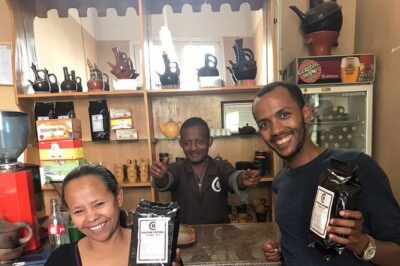
Vintage Coffee Shops, Restaurants, Sightseeing in Addis Ababa
Read our review →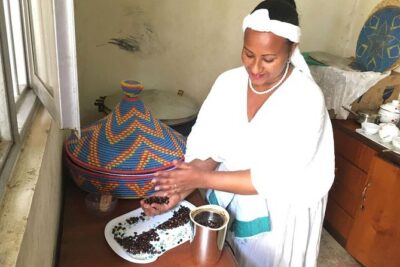
Ethiopian Cooking Class and Coffee Ceremony with a Local in Addis with transfers
Read our review →
Ethiopia coffee cupping class/Ethiopian food injera making
Read our review →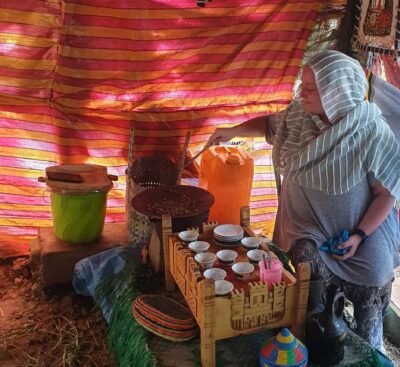
Ethiopian Culinary Tour – Market, Coffee Ceremony and More
Read our review →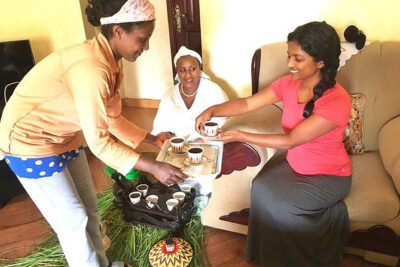
Unique Ethiopian Cooking Class and Coffee Ceremony with a Local in Addis Ababa
Read our review →
Addis Ababa City Experience : Markets, Coffee & Local Life
Read our review →
Churches Full-Day Private Tour w/Coffee Ceremony
Read our review →Browse the lists this tour appears in