
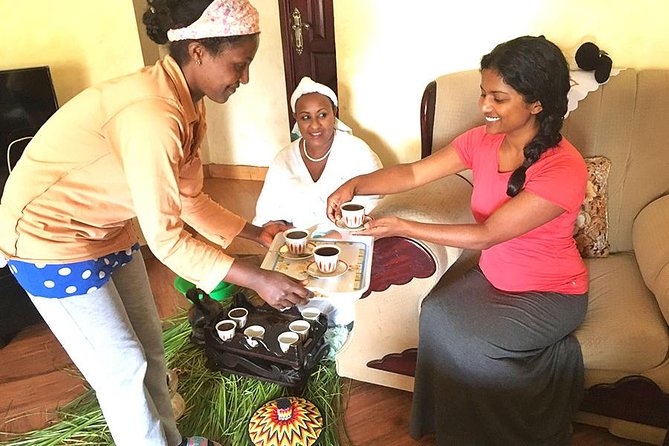
Reviewed · ETHIOPIAN COFFEE CEREMONIES
Unique Ethiopian Cooking Class and Coffee Ceremony with a Local in Addis Ababa
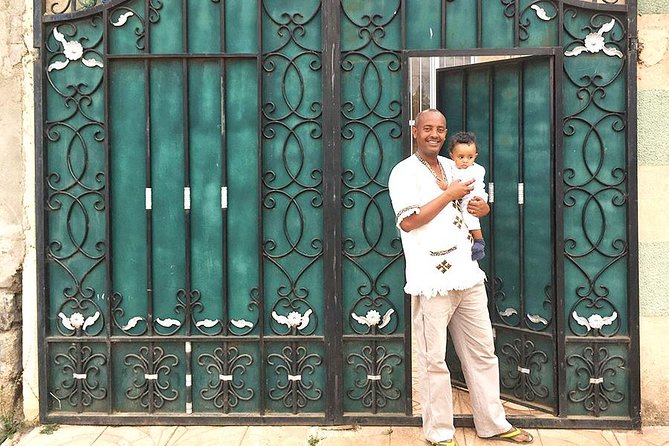
Come hungry, leave with a new view of Addis Ababa. This three-hour visit brings you into Daniel and Tigist’s home, where you learn to prepare Ethiopian food, practice making injera, roast coffee, and share a meal with a local family. I especially like the home-kitchen setting and the chance to learn from Tigist while Daniel welcomes you into the family’s daily world. The hand-roasted coffee ceremony is another strong point, since it turns a meal into a lesson in Ethiopian tradition.
The main thing to consider is the meeting arrangement. Hotel pickup and drop-off are not included, and the stated meeting point is on an unnamed road in Addis Ababa. One past booking involved a meeting-point change from Japan Market to Asko Bus Station, so confirm the exact location and route before the day of your class.
In This Review
- Key points at a glance
- Why a home kitchen matters in Addis Ababa
- The trip to the outskirts and the meeting-point issue
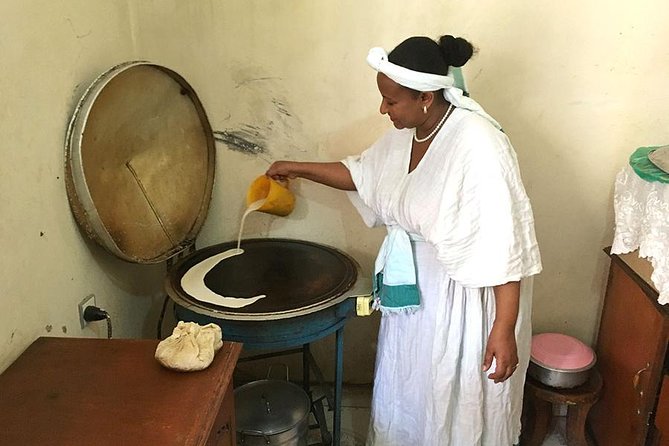
- Making injera with Tigist
- Shiro, tibs, and a menu that changes
- Roasting coffee and joining the ceremony
- Meeting Daniel, Tigist, and the children
- Is $116 a fair price?
- Lunch or dinner: choosing the better time
- Who will enjoy this experience most?
- Booking, cancellation, and practical details
- Should you book it?
- FAQ
- How long does the cooking class and coffee ceremony last?
- Where does the experience take place?
- Is hotel pickup and drop-off included?
- What food might I learn to cook?
- Can I request vegetarian food?
- Can I learn an additional dish?
- Is the experience private?
Key points at a glance
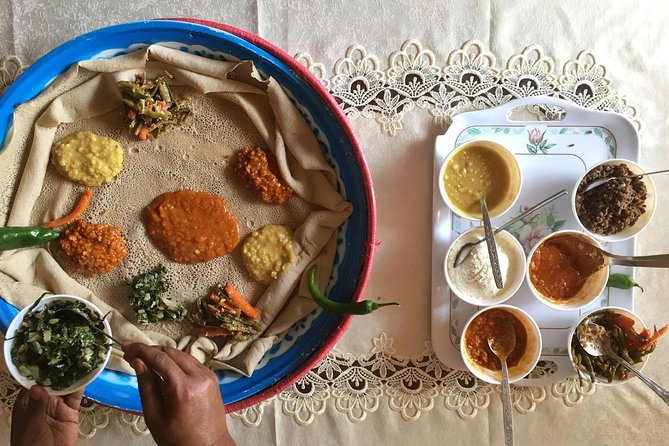
- Learn injera in a real home kitchen: Tigist shows you how the fermented flatbread is poured and cooked, not simply served at a restaurant.
- Meet Daniel and Tigist’s family: Their home is comfortable, clean, and decorated with pictures of their three boys, who may be around during evening or weekend visits.
- Try classic Ethiopian dishes: The menu may include shiro, a chickpea or broad bean stew, or tibs, stir-fried meat with vegetables and spices.
- Roast coffee from raw beans: You take part in the coffee preparation before sitting down for the ceremony and meal.
- Choose lunch or dinner: The timing makes it easier to fit this visit around a day of sightseeing in Addis Ababa.
- Private rather than commercial: Only your group participates, giving you room to ask questions and request a vegetarian meal or dietary adjustment.
Why a home kitchen matters in Addis Ababa
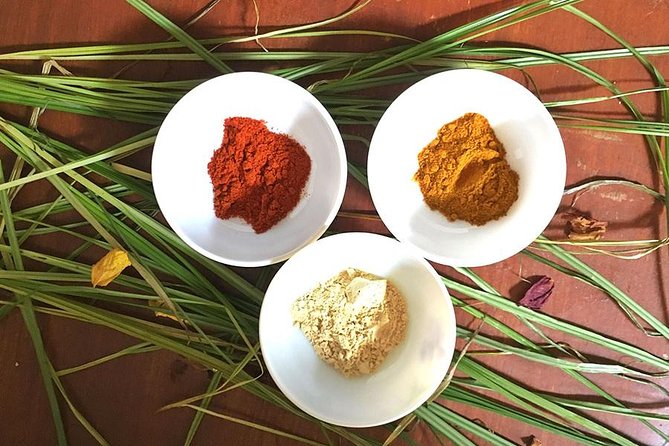
A restaurant can introduce you to Ethiopian flavors. A home visit gives those flavors a setting.
Daniel and Tigist live on the outskirts of Addis Ababa, in an area described as calmer and greener than the city center. It is not a standard sightseeing stop, which is part of the appeal. You see a quieter neighborhood and enter a comfortable family home rather than a purpose-built cooking school.
That difference shapes the whole afternoon or evening. You are not moving from station to station with a large class. You sit in the kitchen, watch the preparation closely, and talk with the people making the food. I like this format for anyone who wants contact with ordinary life, not just a polished demonstration.
The home is clean and homey, with family photographs and a relaxed feel. Daniel and Tigist’s three boys may be home on weekends or during an evening visit. Their presence can make the setting feel less like a paid activity and more like being welcomed into a family’s routine, though you should also expect the tone to be informal rather than highly structured.
This is a private activity for your own group. That is useful if you want to ask basic questions, take your time with unfamiliar ingredients, or discuss Ethiopian food traditions without keeping up with a room full of strangers.
More coffee ceremonies in Addis Ababa:
- Ethiopian Culinary Tour – Market, Food, Coffee Ceremony & more
★ 5.0 · 65 reviews - Market Tour and Cooking Class with a Coffee Ceremony at a Home in Addis Ababa
★ 5.0 · 32 reviews - Vintage Coffee Shops, Restaurants, Sightseeing in Addis Ababa
★ 5.0 · 17 reviews
The trip to the outskirts and the meeting-point issue
The activity starts and ends at the meeting point. Hotel transfers are not included, so you need to arrange your own way there and back. The location is listed as an unnamed road in Addis Ababa, and the area is near public transportation.
Allow extra time for getting across the city. Addis Ababa traffic can make a short distance take much longer than expected, and the outskirts location means this is not an activity you should approach casually between tightly scheduled appointments.
Communication about the meeting point deserves care. A past booking involved an unexpected change from Japan Market to Asko Bus Station, which added about an hour of travel. I would confirm all of the following before setting out:
- The exact meeting point
- The name of the person meeting you
- The best landmark to use
- The expected travel time
- Whether the lunch or dinner start time has changed
This is not a criticism of the home visit itself. It is practical advice. The cooking session can be warm and personal, but the day will be less enjoyable if you begin it by searching for the wrong bus station.
A market stop has also been part of some arrangements. When included, it gives Daniel a chance to explain herbs, spices, and ingredients before you cook with them. Do not assume it is always part of the three-hour schedule, but it is worth asking about when you confirm your meeting details.
Making injera with Tigist
The food lesson centers on injera, Ethiopia’s famous fermented flatbread. Injera is not just a side dish. It acts as the plate, the scoop, and the base for the meal, so learning to prepare it helps you understand how Ethiopian food is eaten as well as how it is cooked.
Tigist shows you how to pour and cook the injera. This is the kind of task that looks simple until you try it. The batter needs to be spread correctly, and the finished flatbread must have the right texture. Your first attempt may not look like a restaurant version, which is precisely why this is a useful class rather than a passive food demonstration.
The lesson takes place in the home kitchen, so you see the process in a practical setting. You can ask about ingredients, preparation, and the role of injera in the meal. The class is designed to last about two hours, with the coffee ceremony and eating time forming the rest of the three-hour visit.
Do not expect a formal culinary school course with printed recipes, professional workstations, or a long list of technical exercises. This is a chance to cook alongside a local expert in her own kitchen. If you value conversation and cultural context more than polished instruction, the format works well.
Shiro, tibs, and a menu that changes
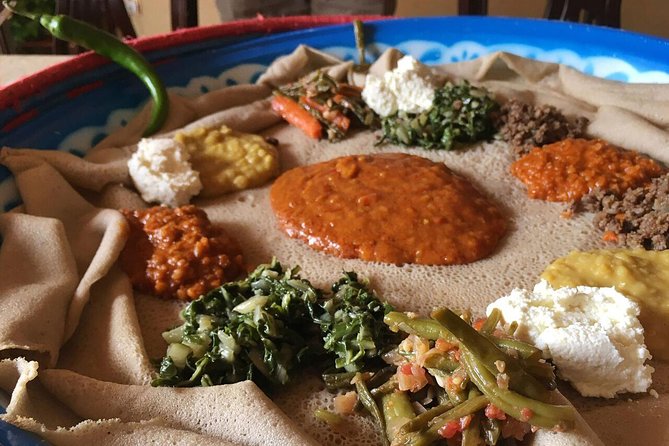
In addition to injera, you might prepare shiro or tibs.
Shiro is a stew made with chickpea or broad bean flour. It is a useful introduction to Ethiopian vegetarian cooking and works naturally with injera. The texture and spices show how a few basic ingredients can become a filling dish with plenty of character.
Tibs is stir-fried meat cooked with vegetables and spices. It gives the class a different direction, with more focus on seasoning and cooking meat. The dish offered depends on the season and the available ingredients, so you should not book expecting one fixed menu.
Vegetarian food is available if requested in advance. You should also report allergies, dietary restrictions, and cooking preferences when booking. This matters because the meal is prepared in a private home, where advance notice gives the hosts time to plan properly.
If you want to learn an additional dish, put that request in the booking notes. The extra lesson will extend the cooking time, so leave room in your schedule and confirm how much longer the visit may last.
I like the flexible menu, but it does mean the experience is less predictable than a standard restaurant class. You receive a more seasonal, household-style meal, not a guaranteed menu selected months ahead.
A few more options to weigh up in Addis Ababa
- Full Day Tour of Addis Ababa with Hotel Pickup and Drop-off
★ 5.0 · 430 reviews - Taste of Ethiopia
★ 5.0 · 406 reviews - Day Trip From Addis Ababa See Historical Monastery,Stunning Nature,Animals,Birds
★ 5.0 · 303 reviews - Addis Ababa: Debre Libanos, Blue Nile Gorge, and Cave Tour
★ 4.5 · 256 reviews
Roasting coffee and joining the ceremony
The coffee portion is one of the strongest reasons to choose this experience.
You learn to roast coffee beans by hand, starting with raw beans. That gives you a closer look at the preparation than simply drinking a cup after dinner. The beans are roasted as part of the visit, then used in a traditional Ethiopian coffee ceremony.
Coffee is not rushed here. It becomes a social occasion, with time to sit, talk, and share the finished drink. The sequence helps you see why coffee has such an important place in Ethiopian hospitality. The meal and coffee are connected, but they are not the same event. First you work with ingredients and heat in the kitchen. Then you slow down and take part in a careful household ritual.
This is also a good part of the class for people who are less confident cooks. Even if your injera is uneven or your stew needs help, the coffee roasting gives you another hands-on activity and a clear cultural focus.
Beverages are included. The coffee ceremony is the central drink-related feature, and the experience also includes the meal with your host.
Meeting Daniel, Tigist, and the children
Daniel and Tigist are the heart of the visit. Tigist leads the cooking instruction, while Daniel hosts and shares the home with you. Their three sons may be present during a weekend or evening booking.
The atmosphere is personal and conversational. You can ask about food, family life, and daily routines in Addis Ababa. Past visits have included long conversations with Daniel and Tigist, which is valuable if you want to understand the city through local experience rather than through a guidebook alone.
That personal setting also creates a small responsibility for you. Enter the home respectfully, follow the hosts’ lead about photographs, and remember that this is their family space, not a staged attraction. The activity works best when you arrive ready to listen as well as cook.
For solo visitors, this can be a particularly pleasant way to spend an afternoon or evening. For a family or group of friends, the private format allows everyone to take part. A family group of six has previously used the home visit for a Thanksgiving meal, so the arrangement can suit a larger private party when availability allows.
Is $116 a fair price?
At $116 per person, this is not the cheapest way to eat Ethiopian food in Addis Ababa. If your only goal is a plate of injera and stew, local restaurants will cost less.
The price makes more sense if you count the full experience: a private cooking class, the ingredients, a shared meal, beverages, coffee roasting, the ceremony, and time with a local family. Taxes, handling charges, and gratuities are included, which makes the headline price easier to understand.
I would judge the value in three ways:
- Good value for personal contact: You receive a private visit rather than a large commercial class.
- Good value for food-focused visitors: You learn techniques you can recognize and perhaps repeat later.
- Less attractive for a strict budget: You pay a premium for access to a home and conversation, not simply for the food.
Group discounts may be available, so larger parties should check the final price before booking. The activity is also more worthwhile if you are curious about Ethiopian culture. Someone who wants a quick meal with no instruction may find the cost harder to justify.
Lunch or dinner: choosing the better time
You can choose a lunch or dinner visit. Lunch is practical if you want to keep your evening open for another activity. It may also be the better choice if you prefer to return to your accommodation before dark, though the exact travel conditions depend on where you are staying and how you reach the meeting point.
Dinner can feel more like a family occasion, especially if Daniel and Tigist’s children are home. It also gives the coffee ceremony a relaxed end to the day. The tradeoff is that you should be especially clear about your return route and the meeting point.
The cooking portion lasts about two hours, followed by the meal and coffee ceremony. Do not schedule a museum, flight, or long cross-city transfer immediately afterward. The visit is designed for conversation, and rushing away would undercut much of what you are paying for.
Who will enjoy this experience most?
I would recommend this cooking class to you if you:
- Want to meet local residents in a private home
- Enjoy learning by watching and doing
- Are interested in injera, shiro, tibs, and Ethiopian coffee
- Prefer a small, personal activity to a standard group tour
- Have time for a three-hour visit outside the city center
- Can manage your own transportation to the meeting point
- Are happy with a menu that may change by season
It may not suit you if you need hotel pickup, a tightly controlled itinerary, or professional cooking-school facilities. It is also not ideal if you dislike social meals or prefer to observe rather than participate.
The class is suitable for vegetarians with advance notice. People with allergies or other dietary needs should provide details at booking, not after arriving.
Booking, cancellation, and practical details
Confirmation is sent within 48 hours of booking, subject to availability. Since the activity takes place in a private home, I would avoid leaving it until the last minute if your Addis Ababa schedule is tight.
You can cancel for a full refund up to two full days before the start time. Changes or cancellations made less than two full days before the activity are not accepted for a refund. The cut-off follows local Addis Ababa time.
Service animals are allowed, and the location is near public transportation. The provider is Traveling Spoon. The activity is private, and only your own group participates.
Should you book it?
Book this experience if you want food to open a door into everyday life in Addis Ababa. The best parts are the home kitchen, Tigist’s injera lesson, Daniel’s hospitality, and the coffee ceremony using beans roasted during your visit.
I would not book it purely for the meal or if transport uncertainty will cause stress. Confirm the meeting point carefully, allow generous travel time, and request vegetarian food or extra dishes in advance.
For the right visitor, the $116 price buys more than cooking instruction. It buys time at a family table, a chance to practice food traditions that are central to Ethiopian life, and a personal introduction to a part of Addis Ababa many sightseeing plans miss.
FAQ
How long does the cooking class and coffee ceremony last?
The full experience lasts approximately three hours. The cooking class takes about two hours, followed by the meal and coffee ceremony.
Where does the experience take place?
It takes place in Daniel and Tigist’s home kitchen on the outskirts of Addis Ababa. The neighborhood is described as calmer and greener than central Addis Ababa.
Is hotel pickup and drop-off included?
No. Hotel pickup and drop-off are not included. You must make your own way to the meeting point, which is listed as an unnamed road in Addis Ababa.
What food might I learn to cook?
The class includes injera and may also include shiro, a chickpea or broad bean stew, or tibs, stir-fried meat with vegetables and spices. The menu can change with the season.
Can I request vegetarian food?
Yes. A vegetarian option is available, but you should request it when booking. You should also provide details about allergies, dietary restrictions, or cooking preferences at that time.
Can I learn an additional dish?
Yes. You can request an additional dish in the booking notes. This will extend the cooking time.
Is the experience private?
Yes. This is a private activity, so only your group participates. The class and meal are hosted in Daniel and Tigist’s home.
Just added in Addis Ababa
- Yod Abyssinia Cultural Night: Dinner, Music, and Dance★ 5.0 · 7 reviews
- Addis Ababa City Tours Full-Day Tours★ 5.0 · 5 reviews
- Locally crafted beer and wine tasting and nightlife in Addis tour★ 5.0 · 6 reviews
- Stunning Views Wonchi Crater Lake a Private Day Trip★ 5.0 · 3 reviews
- Visiting the wonders of Lalibela in Three (3) days and Two ( 2) nights★ 5.0 · 2 reviews
- .2- Days and 1 Night Tour To Awash National Park water falls★ 5.0 · 1 review
- Two days Lake Wenchi and Menagesha Forest★ 5.0 · 1 review
- Two days Lake Wenchi and Menagesha Forest★ 5.0 · 3 reviews
Ethiopian Coffee Ceremonies, compared.
Ethiopian Culinary Tour – Market, Food, Coffee Ceremony & more
Read our review →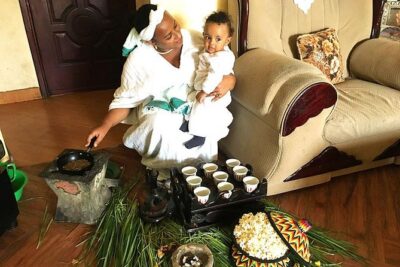
Market Tour and Cooking Class with a Coffee Ceremony at a Home in Addis Ababa
Read our review →
Vintage Coffee Shops, Restaurants, Sightseeing in Addis Ababa
Read our review →
Ethiopian Cooking Class and Coffee Ceremony with a Local in Addis with transfers
Read our review →
Ethiopia coffee cupping class/Ethiopian food injera making
Read our review →
Ethiopian Culinary Tour – Market, Coffee Ceremony and More
Read our review →
Addis Ababa City Experience : Markets, Coffee & Local Life
Read our review →
Churches Full-Day Private Tour w/Coffee Ceremony
Read our review →Browse the lists this tour appears in