
Reviewed · ETHIOPIAN COFFEE CEREMONIES
Ethiopian Cooking Class and Coffee Ceremony with a Local in Addis with transfers
Food opens doors quickly. This private Addis Ababa experience takes you into Daniel and Tigist’s home kitchen, where you cook Ethiopian dishes, share a meal, and take part in a traditional coffee ceremony. I like the personal setting and the chance to learn directly from Tigist, who began cooking beside her mother and has run her own kitchen for years. I also like the practical hotel pickup and drop-off, especially for a late afternoon activity in an unfamiliar city. The main consideration is the price: at $154 per person, this is a personal cultural experience rather than a cheap cooking lesson.
You’ll spend about four hours with a local family, including 1.5 to 2 hours of hands-on cooking. Daniel brings a wider view of Ethiopian culture, food, history, and politics, while Tigist leads the kitchen work. The menu can change with the season, and you should report allergies, dietary needs, or a vegetarian preference when booking.
In This Review
- Key points to know before booking
- Why this Addis Ababa cooking class feels different
- The 3:30 p.m. pickup and ride into local life
- Inside the home kitchen with Tigist
- Eating the meal you helped prepare
- Roasting coffee in Ethiopia’s birthplace
- The value of a $154 private experience
- What the four-hour schedule means for your day
- Who should book this experience
- Booking advice and cancellation terms
- Should you book the Addis Ababa home cooking visit?
- FAQ
- Where does the cooking class take place?
- What time does the experience begin?
- How long does the experience last?
- What dishes might I learn to make?
- Can I request an extra dish?
- Is a vegetarian option available?
- Are hotel transfers included?
- Can I cancel for a full refund?
Key points to know before booking
- Cook in a real Addis Ababa home: This is a private visit to Daniel and Tigist’s home kitchen, not a commercial school with rows of workstations.
- Learn the technique behind injera: Tigist shows you how to pour and cook Ethiopia’s famous spongy flatbread.
- Expect pan-Ethiopian cooking: The dish may be shiro, a chickpea or broad bean stew, or tibs, stir-fried meat with vegetables and spices.
- Coffee is part of the experience: You roast coffee beans yourself before taking part in a traditional Ethiopian ceremony.
- Use the transfers to save time: Hotel pickup and drop-off are included, with the experience beginning at about 3:30 p.m.
- Plan dietary needs early: Vegetarian food is available, but allergies, restrictions, and requests for another dish should be given at booking.
Why this Addis Ababa cooking class feels different
Many cooking classes are built around instruction first and conversation second. This one reverses that balance. You are entering a family home, meeting two people with a direct connection to Ethiopian food and culture, and cooking together in a setting that feels personal rather than staged.
Daniel and Tigist come from the Oromia region, yet their cooking reaches across Ethiopia. That matters because Ethiopian food is not one fixed menu. Ingredients, spice blends, and favorite dishes can vary by region and season. You may learn shiro, a smooth stew made with chickpea or broad bean flour, or tibs, a pan-cooked dish of meat, vegetables, and spices.
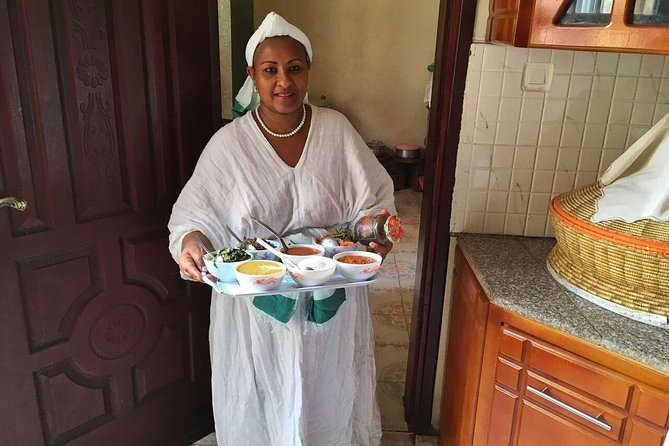
Tigist is the key kitchen teacher. She learned by helping her mother as a child, then managed her own kitchen after marrying Daniel. Her instruction is rooted in everyday cooking, not a restaurant demonstration designed only for show. You should expect to watch, help, ask questions, and eat the results.
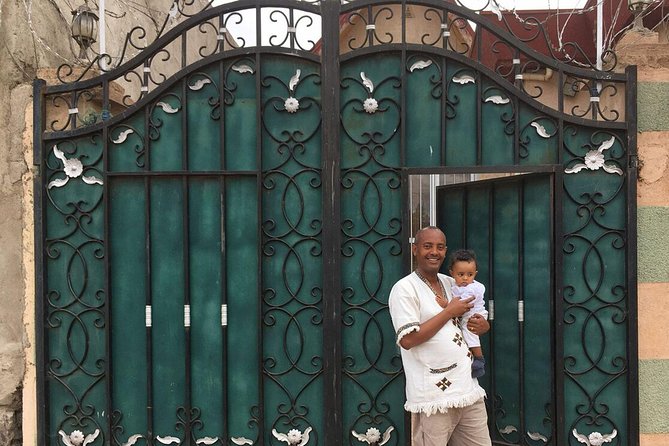
Daniel adds a second layer to the visit. He has a master’s degree in Social Anthropology and has worked in tourism for more than a decade. He speaks excellent English and enjoys talking about food, history, politics, and cultural differences. If you like asking questions, his presence can turn a meal into a wide-ranging conversation about Ethiopia.
The couple’s three sons may also be around if you book on a weekend. That is a small detail, but it helps set expectations. This is a family home, so the atmosphere may include ordinary household life rather than the polished rhythm of a professional cooking studio.
More coffee ceremonies in Addis Ababa:
- Ethiopian Culinary Tour – Market, Food, Coffee Ceremony & more
★ 5.0 · 65 reviews - Market Tour and Cooking Class with a Coffee Ceremony at a Home in Addis Ababa
★ 5.0 · 32 reviews - Vintage Coffee Shops, Restaurants, Sightseeing in Addis Ababa
★ 5.0 · 17 reviews
The 3:30 p.m. pickup and ride into local life
The experience begins at approximately 3:30 p.m., with pickup from your hotel. You need to provide the hotel name and full address when booking. Since transport back to your hotel is also included, you do not have to arrange a taxi after the meal and coffee ceremony.
That convenience is especially useful if your time in Addis Ababa is short. You can keep your afternoon free for another activity, then head to the class without working out local transport at the last minute. The return transfer also removes one practical worry after an evening meal.
One particularly appealing detail is the chance to see Daniel’s neighborhood in the hills on the outskirts of Addis Ababa. The visit is not limited to a kitchen table. Depending on the exact flow of the afternoon, Daniel may give you an inside look at the area around his home and answer questions about local life.
You should allow flexibility around the four-hour estimate. The cooking itself lasts about 1.5 to 2 hours, but conversation, eating, coffee roasting, and the ceremony fill out the rest of the visit. This is not a fast lesson where you rush through a recipe and leave.
Inside the home kitchen with Tigist
Once you arrive, the heart of the experience is Tigist’s kitchen instruction. You learn by seeing how Ethiopian food is prepared and by taking part in the process. The exact dish depends on the season and the plan for your visit.
The class may focus on shiro, a comforting stew made from chickpea or broad bean flour. Shiro is a useful introduction to Ethiopian food because it shows how a few pantry ingredients can become a satisfying main dish with careful seasoning and cooking.
You might instead prepare tibs, a stir-fried dish featuring meat, vegetables, and spices. Tibs offers a different lesson, with more emphasis on pan cooking and the balance between meat, aromatics, and seasoning.
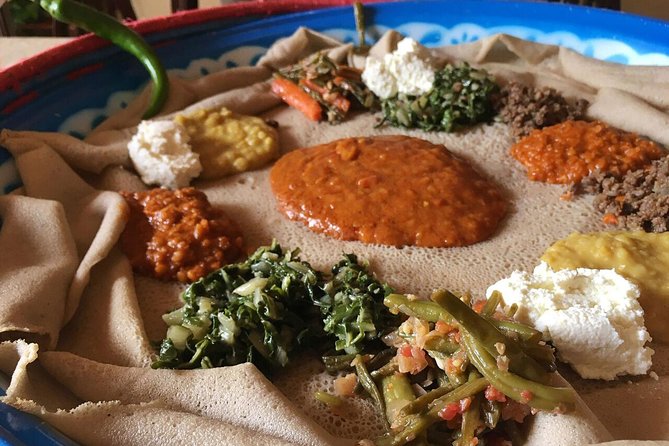
The third major lesson is injera, Ethiopia’s soft, spongy flatbread. Tigist will show you how to pour the batter and cook the bread correctly. For many people, this is the most valuable part of the class because injera is both food and tableware in Ethiopian meals.
You use injera to scoop up stews and meat, so the bread needs the right texture. Learning to pour and cook it gives you a better sense of why the bread matters, rather than treating it as an unfamiliar item placed beside your plate.
The menu is not guaranteed in advance. It may change with the season, and the dish can depend on what is suitable for the day. That flexibility is part of the home-cooking character, though it may disappoint you if you want one specific recipe.
If you want to make an additional dish, request it before booking. It can be arranged, but it will extend the cooking time. Do not assume you can add several recipes once the class has begun, since the schedule and preparation need to be planned.
Eating the meal you helped prepare
After cooking, you sit down to eat what you have made. This is where the lesson becomes useful in a very practical way. You taste the food immediately, compare the different dishes, and see how injera works with stew and meat.
I value this kind of meal because it connects the technique to the finished plate. You are not simply collecting a recipe. You are learning how the dish is served and eaten in an Ethiopian home.
The meal also gives Daniel time to explain ingredients, customs, and the wider place of food in Ethiopian culture. He enjoys discussing subjects beyond cooking, so you can guide the conversation toward whatever interests you most.
Beverages, bottled water, and coffee or tea are included. Alcoholic drinks are not included, so do not expect wine or beer as part of the meal. The focus remains on Ethiopian food and the ceremony that follows.
Vegetarian food is available if requested in advance. The same advice applies to food allergies, dietary restrictions, and cooking preferences. Tell the provider when you book, not after pickup. Since the menu may vary, early notice is important.
A few more options to weigh up in Addis Ababa
- Full Day Tour of Addis Ababa with Hotel Pickup and Drop-off
★ 5.0 · 430 reviews - Taste of Ethiopia
★ 5.0 · 406 reviews - Day Trip From Addis Ababa See Historical Monastery,Stunning Nature,Animals,Birds
★ 5.0 · 303 reviews - Addis Ababa: Debre Libanos, Blue Nile Gorge, and Cave Tour
★ 4.5 · 256 reviews
Roasting coffee in Ethiopia’s birthplace
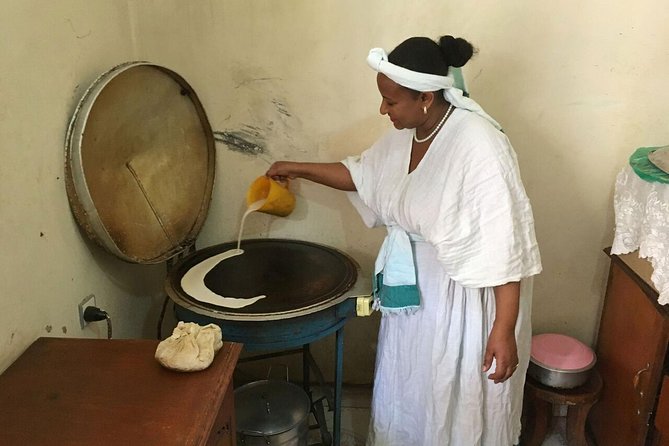
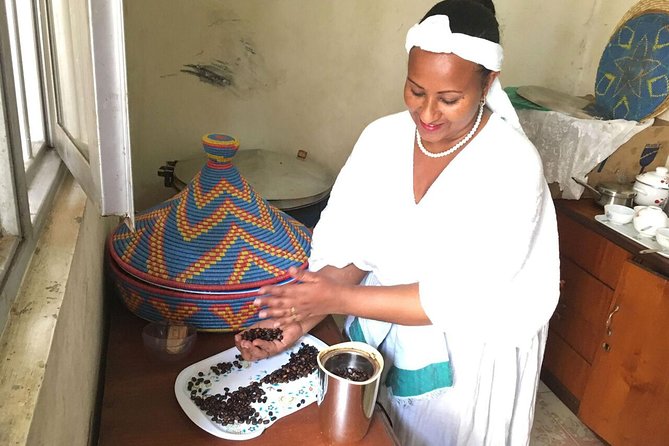
The coffee portion gives the afternoon a second act. You learn to roast coffee beans before taking part in a traditional Ethiopian coffee ceremony. This is more hands-on than simply being served a cup at the end of a meal.
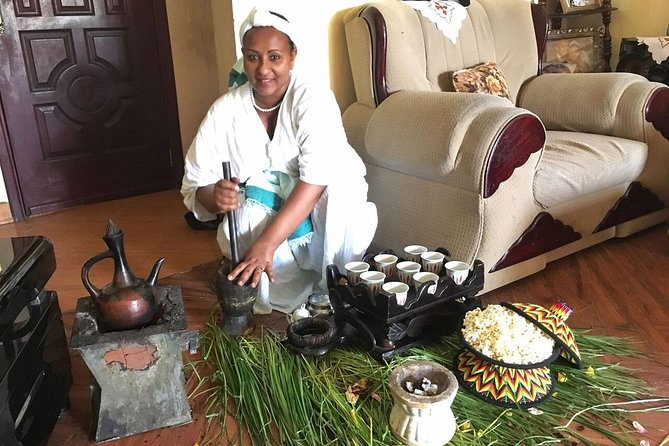
Coffee has a special place in Ethiopia, widely recognized as the drink’s birthplace. Here, roasting is part of the social ritual. The process slows the visit down and creates time for conversation, observation, and another taste of local life.
You should expect a ceremonial experience rather than a technical barista class. The focus is on roasting the beans and understanding the custom of preparing and sharing coffee. If your interest is in coffee culture, this part may be as memorable as the cooking.
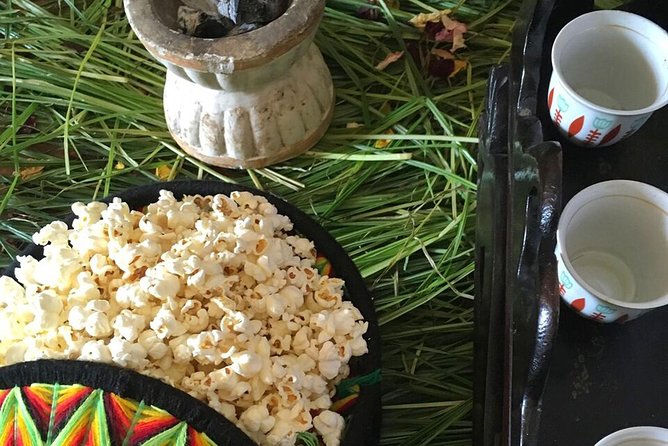
The ceremony also helps explain why Ethiopian coffee is about more than caffeine. It is a way to bring people together and mark hospitality. After a hands-on meal, sitting down for coffee gives the visit a natural, unhurried finish.
The value of a $154 private experience
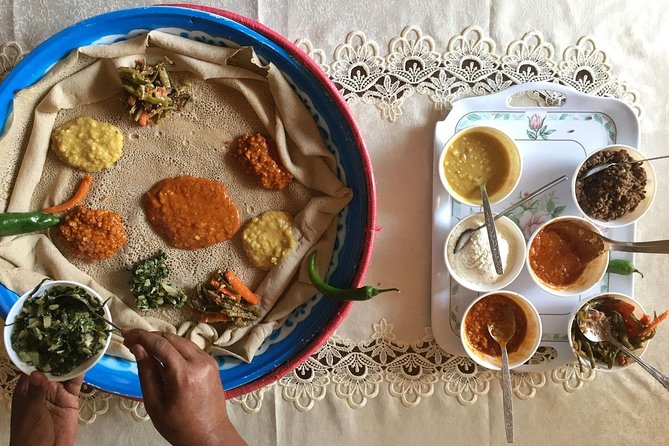
At $154 per person, this is expensive if you compare it with a basic group cooking class or an ordinary restaurant meal. The price makes more sense when you count what is included: hotel transfers, a private cooking lesson, the meal, beverages, bottled water, coffee or tea, taxes, fees, and gratuities.
You are also paying for access to a local home and for Daniel’s time as an experienced tourism professional. His English and broad interests can add real value if you want context, not just recipes. Tigist’s years of home cooking provide the practical side of the experience.
The private format matters. Only your group takes part, so you can ask questions, set the pace, and discuss dietary needs more easily than in a large class. A couple or family may find the price reasonable because the experience combines transport, food, instruction, and cultural conversation in one afternoon.
For a solo visitor, the cost requires more thought. You may still value the personal contact and convenience, but the per-person rate is harder to justify if your main goal is simply to eat Ethiopian food. I would book it for the home visit and cultural exchange, not only for the recipes.
Group discounts are available, although the exact savings are not specified. If you are traveling with friends or family, check the total price before deciding. A larger private group may make the cost easier to accept.
What the four-hour schedule means for your day
The afternoon start leaves your morning and early afternoon open. You can use that time for other Addis Ababa plans, then return to your hotel for pickup if needed.
The class and coffee ceremony take about four hours, so you should not schedule a tight evening appointment afterward. The cooking may run toward the longer end if conversation is lively or if you request an extra dish.
The pace is better suited to people who enjoy lingering over food. If you want a quick activity with a fixed start-to-finish timetable, this may feel too loose. If you like learning through conversation, the unhurried structure is a benefit.
The transfer service is also useful for first-time visitors. You do not need to know the route to the home or negotiate a ride back after the ceremony. Include accurate hotel details when you book, and confirm that the pickup information is correct.
Who should book this experience
I would recommend this for you if you want a personal introduction to Ethiopian food and prefer meeting local people in a home setting. It is especially suitable for couples, families, and small private groups who enjoy asking questions and sharing a long meal.
It also suits anyone curious about the connection between cooking and culture. Daniel can discuss topics ranging from food to politics, while Tigist gives you direct kitchen instruction. You get both the practical lesson and the broader conversation.
This is a good match for coffee fans, too. Roasting your own beans and taking part in a traditional ceremony gives coffee a clear place in the afternoon rather than treating it as an afterthought.
I would hesitate if you need a guaranteed menu, dislike flexible schedules, or want an inexpensive class. The dish can vary by season, and an extra recipe adds time. You should also give careful advance notice if you have allergies or strict dietary requirements.
The family setting may include the couple’s children on weekends. That can make the visit feel more like ordinary home life, but it also means the atmosphere will not be as controlled as a formal school.
Booking advice and cancellation terms
Confirmation is provided when you book, and the experience is available as a mobile ticket. You can cancel for a full refund if you do so at least two full days before the local start time.
Cancellations or changes made within two full days are not accepted for a refund. Because this is a private home visit with food preparation and transfers, give yourself time to check your hotel address, menu needs, and preferred date before committing.
Should you book the Addis Ababa home cooking visit?
Book it if you want more than a recipe. The home setting, Daniel and Tigist’s personal hospitality, and the coffee ceremony create a fuller picture of Ethiopian daily life than a standard restaurant meal can provide.
The price is high, but the package includes private instruction, a meal, coffee preparation, hotel transfers, and plenty of time for questions. I would choose it for a first visit to Addis Ababa, particularly if you have limited time and want one well-organized afternoon with strong local contact.
Skip it if your priority is low cost or a tightly fixed menu. For everyone else, this is a thoughtful way to meet a family, cook familiar Ethiopian staples, and leave with a better understanding of injera, shiro, tibs, and coffee.
FAQ
Where does the cooking class take place?
The class takes place in Daniel and Tigist’s home kitchen in Addis Ababa. It is a private home visit rather than a commercial cooking school.
What time does the experience begin?
The stated start time is approximately 3:30 p.m.
How long does the experience last?
The full experience lasts about four hours. The cooking portion takes approximately 1.5 to 2 hours.
What dishes might I learn to make?
The menu may include shiro, a chickpea or broad bean stew, tibs, stir-fried meat with vegetables and spices, and injera. The menu can vary by season.
Can I request an extra dish?
Yes. Request an additional dish when booking. Making another dish will extend the cooking time.
Is a vegetarian option available?
Yes. Vegetarian food is available, but you should advise the provider when booking.
Are hotel transfers included?
Yes. Hotel pickup and drop-off are included. You must provide your hotel name and address when making the booking.
Can I cancel for a full refund?
Yes, if you cancel at least two full days before the experience start time. Cancellations or changes made within two full days are not refundable.
Just added in Addis Ababa
- Yod Abyssinia Cultural Night: Dinner, Music, and Dance★ 5.0 · 7 reviews
- Addis Ababa City Tours Full-Day Tours★ 5.0 · 5 reviews
- Locally crafted beer and wine tasting and nightlife in Addis tour★ 5.0 · 6 reviews
- Unique Ethiopian Cooking Class and Coffee Ceremony with a Local in Addis Ababa★ 4.5 · 7 reviews
- Stunning Views Wonchi Crater Lake a Private Day Trip★ 5.0 · 3 reviews
- .2- Days and 1 Night Tour To Awash National Park water falls★ 5.0 · 1 review
- Visiting the wonders of Lalibela in Three (3) days and Two ( 2) nights★ 5.0 · 2 reviews
- Two days Lake Wenchi and Menagesha Forest★ 5.0 · 1 review
Ethiopian Coffee Ceremonies, compared.
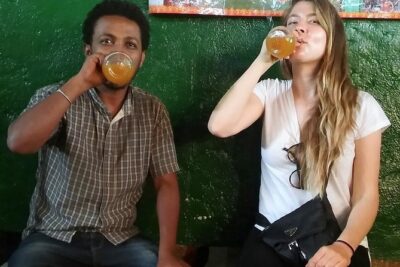
Ethiopian Culinary Tour – Market, Food, Coffee Ceremony & more
Read our review →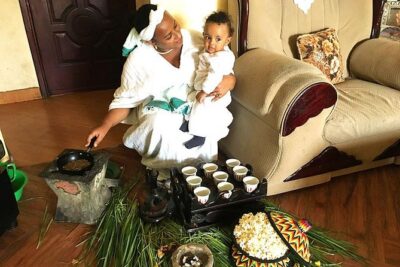
Market Tour and Cooking Class with a Coffee Ceremony at a Home in Addis Ababa
Read our review →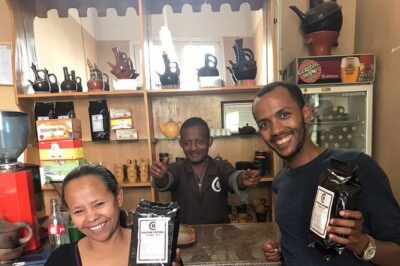
Vintage Coffee Shops, Restaurants, Sightseeing in Addis Ababa
Read our review →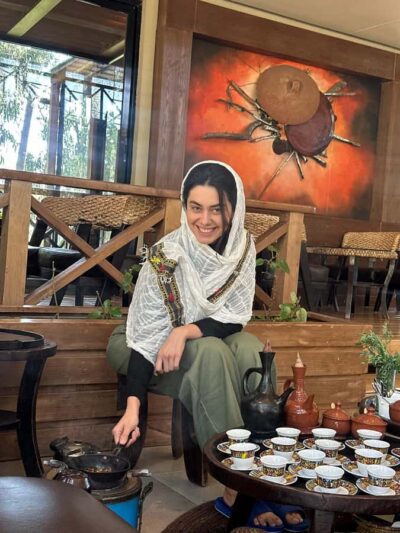
Ethiopia coffee cupping class/Ethiopian food injera making
Read our review →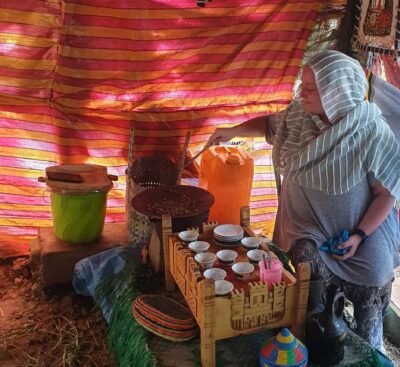
Ethiopian Culinary Tour – Market, Coffee Ceremony and More
Read our review →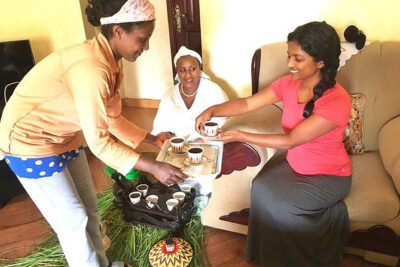
Unique Ethiopian Cooking Class and Coffee Ceremony with a Local in Addis Ababa
Read our review →
Addis Ababa City Experience : Markets, Coffee & Local Life
Read our review →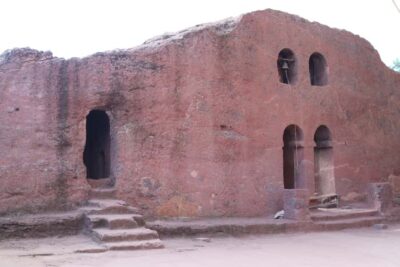
Churches Full-Day Private Tour w/Coffee Ceremony
Read our review →Browse the lists this tour appears in