
Reviewed · WORKSHOPS
Ethiopian cooking class
Put Ethiopia on your plate. This Addis Ababa cooking class gives you a hands-on way to learn traditional recipes from local cooks, then sit down to eat what you prepare. I like the direct teaching and the chance to take part in a traditional coffee ceremony. The included airport or hotel transportation also makes the outing easier to arrange.
I also like that the price covers ingredients, coffee, water, entrance fees, tax, and transportation. The main consideration is that the available details do not state the class duration, menu, group size, or exact meeting point, so you should confirm those points before paying. Still, the five-star feedback highlights friendly hosts, good food, and a fun format, which are exactly the things that can make a cooking lesson memorable.
In This Review
- Key points to know before booking
- Why a cooking class works well in Addis Ababa
- Arriving from your hotel or the airport
- Meeting the cooks and learning Ethiopian flavors
- From demonstration to your own Ethiopian dish
- Eating the meal you helped prepare
- The coffee ceremony that follows
- What the $68 price really includes
- The host style and the strongest praise
- Who will enjoy this activity most
- Practical booking advice for the best day
- Should you book this Addis Ababa cooking class?
- FAQ
- How much does the Ethiopian cooking class cost?
- Where does the cooking class take place?
- Is transportation included?
- What is included in the price?
- What language is the class offered in?
- Will I prepare the food myself?
- Is a coffee ceremony included?
- Can I cancel for a full refund?
Key points to know before booking
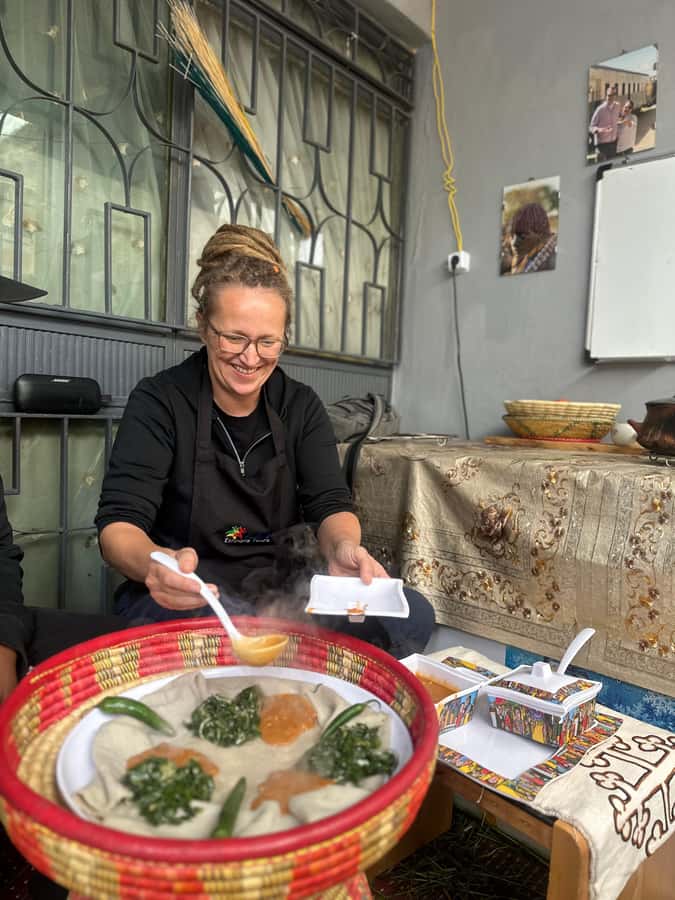
- Cook with local instructors: You learn about Ethiopian flavors, ingredients, and methods directly from the people preparing the food.
- Prepare your own meal: The lesson is not only a demonstration. You take your turn making Ethiopian dishes and taste the food as you go.
- Finish with coffee: A traditional Ethiopian coffee ceremony follows the cooking and meal, giving the class a cultural finish.
- Transportation is included: Pickup or transport from the airport and hotel is listed, along with all other transportation during the activity.
- $68 covers the basics: Food ingredients, coffee, water, entrance fee, and tax are included.
- A small keepsake comes with the lesson: You receive a certificate at the end, though the certificate is best treated as a souvenir rather than a cooking qualification.
Why a cooking class works well in Addis Ababa
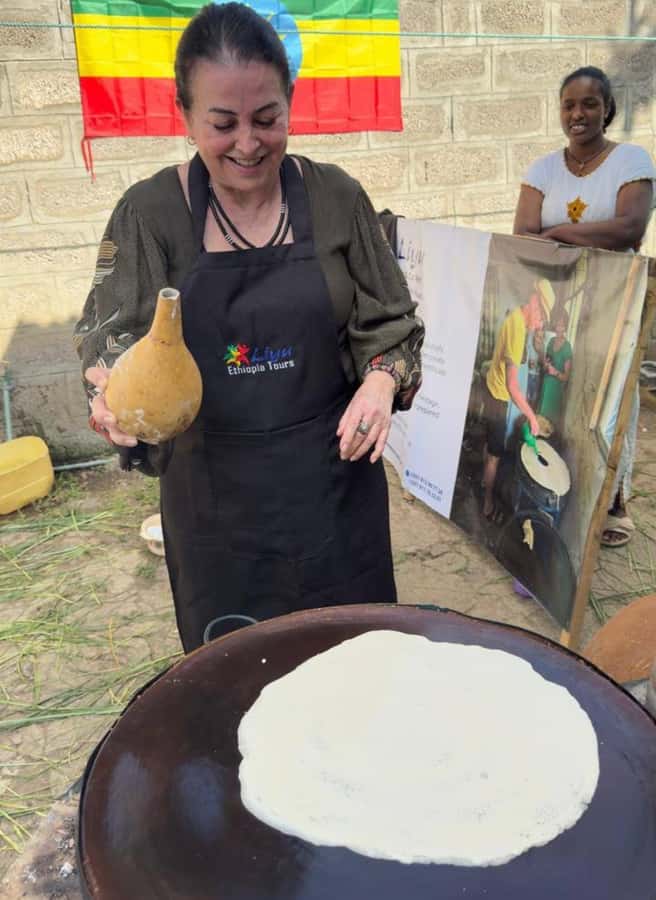
Food can give you a useful first look at a country. In a cooking class, you are not simply served a finished plate. You see how a dish comes together, learn which ingredients matter, and get a chance to repeat the method with your own hands.
That matters especially with Ethiopian food, where flavor and technique are central to the meal. The local cooks explain the ingredients and the way they are used, then guide you while you prepare the food. I like this format because it gives you something practical to take home. A restaurant meal ends when the plate is cleared. A cooking lesson can stay with you through a recipe, a new skill, and a better sense of how Ethiopian food is made.
The class also fits well into an Addis Ababa visit because it offers more than sightseeing. You spend time in a kitchen, work with local people, and share the meal produced during the lesson. It is a relaxed way to connect with Ethiopian food without needing to plan every ingredient or cooking step yourself.
A few more options to weigh up in Addis Ababa
- Full Day Tour of Addis Ababa with Hotel Pickup and Drop-off
★ 5.0 · 430 reviews - Taste of Ethiopia
★ 5.0 · 406 reviews - Day Trip From Addis Ababa See Historical Monastery,Stunning Nature,Animals,Birds
★ 5.0 · 303 reviews
Arriving from your hotel or the airport
Transportation is included from the airport and hotel, and the details also list all transportation connected with the activity. That is useful in Addis Ababa, where arranging a new destination can take time, especially if you are unfamiliar with the city.
I would confirm the pickup process before the day of the class. The supplied information does not give a pickup time, exact address, vehicle details, or instructions for airport collection. Ask where the driver will meet you, how to identify the vehicle, and how much time you should allow for the transfer.
The transport inclusion adds real value to the $68 price. You are not paying only for a lesson and a meal. You are also paying for a simpler arrival and departure plan, plus the basic costs of the kitchen activity. If you already have private transport arranged, the package may be less important to you. If you are arriving in Addis Ababa without a local plan, it can make the booking more convenient.
Meeting the cooks and learning Ethiopian flavors
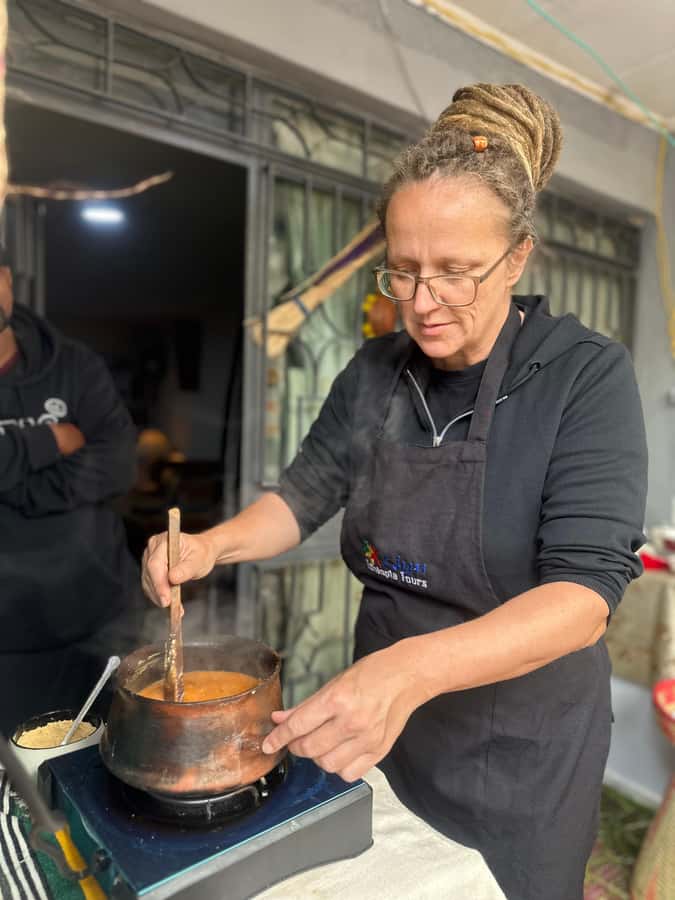
The lesson begins with instruction from local cooks. They introduce the flavors, ingredients, and techniques used in Ethiopian food before you begin preparing your own dishes.
The strength of this approach is the human explanation. A written recipe can tell you what to add, but a local cook can show you how the process feels and how the ingredients work together. The class is designed to teach, not just entertain, so you can ask questions and follow the preparation step by step.
You should expect the food to be explained in English, which is the listed language for the activity. That makes the class practical for English-speaking visitors. The information does not identify the cooks by name, so you should not expect a named chef-led demonstration. The appeal is the local kitchen setting and the personal instruction, not a celebrity cooking show.
The class also allows you to taste the food as you go. That is a useful detail. You can follow the change in flavor during preparation instead of waiting until the final meal to discover what you have made. It also helps you understand why the cooks use particular ingredients or techniques.
From demonstration to your own Ethiopian dish
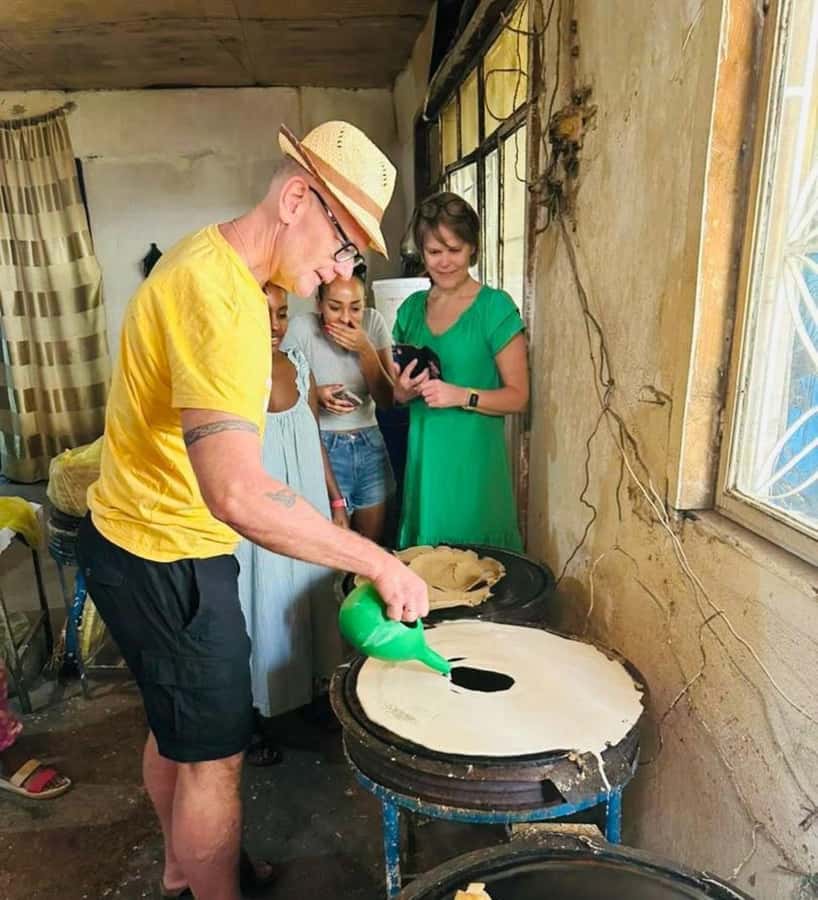
After the local cooks show you how the food is prepared, you take your own turn. This is the part that makes the activity more than a food demonstration.
You prepare Ethiopian dishes yourself, with the cooks guiding you through the process. I would expect the amount of hands-on work to depend on the group and the recipe, but the description clearly promises active participation. You are not simply watching someone else cook while standing at the edge of the kitchen.
For a first cooking class, this format is friendly because you do not need to arrive with strong kitchen skills. The class is intended to improve your cooking ability, teach new recipes, and build confidence. You can work through the steps with help rather than trying to reproduce an unfamiliar dish alone.
The exact menu is not provided, so I would not book this class expecting a specific recipe unless you confirm it first. The description promises traditional Ethiopian dishes, but it does not name them. Ask ahead if you have a favorite dish in mind, dietary restrictions, or ingredients you cannot eat.
The absence of a published menu is the clearest limitation here. Some people will enjoy the surprise and the chance to learn what the cooks choose. Others will want to know exactly what they are making before booking. A quick message to the provider can settle that point.
A completely different kind of day:
- Addis Ababa: Debre Libanos, Blue Nile Gorge, and Cave Tour
★ 4.5 · 256 reviews - Addis Ababa Guided City Tour With Airport & Hotel Pick Up
★ 5.0 · 237 reviews - Breathtaking Nature, Wildlife and Cave Church Tour – Free Pickups
★ 5.0 · 225 reviews - Full-Day Private City Tour of Addis Ababa
★ 5.0 · 147 reviews
Eating the meal you helped prepare
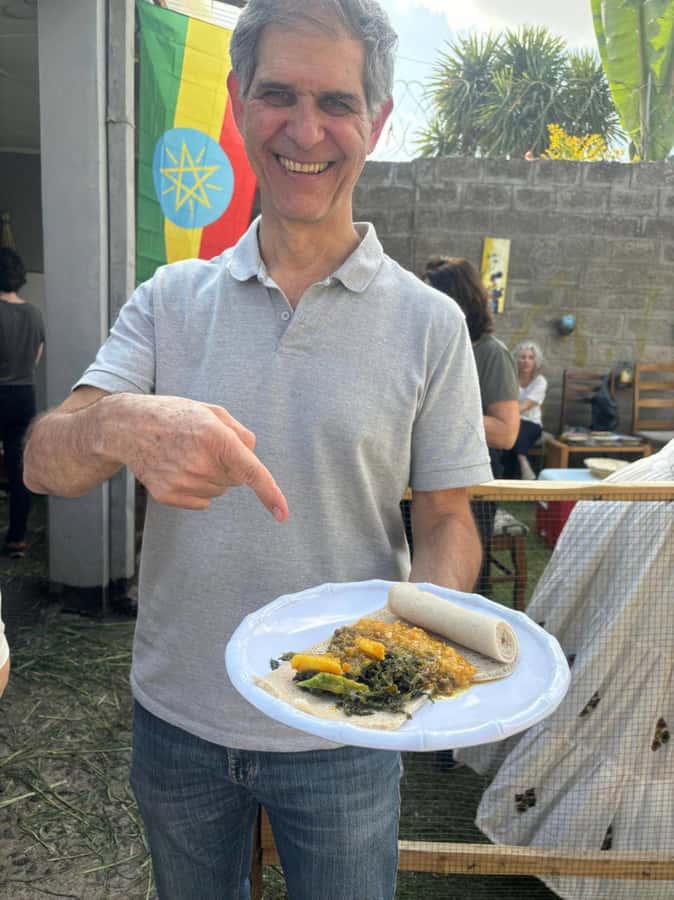
The class includes the meal you cook after the lesson. This gives the activity a clear payoff. You learn the method, taste along the way, and then share the finished food at the end.
I like this part because it connects effort with enjoyment. You are more likely to remember a dish when you have prepared it yourself. The meal also gives you time to slow down after the cooking and talk with the hosts.
All food ingredients are included, as are coffee and water. That means you should not need to budget separately for the basic food served during the activity. Entrance fees and tax are also included, so the advertised price is closer to the final cost than a bare activity price would be.
The supplied information does not say how many dishes you will make, how large the final meal will be, or if extra drinks are available. If the meal is an important part of your decision, ask those questions before booking. The class promises delicious traditional food, but the exact serving details are not stated.
The coffee ceremony that follows
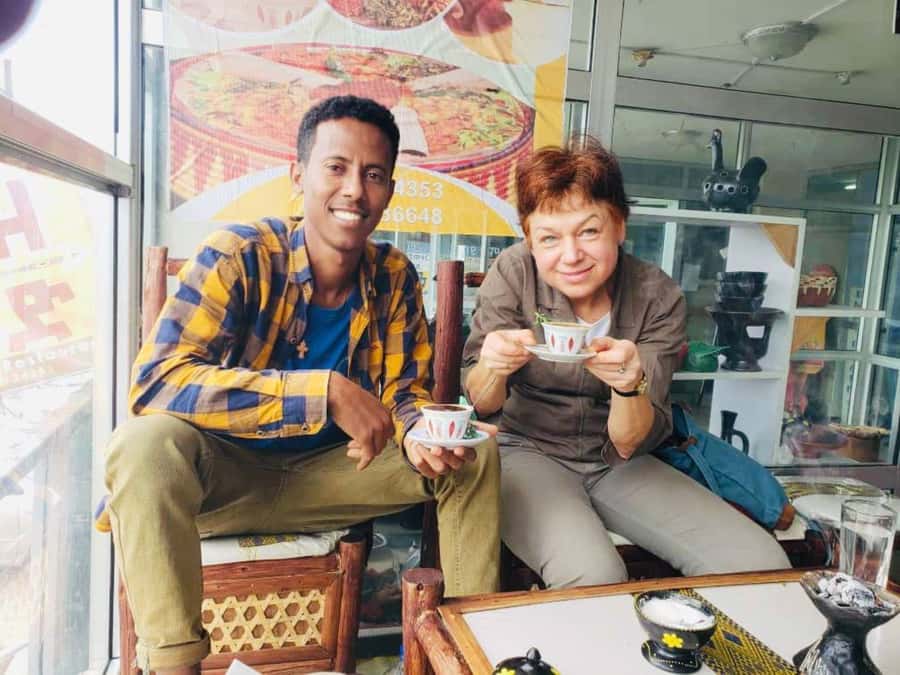
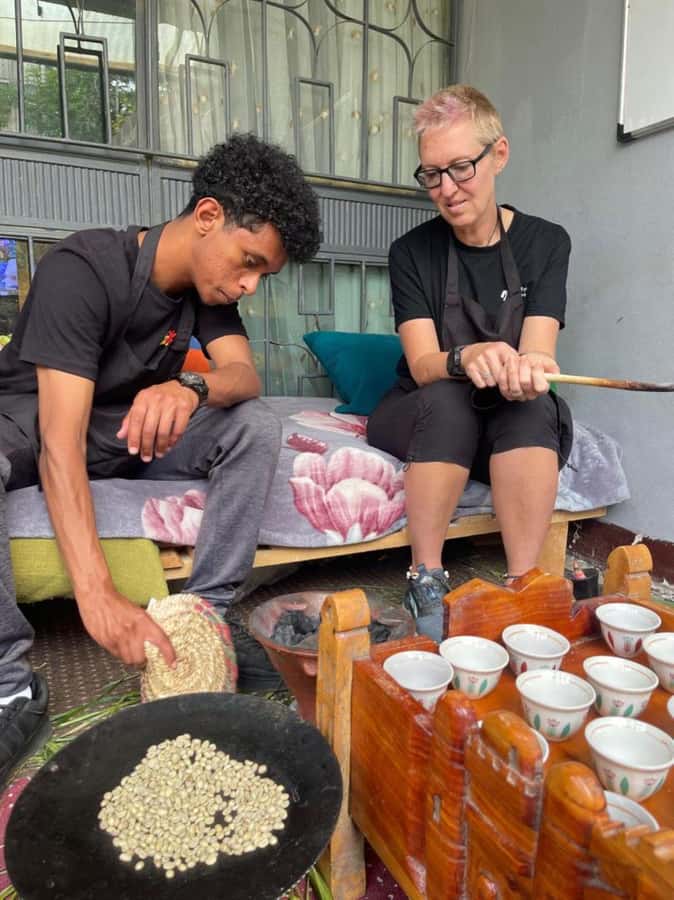
The traditional coffee ceremony comes after the cooking and meal. This is a valuable cultural touch because coffee is not treated as a quick drink here. It becomes part of the social rhythm of the activity.
The ceremony gives the class a gentle ending. After working in the kitchen, you have time to sit, enjoy coffee, and finish the visit at a slower pace. I would see this as one of the most distinctive parts of the program, since it adds a cultural experience beyond the cooking lesson itself.
Coffee and water are included in the price. The details do not explain the full ceremony, its length, or the equipment used, so I would avoid making assumptions about the exact presentation. The important point is that the class includes a traditional coffee ceremony after the food preparation.
If you are interested in Ethiopian food but have limited time in Addis Ababa, this combination is efficient. You get instruction, a meal, and a coffee tradition in one outing. It may suit you better than booking separate food and cultural activities.
What the $68 price really includes
At $68 per person, the value depends on how much you would otherwise spend arranging transport, food, and a cultural activity separately.
The package includes:
- Transportation from the airport and hotel
- All transportation connected with the activity
- Food ingredients
- Coffee and water
- Entrance fee
- Tax
- The cooked meal
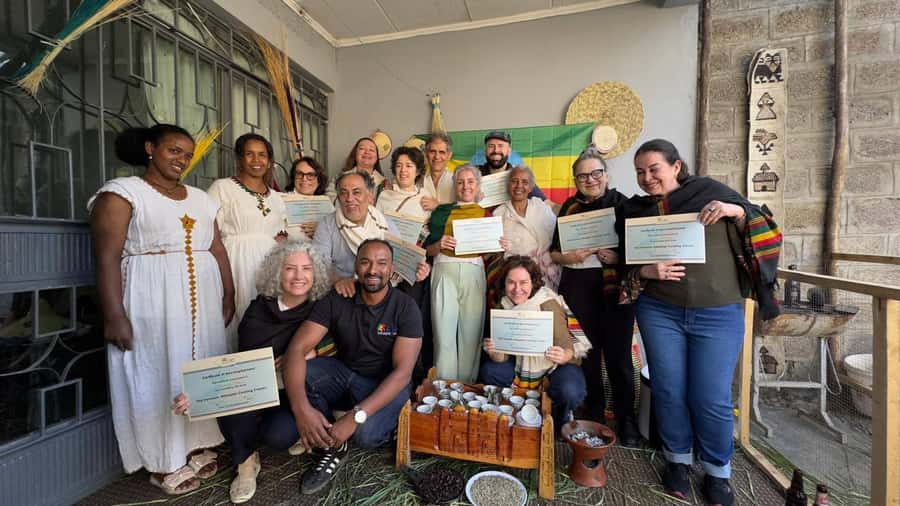
- A certificate at the end
That is a strong list for a food activity. The meal and ingredients are covered, so you are paying for the teaching as well as the food. Transportation adds another practical benefit, especially if you are new to Addis Ababa.
The certificate is a pleasant souvenir. I would not treat it as professional culinary training, since no formal accreditation is mentioned. Think of it as a reminder that you took part in an Ethiopian cooking lesson.
The value is less certain for someone who already has transportation, prefers independent market shopping, or wants a class built around a specific named dish. In that case, ask for the menu and schedule first. For someone seeking a simple, organized introduction to Ethiopian cooking, the inclusions make the price reasonable.
The host style and the strongest praise
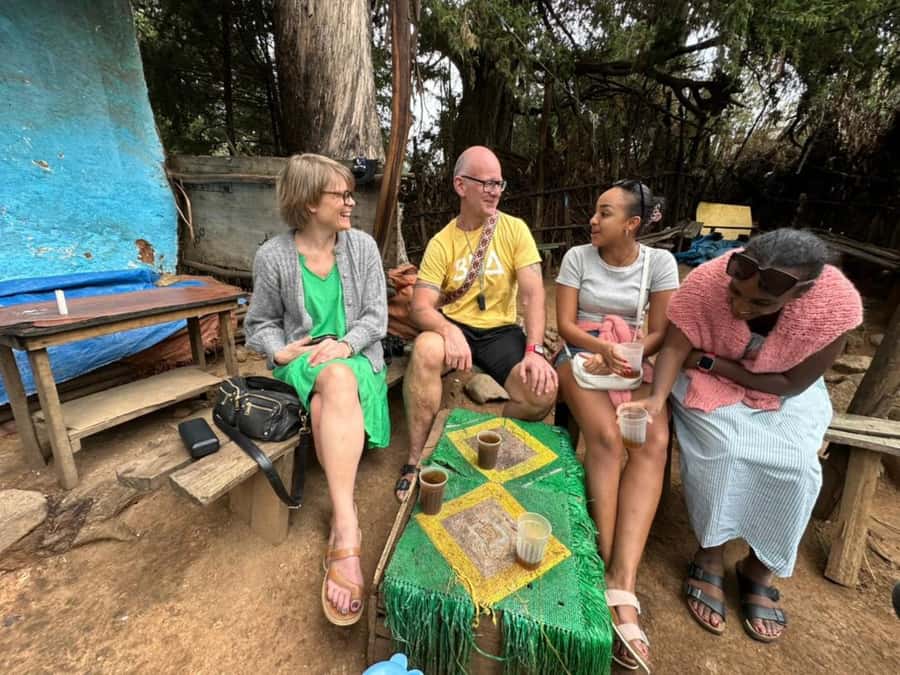
The available rating is five out of five from two reviews. One comment gives the clearest picture of the tone: Valerie praised the hosts, the fun of the activity, and the food, and recommended the company.
I would give those points proper weight. A cooking class depends heavily on the people leading it. Good food alone is not enough if the instructor rushes you or keeps you watching from a distance. The strongest praise here is for the hosts and the fun, which suggests a welcoming style rather than a stiff lesson.
The sample is small, so I would not treat two reviews as proof that every class runs perfectly. Still, the feedback matches the structure of the activity: local instruction, hands-on preparation, a shared meal, and coffee afterward. Those pieces create plenty of room for a warm personal exchange.
The company operating the activity is LIYU ETHIOPIA TOUR AND TRAVEL. English is the listed language. If you want special help with a dietary need or have questions about the menu, contact the company before reserving.
Who will enjoy this activity most
I think this class is a good match for several kinds of visitors:
- First-time Ethiopian food explorers: You get an introduction to ingredients and cooking methods from local cooks.
- People who learn by doing: You will prepare the food yourself instead of only watching.
- Couples and families: The shared meal and coffee ceremony give the outing a social shape.
- Visitors with limited planning time: Transport, ingredients, food, and basic costs are bundled together.
- Home cooks: You may leave with techniques and recipes to try again at home.
- Food-focused visitors: The class offers a closer connection to the cuisine than a standard restaurant meal.
It may be less suitable if you need a tightly timed itinerary, since no duration is published. It may also disappoint you if you are expecting a professional chef course, a fixed menu, or an advanced certificate. The description supports a friendly introductory class, not a formal culinary program.
Practical booking advice for the best day
Reserve ahead if this class fits your schedule, but use the flexible payment option if you are still arranging your Addis Ababa plans. You can reserve and pay later, which lets you hold a place without paying immediately.
The cancellation policy allows a full refund when you cancel at least 24 hours in advance. That is helpful if your arrival plans are not fixed, but I would still check the exact local time and pickup instructions with the provider.
Before you book, ask four simple questions:
- What dishes will I prepare?
- How long does the class last?
- What is the group size?
- Where and when will pickup take place?
These details are not supplied, and they can change how well the class fits your day. Also mention allergies, dietary restrictions, or food preferences before the activity rather than at the kitchen door.
Bring a willingness to participate. You do not need to be an expert cook, but you should expect to chop, mix, taste, and follow instructions. The value comes from taking part, not from sitting back and waiting for lunch.
Should you book this Addis Ababa cooking class?
I would book this class if you want a friendly, practical introduction to Ethiopian food and like the idea of eating what you prepare. The local cooks, included transport, meal, ingredients, and coffee ceremony give the $68 price a useful range of benefits.
I would pause only long enough to confirm the duration, menu, group size, and pickup details. The lack of those specifics is the one real weakness. If the schedule suits you, the five-star feedback about the hosts, fun atmosphere, and good food supports making the booking.
This is not a formal chef course. It is better understood as a hands-on cultural outing with a meal attached, plus a certificate and coffee ceremony at the end. For that purpose, it offers a practical and enjoyable way to spend part of your time in Addis Ababa.
FAQ
How much does the Ethiopian cooking class cost?
The price is $68 per person.
Where does the cooking class take place?
The activity takes place in the Addis Ababa Metropolitan Area in Ethiopia.
Is transportation included?
Yes. Transportation from the airport and hotel is included, along with all transportation connected with the activity.
What is included in the price?
The price includes transportation, food ingredients, coffee, water, entrance fees, tax, and the meal prepared during the class.
What language is the class offered in?
The listed language is English.
Will I prepare the food myself?
Yes. Local cooks demonstrate how to prepare traditional Ethiopian dishes, and you then prepare your own food with their instruction.
Is a coffee ceremony included?
Yes. A traditional coffee ceremony follows the cooking activity and meal.
Can I cancel for a full refund?
Yes. You can cancel up to 24 hours in advance for a full refund.
Just added in Addis Ababa
- Yod Abyssinia Cultural Night: Dinner, Music, and Dance★ 5.0 · 7 reviews
- Addis Ababa City Tours Full-Day Tours★ 5.0 · 5 reviews
- Locally crafted beer and wine tasting and nightlife in Addis tour★ 5.0 · 6 reviews
- Unique Ethiopian Cooking Class and Coffee Ceremony with a Local in Addis Ababa★ 4.5 · 7 reviews
- Stunning Views Wonchi Crater Lake a Private Day Trip★ 5.0 · 3 reviews
- Visiting the wonders of Lalibela in Three (3) days and Two ( 2) nights★ 5.0 · 2 reviews
- .2- Days and 1 Night Tour To Awash National Park water falls★ 5.0 · 1 review
- Two days Lake Wenchi and Menagesha Forest★ 5.0 · 1 review
Workshops, compared.
Market Tour and Cooking Class with a Coffee Ceremony at a Home in Addis Ababa
Read our review →
Addis Ababa City Tours With Cocking Class of Ethiopian Food
Read our review →
Ethiopian Cooking Class and Coffee Ceremony with a Local in Addis with transfers
Read our review →
Ethiopia coffee cupping class/Ethiopian food injera making
Read our review →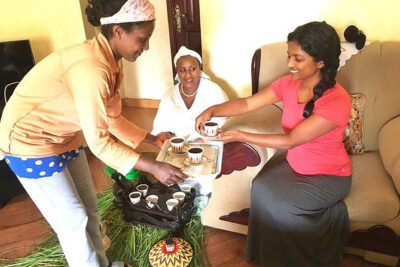
Unique Ethiopian Cooking Class and Coffee Ceremony with a Local in Addis Ababa
Read our review →
Private Ethiopian Home Cooking Class in Addis Ababa with Transfer
Read our review →
Browse the lists this tour appears in