

Reviewed · HISTORICAL TOURS
Hidden Treasures of Addis Ababa – Food, Culture and History Tour
Addis Ababa rewards curiosity. This eight-hour private tour brings together the city’s biggest market, its oldest royal sites, Ethiopian food, traditional coffee, and sunset views from Mount Entoto. It is a smart way to get your bearings, especially if you have only a stopover or a single free day.
I especially like the mix of everyday city life and major landmarks, from crowded Mercato to the quiet garden at Zoma Museum. I also like the personal format, with private transport, hotel pickup, and a guide who can adjust the day to your pace. The main drawback is the amount of ground covered: you will see a lot, but some stops may feel brief rather than leisurely.
In This Review
- Key points at a glance
- Why this Addis Ababa day works so well
- Mercato: Addis Ababa in motion
- Zoma Museum: lunch, gardens, and Ethiopian cooking
- The Ethiopian coffee ceremony
- Bata Mariam Church and Menelik II’s mausoleum
- Meeting Lucy at the National Museum
- Mount Entoto and the Addis Ababa skyline
- Transport, pace, and what is included
- Who should book this experience?
- Should you book Hidden Treasures of Addis Ababa?
- FAQ
- How long does the Hidden Treasures of Addis Ababa tour last?
- What time does the tour start?
- Is hotel pickup available?
- Is this a private tour?
- What food and drinks are included?
- Is admission included at the attractions?
- Can I cancel for a full refund?
Key points at a glance
- Mercato shows Addis at full volume: Spend about 90 minutes in Africa’s biggest open-air market, including its basketry, pottery, livestock, and recycling areas.
- Zoma Museum turns lunch into a cultural lesson: Eat beside a permaculture garden, then watch traditional Ethiopian food being prepared.
- The coffee ceremony is part of the meal: Coffee is roasted and prepared while incense burns on a charcoal stove.
- Lucy anchors the National Museum visit: You will see the famous 3.2-million-year-old ancestor alongside other Ethiopian discoveries.
- Mount Entoto gives the day a strong finish: The former royal site, museum, skyline, and sunset provide a calm ending after the city’s noise.
- Private transport adds real value: Pickup and drop-off are included, and only your group takes part.
Why this Addis Ababa day works so well
At $75 per person, this is not the cheapest way to hire a car for a day, but it offers more than transport. You are paying for a private vehicle, a guide, admission to the listed sites, snacks, bottled water, coffee or tea, a food session, and a carefully connected route through Addis Ababa.
The price makes the most sense for first-time visitors who want a broad introduction without arranging several taxis, museum visits, and meals on their own. It is also useful for a long layover. Several people have used the day to make the most of roughly 15 hours in Addis Ababa, and the pickup and return service remove much of the usual airport-day guesswork.
You should still set your expectations correctly. This is a city overview with cultural depth, not a slow museum program or a specialist food tour. You will spend time in a vehicle between stops, and traffic can affect how long you have at each place.
The private setup is one of the strongest features. Guides such as Anteneh have been praised for clear English, flexibility, and a friendly manner. The best version of this experience is likely to come from telling your guide what matters most to you: markets, food, archaeology, royal history, photography, or shopping.
More food tours in Addis Ababa:
- Ethiopian Culinary Tour – Market, Food, Coffee Ceremony & more
★ 5.0 · 65 reviews - Addis Ababa City Tours With Cocking Class of Ethiopian Food
★ 5.0 · 20 reviews - Ethiopia coffee cupping class/Ethiopian food injera making
★ 5.0 · 10 reviews
Mercato: Addis Ababa in motion
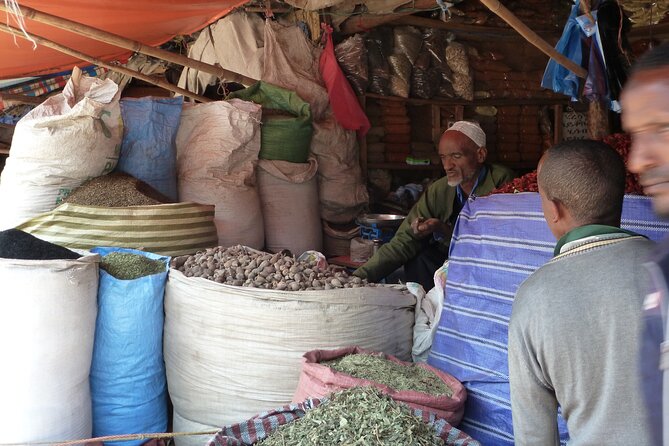
The tour opens at Mercato, described as Africa’s biggest open-air market. Allow about 90 minutes here, although the setting itself can make that time feel short.
Mercato is not presented as a tidy shopping street. It is a working market with merchants, customers, livestock, traditional basketry, pottery, and a recycling area where discarded materials are turned into useful objects. That last part is particularly interesting because it gives you a glimpse of practical ingenuity rather than a display created only for sightseeing.
You can expect noise, movement, and crowded passages. Keep your belongings secure and stay close to your guide. This is one of those places where local direction matters. A guide can help you read the scene, explain what you are seeing, and point out areas that would be difficult to understand on your own.
One especially memorable touch is the chance to see the market from above. Anteneh has taken people up to a rooftop restaurant using a rickety ladder for a better view. That is not a guaranteed feature of every departure, so do not count on it, but it shows the kind of local detail that can make the market more than a quick walk through stalls.
The trade-off is comfort. Mercato may feel intense if you prefer polished attractions and quiet lanes. Yet that intensity is precisely why the stop earns its place. It shows Addis as a living city, not just a set of monuments.
Zoma Museum: lunch, gardens, and Ethiopian cooking
After Mercato, Zoma Museum provides a welcome change of pace. The visit lasts about two and a half hours, making it the longest stop of the day.
The museum includes a permaculture garden with false banana trees, herbs, and a small urban farm. In a city setting, this offers a useful look at food production and traditional plant use. The garden is also a practical pause after the noise and crowds of Mercato.
Lunch takes place at Zoma Museum, and the meal is tied to the setting. You will see how traditional Ethiopian food is prepared and then have the chance to taste it. The cooking session has included instruction on making injera, the sour, spongy flatbread that forms the base of many Ethiopian meals.
This is a valuable part of the day because it gives you context for the food rather than simply placing a plate in front of you. You can connect ingredients, preparation, and eating customs in one sitting. If you are new to Ethiopian food, this is likely to be more useful than ordering a dish without explanation.
The food experience may also suit people who prefer hands-on cultural activities. You are not just observing a building or taking photographs. You are watching a local process and sampling the result.
The Ethiopian coffee ceremony
The coffee ceremony follows the food session and extends the meal into a social tradition. Coffee is roasted and prepared in front of you, incense burns on a traditional charcoal stove, and you can follow the change from raw beans to finished drink.
Coffee is central to Ethiopian hospitality, so this ceremony helps explain why coffee here is more than a quick morning beverage. The scent of roasting beans, charcoal, and incense becomes part of the experience. It is a slower, more sensory pause in a packed day.
Coffee or tea is included, along with snacks and bottled water. Alcoholic drinks are not included, and there is no need to add them to this particular experience. The focus is firmly on Ethiopian food and coffee customs.
The practical point is time. Food preparation and coffee ceremonies take longer than an ordinary restaurant stop. That is good if you enjoy conversation and cultural explanation, but less ideal if you want to rush through Addis Ababa’s sights. The two and a half hours at Zoma Museum are doing several jobs at once: lunch, garden visit, cooking lesson, and coffee ceremony.
A completely different kind of day:
- Full Day Tour of Addis Ababa with Hotel Pickup and Drop-off
★ 5.0 · 430 reviews - Taste of Ethiopia
★ 5.0 · 406 reviews - Day Trip From Addis Ababa See Historical Monastery,Stunning Nature,Animals,Birds
★ 5.0 · 303 reviews - Addis Ababa: Debre Libanos, Blue Nile Gorge, and Cave Tour
★ 4.5 · 256 reviews
Bata Mariam Church and Menelik II’s mausoleum
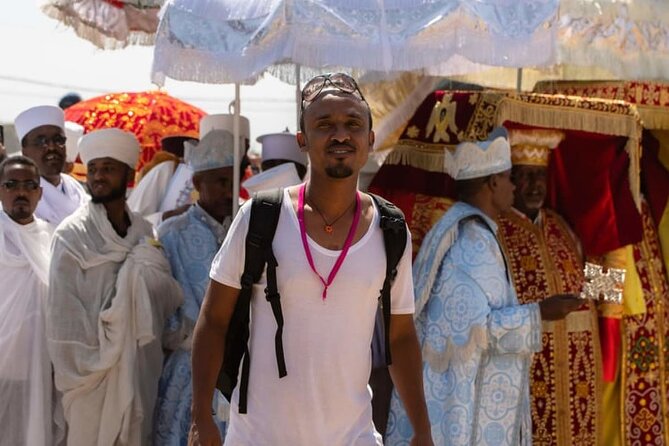
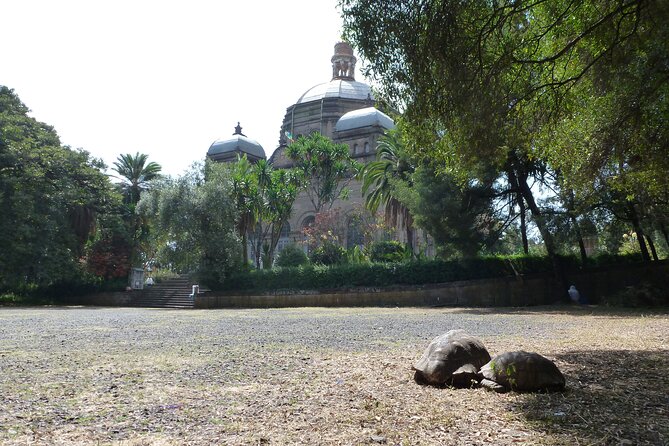
The next stop shifts from food to royal history. At the old Bata Mariam Church, you will see the mausoleum of Menelik II, identified here as the founder of Addis Ababa, along with tombs belonging to other members of the former royal family.
The church compound is also home to giant turtles, an unusual detail that adds a little character to what could otherwise be a formal historical stop. Underground, the tombs provide a more intimate connection with Ethiopia’s former royal family than a broad city monument would offer.
The site also includes an original painting attributed in the tour description to Michelangelo. That is a striking feature, and your guide can provide the needed context during the visit.
You should allow about one hour. This is enough for an introduction, but not for a long study of every object or architectural detail. If royal history is your main interest, ask for extra explanation while you are there. If your priority is food or city life, the hour gives you a useful historical anchor without taking over the day.
The church and mausoleum also help explain the city’s beginnings. Addis Ababa is not only a modern capital with traffic and expanding neighborhoods. Its political and royal past remains visible in places like this.
Meeting Lucy at the National Museum
The National Museum of Ethiopia offers a different kind of history, one that reaches back far beyond the city and the royal court. The museum visit lasts about one hour and focuses on human evolution, with examples of early human ancestors found in Ethiopia.
The star attraction is Lucy, a 3.2-million-year-old ancestor. Seeing her remains gives the museum a clear center, but the broader value comes from learning how Ethiopia fits into the story of human development.
An hour is enough for a focused visit, especially with a guide to direct your attention. It is not enough for every gallery in detail, so you should think of this as a selected introduction rather than a full museum day.
I like the way this stop balances the rest of the program. Mercato shows the present-day city. Bata Mariam connects you with the royal past. The National Museum reaches back into human origins. Together, those stops give the day more range than a standard city drive.
The museum is also a good choice for families and mixed-age groups. The subject is easy to understand at a basic level, while the archaeological importance gives adults plenty to think about. Most people can participate in the overall tour, but anyone who needs a slower pace should tell the guide before setting out.
Mount Entoto and the Addis Ababa skyline
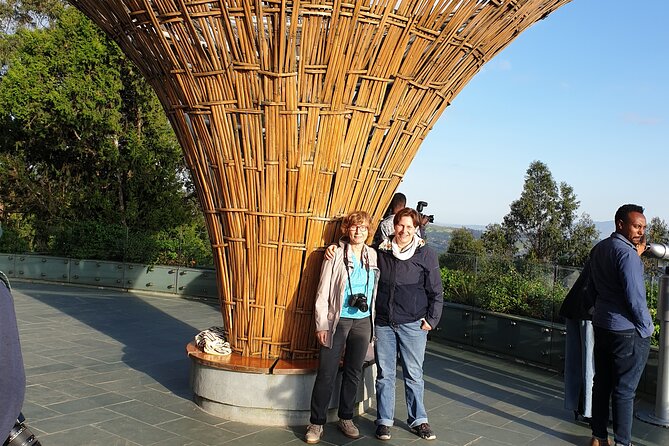
The final stop is Mount Entoto, where the tour spends about two hours. This is where the day moves away from crowded streets and toward open views over the capital.
You will see the first palace associated with the founder of Addis Ababa and visit a museum displaying Ethiopian history. The site connects the city’s origin with its physical setting, since Mount Entoto marks the entrance to Addis Ababa and looks down toward the urban center.
The skyline view is the payoff. The plan is to watch the sunset over Addis Ababa, giving you a chance to take in the city after spending the day inside it. Bring a layer if you tend to get cold in the evening, although the tour information does not specify conditions or temperatures.
Timing matters here. The sunset visit works best when the earlier stops and traffic cooperate. The exact light will vary by season and weather, and a late start or slow roads could shorten the viewing time. Still, ending at Mount Entoto is a sound choice. It gives the day a sense of space after the tight streets of Mercato and the busy movement of central Addis.
Transport, pace, and what is included
Pickup is offered from your hotel or another preferred location, with drop-off after the tour. Private transportation is included, and only your group participates. That gives you more control than a large bus excursion and can be especially helpful for a couple, family, or small group with limited time.
The normal start window is between 8:30 and 9:30 a.m. The full experience lasts approximately eight hours. Since the stops add up to eight hours on paper, driving time and traffic are important. The actual order may need to shift, and a flexible guide is an advantage.
The tour includes:
- Private transportation
- Admission tickets for the listed stops
- Snacks
- Bottled water
- Coffee or tea
- Food preparation and tasting
- Traditional coffee ceremony
Alcoholic beverages, souvenirs, and personal purchases are extra. If you want Ethiopian cloth or other local goods, the market may offer opportunities to shop, but plan for those costs separately. One previous city outing with Anteneh included a stop at a market for Ethiopian cotton cloth, though shopping choices should be treated as flexible rather than guaranteed.
The tour is near public transportation, but you may not need to use it because pickup and private driving are provided. Confirmation is sent at booking, and free cancellation is available up to 24 hours before the start time. Within 24 hours, the amount paid is not refunded.
Who should book this experience?
I would recommend this tour to a first-time visitor who wants a broad and personal introduction to Addis Ababa. It suits people who value explanation, local food, and flexible pacing more than a strict checklist of famous buildings.
It is particularly useful for:
- People with a long airport layover
- Couples wanting a private day
- Families with different interests
- First-time visitors to Ethiopia
- Anyone interested in food and coffee traditions
- People who want both city scenes and historical sites
You may want something else if you prefer a single subject. A dedicated museum guide would give you more time with the collections. A food tour focused only on cooking would allow more time at the table. A market specialist could spend longer in Mercato.
Physical comfort is another consideration. The day includes crowded market conditions, walking through cultural sites, and a full schedule. Anyone who needs frequent rest should discuss this with the guide in advance. The tour is described as suitable for most ages and types of participants, but the eight-hour pace still requires some stamina.
Should you book Hidden Treasures of Addis Ababa?
Book it if you want one well-connected day that explains Addis Ababa through food, people, royal history, archaeology, and views. The private transport and flexible guiding make $75 a reasonable value, especially when you factor in admission, lunch-related experiences, coffee, water, and the time saved arranging each stop yourself.
The strongest parts are Mercato, the food and coffee session at Zoma Museum, and the final view from Mount Entoto. The main compromise is speed. You will cover a lot of ground, but you will not have unlimited time at any one site.
For a stopover or a first day in the capital, I would choose this experience. Tell your guide what you care about most, keep your schedule flexible, and treat the day as an introduction that helps you decide where to return for a longer visit.
FAQ
How long does the Hidden Treasures of Addis Ababa tour last?
The experience lasts approximately eight hours.
What time does the tour start?
Pickup and meeting times are scheduled between 8:30 and 9:30 a.m., Monday through Sunday, during the stated operating periods.
Is hotel pickup available?
Yes. Pickup is offered from your hotel or another preferred location, followed by drop-off after the tour.
Is this a private tour?
Yes. Only your group participates in the private activity.
What food and drinks are included?
The experience includes snacks, bottled water, and coffee or tea. It also includes traditional Ethiopian food preparation and tasting, followed by a coffee ceremony. Alcoholic beverages are not included.
Is admission included at the attractions?
Yes. Admission tickets are included for Mercato, Zoma Museum, the Mausoleum of Menelik II, the National Museum of Ethiopia, and Mount Entoto.
Can I cancel for a full refund?
You can cancel up to 24 hours before the experience begins for a full refund. Cancellations or changes made less than 24 hours before the start time are not refunded or accepted.
More History Tours in Addis Ababa
- Northern Ethiopia Historic Route
★ 5.0 · 12 reviews - DAY TRIP TO THE UNESCO HERITAGE SITE TIYA & Melka Kunture
★ 4.5 · 10 reviews - 5 Days Tour to World Heritage–listed Harrar, Dire Dawa and Awash NATIONAL PARK
★ 4.5 · 10 reviews - Historical tours – in five days, Addis Ababa, Axum, Laliebla and Gonder
★ 5.0 · 9 reviews
Just added in Addis Ababa
- Yod Abyssinia Cultural Night: Dinner, Music, and Dance★ 5.0 · 7 reviews
- Addis Ababa City Tours Full-Day Tours★ 5.0 · 5 reviews
- Locally crafted beer and wine tasting and nightlife in Addis tour★ 5.0 · 6 reviews
- Stunning Views Wonchi Crater Lake a Private Day Trip★ 5.0 · 3 reviews
- Unique Ethiopian Cooking Class and Coffee Ceremony with a Local in Addis Ababa★ 4.5 · 7 reviews
- Visiting the wonders of Lalibela in Three (3) days and Two ( 2) nights★ 5.0 · 2 reviews
- .2- Days and 1 Night Tour To Awash National Park water falls★ 5.0 · 1 review
- Two days Lake Wenchi and Menagesha Forest★ 5.0 · 1 review
Historical Tours, compared.
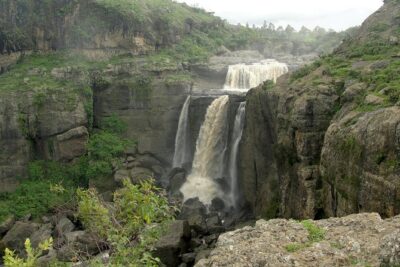
Day Trip From Addis Ababa See Historical Monastery,Stunning Nature,Animals,Birds
Read our review →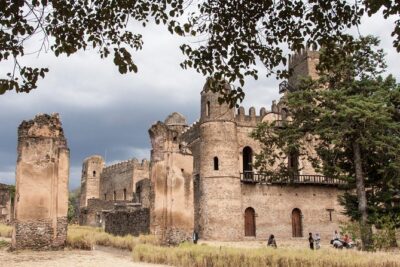
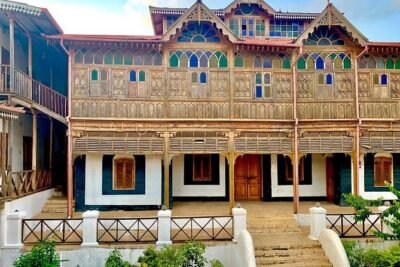
5 Days Tour to World Heritage–listed Harrar, Dire Dawa and Awash NATIONAL PARK
Read our review →
DAY TRIP TO THE UNESCO HERITAGE SITE TIYA & Melka Kunture
Read our review →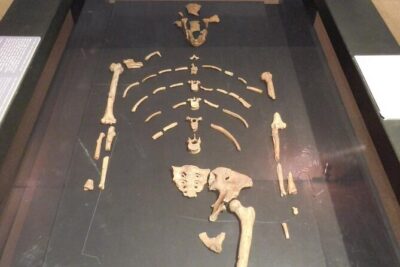
Experience a Cultural and Historical Journey through Addis Ababa
Read our review →
Historical tours – in five days, Addis Ababa, Axum, Laliebla and Gonder
Read our review →
city tour of Addis Ababa ( history ,culture , food and more)
Read our review →
Browse the lists this tour appears in