
Reviewed · ETHIOPIAN COFFEE CEREMONIES
Ethiopia coffee cupping class/Ethiopian food injera making
Coffee tells Ethiopia’s story one sip at a time. This four-hour Addis Ababa experience pairs a guided coffee cupping session with hands-on injera making, giving you two useful windows into daily Ethiopian life. I like the expert-led tasting and the chance to cook on a traditional mitad, rather than simply watching a demonstration. The main drawback is that the cooking portion is listed as only 30 minutes, so you should expect a focused lesson rather than a long cooking course.
I also like the private format and the personal care built into the day. Guides such as Aelaf, Joe, Mike, and Jonas have been praised for clear explanations, flexible planning, safe driving, and warm conversation. Keep in mind that children under 15 and people with altitude sickness should not book this activity, and pickup arrangements need to be confirmed in advance.
In This Review
- Key points at a glance
- Why coffee and injera belong together
- Starting in Addis Ababa with a private pickup
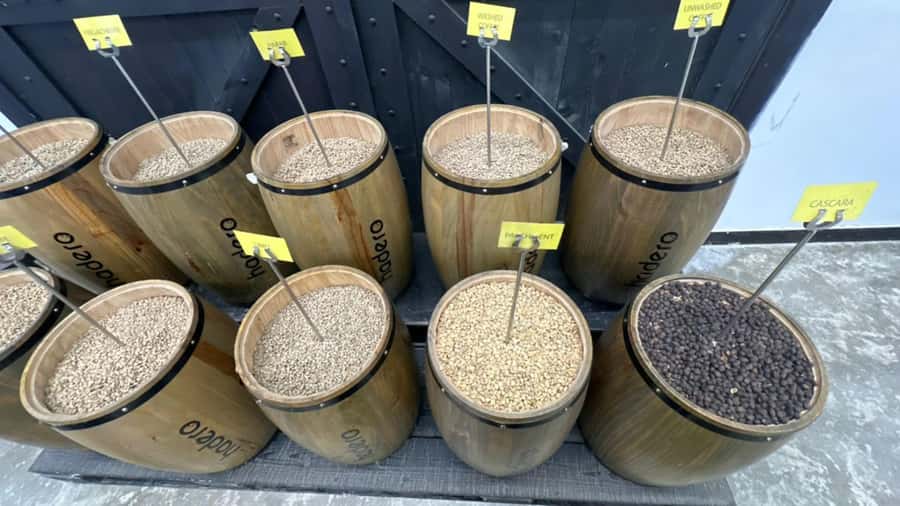
- The Hadero coffee session and what you learn
- Making injera on a traditional mitad
- Eating shiro, misir wot, and your own bread
- Ending with the Ethiopian coffee ceremony
- Guides, language, and the human side of the day
- Who gets the best value from $94?
- Practical advice before you book
- Should you book this coffee and injera experience?
- FAQ
- How long does the Ethiopian coffee and injera experience last?
- Where does pickup take place?
- Is the tour private?
- Is the activity offered in English?
- What food is included?
- What is included in the price?
- Who should not book this activity?
Key points at a glance
- Coffee cupping at Hadero: Learn about growing regions, processing, roast levels, quality control, aromas, and tasting notes with a local coffee expert.
- Injera on a mitad: Mix, ferment, and bake Ethiopia’s sourdough flatbread, including the tricky flip that gives the bread its familiar round shape.
- A real communal meal: Eat your handmade injera with local dishes such as shiro and misir wot.
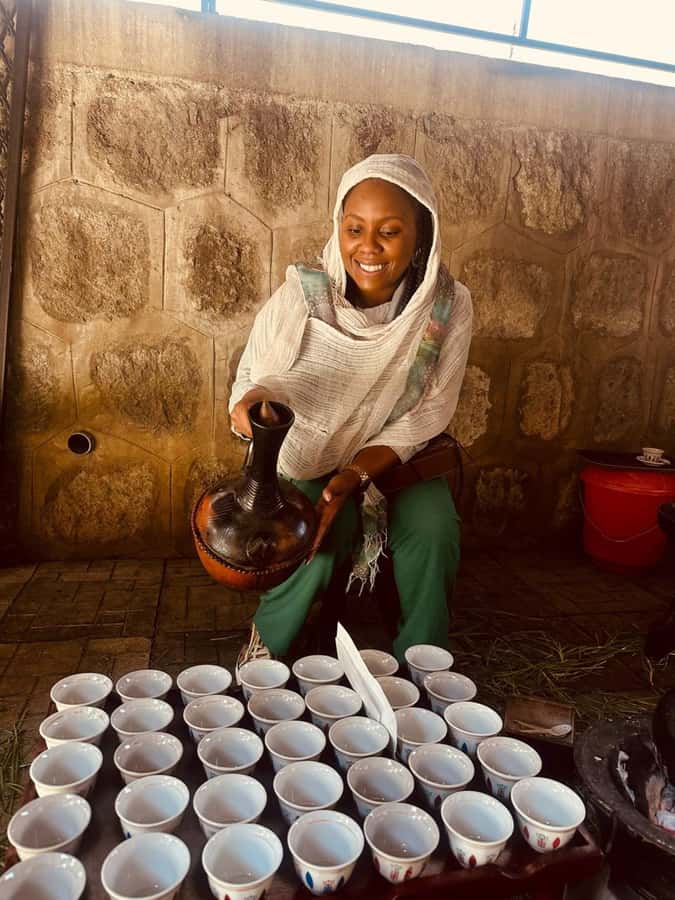
- Two ceremonies in one day: The experience links coffee tasting with a traditional coffee ceremony, showing how coffee fits into Ethiopian social life.
- Private and flexible: An English-speaking guide can help adjust the day to your needs, with pickup in Addis Ababa.
- Useful timing note: The whole experience lasts four hours, but the stated cooking lesson is brief, so this suits curious beginners more than serious cooking students.
Why coffee and injera belong together
Coffee and injera are not random food-and-drink pairings in Ethiopia. They are central to meals, family life, hospitality, and conversation. This activity works because it brings both traditions together in one half-day, instead of treating them as isolated tourist stops.
I like the balance. The coffee session gives you a way to use your senses and ask questions. The injera class gives you something physical to do with your hands. Then you eat what you helped prepare, surrounded by the flavors that were just explained.
The price is $94 per person. That is not a bargain-basement Addis Ababa outing, but it includes pickup, a private group, a local cultural host, an English-speaking guide, all equipment, ingredients, bottled water, a traditional lunch, and both coffee experiences. If you value personal transport and direct instruction, the price is reasonable. If you only want to taste coffee and eat lunch, you can likely find a simpler and cheaper way to do that.
This is best for food lovers, coffee fans, and first-time visitors who want more context than a standard restaurant meal provides. I would not choose it for young children or anyone looking for a full-day sightseeing tour of Addis Ababa.
More coffee ceremonies in Addis Ababa:
- Ethiopian Culinary Tour – Market, Food, Coffee Ceremony & more
★ 5.0 · 65 reviews - Market Tour and Cooking Class with a Coffee Ceremony at a Home in Addis Ababa
★ 5.0 · 32 reviews - Vintage Coffee Shops, Restaurants, Sightseeing in Addis Ababa
★ 5.0 · 17 reviews
Starting in Addis Ababa with a private pickup
The day begins with pickup in Addis Ababa. The operator contacts you a day before the activity to organize the meeting point, so you should respond promptly and confirm the time and location.
The private-group format matters here. You are not being folded into a large bus tour with a fixed script. Guides have adjusted plans to suit individual interests, and one guide, Joshua, described being asked how he wanted to modify the itinerary. That sort of flexibility can make a short four-hour outing feel more personal.
Your guide is also part of the experience, not just a driver. Aelaf was praised for explaining city life, culture, and religion during the drive, while Jonas was described as easy to talk with and respectful in conversation. Joe and Mike also received strong praise for their care and personal storytelling.
Do keep your expectations practical. The supplied schedule gives four hours overall, but only 45 minutes for coffee and 30 minutes for the cooking class. Travel between stops takes part of the day. One account included a longer drive toward Entoto Hill, so the exact balance between road time and activity time can change with the route and arrangements.
The Hadero coffee session and what you learn
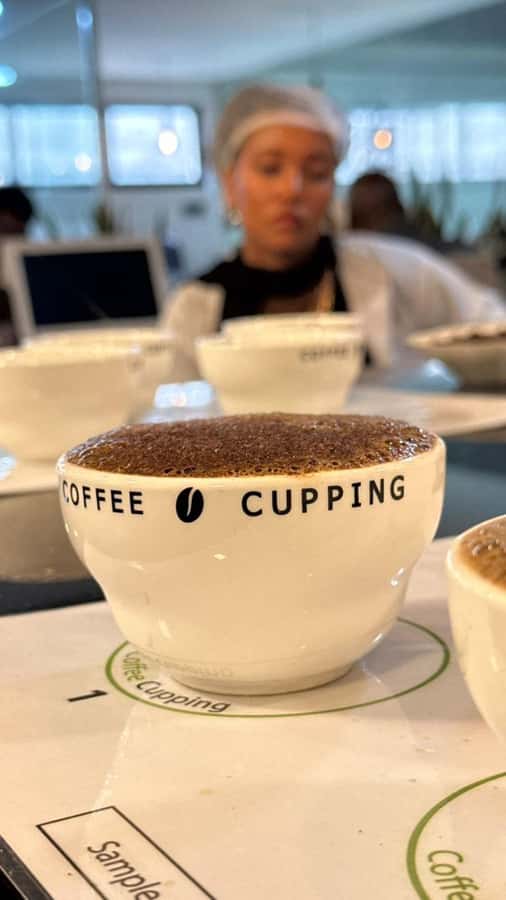
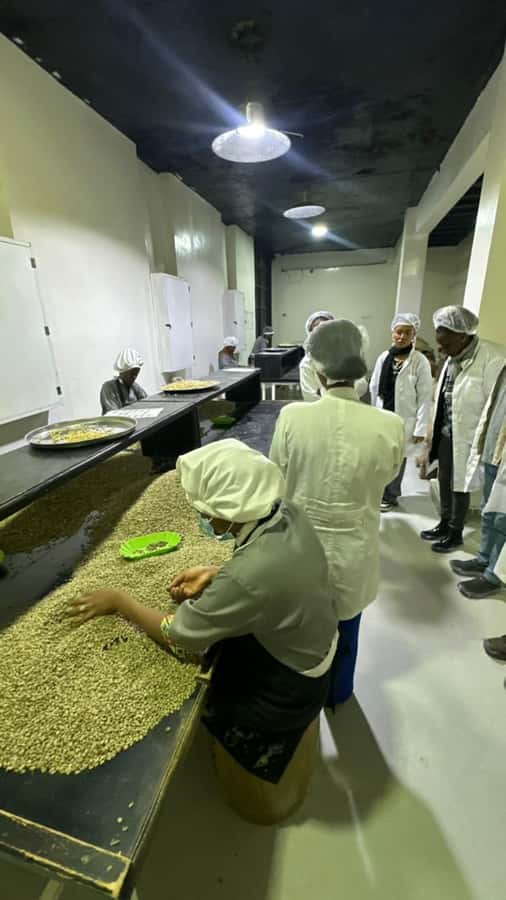
The coffee portion lasts about 45 minutes in the stated schedule. It is presented as a proper cupping session, not just a cup poured at the end of lunch.
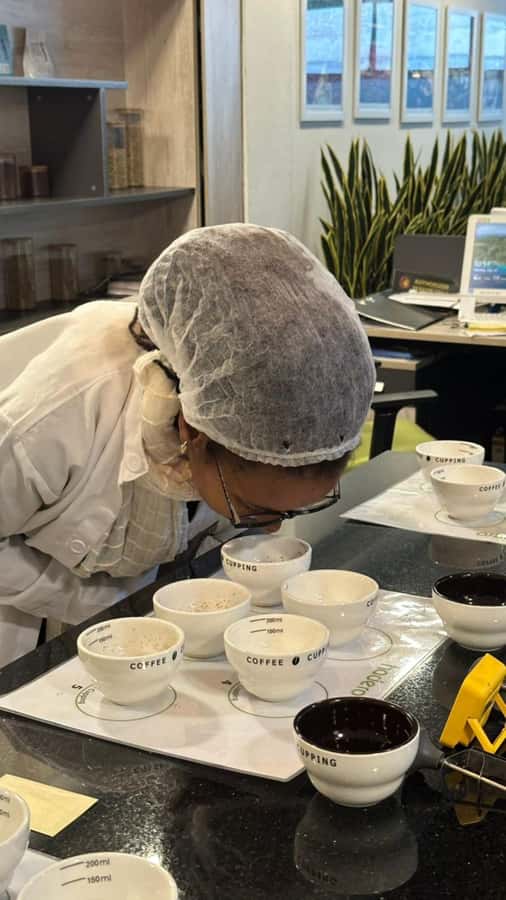
A local coffee expert introduces the stages that shape the final drink. You can expect discussion of coffee-growing regions, processing, roast levels, quality control, aroma, flavor, and brewing methods. You are encouraged to notice tasting notes and compare varieties in a structured way.
That structure is useful even if you normally take your coffee with milk and sugar. Cupping asks you to slow down and pay attention to smell, acidity, body, and finish. You may find that Ethiopian coffee tastes very different depending on where it was grown or how it was processed.
The Hadero Coffee building was described as a particularly strong stop, with information covering cultivation, processing, quality control, cupping, and tasting. Another account placed the session at Hadero with a manager leading the explanation. Those details suggest that this is more than a symbolic coffee stop, with a real effort to explain how beans move from cultivation to the cup.
I appreciate that the coffee lesson connects taste with place. You are not only told that Ethiopian coffee is famous. You are shown why origin, roast, and preparation affect what you smell and taste.
The possible limitation is speed. Forty-five minutes is enough for an introduction, but not enough for a specialist course. If you already know coffee science or regularly attend professional tastings, you may want more time. For a curious beginner, the shorter format should be manageable and lively.
Making injera on a traditional mitad
After coffee, you move to the cooking class. The activity description places this lesson in a comfortable indoor or outdoor kitchen setting and provides all ingredients, spices, tools, and equipment.
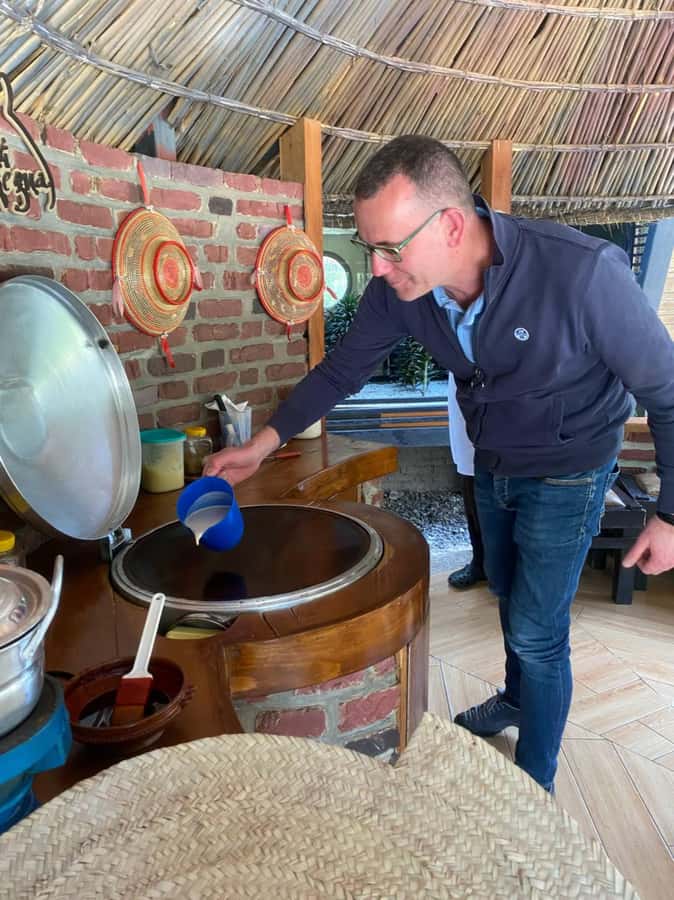
Injera is a sourdough-risen flatbread with a soft, flexible texture. The process here includes mixing, fermenting, and baking. You learn how the batter is handled and how to cook it on a traditional mitad, the round griddle used for injera.
The most entertaining part may be the flip. Injera is large, thin, and delicate, so removing it cleanly takes practice. You will receive hands-on instruction rather than being left to guess. Still, do not expect to produce a perfect first piece. That is part of the fun, and the meal gives you a generous reason not to worry about small flaws.
The itinerary lists the cooking class as 30 minutes. That is the biggest practical warning in the description. The lesson is interactive, but it is relatively quick. One account specifically called the injera-making class brief, while also praising the guide for translating the process clearly.
This makes the activity better suited to cultural participation than to serious culinary training. You will get a feel for the tools and method, but you may not study fermentation in technical detail or repeat the baking process many times.
The setting can also vary. Some arrangements took place around Entoto National Park, with views over Addis Ababa and a chance to see parts of the city beyond the usual walking route. That adds interest, but the core promise is the injera lesson, not a guaranteed nature walk or panoramic sightseeing stop.
More food tours in Addis Ababa:
- Hidden Treasures of Addis Ababa – Food, Culture and History Tour
★ 5.0 · 57 reviews - Addis Ababa City Tours With Cocking Class of Ethiopian Food
★ 5.0 · 20 reviews - Local Ethiopian Food Tour
★ 4.0 · 7 reviews - city tour of Addis Ababa ( history ,culture , food and more)
★ 5.0 · 7 reviews
Eating shiro, misir wot, and your own bread
The best part of a cooking class is usually the meal afterward, and this one includes a traditional Ethiopian lunch. Your handmade injera is served with local sides such as shiro and misir wot, along with other Ethiopian dishes.
Shiro is a smooth, spiced chickpea-based dish. Misir wot is a lentil stew with Ethiopian seasoning. Together, they show you how injera functions as both plate and utensil. You tear off a piece of bread, scoop up the food, and eat with your hands.
This is not just a neat presentation trick. Injera links the dishes together and makes the meal social. You share food from a common serving area, and the bread carries the stews from the plate to your fingers. I find that this kind of meal teaches more about eating habits than a brief explanation ever could.
The meal also gives you a chance to ask follow-up questions. You have just handled the batter and watched the bread cook, so you can better understand its texture and role at the table.
Personal preferences matter here. If you dislike sour flavors, injera may take some getting used to. The description does not specify every dish served, so anyone with allergies or strict dietary needs should ask the provider before booking. The stated inclusions cover the supplied lunch and sides, while extra food, drinks, and personal purchases are not included.
Ending with the Ethiopian coffee ceremony
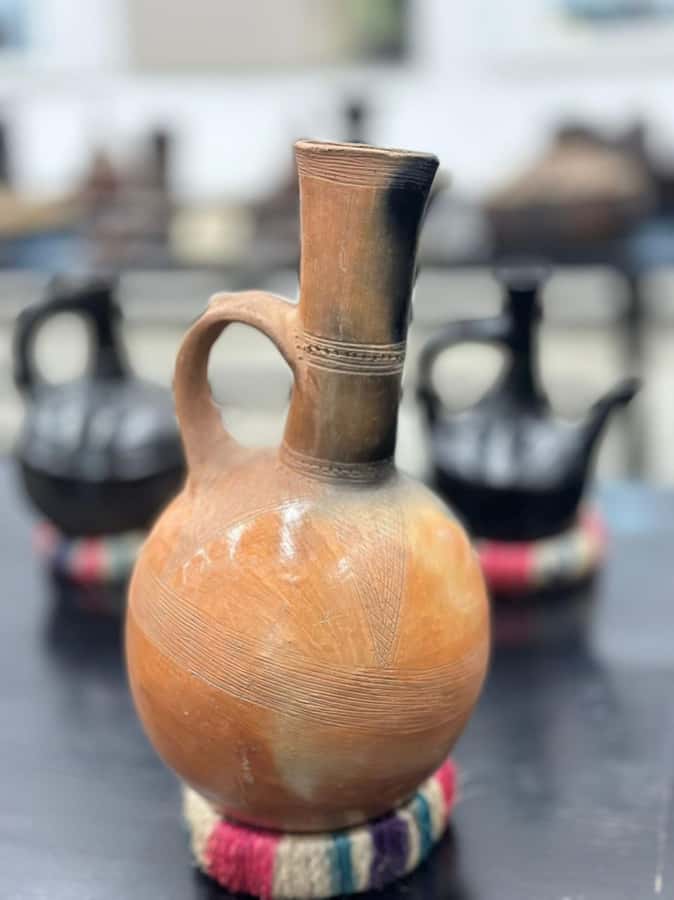
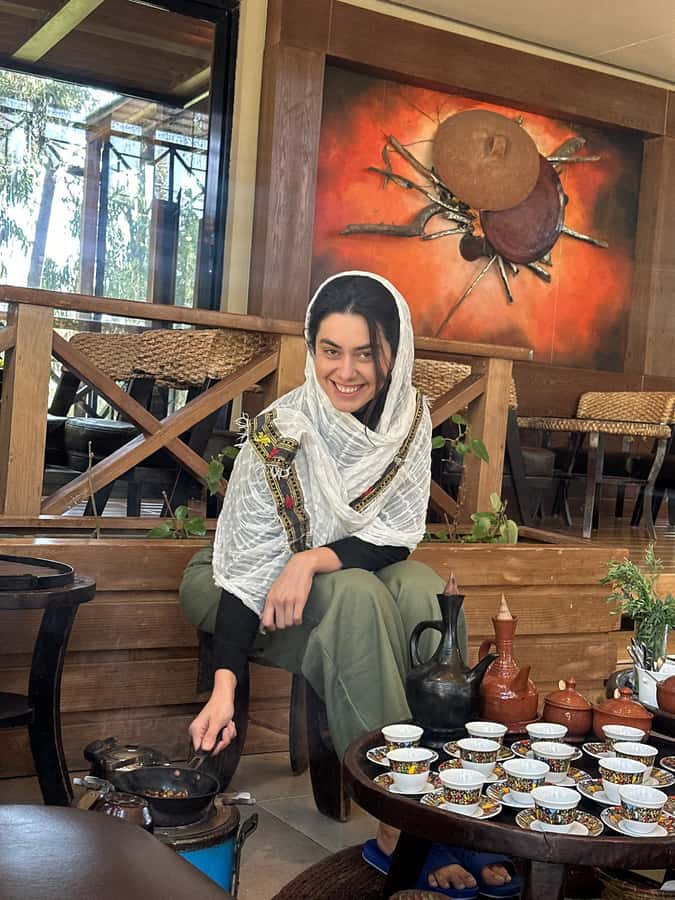
The day finishes with a traditional Ethiopian coffee ceremony. This is different from the earlier tasting session.
Cupping is analytical. You compare aromas and flavors. The ceremony is social and relaxed. It gives you time to sit, enjoy coffee, and connect with the people hosting the experience.
That contrast is one of the strongest features of the day. First, you learn how coffee professionals assess beans. Later, you see coffee in its cultural setting. The two parts answer different questions: What does this coffee taste like, and why does coffee matter so much in Ethiopian life?
I would pay attention to the pace here. The ceremony is described as a relaxed ending, but the full schedule is only four hours. Depending on transfers and the amount of cooking time, the final coffee may be a shorter close than a long family gathering.
Still, it gives the experience a proper finish. You have tasted coffee as a product, cooked injera as a skill, and then shared coffee as a social custom.
Guides, language, and the human side of the day
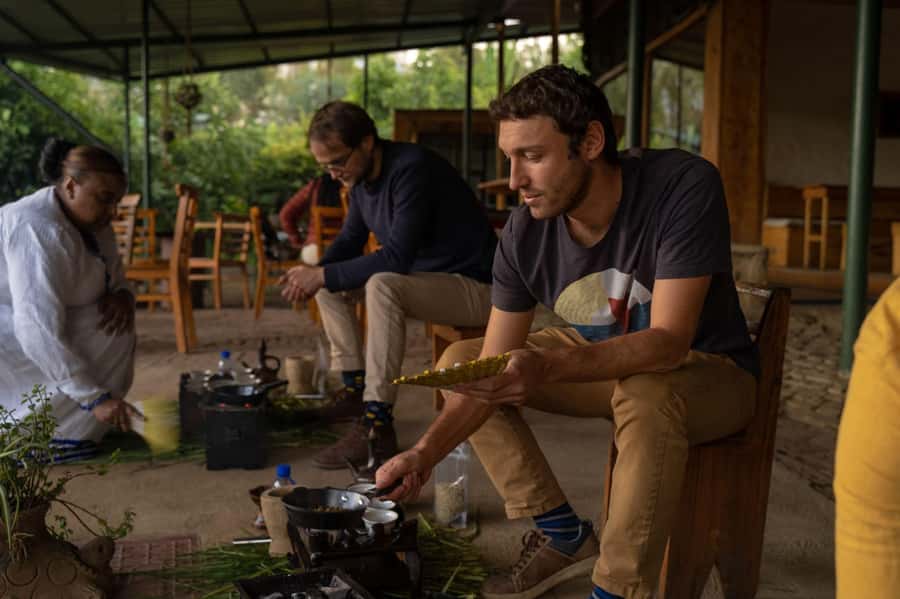
The activity is offered in English with a live English-speaking guide. Communication seems to be one of its strongest points.
Jonas was praised for arriving on time, speaking excellent English, and creating a comfortable, respectful atmosphere. Joshua appreciated Aelaf’s explanations in the car and his willingness to adjust the day. Mike was praised for storytelling and a caring attitude, while Joe was described as kind, attentive, and helpful with local experiences.
These names matter because the guide can shape a private tour. A clear guide makes the coffee vocabulary easier to follow and can translate during the injera lesson. A thoughtful guide also helps you understand what you are seeing without turning the day into a lecture.
The activity provider is habeshawonder. Since the guide assigned to your date may differ, I would not book expecting one particular person unless the provider confirms that in advance. Instead, focus on the qualities the experience requires: good English, safe transport, cultural explanation, and patience during the cooking lesson.
The strongest accounts also describe extra stops or additions, including Entoto National Park, a honey shop, and Menelik Palace with its church museum. These were part of customized days for some participants, not guaranteed elements of the four-hour coffee and injera experience. Ask before counting on them.
Who gets the best value from $94?
At $94 per person, this is a mid-priced private cultural activity. The value comes from the combination of instruction, transport, food, and personal guidance.
You receive:
- A guided coffee cupping with multiple varieties
- Explanations of growing regions, processing, roasting, and tasting
- A hands-on injera lesson
- A traditional meal with local dishes
- A coffee ceremony
- Ingredients, tools, equipment, and bottled water
- Pickup in Addis Ababa
- A private group and English-speaking guide
I think the price works best for solo visitors, couples, and small groups who want a planned introduction to Ethiopian food culture. It also suits a short Addis Ababa stay, since you can cover two important traditions in four hours.
The value is weaker if your main goal is a long cooking workshop. The stated 30-minute cooking segment is too short for repeated practice or detailed fermentation work. It is also less suitable if you want a broad city tour, since the core activity centers on coffee, injera, and food.
You can cancel up to 24 hours ahead for a full refund, and the reserve-now, pay-later option helps if your Addis Ababa schedule is still changing. The activity does not allow alcohol or drugs. Children under 15 are not accepted, and the operator lists the experience as unsuitable for people with altitude sickness.
Practical advice before you book
Confirm pickup details the day before. The operator says someone will contact you, but clear communication saves time in a city outing with several stops.
Wear clothes you can cook in. You are working with ingredients and traditional equipment, and the class is hands-on rather than purely observational.
Ask about food needs before paying. The included dishes are Ethiopian, and the description names shiro, misir wot, and misir wot-style accompaniments, but it does not provide a full ingredient list or allergy policy.
Give yourself room to enjoy the guide. The best part of a private experience may be the conversation during transfers, not just the formal 45-minute tasting. Guides have added local explanation, altered plans, and included extra stops when time and preferences allowed.
Do not assume every extra stop is included. Entoto National Park, Menelik Palace, the church museum, and a honey shop appeared in customized accounts, but the advertised core is the coffee session, injera workshop, meal, and ceremony.
Should you book this coffee and injera experience?
I would book it if you want a friendly, private introduction to Ethiopia through food. The coffee cupping gives the day structure, the injera lesson gets you involved, and the shared meal turns the lesson into something memorable.
I would skip it if you want an advanced coffee course, a long culinary workshop, or a full sightseeing day in Addis Ababa. The cooking lesson is short, and road time can take a noticeable part of the four-hour schedule.
For most food-focused visitors, the mix is appealing. You get expert coffee guidance, a traditional cooking tool, local dishes, a coffee ceremony, and a guide who can help connect the meal to life in Addis Ababa. At $94, it is a fair choice when personal attention and included transport matter to you.
FAQ
How long does the Ethiopian coffee and injera experience last?
The experience lasts four hours. The stated schedule includes about 45 minutes for coffee and 30 minutes for the cooking class, with the remaining time used for transfers, the meal, ceremony, and other arrangements.
Where does pickup take place?
Pickup is provided in Addis Ababa. The operator says it will contact you one day before the activity to organize the pickup details.
Is the tour private?
Yes. The experience is offered as a private group with a local cultural host and an English-speaking guide.
Is the activity offered in English?
Yes. English is the stated tour language, and the experience includes a live English-speaking guide.
What food is included?
A traditional Ethiopian lunch is included, along with your handmade injera and local dishes such as shiro, misir wot, and other accompaniments.
What is included in the price?
The price includes coffee cupping, coffee tasting, the injera workshop, lunch, local dishes, the coffee ceremony, bottled water, ingredients, spices, cooking equipment, traditional tools, pickup, and an English-speaking local guide.
Who should not book this activity?
Children under 15 are not accepted, and the activity is listed as unsuitable for people with altitude sickness. Alcohol and drugs are not allowed.
Just added in Addis Ababa
- Yod Abyssinia Cultural Night: Dinner, Music, and Dance★ 5.0 · 7 reviews
- Addis Ababa City Tours Full-Day Tours★ 5.0 · 5 reviews
- Locally crafted beer and wine tasting and nightlife in Addis tour★ 5.0 · 6 reviews
- Unique Ethiopian Cooking Class and Coffee Ceremony with a Local in Addis Ababa★ 4.5 · 7 reviews
- Stunning Views Wonchi Crater Lake a Private Day Trip★ 5.0 · 3 reviews
- .2- Days and 1 Night Tour To Awash National Park water falls★ 5.0 · 1 review
- Visiting the wonders of Lalibela in Three (3) days and Two ( 2) nights★ 5.0 · 2 reviews
- Two days Lake Wenchi and Menagesha Forest★ 5.0 · 1 review
Ethiopian Coffee Ceremonies, compared.
Ethiopian Culinary Tour – Market, Food, Coffee Ceremony & more
Read our review →
Market Tour and Cooking Class with a Coffee Ceremony at a Home in Addis Ababa
Read our review →
Vintage Coffee Shops, Restaurants, Sightseeing in Addis Ababa
Read our review →
Ethiopian Cooking Class and Coffee Ceremony with a Local in Addis with transfers
Read our review →
Ethiopian Culinary Tour – Market, Coffee Ceremony and More
Read our review →
Unique Ethiopian Cooking Class and Coffee Ceremony with a Local in Addis Ababa
Read our review →
Addis Ababa City Experience : Markets, Coffee & Local Life
Read our review →
Churches Full-Day Private Tour w/Coffee Ceremony
Read our review →Browse the lists this tour appears in