
Reviewed · OMO VALLEY TRIBAL TOURS
From Jinka: 4-Day Omo Valley Tour with Mursi and Hamar …
The Omo Valley rewards patient, curious visitors. This four-day trip from Jinka combines wildlife in Mago National Park with visits to Mursi, Hamar, Karo, and Arbore communities. I like the way the route mixes cultural encounters with a game drive, markets, scenic road travel, and an evening around a campfire. I also like that the tour includes transport, a guide, accommodation, and airport pickup, which removes much of the planning work in a remote part of Ethiopia.
The main consideration is the road time. You spend long stretches in a van or jeep, and the tour is not suitable for children under 12, pregnant women, or people with back problems. Cultural ceremonies can also depend on local timing. One confirmed booking in March 2024 included a Hamar wedding ceremony, a memorable variation on the planned cultural program, but you should be ready for the schedule to follow community events rather than a strict clock.
In This Review
- Five details that shape the experience
- What the $700 price really covers
- Day one: Mago National Park and the Mursi village
- Day two: Key Afer Market and an evening in Turmi
- Day three: Karo body painting and Hamar ceremony
- Day four: Arbore village and the South Omo Museum
- Transport, pace, and comfort
- Who will enjoy this trip most
- Is Discover Simien Tours a good choice?
- FAQ
- Where does the tour start?
- Where does the tour finish?
- How long is the tour?
- What is included in the price?
- Is the Mago National Park game drive included?
- Which communities does the tour visit?
- Will I attend a Hamar bull jumping ceremony?
- What language is the live guide?
- What should I bring?
Five details that shape the experience
- Mago National Park: The opening game drive may reveal elephants, buffalo, giraffes, and several kinds of antelope.
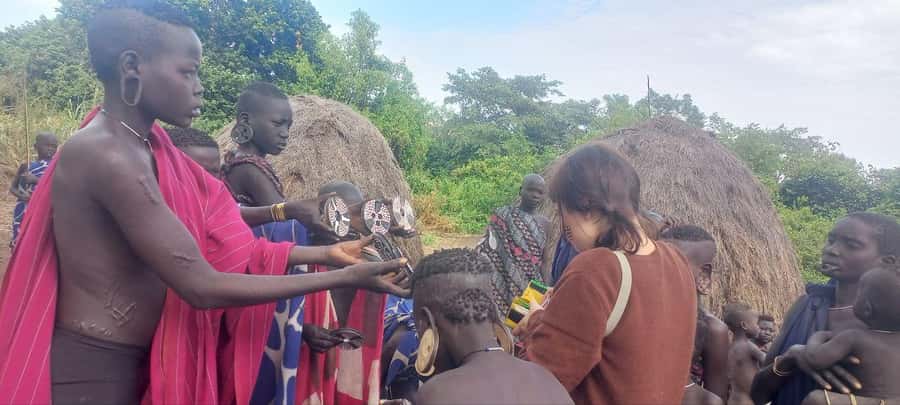
- Mursi village visit: You learn about distinctive lip plates, traditional huts, craftsmanship, and daily life.
- Key Afer Market: This is a good place to see local produce, crafts, livestock, and several tribal communities trading in one location.
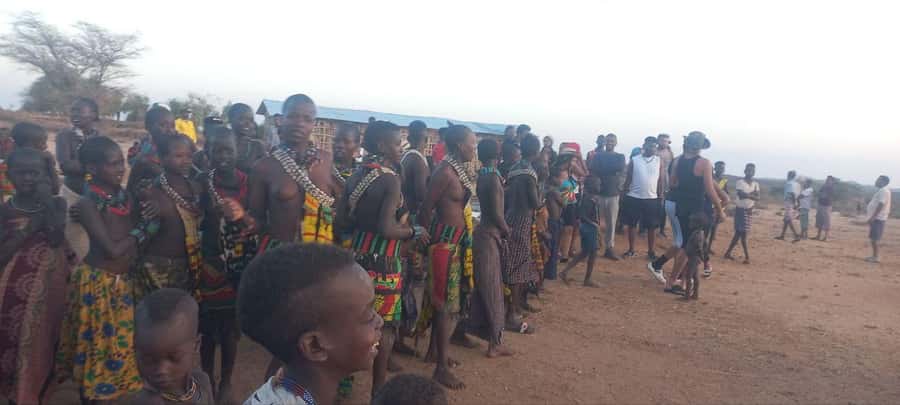
- Hamar bull jumping: The ceremony includes dancing, chanting, colorful clothing, and a young man’s rite of passage.
- Karo and Arbore communities: The route adds two different cultural perspectives, from Karo body painting to Arbore architecture and handicrafts.
- Simple trip planning: Airport pickup, a live English-speaking guide, transport, accommodation, and park access are included.
What the $700 price really covers
At $700 per person, this is not a cheap short excursion. It is a four-day, multi-stop journey through an area where distances are large and independent transport can be difficult to arrange. The price includes a van or jeep, a guide, accommodation, and the Mago National Park game drive. Those inclusions matter because the tour links several far-flung places rather than staying near Jinka.
The value depends on how much support you want. If you prefer to arrange each hotel, vehicle, park visit, and village stop yourself, you might find a lower price by splitting the trip into separate bookings. You would also take on the work of finding reliable transport and coordinating the route. This package is more useful if you want one person handling the driving and daily plan.
Alcoholic drinks, tips, and personal expenses are not included. Bring extra money for those items, as well as for any shopping at Key Afer or elsewhere. The price does not appear to include meals as a standard item, although the program describes traditional Ethiopian dinner around the campfire and dinner at a local restaurant in Turmi. I would confirm exactly which meals are covered before paying.
More Omo Valley tours:
- 5 Day Private tour to the Omo Valley Tribes and Adventure Tour
★ 5.0 · 11 reviews - Omo Valley Tribes 6 Days Tours
★ 4.9 · 10 reviews - From Jinka: Omo Valley Tribe 3-Day Tour
★ 5.0 · 9 reviews
Day one: Mago National Park and the Mursi village
Your pickup is arranged at Jinka International Airport, listed at QHP8+C93. From Jinka, the road heads toward Mago National Park. The drive itself is part of the trip, with changing views across the Omo Valley and stops for scenery and photographs.
The park gives the first day a useful change of pace. Instead of beginning only with cultural visits, you get a chance to look for wildlife in its natural setting. Elephants, buffalo, giraffes, and antelope are named as possible sightings. Wildlife is never a guarantee, so treat the game drive as a chance to watch the bush rather than a fixed checklist.
The Mursi village visit is the cultural focus of the day. The Mursi are widely known for distinctive lip plates, but the visit should not be reduced to photographs of one custom. You are also introduced to their traditional huts, craftwork, social practices, and daily routines. A good guide matters here because context helps you understand what you are seeing and encourages respectful behavior.
This is a direct community visit, so bring patience and follow your guide’s instructions about photography and interaction. You should ask before taking close portraits and avoid treating traditional clothing or body decoration as a costume display. The experience is most worthwhile when you listen as well as look.
The night is spent camping near the Mursi village. A traditional Ethiopian dinner and time around the campfire are planned for the evening. This is likely to be one of the least polished nights of the trip, but also one of the more memorable. You trade hotel comforts for a closer connection to the setting and a chance for cultural exchange.
Bring water, sunscreen, and a hat on this day. The program includes walking, sightseeing, and outdoor stops, so basic sun protection is not optional.
Day two: Key Afer Market and an evening in Turmi
The second day shifts toward Turmi, a town associated with Hamar communities and weekly market activity. The stop at Key Afer is one of the most useful parts of the route for anyone interested in ordinary trade and social life.
At the market, you might see local produce, crafts, and livestock, with different communities gathering to buy, sell, and trade. This is not simply a shopping stop. It gives you a chance to watch how people meet, exchange goods, and maintain connections across the area.
Keep your expectations practical. Markets are active places, but conditions can be basic, and the visit may feel crowded at certain times. You will get more from it if you give yourself time to observe instead of rushing from one photo to the next. If you want to buy something, ask about prices politely and remember that personal expenses are your responsibility.
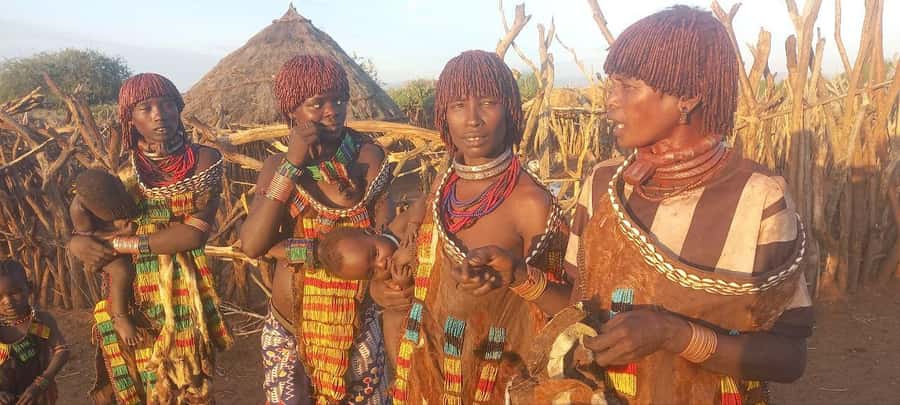
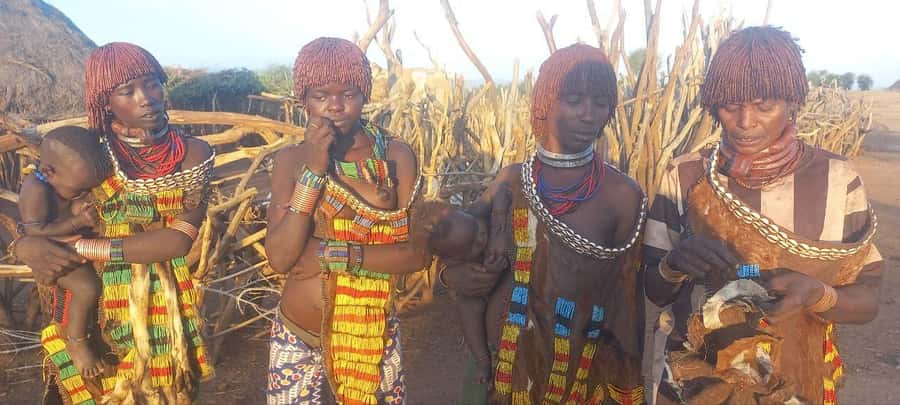
After continuing to Turmi, you check into a hotel or campsite. The schedule allows a walk around town and time with Hamar people. Hamar culture is presented through hairstyles, clothing, ceremonies, and rituals, but your guide should help explain which activities are everyday customs and which are formal events.
Dinner is planned at a local restaurant. Compared with the Mursi campsite, Turmi gives you a more settled base for the next two nights. You will appreciate that pause, especially after the long road journey.
Day three: Karo body painting and Hamar ceremony
The third day takes you to a Karo village along the Omo River. The Karo are known for intricate body painting and scarification practices. These traditions carry cultural meaning, and the best approach is to listen to the explanation rather than viewing them only as unusual visual details.
The river setting adds variety to the trip. You get another scenic drive, a village visit, time to walk, and a chance to compare Karo customs with what you saw among the Mursi and Hamar. The communities are often grouped together by outsiders because they live in the same broad region, but the tour makes room for their differences.
You return to Turmi for lunch and a break before the Hamar ceremony. That rest is welcome. The program includes substantial driving and outdoor time, and the day would feel much harder without a pause in the middle.
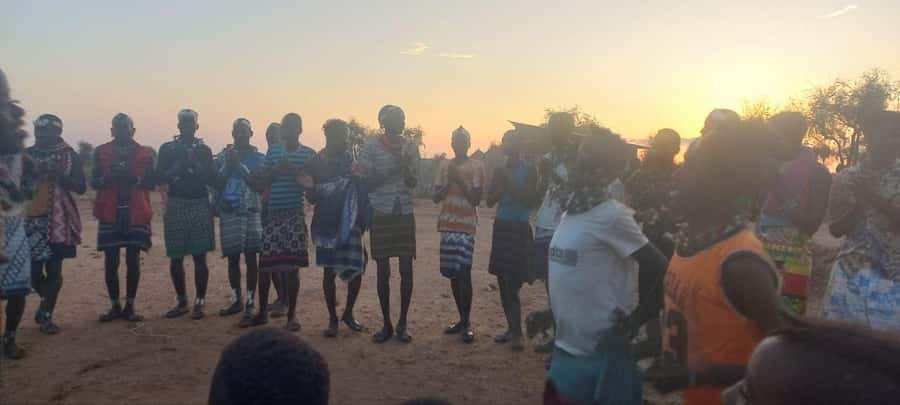
The planned Hamar bull jumping ceremony is a major reason many people choose this trip. It is a rite of passage for young men and includes dancing, chanting, ceremonial clothing, and the act of jumping over bulls. The event is a living community ceremony, not a theatrical show created for a tour schedule. That makes the timing less predictable and the experience more meaningful.
A verified booking from March 2024 included a Hamar wedding ceremony. This detail is important because it shows that local events can shape the day. You may see a wedding or another community ceremony instead of, or alongside, the planned bull jumping event. The key point is to remain flexible. You cannot demand an authentic ceremony on an exact timetable.
Photography requires care. Ask permission where appropriate, listen to the guide, and avoid interrupting participants. You will get better memories by being respectful than by collecting hurried pictures.
After the ceremony, dinner and another night in Turmi give you time to think about what you saw. The program describes colorful rituals, music, movement, and social participation, but you should not expect a staged cultural performance with comfortable seating or a predictable running time.
A few more options to weigh up in Arba Minch and the Omo Valley
- 3 days around Arbaminch and Konso Adventure Tours Life Time
★ 5.0 · 24 reviews - Private 3 Days Adventure Tour Through Arba Minch
★ 5.0 · 16 reviews - 6 Days Omo valley Tribal Tour (Starts Arba Minch End Jinka)
★ 5.0 · 7 reviews - 3 days, Arba Minch and Dorze
★ 5.0 · 7 reviews
Day four: Arbore village and the South Omo Museum
The final day takes you back toward Jinka. The return drive includes scenic views and another village visit, this time with the Arbore people. The Arbore community is presented through its architecture, traditional way of life, and handicrafts.
This stop helps broaden the trip. The tour is not only about the best-known Mursi and Hamar customs. By adding the Arbore, it gives you another chance to see how communities in the region express identity through homes, clothing, craftwork, and social traditions.
You then continue to Jinka and visit the South Omo Research Center and Museum. After several days of seeing communities directly, a museum visit gives you a wider frame for the region’s peoples and cultural significance. It is a sensible final stop because it lets you connect separate observations from the Mursi, Hamar, Karo, and Arbore visits.
Arrival in Jinka is expected in the late afternoon, with drop-off at Jinka International Airport. If you have an onward flight, confirm the timing carefully before booking. The schedule includes long drives and community events, so avoid arranging a tight same-day connection unless the operator confirms it is practical.
Transport, pace, and comfort
The tour uses a van or jeep. The exact vehicle and group size are not specified, so ask before booking if space, luggage room, or private transport matters to you. The roads and distances make this a road-based trip, not a leisurely resort holiday.
You should expect scenic drives, walks, photo stops, sunrise and sunset views, and periods of free time. The supplied schedule also contains very long duration figures for some itinerary entries, but the main description clearly presents the activity as four days. Confirm daily departure and return times directly with Discover Simien Tours.
Accommodation is included, but the type varies in the description between camping near the Mursi village and a hotel or campsite in Turmi. Ask what bedding, washing facilities, and meals are provided. Pack lightly, bring water, and prepare for simple conditions.
The live guide language is English. English, French, and German audio guides are also listed as included. Since the cultural visits are the heart of the trip, I would confirm how the audio guide works and how much live interpretation you receive at each community.
Who will enjoy this trip most
I would recommend this tour to adults who want a concentrated introduction to southern Ethiopia and who accept that comfort comes second to access. It suits you if you enjoy road journeys, wildlife watching, photography, cultural learning, and flexible schedules.
It is less suitable if you need short transfer times, guaranteed wildlife sightings, fixed ceremony times, or high-end accommodation. The trip also excludes children under 12 and is not suitable for pregnant women or people with back problems.
A hat, camera, sunscreen, and water are specifically recommended. I would also pack comfortable walking shoes and modest clothing, though those extra items are practical suggestions rather than listed requirements. Keep your day bag small and useful, since you will move between vehicle stops, villages, markets, and outdoor sites.
Is Discover Simien Tours a good choice?
The tour has a perfect 5.0 rating, based on one verified booking, and that booking praised access to a Hamar wedding ceremony. That is encouraging, but it is too small a sample to prove that every departure will run identically. The strongest evidence here is the design of the route: it covers several communities, adds Mago wildlife, and includes the main transport and accommodation pieces.
I would book it if you want a structured four-day introduction and value having a guide handle a demanding route. Before paying, confirm the group size, accommodation details, meal inclusions, ceremony timing, and exact return schedule. At $700 per person, those answers will help you decide if the convenience matches your budget.
FAQ
Where does the tour start?
Pickup is provided at Jinka International Airport, listed at QHP8+C93.
Where does the tour finish?
The tour returns to Jinka and offers drop-off at Jinka International Airport, listed at QHP8+C93.
How long is the tour?
The experience lasts four days.
What is included in the price?
Transportation by van or jeep, a guide, accommodation, and a game drive in Mago National Park are included.
Is the Mago National Park game drive included?
Yes. The game drive in Mago National Park is included.
Which communities does the tour visit?
The program includes visits to Mursi, Hamar, Karo, and Arbore communities.
Will I attend a Hamar bull jumping ceremony?
The program includes attendance at a traditional Hamar bull jumping ceremony. Local events can vary, and one March 2024 booking included a Hamar wedding ceremony.
What language is the live guide?
The live tour guide speaks English. English, French, and German audio guides are also listed.
What should I bring?
Bring a hat, camera, sunscreen, and water. Alcoholic drinks, tips, and personal expenses are not included.
Just added in Arba Minch and the Omo Valley
- 6 days private Sight Seeing Tours.★ 5.0 · 4 reviews
- 5 Days Omo Valley Tour: Experience Ethiopia’s Tribal Traditions★ 5.0 · 2 reviews
- 3 Days, Arba Minch, Dorze village and Konso Village★ 5.0 · 5 reviews
- 4 day amazing tour with the tribes★ 5.0 · 1 review
- 5 Days adventure tour in omo valley with the tribes.★ 4.5 · 2 reviews
- 6 Days Omo valley Tribal Tour (Starts Arba Minch End Jinka)★ 5.0 · 7 reviews
- 5 Day tour from arbaminch to omo valley★ 5.0 · 2 reviews
- 3 days, Arba Minch and Dorze★ 5.0 · 7 reviews
Omo Valley Tribal Tours, compared.
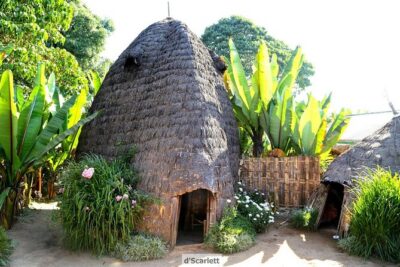
6 Days Omo Valley Tribes Tours From Addis Ababa
Read our review →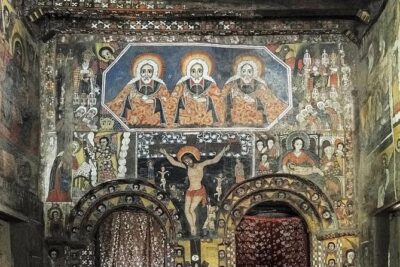
Lalibela, Axum, Danakil and Omo Valley 8 DAYS
Read our review →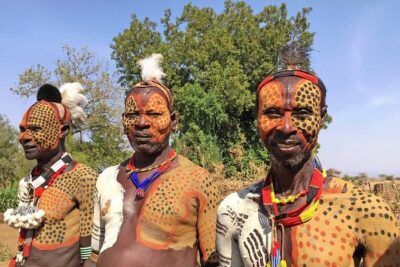
9 Days Tours To Danakil Depression, Simen MNP, Lalibela With Omo Valley Tribes
Read our review →
5 Day Private tour to the Omo Valley Tribes and Adventure Tour
Read our review →Browse the lists this tour appears in