
Reviewed · OMO VALLEY TRIBAL TOURS
5 Days Omo Valley Tour: Experience Ethiopia’s Tribal Traditions
Expect long roads and big rewards. This five-day trip from Arba Minch takes you from Chamo Lake and the Dorze highlands to Mursi, Hamer, Dassanech, and Kara communities, with village visits, wildlife, river crossings, and small-group travel along the way. I especially like the wide mix of experiences and the chance to travel with a guide such as Dagi, who is praised for his warmth, humor, English, and strong rapport with local communities. I also like the small maximum group size of nine, which should make the long drives and village visits more personal.
The main drawback is the pace. You cover a lot of ground in five days, much of it on difficult roads, and some days involve several hours in the vehicle. The program is best for you if you value cultural contact and remote scenery more than comfort, flexibility, or a relaxed schedule.
In This Review
- Key things to know before booking
- What the $800 price covers
- Day 1: Chamo Lake wildlife and Dorze mountain homes
- Day 2: Konso scenery and the Ari village
- Day 3: Mursi country and the road to Turmi
- Day 4: Dassanech communities near Omorate
- Day 5: Returning through Jinka
- The guide can shape the whole experience
- Comfort, pace, and practical preparation
- Who should choose this Omo Valley journey?
- Should you book the five-day Omo Valley tour?
- FAQ
- Where does the five-day Omo Valley tour begin?
- How long does the tour last?
- How many people can join the tour?
- What is included in the price?
- Does the tour include the flight from Jinka to Addis Ababa?
- Will I definitely see the Hamer bull jumping ceremony?
- Is the tour suitable for most people?
- What is the cancellation policy?
Key things to know before booking
- Chamo Lake combines wildlife and boat travel: Look for crocodiles, hippos, zebras, antelopes, and water birds across two different activities.
- The route reaches several distinct communities: Dorze, Ari, Mursi, Hamer, Dassanech, and Kara traditions are presented in separate settings rather than as one general cultural stop.
- Mago National Park includes rough off-road driving: The road to the Mursi village is described as difficult, so prepare for a demanding day.
- A traditional wooden boat crosses the Omo River: This is part of the trip to visit the Dassanech community near the Kenya and South Sudan borders.
- The group is capped at nine people: That is a useful size for a private-style expedition and should help with questions and guide access.
- Dagi receives especially warm praise: His English, humor, local connections, and easy communication with the communities are important strengths.
What the $800 price covers
The listed price is $800 per person, which is a significant outlay in Ethiopia but reasonable to examine as a package rather than as a simple five-day road trip. The cost includes the vehicle, fuel, five breakfasts, and WiFi on board. It also includes admission at some stops, including the Dorze village, Mago National Park, and the Omo National Park and River visit.
The value comes from the route itself. Arranging this journey independently would require transport between Arba Minch, Chencha, Jinka, Turmi, Omorate, and back to Jinka, plus local access, park visits, village arrangements, and a driver familiar with the area. The package puts those moving parts under one provider.
Still, you should budget beyond the headline price. Alcoholic drinks are not included, and the final day ends with a flight from Jinka to Addis Ababa, so confirm separately how that flight is handled. The supplied details do not say that airfare is part of the $800. That is the most important cost question to settle before paying.
The tour is booked, on average, 44 days ahead. That suggests planning early, especially if you want a particular date or need to coordinate the trip with flights in and out of Ethiopia.
More Omo Valley tours:
- 5 Day Private tour to the Omo Valley Tribes and Adventure Tour
★ 5.0 · 11 reviews - Omo Valley Tribes 6 Days Tours
★ 4.9 · 10 reviews - From Jinka: Omo Valley Tribe 3-Day Tour
★ 5.0 · 9 reviews
Day 1: Chamo Lake wildlife and Dorze mountain homes
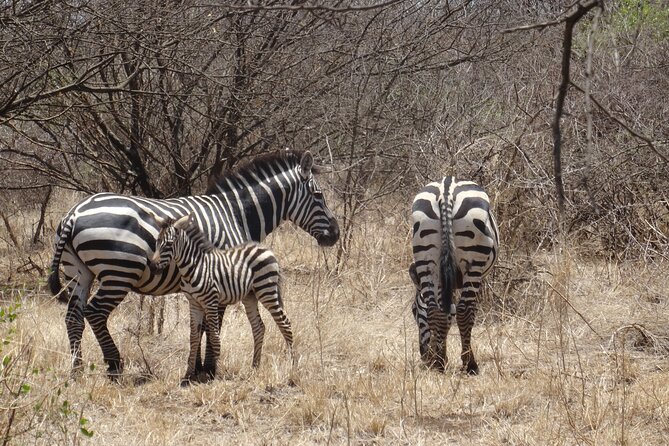
The first morning starts with a safari in Nech Sar National Park. The listed visit lasts about three hours and focuses on animals such as zebras and antelopes. This is a good opening because it gives you a taste of the region’s wildlife before the journey turns toward villages and cultural traditions.
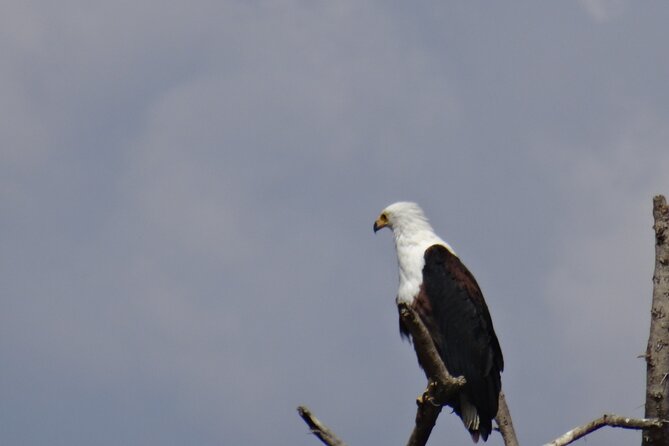
The Chamo Lake boat trip adds a different view of the park. From the water, you may spot large crocodiles, hippos, and aquatic birds. The two parts work well together: the safari offers open-country animal viewing, while the boat brings you close to the lake’s wildlife. Admission for the Chamo Lake stop is listed as free, though you should still confirm what is covered in the package.
After lunch, the route climbs toward Chencha to visit the Dorze people. The Dorze are known for cotton weaving and tall, beehive-shaped homes made from organic materials. This stop is one of the more distinctive parts of the trip because it combines architecture, craft, and mountain settlement in one visit.
The schedule gives about three hours at the Dorze village before returning to Arba Minch. You will want to keep an eye on the clock. The morning safari, boat trip, lunch, mountain drive, village visit, and return journey make this a full first day rather than an easy introduction.
I like the contrast here. Chamo Lake is about animals and open water, while Dorze country shows how people have adapted homes and crafts to a mountain setting. If you prefer a slow start, the number of activities may feel demanding. If you want variety from the first day, it delivers.
Day 2: Konso scenery and the Ari village
Day 2 heads west toward Jinka. The drive is part of the experience, with views of the terraced Konso mountains along the way. The route is not simply a transfer from one hotel to another. It gives you time to see how farming and settlement shape the hills.
The planned cultural visit is to an Ari village near the northern edge of Mago National Park. The Ari people are described as living in houses with painted walls and floors pressed from cow dung. That detail may sound unusual at first, but it points to the practical materials and visual traditions that shape village life.
The visit is scheduled for about three hours. The details list the Konso Cultural Centre as the stop title, while the description focuses on the Ari village. Because of that wording, I would ask the operator exactly which sites you will enter and how the time is divided. It is a small point, but clear information matters on a route with long driving distances.
This is a quieter day than Day 1 on paper, but the road to Jinka remains important. You may spend more time watching the country pass by than walking through a formal attraction. I see that as a strength if you enjoy seeing rural scenery, but a weakness if you expect a packed schedule of activities.
Day 3: Mursi country and the road to Turmi
After breakfast, departure is set for 8:00 a.m. The morning drive goes into Mago National Park and onward to a Mursi village. The route includes difficult off-road slopes, described as the only practical way to reach this isolated community.
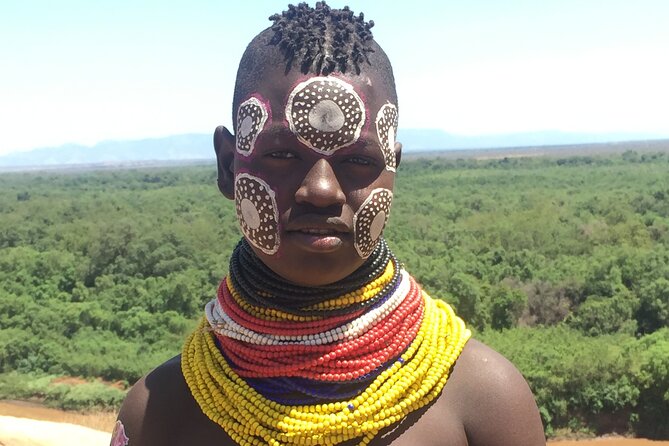
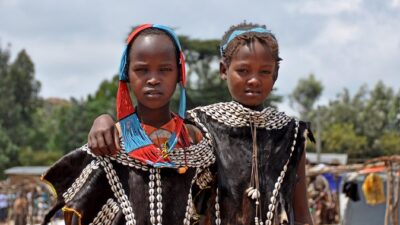
This is likely to be the most physically and logistically demanding day. The Mursi are known for distinctive hairstyles, ceremonial body paint, and traditions passed down over many generations. The visit offers a chance to learn about customs that are very different from those in the highlands around Arba Minch.
You should approach this stop with respect and patience. A village visit is not a stage show. The quality of the encounter depends heavily on how your guide communicates, explains local customs, and handles photography and introductions. Dagi’s reported rapport with the communities is particularly useful here. His role is not just to translate words. It is to help you understand what you are seeing and behave properly.
The schedule allows around four hours for Mago National Park and the Mursi visit. Afterward, you drive about 120 kilometers to Turmi. The distance may look modest on a map, but road conditions can make the journey take time. This is a day when sturdy clothing, water, and a willingness to sit in a vehicle are more valuable than a tightly packed suitcase.
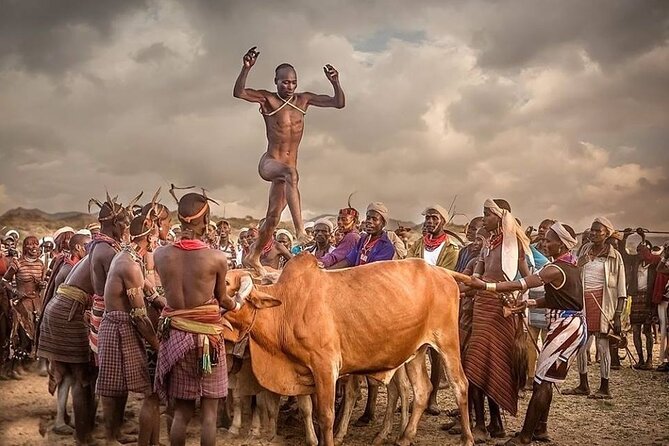
In Turmi, the tour visits the Hamer people, described as one of the friendliest communities in the Omo Valley. Hamer traditions include decorated clothing and the well-known bull jumping ceremony. The important qualification is that attendance at the ceremony depends on timing. It is not guaranteed.
That distinction matters. You should book this tour for the chance to learn about Hamer life, not on the assumption that you will see bull jumping. If a ceremony happens during your visit, it could become a major highlight. If not, the village visit still gives you a window into Hamer dress and customs.
A few more options to weigh up in Arba Minch and the Omo Valley
- 3 days around Arbaminch and Konso Adventure Tours Life Time
★ 5.0 · 24 reviews - Private 3 Days Adventure Tour Through Arba Minch
★ 5.0 · 16 reviews - 6 Days Omo valley Tribal Tour (Starts Arba Minch End Jinka)
★ 5.0 · 7 reviews - 3 days, Arba Minch and Dorze
★ 5.0 · 7 reviews
Day 4: Dassanech communities near Omorate
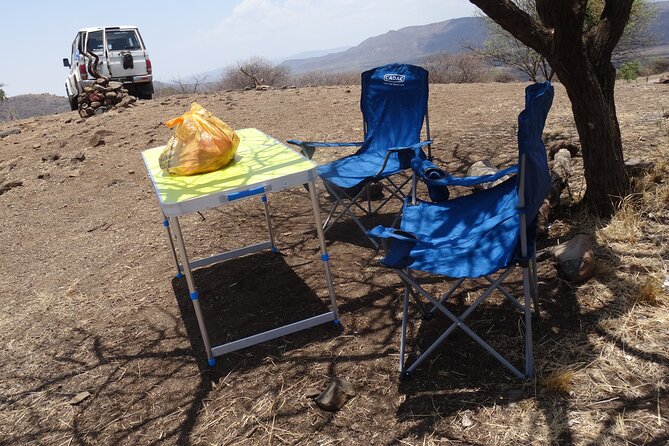
Day 4 heads south toward Omorate and the Kenyan border. The route reaches the area where the Dassanech people live near Lake Turkana and close to the borders with Kenya and South Sudan. The description presents them as a warrior community, but you should treat that as a broad cultural introduction rather than a complete picture of daily life.
One of the day’s most memorable details is the crossing of the Omo River in a traditional wooden boat. This is not just a scenic pause. It is part of the route to the Dassanech communities, making the river a real geographic boundary in the journey.
The Omorate visit is scheduled for about four hours, followed by a return to Turmi. Border-region travel adds a sense of remoteness, but it also means the day depends on road conditions and local arrangements. Keep your expectations flexible and listen closely to your guide’s instructions.
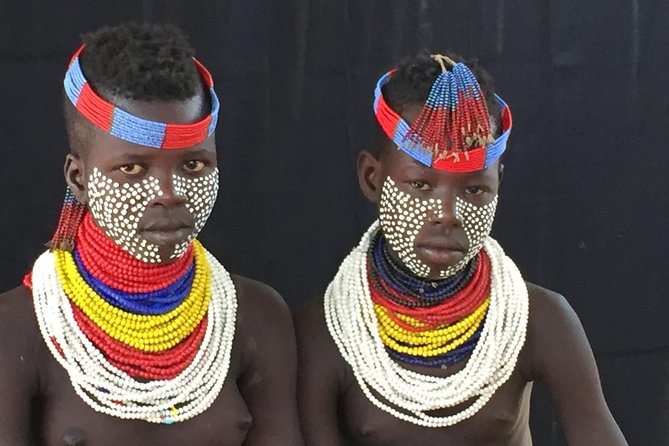
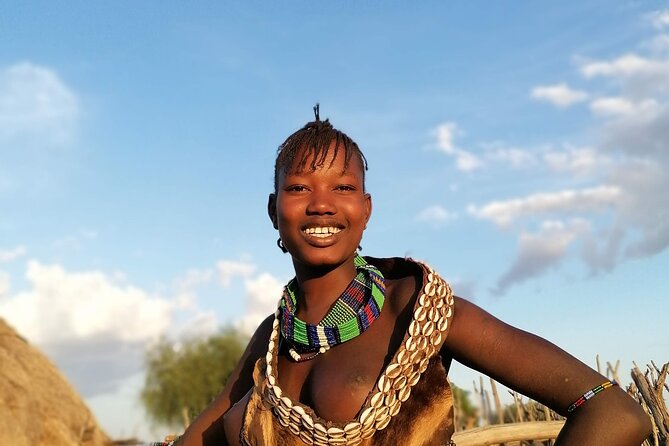
In the afternoon, you travel about 65 kilometers from Turmi to visit the Kara people at Buska viewpoint on the bend of the Omo River. The Kara population is described as small, with about 2,000 people living in three villages. Their body decoration is a central part of the visit.
Kara men are known for facial and body designs made with white chalk. Women decorate their faces and pay close attention to their hairstyles. The viewpoint adds a scenic element, but the cultural focus remains the main reason to make the drive.
This is a packed day with two different communities, a river crossing, border-region travel, and another road journey. I like the range, but you should not expect long, quiet periods at each place. If you want time for careful observation and extended conversation, ask how much time is actually spent in each village.
Day 5: Returning through Jinka
The final day drives to Jinka for a flight to Addis Ababa. The listed driving time is about two hours, and the day is much shorter than the previous two.
That shorter schedule is useful after several demanding road days, but you should confirm the flight time before booking connections from Addis Ababa. The tour information says the journey ends with a flight to the capital, but it does not give a departure time or state that the airfare is included.
Jinka also functions as a practical endpoint for the Omo Valley route. You are not required to retrace the full journey back to Arba Minch, which saves considerable road time. If your wider Ethiopia itinerary includes Addis Ababa, this finish can make the trip easier to fit into a larger plan.
The guide can shape the whole experience
Dagi is the one guide specifically named in the available feedback, and his qualities deserve attention. He is described as warm, personable, humorous, and fluent in English. He is also praised for communicating well with local communities and for having a broad network in the region.
Those strengths matter more here than on an ordinary city tour. You spend long hours on the road, visit communities with distinct customs, and enter places where respectful communication is essential. A guide who can explain context and maintain good relationships can make the difference between a rushed photo stop and a useful cultural encounter.
The small-group limit of nine supports that personal approach. It should be easier to ask questions, hear explanations, and stay together during village visits. The experience is described as a private expedition, but you should confirm whether your booking is fully private or simply limited to a small group.
WiFi is listed on board. That is a practical extra during long drives, though I would not build your entire communication plan around it. The key value remains the vehicle, fuel, guide service, and access to a route that is difficult to arrange on your own.
Comfort, pace, and practical preparation
The tour begins at 7:30 a.m., while Day 3 has an 8:00 a.m. departure after breakfast. Early starts help fit in wildlife drives and long road transfers, but they also mean you should be ready to begin each day promptly.
The itinerary includes five breakfasts. Other meals are not specified, so ask what is planned for lunch and dinner. Alcoholic drinks are expressly excluded. The vehicle and fuel are included, which is important because the route covers substantial distances and includes off-road sections.
You should prepare for:
- Long drives between Arba Minch, Jinka, Turmi, Omorate, and nearby villages
- Rough roads on the way to the Mursi community
- Early starts and tightly scheduled days
- Outdoor wildlife viewing at Chamo Lake and in Nech Sar National Park
- Cultural visits where respectful behavior and careful photography matter
- A traditional boat crossing on the Omo River
- A final flight from Jinka to Addis Ababa
Most people can participate, according to the supplied information, and the experience is near public transportation. That does not mean the journey is physically effortless. The off-road drive, long transfers, and repeated in-and-out stops may be tiring. If you have mobility concerns, ask the operator for specific advice before booking.
The tour offers pickup, and confirmation is received at booking. Cancellation is free if you cancel at least 24 hours before the start time. A minimum number of participants is required, so if the operator cancels for that reason, you are offered another date or experience, or a full refund.
Who should choose this Omo Valley journey?
I would recommend it most strongly to you if you want cultural variety, remote roads, and a guide-led introduction to several communities in a short period. It suits people who would rather see a wide slice of the Omo Valley than spend five days in one base.
It is also a good match if you value personal guiding. Dagi’s reported warmth, English, humor, and local relationships are notable advantages, especially on the Mursi and Hamer visits.
I would be more cautious if you dislike long drives, rough roads, early mornings, or uncertain event timing. The bull jumping ceremony may not take place during your visit, and the itinerary leaves little spare time for delays or spontaneous changes.
Should you book the five-day Omo Valley tour?
Book it if you want a focused introduction to southern Ethiopia and accept that the route is demanding. For $800 per person, the package offers transport, fuel, breakfasts, some admissions, WiFi, a small group, and access to a broad cultural route that would take work to arrange independently.
Before committing, confirm three points: the exact flight arrangements from Jinka, what meals beyond breakfast cost, and whether the Hamer bull jumping ceremony is expected during your dates. If those details suit your plans, this is a strong choice for an adventurous trip built around people, traditions, wildlife, and place rather than polished sightseeing.
FAQ
Where does the five-day Omo Valley tour begin?
The experience is based in Arba Minch, Ethiopia, and pickup is offered. The listed start time is 7:30 a.m.
How long does the tour last?
The tour lasts approximately five days.
How many people can join the tour?
The activity has a maximum of nine travelers.
What is included in the price?
The price includes the vehicle, fuel, WiFi on board, five breakfasts, and some listed admissions. Alcoholic drinks are not included.
Does the tour include the flight from Jinka to Addis Ababa?
The itinerary ends with a flight from Jinka to Addis Ababa, but the supplied information does not confirm that airfare is included. Confirm this before booking.
Will I definitely see the Hamer bull jumping ceremony?
No. The ceremony is attended if one takes place during the visit, so it is not guaranteed.
Is the tour suitable for most people?
The supplied information says most travelers can participate. The route includes long drives and difficult off-road sections, so you should ask the operator about your specific needs.
What is the cancellation policy?
You can cancel at least 24 hours before the start time for a full refund. Changes or cancellations made less than 24 hours before the start time are not accepted for a refund.
Just added in Arba Minch and the Omo Valley
- 6 days private Sight Seeing Tours.★ 5.0 · 4 reviews
- 3 Days, Arba Minch, Dorze village and Konso Village★ 5.0 · 5 reviews
- 5 Days adventure tour in omo valley with the tribes.★ 4.5 · 2 reviews
- 6 Days Omo valley Tribal Tour (Starts Arba Minch End Jinka)★ 5.0 · 7 reviews
- 4 day amazing tour with the tribes★ 5.0 · 1 review
- 5 Day tour from arbaminch to omo valley★ 5.0 · 2 reviews
- 3 days, Arba Minch and Dorze★ 5.0 · 7 reviews
- 4 Days tour in omo valley.★ 4.5 · 3 reviews
Omo Valley Tribal Tours, compared.
6 Days Omo Valley Tribes Tours From Addis Ababa
Read our review →
Lalibela, Axum, Danakil and Omo Valley 8 DAYS
Read our review →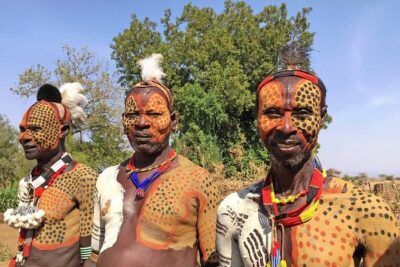

9 Days Tours To Danakil Depression, Simen MNP, Lalibela With Omo Valley Tribes
Read our review →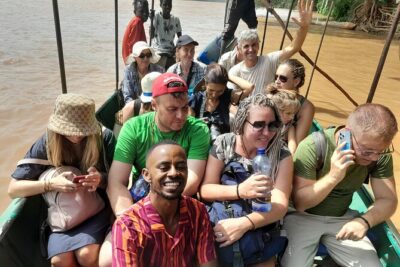
5 Day Private tour to the Omo Valley Tribes and Adventure Tour
Read our review →Browse the lists this tour appears in