
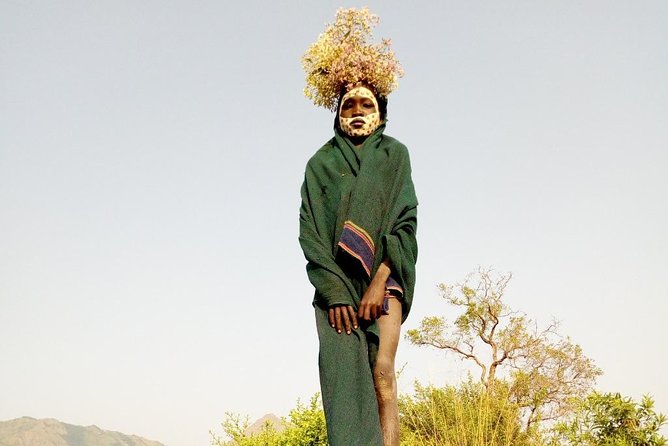
Reviewed · OMO VALLEY TRIBAL TOURS
4 day amazing tour with the tribes
The Omo Valley rewards patience. This four-day private tour links four distinct tribal communities with the Omo River, Omo National Park, local markets, and long overland drives. I like the flexible approach, which lets you express your interests before the route is arranged. I also like that the price covers a car, guide, entrance fees, and a private group of up to four.
The main consideration is the pace. Day 2 lasts about nine hours and Day 3 about ten, with rough or tiring road travel likely to be part of the experience. The schedule also contains one unclear overnight detail, so you should confirm the exact route, hotel plan, meals, and pickup time before paying.
In This Review
- Key points to know before you book
- Why this Omo Valley tour is worth considering
- Day 1: Jinka Airport to Turmi by way of a market
- Day 2: Dasenech villages and the Hamer ceremony
- Day 3: Karo body painting beside the Omo River
- Day 4: Mursi villages through Omo National Park
- What the private format adds
- What the $1,750 group price covers
- The road, the timing, and the trade-offs
- Who will enjoy this tour most
- Should you book the four-day Omo Valley tour?
- FAQ
- Where does the tour begin?
- Where does the tour end?
- How many people can join the private tour?
- What communities are included?
- Are meals included?
- Are flight tickets included?
- Can I cancel for a full refund?
Key points to know before you book
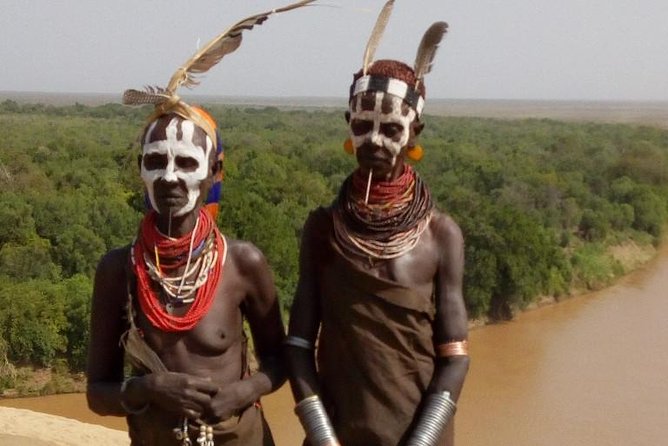
- Four major communities in four days: You visit Dasenech, Hamer, Karo, and Mursi communities, each with different customs and settings.
- Private group of up to four: The $1,750 price works out to $437.50 per person if four people share the vehicle and tour.
- A strong river focus: The Omo River appears throughout the route, including the crossing to a Dasenech village and visits along the riverbank.
- Long driving days: Plan for about six hours on Day 1, nine hours on Day 2, ten hours on Day 3, and four hours on Day 4.
- Meals need checking: Lunch, breakfast, and dinner are marked optional, so confirm exactly what your package includes.
- Respectful guiding matters here: The only written rating gives five stars and specifically praises Bantin for being respectful and accommodating.
Why this Omo Valley tour is worth considering
This is not a quick photo stop in a single village. The route takes you through a broad section of southern Ethiopia, beginning at Jinka Airport and reaching Turmi, Omorate, the Omo River, Karo country, and Mursi territory.
I like the way the tour brings together several kinds of experience. You get market life at Alduba or Keyafer, village visits, a possible Hamer bull jumping ceremony, body painting among the Karo, and the famous lip plates associated with the Mursi. The river is not just scenery. You cross it to reach a Dasenech village, making it part of the practical journey.
The private format also helps. Your group is the only group on the activity, and the vehicle, guide, entrance fees, and accommodation are included in the main price. That gives you more room to ask for changes than a fixed coach tour would normally allow.
Still, this is a demanding trip. The distances are large, the daily drives are long, and the itinerary uses broad time estimates rather than a tightly detailed schedule. You should think of it as an expedition-style road tour, not a relaxed four-day break.
More Omo Valley tours:
- 5 Day Private tour to the Omo Valley Tribes and Adventure Tour
★ 5.0 · 11 reviews - Omo Valley Tribes 6 Days Tours
★ 4.9 · 10 reviews - From Jinka: Omo Valley Tribe 3-Day Tour
★ 5.0 · 9 reviews
Day 1: Jinka Airport to Turmi by way of a market
The first day begins with pickup at Jinka Airport, followed by a direct drive toward Turmi. The planned driving time is about six hours, so the day is mainly about getting into the Omo Valley and making a first cultural stop on the way.
You may visit a tribal market in Alduba or Keyafer. The choice is not fixed in the information provided, which is useful if local conditions or market days affect the route. Markets can offer a more ordinary view of daily life than a planned village visit, with people buying and selling goods, meeting friends, and handling practical business.
The market stop also helps break up the road journey. Afterward, you continue to Turmi for the night. Turmi is used as the base for the following activities, including the Hamer area and the trip toward Omorate.
The main advice for Day 1 is to confirm your arrival timing. The listed start time is 12:00 am, which is not clear enough to plan around. Since pickup is tied to Jinka Airport, send your flight information when booking and ask for the exact meeting time.
You should also ask whether the market will be Alduba or Keyafer. That detail can affect your expectations, though both are presented as possible market stops. The entrance fee for the included activity is covered, but personal shopping is not.
Day 2: Dasenech villages and the Hamer ceremony
Day 2 is the longest cultural day, with about nine hours of driving and visits. You leave Turmi in the morning for Omorate, then visit the Dasenech people and their village on the far side of the Omo River.
The river crossing is one of the more unusual parts of the program. It turns the visit into more than a roadside stop, since reaching the village involves moving across a major natural boundary. The Omo River also gives this section a clear sense of place.
In the afternoon, the plan is to attend a bull jumping ceremony around a Hamer village. This is an important point to clarify before you go. The wording says the tour will attend a ceremony, but ceremonies are community events and may not happen every day. Ask the operator whether a ceremony is confirmed for your date, or whether the plan changes if one is not taking place.
The Hamer visit is likely to be one of the most memorable sections of the tour because it combines a village setting with a major cultural event. It is also the part that calls for the most care from you. Follow the guide’s instructions, ask before taking photographs, and remember that a ceremony is not a performance arranged only for visitors.
You return to Turmi for the night. With a nine-hour day, you should keep your expectations realistic. The route may feel full even before delays, river arrangements, or waiting time are added.
Day 3: Karo body painting beside the Omo River
Day 3 begins with a drive from Turmi to a Karo village. The estimated duration is about ten hours, making this the hardest day on paper.
The Karo visit takes place beside the Omo River. The focus is on body painting, an immediately visible tradition that gives this stop a different character from the Dasenech and Hamer visits. The riverbank setting also connects the cultural experience to the wider route rather than treating the village as an isolated attraction.
Body painting can be visually striking, but I would not reduce the visit to photographs. You are entering a living community, so a respectful approach matters. Ask the guide about photo rules and any fee before you take pictures. Personal photo fees are not included in the tour price.
The schedule then says you drive directly to Jinka and overnight in Turmi. Those two details conflict, since Jinka and Turmi are listed as separate places and the wording does not make the overnight location certain. Treat this as the most important itinerary point to verify before booking.
Ask these questions in writing:
- Is the overnight stay on Day 3 in Jinka or Turmi?
- Is the Karo visit followed by a return drive or a hotel change?
- Is the ten-hour estimate the total day length or only the driving time?
- Does the next morning’s Mursi trip begin from Jinka or Turmi?
The answers will help you understand how tiring the final two days will be. The Karo stop itself is appealing, but the travel plan needs tightening.
A few more options to weigh up in Arba Minch and the Omo Valley
- 3 days around Arbaminch and Konso Adventure Tours Life Time
★ 5.0 · 24 reviews - Private 3 Days Adventure Tour Through Arba Minch
★ 5.0 · 16 reviews - 6 Days Omo valley Tribal Tour (Starts Arba Minch End Jinka)
★ 5.0 · 7 reviews - 3 days, Arba Minch and Dorze
★ 5.0 · 7 reviews
Day 4: Mursi villages through Omo National Park
The final morning takes you toward a Mursi village through Omo National Park. The planned time is about four hours, followed by a drive to Jinka Airport.
The Mursi visit focuses on the lip plates associated with Mursi women. This is one of the best-known cultural features in the Omo Valley, but it deserves a careful explanation from your guide. You should have the chance to understand the practice in its social and cultural setting rather than seeing it as a single striking image.
Passing through Omo National Park adds a nature element to the final day. The information does not specify wildlife sightings, trails, or a separate safari, so you should not book this expecting a dedicated wildlife drive. Here, the park is part of the route to the Mursi village.
The short four-hour estimate makes Day 4 easier than the previous two days, but you still need to match the route to your flight. The tour ends at Jinka Airport, and the precise drop-off time is not supplied. Give yourself a generous margin before departure and confirm the timing with Banti Omo Valley Tours.
What the private format adds
The tour is private, with only your group participating, and the vehicle can carry up to four people. That arrangement suits friends, couples, or a family that wants one shared road experience without joining strangers.
The private setup is especially useful because the tour is described as flexible. You can send your interests to the operator, who will organize activities around them. That does not mean every request is guaranteed, but it gives you a chance to discuss markets, villages, ceremonies, and timing before the trip.
The guide’s role is important here. The only written feedback gives the trip five stars and praises Bantin as respectful and accommodating. Since cultural visits depend heavily on communication and good judgment, that is the most encouraging detail available about the service.
You should still ask what language the guide speaks, what kind of vehicle will be used, and how the guide handles photography and local fees. Those points are not specified, but they matter on a tour built around village visits.
What the $1,750 group price covers
The price is $1,750 per group of up to four people. If four people share the booking, the simple split is $437.50 per person. For two people, the effective cost becomes $875 each, so the value improves sharply when you fill the group.
The listed inclusions are:
- Car
- Guide
- All entrance fees
- Bedroom accommodation
- Lunch, marked optional
- Breakfast, marked optional
- Dinner, marked optional
The car and guide are the core of the package. This is a road-based tour, so having transport arranged across several remote stops is a major part of the value. Entrance fees are also included, which makes budgeting easier.
Meals are less clear. Breakfast, lunch, and dinner are all shown as optional, with the number in brackets suggesting they may be available as add-ons or selected choices. Do not assume meals are included in the $1,750. Ask for the total price with your preferred meal plan.
Flight tickets are listed among the exclusions, although the wording uses the phrase fly thicket. Read this as a point requiring confirmation. Your airfare to and from Jinka is not clearly included in the package price.
Personal shopping and photo fees are also excluded. Bring a separate budget for both, and ask about photography charges before taking pictures at villages or ceremonies.
The road, the timing, and the trade-offs
The four-day length looks short for the distance covered. The driving estimates add up to long days, especially on Days 2 and 3. You may spend as much time in the vehicle as you do at cultural stops.
That is not automatically a flaw. The long roads are what connect the communities, and a private car gives you a direct route rather than forcing you to organize each leg yourself. But you should be comfortable with extended travel and a schedule that may shift.
The itinerary is also not fully precise. The start time is listed as midnight, and Day 3 gives an unclear overnight location. These are simple issues to resolve before booking, but they should not be ignored.
I would ask for a day-by-day confirmation that includes:
- Pickup time at Jinka Airport
- Exact overnight towns
- Hotel names or accommodation standards
- Meal costs
- Ceremony availability
- Photo fees
- Airport drop-off time
The operator offers free cancellation up to 24 hours before the experience starts. Inside that 24-hour period, the payment is not refunded and changes are not accepted. That policy gives you flexibility while plans are still taking shape, but it also makes last-minute changes expensive.
Who will enjoy this tour most
I would choose this experience if you want a private introduction to several Omo Valley communities and do not mind long road days. It fits people who value direct access, local guiding, and a route that can be discussed around their interests.
It may also suit photographers, but only if you are ready to pay separate photo fees and follow local rules. The Hamer ceremony, Karo body painting, Mursi lip plates, river crossings, and markets offer strong visual subjects, but the right attitude is respectful observation rather than collecting images.
This tour is less suitable if you want a slow holiday, a fixed luxury schedule, or a dedicated wildlife trip. Omo National Park is part of the route, but the program does not promise a safari or wildlife sightings.
It is also not the best choice for anyone who dislikes uncertainty. The operator allows some flexibility, and that can be useful, but you need to confirm the unclear parts yourself.
Should you book the four-day Omo Valley tour?
Book it if you want four tribal communities, the Omo River, local markets, and a private vehicle in one compact trip. The best value comes when four people share the $1,750 group price, and the praised qualities of respectful, accommodating guiding are important on this kind of visit.
Before you commit, confirm the Day 3 overnight location, meal costs, ceremony availability, flight arrangements, and pickup time. If those details are settled and you are ready for long drives, this tour offers a focused way to see a remarkable part of Ethiopia. If you prefer easy days and exact scheduling, choose a slower plan with fewer communities.
FAQ
Where does the tour begin?
The tour begins with pickup at Jinka Airport.
Where does the tour end?
The tour ends with transport to Jinka Airport on Day 4.
How many people can join the private tour?
The private tour is priced for a group of up to four people, and only your group participates.
What communities are included?
The route includes visits to Dasenech, Hamer, Karo, and Mursi communities.
Are meals included?
Breakfast, lunch, and dinner are listed as optional, so you should confirm the meal plan and any extra cost before booking.
Are flight tickets included?
Flight tickets are listed among the exclusions, so they are not included in the tour price.
Can I cancel for a full refund?
Yes. You can cancel at least 24 hours before the local start time for a full refund. Cancellations or changes made within 24 hours are not accepted for a refund.
Just added in Arba Minch and the Omo Valley
- 6 days private Sight Seeing Tours.★ 5.0 · 4 reviews
- 5 Days Omo Valley Tour: Experience Ethiopia’s Tribal Traditions★ 5.0 · 2 reviews
- 3 Days, Arba Minch, Dorze village and Konso Village★ 5.0 · 5 reviews
- 5 Days adventure tour in omo valley with the tribes.★ 4.5 · 2 reviews
- 6 Days Omo valley Tribal Tour (Starts Arba Minch End Jinka)★ 5.0 · 7 reviews
- 5 Day tour from arbaminch to omo valley★ 5.0 · 2 reviews
- 3 days, Arba Minch and Dorze★ 5.0 · 7 reviews
- 4 Days tour in omo valley.★ 4.5 · 3 reviews
Omo Valley Tribal Tours, compared.
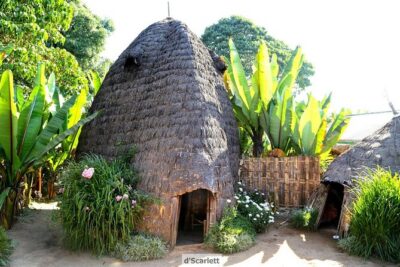
6 Days Omo Valley Tribes Tours From Addis Ababa
Read our review →
Lalibela, Axum, Danakil and Omo Valley 8 DAYS
Read our review →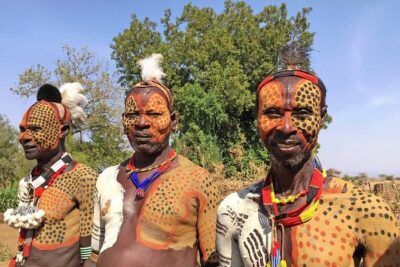



9 Days Tours To Danakil Depression, Simen MNP, Lalibela With Omo Valley Tribes
Read our review →
5 Day Private tour to the Omo Valley Tribes and Adventure Tour
Read our review →Browse the lists this tour appears in