
Reviewed · OMO VALLEY TRIBAL TOURS
6 Days Omo valley Tribal Tour (Starts Arba Minch End Jinka)
This is not a standard sightseeing trip. This six-day journey links Arba Minch with some of southern Ethiopia’s most distinctive communities, using an air-conditioned 4×4 and a small group capped at four people. I like the careful mix of highland scenery, village visits, and market days, especially the Dorze, Kara, Dassanech, and Mursi stops. I also like that the route ends at Jinka Airport, which saves you from retracing the long road north.
The main drawback is the amount of time spent on rough roads. Several days involve long drives, off-road travel, and basic accommodation, with portable shower and toilet facilities at the Turmi hotel. The $1,600 price is substantial, and fees and taxes are not included, so you should ask exactly what extra costs remain before paying.
In This Review
- Key Points Before You Book
- Arba Minch to Chencha: Meeting the Dorze
- The Long Southbound Drive to Turmi
- Kara Village and the Omo River
- Nyangatom and Kara Visits on Day Four
- Crossing the Omo to Meet the Dassanech
- Mago National Park and the Mursi
- What the $1,600 Price Really Covers
- The Guide Can Shape the Whole Experience
- Comfort, Timing, and Physical Demands
- Who Should Book This Omo Valley Route?
- Should You Book the Six-Day Omo Valley Tour?
- FAQ
- Where does the tour start?
- Where does the tour end?
- How many people can join the tour?
- Is transportation included?
- Which market days are included?
- Can I cancel for a full refund?
Key Points Before You Book
- Arba Minch to Jinka route: You start at Arba Minch Airport and finish at Jinka Airport, rather than returning to your starting point.
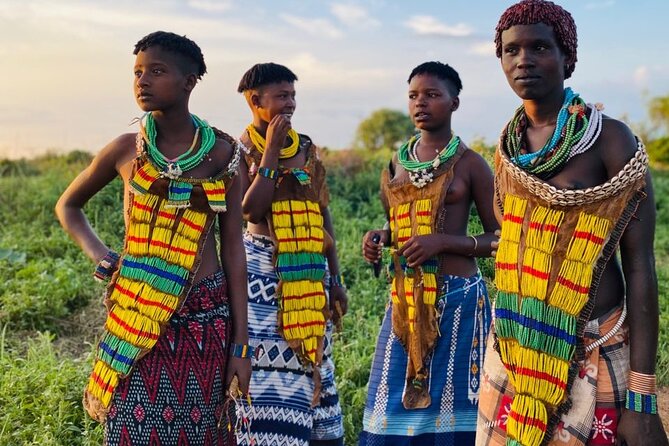
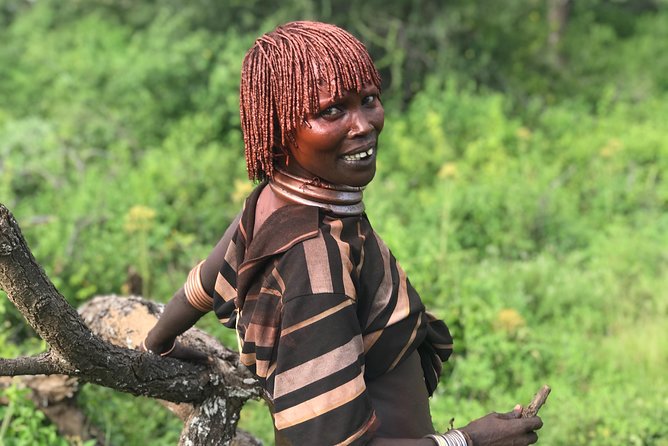
- Six tribal and cultural areas: The route includes visits connected with the Dorze, Konso, Tsamay, Arbore, Hamar, Kara, Nyangatom, Dassanech, and Mursi communities.
- Small-group travel: The vehicle carries a maximum of four people, which should make the long drives easier to manage and allow some flexibility.
- Markets shape the schedule: Dimeka market is visited on Tuesdays and Saturdays, while Keyafer market is held on Thursdays.
- Rough roads are part of the deal: The drive to Kara village includes about 80 kilometers of off-road travel, and several other days involve long road journeys.
- Local connections matter: The guiding team has been praised for arranging local contacts and guides who explain customs and village life.
Arba Minch to Chencha: Meeting the Dorze
Your first day takes you from Arba Minch into the highlands to visit the Dorze people. The drive covers only about 36 kilometers, but the climb is dramatic, rising from roughly 1,400 meters in Arba Minch to about 2,900 meters at Chencha.
The road offers broad views over Lake Abaya and Lake Chamo. These are the kind of views that make a short drive feel like a proper introduction to southern Ethiopia. You get a clear sense of how quickly the climate and terrain change as you leave the lakes behind and reach the cooler highlands.
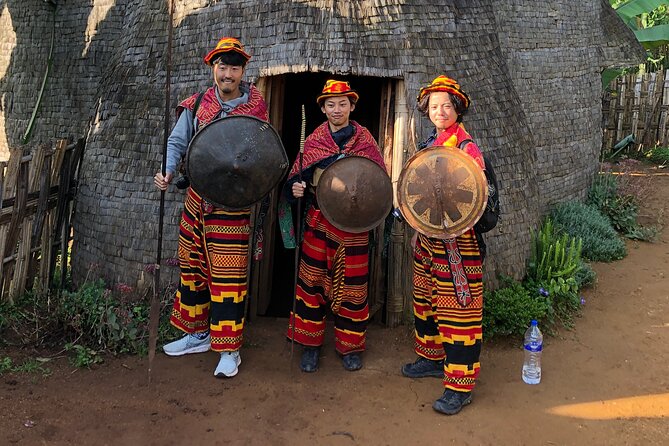
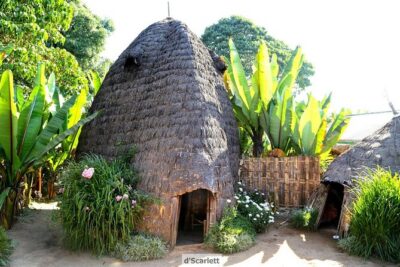
The Dorze are known for their tall, beehive-shaped huts. These distinctive homes are not simply a photo stop. You also see how false banana, a staple crop, is prepared and get the chance to taste food made from it.
That tasting is one of the useful features of the visit. Food gives you a direct way to understand daily life, rather than treating the village as a display of traditional buildings. You should still approach the visit with respect. Ask before taking photographs, listen to your guide, and remember that people are going about their daily lives, not performing a show.
After the Dorze visit, you return to Arba Minch for the night. The first day is shorter than some of the later stages, but the altitude change and mountain road make it a full outing.
More Omo Valley tours:
- 5 Day Private tour to the Omo Valley Tribes and Adventure Tour
★ 5.0 · 11 reviews - Omo Valley Tribes 6 Days Tours
★ 4.9 · 10 reviews - From Jinka: Omo Valley Tribe 3-Day Tour
★ 5.0 · 9 reviews
The Long Southbound Drive to Turmi
Day two covers about 277 kilometers and takes roughly five and a half hours, although road conditions and stops can affect the timing. You travel south through areas associated with the Konso, Tsamay, Arbore, and Hamar peoples before reaching Turmi.
This is where the air-conditioned 4×4 becomes more than a nice extra. Southern Ethiopia involves long distances, heat, dust, and rough sections. Having a private vehicle for a group of no more than four people gives you more comfort than a crowded minibus and makes it easier to manage luggage and stops.
The schedule includes Dimeka market when the tour runs on a Tuesday or Saturday. Market days are a major part of life in the Omo Valley, and Dimeka brings together people from several nearby communities. The market stop gives you a chance to see trade, clothing, movement, and social contact in one place.
The important practical point is the day of the week. If your trip does not align with Tuesday or Saturday, this particular market visit may not fit the schedule. Confirm the exact departure date before booking if Dimeka is a priority.
After the market, you continue to Turmi for the night. This is one of the longer transfer days, so you should not expect a packed list of sightseeing stops from morning until evening. The road itself is part of the experience, but it also means you need patience.
Kara Village and the Omo River
The third day focuses on the Kara community at a village called Duse or Labuck. The drive is described as about 80 kilometers off-road, which gives you a good idea of the conditions. Distance alone does not tell the whole story here. A relatively short route can take much longer when the road is rough.
The Kara live along the eastern banks of the Omo River. Their farming system includes flood retreat cultivation, with sorghum, maize, and beans among the crops grown. These details help put the visit in context. You are not only looking at painted faces or unusual clothing. You are seeing a community whose food supply is closely tied to the seasonal behavior of the river.
The village visit is followed by a return to Turmi. That means two nights in Turmi, which is useful because you do not have to pack and move every night during this part of the route.
The Kara visit also requires some care in how you behave. Photography can be a sensitive matter in parts of the Omo Valley. Let your local guide handle introductions and explain any fees or requests. A calm, respectful approach will make the encounter better for you and for the people you meet.
Nyangatom and Kara Visits on Day Four

The fourth day includes a morning visit to a Nyangatom village, followed by another visit connected with the Kara people. The schedule gives a travel distance of about 101 kilometers and around six hours, suggesting another demanding day on the road.
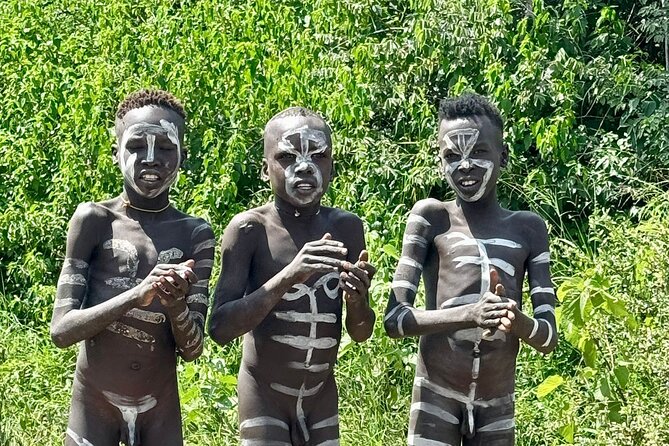
The Kara are especially associated with body painting. This is likely to be one of the most visually memorable parts of the route, but it is worth looking beyond the surface. Ask your local guide to explain when and why body painting is used, rather than treating it as a costume designed for cameras.
The accommodation information for this night lists a Turmi hotel with a portable shower and toilet. That wording matters. You should expect basic facilities rather than polished hotel comfort. The plan also lists full board for this portion of the trip, but the wider tour details only clearly include an air-conditioned vehicle. Ask the operator to confirm which meals, nights, entrance fees, and local guide payments are covered in the $1,600 price.
The repeated Turmi stays are practical, but the two Kara-related days may feel similar if you prefer a faster-moving itinerary. If you want more time with fewer communities, ask how the two visits differ. The supplied schedule uses both Kara and Karo spellings, so it is also wise to confirm the exact villages and communities included.
A few more options to weigh up in Arba Minch and the Omo Valley
- 3 days around Arbaminch and Konso Adventure Tours Life Time
★ 5.0 · 24 reviews - Private 3 Days Adventure Tour Through Arba Minch
★ 5.0 · 16 reviews - 3 days, Arba Minch and Dorze
★ 5.0 · 7 reviews - 3 Days, Arba Minch, Dorze village and Konso Village
★ 5.0 · 5 reviews
Crossing the Omo to Meet the Dassanech
On day five, you drive about 72 kilometers to Omerate, a journey listed at roughly one and a half hours. Omerate lies on the eastern bank of the Omo River and is associated with the Dassanech people.
The river crossing is by local canoe. That is a simple but important part of the day because it changes the visit from a roadside stop into a journey shaped by the river itself. You cross to reach one of the Dassanech villages, then return to the road route later in the day.
This is another place where a local guide is especially useful. The cultural details, the village visit, and the canoe crossing all benefit from clear introductions and sensible expectations. Your guide can help explain what is appropriate and how to handle photography.
Later, the route includes Keyafer market, held on Thursdays. It is described as one of the area’s most colorful markets, with Hamer, Benna, and Kara people among those who attend. If your timing matches Thursday, this can be one of the busiest cultural stops on the journey.
The market is not just about buying objects. It gives you a chance to see several communities meeting in one place. You may find the experience more revealing than a brief village visit because it shows trade and social life rather than only domestic routines.
After Keyafer, you continue to Jinka for the night. The day combines a river crossing, a village visit, a market, and another long road transfer. It is one of the fullest days on the program, so keep your expectations realistic about exact timing.
Mago National Park and the Mursi

The final day begins in Jinka with a drive into Mago National Park to visit the Mursi. The journey to one of the villages takes about two hours, followed by a return to Jinka for lunch and airport drop-off.
The park is included mainly as the route to the Mursi community. You should not expect a wildlife-focused safari on this short visit. The schedule specifically warns that you may see little game, so book this day for the cultural encounter, not for animal sightings.
The Mursi are among the best-known communities in the Omo Valley. The visit can be powerful, but it also needs sensitivity. You should follow the guide’s instructions about approaching people, taking photographs, and paying any village or photography fees. Ask questions through the local guide rather than assuming that a quick image tells the whole story.
The airport transfer makes the final day convenient. You return to Jinka for lunch and are dropped at Jinka International Airport. Still, do not book a tight onward connection without confirming the day’s timing. A two-hour drive, a village visit, lunch, and airport transfer leave several points where the schedule can shift.
What the $1,600 Price Really Covers
At $1,600 per person, this is not a budget road trip. The price buys a six-day route through a difficult-to-reach part of Ethiopia, private ground transport, a small group, and a one-way itinerary from Arba Minch to Jinka.
The air-conditioned 4×4 is a meaningful part of the value. You spend many hours on the road, and the group limit of four keeps the vehicle from becoming crowded. The one-way design also saves you from repeating the road between Jinka and Arba Minch.
But the price needs careful checking. The listed inclusion is an air-conditioned vehicle, while all fees and taxes are excluded. The itinerary mentions accommodation and meals, including full board on day four, but the main inclusion list does not clearly spell out every hotel, meal, entrance fee, canoe cost, or local guide charge.
Before booking, ask for a written cost breakdown covering:
- Accommodation for all five nights
- Meals on each day
- National park and village fees
- Market and local guide costs
- The Omo River canoe crossing
- Airport transfers
- Any taxes or mandatory charges
That does not automatically make the tour poor value. It simply means the headline price should not be your only number. A clear final cost lets you compare this trip fairly with other Omo Valley options.
The Guide Can Shape the Whole Experience
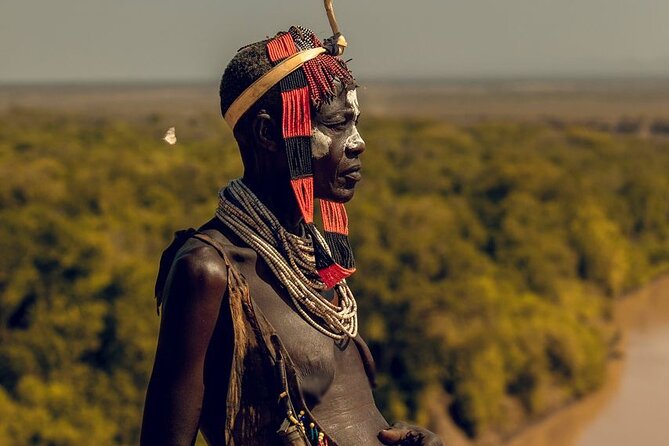
The guiding team appears to be a major strength. Several past trips connected the experience with Debebe, also referred to as Debe or Debaba, along with a driver named China. They were praised for professionalism, kindness, humor, and for making Arba Minch feel like a place explored with a friend rather than a packaged stop.
One especially useful detail is the reported flexibility of the schedule. A seven-day trip was adjusted as new interests came up, with the guide reworking the plan. This six-day version may not allow the same amount of change, but it suggests that you should discuss your priorities early.
The guide has also been described as arranging local contacts in each community. That matters in the Omo Valley. A local person can explain customs, introduce you properly, and help keep a village visit from becoming a silent procession of photographs.
You should confirm who will guide your specific departure. The names associated with past trips may not be guaranteed for every booking. If Debebe, Debe, or China is important to you, request confirmation before you pay.
Comfort, Timing, and Physical Demands
This is a road tour, not a gentle hotel-based holiday. You should be prepared for long transfers, rough off-road sections, heat, and basic facilities in Turmi.
Most people can participate according to the supplied details, but comfort is another matter. The drive to Kara village is about 80 kilometers off-road, and day four is listed as 101 kilometers and six hours. The route also includes a 277-kilometer transfer from Arba Minch to Turmi.
The small group helps. With a maximum of four people, you have more room and may be able to discuss short breaks or minor changes. The air conditioning is also useful in a region where road dust and heat can wear you down.
Pack with the route in mind. Bring sun protection, drinking water, practical clothing, and patience for delays. The provided information does not specify a full packing list, so ask the operator what is supplied and what you need to carry yourself.
The tour begins at Arba Minch Airport at 6:30 pm according to the booking details. That time appears unusual alongside a first-day visit to Chencha, so confirm the exact pickup time and whether it refers to arrival day or the start of the touring schedule.
Who Should Book This Omo Valley Route?
I would recommend this tour to you if you want a compact introduction to southern Ethiopia and care more about cultural encounters than luxury. It suits people who can handle long road days and who want the convenience of beginning in Arba Minch and ending in Jinka.
It is also a good fit if you value a very small group. Four people or fewer gives the trip a more personal feel and may make it easier to ask questions, adjust the pace, and speak directly with the guide.
You may want a different arrangement if you dislike rough roads, need dependable hotel facilities, or want a wildlife safari with regular animal sightings. Mago National Park is a brief stop on the way to the Mursi, not a full game-viewing program.
The cultural side also depends on your attitude. If you approach the villages only as photographic subjects, the trip may feel uncomfortable and shallow. If you listen, ask permission, and allow the local guide to explain what you are seeing, the visits can be far more meaningful.
Should You Book the Six-Day Omo Valley Tour?
Book it if the route matches your priorities: Dorze highlands, Omo River communities, market days, Mursi, and a small air-conditioned vehicle. The one-way route is practical, and the guide’s personal connections may add real value.
Before committing, confirm the guide, exact start time, accommodation, meals, fees, taxes, and the details of the two Kara-related days. If those answers are clear, the tour offers a strong way to cover a large part of the Omo Valley in six days.
If you need comfort above all else, this is probably not your trip. If you want direct contact with southern Ethiopia and can accept dusty roads and basic facilities, it is a compelling choice.
FAQ
Where does the tour start?
The tour starts at Arba Minch Airport in Arba Minch, Ethiopia.
Where does the tour end?
The tour ends at Jinka International Airport after the Mursi visit and return to Jinka for lunch.
How many people can join the tour?
The tour has a maximum of four participants.
Is transportation included?
Yes. Ground transportation is provided in an air-conditioned 4×4 vehicle.
Which market days are included?
Dimeka market is visited on Tuesdays and Saturdays. Keyafer market is held on Thursdays.
Can I cancel for a full refund?
Yes, if you cancel at least 24 hours before the local start time. Cancellations made less than 24 hours before the start time are not refunded. If poor weather or an insufficient number of participants causes cancellation, you are offered another date or experience, or a full refund.
Just added in Arba Minch and the Omo Valley
- 6 days private Sight Seeing Tours.★ 5.0 · 4 reviews
- 5 Days Omo Valley Tour: Experience Ethiopia’s Tribal Traditions★ 5.0 · 2 reviews
- 3 Days, Arba Minch, Dorze village and Konso Village★ 5.0 · 5 reviews
- 4 day amazing tour with the tribes★ 5.0 · 1 review
- 5 Days adventure tour in omo valley with the tribes.★ 4.5 · 2 reviews
- 5 Day tour from arbaminch to omo valley★ 5.0 · 2 reviews
- 3 days, Arba Minch and Dorze★ 5.0 · 7 reviews
- 4 Days tour in omo valley.★ 4.5 · 3 reviews
Omo Valley Tribal Tours, compared.
6 Days Omo Valley Tribes Tours From Addis Ababa
Read our review →
Lalibela, Axum, Danakil and Omo Valley 8 DAYS
Read our review →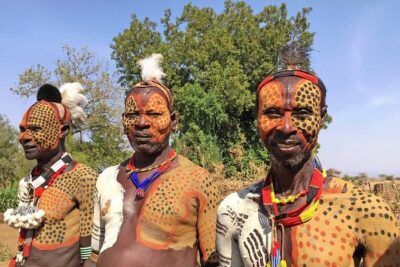

9 Days Tours To Danakil Depression, Simen MNP, Lalibela With Omo Valley Tribes
Read our review →
5 Day Private tour to the Omo Valley Tribes and Adventure Tour
Read our review →Browse the lists this tour appears in