
Reviewed · OMO VALLEY TRIBAL TOURS
6 Days Lalibela, Omo Valley and Harar
Ethiopia packs several worlds into six days. This private tour links Lalibela’s stone churches, the Omo Valley’s living cultures, Konso’s terraces, Lake Chamo, and Harar’s old city, using guides, road transfers, and domestic flights to cover a huge amount of ground. I like the remarkable variety and the chance to visit places that are difficult to connect on your own. I also like that the tour is private, so your group can travel with its own driver and local guides rather than follow a large coach.
The main concern is the pace. You will spend long hours on the road, rise early more than once, and move through several airports. I would also confirm the domestic flights before paying, because the listed inclusions do not clearly include them, and one booking experience involved finding seats only after arrival at the airport. Harar accommodation is another point to check carefully.
In This Review
- Key points at a glance
- Why this six-day route is so appealing
- Lalibela’s churches on the first day
- Jinka and the first look at the Omo Valley
- Mursi, Hamer markets, and a night in Turmi
- Omorate, the Omo River, and Konso
- Lake Chamo and the Dorze people
- Harar’s walls, markets, and evening hyenas
- Comfort, guides, and the practical tradeoffs
- Is the $1,538.47 price fair?
- Who should book this Ethiopia tour?
- Should you book it?
- FAQ
- How long is the tour?
- Is pickup available?
- Are domestic flights included in the price?
- What meals are included?
- Is this a private tour?
- How physically demanding is the trip?
Key points at a glance
- Three major regions in six days: See northern Lalibela, southern Ethiopia’s Omo Valley, and eastern Harar in one fast-moving trip.
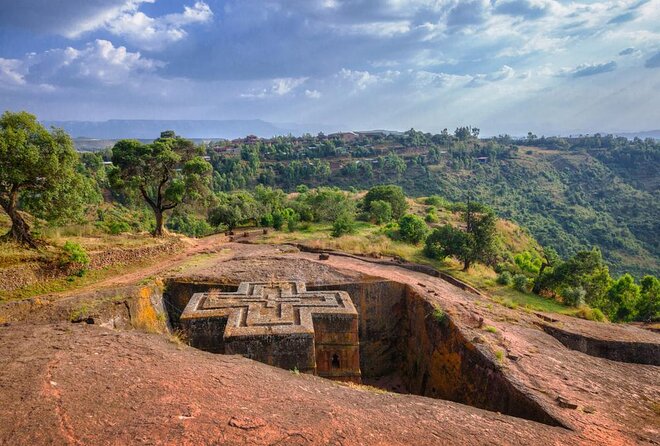
- Lalibela’s churches are the anchor: The first day includes the Northern and Southern church groups, including Bet Medhane Alem and Bete Giyorgis.
- Private transport and local guides: Your group travels in an air-conditioned vehicle with guides arranged for the scheduled visits.
- Omo Valley encounters are tightly timed: The plan includes Aari, Mursi, Hamer, and Dassench or Geleb communities, plus markets and a boat crossing.
- The flight details need attention: Domestic air tickets are not listed among the inclusions, so confirm exactly what has been booked.
- Harar gives the tour a strong finish: The walled city, hyena feeding, museums, markets, and old railway station provide a very different final chapter.
Why this six-day route is so appealing

Ethiopia is not a country you can neatly reduce to one attraction. Lalibela is religious and architectural. The Omo Valley is rural and strongly tied to community traditions. Harar is Islamic, mercantile, and enclosed by old walls. This tour gives you a quick look at all three.
That range is the strongest reason to consider it. In one trip, you can walk around churches carved from living rock, take a boat on the Omo River, look across Lake Chamo for hippos and crocodiles, and finish in a walled eastern city famous for its hyena feeding ritual.
The price is listed at $1,538.47 per person. That can be fair value for a private six-day trip with an air-conditioned vehicle, local guiding, entrance fees, licenses, and four breakfasts. The value depends heavily on the air tickets and accommodation. Since the domestic flights are not clearly included, ask for a written list of every flight, hotel, and transfer covered before you commit.
The schedule is also not a relaxed one. You start at 6:00 am, catch early flights, and often continue sightseeing after arrival. I would choose this route for coverage and convenience, not for long, lazy mornings.
More Omo Valley tours:
- 6 Days Omo Valley Tribes Tours From Addis Ababa
★ 5.0 · 33 reviews - 3 Days Omo Valley Tour
★ 5.0 · 24 reviews - 5 Days Omo Valley Tours
★ 5.0 · 15 reviews
Lalibela’s churches on the first day
The first morning begins with a flight from Addis Ababa at about 7:10 am. After meeting your team at the Lalibela airport, you drive about 23 kilometers to town, check in, and have time to refresh before the church visits begin.
The first group includes Bet Medhane Alem, often described as the largest monolithic church in the world. It is linked with Bete Maryam, Bete Golgotha, the Selassie Chapel, and the Tomb of Adam. Bet Medhane Alem is also associated with the Lalibela Cross and is sometimes understood as a copy of St. Mary of Zion in Aksum.
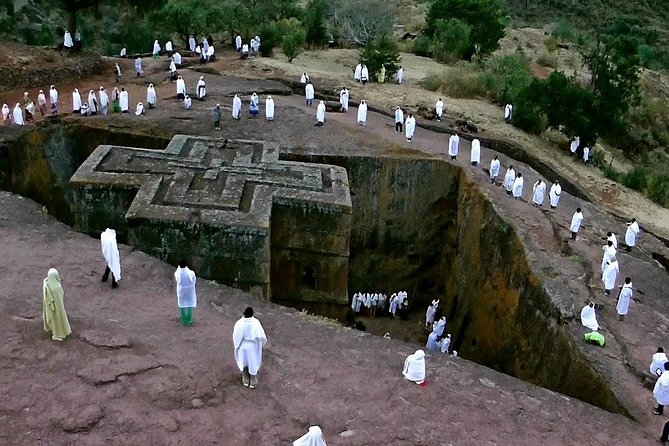
The second church group includes Bete Giyorgis, the famous cross-shaped church cut down into the rock. It is the image most people associate with Lalibela, but the experience is better when you see it as part of a wider complex rather than treating it as a single photo stop.
This day lasts about seven hours and includes admission. Wear shoes that can handle uneven surfaces and allow time for the religious setting. These are active churches, not empty monuments, so respectful clothing and a quiet manner matter.
The drawback is that the first day asks a lot from you. A morning flight, a road transfer, hotel check-in, and several hours on foot can leave you tired before the tour has properly begun. Still, Lalibela is the part of this route I would least want to cut.
Jinka and the first look at the Omo Valley
On Day 2, you fly to Jinka, arriving at about 2:10 pm. Your driver and guide meet you at the airport, then take you to your hotel before an afternoon visit to an Aari village and the ethnographic museum.
This is a useful introduction to the region. The museum can give you context before the road trips begin, while the village visit offers a more direct look at local life near Jinka. Because you arrive in the afternoon, the schedule is shorter than the following days, but it still runs for roughly five hours.
Jinka is also where the trip changes character. Lalibela is centered on major sacred buildings and a compact town. Here, you are moving between communities, markets, and long rural drives. Your guide becomes especially important because cultural visits require care, patience, and clear explanations.
The plan does not provide the hotel name, and accommodation quality matters in a route with so many transfers. Ask for the confirmed hotel list before booking, particularly if you value comfort more than a packed schedule.
Mursi, Hamer markets, and a night in Turmi

Day 3 begins early with a drive to visit the Mursi people. You return to Jinka for an early lunch, then continue toward Turmi by way of Dimeka. The route includes a Hamer market, followed by a cultural village visit near Turmi.
This is an eight-hour day, so the practical advice is simple: carry water, keep your day bag light, and expect the road to take up a large part of your time. The attraction is not only the destination but also the shift between communities and market areas.
The Hamer are known for distinctive hair styling, with women decorating their hair using red soil and butter. The tour is designed to show you this cultural detail alongside a market visit, rather than offering only a brief roadside stop.
You should approach these visits with sensitivity. The schedule names villages and markets, but it does not explain the rules for photography, payments, or interaction. Ask your guide before taking pictures and follow local instructions. A good guide will help you understand what is appropriate instead of turning people into scenery.
You spend the night in Turmi. The location is practical because it reduces the distance to Omorate the next morning, but do not expect this part of the journey to feel polished or leisurely. The Omo Valley section is about access and contact, with comfort taking second place.
A few more options to weigh up in Addis Ababa
- Full Day Tour of Addis Ababa with Hotel Pickup and Drop-off
★ 5.0 · 430 reviews - Taste of Ethiopia
★ 5.0 · 406 reviews - Day Trip From Addis Ababa See Historical Monastery,Stunning Nature,Animals,Birds
★ 5.0 · 303 reviews - Addis Ababa: Debre Libanos, Blue Nile Gorge, and Cave Tour
★ 4.5 · 256 reviews
Omorate, the Omo River, and Konso
The next morning starts early again. You drive about 75 kilometers from Turmi to Omorate to visit the Dassench or Geleb community. The program includes a boat trip on the Omo River and a visit to a village.
That boat crossing adds something different to the day. Instead of only arriving by road, you reach the community from the river, which is part of the area’s geography and daily life. The visit is followed by a long drive toward Arba Minch, passing through Konso.
Konso deserves proper attention. It is a UNESCO Cultural Heritage site with carefully built terraces and walls around fields and villages. These structures help protect crops from livestock and reduce problems caused by flooding. The agrarian system shows how practical design can shape an entire community.
The visit includes a village compound, a local museum, and, usually, a welcome at the Konso chief’s compound. That compound includes a family graveyard and house mummies. This is a serious cultural visit, and your guide should explain the meaning of what you are seeing rather than rushing you through it.
The day lasts about eight hours and includes admission. It is one of the tour’s strongest combinations: a river visit in the morning, a long overland journey, and a cultural heritage site in the afternoon. It is also one of the most tiring days, so anyone with limited mobility or a low tolerance for rough road travel should think carefully before booking.
Lake Chamo and the Dorze people

Day 5 begins with a boat trip on Lake Chamo. The stated goals are the crocodile market and local hippos. The term crocodile market refers to a place where crocodiles gather along the shore, not a shopping market, so you are going out by boat for wildlife viewing.
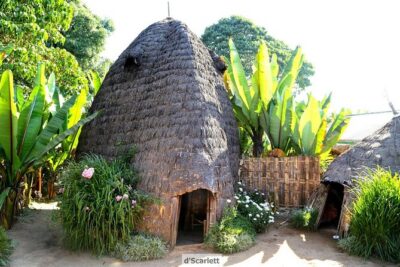
Later, you drive to Chencha to visit the Dorze people before going to the airport. The visit focuses on Dorze culture, houses, and traditions. This gives the day a useful balance: wildlife on the lake, then human-made architecture and local customs in the highlands.
The flight from Arba Minch is scheduled for around 2:00 pm and connects through Addis Ababa to Dire Dawa. This is a crucial timing point. You have sightseeing, a road transfer, and an airport departure on the same day, so delays could affect the rest of the plan.
You meet the team in Dire Dawa at about 5:20 pm and continue by vehicle to Harar. The evening ends with a hyena feeding outside the city. This is one of the tour’s most unusual experiences, but the late arrival makes the day especially full.
Harar’s walls, markets, and evening hyenas
Harar gives you a sharp change of mood. The city’s 16th-century wall surrounds a major center of Islamic culture, described in the itinerary as the fourth most important city in the Islamic world. Inside the old city, the narrow streets and colorful market offer a very different setting from Lalibela and the Omo Valley.
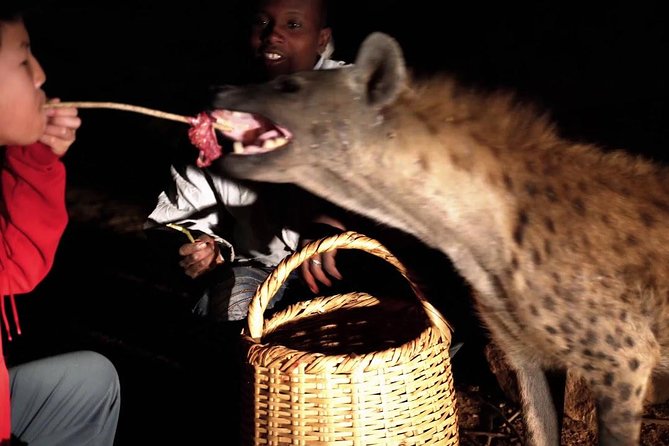
The evening hyena feeding is the headline event. Hyenas gather outside Harar at night, and the Hyena Man feeds them. It is a memorable cultural ritual, but it is also a staged public event for visitors, so your guide’s explanation will help place it in context.
The following morning includes the home of Arthur Rimbaud, the French poet who lived and worked in Harar during the 19th century. The visit also includes the Islamic market, the National and Harari museums, and the house of Ras Mekonnen, the father of Haile Selassie.
You then drive to Dire Dawa for the Kefira market, where rural Oromo and Afar people may appear in traditional dress, followed by the Awadai chat market and the Ethio-Djibouti railway station. These final stops add trade, regional movement, and modern history to the old city experience.
The return flight to Addis is scheduled between 5:50 and 6:50 pm on ET-209. Confirm the exact departure time, since the schedule provided gives a one-hour range.
Comfort, guides, and the practical tradeoffs

The tour provides an air-conditioned vehicle, local guides, entrance fees, licenses, and four breakfasts. It is a private activity, so only your group participates. That is a real advantage on long days because you are not waiting for a large bus or adjusting every stop to strangers.
The guides and drivers are among the strongest parts of the arrangement. The route would be hard to manage without local support, especially around village visits, market days, airport transfers, and the Omo Valley roads. The supplied feedback praised the locations, guides, drivers, and overall experiences.
Accommodation is less certain. One direct assessment called the Harar hotel very poor and judged the Addis hotel only slightly better. The itinerary does not name every hotel, so request the hotel names and room standards in advance. This is especially important because the tour costs more than a simple sightseeing package, and basic lodging can change your view of the value.
Internal flights are the biggest booking issue. The tour price does not list them in the included services, and one person expected them to be included but discovered that no tickets had been arranged. Seats happened to be available, but that is not a risk I would take on a tightly connected six-day route.
The tour requires moderate physical fitness. You should be comfortable with early starts, several hours in a vehicle, walking around church compounds and walled streets, and repeated airport transfers. Pickup is offered, and confirmation is provided at booking. Public transportation is nearby, but the private vehicle is the main way you move between stops.
Is the $1,538.47 price fair?
The price can make sense if it covers the services you need and the flights are arranged separately at a reasonable cost. You are paying for a private route across three very different parts of Ethiopia, with local guiding and road transport that would be difficult to coordinate independently in six days.
It is less attractive if you expect a slow cultural trip or well-appointed hotels. The schedule is dense, accommodation may be modest, and the domestic air tickets need clarification. I would ask three questions before booking:
- Which domestic flights are included, and are the tickets already issued?
- Which hotels are confirmed in Lalibela, Jinka, Turmi, Arba Minch, Harar, and Addis Ababa?
- Are all village, museum, boat, and market admission costs covered as stated?
The cancellation terms allow a full refund if you cancel at least three full days before the start time. Weather can also affect the trip, with a different date or full refund offered if poor conditions cause cancellation.
Who should book this Ethiopia tour?
I would recommend it to someone visiting Ethiopia for the first time who wants a broad sample in a short window. It suits people who value private transport, local guides, major cultural sites, and unusual experiences more than free time.
It is a strong choice if Lalibela and Harar are both priorities and you also want an introduction to the Omo Valley. It is less suitable if you dislike flights, long drives, basic lodging, early mornings, or tightly managed days.
The rating is listed at 4.9 from 15 ratings, with 93 percent recommending the experience. Those figures fit the itinerary: the route offers a lot, and the strongest elements are genuinely distinctive. Just treat the flight and hotel details as part of your own planning, not as minor paperwork.
Should you book it?
Book this tour if your goal is to see Ethiopia’s biggest contrasts in six days and you are prepared for a demanding schedule. Lalibela, the Omo Valley, Konso, Lake Chamo, and Harar are a powerful set of stops.
I would book only after getting written confirmation of the domestic flights and accommodation. If those details are clear, the private format and wide coverage make the $1,538.47 price potentially worthwhile. If you want comfort, extra time, or a slower connection with each place, choose a longer itinerary instead.
FAQ
How long is the tour?
The tour lasts approximately six days and begins at 6:00 am.
Is pickup available?
Yes. Pickup is offered, and confirmation is received at the time of booking.
Are domestic flights included in the price?
The listed inclusions do not state that domestic flights are included. Confirm the flight arrangements before booking, since the route depends on several internal flights.
What meals are included?
Four breakfasts are included. Other meals are not listed among the included services.
Is this a private tour?
Yes. Only your group participates in the activity.
How physically demanding is the trip?
A moderate level of physical fitness is required. The schedule includes early departures, long road journeys, walking at cultural sites, boat trips, and several airport transfers.
Just added in Addis Ababa
- Yod Abyssinia Cultural Night: Dinner, Music, and Dance★ 5.0 · 7 reviews
- Addis Ababa City Tours Full-Day Tours★ 5.0 · 5 reviews
- Locally crafted beer and wine tasting and nightlife in Addis tour★ 5.0 · 6 reviews
- Unique Ethiopian Cooking Class and Coffee Ceremony with a Local in Addis Ababa★ 4.5 · 7 reviews
- Stunning Views Wonchi Crater Lake a Private Day Trip★ 5.0 · 3 reviews
- Visiting the wonders of Lalibela in Three (3) days and Two ( 2) nights★ 5.0 · 2 reviews
- .2- Days and 1 Night Tour To Awash National Park water falls★ 5.0 · 1 review
- Two days Lake Wenchi and Menagesha Forest★ 5.0 · 1 review
Omo Valley Tribal Tours, compared.
6 Days Omo Valley Tribes Tours From Addis Ababa
Read our review →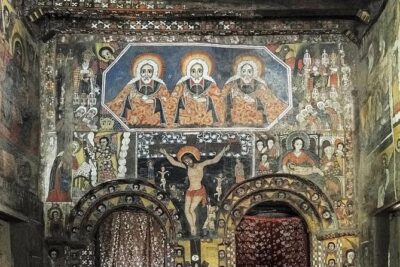
Lalibela, Axum, Danakil and Omo Valley 8 DAYS
Read our review →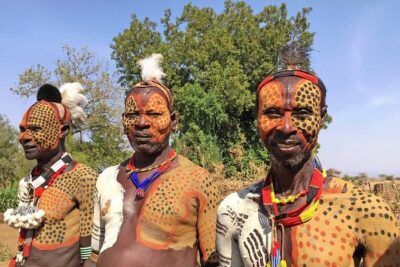



9 Days Tours To Danakil Depression, Simen MNP, Lalibela With Omo Valley Tribes
Read our review →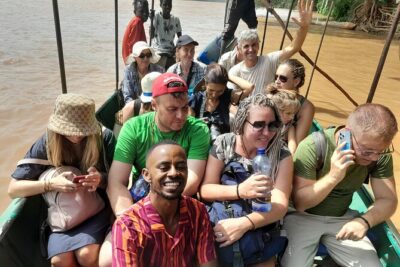
5 Day Private tour to the Omo Valley Tribes and Adventure Tour
Read our review →
Browse the lists this tour appears in