
Reviewed · OMO VALLEY TRIBAL TOURS
From Arbaminch: 5 Days Omo Valley Tribal Tours
Culture takes center stage here. This five-day journey links Lake Chamo, Nech Sar National Park, and Omo Valley villages with domestic flights, lodges, meals, and a private-feeling group of no more than six people. I like the sensible route from Arba Minch to Jinka, and I like that the tour reaches several communities rather than stopping at only one famous village.
The strongest praise goes to guide Melese, the comfortable four-wheel-drive vehicle, and the fact that the promised flights, activities, and lodging were all delivered. The main caution is the pace: five days covers a lot of ground, and some cultural events, especially bull jumping, depend on local timing and luck.
In This Review
- Key Points Before You Book
- Why This Five-Day Route Works
- Day One: Lake Chamo, Crocodiles, and Dorze Huts
- Day Two: Konso’s Generation Poles and the Road to Turmi
- Day Three: Kara Village and a Possible Bull-Jumping Ceremony
- Day Four: Crossing the Omo River to the Dassanech
- Day Five: Mursi Village and the Flight Home
- What the $1,000 Price Covers
- Group Size, Guides, and Comfort
- The Best Parts and the Main Tradeoffs
- Who Should Book This Omo Valley Tour?
- FAQ
- How long is the Omo Valley tour from Arba Minch?
- Where does the tour begin?
- Where does the tour end?
- Is airport pickup included?
- What is included in the $1,000 price?
- Is bull jumping guaranteed?
- Which languages are available from the guide?
- Can I cancel the booking?
Key Points Before You Book
- Lake Chamo begins the trip with wildlife: A boat ride can bring you close to hippos, large crocodiles, and birds of prey.
- The Konso visit adds UNESCO-recognized cultural heritage: Generation poles and carefully arranged village traditions give this stop more depth than a quick photo visit.
- Kara and Dassanech villages offer different views of Omo life: One lies along the Omo River, while the other requires a local boat crossing at Omorate.
- Bull jumping is possible, not guaranteed: The ceremony may take place near Turmi or around Dimeka, depending on the day.
- The tour includes two domestic flights: You fly from Addis Ababa to Arba Minch and return from Jinka to Addis Ababa.
- The small group matters: With a maximum of six people, you spend less time organizing a large bus and more time moving through remote areas.
Why This Five-Day Route Works
The route is built around contrast. You begin with water and wildlife near Arba Minch, continue through Konso’s settled highland culture, then move toward the Lower Omo Valley and its very different communities.
That variety is the tour’s best feature. You are not seeing the same type of stop every day. The schedule includes a boat outing, village visits, a weekly market, possible ceremonies, local guides, and time on rougher roads in a modern four-wheel-drive vehicle.
The price is $1,000 per person. At first glance, that is a serious amount for five days. But the cost includes the flights, vehicle, driver, fuel allowance, accommodations, full-board meals, entrance fees, local guides, boat fees, mineral water, soft drinks, and fruit. You are paying for a carefully arranged route in a part of Ethiopia where transport and connections can be difficult to organize independently.
The value improves if you want a single booking that handles the major moving parts. You do not need to arrange a separate Arba Minch transfer, find a boat on Lake Chamo, negotiate every village entrance, or work out how to return from Jinka. The tradeoff is less freedom to linger or change the order of the trip.
More Omo Valley tours:
- 5 Day Private tour to the Omo Valley Tribes and Adventure Tour
★ 5.0 · 11 reviews - Omo Valley Tribes 6 Days Tours
★ 4.9 · 10 reviews - From Jinka: Omo Valley Tribe 3-Day Tour
★ 5.0 · 9 reviews
Day One: Lake Chamo, Crocodiles, and Dorze Huts
The tour begins with a morning flight from Addis Ababa’s Bole International Terminal 1 at 7:40 a.m., arriving in Arba Minch at 8:45 a.m. That early flight gives you a useful first day instead of spending it on a road transfer.
Your driver or guide meets you at the airport with the company name and logo, or with your booking details. That is a small but useful arrangement, especially when you are arriving in an unfamiliar airport. After breakfast and a coffee break, you head toward Arba Minch, also known as the Fourty Springs.
The first major stop is the crocodile market, followed by a boat trip on Lake Chamo. The lake is described as one of Ethiopia’s most productive, and the boat outing is designed around wildlife. You may see hippos, very large crocodiles, and birds of prey. The wildlife viewing gives the first day a clear focus, and the boat also provides a change from driving.
You should keep expectations sensible. This is not presented as a timed wildlife safari with guaranteed sightings. Animals are wild, and the value of the boat trip is the chance to look for them from the water.
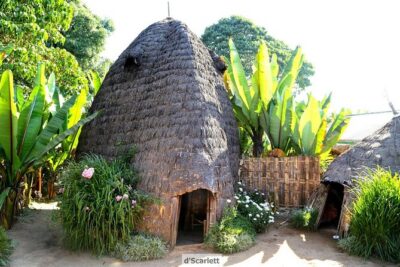
After lunch, the route continues to a Dorze village. The traditional Dorze huts are shaped like beehives and are noted for their striking appearance. This visit adds architecture and local culture to a day that already includes wildlife.
You return to Arba Minch for the night. The first day is full, but it is also well balanced. The possible drawback is that the airport arrival, breakfast, boat trip, lunch, village visit, and return drive leave little spare time. If you prefer slow mornings and long café stops, this schedule will feel brisk.
Day Two: Konso’s Generation Poles and the Road to Turmi
After breakfast, you drive from Arba Minch to Konso, with lunch along the way. Konso is one of the most important cultural stops on the route because one of its nine villages is UNESCO registered.
The Konso people are known for stones and poles called generation poles. New poles are raised every 18 years to mark the beginning of a new generation. The number of poles still standing can indicate the age of a village. This detail gives you a practical way to understand time and community structure rather than simply looking at old buildings.
I consider this one of the tour’s more rewarding stops because it gives context. The village is not only a place to walk through with a camera. The poles help explain how the community records generations in a visible way.
After the visit, you continue to Turmi for the night. This is one of the longer road-focused days, so the four-wheel-drive vehicle becomes important. The package includes an air-conditioned vehicle, driver, and fuel allowance, which makes the long transfers more manageable.
Still, you should be ready for substantial time on the road. The tour covers wide distances in only five days, and Konso is the point where the trip shifts from the Arba Minch area toward the Lower Omo Valley.
Day Three: Kara Village and a Possible Bull-Jumping Ceremony
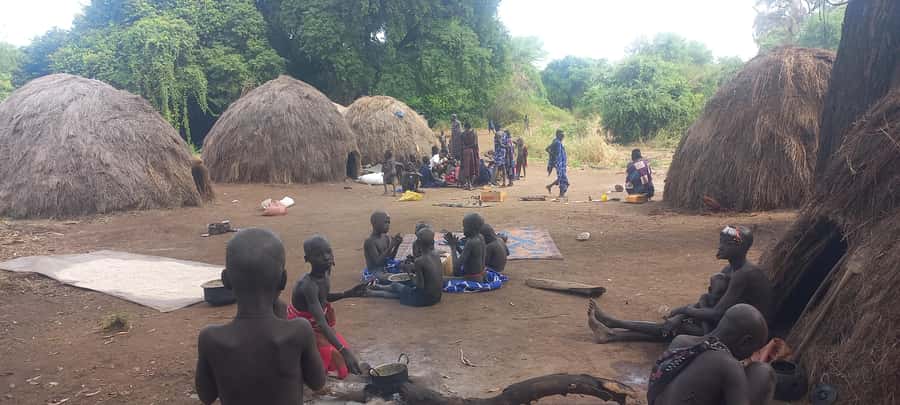
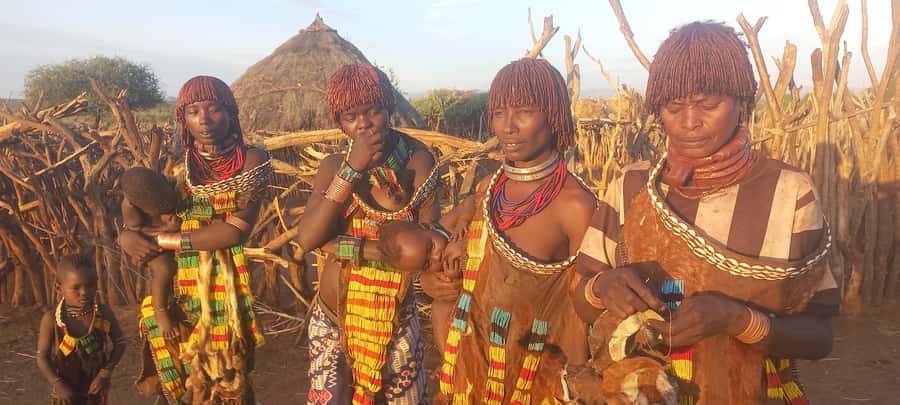
The morning drive takes you to Kara Village, home of the Kara people along the eastern banks of the Omo River. The village is known for large settlements and the traditional face and body painting practiced by children.
This is a good place to pay attention to details instead of rushing toward a single picture. The painting is one visible part of cultural expression, but the village setting and riverside location also help distinguish Kara life from the communities you visit later.
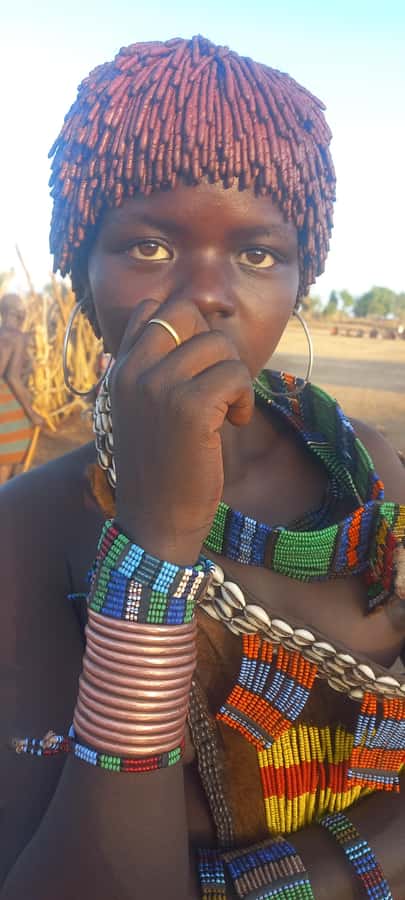
You return to Turmi for lunch. The afternoon has two possible paths. If timing works, you may see bull jumping, a ceremony in which a boy is declared a man after jumping over five to thirteen cattle lined up in a row. If no ceremony is scheduled, the alternative is a visit to a Hamer village.
The key point is that bull jumping cannot be promised. It depends on local events and timing. The tour also gives you another chance around Dimeka on the following day, but you should book this experience for the overall Omo Valley program, not for a guaranteed ceremony.
In the evening, you may attend an Evan Gady dance, also called the night dance. The colorful event gives the day a social finish. As with any scheduled cultural event, the exact experience can depend on what is taking place locally.
Turmi is also where the pace may catch up with you. The day includes a morning drive, a village visit, a return for lunch, and an afternoon activity. You can ask about the schedule if you need a little breathing room, but the route is designed to keep moving.
A few more options to weigh up in Arba Minch and the Omo Valley
- 3 days around Arbaminch and Konso Adventure Tours Life Time
★ 5.0 · 24 reviews - Private 3 Days Adventure Tour Through Arba Minch
★ 5.0 · 16 reviews - 6 Days Omo valley Tribal Tour (Starts Arba Minch End Jinka)
★ 5.0 · 7 reviews - 3 days, Arba Minch and Dorze
★ 5.0 · 7 reviews
Day Four: Crossing the Omo River to the Dassanech
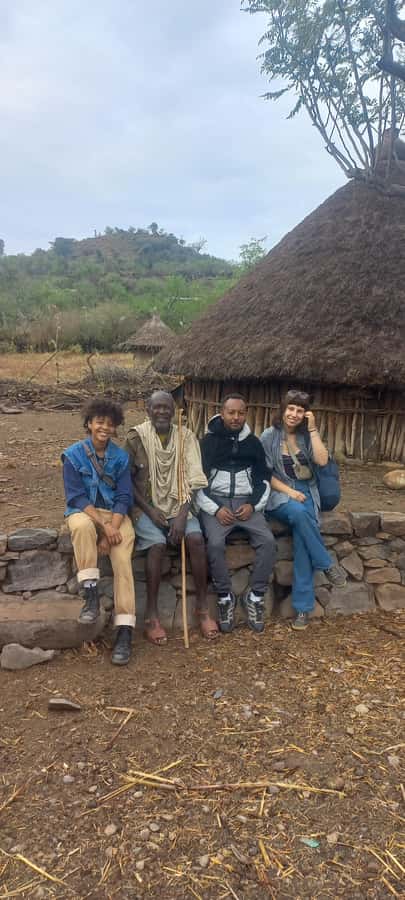
The fourth morning begins with a drive to Omorate. From there, you cross the Omo River by local boat to visit a Dassanech village.
The boat crossing is one of the route’s memorable changes of pace. You are not simply driving from one stop to another. The river becomes part of the experience and marks your entry into a different community.
After the Dassanech visit, you return to Turmi for lunch and continue to Dimeka. The Hamer, Beena, and Kara communities hold a weekly market there. Market day provides a useful counterpoint to village visits because it brings several local groups into one place for trade and social activity.
Dimeka also offers another possible opportunity to see bull jumping. If the event was not available on Friday, the chance may be better here. Again, this is a possibility rather than a fixed part of the program.
If no ceremony takes place, the route continues to Jinka. If you still have energy, you may visit the Jinka Museum in the late afternoon. The wording matters: this is an optional extra if you are not tired. After several long drives, many people will reasonably prefer an early night.
This is probably the most demanding day physically and mentally. You have a river crossing, a village visit, lunch, a market, and possibly another drive to Jinka. The upside is the amount of cultural variety packed into one day. The downside is that the schedule leaves little room for a slow visit.
Day Five: Mursi Village and the Flight Home
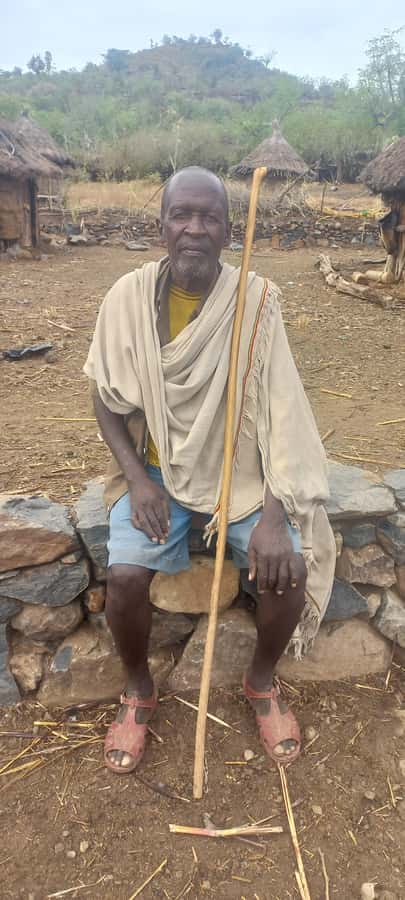
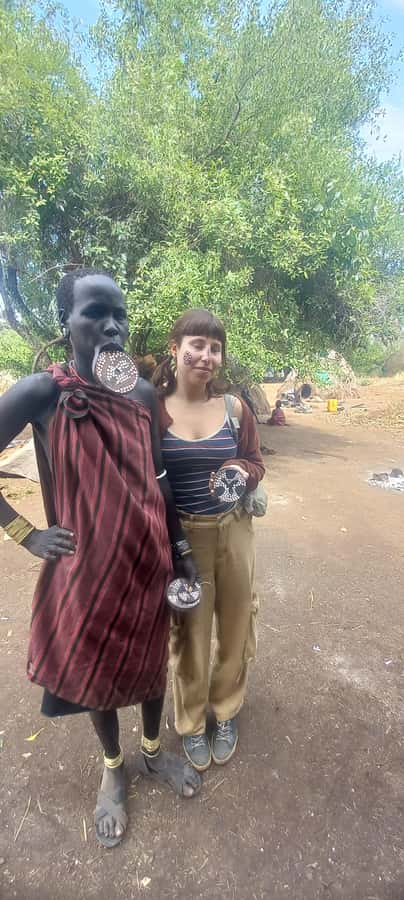
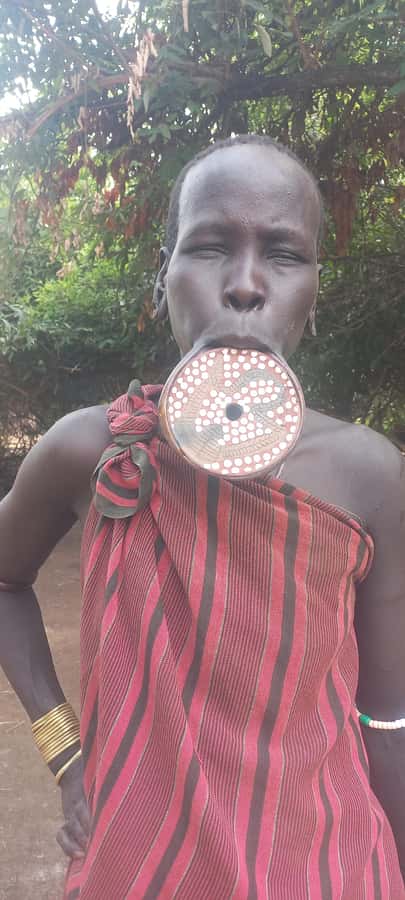
The final morning starts early with a drive to a Mursi village. The Mursi are known for distinctive traditions. Women may wear large clay plates in their lips as decoration, while men are known for painting patterns on their bodies.
This visit can be striking, but it is also one where respectful behavior matters. You are entering a living community, not a museum. Follow your guide’s instructions, ask before taking photographs, and remember that photography fees are not included in the tour price.
After the visit, you return to Jinka for lunch and then take the flight to Addis Ababa. The return flight is included, which is a major practical advantage. Without it, getting back from the Omo Valley would require another long overland journey.
The early departure helps protect the flight connection, but it also means the Mursi visit comes at the end of an already active trip. You will want to keep your bags organized and be ready to leave promptly.
What the $1,000 Price Covers
The package includes the core costs you are likely to face on this route:
- Flight from Addis Ababa to Arba Minch
- Flight from Jinka to Addis Ababa
- Air-conditioned four-wheel-drive vehicle
- Driver and fuel allowance
- Lodge accommodations
- Breakfast, lunch, and dinner
- Mineral water, soft drinks, and fruit
- Lake Chamo boat trip
- Village entrance fees
- Local guide fees
- Mago and Lake Chamo park entrance fees
That list makes the price easier to judge. The tour is not simply charging for five days of guiding. It also handles two flights, remote-area transport, park access, boat costs, lodging, meals, and local arrangements.
You still need to budget for photography fees, tips, souvenirs, alcoholic drinks, and other special interests. Photography charges are especially worth remembering because village visits are a central part of the trip.
The provider allows cancellation up to 24 hours before departure for a full refund, and you can reserve now and pay later. Those terms make the booking less rigid, though you should still confirm current flight times and exact accommodation details before paying.
Group Size, Guides, and Comfort
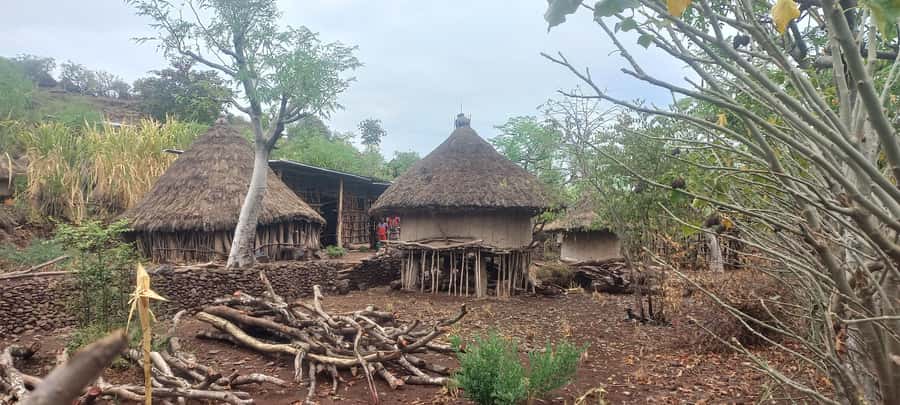
The group is limited to six participants. That is a strong fit for this route. Small numbers make airport pickup easier, reduce waiting during long drives, and give you a better chance to ask questions during village visits.
The tour offers guides in English, French, Hebrew, Italian, German, and Amharic. The named guide connected with the strongest praise is Melese, who received a top personal rating for guiding the trip.
The same praise also highlighted the driver and the high quality of the vehicle. That matters in the Omo Valley, where road time is a major part of the experience. An air-conditioned four-wheel drive vehicle will not remove every bump or long stretch, but it should make the journey more comfortable than basic transport.
Accommodation is in lodges, with full-board meals. The information does not specify lodge names or room standards, so you should ask for those details if comfort level is important to you.
The tour is not suitable for people over 95, according to the stated restrictions. More broadly, the schedule suits people who can handle repeated drives, early starts, village walking, and a demanding five-day sequence.
The Best Parts and the Main Tradeoffs
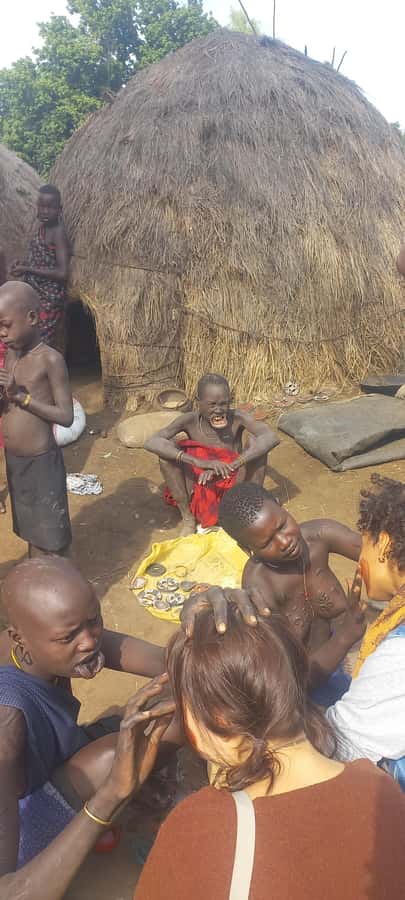
The best feature is the range. In one trip, you see Lake Chamo wildlife, Dorze huts, Konso generation poles, Kara village life, Dassanech traditions, a Dimeka market, possible Hamer activities, and a Mursi village.
The second major strength is the logistics. Flights, meals, lodging, entrance fees, boat transport, vehicle, and local guides are included. The perfect score from Meritxell of Spain specifically praised Melese, the driver, the vehicle, and the fact that the flights, activities, and accommodations followed the planned program.
The main tradeoff is time. Five days is enough to reach the major places, but not enough for a relaxed pace. You will spend long periods in the vehicle, and the schedule may feel packed on days three, four, and five.
The other tradeoff is uncertainty around ceremonies. Bull jumping and night dances depend on local timing. The tour offers sensible alternatives, but no honest operator can guarantee that a particular ceremony will happen during your dates.
Who Should Book This Omo Valley Tour?
I would recommend this trip if you want a structured first visit to the Omo Valley and prefer having transport, local guides, meals, and flights arranged together. It is especially suitable for a small group of culturally curious visitors who want to see several communities without building the route themselves.
It is less suitable if you want long stays in one village, a fixed guarantee of bull jumping, or a leisurely holiday with little time in the car. You should also be comfortable with an active schedule and the possibility that the most memorable moments depend on local events.
The small group, strong transport feedback, and full package make this a practical choice at $1,000 per person. I would ask two questions before booking: which lodges will be used for your dates, and how the operator handles photography fees at each village. If those details suit you, this is a well-organized way to see a wide slice of southern Ethiopia in five days.
FAQ
How long is the Omo Valley tour from Arba Minch?
The tour lasts five days.
Where does the tour begin?
It begins with a flight from Addis Ababa’s Bole International Terminal 1 to Arba Minch. The flight is scheduled to depart at 7:40 a.m. and arrive at 8:45 a.m.
Where does the tour end?
The tour ends with a flight from Jinka to Addis Ababa on day five.
Is airport pickup included?
Yes. Pickup from Arba Minch Airport is included. The driver or guide will display the company name and logo, or the client’s name and booking details.
What is included in the $1,000 price?
The price includes both domestic flights, an air-conditioned four-wheel-drive vehicle, driver, fuel allowance, lodge accommodation, full-board meals, water, soft drinks, fruit, village entrance fees, local guide fees, boat fees, and park entrance fees for Mago and Lake Chamo.
Is bull jumping guaranteed?
No. Bull jumping is a possible activity near Turmi or Dimeka, depending on local timing. If it does not take place, the tour offers other activities such as a Hamer village visit.
Which languages are available from the guide?
Guiding is available in English, French, Hebrew, Italian, German, and Amharic.
Can I cancel the booking?
Yes. You can cancel up to 24 hours in advance for a full refund. You can also reserve now and pay later.
Just added in Arba Minch and the Omo Valley
- 6 days private Sight Seeing Tours.★ 5.0 · 4 reviews
- 5 Days Omo Valley Tour: Experience Ethiopia’s Tribal Traditions★ 5.0 · 2 reviews
- 3 Days, Arba Minch, Dorze village and Konso Village★ 5.0 · 5 reviews
- 4 day amazing tour with the tribes★ 5.0 · 1 review
- 5 Days adventure tour in omo valley with the tribes.★ 4.5 · 2 reviews
- 6 Days Omo valley Tribal Tour (Starts Arba Minch End Jinka)★ 5.0 · 7 reviews
- 5 Day tour from arbaminch to omo valley★ 5.0 · 2 reviews
- 3 days, Arba Minch and Dorze★ 5.0 · 7 reviews
Omo Valley Tribal Tours, compared.
6 Days Omo Valley Tribes Tours From Addis Ababa
Read our review →
Lalibela, Axum, Danakil and Omo Valley 8 DAYS
Read our review →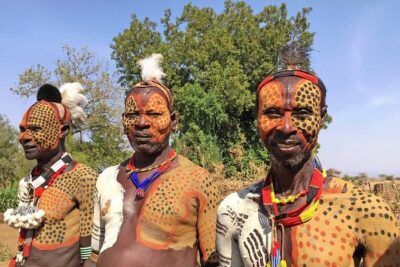

9 Days Tours To Danakil Depression, Simen MNP, Lalibela With Omo Valley Tribes
Read our review →
5 Day Private tour to the Omo Valley Tribes and Adventure Tour
Read our review →Browse the lists this tour appears in