
Reviewed · ETHIOPIAN COFFEE CEREMONIES
Ethiopian Culinary Tour – Market, Coffee Ceremony and More
Follow your appetite through Addis Ababa. This six-hour Ethiopian culinary tour connects food with daily life, taking you from Tomoca Coffee and Merkato’s spice stalls to an injera lesson, coffee ceremony, Tej bar, and buffet lunch. I love the mix of hands-on cooking and local sightseeing, especially because the day is not confined to a restaurant.
I also like that transport, lunch, hot drinks, bottled water, and pickup anywhere in Addis Ababa are included. The main consideration is the pace: six hours covers a lot of ground, and Merkato can be busy, noisy, and demanding if you prefer quiet sightseeing.
In This Review
- Key points to know before booking
- Why this Addis Ababa food tour works
- Tomoca Coffee and the taste of Ethiopian beans
- Merkato, where spices tell the story
- Making injera instead of only eating it
- The traditional coffee ceremony
- A honey-wine stop for Tej
- Buffet lunch at Addis Ababa’s first hotel
- Guides, driving, and the six-hour schedule
- Is $85 a fair price?
- Who should book this experience?
- Should you book the Ethiopian Culinary Tour?
- FAQ
- How long does the Ethiopian Culinary Tour last?
- What is included in the tour price?
- Where can pickup take place?
- Is lunch included?
- Will I learn how to make injera?
- Is the coffee ceremony included?
- Is Tej included?
- What should I bring?
Key points to know before booking
- Tomoca starts the day with Ethiopian Arabica beans: You will taste Italian-style coffee and macchiato at a well-known local coffee shop.
- Merkato brings the strongest market experience: Expect spice sellers, coffee, food, non-food goods, and plenty of chances to test your bargaining skills.
- Injera baking is hands-on: You will see the process and try making the spongy flatbread yourself.
- The coffee ceremony is more than a cup of coffee: You can watch the beans being roasted and take part in a traditional preparation.
- Tej gives the day a distinctly Ethiopian finish: You will visit a honey-wine bar and sample the drink, which is similar to mead.
- The $85 price covers the practical basics: A car, driver, fuel, English-speaking guide, activities, lunch, hot drinks, and water are included.
Why this Addis Ababa food tour works
Food is a useful way to get oriented in Ethiopia. You are not simply sitting down for a meal and being told what is on the plate. You are seeing ingredients in a market, handling dough, learning how coffee is prepared, and tasting a traditional drink in the place where people enjoy it.
The tour also adds city context between food stops. Guides point out landmarks and explain the areas you pass, so the day can work as a gentle introduction to Addis Ababa as well as a food outing. Seid, Desale, Zerefa, and other guides have been praised for their warmth, clear explanations, and willingness to answer questions. One guide, Seid, was also noted for making the guest feel safe while adding extra city sights along the drive.
The 6-hour length is useful if you have limited time in Addis Ababa. You get several distinct experiences in one day, though you should not expect a slow, long cooking class. This is a moving city tour with food lessons built into it.
More coffee ceremonies in Addis Ababa:
- Ethiopian Culinary Tour – Market, Food, Coffee Ceremony & more
★ 5.0 · 65 reviews - Market Tour and Cooking Class with a Coffee Ceremony at a Home in Addis Ababa
★ 5.0 · 32 reviews - Vintage Coffee Shops, Restaurants, Sightseeing in Addis Ababa
★ 5.0 · 17 reviews
Tomoca Coffee and the taste of Ethiopian beans
The day begins at Tomoca Coffee, where Ethiopian Arabica beans are used in Italian-style coffee and macchiato. That combination reflects part of Addis Ababa’s modern coffee culture: local beans prepared in a style associated with Italy.
This is a smart first stop because it gives you a reference point for the rest of the day. Later, the traditional ceremony will show you coffee in a slower, more social setting. At Tomoca, you get a concentrated taste of the bean itself and the café style. At the ceremony, you learn about preparation, roasting, and hospitality.
If you normally drink coffee with milk or sugar, try the coffee as served before changing it. The flavor may be stronger or more intense than the coffee you usually order. Coffee lovers will get the most from this part, but even non-specialists can use it to compare two very different approaches to the same Ethiopian product.
The stop also helps set the tone. Coffee is not treated as a quick caffeine fix here. It is part of the country’s social life and a product with a strong connection to local farming and trade.
Merkato, where spices tell the story
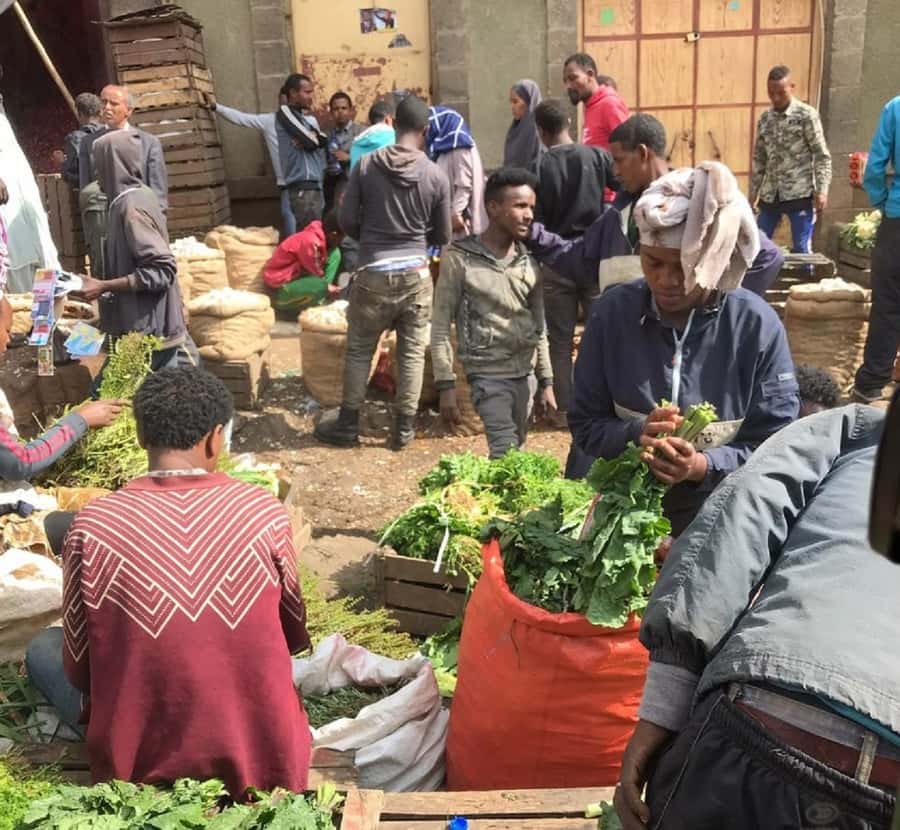
Merkato is described as Africa’s largest open-air market, and it is the tour’s most energetic stop. You will see spices, coffee, food, and non-food goods, with local sellers handling business in a setting that feels practical rather than staged for sightseeing.
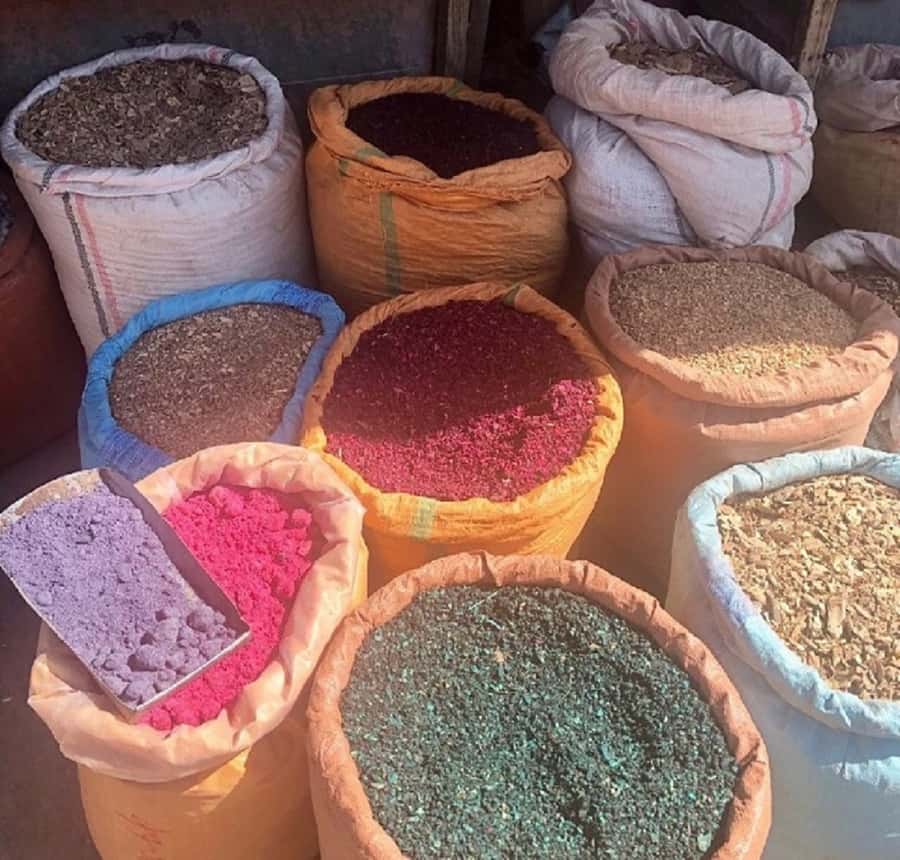
The spice area is the main draw for anyone interested in cooking. You may see ingredients used in Ethiopian dishes, and the guide can help explain what they are and how they fit into local meals. This matters because Ethiopian food is built around seasoning, sauces, and shared plates. Seeing the ingredients before lunch makes the later meal easier to understand.
You will also have a chance to bargain. Keep your approach good-natured and follow your guide’s lead. The point is not to win every negotiation by a few birr. It is to learn how buying works in this market and avoid treating the interaction like a contest.
Merkato requires some alertness. It can be crowded and intense, and six hours of food stops does not mean six hours of sitting comfortably. Wear practical shoes, keep your belongings secure, and bring your passport or ID card as requested. The tour operates rain or shine, so a little weather planning helps.
I consider Merkato the part of the day that most clearly separates this experience from a standard restaurant tour. You see the commercial side of food before eating it. You also get a broader look at everyday Addis Ababa, not just the polished areas around major hotels.
Making injera instead of only eating it
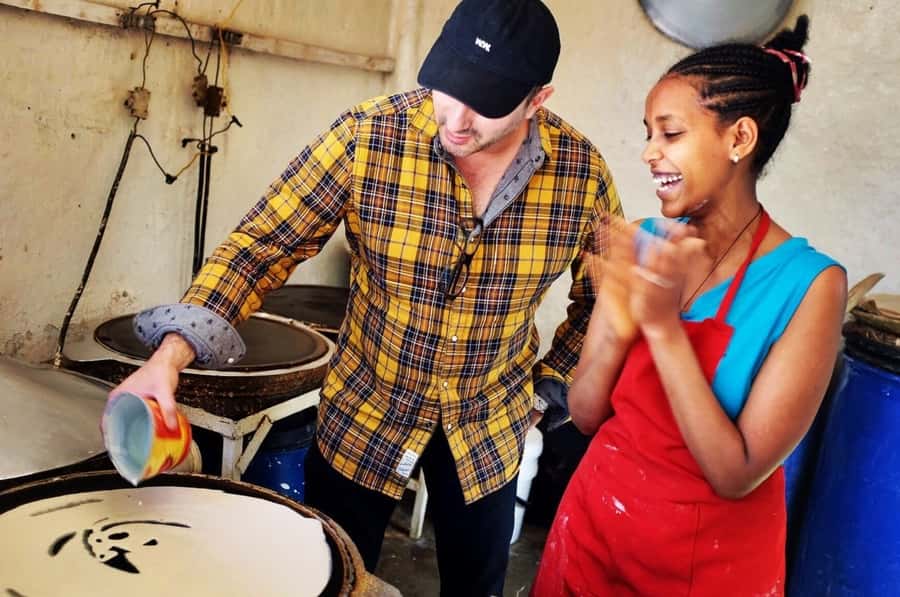
Injera is the soft, spongy Ethiopian flatbread used to carry food and sauces. On this tour, you are challenged to bake it yourself after a step-by-step demonstration.
That hands-on element is valuable because injera looks simple on the plate but is not simply a pancake. Its texture is central to the meal, and your success or failure gives you a better sense of the skill involved. You get to try your own creation with a typical Ethiopian spice, which makes the lesson immediately useful and enjoyable.
Do not expect your first injera to look perfect. The point is to take part, not to leave Addis Ababa as a professional baker. If your piece comes out uneven, that is part of the fun. The instruction makes this suitable for beginners, and the activity gives you something to do with your hands rather than only watching a demonstration.
This stop also prepares you for lunch. Ethiopian food is often eaten from a shared platter with injera playing the role of bread, utensil, and base. After making one, you will have a better idea of why its texture matters so much to the meal.
More markets in Addis Ababa:
- Addis Ababa +Mount Entoto View Point,Museums Palace Market Tours
★ 5.0 · 42 reviews - Go wheretheLocalsgo, Eatwhat thelocalseat!open Market&More Tours
★ 5.0 · 33 reviews - Addis Mercato Market
★ 5.0 · 22 reviews - Addis Ababa: Entoto hill and Mercato Market layover tour
★ 5.0 · 5 reviews
The traditional coffee ceremony
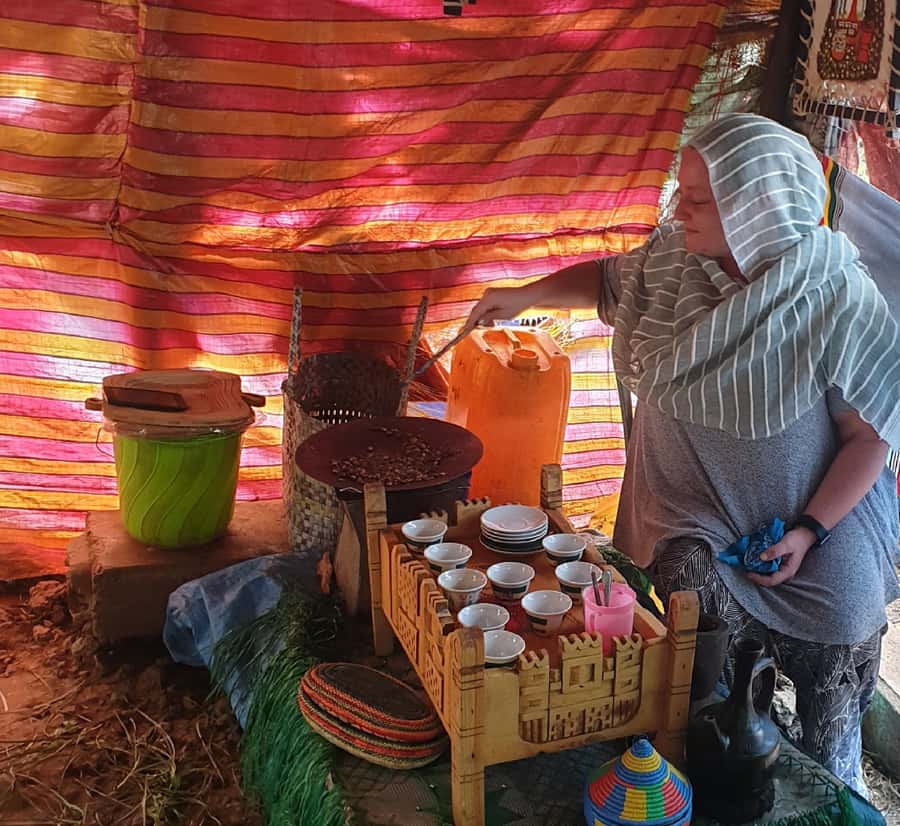
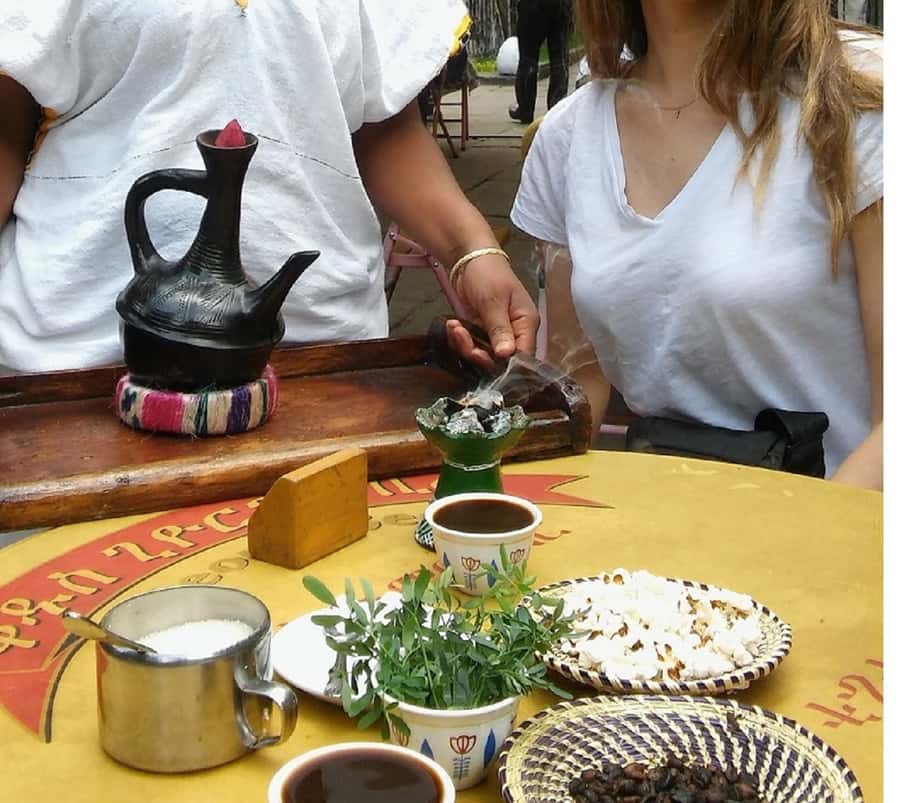
The coffee ceremony is the cultural center of the experience. You will see the beans roasted and learn, step by step, how Ethiopian coffee is prepared in a traditional setting. One detailed account also noted the chance to roast your own beans, making this more participatory than a simple tasting.
The ceremony slows the day down. After the traffic and market activity, this is a chance to pay attention to aroma, preparation, and conversation. The guide explains what is happening, while you see how coffee becomes a social ritual rather than just a finished drink.
This is also the part where a good guide makes a real difference. Desale was praised for explaining food, coffee, city landmarks, and local customs clearly. A guide who welcomes questions can help you understand why the ceremony matters, not just what each step is called.
The tour description calls the coffee ceremony immersive, but the useful point is its direct participation. You are not only watching someone else prepare coffee. You can be involved in roasting and tasting, depending on the flow of the session.
Coffee is included with lunch and hot drinks are part of the package. The coffee stop itself is also included, though the exact amount you drink or any extras outside the listed activities may depend on what you order.
A honey-wine stop for Tej
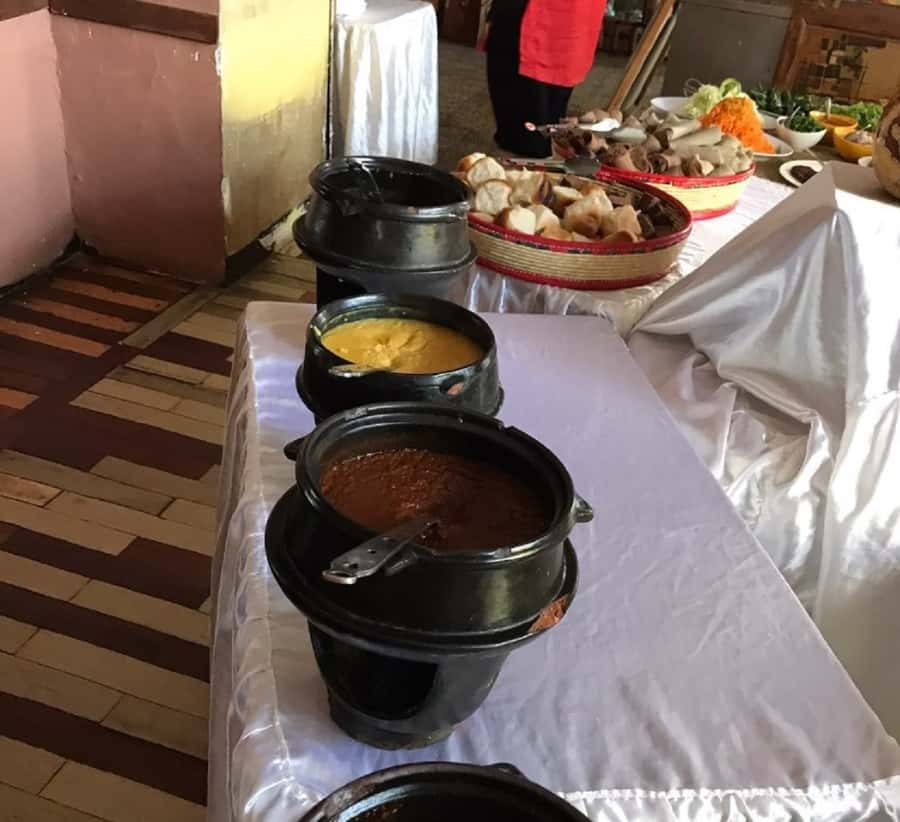
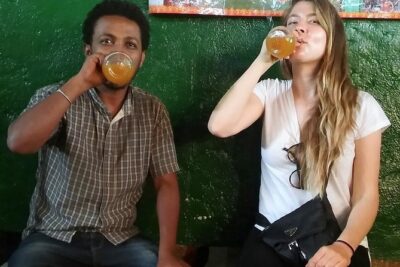
The final tasting stop is a local Ethiopian honey-wine bar. Tej is a traditional drink made mainly from fermented honey, and it has similarities to mead. You will tour the bar and sample it.
This is a good finale because Tej offers a flavor and drinking custom that many visitors have not encountered before. It also gives the tour a social ending, rather than finishing with another formal lesson. The sample is included as part of the experience, while other alcoholic drinks are not included.
If you do not drink alcohol, check the details before booking or tell the guide. The tour specifically includes honey-wine tasting, but the supplied information does not describe a nonalcoholic replacement. You should also remember that the tour price does not cover alcoholic beverages beyond the Tej experience.
The bar visit is less about drinking a large amount and more about understanding a traditional Ethiopian beverage. A small taste may be enough to decide if it suits you. As with the coffee ceremony, the setting adds value because you are learning how the drink fits into local life.
Buffet lunch at Addis Ababa’s first hotel
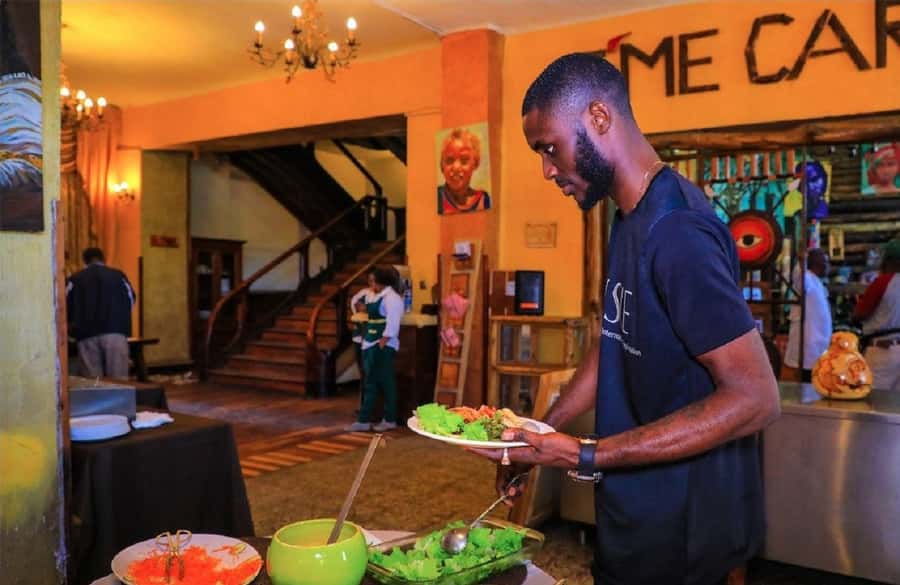
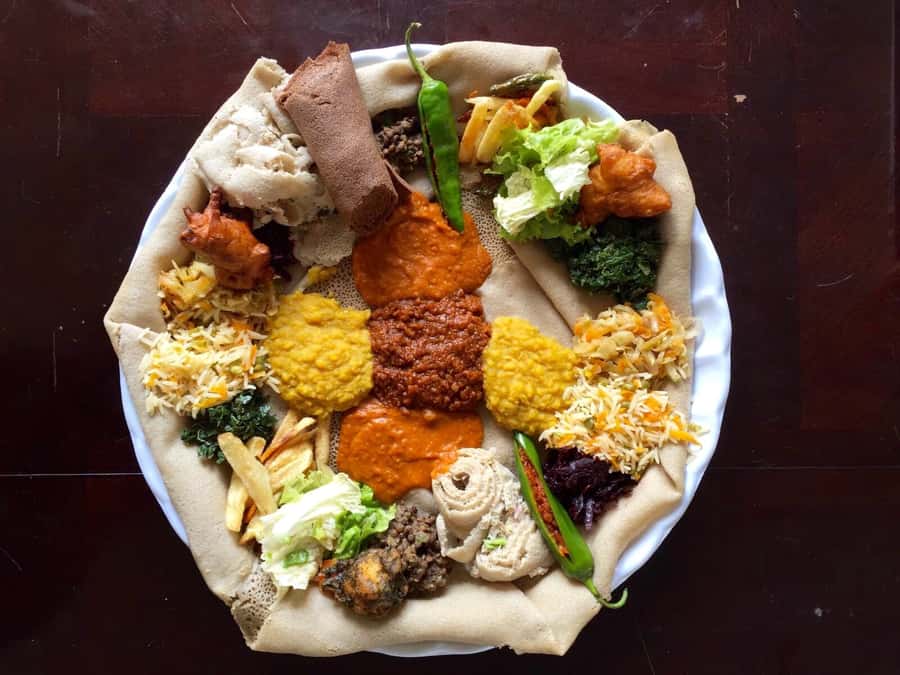
Lunch is served buffet-style at the first Ethiopian Hotel, also described as the oldest hotel. You can sample several popular dishes rather than choosing only one plate.
A buffet is a sensible format for this tour. It lets you try a range of Ethiopian flavors, including local vegetarian dishes, without having to guess what to order. For a first meal, that variety is useful. You can compare sauces, vegetables, spices, and textures while using the injera you learned to make earlier.
The meal includes a bottle of water and hot drinks. That helps the $85 price feel more practical, since you are not paying separately for the central food stops and basic refreshments.
The lunch is not presented as a fine-dining event, and it should not be judged by that standard. Its value is variety, context, and convenience. If you are a committed food enthusiast, you may wish for more time to discuss each dish. Still, the buffet is a good bridge between the market ingredients and the food on your plate.
Guides, driving, and the six-hour schedule

Pickup and drop-off are provided anywhere in Addis Ababa, including hotels, houses, and the airport. You should wait in your hotel lobby for 15 minutes before or after the scheduled pickup time. That small allowance matters in a city where traffic can affect timing.
Ground transport includes a car, driver, and fuel. Several guide and driver combinations received strong praise, including Seid with driver Muse. The positive comments focused on safe driving, city explanations, humor, and the guide’s ability to add landmarks during the journey.
The tour is conducted in English with a live English-speaking guide. That is important because the day depends on explanation. Merkato, coffee preparation, injera, and Tej all benefit from context that you might not get by visiting alone.
The exact group size is not provided, so I would not assume a private or small-group format. If group size matters to you, ask before booking. A larger group could make the cooking activity less personal, while a smaller group may allow more questions and easier movement through the market.
At six hours, this is a full half-day. Plan for changing settings, food, and conversation rather than a relaxed morning with one main activity. It suits an open schedule better than a day packed with fixed appointments.
Is $85 a fair price?
At $85 per person, the tour offers good value if you want several experiences in one outing. The price includes pickup and drop-off, a car, driver, fuel, guide, activity fees, lunch, water, and hot drinks. You are paying for both access and coordination.
Doing all of this independently could mean arranging transport between Tomoca, Merkato, the cooking activity, the coffee ceremony, the Tej bar, and lunch. You would also lose the explanations that connect each stop. The guide is especially useful at Merkato, where local knowledge can make the visit easier and more meaningful.
The price is less attractive if you only want a cooking class or only want to visit a coffee ceremony. In that case, several parts of the day may feel unnecessary. It also does not include alcoholic drinks other than the honey-wine tasting, so budget separately for anything else.
For a first visit to Addis Ababa, I think the package makes sense. It combines food, city orientation, transport, and cultural explanation without leaving you to solve the logistics yourself.
Who should book this experience?
I would recommend it most strongly to first-time visitors, food enthusiasts, coffee drinkers, and anyone with a short stay in Addis Ababa. It is also a useful choice for people who want to meet the city through ordinary food and drink rather than only through monuments.
You should book it if you enjoy trying unfamiliar dishes, taking part in simple cooking tasks, and asking questions. The day rewards curiosity more than culinary skill.
I would be more cautious if you dislike markets, bargaining, crowds, or moving between several stops. The day is active and varied, but it is not designed as a quiet, slow food retreat. People with strict dietary needs should also confirm meal arrangements before booking, since the provided information only specifically identifies a local vegetarian buffet in the lunch experience.
Free cancellation is available up to 24 hours before the tour for a full refund, and you can reserve now and pay later. Those terms are useful if your Addis Ababa schedule is still changing.
Should you book the Ethiopian Culinary Tour?
Book it if you want a practical introduction to Ethiopian food and city life in one day. The strongest parts are the Merkato visit, the injera lesson, the coffee ceremony, and the chance to taste Tej in a local bar. The guides add real value by explaining the city while driving and answering questions along the way.
Skip it if you want a single focused cooking course, a private fine-dining meal, or a slow itinerary with little walking and movement. For everyone else, $85 is a fair price for a well-filled six hours, especially with transport, lunch, and an English-speaking guide included.
FAQ
How long does the Ethiopian Culinary Tour last?
The tour lasts 6 hours. Starting times depend on availability.
What is included in the tour price?
The price includes pickup and drop-off in Addis Ababa, activity fees, ground transportation with a car, driver, and fuel, an English-speaking guide, lunch, a bottle of water, and hot drinks.
Where can pickup take place?
Pickup and drop-off are available at any location in Addis Ababa, including hotels, houses, and the airport.
Is lunch included?
Yes. Lunch is a buffet-style meal at the first Ethiopian Hotel, also described as the oldest hotel. The meal includes a bottle of water and hot drinks.
Will I learn how to make injera?
Yes. The tour includes a step-by-step demonstration and a chance to try baking the spongy Ethiopian injera bread yourself.
Is the coffee ceremony included?
Yes. You will learn how Ethiopian coffee is prepared in a traditional ceremony. The experience can include roasting beans and tasting the coffee.
Is Tej included?
The tour includes a visit to a local Tej bar and samples of Ethiopian honey-wine. Other alcoholic beverages are not included.
What should I bring?
Bring a passport or ID card. The tour operates rain or shine, so you should also be prepared for changing weather.
Just added in Addis Ababa
- Yod Abyssinia Cultural Night: Dinner, Music, and Dance★ 5.0 · 7 reviews
- Addis Ababa City Tours Full-Day Tours★ 5.0 · 5 reviews
- Locally crafted beer and wine tasting and nightlife in Addis tour★ 5.0 · 6 reviews
- Unique Ethiopian Cooking Class and Coffee Ceremony with a Local in Addis Ababa★ 4.5 · 7 reviews
- Stunning Views Wonchi Crater Lake a Private Day Trip★ 5.0 · 3 reviews
- .2- Days and 1 Night Tour To Awash National Park water falls★ 5.0 · 1 review
- Visiting the wonders of Lalibela in Three (3) days and Two ( 2) nights★ 5.0 · 2 reviews
- Two days Lake Wenchi and Menagesha Forest★ 5.0 · 1 review
Ethiopian Coffee Ceremonies, compared.
Ethiopian Culinary Tour – Market, Food, Coffee Ceremony & more
Read our review →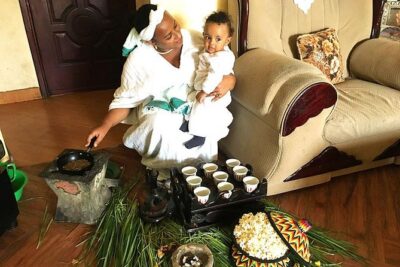
Market Tour and Cooking Class with a Coffee Ceremony at a Home in Addis Ababa
Read our review →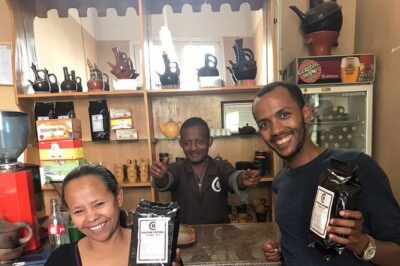
Vintage Coffee Shops, Restaurants, Sightseeing in Addis Ababa
Read our review →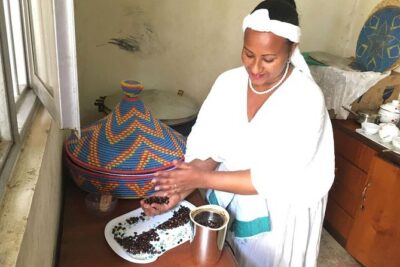
Ethiopian Cooking Class and Coffee Ceremony with a Local in Addis with transfers
Read our review →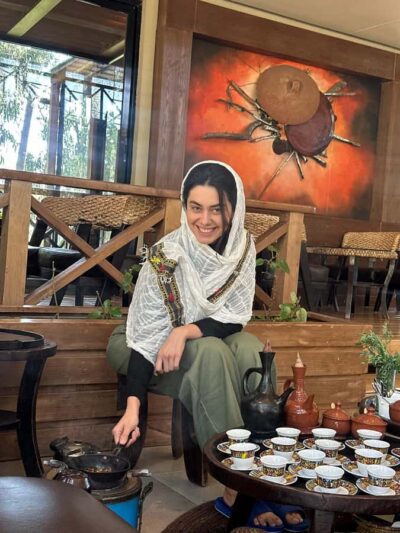
Ethiopia coffee cupping class/Ethiopian food injera making
Read our review →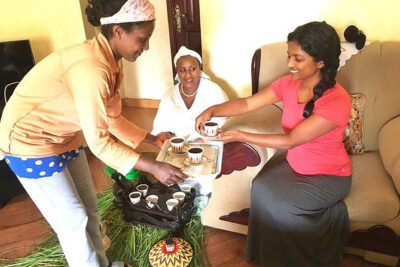
Unique Ethiopian Cooking Class and Coffee Ceremony with a Local in Addis Ababa
Read our review →
Addis Ababa City Experience : Markets, Coffee & Local Life
Read our review →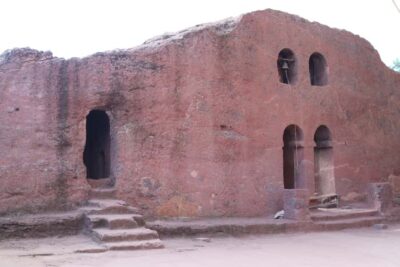
Churches Full-Day Private Tour w/Coffee Ceremony
Read our review →Browse the lists this tour appears in