

Reviewed · OMO VALLEY TRIBAL TOURS
5-Day Omo Valley Expedition: Discover Tribal Culture
Southern Ethiopia gets real fast. This five-day private trip combines tribal villages, long road journeys, Lake Chamo, Konso, and the Omo River in one demanding route. I especially like the small-group format and the chance to meet the Dorze, Hamar, Dassanech, Karo, Mursi, and Benna communities rather than simply drive past them.
I also like that the price includes the vehicle, fuel, accommodation, entrance fees, local guides, a boat trip, and the bull-jumping ceremony. The main drawback is the amount of time spent on rough roads. You cover about 290 kilometers on Day 2 and 280 kilometers on Day 4, so this is not a gentle sightseeing holiday.
In This Review
- Key points to know before booking
- What $960 buys you in the Omo Valley
- Day 1: Dorze homes and coffee near Arba Minch
- Lake Chamo brings crocodiles and hippos into the plan
- Day 3: Crossing the Omo River to meet the Dassanech
- Day 4: Karo body painting and the road to Jinka
- Day 5: Jinka to Addis Ababa
- The real challenge is the road time
- Cultural respect matters more here than camera technique
- Who will enjoy this five-day route
- Booking details that affect your decision
- Should you book this Omo Valley expedition?
- FAQ
- How long is the Omo Valley expedition?
- What is included in the tour price?
- Are domestic flights included?
- Are meals included?
- What communities will I visit?
- Where does the tour stay overnight?
- Is the tour suitable for wheelchair users?
- What should I bring?
Key points to know before booking
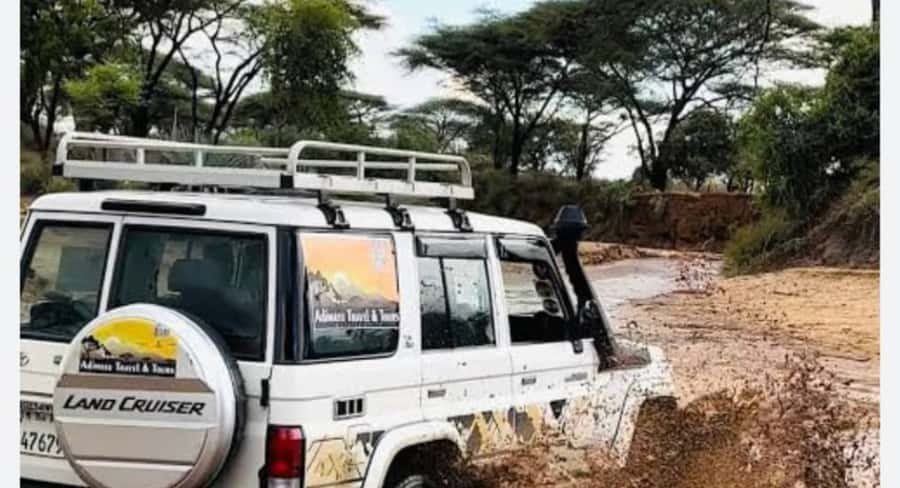
- A private Toyota Land Cruiser handles the remote roads, with fuel included in the $960 price.
- Lake Chamo adds a wildlife break with possible crocodile and hippo sightings by boat.
- Konso offers more than village visits, with terraced farming and waka grave markers recognized by UNESCO.
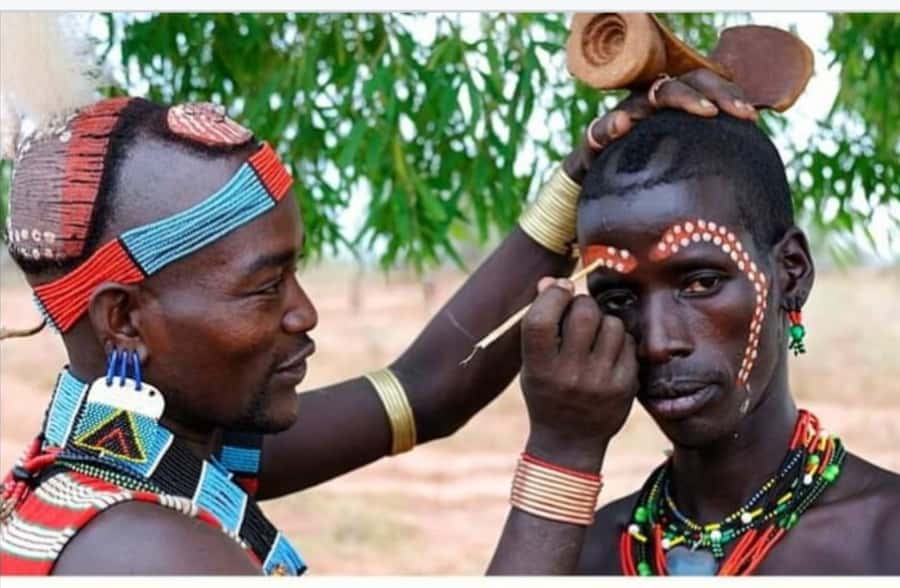
- The cultural schedule is varied, from a Dorze coffee ceremony to Hamar dances and visits with the Dassanech, Karo, Mursi, and Benna.
- Accommodation is simple, with stays at Eco Omo Lodge, Emerald Lodge, and Nasa Hotel.
- Lunch, dinner, flights, drinks, photography fees, and gratuities cost extra, so budget beyond the advertised price.
What $960 buys you in the Omo Valley
At $960 per person, this expedition offers good value if you want a private vehicle and a packed route through southern Ethiopia. The included Toyota Land Cruiser and fuel matter here. The roads are remote, the distances are long, and arranging transport between Arba Minch, Turmi, Omorate, Karo country, and Jinka would be difficult on your own.
The package also covers hotels, breakfast, entrance fees, local guide fees, the Lake Chamo boat excursion, and the bull-jumping ceremony. That removes several large costs from the daily budget.
You still need to plan for the domestic flights between Addis Ababa, Arba Minch, and Jinka. Lunch and dinner are not included, nor are alcoholic drinks, photography and video charges, or gratuities. Ask in advance how photography charges work at each village. Those costs can affect the final price more than you expect.
The single available rating is five out of five, from Maria of Germany, who described the guided experience as the best she had experienced and said she hoped to return. That is a strong endorsement of the guiding and overall organization, though one review cannot tell you how every departure operates.
More Omo Valley tours:
- 5 Day Private tour to the Omo Valley Tribes and Adventure Tour
★ 5.0 · 11 reviews - Omo Valley Tribes 6 Days Tours
★ 4.9 · 10 reviews - From Jinka: Omo Valley Tribe 3-Day Tour
★ 5.0 · 9 reviews
Day 1: Dorze homes and coffee near Arba Minch
The trip begins with a morning flight from Addis Ababa to Arba Minch. A guide meets you at the airport, hotel, or another listed pickup point in Arba Minch, which makes the first transfer simple.
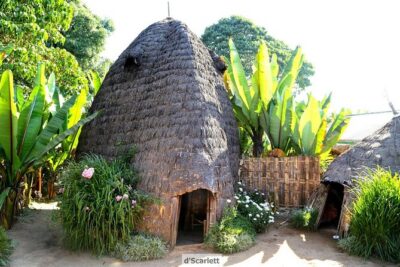
Your first cultural stop is a Dorze village. The Dorze are known for tall, beehive-shaped huts and weaving. The homes are one of the clearest visual introductions to the region, but the visit is not only about taking pictures. The weaving tradition gives you a useful look at daily work and local craft.
The traditional coffee ceremony is another welcome feature. Ethiopian coffee is closely linked to hospitality, and the ceremony gives the visit a slower rhythm after the flight. I would treat this as a chance to watch, listen, and ask questions rather than rush from one photo opportunity to the next.
You spend the night at Eco Omo Lodge in Arba Minch. Because the tour notes that accommodation in the region can be basic, keep your expectations practical. This is a base for the next day, not a resort stay.
Lake Chamo brings crocodiles and hippos into the plan
Day 2 starts with a boat trip on Lake Chamo. The excursion is included, and you may see crocodiles and hippos. After the long drives that follow, this water-based morning is an important change of pace.
Wildlife sightings are never guaranteed, so think of the boat trip as a scenic outing with the possibility of animals rather than a fixed safari result. Bring sun protection and keep your camera ready, but do not let the search for wildlife distract from the lake itself.
The route then continues to Konso, a UNESCO World Heritage Site. Konso is known for carefully built terraces and waka grave markers. These features give the day more depth than a simple village stop. The terraces show how farming has been shaped around difficult ground, while the carved markers connect the area to local burial customs.
The drive to Turmi takes around six to seven hours over roughly 290 kilometers. That is a serious road day. I would choose comfortable clothing, carry water, and accept that the journey is part of the experience. Road conditions and travel times can vary, so keep your schedule flexible.
Turmi is home to the Hamar people, and the day may include a bull-jumping ceremony. The ceremony is a major cultural event, but its timing is not guaranteed by a clock. Ask your guide how the visit will be arranged and follow instructions about where to stand and when photography is allowed.
You sleep at Emerald Lodge in Turmi.
Day 3: Crossing the Omo River to meet the Dassanech
The third day takes you to Omorate, around 150 kilometers from Turmi on a four to five hour round trip. The journey includes a crossing of the Omo River by traditional canoe.
That crossing is one of the trip’s more distinctive details. It is not just a transfer between two roads. It places the river at the center of the day and leads to a visit with the Dassanech community.
The Dassanech are one of the indigenous peoples of the Omo Valley, and the visit offers a different cultural setting from the Hamar villages around Turmi. I would go with patience and respect. You are entering a living community, not a staged museum.
Back in Turmi, you spend more time with Hamar village life. The evening includes traditional Hamar dances, including the Evangadi. This gives the day a social finish after the river crossing and long drive.
Photography needs care throughout this region. Always ask before photographing people, and ask again before joining a dance or ceremony. Photography and video charges are not included, so clarify any fees before taking pictures.
The second night at Emerald Lodge keeps the route efficient. You do not have to change hotels after every activity, which is helpful in a five-day schedule.
A few more options to weigh up in Arba Minch and the Omo Valley
- 3 days around Arbaminch and Konso Adventure Tours Life Time
★ 5.0 · 24 reviews - Private 3 Days Adventure Tour Through Arba Minch
★ 5.0 · 16 reviews - 6 Days Omo valley Tribal Tour (Starts Arba Minch End Jinka)
★ 5.0 · 7 reviews - 3 days, Arba Minch and Dorze
★ 5.0 · 7 reviews
Day 4: Karo body painting and the road to Jinka
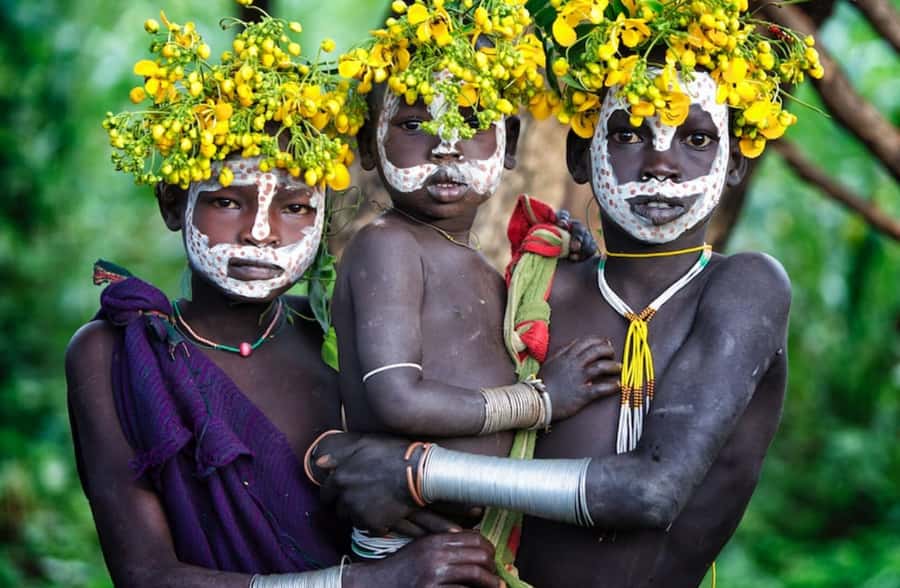
Day 4 is another long driving day, with about 280 kilometers and seven to eight hours on the road. The destination is Korcho village, where you meet the Karo people.
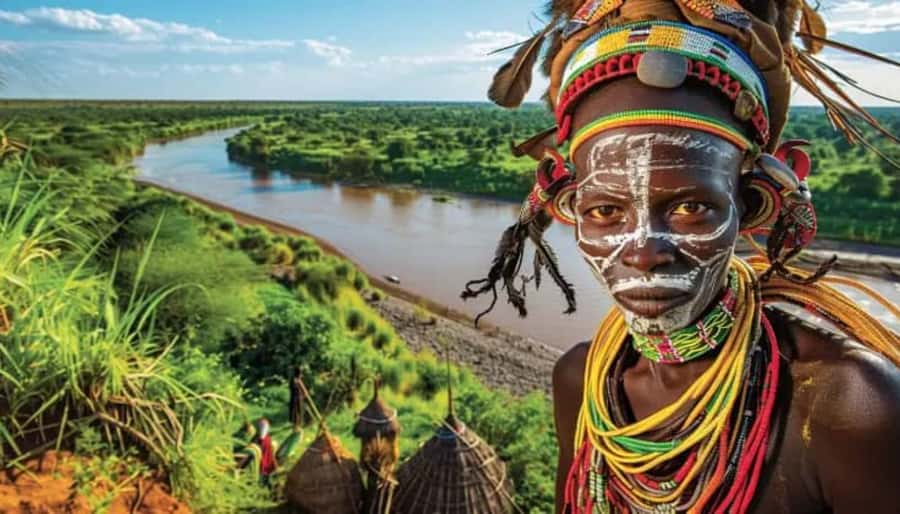
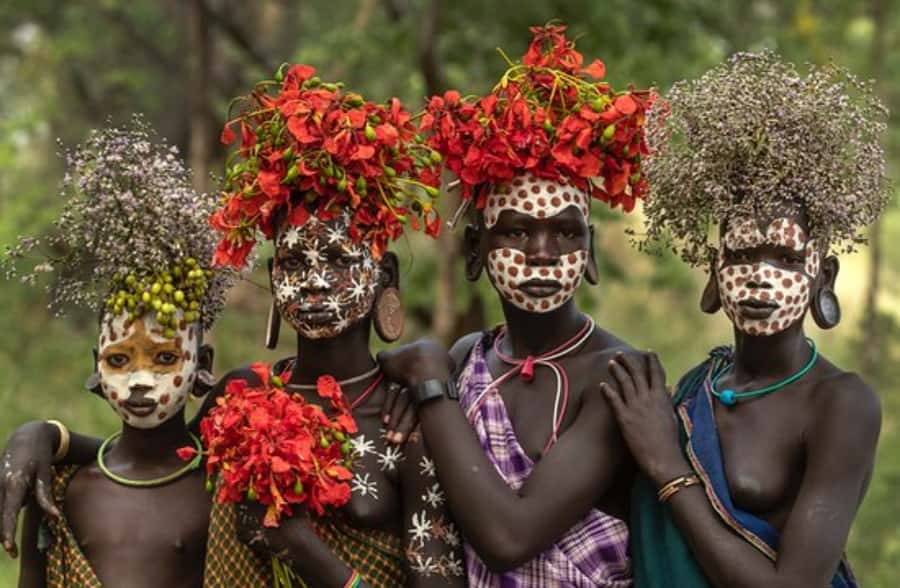
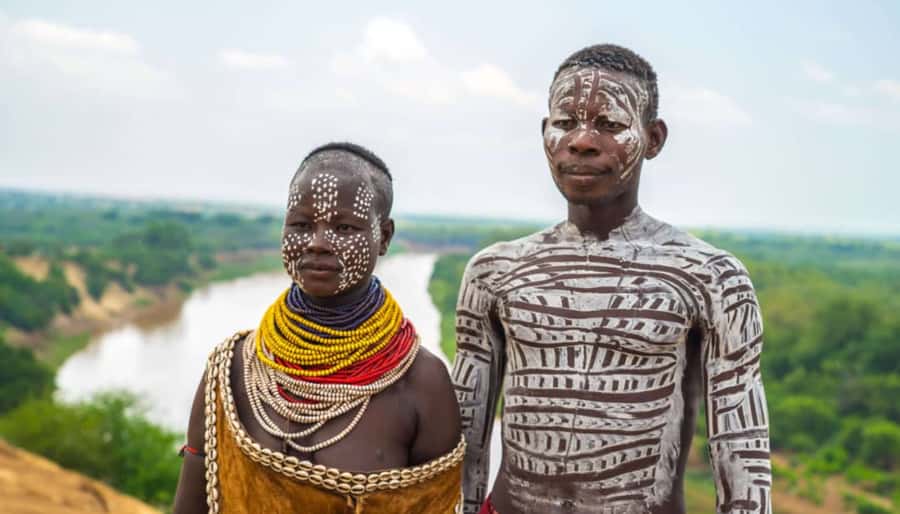
The Karo are known for intricate body painting. This is one of the most recognizable cultural features in the Omo Valley, but it deserves more than a quick photograph. Look at the patterns, listen to the explanation, and remember that the people you meet are not performers hired for a show.
The route also follows parts of the Omo River, creating opportunities for scenic views and photography. Since the road is rough and the day is long, keep your camera accessible but protect it from dust and jolts.
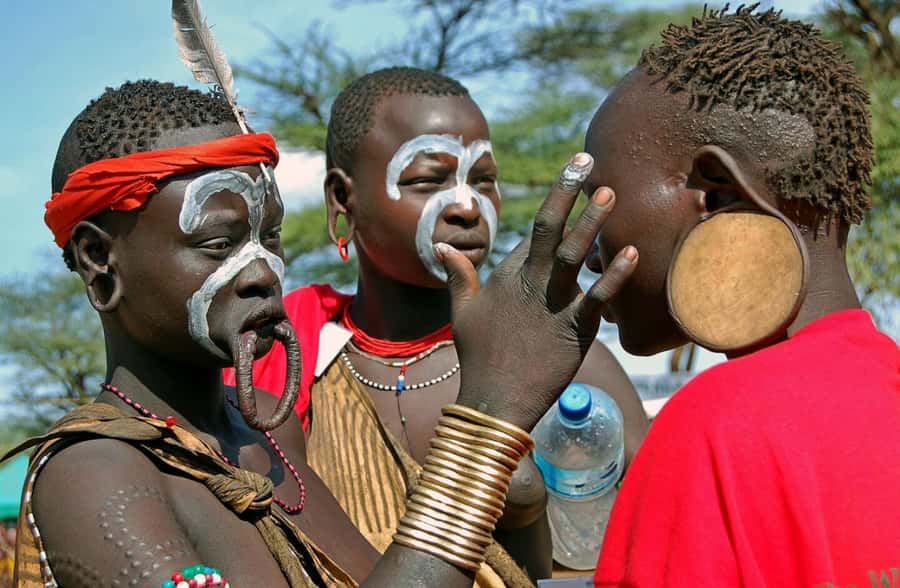
You continue to Jinka, an important gateway for visits to the Mursi. The schedule includes a possible visit to the South Omo Research Center. It also lists visits to the Mursi, known for lip plates, and the Benna, described here in connection with stick fighting traditions.
These visits involve sensitive cultural subjects. Body adornment and ceremonial practices can be reduced to stereotypes when seen too quickly. A good guide can provide context, but you should also do your part by dressing modestly, asking permission, and avoiding intrusive questions.
You spend the night at Nasa Hotel in Jinka. After the longest drive of the trip, this overnight stop gives you a needed pause before the return flight.
Day 5: Jinka to Addis Ababa
The final day takes you from Jinka to Addis Ababa by domestic flight. The supplied schedule is brief, so confirm the exact flight time and how much time you will have in Addis Ababa before your onward departure.
The trip also promotes a cultural dinner in Addis Ababa, where you can learn about local traditions. This is a pleasant way to finish, but confirm whether the dinner is included in your booking. The cost details clearly exclude dinner, so I would treat it as an additional expense unless your confirmation says otherwise.
One unusual point deserves clarification before you pay. The highlights also mention the world’s largest monolithic church and a maze of passageways. No day in the five-day route identifies this stop, and it does not appear to fit naturally with the Arba Minch to Jinka schedule. Ask the operator exactly where this visit occurs, whether it is included, and whether it changes the route or flight plan.
The real challenge is the road time
The Omo Valley is remote, and this trip asks you to accept basic conditions in exchange for access. The roads can be rough, and several destinations are separated by extended drives. You may find the hours in the Land Cruiser tiring, especially on Days 2 and 4.
That does not make the route poor. It explains why the private vehicle is so important. You can stop according to the schedule, carry your own supplies, and avoid joining a large group. Still, you should not book this trip expecting short transfers and polished hotel comforts.
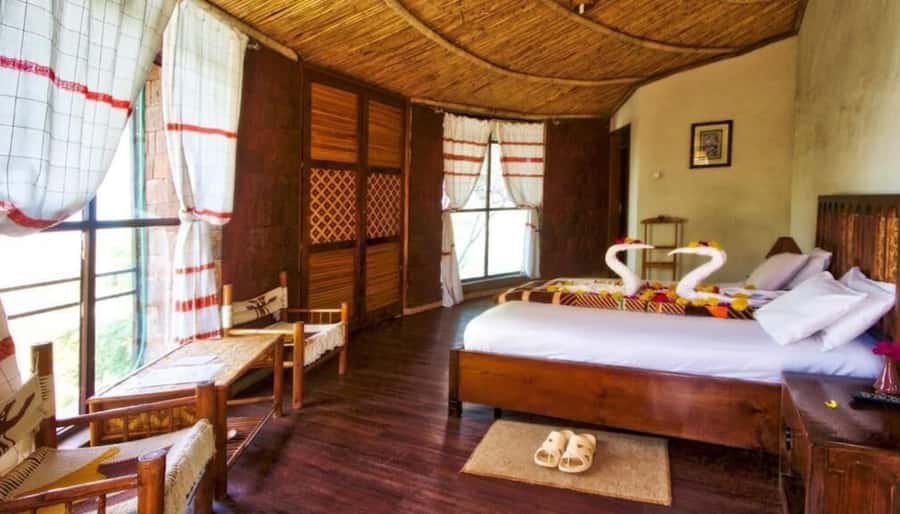
Accommodation is described as simple, with Eco Omo Lodge, Emerald Lodge, and Nasa Hotel used along the route. Amenities may vary. Comfortable shoes are listed as the main item to bring, but you should also plan for hot daytime temperatures, sunscreen, protective clothing, and plenty of water.
The tour is wheelchair accessible according to the activity information, but the rough roads, traditional canoe crossing, and village terrain may affect how practical that is on particular days. If you use a wheelchair, confirm the vehicle setup and access arrangements before booking.
Cultural respect matters more here than camera technique

The Omo Valley is home to communities with distinct customs, clothing, ceremonies, and forms of body decoration. The best approach is simple: ask before photographing, dress modestly, wait for permission, and follow the guide’s directions during ceremonies.
Photography and video charges are excluded. That is worth discussing early, especially if you plan to take many pictures. A clear agreement helps prevent awkward moments and keeps the focus on respectful contact.
Do not assume that every ceremony will take place during your visit. The bull-jumping event is listed as part of the trip, but local events depend on timing and circumstances. Ask how the operator handles changes if a ceremony is unavailable.
The tour is private, which should make it easier to slow down and ask questions. Use that advantage. Tell the guide what interests you, but also allow time for ordinary village life rather than treating every stop as a checklist.
Who will enjoy this five-day route
I would recommend this expedition to you if you want:
- A private trip rather than a large group departure
- Direct contact with several South Omo communities
- Long road journeys in exchange for remote access
- A packed schedule with little idle time
- A guide who can help explain customs and arrange local visits
- A mixture of culture, scenery, wildlife, and photography
I would be cautious if you dislike rough roads, simple lodging, heat, or uncertain timing. Pregnant women and babies under one year are specifically listed as unsuitable for this activity.
The route is also demanding for anyone who wants a slow cultural holiday. You visit many communities in five days, but you do not have several days to settle into one place. If you prefer depth over variety, ask if a longer custom trip is possible.
Booking details that affect your decision
The activity offers free cancellation up to 24 hours in advance for a full refund, and you can reserve now and pay later. The listed guide languages are English, French, German, Italian, Spanish, and Russian. Confirm your preferred language when booking.
Pickup is included from Arba Minch Airport, a tourist hotel, or any hotel in Arba Minch. This is useful on Day 1, though the trip begins with a flight into Arba Minch, so your air arrangements need to match the planned start.
The provider is vowland ethiopia tour. Since the route includes remote areas and cultural visits, I would confirm these points before departure:
- Exact domestic flight arrangements
- The guide language for your group
- Which ceremonies are confirmed
- Photography and video fees
- Dinner plans in Addis Ababa
- The location and cost of the monolithic church visit
- Vehicle and accommodation details
- Pickup timing in Arba Minch
Should you book this Omo Valley expedition?
Book it if you want a strong first look at southern Ethiopia and understand that the road is part of the deal. The private Land Cruiser, included fuel, local guides, boat trip, entrance fees, and broad mix of communities make $960 a reasonable starting price, provided you add money for flights, meals, photography, and gratuities.
I would book this for the variety: Dorze coffee, Lake Chamo wildlife, Konso terraces, Hamar ceremony and dance, the Dassanech canoe crossing, Karo body painting, and visits connected with the Mursi and Benna. I would not book it for comfort or leisurely pacing.
The five-star rating from Maria of Germany supports the guided side of the trip, but I would still ask detailed questions about the church visit and additional charges. If you can handle heat, rough roads, basic lodging, and cultural encounters that require patience, this expedition offers a memorable and unusual route through the Omo Valley.
FAQ
How long is the Omo Valley expedition?
The expedition lasts five days, beginning with a flight from Addis Ababa to Arba Minch and ending with a flight from Jinka back to Addis Ababa.
What is included in the tour price?
The price includes a Toyota Land Cruiser and fuel, accommodation, breakfast, entrance fees, local guide fees, a boat excursion, and the bull-jumping ceremony.
Are domestic flights included?
No. Domestic flights are listed as an additional cost, so you need to budget for the flights to Arba Minch and from Jinka to Addis Ababa.
Are meals included?
Breakfast is included. Lunch and dinner are not included, and alcoholic drinks are also excluded.
What communities will I visit?
The route includes visits connected with the Dorze, Hamar, Dassanech, Karo, Mursi, and Benna communities.
Where does the tour stay overnight?
The listed accommodation is Eco Omo Lodge in Arba Minch, Emerald Lodge in Turmi for two nights, and Nasa Hotel in Jinka.
Is the tour suitable for wheelchair users?
The activity is listed as wheelchair accessible. Because the route includes rough roads, a traditional canoe crossing, and village visits, confirm the practical access arrangements before booking.
What should I bring?
Comfortable shoes are specifically recommended. You should also prepare for hot daytime temperatures with water, sunscreen, and protective clothing.
Just added in Arba Minch and the Omo Valley
- 6 days private Sight Seeing Tours.★ 5.0 · 4 reviews
- 5 Days Omo Valley Tour: Experience Ethiopia’s Tribal Traditions★ 5.0 · 2 reviews
- 3 Days, Arba Minch, Dorze village and Konso Village★ 5.0 · 5 reviews
- 4 day amazing tour with the tribes★ 5.0 · 1 review
- 5 Days adventure tour in omo valley with the tribes.★ 4.5 · 2 reviews
- 6 Days Omo valley Tribal Tour (Starts Arba Minch End Jinka)★ 5.0 · 7 reviews
- 5 Day tour from arbaminch to omo valley★ 5.0 · 2 reviews
- 3 days, Arba Minch and Dorze★ 5.0 · 7 reviews
Omo Valley Tribal Tours, compared.
6 Days Omo Valley Tribes Tours From Addis Ababa
Read our review →
Lalibela, Axum, Danakil and Omo Valley 8 DAYS
Read our review →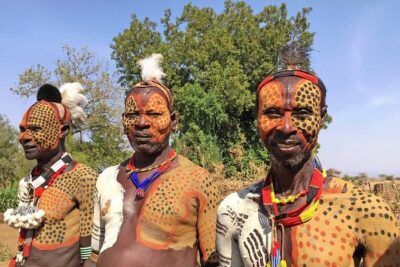


9 Days Tours To Danakil Depression, Simen MNP, Lalibela With Omo Valley Tribes
Read our review →
5 Day Private tour to the Omo Valley Tribes and Adventure Tour
Read our review →Browse the lists this tour appears in