
Reviewed · OMO VALLEY TRIBAL TOURS
2night/3days Adventure Omo Valley Tribal Tours from Jinka
The Omo Valley rewards curiosity. This three-day trip from Jinka brings you to Mursi, Ari, Nyangatom, Kara, and Hamer communities, with time for markets, village visits, cultural performances, and long drives through southern Ethiopia. I like the wide range of communities covered in a short trip, and I like that transport, lodging, meals, local guides, and community fees are included.
The main drawback is the pace. You cover a lot of ground in only two nights, and the domestic flights to and from Jinka are not included in the $800 price. The final day also depends on Jinka’s limited flight schedule, so you need to confirm your flight time before setting out.
In This Review
- Key points before you book
- Why this short Omo Valley trip is appealing
- Day 1: Flying to Jinka and meeting the Mursi
- An Ari sunset near Jinka
- Day 2: From Jinka through Keyafer to Turmi
- Hamer ceremonies at sunset
- Day 3: Markets, timing, and the return to Jinka
- What the $800 price includes
- Comfort, clothing, and practical preparation
- The main ethical question: how to visit respectfully
- Who should book this three-day route?
- Should you book it?
- FAQ
- How long is the Omo Valley tour from Jinka?
- What is the tour price per person?
- Are domestic flights included?
- Which communities are included in the route?
- Are meals and accommodation included?
- Is the tour conducted in English?
- What is included in the cancellation policy?
Key points before you book
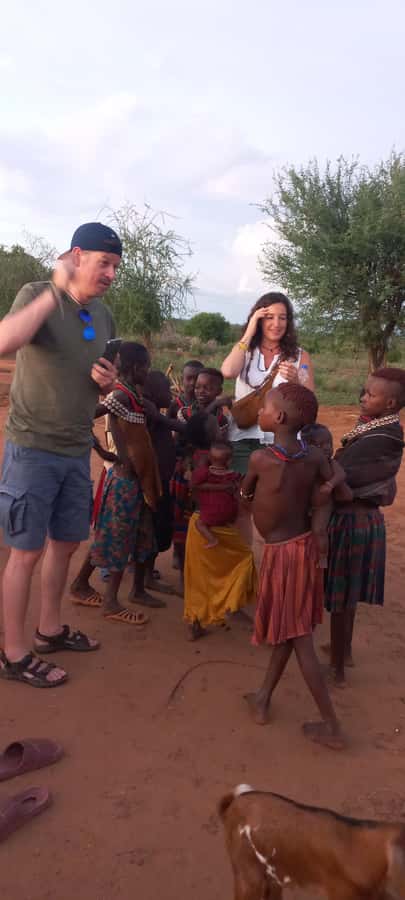
- Mursi visit through Mago National Park: Travel from Jinka through a biodiverse protected area to meet one of the Omo Valley’s best-known communities.
- Ari village at sunset: See blacksmithing, local vodka distilling, farming, and handmade goods in a community known as the largest tribal group in the valley.
- Keyafer market option: If the weekly market is operating on your second or third day, you may see several communities trading in one place.
- Kara body painting: The Kara are known for striking body decoration and a largely nomadic way of life.
- Hamer evening ceremony: The program may include bull jumping and Evangadi dancing at sunset, though local timing and ceremony access can vary.
- Full-board touring: Breakfast, lunch, dinner, mineral water, fruit, lodging, road transport, guides, and community fees are covered.
Why this short Omo Valley trip is appealing
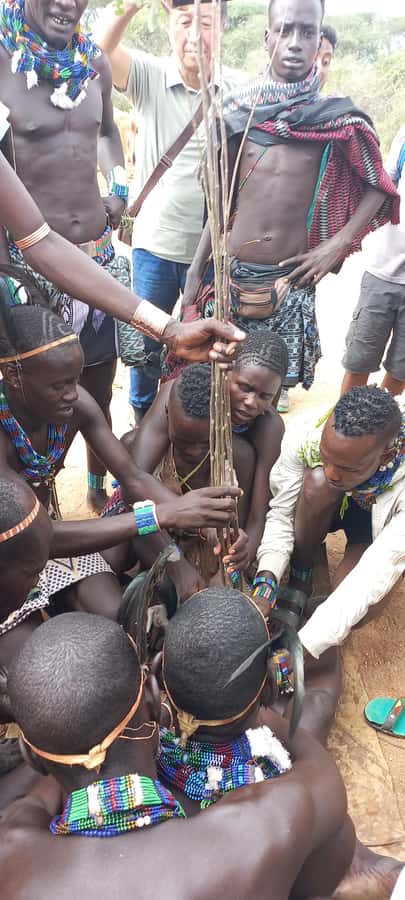
The Omo Valley is not a single attraction. It is a large area with distinct communities, separate customs, different forms of dress, and varied ways of making a living. In three days, you get a broad introduction rather than a slow study of one place.
That variety is the strongest reason to consider this trip. You may see the Mursi near Jinka, visit an Ari village the same day, then move toward Turmi for encounters with the Nyangatom, Kara, and Hamer. For a visitor with limited time in southern Ethiopia, that is a useful amount of cultural range.
The trip also handles many of the practical details. All land transport, accommodations, meals, local guide fees, and community fees are included. In a remote area where distances are long and roads can be demanding, having one local team arrange the route is worth real money.
Still, you should set realistic expectations. This is not a relaxed hotel-based holiday. You will spend substantial time on the road, and the exact order of visits may change because of market days, ceremony timing, road conditions, or your flight schedule. The tour is designed to show you a lot, not to give you long, unhurried hours in each community.
A verified booking from Japan on March 31, 2025, gave the experience five out of five and described it as a very wonderful experience. That is a small sample, but it supports the basic appeal: the itinerary offers a memorable introduction to an area that is difficult to visit independently.
More Omo Valley tours:
- 5 Day Private tour to the Omo Valley Tribes and Adventure Tour
★ 5.0 · 11 reviews - Omo Valley Tribes 6 Days Tours
★ 4.9 · 10 reviews - From Jinka: Omo Valley Tribe 3-Day Tour
★ 5.0 · 9 reviews
Day 1: Flying to Jinka and meeting the Mursi
Your trip begins with a flight from Addis Ababa to Jinka. The domestic airfare is not part of the $800 tour price, so you need to arrange and budget for it separately.
At Jinka airport, a guide or driver will meet you with the company logo or your name, depending on the pickup arrangement. Contacting the operator through WhatsApp or email before arrival is a good idea. It removes guesswork at a small airport and lets the team confirm the meeting point.
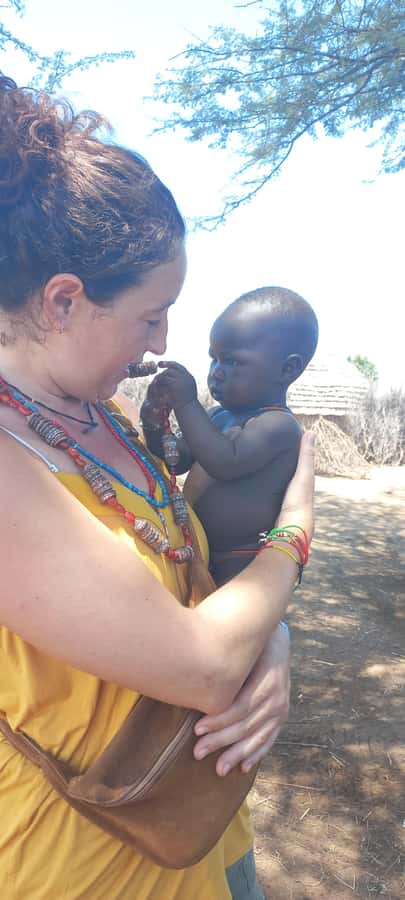
After a short coffee break, you drive toward Mago National Park to visit the Mursi. The road through the park is part of the experience. You are not simply being taken from one village to another. The route offers views of an area known for its plant and animal variety, though the supplied program does not promise wildlife sightings.
The Mursi are especially known for their lip plates and nomadic lifestyle. These features attract many visitors, but they can also encourage shallow photography-focused visits. Your guide plays an important role here. Listen to explanations, ask before taking photographs, and remember that community fees and personal permission are separate matters.
The visit returns you to Jinka by a scenic route through Mago National Park. Because the day includes a flight, a park drive, a community visit, and another road journey, you may find the schedule tiring. Comfortable outdoor clothing, sunscreen, personal medication, and patience are more useful than a tightly packed suitcase.
An Ari sunset near Jinka
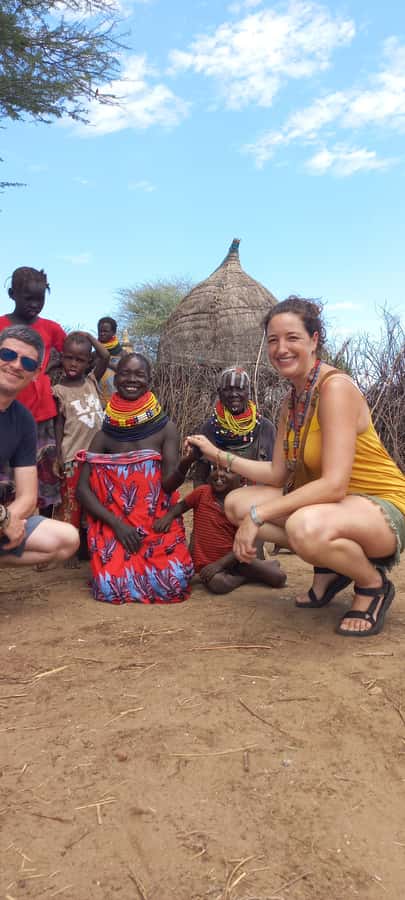
The evening visit takes you to an Ari village. The Ari are described as the largest tribal group in the Omo Valley, and the stop gives the first day a different focus from the Mursi visit.
Here, you may see handmade goods, blacksmithing, local vodka distilling, and farming practices. These details matter because they show daily work rather than only ceremonial customs. A good cultural tour should help you understand how people produce, trade, build, and feed their families, not just present a photo opportunity.
The sunset setting adds atmosphere, but the visit is also valuable in daylight because of the practical activities. If you want to buy handmade items, ask your guide about prices and appropriate purchasing. The program does not specify which products are available on a particular day, so avoid expecting a fixed shopping selection.
You return to Jinka for the first night. Since the following morning involves another long drive, use the evening to organize your bag, charge devices, and check the next day’s departure time.
Day 2: From Jinka through Keyafer to Turmi
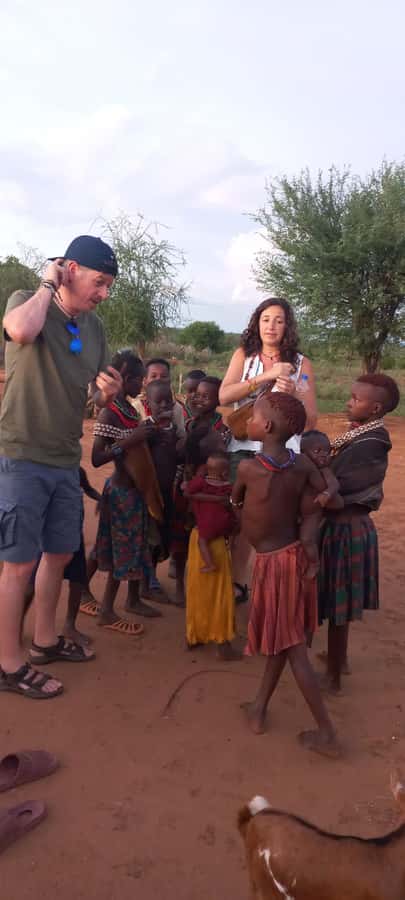
After breakfast, you drive toward Turmi, stopping at Keyafer if the market is operating. Market days are important to the route because they can bring several communities together in one place for trade and social activity.
The schedule does not promise a market every time. If the market is not taking place, you continue directly to Turmi. This is one of the tour’s built-in uncertainties, so you should treat the market as a welcome possibility rather than a guaranteed event.
Keyafer is useful for seeing the Omo Valley as a regional meeting point. A market visit can show clothing, goods, and trading habits from more than one community in a single stop. It also gives you a more ordinary view of local life, away from the formal structure of a village welcome.
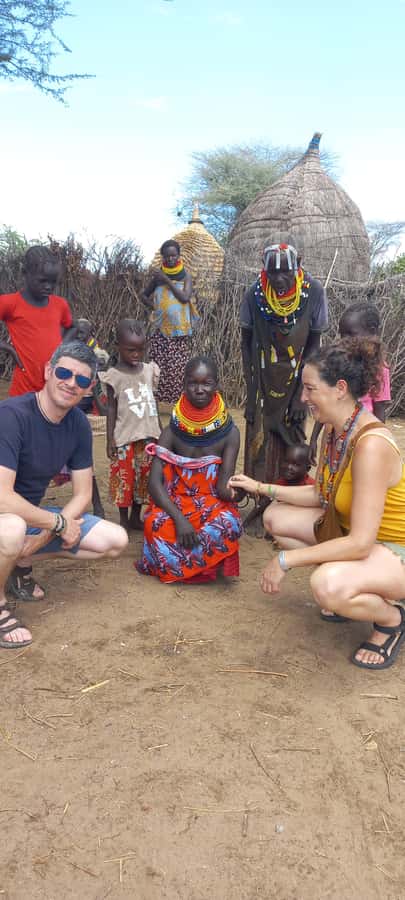
In Turmi, you check into a hotel before visiting the Nyangatom and Kara. The Nyangatom are described as peaceful and nomadic, and the Kara are also known for a nomadic way of life. These visits broaden the trip beyond the Mursi and Ari communities you met near Jinka.
The Kara are particularly associated with body painting. This is likely to be one of the most visually memorable parts of the tour, but it deserves respectful attention. Ask your guide about photography fees and permission before taking pictures. The tour price includes community fees, but commercial camera charges and photography fees are specifically excluded.
That distinction is important. A normal personal camera may involve one fee, while a commercial photography camera can involve another. If you are carrying professional equipment or plan to publish images, ask for the current charges before the visit.
A few more options to weigh up in Arba Minch and the Omo Valley
- 3 days around Arbaminch and Konso Adventure Tours Life Time
★ 5.0 · 24 reviews - Private 3 Days Adventure Tour Through Arba Minch
★ 5.0 · 16 reviews - 6 Days Omo valley Tribal Tour (Starts Arba Minch End Jinka)
★ 5.0 · 7 reviews - 3 days, Arba Minch and Dorze
★ 5.0 · 7 reviews
Hamer ceremonies at sunset

The Hamer visit is scheduled for the evening. The program may include a bull-jumping ritual and Evangadi cultural dances at sunset.
Bull jumping is a major Hamer ceremony, but local events do not always fit neatly into a fixed tourist timetable. The description says you will witness the ritual, yet you should still ask the guide how the day’s ceremony schedule is developing. The exact timing and access can depend on local arrangements.
Evangadi dancing gives the evening a social and musical element. The combination of ceremony, dance, and sunset can be a powerful experience, but you should not treat it as a staged show. Your role is to observe respectfully, follow local instructions, and avoid pushing into private moments for a better photograph.
You return to the Turmi hotel after the evening visit. Day two is likely the busiest part of the trip because it combines the road from Jinka, a possible market, two community visits, and the Hamer program. If you prefer slow travel, this is the point where the itinerary may feel compressed.
Day 3: Markets, timing, and the return to Jinka

The final day is built around your flight from Jinka to Addis Ababa. Jinka has only one flight per day, either in the morning or around 1 p.m., so your departure time matters greatly.
Depending on the flight, the guide may take you to Demeka or Keyafer market, or arrange another community stop along the route. This flexibility is helpful, but it also means you should not assume a particular market visit is guaranteed.
The drive back to Jinka needs to allow enough time for the road and airport check-in. Confirm the flight schedule before the tour begins and tell the operator your exact booking details. A late change in the flight time could alter the final morning.
The last day is less about adding a major new attraction and more about making good use of the return route. If your flight is later in the day, a market can provide one final look at local trade and clothing. If the flight is early, the priority will be reaching the airport safely and on time.
What the $800 price includes
At $800 per person, the tour is not a budget add-on to an Addis Ababa visit. It is a multi-day southern Ethiopia package that includes:
- Airport transfers in and out
- All land transport
- Two nights of accommodation
- Breakfast, lunch, and dinner
- Mineral water and fruit
- Local guide fees
- Community fees
The full-board arrangement is valuable here. You are traveling between Jinka and Turmi, and the route is not set up like a city break with many independent restaurant choices. Having meals organized saves time and reduces the need to solve every practical detail on the road.
The price also covers the guide and vehicle, which are central to the experience. The quality of the trip depends heavily on communication, cultural explanations, route choices, and handling local visits. A lower headline price may not include these costs.
You still need to pay for domestic flights, tips, photography fees, commercial camera fees, alcoholic drinks, and anything not listed in the inclusions. The flights could make a noticeable difference to your total budget, so compare the full trip cost rather than judging the $800 alone.
Comfort, clothing, and practical preparation
Bring your passport or another accepted ID, weather-appropriate outdoor clothes, biodegradable sunscreen, and personal medication. The advice to pack for outdoor conditions is important because much of the program takes place on roads, in villages, at markets, or in open-air settings.
Pack lightly but keep essentials close at hand during drives. Water and fruit are included, but you should still confirm how much personal water you want for each road day. Alcoholic drinks are not included, so budget separately if you want them.
The program lists English as the tour language and provides a live English-speaking guide. If you want detailed explanations of a specific custom, ask questions during the drive and before each visit. The long road sections provide useful time for context, particularly because the communities have different traditions and lifestyles.
The operator lists several weight restrictions in the activity information, including limits of 130 kilograms, 150 kilograms, and 136 kilograms, as well as a maximum age of 95. These figures are inconsistent, so contact the company before booking if they apply to you. Do not rely on the listing alone for an important health or access decision.
The main ethical question: how to visit respectfully
The tour’s appeal is its access to communities that many people know only through photographs. That access brings responsibility. Treat every village and ceremony as a living community, not as a human display arranged for cameras.
Use your guide as the first point of contact. Ask before photographing people, follow instructions around ceremonies, and pay required photography fees. Personal curiosity is welcome, but it should not override local permission.
Community fees are included in the tour, which simplifies payment. Photography fees and commercial camera fees are not included, so clarify the difference before you begin taking pictures. This is especially important if you use professional equipment or intend to sell or publish images.
The strongest parts of the route are the moments that show ordinary skills and community life: Ari blacksmithing, farming, distilling, market activity, and the Kara’s body painting tradition. Approach these with the same care you would give a religious site or family home.
Who should book this three-day route?
I would recommend this tour to you if you have limited time, want to see several Omo Valley communities, and prefer having transport, meals, lodging, and local arrangements handled together.
It suits an active visitor who can manage long drives and a full schedule. It is also useful for first-time visitors to southern Ethiopia who want a structured introduction rather than trying to arrange every road journey and community visit alone.
I would hesitate to recommend it if you want a slow, private, photography-centered trip with several hours in one village. The two-night schedule covers a great deal, but it leaves little room for delays or spontaneous changes.
It is also not the right choice if you want a fixed ceremony schedule. The Hamer bull jumping and Evangadi dancing are major draws, yet community events follow local timing. Markets also depend on the day of the week.
Should you book it?
Book this trip if variety matters more to you than a leisurely pace. For $800, you receive a substantial package of road transport, lodging, full-board meals, guides, and community fees, while the route reaches five named communities and several possible markets.
Before paying, confirm the domestic flight schedule, total airfare cost, photography charges, vehicle arrangements, and the exact ceremony plans for your dates. If those details fit your expectations, this is a practical way to see a remarkable part of southern Ethiopia in only three days.
FAQ
How long is the Omo Valley tour from Jinka?
The tour lasts three days and includes two nights of accommodation.
What is the tour price per person?
The price is $800 per person.
Are domestic flights included?
No. Flights between Addis Ababa and Jinka are not included in the tour price.
Which communities are included in the route?
The program includes visits connected with the Mursi, Ari, Nyangatom, Kara, and Hamer communities.
Are meals and accommodation included?
Yes. Accommodation, breakfast, lunch, dinner, mineral water, and fruit are included.
Is the tour conducted in English?
Yes. The tour includes a live English-speaking guide.
What is included in the cancellation policy?
You can cancel up to 24 hours in advance for a full refund. A reserve-now, pay-later option is also available.
Just added in Arba Minch and the Omo Valley
- 6 days private Sight Seeing Tours.★ 5.0 · 4 reviews
- 5 Days Omo Valley Tour: Experience Ethiopia’s Tribal Traditions★ 5.0 · 2 reviews
- 3 Days, Arba Minch, Dorze village and Konso Village★ 5.0 · 5 reviews
- 4 day amazing tour with the tribes★ 5.0 · 1 review
- 5 Days adventure tour in omo valley with the tribes.★ 4.5 · 2 reviews
- 6 Days Omo valley Tribal Tour (Starts Arba Minch End Jinka)★ 5.0 · 7 reviews
- 5 Day tour from arbaminch to omo valley★ 5.0 · 2 reviews
- 3 days, Arba Minch and Dorze★ 5.0 · 7 reviews
Omo Valley Tribal Tours, compared.
6 Days Omo Valley Tribes Tours From Addis Ababa
Read our review →
Lalibela, Axum, Danakil and Omo Valley 8 DAYS
Read our review →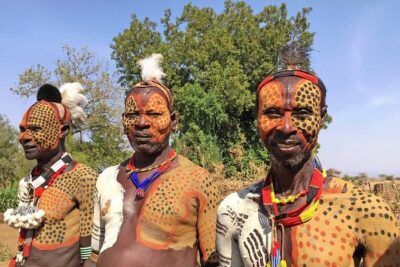
9 Days Tours To Danakil Depression, Simen MNP, Lalibela With Omo Valley Tribes
Read our review →
5 Day Private tour to the Omo Valley Tribes and Adventure Tour
Read our review →Browse the lists this tour appears in