
Reviewed · HIKING & TREKKING
Trekking in Ethiopia’s Lalibela Wollo Highland 4 Days / 3 Nights
Walk beyond Lalibela’s famous churches. This four-day trek takes you into the Wollo highlands, where community guesthouses replace standard hotels and village life becomes part of the experience. I like the direct contact with local communities, and I like that the route includes wildlife, birds, high plateaus, and small rural settlements rather than only famous sights.
The trip also benefits from a personal guide, Maereg, whose warm approach has been praised repeatedly. The main consideration is the physical effort: you hike for about three hours twice on several days, and the accommodation and meals are simple. You should also note that bottled water and alcoholic drinks are not included, and the published details for the final day are incomplete.
In This Review
- Five things to know before you book
- Why leave Lalibela’s churches for the highlands?
- Day 1: From Lalibela to Mekuat Maryam
- Day 2: Birds, Geladas, and the acacias of Wajela
- Day 3: The long route toward Aterow
- Day 4: Completing the four-day circuit
- Staying in community guesthouses
- Maereg’s role in the experience
- What the $500 price includes
- Who will enjoy this trek most?
- Practical planning for the start and finish
- Should you book the Lalibela Wollo Highland trek?
- FAQ
- How long is the Lalibela Wollo Highland trek?
- What time and where does the tour start?
- Where does the tour end?
- Are meals included?
- Is bottled water included?
- Can I cancel for a full refund?
Five things to know before you book
- Mekuat Maryam reaches 2,820 meters, with the church site set on a promontory above the plateau.
- Gelada baboons and highland birds are part of the route near Meskel.
- Community guesthouses give you a closer look at daily life in rural Wollo.
- Private transportation and meals are included, which makes the $500 price easier to assess.
- The pace is active, with several three-hour hiking sections and simple overnight stays.
- The tour begins at 10:00 a.m. in Lalibela and ends back at the meeting point after four days.
Why leave Lalibela’s churches for the highlands?
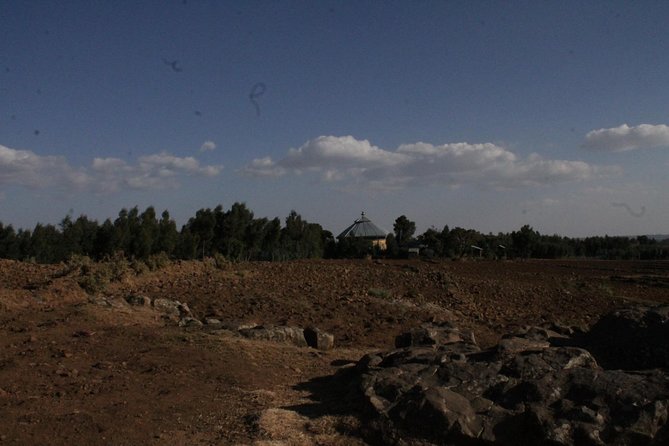
Lalibela is best known for its remarkable rock-hewn churches. Those churches deserve your time, but the surrounding highlands offer a different view of the area. Here, you spend your days walking between rural communities, plateaus, wooded areas, and elevated viewpoints.
I like this contrast. Instead of moving from one major monument to another, you have time to notice how people live outside the town. The tour is built around contact with communities, so the experience is less about checking off sights and more about seeing the countryside at walking speed.
That pace matters. Driving through the region gives you a quick sense of the mountains and villages. Walking lets you stop for views, watch birds, and understand how far apart communities are. You also get a better feel for the effort involved in daily life in this highland setting.
The trip is private, so only your group participates. That gives you more room to ask questions, set a comfortable walking rhythm, and spend time with Maereg. The private format is especially useful if your group has mixed interests, though the route still requires a reasonable level of fitness.
More hikes in Lalibela:
- 3-days Scheduled Lalibela Churches & Abune Yosef Trekking
★ 5.0 · 7 reviews - Day Hike Around Lalibela
★ 5.0 · 5 reviews - Lasta Mountains: Highland Eco Trekking Tour in Lalibela
★ 5.0 · 4 reviews
Day 1: From Lalibela to Mekuat Maryam
Your first morning begins with breakfast in Lalibela, followed by a two-hour drive to Flakit. The driving section helps you reach the start of the walking route without spending the entire first day on foot.
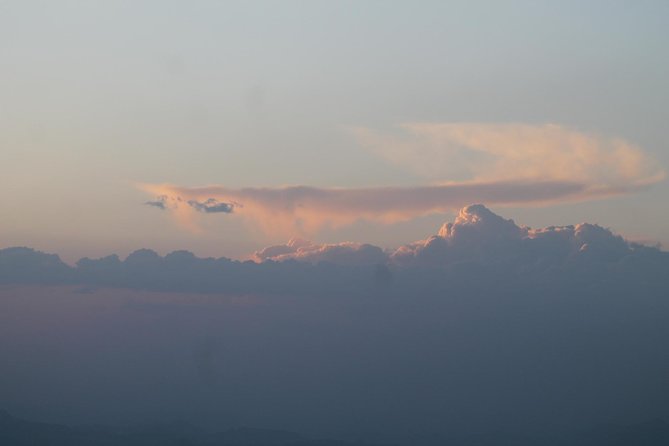
Lunch is served at Warkahye. After eating, you hike for about three hours to Mekuat Maryam, the first overnight site. The route leads to a church site positioned at 2,820 meters above sea level on a promontory of the plateau.
That elevation gives the first day a strong sense of arrival. You are not simply walking to a village guesthouse. You are reaching a high point with broad views and a memorable setting. The combination of the church site and the exposed plateau makes Mekuat Maryam one of the most distinctive stops on the trip.
Your overnight stay is at a community guesthouse. Expect a simple base rather than a polished lodge. That is part of the point, but you should be comfortable with basic facilities and a more local style of hospitality.
Dinner is included at the guesthouse. Snacks are also included during the trip, which is useful on a route with several long walking sections. Bottled water is not included, so you need to plan for your drinking water before setting out.
Day 2: Birds, Geladas, and the acacias of Wajela
After breakfast at the Mekuat community guesthouse, you hike for about three hours to Meskel. This section continues the highland walking and gives you time to see the countryside beyond the first church site.
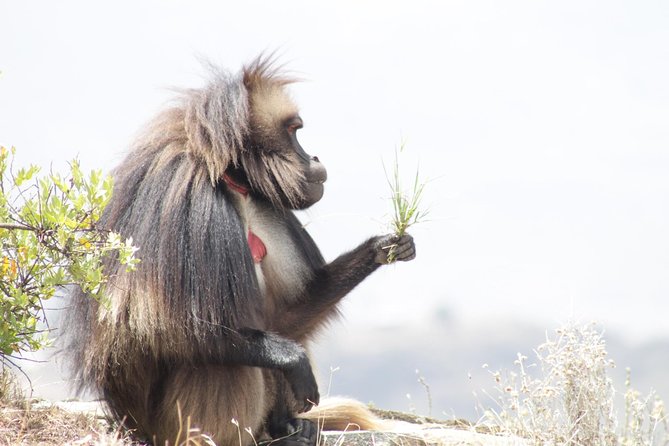
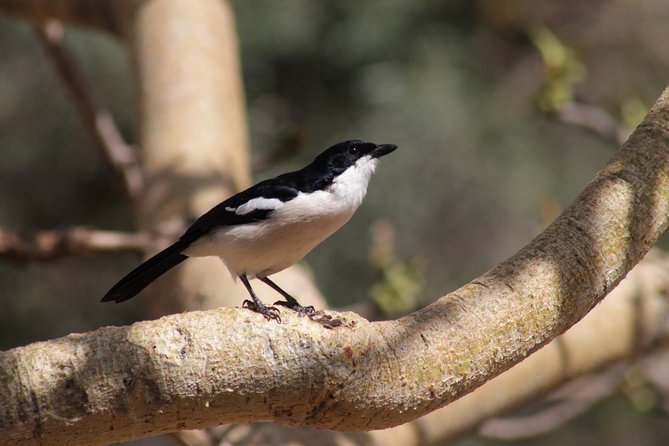
Meskel is the wildlife highlight of the route. You may see several types of birds, along with the gelada baboon, one of Ethiopia’s endemic mammals. Geladas are closely associated with Ethiopia’s high plateaus, so this is more than a casual wildlife sighting. It connects the natural side of the trip with the cultural and village experience.
The schedule calls for lunch at Meskel, followed by another two-and-a-half-hour trek to Wajela. That makes Day 2 a full walking day, though the second section is slightly shorter than the morning hike.
Wajela is noted for its beautiful acacia woodland. The trees give this overnight stop a different character from the exposed plateau around Mekuat Maryam. I like the way the route changes scenery from high open ground to wooded areas, even though the description does not promise a particular trail surface or a guaranteed animal sighting.
Dinner is served at the Wajela community guesthouse. As on the first night, the value is in staying within the community rather than in hotel-style comfort. The setting gives you a chance to see how rural tourism can bring visitors into villages without separating them from local life.
Day 3: The long route toward Aterow
Day 3 begins with breakfast at Wajela. You then hike for about three hours to Gala Dejen, where lunch is served.
After lunch, the route continues for another three hours to Aterow. That is roughly six hours of hiking for the day, not counting meal breaks or short pauses. You should treat this as one of the more demanding days and bring suitable footwear, sun protection, and enough personal water.
The available trip details do not explain exactly what you will see at Gala Dejen or Aterow. That is worth clarifying before booking if you want a precise description of the final route. The stops are part of the four-day plan, but the public information gives more detail about Mekuat Maryam, Meskel, and Wajela than it does about Day 3.
That missing detail does not necessarily reduce the value of the day. On a walking tour like this, much of the pleasure comes from the route between named stops. Still, clear information matters, especially when you are planning your fitness, packing, and expectations.
A few more options to weigh up in Lalibela
- Visiting Lalibela churches
★ 5.0 · 40 reviews - Visit the rock hewn churches
★ 5.0 · 39 reviews - Tour 11 monolithic rock churches & museum in Lalibela & cave church with mummies
★ 5.0 · 37 reviews - Lalibela, Axum, Danakil and Omo Valley 8 DAYS
★ 5.0 · 29 reviews
Day 4: Completing the four-day circuit
The supplied schedule confirms a four-day, three-night experience, but the details for Day 4 are cut off. The trip ends back at the meeting point in Lalibela, and the activity begins at 10:00 a.m. at Lalibela Airport in Girany Amba.
Before you pay, ask the operator for the exact Day 4 walking time, return transport details, breakfast and lunch arrangements, and the expected arrival time back in Lalibela. These are sensible questions because the first three days include clear walking and meal information, while the final section is not fully described.
This is also the right moment to confirm whether the return is by vehicle, on foot, or a combination of both. Private transportation is included in the package, but the available information does not specify how it is used on the last day.
Staying in community guesthouses
The community guesthouses are central to the character of this trip. You are not simply sleeping near rural villages. You are staying in them, eating there, and passing several days in places where local life remains visible.
The accommodation is described by the food and lodging feedback as simple. That can mean fewer comforts than you would find in Lalibela hotels, so I would not book this expecting a luxury trekking camp. The reward is a more direct connection with the communities and a clearer sense of the area beyond the main tourist center.
Meals included in the price are breakfast, lunch, and dinner. Snacks are included as well. The food has been described as simple, which is normal for a community-based walking trip and not a reason to expect restaurant variety at every stop.
You should bring or arrange drinking water. Bottled water is specifically excluded, and there is no promise that every overnight stop will offer the kind of convenient water access you may be used to. Alcoholic drinks are also not included.
Maereg’s role in the experience
A guide can make or break a rural trek. Here, Maereg is a major part of the appeal. His approach has been praised for explaining the culture and history of the area, answering questions, and helping visitors understand the communities they pass through.
That matters because the setting is not self-explanatory. A village, church site, or highland trail can look beautiful without telling you much about its meaning. A good guide helps you connect what you see with local customs, past events, and daily life.
Maereg has also been described as kind and especially good at showing the highlights of Wollo and Lalibela. That combination of friendliness and local context is useful for first-time visitors to Ethiopia, particularly if you arrive with many questions about the country.
You should still tell him about your hiking experience and preferred pace before the walk begins. The route includes repeated three-hour sections, and Day 3 may total around six hours on foot. A private group makes this conversation easier, but it does not remove the physical demands.
What the $500 price includes
At $500 per person, the package includes three nights, meals, snacks, and private transportation. You are also paying for a private guide and access to a route designed around community contact rather than a standard sightseeing transfer.
That can be good value if you want a complete rural experience and would otherwise need to arrange transportation, meals, lodging, and guiding separately. The private format adds value for couples, families, or small groups that prefer not to share the schedule with strangers.
The price is less attractive if you want only a short scenic walk or high-comfort accommodation. You are paying for four days of support and local access, not for upscale rooms or a tightly polished hotel service.
Remember to budget separately for bottled water and any alcoholic drinks. Since the route is active, you may also want a small personal supply of snacks beyond those provided, though the package does include snacks.
Who will enjoy this trek most?
I would recommend this tour to you if you want more than Lalibela’s main churches. It suits people who are curious about village life, enjoy long walks, and prefer a personal guide to a large organized group.
It is also a good match for visitors who want wildlife and nature included in a cultural trip. The gelada baboons and birds near Meskel add variety, while Mekuat Maryam and the acacia woodland at Wajela give the route distinct settings.
You should think twice if you need luxury accommodation, dislike basic guesthouses, or prefer a short and easy daily schedule. The repeated hiking sections require stamina, and the high elevation around Mekuat Maryam may make the route feel more demanding.
The tour is described as suitable for most participants, and service animals are allowed. Even so, the distance and elevation mean you should judge your own ability carefully rather than rely only on the general participation guidance.
Practical planning for the start and finish
The meeting point is Lalibela Airport in Girany Amba, with a listed start time of 10:00 a.m. The activity ends back at the meeting point. Since the first day includes breakfast in Lalibela, a two-hour drive, lunch at Warkahye, and a three-hour hike, you should arrive ready for a full day.
Wear sturdy walking shoes and carry water, sun protection, and a small personal bag. The exact gear list is not provided, so ask Maereg or Extraordinary Ethiopia Tours what is needed for the overnight stays and weather conditions.
Good weather is required. If poor weather forces a cancellation, you are offered another date or a full refund. You can cancel without penalty up to 24 hours before the start time, but cancellations within 24 hours are not refunded.
Should you book the Lalibela Wollo Highland trek?
Book it if you want to see the countryside around Lalibela through community stays, long walks, wildlife, and local guidance. The strongest reasons are the access to rural life, the high setting of Mekuat Maryam, the chance to see geladas near Meskel, and Maereg’s role in explaining the area.
I would ask for the full Day 4 plan before confirming. I would also make sure you are happy with simple guesthouses, bring a plan for drinking water, and understand that the trip is an active four-day trek rather than a gentle sightseeing tour.
For the right person, $500 is a fair price for private transportation, three nights, full meals, snacks, guiding, and a route that reaches beyond Lalibela’s usual highlights. If you want comfort above all else, choose a shorter day trip. If you want time, contact, and highland scenery, this is the more rewarding choice.
FAQ
How long is the Lalibela Wollo Highland trek?
The experience lasts four days and includes three nights of accommodation in community guesthouses.
What time and where does the tour start?
It starts at 10:00 a.m. at Lalibela Airport in Girany Amba, Ethiopia.
Where does the tour end?
The activity ends back at the meeting point in Lalibela.
Are meals included?
Yes. Breakfast, lunch, dinner, and snacks are included in the tour price.
Is bottled water included?
No. Bottled water is not included. Alcoholic beverages are also excluded.
Can I cancel for a full refund?
Yes. You can receive a full refund if you cancel at least 24 hours before the scheduled start time. Cancellations within 24 hours are not refunded.
Just added in Lalibela
- Lalibela Backpacker tours★ 5.0 · 6 reviews
- The Rock-Hewn Churches of Lalibela: 3 Days / 2 Nights★ 5.0 · 6 reviews
- Lasta Mountains: Highland Eco Trekking Tour in Lalibela★ 5.0 · 4 reviews
- Lalibela Churches Day Tour★ 5.0 · 7 reviews
- Day Tour of the Rock Hewn Churches of Lalibela★ 5.0 · 2 reviews
- Lalibela churches Guided Tour★ 5.0 · 6 reviews
- Full Day Tour To The 11 Rock Hewn Churches Of Lalibela★ 5.0 · 5 reviews
- Lalibela 2-Day Eco Trekking Tour★ 5.0 · 3 reviews
Hiking & Trekking, compared.

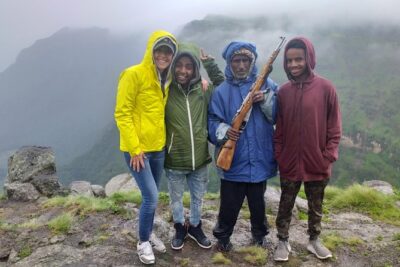
4 days semien mountain national park trekking,
Read our review →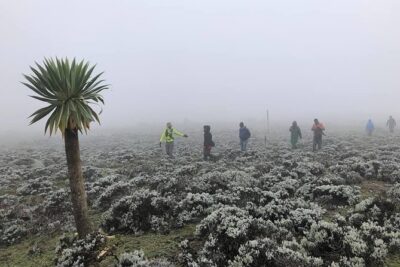
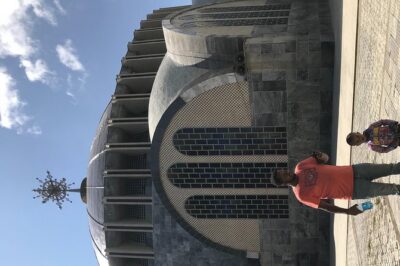
5-Day Northern Ethiopia Tour : 3D Simien Mountains Trek & Axum.
Read our review →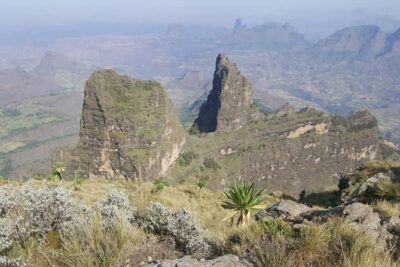

4 Days Trekking to Simien Mountain National Park
Read our review →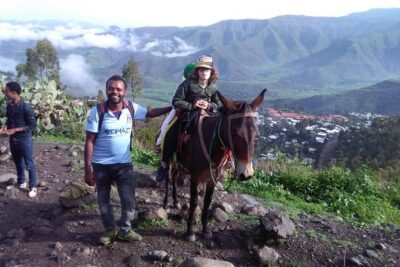
3-days Scheduled Lalibela Churches & Abune Yosef Trekking
Read our review →
Browse the lists this tour appears in