
Reviewed · HIKING & TREKKING
6 Days Bale Mountains Trekking
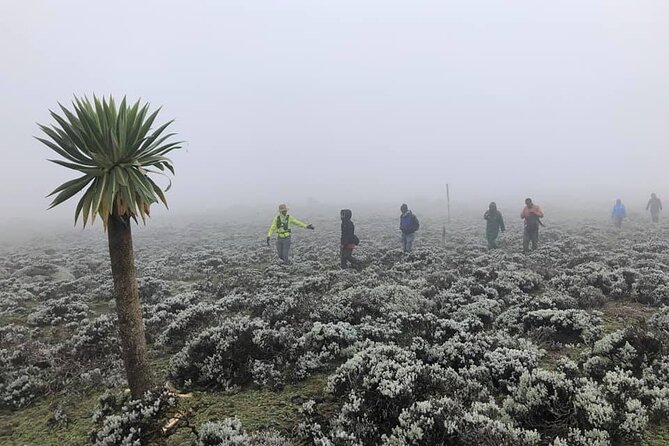
Wild Ethiopia begins above the tree line. This six-day Bale Mountains trek combines high-altitude hiking with wildlife watching, volcanic ridges, glacial lakes, and a final walk through Harenna Forest. I like the variety of the route, from juniper woodland near Dinsho to open mountain country and bamboo trails. I also like the small group size, capped at 10 people, and the strong local support provided by guides such as Awel, Awol, and Armaye.
The main caution is altitude and effort. You will spend nights between 3,100 and 3,900 meters, with several days of roughly seven to nine hours on foot. The domestic flight is not included in the $488 price, and Day 4 has fewer practical details than the other days, so I would ask for a clear camping and transport plan before departure.
In This Review
- Key things to know before hiking Bale Mountains
- Why Bale Mountains is worth six days
- Day 1: Dinsho, juniper woodland, and first wildlife
- Day 2: An 18-kilometer walk to Sodota
- Day 3: Mararo Valley and the Wasema camp
- Day 4: Volcanic ridges and ice-age scenery
- Day 5: From the high country to Harenna Forest
- Day 6: Airport transfer and return to Addis Ababa
- What the $488 price really covers
- How demanding is this trek?
- What is included at camp
- Wildlife: what you may see and what you should expect
- Guide support and the feel of the operation
- Who should book this Bale Mountains trip?
- Should you book the six-day Bale Mountains trek?
- FAQ
- How long is the Bale Mountains trekking experience?
- Where does the trek begin?
- What is the maximum group size?
- How difficult is the trek?
- How high do the camps reach?
- Is the domestic flight included?
- What meals are included?
- What wildlife might I see?
- Can I cancel for a full refund?
Key things to know before hiking Bale Mountains
- Wildlife begins near Dinsho: Look for Mountain Nyala, Menilik’s bushbuck, warthogs, reedbuck, baboons, and rare Ethiopian birds.
- The route reaches 3,900 meters: Sodota and Wasema camps demand steady walking and sensible pacing.
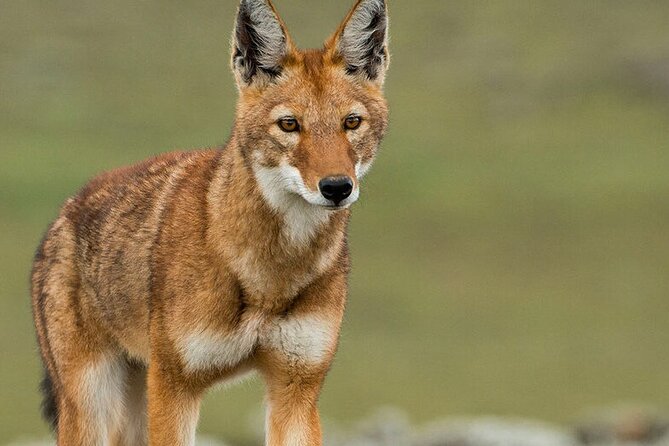
- Ethiopian wolf sightings are possible: The species appears around several sections of the trek, though no wildlife encounter is guaranteed.
- The scenery changes sharply: You move from juniper woodland and river valleys to volcanic ridges, moorland, forest, waterfalls, and bamboo.
- Harenna Forest softens the final day: A vehicle transfer leads to a forest walk, waterfall, bamboo trail, and a chance to see Bale monkeys.
- The price covers most ground costs: Meals, accommodation, bottled water, transport, park fees, and taxes are included, but not the domestic flight or tips.
Why Bale Mountains is worth six days
Bale Mountains National Park gives you a side of Ethiopia that feels far removed from the major historic sights. The route is built around walking, wildlife, and altitude rather than monuments or city comforts. You trade easy sightseeing for open country, cold camps, long days, and a good chance to see animals found nowhere else.
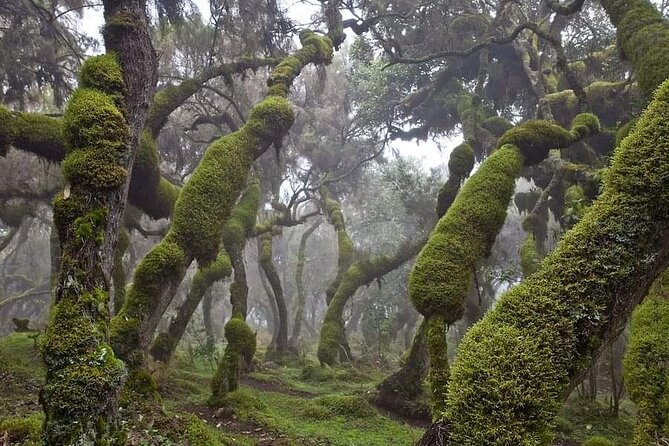
The park is especially appealing because the setting keeps changing. You may start among juniper trees, cross river country, pass through the Mararo Valley, walk beside volcanic formations, and finish among tropical forest and bamboo. That range makes the six-day format worthwhile. A shorter visit could show you one section, but this trip gives you a real sense of the park’s different zones.
I also like the mix of natural science and ordinary travel pleasures. You can learn how an ancient volcanic eruption and later ice-age activity shaped the mountains, then stop for coffee or tea at camp. It is a simple trip, but not a thin one.
More hikes in Ethiopia:
- 3 Days Bale Mountains Trekking
★ 5.0 · 19 reviews - 4 days semien mountain national park trekking,
★ 5.0 · 11 reviews - 5-Day Northern Ethiopia Tour : 3D Simien Mountains Trek & Axum.
★ 5.0 · 9 reviews
Day 1: Dinsho, juniper woodland, and first wildlife
Your arrival at Goba Airport is followed by pickup from the tour team and a drive to Dinsho, where the park headquarters are located. This first section is not just a transfer day. The headquarters area offers an early chance to see some of Bale’s best-known mammals.
The route passes through juniper woodland, where you might spot Mountain Nyala, Menilik’s bushbuck, warthog, reedbuck, gray duiker, and baboons. Birdwatchers should watch for the Black-headed siskin, Wattled ibis, and Abyssinian catbird.
This is a smart opening to the trek. You are not thrown straight into a long wilderness stage. Instead, you get time to meet the guide, begin adjusting to the altitude, and learn how carefully to scan the trees and open ground for wildlife.
The day lasts about seven hours, including the park visit and hiking. You sleep at Dinsho Campsite at about 3,100 meters. That altitude matters. Even if the walking feels manageable, the thin air can affect sleep, appetite, and energy. Keep your first evening quiet and drink the bottled water provided.
Day 2: An 18-kilometer walk to Sodota
After breakfast, the route turns into a longer mountain trek. The day covers about 18 kilometers to Sodota Camp, with a total walking time of roughly seven hours.
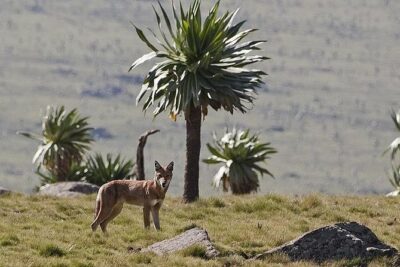
The Wolla and Web rivers provide the main scenery near Dinsho. These river sections add texture to the walk, but the real appeal is the chance to see the Ethiopian wolf, rock hyrax, and birds of prey. The Ethiopian wolf is one of the park’s major draws, yet it is still a wild animal. Treat any sighting as a bonus rather than a promise.
Sodota sits at about 3,500 meters. That is a meaningful rise from Dinsho, so Day 2 can feel harder than the distance suggests. I would keep a slow, even pace and resist trying to race ahead early in the morning.
Camping at this altitude also changes the mood of the trip. You are not returning to a hotel each night, and facilities are set in natural surroundings. That is part of the attraction, but it means you should value warmth, dry clothing, and a headlamp more than extra luggage or fancy equipment.
Day 3: Mararo Valley and the Wasema camp
Day 3 takes you through the Mararo Valley toward Wasema Camp. The walking time is again about seven hours, and the campsite reaches approximately 3,900 meters.
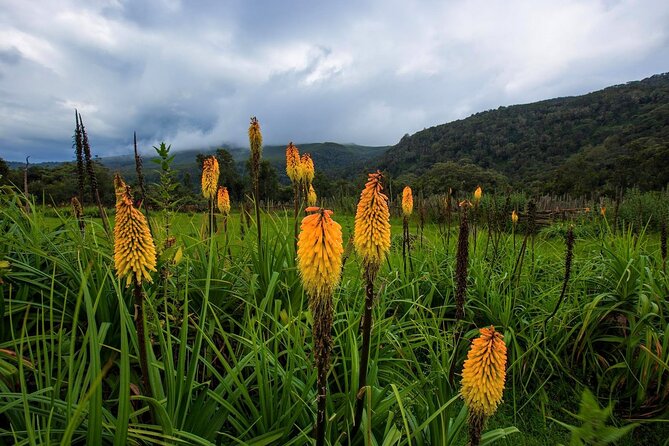
The valley is known for dramatic natural features and nesting eagles. The route also offers another chance to see the Ethiopian wolf and a range of distinctive bird species. The word chance is important here. This is wildlife country, not a zoo, so sightings depend on timing, weather, and luck.
Wasema is the highest overnight camp named in the trip plan. For many people, this will be the toughest night. You may feel the altitude while walking, and sleep can be less comfortable at 3,900 meters. A moderate level of fitness is required, but fitness alone does not cancel the effects of altitude.
Tell your guide early if you feel unwell. The local team is there to help, and previous trips have placed a high value on attentive support. Awel has been singled out for kindness and careful organization, while Awol has guided longer Bale trips. The operator also uses local guides, drivers, cooks, and horsemen on its larger programs.
A completely different kind of day:
- Full Day Tour of Addis Ababa with Hotel Pickup and Drop-off
★ 5.0 · 430 reviews - Taste of Ethiopia
★ 5.0 · 406 reviews - Day Trip From Addis Ababa See Historical Monastery,Stunning Nature,Animals,Birds
★ 5.0 · 303 reviews - Addis Ababa: Debre Libanos, Blue Nile Gorge, and Cave Tour
★ 4.5 · 256 reviews
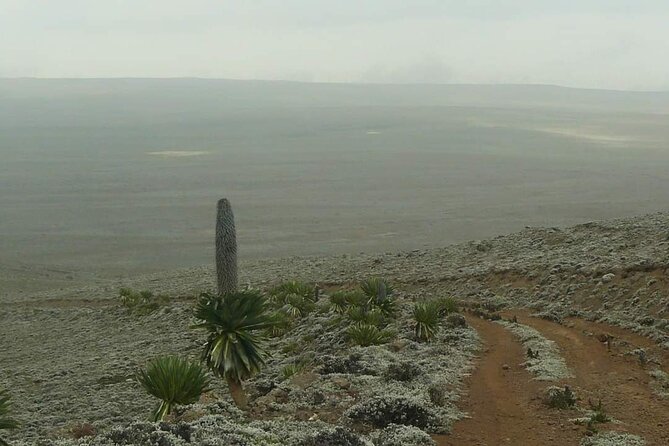
Day 4: Volcanic ridges and ice-age scenery
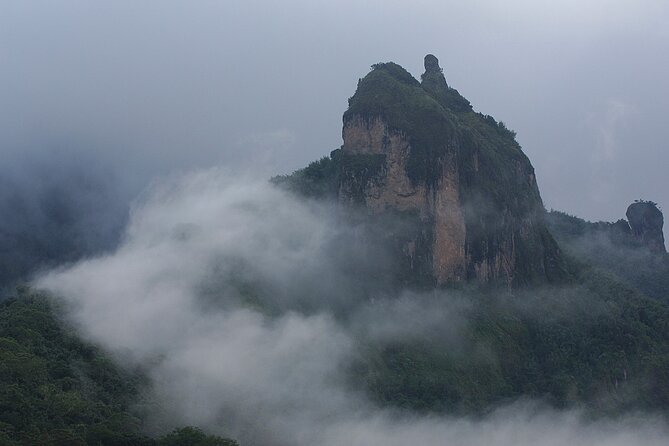
The fourth day is the least specific in the published plan, but it is likely to be one of the most visually rewarding. You continue through mountain country shaped by a prehistoric super-volcano and later ice-age activity.
That geological story gives the walk a useful sense of place. The ridges, rock formations, high valleys, and open ground are not random scenery. They are the remains of powerful forces that shaped Ethiopia’s highlands over very long periods.
The day is listed as about eight hours. Because no exact campsite or walking distance is provided for this stage, I would ask the company where you sleep, how far you walk, and how the camp is supplied. This is not a reason to reject the trip. It is simply the one point where a careful booking question will make the experience easier.
At this stage, the trip is more about the feel of the high country than checking off a single attraction. You will have time to notice the changing rock, broad views, and open mountain weather. Good waterproof layers and warm clothing are more useful than trying to pack for every possible situation.
Day 5: From the high country to Harenna Forest
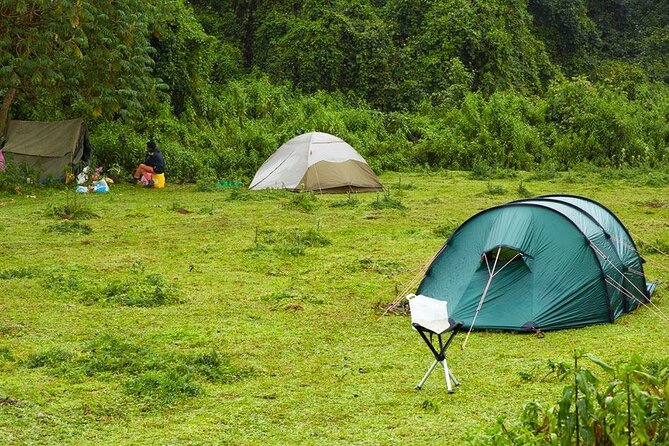
Day 5 brings a welcome change. After breakfast, you meet the vehicle at camp and drive toward Harenna Forest, described as the second tropical rainforest in Ethiopia.
The drive offers more wildlife possibilities. You might see Ethiopian wolves, Abyssinian hares, Blue-winged geese, ruddy shelducks, wattled cranes, and other water birds. Again, the value is not only in ticking off species. You are moving between very different habitats in one trip, which gives the park its special character.
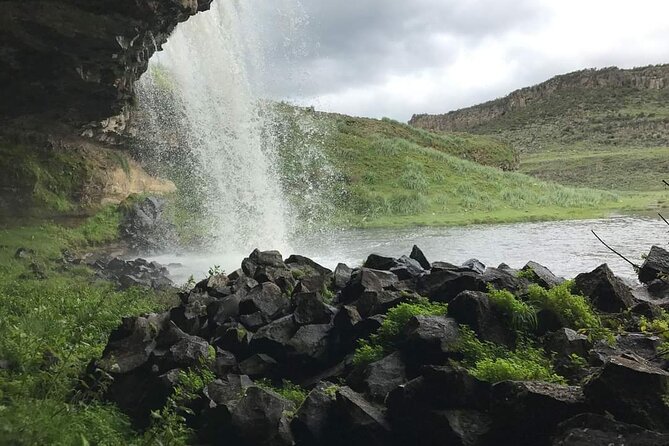
The forest walk includes a waterfall and a bamboo trail. You may also see the endemic Bale monkey and numerous bird species. After several days of exposed mountain walking, the forest should feel cooler, denser, and more sheltered.
This is a long day, listed at about nine hours, because it combines the vehicle transfer with hiking. Do not think of it as an easy recovery day. It is easier on the lungs than the highest camps may be, but it still asks for time and energy.
You spend the night at Tokuma or a similar accommodation. That wording means the exact place can vary, so ask what level of lodging is planned. The shift from remote camps to a forest-area stay may be one of the trip’s more comfortable transitions.
Day 6: Airport transfer and return to Addis Ababa
The final morning is short. After breakfast, you are transferred to the airport for your flight back to Addis Ababa. The stated duration is about two hours.
This is a useful, tidy ending. You do not spend a final day on another long trail or a tiring road transfer. Still, your flight schedule matters. The domestic flight fee is not included, and the tour description does not give a flight time. Confirm the departure details before you book connecting international travel.
What the $488 price really covers
At $488 per person, the trip offers good value if you want a guided, organized trek rather than arranging every park service yourself. The price includes accommodation, five breakfasts, five lunches, five dinners, bottled water, coffee or tea, an air-conditioned vehicle, park fees, and all taxes.
That list covers the costly basics of a six-day wilderness trip. Meals are especially useful because you will be moving between remote camps and forest areas, where finding food independently would be difficult. The vehicle is also important on Day 1, Day 5, and Day 6.
You still need to budget for the domestic flight, tips, alcoholic drinks, souvenirs, and other personal expenses. Since the flight is excluded, the final cost will be higher than the headline price. Ask for the current flight cost and a precise list of camp services before you make your final budget.
The small group limit helps protect the value. With no more than 10 people, communication with the guide should be easier than on a large coach-style excursion. It also suits a route where walking pace, altitude, and wildlife stops matter.
How demanding is this trek?
This is not a casual nature walk. The trip asks for a moderate level of fitness, with walking days of seven to nine hours and one stated distance of 18 kilometers. The high camps are the bigger challenge than the raw mileage.
You should be comfortable walking for much of a day on natural trails and coping with cold, exposed conditions. The information does not give a technical grade, so do not assume every section is easy or heavily engineered. Ask about trail conditions if you have concerns about knees, balance, or previous altitude problems.
The most useful approach is steady rather than heroic. Walk slowly, eat even when your appetite is reduced, drink water, and tell the guide about symptoms early. You do not gain anything by trying to prove yourself on the first two days.
What is included at camp
The trip includes accommodation and all five breakfasts, lunches, and dinners. Coffee and tea are also included, which is a small but welcome comfort in a cold mountain setting.
The information describes campsite facilities as being placed in natural surroundings. Expect the experience to be practical rather than luxurious. The appeal is the setting and access to the park, not hotel-style service.
Pack for changing conditions. Warm layers, waterproof clothing, sturdy walking shoes, sun protection, and a reliable light are sensible choices for a high-altitude camping trip. These items are practical suggestions based on the altitude, long walking days, and outdoor setting, not claims about a specific equipment list.
Wildlife: what you may see and what you should expect
Bale Mountains is a strong choice for wildlife lovers, especially people interested in species that are hard to find elsewhere. The route may produce sightings of Mountain Nyala, Menilik’s bushbuck, Ethiopian wolf, Abyssinian hare, Bale monkey, rock hyrax, warthog, reedbuck, gray duiker, baboon, and several birds of prey.
The bird list is equally appealing. Black-headed siskin, wattled ibis, Abyssinian catbird, Blue-winged goose, ruddy shelduck, wattled crane, and nesting eagles are all noted along the route.
The key is patience. You will not necessarily see every animal named, and a good day may involve careful scanning rather than constant action. I like that the trip combines wildlife watching with genuine hiking, so even a quiet animal day still gives you rivers, valleys, volcanic formations, and forest trails.
Guide support and the feel of the operation
The strongest theme from the supplied feedback is organization and personal care. Armaye Tours has been praised for quick communication, flexible planning, and help with internal flights. One solo older woman specifically felt comfortable throughout her trek, which is useful reassurance for people who are cautious about joining a remote walking trip alone.
The names Awel, Awol, and Armaye appear in connection with guiding and trip organization. Awel is praised for going out of his way to meet needs, while Armaye is described as both guide and friend during a six-day wildlife trip. That kind of local contact can make a real difference when weather, flights, or personal pace require changes.
Safety claims should always be kept in proportion. No wilderness trip is risk-free, and wildlife sightings cannot be controlled. Still, the small group, local staff, and repeated praise for communication are meaningful advantages.
Who should book this Bale Mountains trip?
I would recommend it to you if you want a serious nature trip with varied scenery, rare wildlife, and a clear six-day structure. It is particularly well suited to hikers who prefer local guiding and small groups over a large packaged excursion.
It is also a good match for birdwatchers and mammal enthusiasts. The list of possible species is unusually strong, and the route passes through several habitats rather than staying in one valley.
I would hesitate if you want soft beds, short walks, or a tightly specified daily schedule. The altitude is real, Day 4 needs clarification, and the domestic flight costs extra. You should also be ready for outdoor facilities and weather changes.
The cancellation terms are reasonably forgiving: you can receive a full refund by canceling at least 24 hours before the start time. A weather cancellation or failure to meet the minimum number of people can lead to another date, another experience, or a full refund.
Should you book the six-day Bale Mountains trek?
Book it if you want Ethiopia at walking speed. The best reasons are the habitat changes, the possibility of seeing Ethiopian wolves and Mountain Nyala, the high volcanic country, and the forest finish. The $488 price is attractive because it includes meals, accommodation, vehicle use, water, taxes, and park fees.
Before paying, ask three direct questions: What is the Day 4 campsite plan? What will the domestic flight cost? What equipment and sleeping arrangements are provided at camp?
If the answers suit your comfort level, this is a strong value for an adventurous hiker. You will work for the views, but that is exactly why the Bale Mountains can become the most memorable part of an Ethiopia trip.
FAQ
How long is the Bale Mountains trekking experience?
The experience lasts approximately six days.
Where does the trek begin?
You are picked up on arrival at Goba Airport and then driven to Dinsho, where the park headquarters are located.
What is the maximum group size?
The group is limited to a maximum of 10 people.
How difficult is the trek?
A moderate level of physical fitness is required. Walking days are generally about seven to nine hours, and Day 2 includes an 18-kilometer hike.
How high do the camps reach?
Dinsho Campsite is at about 3,100 meters, Sodota Camp is about 3,500 meters, and Wasema Campsite is about 3,900 meters above sea level.
Is the domestic flight included?
No. The domestic flight fee is not included in the tour price.
What meals are included?
The package includes five breakfasts, five lunches, and five dinners. Coffee and tea are also included.
What wildlife might I see?
Possible sightings include Ethiopian wolf, Mountain Nyala, Menilik’s bushbuck, warthog, reedbuck, gray duiker, baboon, rock hyrax, Abyssinian hare, Bale monkey, and many bird species.
Can I cancel for a full refund?
Yes. You can cancel at least 24 hours before the experience start time for a full refund. Changes or cancellations made less than 24 hours before the start time are not accepted for a refund.
Just added in Ethiopia
- Yod Abyssinia Cultural Night: Dinner, Music, and Dance★ 5.0 · 7 reviews
- Day trip to Tigray Churches★ 5.0 · 2 reviews
- Tigray Mountain Church’s Day Trip from Mekele★ 5.0 · 2 reviews
- Mekele City Tour★ 5.0 · 2 reviews
- 3 Day Tour of Geralta Churches Tigray Church’s★ 5.0 · 2 reviews
- 3 days tour Danakil Depression (Dallol & Erta Ale)★ 4.0 · 5 reviews
- 2 Days Dallol Trip★ 5.0 · 4 reviews
- Lalibela Backpacker tours★ 5.0 · 6 reviews
Hiking & Trekking, compared.
4 days semien mountain national park trekking,
Read our review →
5-Day Northern Ethiopia Tour : 3D Simien Mountains Trek & Axum.
Read our review →
4 Days Trekking to Simien Mountain National Park
Read our review →
3-days Scheduled Lalibela Churches & Abune Yosef Trekking
Read our review →
Browse the lists this tour appears in