
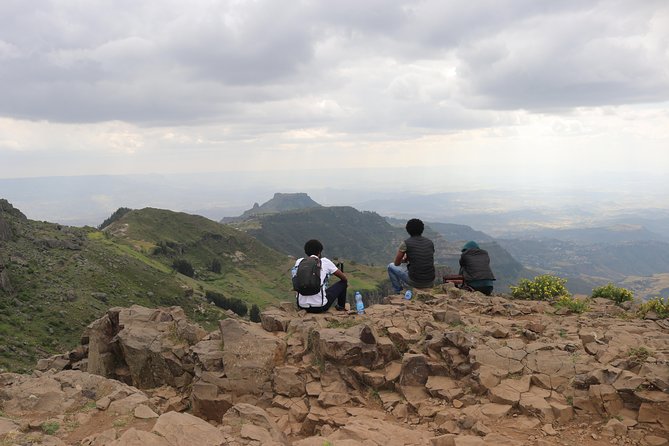
Reviewed · HIKING & TREKKING
Lalibela 2-Day Eco Trekking Tour
Mountains begin where Lalibela’s churches end. This two-day trek trades carved stone for highland paths and wide mountain views, with time among local farmers and an overnight village stay. I like the personal scale of the trip, since it is private to your group, and I like that meals, water, snacks, lodging, and a guide are included. The main caution is the altitude: the route reaches about 3,600 meters, so this is a real mountain walk, not a gentle church add-on.
The tour costs $213.77 per person, which is fair if you value the overnight stay, cooked meals, mule support, and local guiding. I would confirm the exact plan before setting out, especially the start point, the monastery entrance fee, and whether a particular guide such as Luel or Mareg is available.
In This Review
- Key points before you book
- Why this trek adds something different to Lalibela
- A 7 a.m. start and the climb to Asheton Maryam
- Atabkit and Medhane Alem at 3,600 meters
- The village night near Ad Medhane Alem
- Day two: five hours back to Lalibela
- Guides, language, and the human side of the walk
- What the $213.77 price covers
- Who should book this Lalibela trek
- Should you book the 2-day eco trek?
- FAQ
- Where does the Lalibela eco trek start?
- What time does the tour begin?
- How long do you walk each day?
- How high does the route go?
- Is the Asheton Maryam entrance fee included?
- Are meals included?
- Is accommodation included?
- Can I cancel for a full refund?
Key points before you book
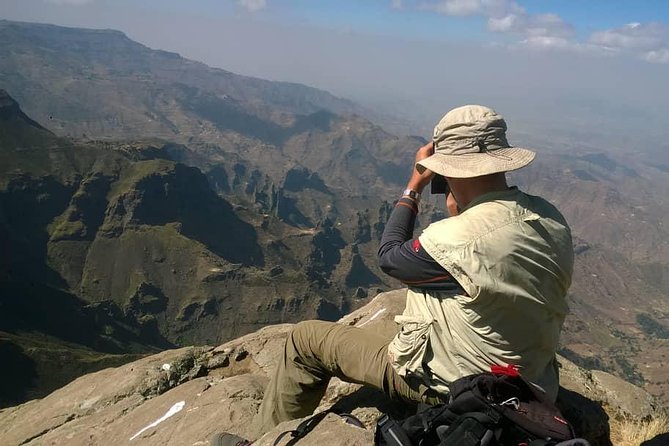
- Reach about 3,600 meters at Atabkit: The high plateau brings broad views toward Wollo, with possible sightlines toward the Gondar and Tigray regions.
- Stay in a working village: You spend the night near Ad Medhane Alem village and can take part in activities with local farmers.
- Meals are handled on the trail: Breakfast, two lunches, dinner, snacks, bottled water, coffee, and tea are included.
- Choose your starting point: The walk can begin at your Lalibela hotel or at the airport after arrival, if arranged in advance.
- The route takes real effort: Day one includes about six hours of walking, and day two adds about five hours before reaching Lalibela around 4 p.m.
- Guides make a major difference: Luel is praised for his English and cultural explanations, while Mareg is also singled out for careful guiding and a strong local connection.
Why this trek adds something different to Lalibela
Lalibela is famous for its rock-hewn churches, and rightly so. Yet the town sits below a much larger world of high ridges, farms, plateaus, and small communities. This walk lets you see how people live above the town rather than simply viewing the churches and moving on.
I like the change of pace. After a morning among pilgrims, priests, and carved churches, you move into open country where the important sights are the path, the farming work, the animals, and the view. The tour also gives you time to talk with local people through your guide instead of passing quickly through a village by vehicle.
This is not a polished hotel-to-hotel excursion. The village overnight is part of the point. You should expect a simple stay and a close look at daily life, not resort comfort. The details of the accommodation are not specified, so ask what sleeping arrangements will be provided before booking if that matters to you.
The tour is private, meaning only your group takes part. That helps if you want to walk at your own pace, pause for photographs, or spend more time talking with the host family. It also means you will not have a larger group to share the cost with, so the per-person price may feel higher for a solo visitor.
More hikes in Lalibela:
- 3-days Scheduled Lalibela Churches & Abune Yosef Trekking
★ 5.0 · 7 reviews - Trekking in Ethiopia’s Lalibela Wollo Highland 4 Days / 3 Nights
★ 5.0 · 6 reviews - Day Hike Around Lalibela
★ 5.0 · 5 reviews
A 7 a.m. start and the climb to Asheton Maryam
Day one begins at 7 a.m. Your guide can meet you at your hotel or at the Highland Eco Trekking office. If you are arriving by air, the walk can also begin at the airport, but arrange that detail ahead of time.
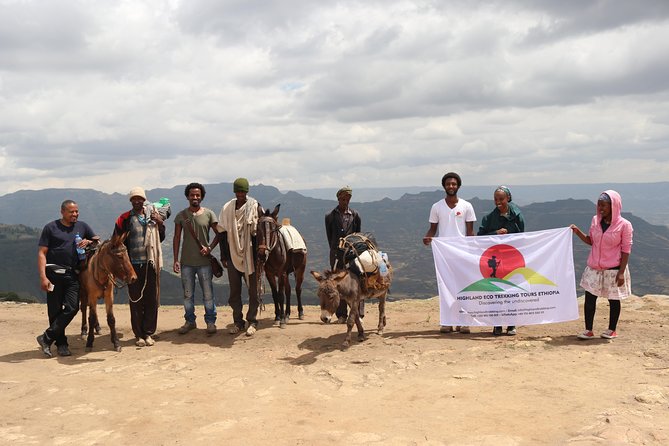
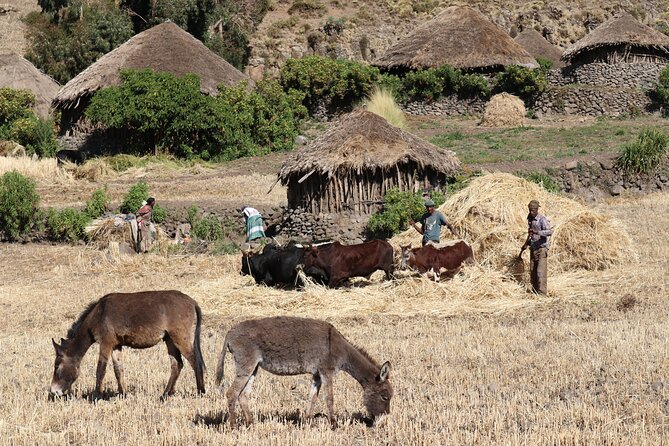
A mule man joins the group, with equipment wrapped around the mule for the trek. That support is useful on a mountain route because you do not need to carry every item yourself. It also gives you an early connection with the practical side of highland travel. This is a working trip, not a staged photo stop.
If your hotel breakfast is not enough, the company normally starts with a filling meal at a local café. I would still eat something before the pickup, especially since the first day is long and the climb gains height. Confirm breakfast arrangements the day before, along with what you need to carry personally.
The first major stop is Asheton Maryam Monastery. The walk to the monastery takes roughly three hours. Its position above Lalibela makes it valuable not only as a religious site but also as an early introduction to the high country.
The entrance fee is not included. Carry money for it, and ask your guide for the current amount before departure. This is the one clear extra cost named for the trip.
Because the route starts near Lalibela and rises into the Lasta Mountains, the opening section is also the point where you learn how your body handles the climb. Take it steadily. You do not gain anything by racing the guide in the first hour, especially with a higher plateau still ahead.
Atabkit and Medhane Alem at 3,600 meters
After Asheton Maryam, the route continues farther into the highlands. The scenery becomes rougher, and the vegetation becomes sparser as you gain height. That shift is one of the most rewarding parts of the walk because you can see the change rather than simply arriving at a high viewpoint by car.
Lunch is prepared and brought to you by the company cook. This is a practical benefit. You do not need to return to town or depend on finding food along a remote route, and the long break gives your legs time to recover.
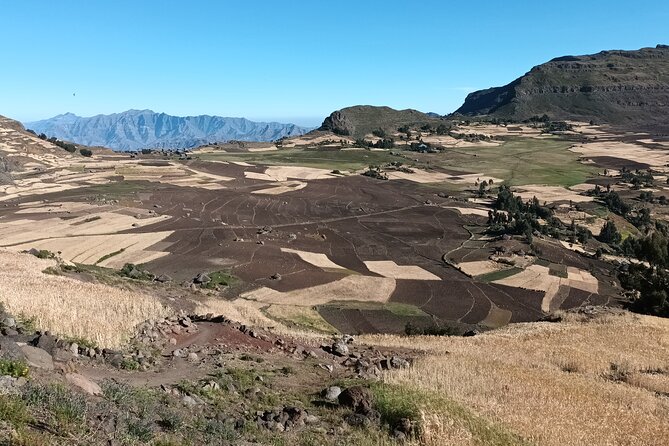
The route reaches Ad Medhane Alem, also called Atabkit, a broad plateau overlooking Lalibela and the Wollo area. On clear days, the views may extend toward the Gondar region and Tigray. The height is about 3,600 meters, which is high enough to affect your pace and breathing.
The plateau is also a good place for bird watching. The open air currents attract birds riding the lift above the mountains. No special bird list is promised, but you should keep your eyes up during the rest stop. The scenery here is not about one famous viewpoint. It is about scale: Lalibela looks smaller below, while the mountain chain opens around you.
The altitude is the trip’s biggest physical concern. The tour requires a moderate fitness level, and that wording should be taken seriously. You should be comfortable walking for several hours over uneven mountain paths. If you are unsure how you will respond to 3,600 meters, discuss the pace and route with the operator before you go.
The village night near Ad Medhane Alem
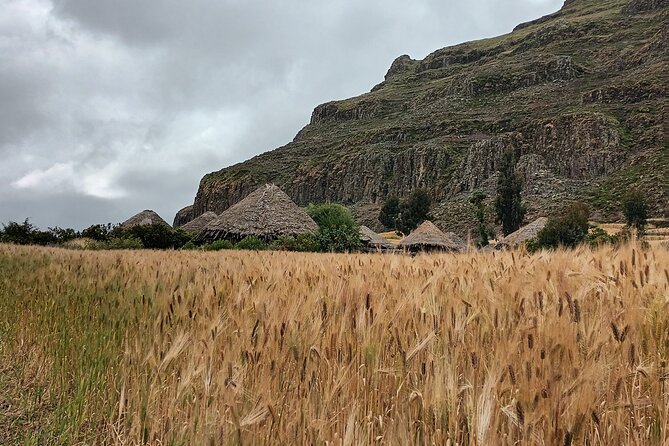
After lunch and a long rest, you continue toward Ad Medhane Alem village near Astabir. This is where the trip changes from a mountain walk into a community visit.
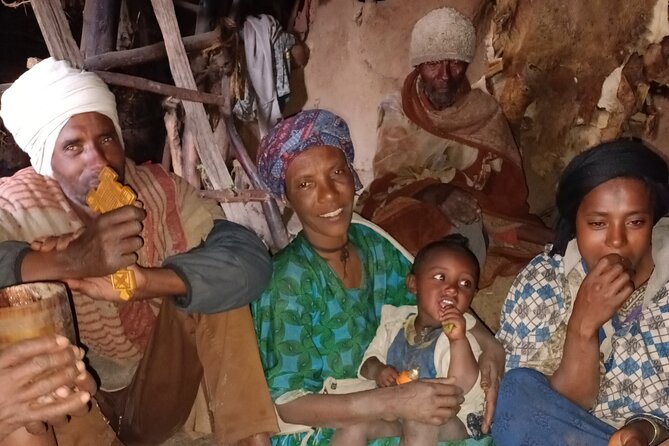
You stay with a local family in the village and have the chance to see how highland households live. Activities with farmers are included, so your time is not limited to sitting in a room and eating dinner. The goal is participation and conversation, with your guide translating where needed.
A school visit may also be part of the experience, depending on the arrangements for your group. One account of the trek included a visit to a school, while the core plan specifically promises activities with farmers. Ask your guide what is planned for your dates rather than assuming every group follows the exact same village program.
Dinner and accommodation are included. The overnight stay may be the most valuable part of the price for someone who wants contact with rural Ethiopia. You gain time that a day trip cannot provide: an evening in the village, a morning departure, and a better sense of the rhythm of life above Lalibela.
At the same time, keep your expectations practical. The supplied details do not describe private bathrooms, room types, heating, or bedding. If comfort is important to you, ask those questions before you pay. The tour is called eco trekking for good reason, and the village stay is designed around local life rather than hotel standards.
A few more options to weigh up in Lalibela
- Visiting Lalibela churches
★ 5.0 · 40 reviews - Visit the rock hewn churches
★ 5.0 · 39 reviews - Tour 11 monolithic rock churches & museum in Lalibela & cave church with mummies
★ 5.0 · 37 reviews - Lalibela, Axum, Danakil and Omo Valley 8 DAYS
★ 5.0 · 29 reviews
Day two: five hours back to Lalibela
After breakfast, you gather your things and begin the walk back toward Lalibela. The return takes about five hours, with stops to enjoy the views or look at animals along the way. Town is expected around 4 p.m.
That timing matters if you are connecting to another activity. Do not book a tight late-afternoon transfer or a fixed evening plan unless you have plenty of extra time. Mountain walks can run late, and the stated arrival time is around 4 rather than a guaranteed minute.
The second day is shorter than the full first day, but it is still a substantial walk. Your legs may feel the previous day, and the descent can be tiring in a different way from the climb. Wear shoes with good grip, keep water available, and use the breaks rather than treating them as wasted time.
Bottled water, snacks, coffee, and tea are included. Lunch on day two is also included, as the package provides two lunches. This keeps the route simple and means you can focus on walking rather than planning food stops.
You can store luggage you do not need for the trek at the company office in Lalibela. That is a useful service if you are carrying a larger bag between hotels or flights. Pack a small overnight bag and leave the rest behind if the operator confirms the storage arrangement.
Guides, language, and the human side of the walk
A strong guide matters more here than on a standard sightseeing tour. The route is physical, the village visit depends on good communication, and the value of the experience comes partly from understanding what you are seeing.
Luel received especially strong praise for his English, his explanations of local culture, and his care with the host family. He translated when needed and helped make the overnight stay feel personal rather than awkward. If you can request a guide, asking for Luel is sensible, though availability is not guaranteed.
Mareg was also praised for handling the churches and mountain walks well. His name is associated with clear information, local contacts, and a thoughtful approach to the trip. The company response to one trek also noted a suggestion to add more Ethiopian dishes to the menu, which tells you that food is part of the ongoing guest experience and may vary.
The best guides do more than point out a mountain. They explain why a village is located where it is, how farming fits the area, and how to behave respectfully in a family home. They also help smooth small cultural differences. That service is hard to measure in a price list, but it is a major reason this tour can feel worthwhile.
What the $213.77 price covers
At $213.77 per person, the cost includes a good number of moving parts:
- English-speaking guide
- Mule support and trek activities
- Breakfast
- Dinner
- Two lunches
- Accommodation
- Bottled water
- Snacks
- Coffee and tea
- Farmer activities
- Luggage storage in Lalibela
You are paying not just for walking. The fee also covers food logistics, village arrangements, guiding, and support on a route that reaches high altitude. For a private two-day trip, that is a reasonable package if you make use of the overnight stay and included meals.
The price is less attractive if you mainly want a quick viewpoint or a short walk after visiting the churches. In that case, the full two-day program may be more time and money than you need. The operator also offers an Asheton Maryam half-day experience, so you can compare that shorter option if your schedule is tight.
The monastery entrance fee is extra. That is a small detail, but it is the kind of cost that can cause confusion at the start of a day. Confirm it before leaving.
Who should book this Lalibela trek
I would recommend the tour to you if you want to:
- Add mountain walking to a church-focused visit
- Spend time with a local family
- See rural life above Lalibela
- Travel with a private group
- Walk for several hours on both days
- Reach a high plateau and enjoy broad views
- Let a local team handle meals and route support
I would hesitate if you dislike basic accommodation, have little walking experience, or want a tightly timed sightseeing program. The tour calls for moderate fitness, and the 3,600-meter plateau is not a minor detail.
Families can take part, but children must be accompanied by an adult. Service animals are allowed, and the start area is near public transportation. Those details make the trip more flexible, though the physical demands still need careful thought for children or anyone with limited stamina.
Free cancellation is available up to 24 hours before the start time. Changes or cancellations made less than 24 hours ahead are not accepted, with cut-off times based on local time. That gives you some protection while your plans are still taking shape, but it does not cover a last-minute change.
Should you book the 2-day eco trek?
Book it if you want Lalibela to be more than a collection of churches. The strongest reasons are the village overnight, the high plateau at Atabkit, and the guides who help you understand the people and places along the way.
Skip it if you want hotel comfort, short walks, or a fixed return time. Before booking, ask about the accommodation, confirm the airport or hotel pickup, request Luel or Mareg if possible, and check the monastery fee. With those points clear, this is a thoughtful way to connect Lalibela’s famous stone churches with the highland communities around them.
FAQ
Where does the Lalibela eco trek start?
The trek can start at your hotel in Lalibela, at the Highland Eco Trekking office, or at the airport after arrival if that arrangement is made in advance.
What time does the tour begin?
The stated start time is 7 a.m.
How long do you walk each day?
Day one includes about three hours to Asheton Maryam and about three hours onward toward the village. Day two involves about five hours walking back to Lalibela.
How high does the route go?
The route reaches the Ad Medhane Alem, or Atabkit, plateau at about 3,600 meters.
Is the Asheton Maryam entrance fee included?
No. The entrance fee for Asheton Maryam Monastery is not included in the tour price.
Are meals included?
Yes. Breakfast, dinner, two lunches, snacks, bottled water, coffee, and tea are included.
Is accommodation included?
Yes. One night of accommodation in the village is included, although the supplied details do not specify the room or bathroom arrangements.
Can I cancel for a full refund?
Yes, if you cancel at least 24 hours before the experience start time. Cancellations or changes made less than 24 hours before the start are not accepted.
Just added in Lalibela
- Trekking in Ethiopia’s Lalibela Wollo Highland 4 Days / 3 Nights★ 5.0 · 6 reviews
- Lalibela Backpacker tours★ 5.0 · 6 reviews
- The Rock-Hewn Churches of Lalibela: 3 Days / 2 Nights★ 5.0 · 6 reviews
- Lasta Mountains: Highland Eco Trekking Tour in Lalibela★ 5.0 · 4 reviews
- Lalibela Churches Day Tour★ 5.0 · 7 reviews
- Day Tour of the Rock Hewn Churches of Lalibela★ 5.0 · 2 reviews
- Lalibela churches Guided Tour★ 5.0 · 6 reviews
- Full Day Tour To The 11 Rock Hewn Churches Of Lalibela★ 5.0 · 5 reviews
Hiking & Trekking, compared.

4 days semien mountain national park trekking,
Read our review →
5-Day Northern Ethiopia Tour : 3D Simien Mountains Trek & Axum.
Read our review →

4 Days Trekking to Simien Mountain National Park
Read our review →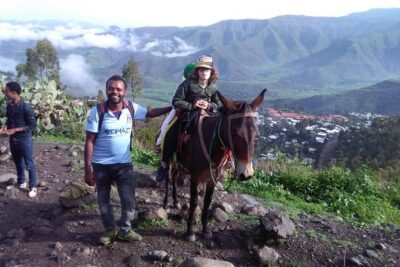
3-days Scheduled Lalibela Churches & Abune Yosef Trekking
Read our review →
Browse the lists this tour appears in