
Reviewed · ROCK-HEWN CHURCHES
Day Tour of the Rock Hewn Churches of Lalibela
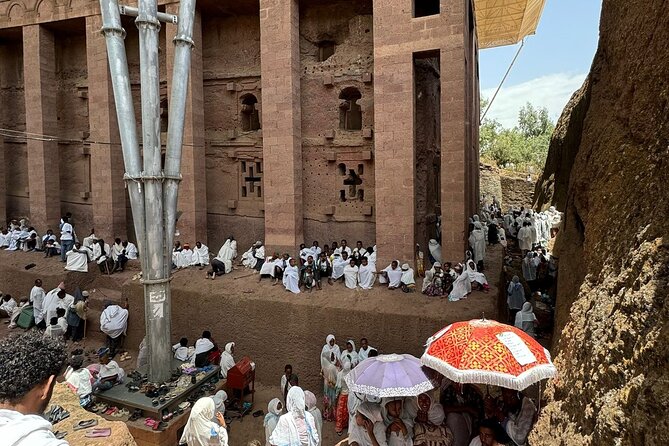
Stone churches with no roof above them. Lalibela’s famous churches are carved down into red volcanic rock, and this private day tour gives you a focused way to see the 11 medieval sanctuaries, tunnels, crypts, and passageways that make the town so remarkable. I like the private format and the chance to spend a full day with one guide rather than rush through a large group.
I also like that the tour includes an air-conditioned vehicle, bottled water, entrance fees, and the option to attend an early morning service. The main drawback is physical: you will deal with stairs and uneven surfaces, and lunch is not included, so you need to plan your energy and midday meal.
In This Review
- Key points to know before booking
- Why Lalibela’s churches are worth a full day
- The northwestern cluster begins with Bet Medhane Alem
- Expect sacred spaces, not just old stone
- The southeastern cluster brings more intricate exteriors
- A guide can turn carved rock into a readable story
- What the $190 price includes
- Timing, pickup, and the physical side of the day
- Who will appreciate this Lalibela tour most
- Booking and cancellation details
- Should you book the rock-hewn churches tour?
- FAQ
- How much does the tour cost?
- How long does the experience last?
- Is pickup available?
- Is lunch included?
- Can I attend an early morning church service?
- Is the tour suitable for everyone?
Key points to know before booking
- All 11 rock-hewn churches: The day covers the northwestern and southeastern church clusters, including some of Lalibela’s most important sanctuaries.
- Private sightseeing: Only your own group takes part, which gives you more room to ask questions and set the pace within the day’s schedule.
- A guide who adds local context: Fikru is praised for fluent English and for explaining both Lalibela’s past and its life today.
- Included transport and entrance fees: Pickup is offered, and the price includes an air-conditioned vehicle, bottled water, taxes, and admission.
- Seven to eight hours on site: This is a full day, not a quick photo stop. Expect walking, stairs, uneven ground, and time inside sacred places.
- Early service option: You can ask to attend an early morning church service, an especially meaningful addition for visitors interested in living religious practice.
Why Lalibela’s churches are worth a full day
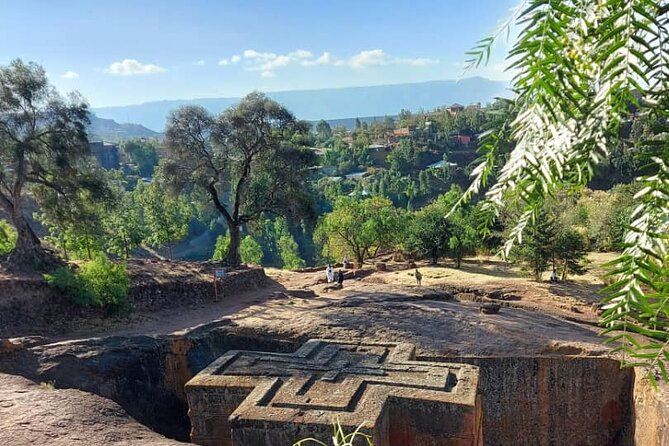
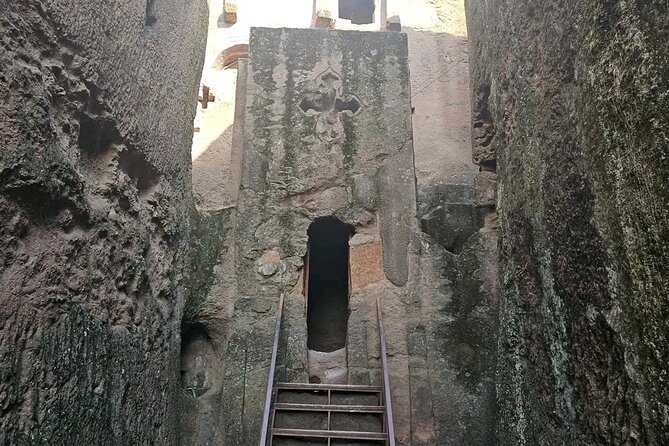
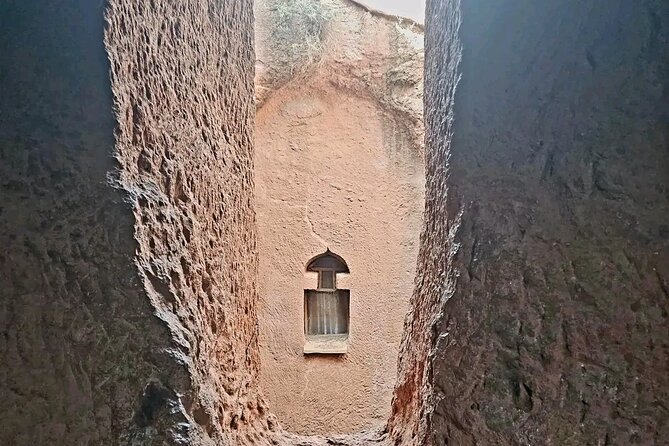
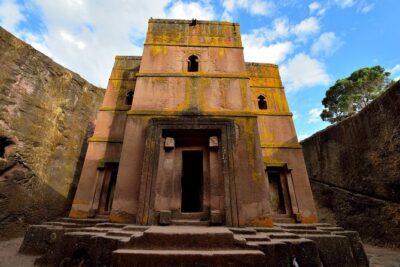
Lalibela is a UNESCO World Heritage site and one of Ethiopia’s best-known cultural destinations. Its 11 churches are not built in the usual sense. They were cut directly into red volcanic rock, creating courtyards, walls, windows, columns, tunnels, and passageways from one solid mass of stone.
That method of construction changes how you experience the place. You do not simply walk up to a church facade and step through a door. You move down into carved courtyards, around rock walls, and through spaces where the distinction between building and earth becomes hard to separate.
The churches are often called the New Jerusalem and the eighth wonder of the world. Those labels can sound grand, but here they point to something real: the site is both an architectural feat and a living religious center. The churches are not empty monuments. They remain places of worship, and the option to attend an early service lets you see Lalibela as more than an archaeological stop.
A seven to eight hour tour makes sense because the site is divided into separate clusters. You need time to move between them, listen to explanations, and handle the stairs without turning the day into a race.
More rock-hewn churches:
- Visit the rock hewn churches
★ 5.0 · 39 reviews - Day Trip to Rock Hewn Churches of Lalibela
★ 5.0 · 16 reviews - 2 Days 1 night tour to Lalibela Rock-hewn churches
★ 5.0 · 12 reviews
The northwestern cluster begins with Bet Medhane Alem
The first part of the visit covers the northwestern cluster. It includes Bet Medhane Alem, Bet Maryam, Bet Meskel, Bet Dengil, and Bet Mikael and Bet Golgotha.
Bet Medhane Alem means House of Holy Savior. It is one of the major churches in this group, and it helps set the scale for what follows. The sight of a large church carved from volcanic rock is difficult to take in at first. Your guide can help you understand how the rock-cut design differs from ordinary stone construction and why the site requires close attention rather than a quick look from one viewpoint.
Bet Maryam, or House of Mary, adds another layer to the visit. Its name reflects the importance of Mary in Ethiopian Christian worship. Here, I would pay attention to the carved surfaces and the way the church sits within its rock-cut setting instead of focusing only on a single exterior photograph.
The smaller churches in this cluster add variety. Bet Meskel means House of the Cross, while Bet Dengil means House of Virgins. The names are not just labels for a map. They give your guide a starting point for explaining the religious meanings attached to each place.
Bet Mikael and Bet Golgotha are listed together, and this part of the route includes hidden crypts and tunnels. These passages are one reason comfortable shoes matter. You will be moving across uneven surfaces and using stairs, so this is not the right outing for anyone expecting a flat, easy walk.
Expect sacred spaces, not just old stone
The strongest part of this tour is the combination of architecture and present-day faith. Lalibela’s churches have immense historical importance, but they also function as places of prayer. You may find the atmosphere more solemn than at an ordinary sightseeing attraction, particularly if you join the early service.
That option is valuable because it changes the rhythm of the day. Instead of seeing only walls and carvings, you have a chance to witness worship in a place that has served that purpose for centuries. The tour information does not guarantee a particular service time or church, so treat it as an option rather than the centerpiece of your schedule.
A private guide is useful here. Religious sites require more care than ordinary photo stops, and a guide can help explain what you are seeing while keeping the visit respectful. Fikru is specifically praised for fluent English and for discussing both Lalibela’s history and the town as it exists today. That balance matters. You get more than a list of dates and names.
The southeastern cluster brings more intricate exteriors
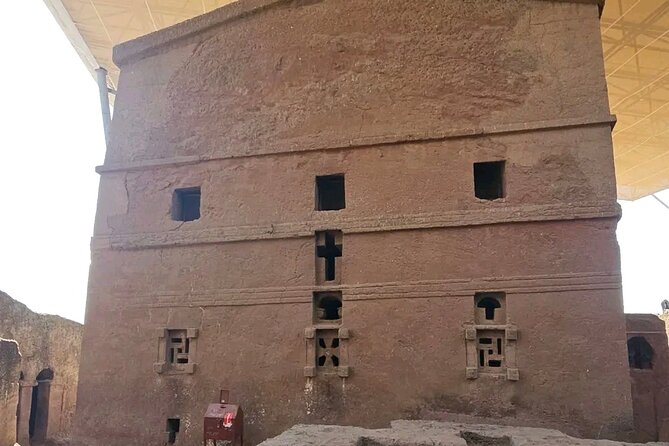
In the afternoon, the tour continues to the southeastern cluster. This group includes Bet Gabriel and Rufael, Bet Merkorios, and Bet Amanuel. The exteriors here are described as the most intricately carved in Lalibela, so you should allow time to study the details rather than hurry from one doorway to the next.
Bet Gabriel and Rufael means House of Gabriel and Raphael. The paired dedication makes this church a useful place to ask your guide about the religious figures connected with Lalibela’s worship. With a private tour, you can pause for clarification instead of saving every question for the end.
Bet Merkorios, or House Mercurios, brings another name and another architectural setting into the day. The churches are not identical, and that variety keeps the second cluster from feeling like a repeat of the morning. Look for differences in exterior carving, rock-cut approaches, and the way each church is framed by the surrounding stone.
Bet Amanuel is also part of the southeastern group. The supplied description cuts off the English translation of its name, so your guide is the right person to ask for the full explanation and the church’s place within the complex. That is a small example of why a live guide adds value here: the site names carry meaning, and written labels alone cannot explain everything.
The itinerary refers to all 11 churches, but the available details name the churches in both clusters only up to Bet Amanuel. You should confirm the exact final stops with Enkutatash Ethiopia Tour & Travel before departure if seeing every church by name is important to you.
A few more options to weigh up in Lalibela
- Visiting Lalibela churches
★ 5.0 · 40 reviews - Tour 11 monolithic rock churches & museum in Lalibela & cave church with mummies
★ 5.0 · 37 reviews - Lalibela, Axum, Danakil and Omo Valley 8 DAYS
★ 5.0 · 29 reviews - Rock Churches of Lalibela Guided Tour
★ 5.0 · 27 reviews
A guide can turn carved rock into a readable story
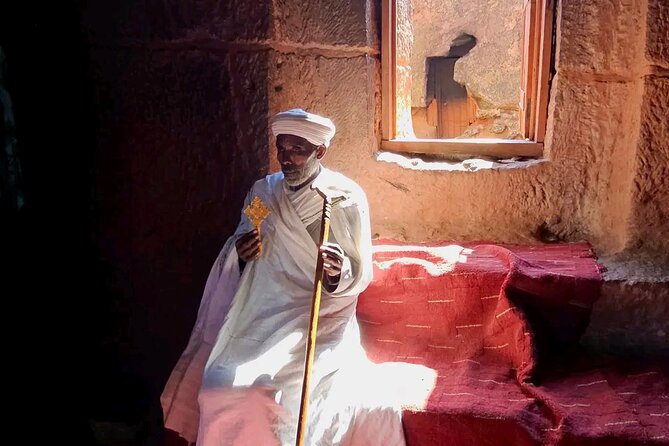
The most strongly praised feature of this experience is its guiding. Fikru is singled out for fluent English and for explaining both the history of Lalibela and the town today. That is especially useful if you want more than a standard religious tour.
One past couple had a particular interest in music, local people, and cultural history. That tells you something about the kind of visitor who may get the most from this experience. If you enjoy asking how a place is used, how traditions continue, and how local life connects to historic buildings, a private guide gives you space for that conversation.
I would still keep expectations sensible. A guide can explain the churches, but the tour is not presented as a specialist music program, academic seminar, or dedicated community visit. Its main focus is the rock-hewn church complex. The cultural value comes through the conversation and interpretation rather than a separate activity.
The private setup is another practical advantage. Only your group participates, so you can ask about a carving, pause at a church, or request a clearer explanation without holding up a busload of people. The schedule is still full, but the experience should feel more personal than a standard group outing.
What the $190 price includes
The price is $190 per person. That is not a budget walk, but it covers several costs that can add up on a major sightseeing day: an air-conditioned vehicle, all fees and taxes, bottled water, admission, and private guiding.
The value depends on how you normally travel. If you are comfortable arranging transport, buying admission, and finding your way around the church clusters alone, you may view the price as high. If you want one organized day with transport, entrance costs, and an English-speaking guide included, the package is easier to justify.
The private nature matters most for couples, families, or small groups who prefer not to follow a fixed public schedule. You are paying for convenience and interpretation as much as for transportation. Fikru’s praised communication skills add value for English speakers who want to understand the site rather than simply walk through it.
Lunch is not included. That is the most important extra cost to remember. The tour lasts seven to eight hours, so you should arrange your midday meal or ask the provider how the schedule handles lunch before you set out. The information supplied does not specify a restaurant or lunch stop.
Timing, pickup, and the physical side of the day
Pickup is offered, and the tour includes an air-conditioned vehicle. That is welcome during a long day, especially when you are moving between church clusters and need a break from walking. The experience also provides a mobile ticket, which makes access easier at the start.
The tour lasts approximately seven to eight hours. You should think of it as a full cultural day, not a short guided visit. The number of churches, the tunnels, and the uneven surfaces all make a relaxed pace important.
Most people can participate, but the tour includes stairs and uneven surfaces. That wording deserves attention. You may need to step over irregular ground, walk through confined rock-cut areas, and manage repeated changes in level. Wear shoes with a secure sole, carry only what you need, and avoid scheduling another demanding activity immediately afterward.
The early morning service option may make the day start earlier than the main sightseeing schedule. Confirm the start time if you want to attend. If you skip the service, you still have the main church tour included.
Who will appreciate this Lalibela tour most
I would recommend this experience to first-time visitors who want the major churches explained in one organized day. It is also a strong fit for English speakers who care about clear communication and want to discuss both religious tradition and modern Lalibela.
Culture-focused couples and small groups should find the private format particularly useful. The earlier couple interested in music and cultural study suggests that the tour can work well for visitors who ask thoughtful questions and want to connect the buildings with living local traditions.
You may want to reconsider it if you dislike stairs, uneven paths, or long sightseeing days. It is also less suitable if you want a completely flexible schedule, since the tour is built around covering both church clusters in roughly eight hours.
The tour is not ideal for someone looking only for a quick overview and a few photographs. Lalibela rewards patience. The carved courtyards, tunnels, church names, and religious setting make more sense when you give them time.
Booking and cancellation details
Confirmation is provided at the time of booking. The tour is a private activity, and only your own group takes part. It is also near public transportation, although pickup is offered.
Free cancellation applies if you cancel at least 24 hours before the experience start time. A cancellation made within 24 hours is not refunded, and changes within that period are not accepted. The cutoff follows Lalibela local time, so check the clock carefully if your plans change.
Should you book the rock-hewn churches tour?
Book it if you want Lalibela’s major churches handled in one serious, well-organized day, with transport, admission fees, and private guiding included. The best reasons are the full route through both clusters, the option to attend an early service, and Fikru’s fluent English and ability to discuss Lalibela as both a historic place and a living town.
Think twice if $190 per person strains your budget, if you prefer to explore independently, or if stairs and uneven ground would make seven to eight hours uncomfortable. For visitors who value context, personal attention, and a practical way to cover the site, the price is reasonable. Just plan for lunch, wear sensible shoes, and confirm the precise church sequence before you go.
FAQ
How much does the tour cost?
The tour costs $190 per person.
How long does the experience last?
The tour lasts approximately seven to eight hours.
Is pickup available?
Yes. Pickup is offered, and the tour includes transportation in an air-conditioned vehicle.
Is lunch included?
No. Lunch is not included in the tour price.
Can I attend an early morning church service?
Yes. The tour includes the option to attend an early morning service in one of Lalibela’s churches.
Is the tour suitable for everyone?
Most people can participate, but the church visit includes stairs and uneven surfaces. Only your own group participates because this is a private tour.
Just added in Lalibela
- Lalibela Backpacker tours★ 5.0 · 6 reviews
- Trekking in Ethiopia’s Lalibela Wollo Highland 4 Days / 3 Nights★ 5.0 · 6 reviews
- The Rock-Hewn Churches of Lalibela: 3 Days / 2 Nights★ 5.0 · 6 reviews
- Lasta Mountains: Highland Eco Trekking Tour in Lalibela★ 5.0 · 4 reviews
- Lalibela Churches Day Tour★ 5.0 · 7 reviews
- Lalibela churches Guided Tour★ 5.0 · 6 reviews
- Full Day Tour To The 11 Rock Hewn Churches Of Lalibela★ 5.0 · 5 reviews
- Lalibela 2-Day Eco Trekking Tour★ 5.0 · 3 reviews
Rock-Hewn Churches, compared.
Ethiopia Tigray Tours: Guided tour of Tigray rock hewn churches
Read our review →
2 Days 1 night tour to Lalibela Rock-hewn churches
Read our review →
The Rock-Hewn Churches of Lalibela: 3 Days / 2 Nights
Read our review →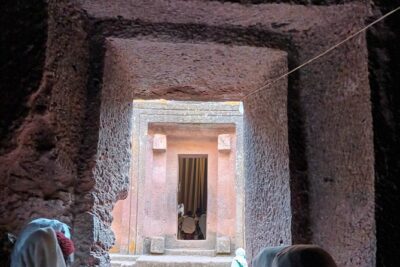
Full Day Tour To The 11 Rock Hewn Churches Of Lalibela
Read our review →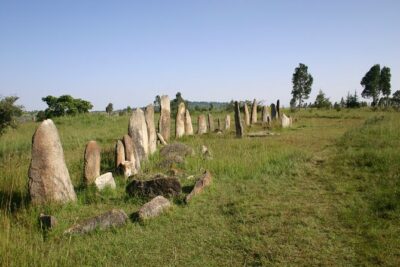
Rock Hewn Churches of Adadi Maryam, Tiya Stele & Melka Kunture
Read our review →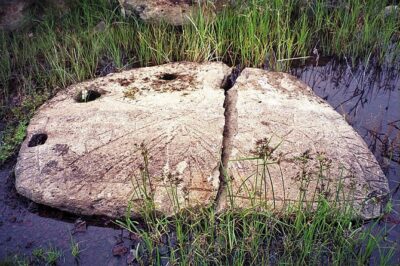
Day trip to Melka Kunture & Adadi Mariam rock-hewn church.
Read our review →Browse the lists this tour appears in