
Reviewed · LALIBELA TOURS
Lalibela Churches Day Tour
Ancient churches wait below your feet. This private Lalibela tour brings you into Ethiopia’s famous rock-hewn complex, where churches, tunnels, caves, and tombs are cut into volcanic tuff. I like the private format, which lets you set the pace, and I like the added coffee ceremony, honey wine, and traditional music. The main drawback is the packed timing: visiting several church groups in one day can make for a long, tiring outing.
The tour costs $180 per person and lasts about eight to nine hours. That is a serious price for a day tour, but it includes a private vehicle, bottled water, entrance fees, and an English-speaking guide. One especially warm account praises a guide named Joseph for his explanations, kindness, and generosity, a useful sign of the personal attention this tour aims to provide.
In This Review
- What makes this Lalibela day tour worth considering
- Why Lalibela feels unlike an ordinary church visit
- The 8:30 morning visit to the first church group
- The tunnels, caves, and tombs between the churches
- The afternoon visit to Gabriel-Rufael and the later churches
- Coffee, honey wine, and traditional music
- What the $180 price includes
- The advantage of having the churches to yourself
- Who should book this experience
- Practical details before you go
- Should you book the Lalibela Churches Day Tour?
- FAQ
- Where does the Lalibela Churches Day Tour take place?
- How long does the tour last?
- What time does the tour begin?
- Which churches are included?
- Are entrance fees and transportation included?
- Is this a private tour?
What makes this Lalibela day tour worth considering
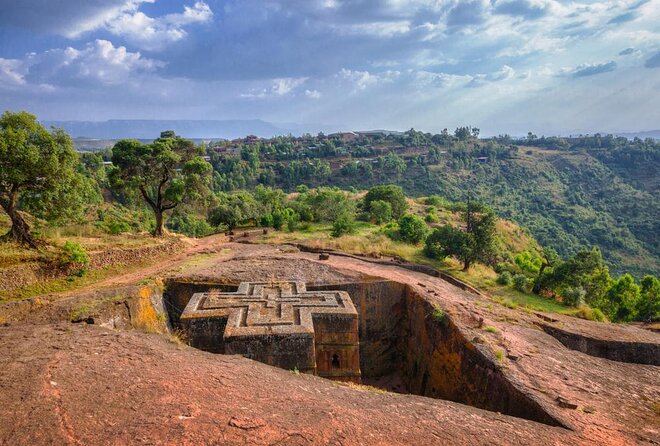
- Churches carved downward into volcanic rock: You enter a world of courtyards, trenches, tunnels, pillars, and passageways rather than a row of ordinary buildings.
- Bet Medhane Alem and Bet Maryam: The first group includes Lalibela’s largest church and one of its most decorated.
- Underground routes between sacred sites: Passages connect churches with caves and tombs, adding a sense of discovery to the visit.
- A private schedule: Your group sees the complex without sharing the vehicle or guide with strangers.
- Coffee, honey wine, and music: The cultural portion gives the day more variety than a church-only sightseeing tour.
- Pickup and included transport: An air-conditioned vehicle makes the long day easier, especially between parts of the complex.
Why Lalibela feels unlike an ordinary church visit
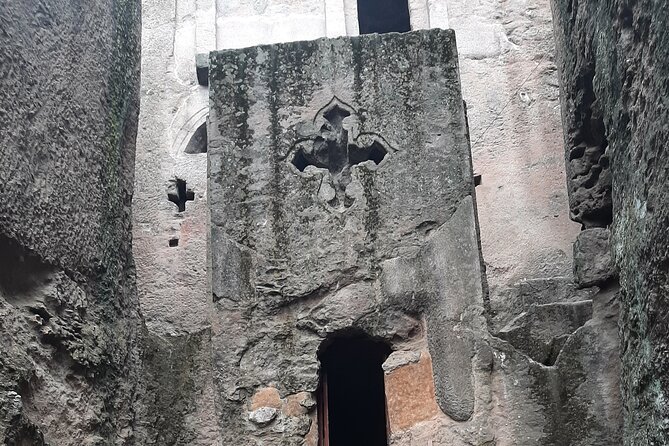
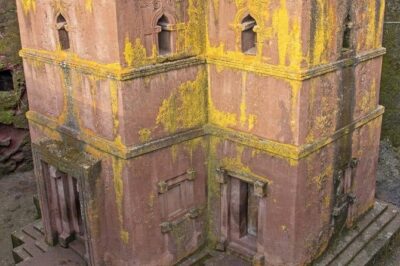
Lalibela is often called Ethiopia’s holiest town, and the churches explain why. Instead of being built upward with brick or stone blocks, these places of worship were cut down into living volcanic tuff. The builders removed the rock around and within each structure, leaving churches, pillars, windows, doors, courtyards, and passageways in one extraordinary piece of work.
That method changes how you experience the site. You do not simply walk up to a church facade. You may approach through a sunken courtyard, look down into a trench, pass through a narrow opening, or follow an underground route toward another building. The effect is architectural and theatrical, but the site remains a place of worship, not just an ancient monument.
The churches date to the 12th century and are recognized by UNESCO as a World Heritage site. Your guide’s role matters here. Without explanation, it can be hard to understand how the buildings fit together or why certain passages and chambers matter. With a good guide, the rock cuts become easier to read, and the scale of the work becomes clearer.
A few more options to weigh up in Lalibela
- Visiting Lalibela churches
★ 5.0 · 40 reviews - Visit the rock hewn churches
★ 5.0 · 39 reviews - Tour 11 monolithic rock churches & museum in Lalibela & cave church with mummies
★ 5.0 · 37 reviews
The 8:30 morning visit to the first church group
The day begins at about 8:30am with the first group of churches. This is the natural place to focus your attention, since it includes Bet Medhane Alem, Bet Maryam, Bet Meskel, Bet Danaghel, Bet Mikael, and Bet Golgotha.
Bet Medhane Alem, or House of the Redeemer, is described as the largest church in the complex. It has five aisles, 72 pillars, a vaulted dome, and molded decoration. Those numbers help you understand why this church deserves time rather than a quick photograph. Look at the spacing of the pillars and the way the church remains part of the surrounding rock.
Bet Maryam, or House of St. Mary, is known for its decoration. This gives the first group a useful contrast: Bet Medhane Alem impresses through size, while Bet Maryam draws attention through detail. Your guide can help you compare the two instead of treating every church as the same kind of sight.
The smaller churches in this group add another layer to the visit. Bet Meskel and Bet Danaghel are connected with the wider religious complex, while Bet Mikael and Bet Golgotha extend the route through more carved spaces. The supplied tour information also highlights underground tunnels, so expect the visit to involve more than open courtyards and church interiors.
You should wear practical shoes and expect uneven ground, stairs, and narrow passages. The tour details do not give a specific accessibility assessment, but the setting itself makes clear that the route can be physically demanding. Most people can take part, yet you should consider your comfort with walking through rock-cut spaces before booking.
The tunnels, caves, and tombs between the churches
The underground passages are one of the most memorable parts of the day. They connect the churches and lead through the rocky ground, with caves and tombs forming part of the wider complex. These routes give Lalibela its unusual character: you move from one sacred place to another through the earth itself.
I like this feature because it turns the visit into a connected experience. The churches are not isolated stops on a checklist. Their position, approach routes, and relationship to the rock all matter.
At the same time, the passages may feel close or dark to some people. The tour information does not specify the length or condition of each tunnel, so you should follow your guide and allow time for careful walking. This is not the kind of place where rushing from one photo stop to the next makes sense.
A private tour helps here. You can ask questions when the route is confusing, pause when you need to, and spend more time on a church that catches your interest. That flexibility is a real benefit in a site where orientation can take a while.
The afternoon visit to Gabriel-Rufael and the later churches
After lunch, the stated schedule places you back at the churches at about 2:00pm. The second and third groups include Bet Gabriel-Rufael, Bet Merkorios, Bet Amanuel, and Bet Abba Libanos.
Bet Gabriel-Rufael and Bet Merkorios continue the tour’s focus on rock-cut design and connected sacred spaces. Bet Amanuel is another important church in the complex, while Bet Abba Libanos adds to the range of buildings you see during the afternoon.
The schedule deserves a careful note. The experience is described as lasting about eight to nine hours, but the listed times, including an 8:30am start and a 2:00pm return after lunch, can make the day feel quite full. Ask your local guide to confirm the exact order and timing when the tour begins. A private format should make small adjustments easier, but you should not assume that every stop can receive unlimited time.
The advantage of this long itinerary is coverage. You see the principal groups rather than limiting yourself to one cluster. The tradeoff is energy. By afternoon, the novelty of carved churches may compete with tired legs, especially if you take your time in the tunnels.
A completely different kind of day:
- Lalibela, Axum, Danakil and Omo Valley 8 DAYS
★ 5.0 · 29 reviews - Rock Churches of Lalibela Guided Tour
★ 5.0 · 27 reviews - Lalibela churches , church museum & Yemrehan kirstose ( cave church)
★ 5.0 · 19 reviews - Day Trip to Rock Hewn Churches of Lalibela
★ 5.0 · 16 reviews
Coffee, honey wine, and traditional music
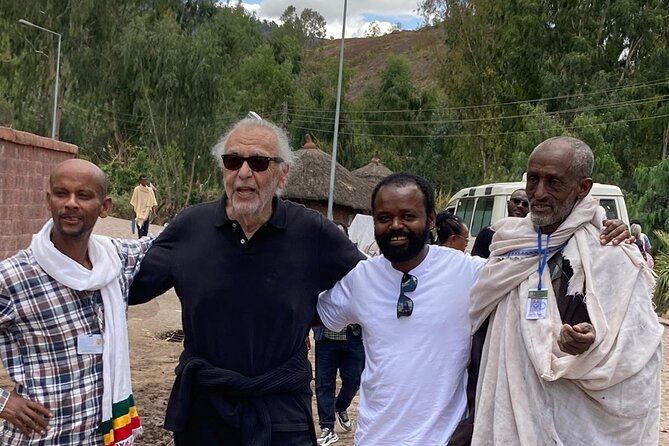
The cultural activities give the tour a welcome change of pace. You take part in a traditional Ethiopian coffee ceremony, try local honey wine, and hear live traditional music.
The coffee ceremony is especially useful after a morning on foot. It also gives you a chance to experience a social custom rather than only inspect historic buildings. Since the tour information does not describe the exact venue or duration, treat it as a planned cultural stop rather than a full meal or formal performance.
Honey wine adds another local taste, but alcoholic beverages are listed separately from the included services. That means you should expect the drink to be an optional or additional expense, not something covered by the $180 price. If you do not drink alcohol, the coffee ceremony and music still give this part of the day value.
The live music can help break up a demanding sightseeing schedule. It also creates a more human connection to Lalibela than a church-by-church route alone. Just keep your expectations measured: the description confirms music, but it does not specify the performers, instruments, or length of the presentation.
What the $180 price includes
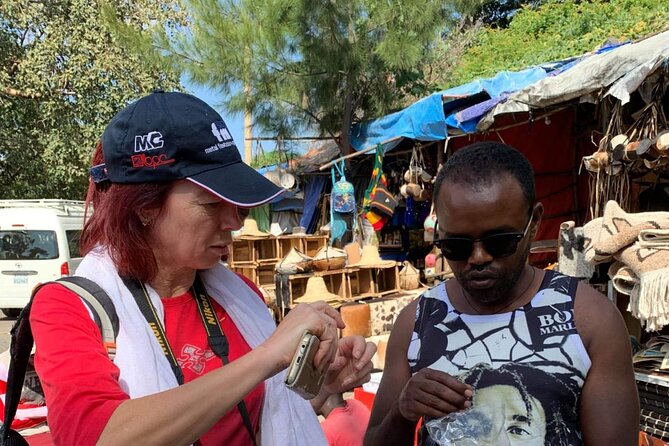
At $180 per person, this is not a budget walking tour. The value comes from what is bundled and from the private setup.
Included in the price are all fees and taxes, bottled water, an air-conditioned vehicle, and a professional English-speaking guide. Admission to the churches is also included. Pickup is offered, and the ticket is mobile, which reduces the amount of preparation needed before the day begins.
The vehicle matters because the experience runs most of the day. Even if much of the church visit is on foot, having air-conditioned transport provides a useful break between parts of the program. Bottled water is another small but practical inclusion for a long day in exposed, uneven surroundings.
The biggest value is the guide. Lalibela’s design is hard to understand from appearances alone. You are paying for context, interpretation, transport, and a day arranged around your own group, not merely for entrance to the churches.
Several costs are not included. Breakfast and dinner are excluded, so plan around the tour’s daytime schedule. Personal expenses such as internet, telephone, fax, and similar items are also your responsibility. Tips, invitations, alcoholic drinks, and any required videography or camera fee are excluded as well.
For a solo visitor, $180 can feel steep. For a small private group, the cost may make more sense because the price is charged per person but the benefits of a private vehicle and guide are shared across your party. I would compare the price with the cost and effort of arranging entrance, transport, and a local guide separately before deciding.
The advantage of having the churches to yourself
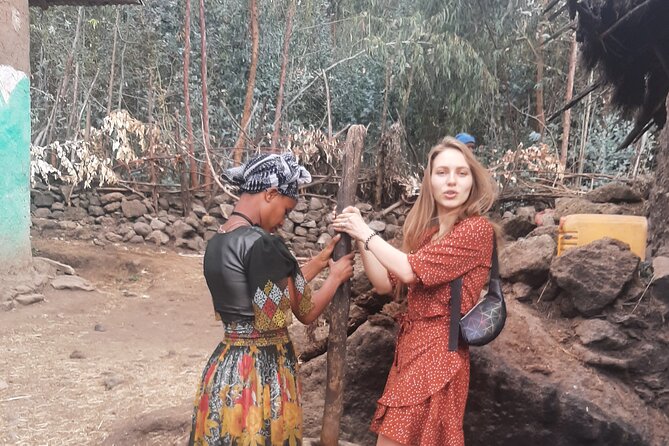
The tour is private, so only your group participates. That changes the mood of the day. You can ask for explanations without worrying about holding up a large group, and you can spend more time on details that interest you.
The private format also helps with the different parts of the route. If a tunnel takes longer than expected, or you want another look at the decoration at Bet Maryam, your guide can work with your group rather than a fixed crowd.
One account gives the guide Joseph special praise, describing his explanations, kindness, and generosity. That is the strongest personal detail attached to the experience. It does not guarantee that Joseph will lead every departure, so ask about guide assignment if his availability matters to you.
A private tour cannot remove every challenge. The churches remain physically demanding to explore, and a busy eight-hour schedule is still a busy eight-hour schedule. But private guiding gives you more control over how that effort is spent.
Who should book this experience
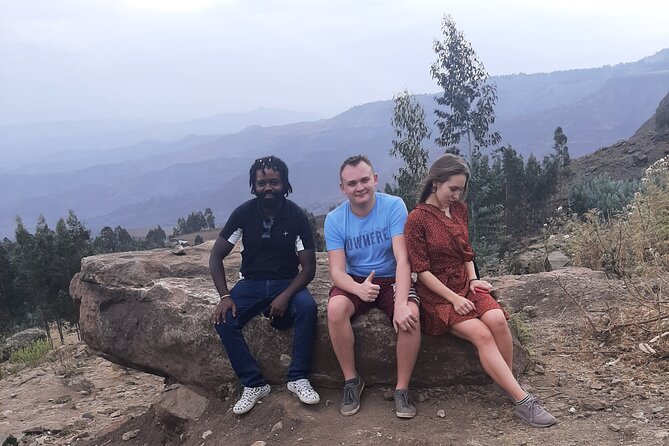
I would recommend this tour to anyone with one full day in Lalibela who wants to see the major church groups with private guidance. It suits you especially well if you value historical explanation, included transport, and a flexible pace more than the lowest possible price.
It is also a good fit if you want cultural elements beyond architecture. The coffee ceremony, honey wine, and music give the day a broader feel and may be a welcome counterpoint to several hours of stone, tunnels, and religious sites.
You should think twice if you dislike confined passages, uneven walking, or long sightseeing days. The schedule is ambitious, and the tour does not include breakfast or dinner. You should also budget for tips, personal expenses, alcohol, and any camera or video fee that may apply.
The experience has a five-star rating based on seven reviews, with especially strong praise for the guide’s personal care. That is encouraging, but the quality of your day will still depend on the guide assigned and on how much time your group wants to spend at each church.
Practical details before you go
Pickup is offered, and confirmation is provided at booking. The tour is near public transportation, though the private vehicle means you are not expected to arrange the day around public transit.
You receive a mobile ticket, and most people can participate. The data does not provide a detailed accessibility statement, so contact Access Eco Trekking Tours before booking if you have specific mobility needs or concerns about stairs, narrow routes, or underground passages.
Free cancellation is available if you cancel at least 24 hours before the local start time. Inside that window, the payment is not refunded, and changes are not accepted. Keep the cutoff in mind, especially if your Lalibela plans may shift.
Should you book the Lalibela Churches Day Tour?
Book it if you want a full, private introduction to Lalibela and value a guide who can explain what you are seeing. The combination of the first, second, and third church groups, underground routes, air-conditioned transport, and local coffee and music makes this more useful than a simple entrance-only visit.
I would book with two conditions. First, confirm the start, lunch, and afternoon timing, since the schedule is long and the published times suggest a full day. Second, ask which guide will lead your group if personal guidance is your main reason for paying the premium.
If you have only one day in Lalibela, this tour gives you strong coverage and a private setting. If your budget is tight or you prefer a slower visit, a shorter arrangement may suit you better. For a small group that wants context, comfort, and the freedom to pause, the $180 price can be fair value.
FAQ
Where does the Lalibela Churches Day Tour take place?
The tour takes place in Lalibela, Ethiopia, at the UNESCO-listed rock-hewn churches.
How long does the tour last?
The experience lasts approximately eight to nine hours.
What time does the tour begin?
The stated morning start time is 8:30am. The afternoon church visit is listed at about 2:00pm after lunch.
Which churches are included?
The route includes Bet Medhane Alem, Bet Maryam, Bet Meskel, Bet Danaghel, Bet Mikael, Bet Golgotha, Bet Gabriel-Rufael, Bet Merkorios, Bet Amanuel, and Bet Abba Libanos.
Are entrance fees and transportation included?
Yes. All fees and taxes, church admission, bottled water, and an air-conditioned vehicle are included.
Is this a private tour?
Yes. Only your group participates, and pickup is offered. A professional English-speaking guide is included.
Just added in Lalibela
- Trekking in Ethiopia’s Lalibela Wollo Highland 4 Days / 3 Nights★ 5.0 · 6 reviews
- Lalibela Backpacker tours★ 5.0 · 6 reviews
- The Rock-Hewn Churches of Lalibela: 3 Days / 2 Nights★ 5.0 · 6 reviews
- Lasta Mountains: Highland Eco Trekking Tour in Lalibela★ 5.0 · 4 reviews
- Day Tour of the Rock Hewn Churches of Lalibela★ 5.0 · 2 reviews
- Lalibela churches Guided Tour★ 5.0 · 6 reviews
- Full Day Tour To The 11 Rock Hewn Churches Of Lalibela★ 5.0 · 5 reviews
- Lalibela 2-Day Eco Trekking Tour★ 5.0 · 3 reviews
Lalibela Tours, compared.
Tour 11 monolithic rock churches & museum in Lalibela & cave church with mummies
Read our review →
Lalibela, Axum, Danakil and Omo Valley 8 DAYS
Read our review →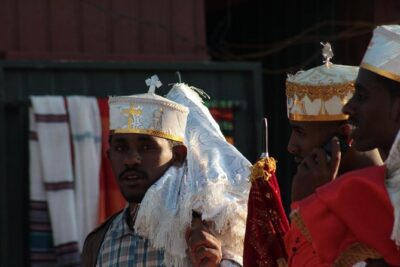
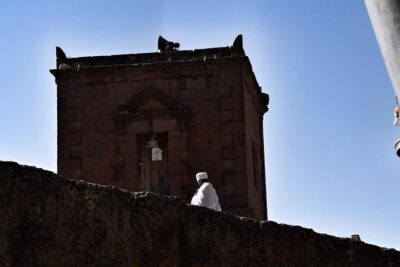
Lalibela churches , church museum & Yemrehan kirstose ( cave church)
Read our review →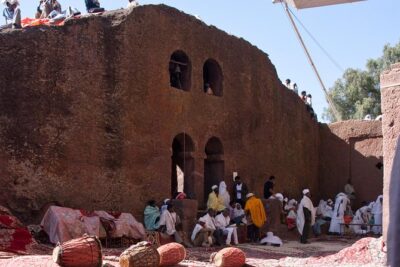
Browse the lists this tour appears in