
Reviewed · OMO VALLEY TRIBAL TOURS
Photography Expeditions to Omo Valley
Some journeys take you far beyond the usual route. This six-day private tour from Addis Ababa reaches the Omo Valley’s Mursi, Hamer, Karo, Dassanech, and Dorze communities, along with Lake Chamo’s crocodiles and birdlife. I like the small private format for up to seven people and the fact that village entrance charges and photography fees are included. I also like the careful mix of cultural photography, wildlife, markets, and local life.
The main drawback is the pace. You cover a great deal of southern Ethiopia in six days, with long road journeys and several early starts. The price of $3,312.83 per group can be good value for a full group, but less so for only one or two people. You should also approach portrait photography with care, patience, and respect.
In This Review
- Key points at a glance
- Why the Omo Valley is worth the effort
- Day 1: Addis Ababa, Jinka, and Ari village
- Day 2: Mago National Park and the Mursi highlands
- Day 3: Karo body painting at Korcho
- Day 4: Canoeing across the Omo River to Dassanech villages
- Day 5: The road to Arba Minch and Lake Chamo
- Day 6: Dorze houses, weaving, and the flight home
- What the private format changes
- Meals, transport, and what is covered
- The photography question: people, permission, and purpose
- Who should book this six-day route?
- Booking, cancellation, and practical checks
- Should you book Photography Expeditions to Omo Valley?
- FAQ
- Where does the tour start and end?
- How long does the experience last?
- How many people can join the private tour?
- Are domestic flights included?
- What meals are included?
- Can I cancel for a full refund?
Key points at a glance
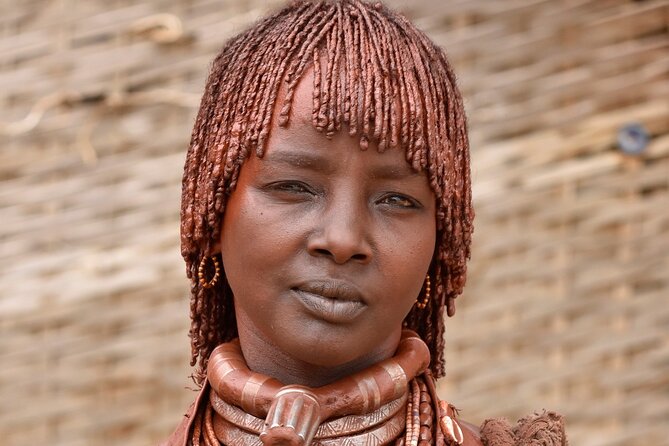
- Mursi and Karo photography: See Mursi lip plates, Karo body painting, sculpted hair, and distinctive ceremonial dress.
- Private group of up to seven: Your party travels together rather than joining a large coach group.
- Five nights of meals included: Breakfast, lunch, and dinner are provided for five days.
- Two domestic flights save road time: Fly between Addis Ababa, Jinka, and Arba Minch rather than spending the entire journey on the road.
- Lake Chamo wildlife cruise: Look for crocodiles, hippos, African fish eagles, flamingos, herons, storks, and kingfishers.
- Flexible support from the tour team: The strongest praise centers on planning, problem-solving, and help from Mulugeta, Mulle, and the captain.
Why the Omo Valley is worth the effort
Southern Ethiopia is not a place you visit simply to tick off sights. Within a fairly small area, at least 30 distinct ethnolinguistic groups live with different languages, clothing, customs, and artistic traditions.
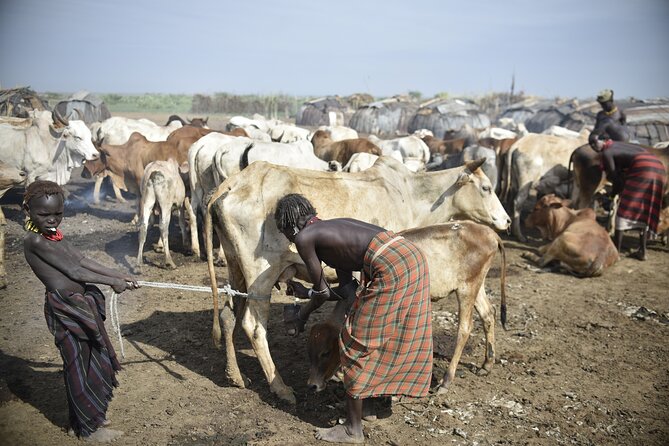
The region has long been isolated from the outside world. That isolation helped preserve ways of life that changed little for generations, but it also means that outside influence is now bringing difficult choices. The Omo Valley is changing, and your visit takes place during that change.
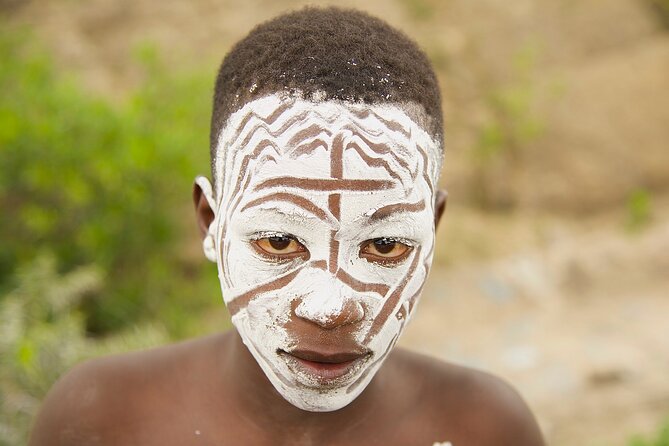
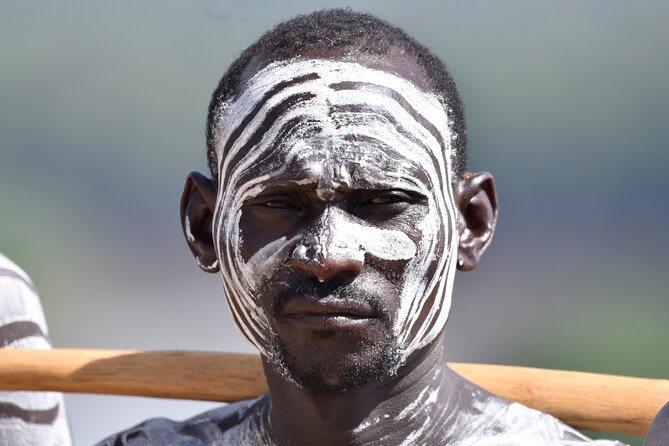
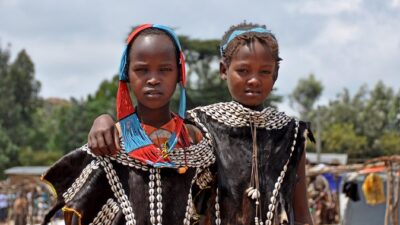
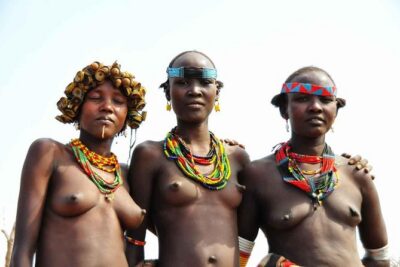
Photography is a major part of the experience. You may see elaborate body paint, scarification, feathered headdresses, clay adornments, and carefully styled hair. These are not stage decorations created for a photo stop. They are part of how people present themselves, mark identity, and take pride in their communities.
That makes the photography fee important. It signals that photography is a planned part of the visit, not an incidental activity. Still, payment does not remove the need for courtesy. Ask your guide how to approach each village, follow local direction, and avoid treating people as props.
More Omo Valley tours:
- 6 Days Omo Valley Tribes Tours From Addis Ababa
★ 5.0 · 33 reviews - 3 Days Omo Valley Tour
★ 5.0 · 24 reviews - 5 Days Omo Valley Tours
★ 5.0 · 15 reviews
Day 1: Addis Ababa, Jinka, and Ari village
The trip begins with pickup in Bole, Addis Ababa. Depending on timing, you may visit the National Museum or the open-air Merkato market before flying south to Jinka.
This is a useful first day because it gives you a small taste of the capital before the focus shifts to the Omo Valley. The National Museum offers cultural context, while Merkato provides a more immediate look at daily commerce. The actual choice depends on your flight schedule.
After landing in Jinka, you meet the driver and continue to an Ari village. The drive and visit take roughly four hours in total. There is no admission charge listed for this stop.
Jinka is the main gateway for several communities in the region, so it is a practical base rather than merely a transit point. The Ari visit begins the cultural side of the journey without trying to cram every major group into one afternoon.
You should keep your first day flexible. Airport timing, the Addis Ababa visit, the domestic flight, and the drive to the village all need to fit together. The tour team’s planning is one of its most praised features, and this is where that support matters.
Day 2: Mago National Park and the Mursi highlands
Day two starts early with a drive to Mago National Park and the Mursi highlands. This is one of the most memorable parts of the trip for photographers.
The Mursi are widely known for the clay lip plates worn by some women. The plates stretch the lower lip and have long been connected with beauty, pride, and desirability within Mursi culture. You may also see body decoration and traditional clothing that distinguish the community from neighboring groups.
The visual impact is strong, but the visit deserves more than a quick camera stop. Look at the details of the body paint, ornaments, hair, and expressions. Give people time to decide how they want to appear in a photograph. Your guide can help you understand the local setting and the proper way to work with the photography fee.
You return to Jinka for lunch, then continue toward Turmi through Dimeka. If timing allows, the route includes Alduba market before the Hamer visit. The full day takes about seven hours, so expect a long day on the road.
The benefit is variety. You see a remote park, Mursi culture, a market, and the Hamer region in one day. The cost is comfort and spare time. This is not a relaxed schedule, and you may have little energy left after the afternoon drive.
Day 3: Karo body painting at Korcho
The third day focuses on the Karo community at Korcho. The Karo are especially known for body painting made from clay and locally available vegetable pigments.
The designs may cover faces, chests, arms, and legs. They are described as artistic creations made for pleasure and appearance rather than carrying one fixed symbolic meaning. Karo men may also shape and shave their hair into striking forms, sometimes adding ochre-colored hair caps and ostrich feathers.
For photography, this can be one of the best days because the visual details are close, bold, and varied. I would bring a lens or camera setup that lets you make both wider environmental photographs and tighter portraits, if permitted. The most useful photographs will show the person and the setting, not just a painted face.
The drive takes about four hours, leaving some room in the day for a possible bull-jumping rehearsal or ceremony after returning to Turmi. The wording here matters: this is a chance, not a promise. Do not book the tour solely for a guaranteed bull-jumping event.
Bull jumping is linked to Hamer cultural life and can be a powerful subject, but ceremonies occur on local schedules. If you are fortunate enough to see a rehearsal or ceremony, listen closely to your guide and follow instructions about where to stand and when to photograph.
More photo sessions in Addis Ababa:
- 9 days Omo Valley Tribes and Photography Tour
★ 5.0 · 4 reviews - TRIBES OF THE OMO VALLEY – 8 Days PHOTOGRAPHY EXPEDITION
★ 5.0 · 2 reviews - Omo Valley Tribes Photography Tour by Locals
★ 5.0 · 2 reviews
Day 4: Canoeing across the Omo River to Dassanech villages
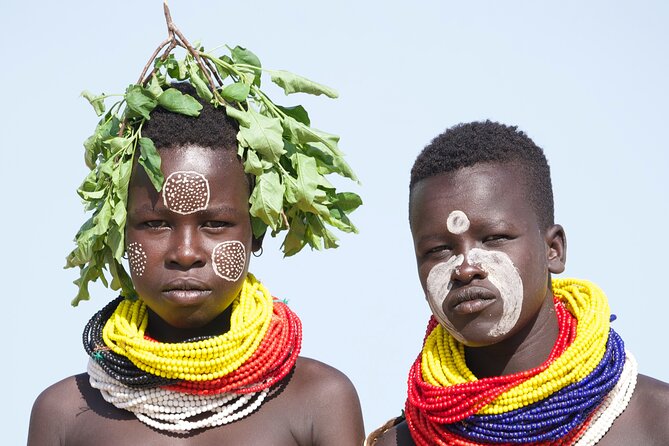
Day four starts early again, this time with a drive to the edge of the Omo River. You cross by canoe to visit a Dassanech village.
The Dassanech are semi-nomadic, with clans extending across southern Ethiopia, northern Kenya, and Sudan. Their hair buns are a distinctive feature and offer another example of how each community expresses identity through appearance.
The river crossing adds a different feel to the trip. Instead of reaching a village only by road, you approach by water, then return to Turmi after the photography visit. The listed duration is about four hours, leaving the afternoon open for rest or more photography around Turmi.
That open time is welcome. By this point, you have had several early starts and long drives. You can use the afternoon to sort photographs, recharge batteries, or photograph the town at a slower pace.
The canoe crossing also means you should protect camera equipment from splashes and keep your gear practical. The provided information does not specify waterproof storage, so bring your own protection for cameras, lenses, and phones.
Day 5: The road to Arba Minch and Lake Chamo
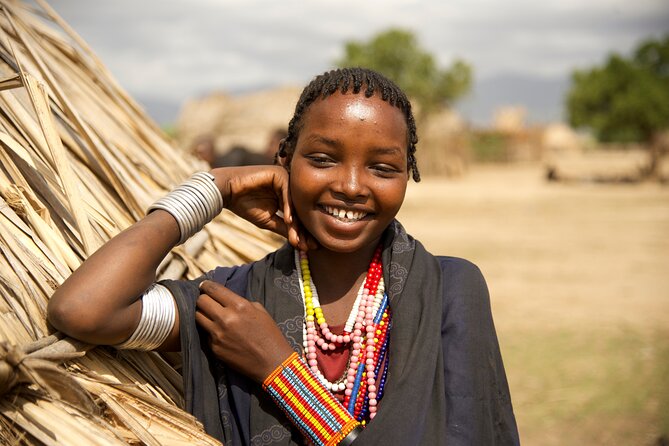
The fifth morning is largely a transfer day to Arba Minch. This is another long move, but it takes you from the Omo Valley communities toward a different setting and a strong wildlife stop.
After 3 p.m., you take a boat trip on Lake Chamo. The lake is known for large crocodiles, which may be seen resting along the northern shores. Hippos and many aquatic birds are also possible subjects.
The bird list is appealing for photographers: African fish eagles, flamingos, herons, storks, and kingfishers are all mentioned. The late afternoon timing should offer useful light, though sightings and photographic conditions naturally vary.
This is not a specialist wildlife safari with a guarantee of particular animals. Think of it as a compact boat-based wildlife outing added to a culture-focused route. The crocodiles and hippos give you large subjects, while the birds reward patience and a ready camera.
The trip takes about four hours. Arba Minch also provides a change of pace after the dusty roads and village visits farther south. You may appreciate having a hotel base and a shorter activity after the previous days.
Day 6: Dorze houses, weaving, and the flight home
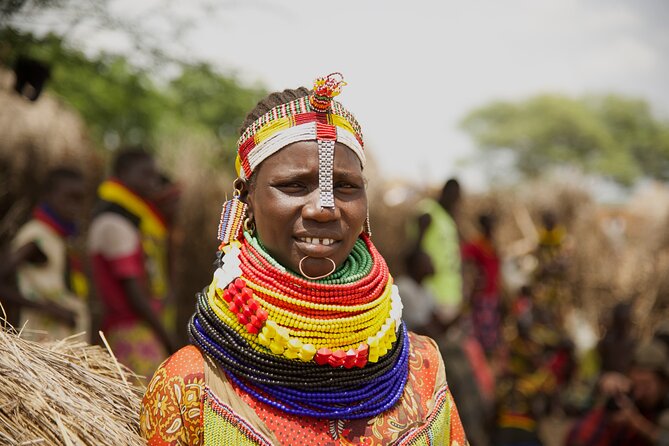
The final day heads about 40 kilometers northwest of Arba Minch into the Guge Mountains to visit Dorze and Chencha villages.
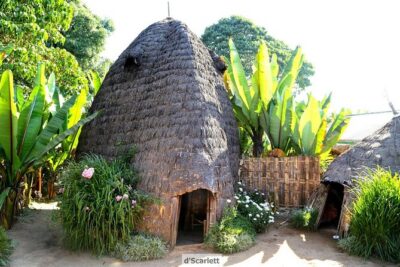
The Dorze were once known as warriors and now support themselves through farming and weaving. Dorze cotton cloth is highly regarded, and weaving gives this visit a practical focus beyond portrait photography.
The famous Dorze homes are shaped like beehives and built from organic materials. Each house has a small garden with beds of spices, cabbage, and tobacco. These homes are more than unusual photo subjects. They show how local architecture, food growing, and family life fit together.
After lunch, you transfer to Arba Minch Airport and fly back to Addis Ababa. Arrival is expected in the late afternoon, followed by a hotel room for day use so you can wash and change before continuing your onward plans.
That day-use room is a small but valuable detail. After six days of road travel, village visits, flights, and dusty conditions, a shower before an international departure can make a real difference. The schedule does not state that an overnight Addis Ababa stay is included, so check your onward flight timing carefully.
What the private format changes
This is a private activity for your own group, with a maximum of seven people. That matters in the Omo Valley because photography often depends on timing, position, and communication with local communities.
A small group should make it easier to stay together, hear the guide, and adjust when road or activity plans change. One strong point in the feedback is the tour team’s ability to alter plans when logistical problems arise without letting the whole trip unravel.
Names connected with the tour include Mulugeta, Mulle, and a guide referred to as the captain. If you are booking with photography as your main goal, ask in advance who will lead your group and how the photography fee is handled at each village.
The private format is also the main reason the price can make sense. At $3,312.83 per group, seven people would pay about $473.26 each before any separate personal costs. Two people would pay about $1,656.42 each, so the value changes sharply with group size.
Meals, transport, and what is covered
The package includes an air-conditioned vehicle, village entrance fees, photography fees, and five breakfasts, five lunches, and five dinners.
That reduces the number of daily decisions you need to make. You are not constantly arranging meals or negotiating village entry charges from one stop to the next. The air-conditioned vehicle is also useful during long road sections, though the schedule still involves substantial driving.
The two domestic flights are a major practical advantage. Flying from Addis Ababa to Jinka and from Arba Minch back to Addis Ababa preserves time for the Omo Valley, where road transfers already take up much of the schedule.
You pay separately for your visa, international flights, personal expenses, tips, and alcohol. The tour ends back at the Addis Ababa meeting point. Since the package includes a day-use hotel room after the final flight according to the day-six plan, confirm the exact arrangements before departure.
The photography question: people, permission, and purpose
This experience is built around photographing people, so your conduct matters as much as your camera.
The communities featured here are often photographed because of distinctive clothing, body paint, hair, and adornments. That visual appeal can make it easy to forget that you are meeting individuals, not collecting images.
Use your guide as the first point of contact. Confirm when a photograph is welcome, respect a refusal, and avoid rushing from one person to the next. The included photography fee helps establish an official process, but you should still behave with patience.
I would also recommend photographing more than faces. Include homes, gardens, markets, river crossings, roads, and the people who are willing to share their daily setting. That gives your images more context and avoids reducing an entire community to one famous feature.
The tour suits photographers who enjoy portraits and cultural detail. It is less suitable if you want a slow, private documentary project with long stays in one village, since the six-day route covers many places.
Who should book this six-day route?
I would look closely at this tour if you want:
- A private trip rather than a large group departure
- Direct access to several Omo Valley communities
- A strong focus on portrait and cultural photography
- A mix of people, markets, architecture, wildlife, and birds
- Domestic flights that reduce the longest possible road transfers
- Meals, village fees, and photography charges handled in advance
I would pause before booking if you dislike early mornings, long drives, changing plans, or a packed schedule. The route is ambitious. You reach many important areas, but you do not get several quiet days in each one.
The tour also works best when you share the cost with several people. A group of four to seven gets better value from the fixed price. Solo participants should compare the private price with other options before committing.
Booking, cancellation, and practical checks
Confirmation is provided at booking, and most people can participate. The activity is private, with only your own group taking part.
Free cancellation is available up to 24 hours before the start time for a full refund. Changes or cancellations within 24 hours are not accepted for a refund, and the cut-off uses local time. The experience also requires a minimum number of participants, so a cancellation by the operator for that reason results in an alternative date or experience, or a full refund.
Before paying, I would confirm the exact flight times, the Addis Ababa hotel day-use arrangement, the identity of your photography guide, and how village photography fees are managed. These details can affect your comfort and shooting time more than the headline schedule suggests.
Should you book Photography Expeditions to Omo Valley?
Book it if your priority is a compact, well-supported introduction to southern Ethiopia with serious opportunities for cultural photography. The route gives you Mursi lip plates, Karo body paint, Hamer communities, Dassanech villages, Dorze architecture, Lake Chamo wildlife, and two domestic flights in six days.
The strongest reasons to choose it are the private format, the included photography and village charges, the broad range of subjects, and the tour team’s reported flexibility when plans become difficult. The main caution is pace. You will spend long hours on the road and move quickly between communities.
For a group of several photographers, the $3,312.83 group price can offer solid value. For one or two people, it becomes a costly but focused private trip. If you are ready for early starts and want access to one of Ethiopia’s most distinctive regions, this is a strong choice. If you want a slow cultural study, ask for a longer custom program instead.
FAQ
Where does the tour start and end?
The tour starts in Bole, Addis Ababa, Ethiopia, and ends back at the Addis Ababa meeting point.
How long does the experience last?
The tour lasts approximately six days.
How many people can join the private tour?
The private activity is for your group only and can include up to seven people.
Are domestic flights included?
The schedule includes a flight from Addis Ababa to Jinka on the first day and a flight from Arba Minch back to Addis Ababa on the final day. The provided information does not separately state flight inclusion in the package details, so confirm this before booking.
What meals are included?
Breakfast, lunch, and dinner are included for five days, covering five breakfasts, five lunches, and five dinners.
Can I cancel for a full refund?
Yes. You can cancel at least 24 hours before the experience start time for a full refund. Cancellations or changes made less than 24 hours before the start time are not refunded.
Just added in Addis Ababa
- Yod Abyssinia Cultural Night: Dinner, Music, and Dance★ 5.0 · 7 reviews
- Addis Ababa City Tours Full-Day Tours★ 5.0 · 5 reviews
- Locally crafted beer and wine tasting and nightlife in Addis tour★ 5.0 · 6 reviews
- Unique Ethiopian Cooking Class and Coffee Ceremony with a Local in Addis Ababa★ 4.5 · 7 reviews
- Stunning Views Wonchi Crater Lake a Private Day Trip★ 5.0 · 3 reviews
- Visiting the wonders of Lalibela in Three (3) days and Two ( 2) nights★ 5.0 · 2 reviews
- .2- Days and 1 Night Tour To Awash National Park water falls★ 5.0 · 1 review
- Two days Lake Wenchi and Menagesha Forest★ 5.0 · 1 review
Omo Valley Tribal Tours, compared.
6 Days Omo Valley Tribes Tours From Addis Ababa
Read our review →
Lalibela, Axum, Danakil and Omo Valley 8 DAYS
Read our review →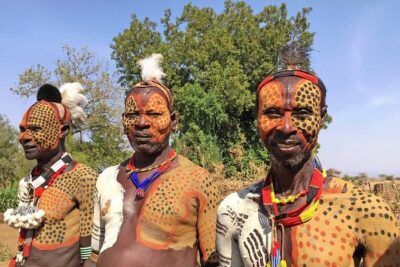
9 Days Tours To Danakil Depression, Simen MNP, Lalibela With Omo Valley Tribes
Read our review →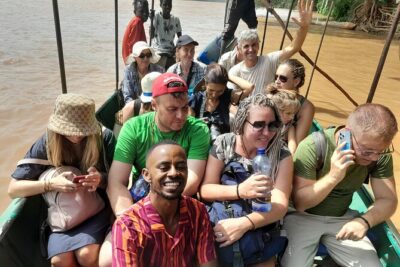
5 Day Private tour to the Omo Valley Tribes and Adventure Tour
Read our review →Browse the lists this tour appears in