
Reviewed · OMO VALLEY TRIBAL TOURS
Omo Valley Tribes Photography Tour by Locals
Some journeys change what you notice forever. This seven-day trip from Addis Ababa reaches the Dorze, Konso, Hamer, Dasenech, Mursi, Bena, Ari and Tsemai communities, with time for markets, villages and striking portraits. I especially like the small group limit of eight and the chance to see daily skills such as weaving, cooking, blacksmith work and distilling areki. The main drawback is the long road travel, with several days involving hours in the vehicle over remote routes.
I also like the useful mix of culture and nature. Lake Chamo brings crocodiles and possible hippo sightings, while Mago National Park, the Omo River and the Rift Valley add more than portrait sessions. At $1,250 per person, the price is reasonable for seven days of transport, meals, accommodation, guiding and park or attraction fees, but you should book this for the full journey, not a quick holiday add-on.
In This Review
- Key points before you book
- Why this seven-day route is worth your time
- Day 1: Dorze houses, cotton weaving and kocho
- Day 2: Lake Chamo, crocodiles and the long road to Turmi
- Day 3: The Omo River and the Dasenech village of Omo Rate
- Day 4: Dimeka markets and the Bena villages
- Day 5: Mago National Park and the Mursi community
- Day 6: Konso terraces, waka statues and Natural New York
- Day 7: Rift Valley views and the return to Addis Ababa
- What $1,250 includes and what it means
- Photography manners matter as much as camera gear
- Who should book this tour?
- Booking, cancellation and meeting details
- FAQ
- How long is the Omo Valley photography tour?
- What is the maximum group size?
- Is pickup available in Addis Ababa?
- Which meals are included?
- Which market days are part of the route?
- What happens if I cancel?
- Should you book it?
Key points before you book
- Seven days from Addis Ababa: The route runs through the Great Rift Valley, Arba Minch, Turmi, Jinka, Konso and back to the capital.
- Eight-person maximum: A small group matters when you are carrying cameras and waiting for good light or a respectful moment.
- Market days shape the route: Dimeka markets operate Tuesdays and Saturdays, Key Afar on Thursdays, Konso on Mondays and Thursdays, and Weyto on Saturdays.
- Portraits need care: The trip is built around photographing people, so your guide’s local support and your own manners matter as much as your camera.
- Meals are covered: Seven lunches and dinners, six breakfasts, bottled water and an air-conditioned vehicle are included.
- Physical effort is moderate: Expect long drives, village walks, market visits, uneven ground and changing road conditions.
Why this seven-day route is worth your time
The Omo Valley is not a place you visit for one famous sight. Its appeal comes from the changing communities, customs, clothing, craft traditions and settings you encounter over several days. The journey also gives you a broader view of southern Ethiopia, from the high village of Chencha to the dry Omo delta and the terraced country around Konso.
For photography, variety is the real prize. You can work on portraits in a village, wide views at Lake Chamo, market scenes in Dimeka and details of cotton weaving in Dorze country. I would bring a camera that is easy to carry, spare batteries and enough memory cards. The included camera, available if requested, is useful if you do not have your own, but serious photographers will likely prefer their familiar equipment.
The tour uses an air-conditioned vehicle and includes a shared guide. That keeps the cost lower than a fully private trip, though you will have less control over every stop and every shooting break. With a maximum of eight people, it should still feel more manageable than a large coach tour.
The schedule is ambitious. The Omo Valley is remote, and road time is part of the experience. A four-hour drive can look modest on paper, but stops, market visits and road conditions can stretch the day. Keep your expectations practical: this is a road journey with rewarding pauses, not seven days spent beside one hotel.
More Omo Valley tours:
- 6 Days Omo Valley Tribes Tours From Addis Ababa
★ 5.0 · 33 reviews - 3 Days Omo Valley Tour
★ 5.0 · 24 reviews - 5 Days Omo Valley Tours
★ 5.0 · 15 reviews
Day 1: Dorze houses, cotton weaving and kocho
Your route south from Addis Ababa crosses the Great Rift Valley before reaching Sodo for lunch. From there, the road climbs toward Chencha and the Dorze villages, an important early change from the capital’s urban pace.
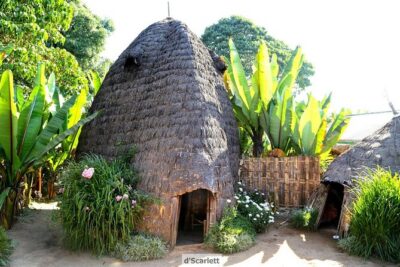
The Dorze are known for cotton weaving and their shammas, traditional cotton cloths. Their houses are especially memorable. Built from woven thatch and shaped like tall beehives, they look unusual but are practical structures suited to local conditions. You can see how the huts and textiles are made rather than simply photographing the finished result.
A second useful stop concerns the false banana plant. The Dorze use it to make kocho, a traditional bread. You may have the chance to try making it yourself, which gives the visit a hands-on quality that a short photo stop cannot provide.
The overnight stay is listed as Dorze or Arba Minch. That difference matters because the next day begins around Arba Minch and Lake Chamo. Ask for the precise overnight location before departure so you know how much driving to expect.
There is also an optional evening with a bonfire, goat preparation and cooking alongside local people. This is one of the more personal parts of the program, but it is optional and should be approached with sensitivity. If you join, remember that the point is shared participation, not staging a scene for the camera.
Day 2: Lake Chamo, crocodiles and the long road to Turmi
The day begins around Lake Chamo in the Nechisar National Park area. The lake is known for its crocodile population, and the area is nicknamed the crocodile market because of the number often seen there. Hippos also live in the lake and might appear.
This stop gives your camera a different subject from village portraits. Look for animal behavior, reflections and the scale of the water rather than expecting a guaranteed close encounter. Wildlife sightings are never promised, and the trip wisely describes hippos as possible rather than certain.
From Arba Minch, the road continues toward Turmi through several cultural areas. You pass Konso, Weyto, Key Afar and Dimeka, with the chance to stop depending on the day and schedule. Weyto is associated with the Tsemai people. Key Afar is linked with the Bena community, and Dimeka serves as a market center for Hamer and Karo communities.
At night in Turmi, you might see evangadi, a traditional Hamer night dance. The wording matters here: it is a possibility, not a fixed performance. That makes the experience less predictable, but also potentially more natural than a show arranged solely for an audience.
This is a demanding road day. You will see plenty, but you will also spend long stretches seated in the vehicle. Carry water, keep a light layer within reach and protect your camera from dust when you are not shooting.
Day 3: The Omo River and the Dasenech village of Omo Rate
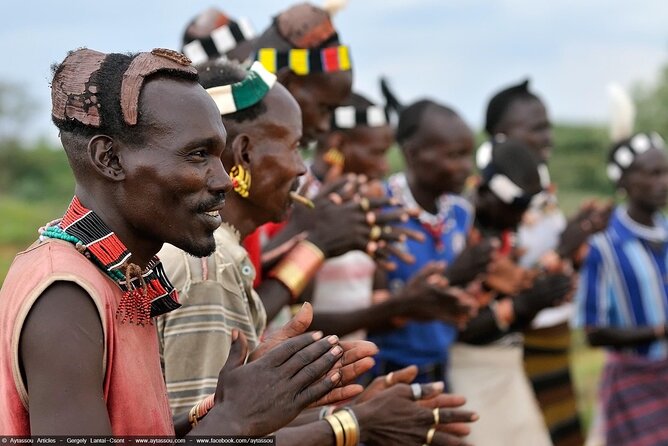
The route heads through Dimeka and Key Afar, with market visits timed around the weekly schedule. Dimeka is at its most useful on Tuesdays and Saturdays, when Hamer, Bena and Karo communities come together to trade goods. Key Afar is busiest on Thursdays, with Bena and Tsemai people attending.
Market days can be the strongest photography opportunity of the trip because they bring movement, color, clothing, goods and social exchange into one place. Still, markets are working places, not photo sets. Ask before taking close portraits, follow your guide’s advice and avoid blocking people who are buying or selling.
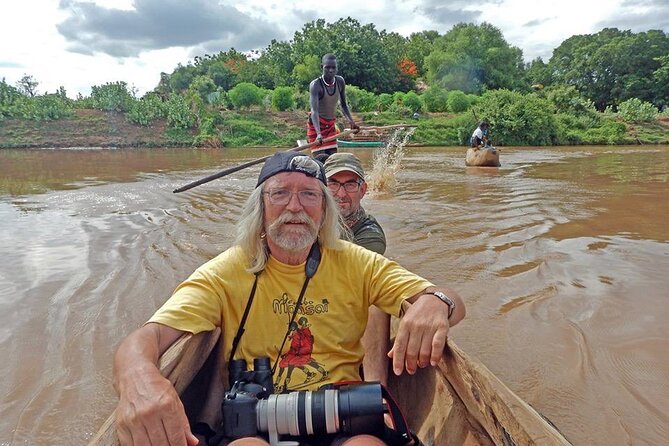
The day also reaches Omo Rate, an isolated village in the Omo delta. You cross the Omo River in a locally made boat to visit the Dasenech community. That crossing is a memorable part of the route because it shows how geography shapes daily life. The river is not just a scenic backdrop. It is part of the transport system.
The schedule includes time in the Turmi area, while the wider route also points toward Jinka. Because the published sequence places some stops across different days, confirm the exact overnight plan and daily order with the operator. The important point is that Turmi, Dimeka, Key Afar, Jinka and Omo Rate are all part of the southern circuit.
More photo sessions in Addis Ababa:
- Photography Expeditions to Omo Valley
★ 5.0 · 5 reviews - 9 days Omo Valley Tribes and Photography Tour
★ 5.0 · 4 reviews - TRIBES OF THE OMO VALLEY – 8 Days PHOTOGRAPHY EXPEDITION
★ 5.0 · 2 reviews
Day 4: Dimeka markets and the Bena villages
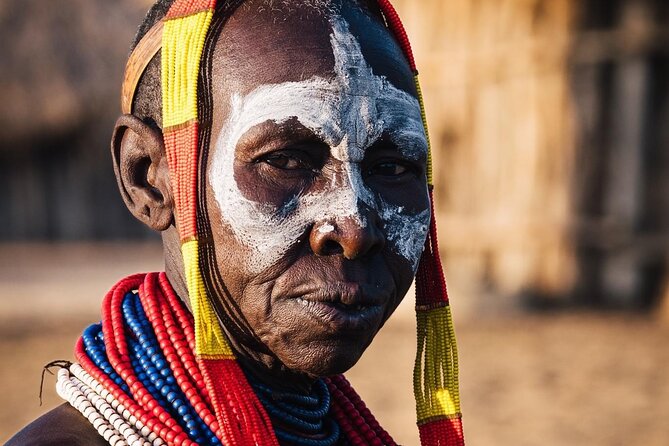
The Jinka and Dimeka section gives you another chance to match your visit with market day. If your timing is right, Tuesday brings the colorful Alduba market in the Dimeka area. The market schedule is one of the practical details that can make a big difference to the trip.
A market visit is not only about taking portraits. Watch how goods are arranged, how people move between stalls and how several communities meet in the same place. Your guide can help explain which group you are seeing, which is useful because clothing and adornment can be easy to confuse at first glance.
The route also visits Bena communities. This helps balance the better-known Mursi and Hamer stops with a broader view of the Omo Valley. If your main goal is photography, plan to make room for quiet observation. The best image may come after you have put the camera down for a few minutes.
Overnight accommodation is listed in Jinka at Nasa or NASA hotel, depending on the schedule description. Hotel standards are not detailed, so I would choose this tour for its access and range, not for luxury lodging.
Day 5: Mago National Park and the Mursi community
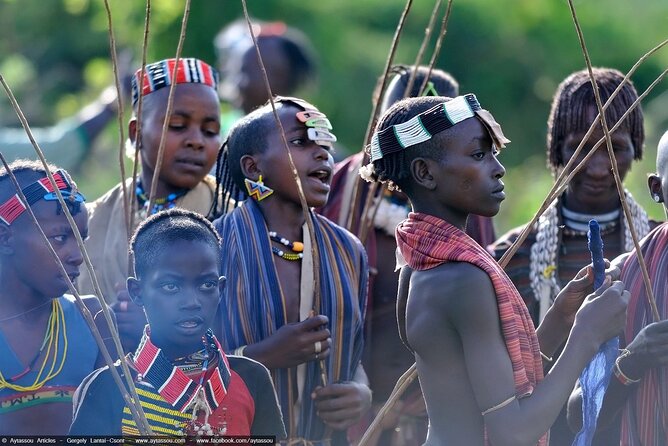
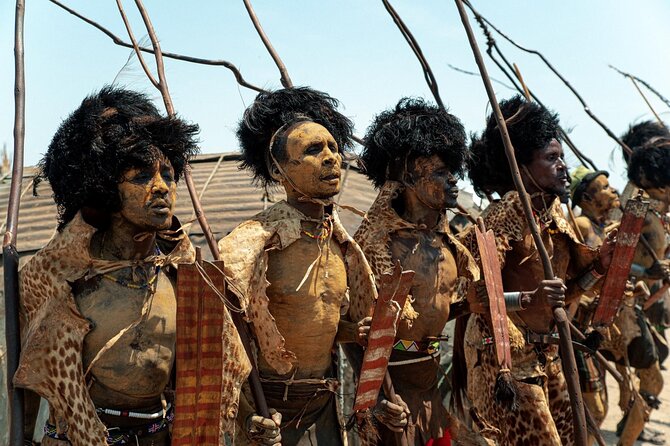
The trip enters Mago National Park on the way to a Mursi village. The Mursi are widely known for the lip and earlobe plates worn by some women. The custom has social meaning, including its connection to marriage and bride price, so it deserves more than a quick snapshot and a shallow explanation.
This is likely to be one of the most photographed days. You may get striking portraits, but you should remember that a person is not a costume. Let the guide manage introductions, ask permission and do not assume that a dramatic appearance means unlimited access to someone’s time.
Back in Jinka, the South Omo Museum and Research Center provides useful context. After seeing several communities in quick succession, you may find the museum helps organize what you have observed. It is a good place to slow down and connect clothing, tools and customs with wider community life.
The afternoon also includes a hike in the nearby hills to an Ari village. Here, the focus turns to practical work. You can learn about blacksmithing and the making of areki, local gin. This stop is valuable because it shifts the emphasis from ceremonial appearance to everyday skill.
The route also lists Key Afar and an Ari village as part of this section. As with other days, the precise order may depend on market timing and road conditions.
Day 6: Konso terraces, waka statues and Natural New York
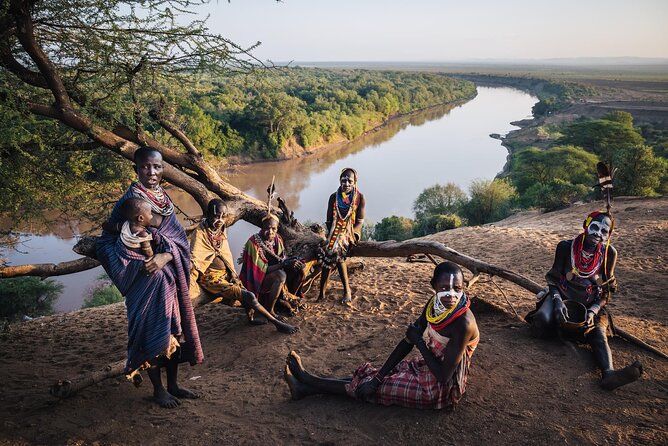
Leaving Jinka, you drive toward Konso through Key Afar. If it is Thursday, the Key Afar market offers another chance to see Bena and Tsemai trading goods. Market timing is worth discussing before you leave because a small change in the weekly schedule can alter the feel of the day.
Konso is known for carefully built agricultural terraces and wakas, wooden statues honoring dead heroes. The terraces show how people have worked with steep ground over time, while the statues offer a more personal look at memory and honor. A local village and cultural museum are included, giving you both a living community and a place where objects receive explanation.
If time allows, you may also see the natural formation called New York Village. Tall sand formations resemble city skyscrapers, which explains the nickname. It is a quick, unusual visual break from the villages and terraces.
The drive continues to Arba Minch, with an overnight stay at Mora Height Lodge. This day again mixes road travel with several stops. If you tire easily on long drives, the moderate fitness requirement should be taken seriously.
Day 7: Rift Valley views and the return to Addis Ababa
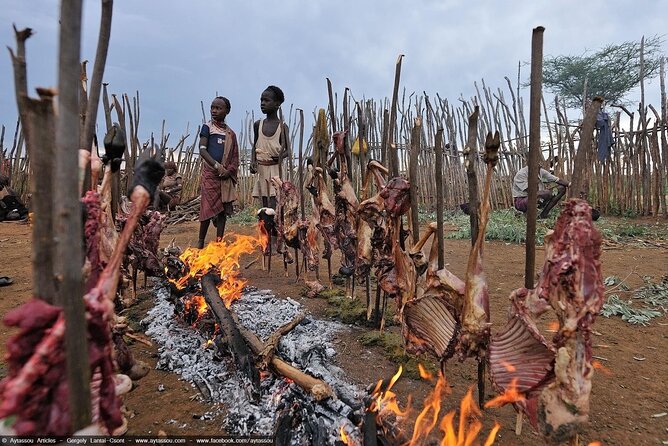
The final day is a full drive back to Addis Ababa, with a stop at Lake Langano for refreshments and lunch. The lake provides a calmer final pause after the busy southern circuit and gives you time to sort through the trip in your head, and perhaps your camera.
The return route may include archaeological sites not visited earlier, depending on time. In the evening, optional shopping and a folkloric dinner are available. The dinner includes national dishes, dances from different Ethiopian ethnic groups and a traditional coffee ceremony.
The airport transfer is arranged according to your departure schedule. Even so, do not plan a tight international connection after a full day on the road. The schedule is long, and the tour data does not promise a fixed arrival time in Addis Ababa.
What $1,250 includes and what it means
The $1,250 price covers a great deal for seven days:
- Air-conditioned vehicle
- Shared guide
- Bottled water
- Seven lunches
- Six breakfasts
- Seven dinners
- All fees and taxes
- A camera if requested
That works out to roughly $179 per day before considering the value of transport through a remote region, guiding, meals and access fees. You are not paying simply for a hotel and a transfer. You are paying for a coordinated route through places that would be difficult to connect efficiently on your own.
The value is strongest if you use the cultural access well. Dorze weaving, the Omo River crossing, Mursi village life, Konso terraces and the weekly markets each add something different. If you only want wildlife or polished accommodation, the price may feel less attractive.
Visa costs, tips, laundry and alcoholic drinks are not included. The minimum legal drinking age for alcohol in Ethiopia is 21. Plan for those extra costs, and carry some flexibility for personal spending at markets.
Photography manners matter as much as camera gear
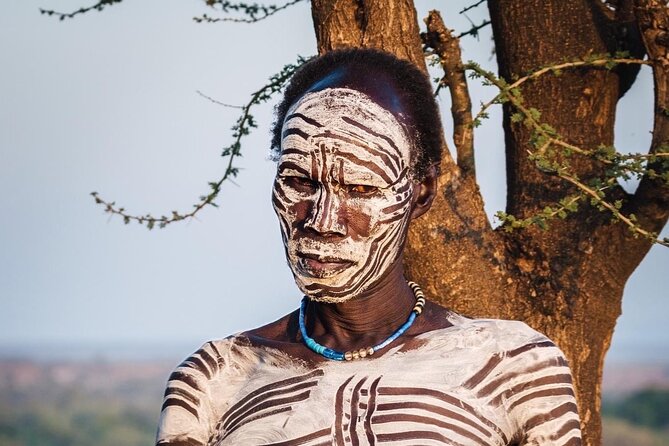
A photography tour in the Omo Valley carries a duty to act respectfully. Your guide can help with introductions and local expectations, but you still need to ask permission before close portraits and accept a no without argument.
Avoid reducing a community to its most unusual visual feature. Lip plates, body decoration, traditional clothing and ceremonies may attract attention, but the tour also offers weaving, cooking, farming, blacksmith work, trading and river transport. Those ordinary activities often make stronger images because they show people doing something meaningful.
The group maximum of eight is a real advantage. You will have less chance of overwhelming a village than you would with a large coach group. Still, a small group does not remove the need for patience and good judgment.
Who should book this tour?
I would recommend it to photographers who want cultural variety, remote roads and a packed southern Ethiopia route. It also suits people who enjoy learning through direct observation rather than spending every night in a high-end hotel.
You should be comfortable with moderate physical activity, long drives, village walks and a schedule that may shift around market days. Families with young children, anyone needing a relaxed pace or anyone seeking guaranteed wildlife sightings should think carefully before booking.
The tour is also a good fit if you are traveling alone but want the structure of a shared group. With a maximum of eight people, you gain company without the scale of a bus tour.
Booking, cancellation and meeting details
Pickup is offered, and the stated meeting point is Hyatt Regency Addis Ababa at Meskel Square. Confirmation is provided at booking, and the activity accepts mobile tickets.
You can cancel for a full refund up to 24 hours before the local start time. Cancellations or changes made within 24 hours are not accepted for a refund. Since the route is long and market days matter, check the start time, overnight plan and intended market dates before committing.
FAQ
How long is the Omo Valley photography tour?
The tour lasts approximately seven days, beginning in Addis Ababa and returning there on the final day.
What is the maximum group size?
The tour has a maximum of eight travelers.
Is pickup available in Addis Ababa?
Yes. Pickup is offered, and the stated meeting point is Hyatt Regency Addis Ababa at Meskel Square.
Which meals are included?
Seven lunches, six breakfasts and seven dinners are included. Bottled water is also provided.
Which market days are part of the route?
Dimeka markets are held on Tuesdays and Saturdays. Key Afar market day is Thursday, Konso markets are held Mondays and Thursdays, and Weyto market day is Saturday.
What happens if I cancel?
You receive a full refund if you cancel at least 24 hours before the experience begins. Cancellations or changes made less than 24 hours before the start time are not refunded or accepted.
Should you book it?
Book this trip if you want a serious seven-day look at southern Ethiopia, with portrait photography, market visits, village skills, wildlife and long road journeys in one package. The strongest parts are the range of communities, the small group size, the included meals and transport, and the chance to visit places such as Omo Rate and Mago National Park.
Before paying, confirm the exact overnight sequence, the market dates that match your departure, and whether the optional activities suit you. If you accept basic lodging and a demanding schedule, $1,250 offers solid value. If you want a slow, luxury-focused holiday, choose a shorter or more private arrangement instead.
Just added in Addis Ababa
- Yod Abyssinia Cultural Night: Dinner, Music, and Dance★ 5.0 · 7 reviews
- Addis Ababa City Tours Full-Day Tours★ 5.0 · 5 reviews
- Locally crafted beer and wine tasting and nightlife in Addis tour★ 5.0 · 6 reviews
- Unique Ethiopian Cooking Class and Coffee Ceremony with a Local in Addis Ababa★ 4.5 · 7 reviews
- Stunning Views Wonchi Crater Lake a Private Day Trip★ 5.0 · 3 reviews
- Visiting the wonders of Lalibela in Three (3) days and Two ( 2) nights★ 5.0 · 2 reviews
- .2- Days and 1 Night Tour To Awash National Park water falls★ 5.0 · 1 review
- Two days Lake Wenchi and Menagesha Forest★ 5.0 · 1 review
Omo Valley Tribal Tours, compared.
6 Days Omo Valley Tribes Tours From Addis Ababa
Read our review →
Lalibela, Axum, Danakil and Omo Valley 8 DAYS
Read our review →


9 Days Tours To Danakil Depression, Simen MNP, Lalibela With Omo Valley Tribes
Read our review →
5 Day Private tour to the Omo Valley Tribes and Adventure Tour
Read our review →Browse the lists this tour appears in