
Reviewed · MUSEUMS
Lalibela churches , church museum & Yemrehan kirstose ( cave church)
History here is carved under your feet. This private Lalibela tour combines the town’s famous rock-hewn churches with the older cave church of Yemrehane Kirstos, a local guide, airport transfers, and an early church service. I especially like the chance to see Lalibela through Daniel’s local and religious background, and I like that the tour includes a traditional coffee ceremony in his home. The main consideration is that the timing is not perfectly clear: the experience is described as lasting from 12 hours to one day, while the program also refers to two nights, and accommodation is not included.
You should also confirm exactly what is meant by the church museum in the title. The detailed schedule names the two church clusters, Yemrehane Kirstos, St. George, and a church service, but it does not list a separate museum visit. That small clarification matters if the museum is one of your priorities.
In This Review
- Key points to know before booking
- Why Lalibela feels different from an ordinary historic site
- Airport pickup and the 25-kilometer ride into Lalibela
- The northern churches: Bet Medhane Alem and the first cluster
- Yemrehane Kirstos, an older church inside a natural cave
- The southern churches and Bete Giyorgis
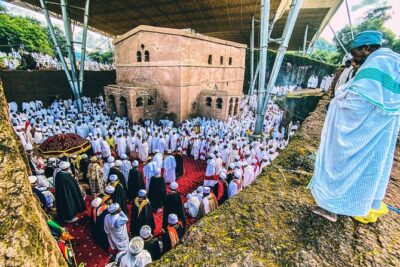
- Attending an early service at Bet Medhane Alem
- Daniel’s guiding style and the value of a private tour
- Is $410 per person good value?
- Who should book this Lalibela experience?
- Booking details worth confirming
- Should you book it?
- FAQ
- Where does the tour start and end?
- What time does the tour begin?
- Are domestic flights included?
- Is accommodation included?
- Are meals included?
- Which Lalibela churches are visited?
- Is a church service part of the experience?
- What is the cancellation policy?
Key points to know before booking
- Daniel’s family connection to the churches: His father and grandfather were priests, giving him personal insight into Ethiopian Orthodox worship and local traditions.
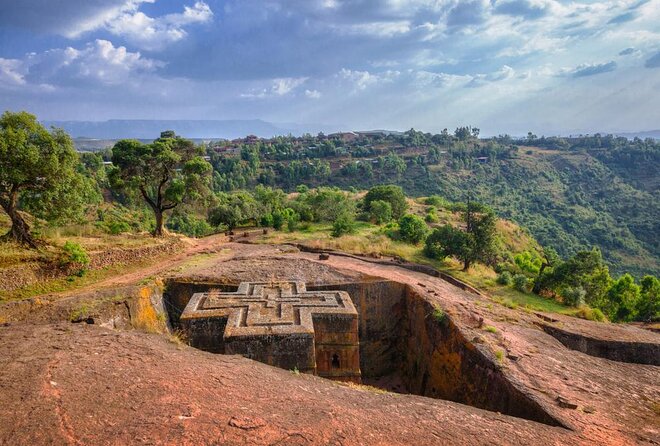
- Two major church clusters in Lalibela: You visit the northern group, the southern group, and the famous cross-shaped Bete Giyorgis, also called St. George.
- Yemrehane Kirstos is older than Lalibela’s churches: This cave church dates to the 11th century, roughly a century before the main Lalibela complex.
- A real church service is included: The early service at Bet Medhane Alem helps you see that these are active places of worship, not only historic monuments.
- Private transport and guiding: An air-conditioned vehicle, airport pickup, and private English-speaking guide make the schedule easier to manage.
- The $410 price needs careful planning: Lunch, dinner, hotels, breakfast, domestic flights, and tips are extra, so your final budget will be higher.
Why Lalibela feels different from an ordinary historic site
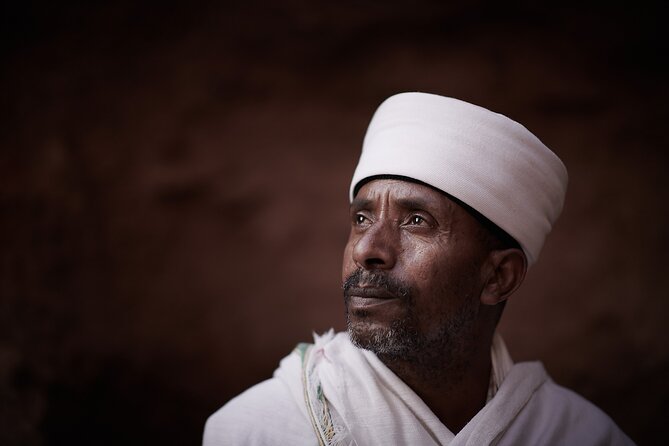
Lalibela is not a row of ruins behind barriers. Its churches remain active Ethiopian Orthodox Christian shrines, and priests, worshippers, and pilgrims use the site today. That changes the way you experience the stonework. You are not simply looking at an old building. You are moving through a living religious center.
The churches were cut directly into volcanic rock many centuries ago. The tour description places the main churches at roughly 900 years old, while several accounts connected with the guide describe the complex as dating from the 12th to 14th centuries. You will hear local traditions linking Lalibela to Jerusalem and to the reigns of medieval Ethiopian rulers.
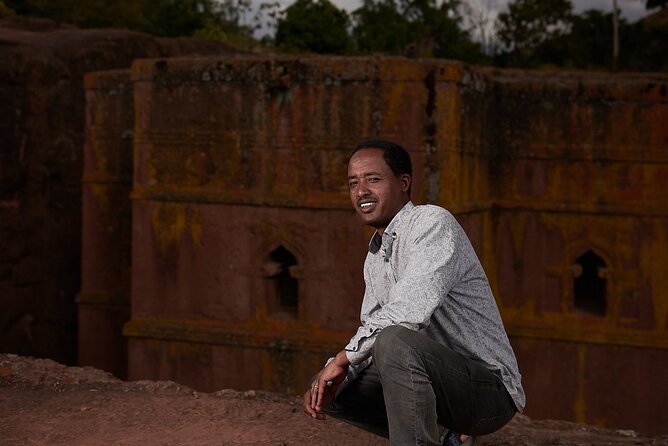
That is where a good guide makes a real difference. Daniel Shewalem is repeatedly praised for explaining the history, the Ethiopian Orthodox Tewahedo Church, and daily life in Ethiopia. His family background is especially useful here. A guide with close ties to the religious community can help explain why a ceremony matters, how the churches are used, and what you should do when worship is taking place.
I would not treat the tour as a quick photo stop. The churches are close together in some areas, but the visit involves walking between them, entering sacred spaces, and listening to explanations. You will get more from it if you are willing to slow down and pay attention.
More museums in Lalibela:
- Tour 11 monolithic rock churches & museum in Lalibela & cave church with mummies
★ 5.0 · 37 reviews - Addis Ababa +Mount Entoto View Point,Museums Palace Market Tours
★ 5.0 · 42 reviews - Museum Highlights Guided Day Tour in Addis Ababa
★ 5.0 · 9 reviews
Airport pickup and the 25-kilometer ride into Lalibela
The day begins at Lalibela Airport, with an air-conditioned vehicle taking you about 25 kilometers into town. The drive is listed at roughly 30 minutes and includes broad views along the way. Airport pickup is a useful part of the package, particularly if you have just arrived and want to avoid sorting out local transport immediately.
The scheduled start time is 8:00 a.m., but the detailed plan also says you meet at the airport, drive to Lalibela, and visit the churches after lunch. Ask for the exact pickup and sightseeing schedule before arrival. The information gives several different time estimates, including five-hour visits at the main sites and a six-hour final segment for the service and airport return.
That does not necessarily mean you will spend six full hours inside a church. It likely reflects driving, waiting, worship, and transfer time. Still, you should clarify the order of the stops, especially if your flight schedule is tight.
The northern churches: Bet Medhane Alem and the first cluster
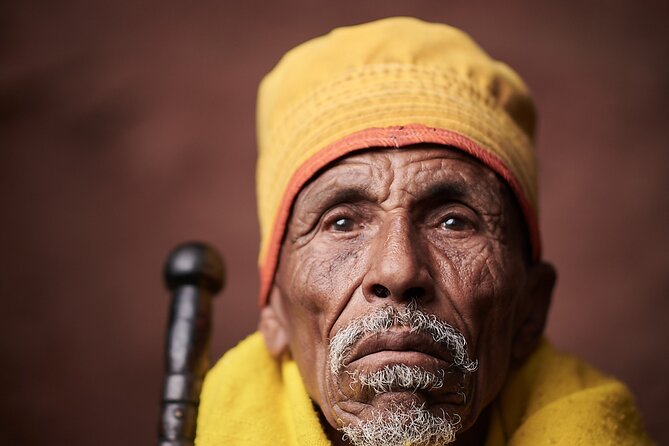
After lunch, the tour visits the first group of Lalibela churches. This section includes:
- Bet Medhane Alem
- Bet Maryam
- Bet Meskel
- Bet Denagle
- Bet Mikael
- Golgotha
Bet Medhane Alem is particularly important because it is described as the largest church in Lalibela. It is also the setting for the early morning church service included in the experience. Attending worship here gives the visit a stronger sense of place than simply arriving after the religious activity has ended.
The name Bet Medhane Alem means House of the Savior of the World. The church is carved from the rock, as are the other structures in the complex. Your guide can help you read the forms, passages, and religious imagery rather than seeing them as one large stone monument.
Bet Maryam is another major stop in this cluster. The church and its surrounding spaces show how the builders worked downward and inward through the rock. In places, you walk through trenches and narrow passages cut below ground level. Bring shoes that are secure and comfortable, since the surface can be uneven.
Bet Meskel, Bet Denagle, Bet Mikael, and Golgotha add smaller and more intimate spaces to the visit. The churches are not all experienced in the same way. Some are more open and monumental, while others feel enclosed and quiet. The variety is one reason I would prefer a private tour here. You can ask Daniel to pause when a carving, painting, or religious detail catches your attention.
Yemrehane Kirstos, an older church inside a natural cave
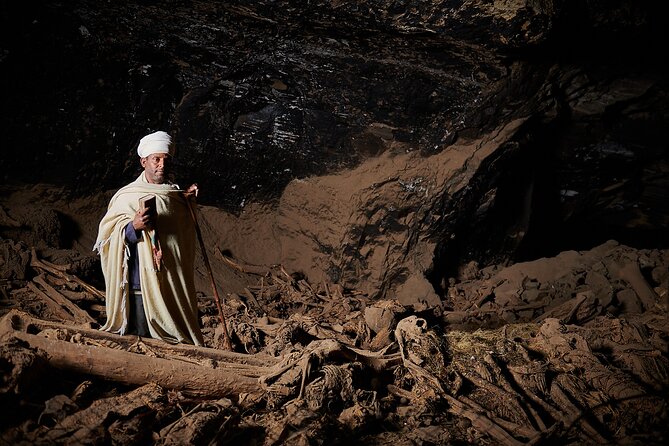
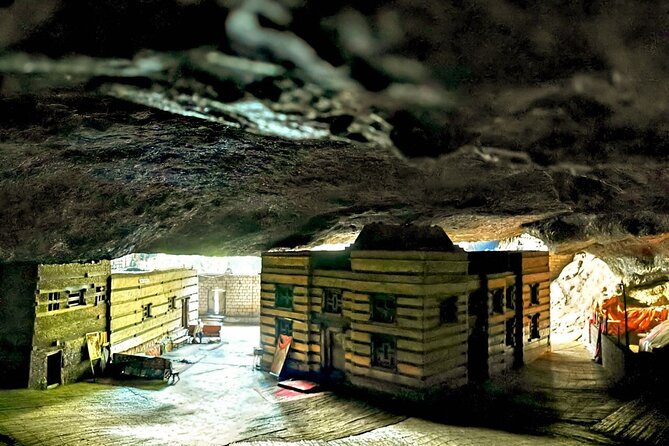
The next morning, after breakfast, you drive to Yemrehane Kirstos, also spelled Yemrehanna Kristos or Yimrhanne Kirstos. The site is described as a cave church built in the 11th century, about 100 years before Lalibela’s main churches.
This is not just another church added to the same list. Its setting inside a natural cave gives it a different character from the excavated churches in town. The interior contains old paintings, which add a visual link to Ethiopia’s long Christian tradition.
The tour description refers to the church as being under water, but that wording is unclear. You should ask the operator to explain the exact condition and setting before you go. The reliable point is that Yemrehane Kirstos is inside a natural cave and contains old paintings.
The drive out of Lalibela also breaks up the church visits. After several hours among the main complex, a change of setting can help you appreciate the differences between the sites. At the same time, transport takes time, and the schedule is full. If you want long periods for photography or quiet reflection, ask whether the plan can be adjusted.
A few more options to weigh up in Lalibela
- Visiting Lalibela churches
★ 5.0 · 40 reviews - Visit the rock hewn churches
★ 5.0 · 39 reviews - Lalibela, Axum, Danakil and Omo Valley 8 DAYS
★ 5.0 · 29 reviews - Rock Churches of Lalibela Guided Tour
★ 5.0 · 27 reviews
The southern churches and Bete Giyorgis
After lunch, the itinerary returns to the second group of Lalibela churches. This cluster includes:
- Bete Gabriel
- Bete Rafael
- Bete Emanuel
- Bete Aba Libanos
- St. George, also called Bete Giyorgis
Bete Gabriel and Bete Rafael are paired in the program, while Bete Emanuel and Bete Aba Libanos offer more chances to compare the design and scale of the churches. Your guide’s explanations are most useful when you start noticing that each church has its own form, access route, and religious associations.
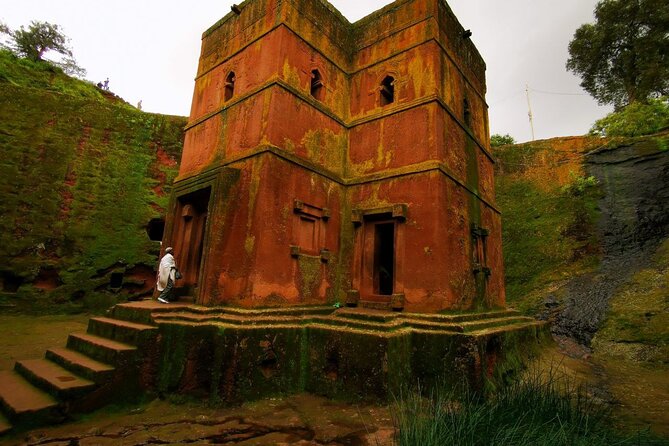
St. George is the final major highlight. Its cross shape is immediately recognizable, and the church is cut down into the rock rather than assembled from separate stone blocks. Many people consider it the visual high point of Lalibela, and the itinerary sensibly saves it for the end of the main church circuit.
The famous view can make St. George feel like a photo stop, but give yourself time to look beyond the outline. Notice how the church sits below ground level and how the surrounding rock frames it. The scale is impressive because the builders had to remove the rock around and below the church while leaving the structure intact.
The full church program is demanding. The schedule gives about five hours for this section, but you may need more time if you listen carefully at every stop. If you are traveling with a group that wants to move quickly, a private booking gives you a better chance to set the pace.
Attending an early service at Bet Medhane Alem
The final part of the program includes an early church service at Bet Medhane Alem. This is one of the most valuable features because it shows the churches as working religious spaces.
You will need to follow local instructions closely. The stated dress code is formal, and modest clothing is essential for an Orthodox church service. Ask Daniel in advance what clothing is appropriate, especially if you are visiting during a major religious celebration.
The service may also affect the sightseeing rhythm. You might wait while worship takes place or move quietly through part of the church. That is not a problem to be solved. It is part of visiting a living sacred site, but you should allow flexibility rather than expecting a museum-style schedule.
The guide has experience arranging visits during religious festivities, including Christmas and a Saint Michael celebration. That background may be helpful if your dates coincide with a major observance. Services and pilgrimage periods can bring crowds, and a local guide can help you arrive at the right place and behave respectfully.
Daniel’s guiding style and the value of a private tour
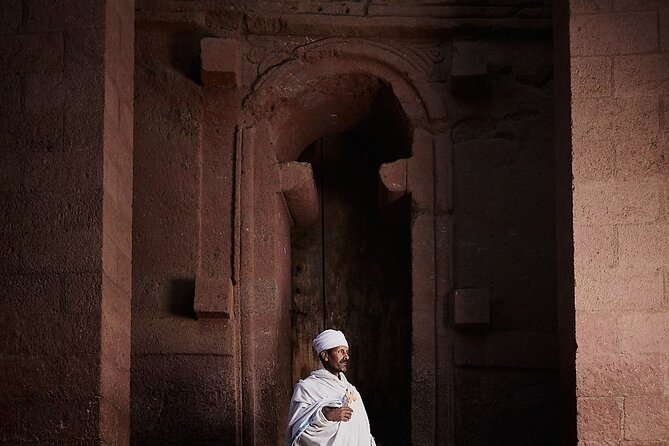
The strongest reason to choose this experience is the guide. Daniel is described as attentive, flexible, and good at adjusting the schedule around a visitor’s interests. He has arranged last-minute tours, airport pickup, hotels, church visits, and longer trips in the surrounding area.
Several accounts praise his English and his ability to explain both the churches and everyday Ethiopian life. One particularly useful detail is that he has helped groups of up to 15 people and has organized extended programs that included camping near Yemrehane Kirstos. Those longer arrangements are not part of this package, but they show that the service can be adapted.
A private tour also means your group is not mixed with other participants. You can ask for more historical detail, spend longer at a painting, or request a faster pace if you have limited time. The tradeoff is that the quality of the experience depends heavily on communication with the guide. Tell Daniel what matters most to you before the day begins.
The traditional Ethiopian coffee ceremony in Daniel’s home adds a personal touch. It is not a replacement for a full meal, and lunch and dinner are not included, but it gives you a chance to meet your guide outside the formal sightseeing routine.
Is $410 per person good value?
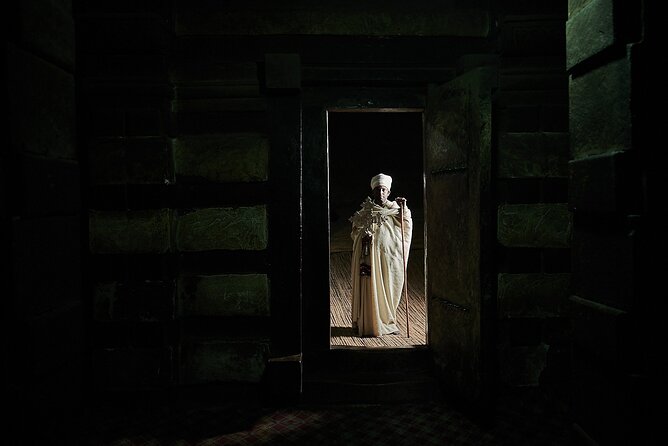
At $410 per person, this is not a budget sightseeing day. The value depends on what you need included.
The price covers an air-conditioned vehicle, admission fees and taxes, a private English-speaking guide for the churches and attractions, airport pickup and return, the coffee ceremony, and attendance at the early service. Those inclusions remove several practical tasks from your hands.
The price does not include domestic flights, hotel accommodation, breakfast, lunch, dinner, tips, or personal expenses. That is the most important budget point. The program calls itself a two-night guided excursion in one place, but accommodation is specifically excluded. Confirm whether you are expected to arrange your own hotel and how the airport transfers fit with your flight times.
For a solo visitor or a couple wanting private guiding, the price may be reasonable if the schedule is well organized and the guide provides the depth promised. For a larger group, ask how the per-person price changes. The booking information says the activity is private and only your group participates, but it does not provide group-size pricing.
Who should book this Lalibela experience?
I would recommend it to you if you have limited time in Lalibela and want the main churches, Yemrehane Kirstos, airport transfers, and a church service arranged together. It suits people who care about Ethiopian history, Orthodox Christianity, architecture, and local explanations rather than only taking photographs.
It is also a good fit if you want a flexible private guide. Daniel’s schedule adjustments and personal approach are repeatedly emphasized, and his family connection to the church gives the experience a useful local angle.
I would hesitate if you want a fully inclusive package with lodging and meals. Those costs remain yours. I would also hesitate if your flight schedule leaves little room for delays, since the program description uses several different duration estimates.
The tour is described as suitable for most participants, and service animals are allowed. Vegetarian meals can be arranged if you state your dietary needs at booking. Formal dress is required, so pack accordingly.
Booking details worth confirming
Confirmation is provided at booking, and passport name, number, expiry date, and country are required for every participant. The tour begins in Lalibela and ends back at the meeting point, with the advertised start time of 8:00 a.m.
The guide may be multilingual, although the package specifies a private English-speaking guide. If detailed English explanations are important to you, confirm this before paying.
The cancellation policy allows a full refund if you cancel at least 24 hours before the local start time. Cancellations or changes made within 24 hours are not refunded or accepted. Since domestic flights and hotel arrangements are separate, check those providers’ rules as well.
Should you book it?
Book this tour if you want Lalibela explained by someone with close ties to its religious life, and if you value the older cave church at Yemrehane Kirstos as much as the famous St. George. The private format, airport transport, church service, and coffee ceremony give it more personal depth than a basic transfer-and-ticket outing.
Before booking, confirm three things: the exact number of days, your hotel and meal arrangements, and whether a separate church museum visit is included. If those details match your plans, the $410 price can be worthwhile for a focused, well-supported introduction to Lalibela.
FAQ
Where does the tour start and end?
The tour starts in Lalibela, with airport pickup included. It ends back at the meeting point in Lalibela.
What time does the tour begin?
The stated start time is 8:00 a.m.
Are domestic flights included?
No. Domestic flight tickets are not included in the tour price.
Is accommodation included?
No. Accommodation and breakfast are excluded, even though the program is described as a two-night excursion.
Are meals included?
No. Lunch and dinner are not included. Vegetarian options are available if you advise the operator when booking.
Which Lalibela churches are visited?
The program includes Bet Medhane Alem, Bet Maryam, Bet Meskel, Bet Denagle, Bet Mikael, Golgotha, Bete Gabriel, Bete Rafael, Bete Emanuel, Bete Aba Libanos, and St. George, also called Bete Giyorgis.
Is a church service part of the experience?
Yes. The program includes an early morning service at Bet Medhane Alem.
What is the cancellation policy?
You can cancel at least 24 hours before the local start time for a full refund. Cancellations and changes made within 24 hours are not refunded or accepted.
Just added in Lalibela
- Lalibela Backpacker tours★ 5.0 · 6 reviews
- Trekking in Ethiopia’s Lalibela Wollo Highland 4 Days / 3 Nights★ 5.0 · 6 reviews
- The Rock-Hewn Churches of Lalibela: 3 Days / 2 Nights★ 5.0 · 6 reviews
- Lasta Mountains: Highland Eco Trekking Tour in Lalibela★ 5.0 · 4 reviews
- Lalibela Churches Day Tour★ 5.0 · 7 reviews
- Day Tour of the Rock Hewn Churches of Lalibela★ 5.0 · 2 reviews
- Lalibela churches Guided Tour★ 5.0 · 6 reviews
- Full Day Tour To The 11 Rock Hewn Churches Of Lalibela★ 5.0 · 5 reviews
Museums, compared.
Addis Ababa +Mount Entoto View Point,Museums Palace Market Tours
Read our review →
Tour 11 monolithic rock churches & museum in Lalibela & cave church with mummies
Read our review →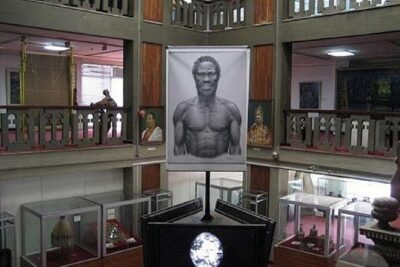
Museum Highlights Guided Day Tour in Addis Ababa
Read our review →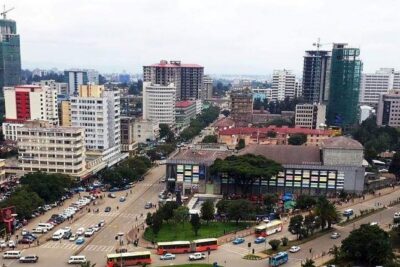
Airport Layover Tour | Half Day Addis City Tour : sightseeing, museum , markets
Read our review →
Browse the lists this tour appears in