
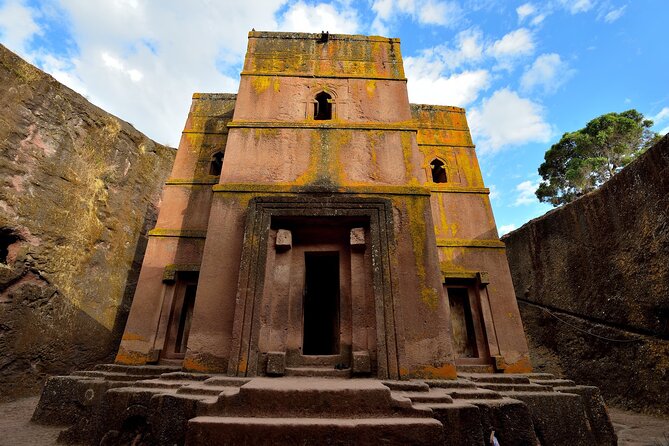
Reviewed · ROCK-HEWN CHURCHES
2 Days 1 night tour to Lalibela Rock-hewn churches
Stone churches, living faith, and a very full day.
This private two-day Lalibela tour gives you a practical way to see all 11 famous rock-hewn churches with airport pickup, a local guide, admission included, dinner, and breakfast. I especially like the split between the two church compounds and the chance to attend an early morning service if the church schedule allows.
The strongest feature is the guide, Muluye Tsegaw, also called Mulie, whose local connections and understanding of Ethiopian Orthodox traditions add meaning to the architecture. The main consideration is pace: the first day lasts about six hours and includes a lot of walking, stairs, uneven passages, and church visits packed into a short stay.
In This Review
- Key points at a glance
- Why Lalibela deserves two days
- Meeting your guide at Lalibela Airport
- The first six churches: Earthly Jerusalem
- Lunch, hotel check-in, and a needed pause
- The four churches of Heavenly Jerusalem
- St. George, the church carved in the shape of a cross
- An early morning service before breakfast
- What Muluye adds to the visit
- Is $387 per person good value?
- Who should book this Lalibela tour?
- Booking details worth knowing
- Final verdict: should you book it?
- FAQ
- Where does the tour begin?
- Is airport pickup included?
- How long does the tour last?
- How many churches are visited?
- Is a church service included?
- What meals are included?
- Are domestic flights included in the price?
Key points at a glance
- All 11 Lalibela churches in two compounds: Visit the group known as Earthly Jerusalem, the group known as Heavenly Jerusalem, and the famous Church of St. George.
- A guide with local roots: Muluye Tsegaw was born in Lalibela and is connected to the local religious community, giving him useful cultural context.
- Private touring: Only your own group takes part, so you can ask questions and discuss the pace with your guide.
- Early morning worship: If church schedules allow, you may attend a quiet, atmospheric service with local worshipers before breakfast.
- Airport pickup included: Your guide-driver meets you at Lalibela Airport at 7:00 am and explains the day’s plan.
- $387 per person: Dinner, breakfast, and admission are included, but domestic flights, tips, alcohol, and personal expenses are extra.
Why Lalibela deserves two days
Lalibela is not simply an archaeological stop. The churches are still active places of worship, and that changes the way you experience them. You may see priests, worshipers, religious students, and pilgrims using buildings that are also important historic monuments.
The churches were cut directly from volcanic rock during the Zagwe period, under the Ethiopian king Lalibela. The tour presents them through the idea of two sacred cities: Earthly Jerusalem and Heavenly Jerusalem. That framework helps you understand why the churches were arranged as connected religious compounds rather than as isolated buildings.
You should not expect a quiet museum visit. The church compounds are working religious spaces. You may need to remove your shoes, follow local guidance, and allow worshipers priority. Your guide can help you understand the customs and explain details that would be easy to miss on your own.
Two days is a sensible minimum. A longer stay would give you more time to revisit the churches, explore the surrounding area, or simply rest between visits. Still, this package suits anyone with limited time who wants the main sights covered in an organized way.
More rock-hewn churches:
- Visit the rock hewn churches
★ 5.0 · 39 reviews - Day Trip to Rock Hewn Churches of Lalibela
★ 5.0 · 16 reviews - The Rock-Hewn Churches of Lalibela: 3 Days / 2 Nights
★ 5.0 · 6 reviews
Meeting your guide at Lalibela Airport
The tour begins at Lalibela Airport at 7:00 am. Your local guide-driver meets you there and outlines the plan before taking you to the church area.
That airport pickup is useful because a short visit leaves little room for confusion. You do not need to arrange a separate transfer before starting the sightseeing. The activity is private, so your own group travels together rather than joining a large mixed party.
The exact transport details are not specified, so you should confirm the vehicle arrangements when booking. The description calls the guide a guide-driver, which suggests that the same person handles both local touring and transfers.
Muluye Tsegaw is the guide most closely associated with this experience. His name also appears as Muluye, Mulie, or Muluya in the tour material. If you have a strong preference for him personally, confirm his availability before paying, since guide assignments can change.
The first six churches: Earthly Jerusalem
The first major visit covers the compound called Earthly Jerusalem. Six churches are located in this group, and the tour presents them as the earliest-built section of the Lalibela complex.
This is a substantial morning. You are not making a quick photo stop at one famous building. You move through several churches, linked by courtyards, cut passages, tunnels, steps, and open areas in the rock. The exact order can change according to access, religious activity, and local conditions.
The value of a guide becomes clear here. The churches can look confusing at first because the buildings, trenches, walkways, and surrounding stone all form one connected setting. A good explanation helps you see how the churches were carved, how they relate to one another, and how their designs differ.
The tour focuses on the Zagwe dynasty, the religious purpose of the complex, and the architectural details of the churches. Muluye is praised for explaining the buildings carefully and answering questions about architecture, religion, and local culture.
Give this section your full attention. It is easy to rush because there are so many buildings, but each church has its own shape and atmosphere. You will get more from the visit if you listen for differences instead of trying to photograph every doorway.
Comfortable shoes matter. The supplied information does not give a detailed accessibility assessment, but the nature of rock-cut churches means you should expect uneven ground, steps, narrow passages, and changes in level. Most people can participate, but anyone with mobility concerns should ask for specific advice before booking.
Lunch, hotel check-in, and a needed pause
After the morning church visits, you check in at your hotel and have lunch. The package includes dinner and breakfast, but lunch is not listed as included, so plan to pay for it yourself.
The scheduled break is important. Six hours of church visits can be tiring, especially in a highland town where walking and stairs may feel more demanding than expected. Use the pause to rest, drink water, charge your phone, and prepare for the afternoon.
The hotel itself is not named, and accommodation details are not provided. Ask what hotel category and room arrangement are included before you book. The package price may cover the guided touring and meals without covering every hotel feature you might expect from a standard package.
This midday break also gives you a chance to tell the guide what interests you most. If you care especially about architecture, worship, photography, or the Zagwe period, say so early. Since the tour is private, your questions can shape the explanation.
A few more options to weigh up in Lalibela
- Visiting Lalibela churches
★ 5.0 · 40 reviews - Tour 11 monolithic rock churches & museum in Lalibela & cave church with mummies
★ 5.0 · 37 reviews - Lalibela, Axum, Danakil and Omo Valley 8 DAYS
★ 5.0 · 29 reviews - Rock Churches of Lalibela Guided Tour
★ 5.0 · 27 reviews
The four churches of Heavenly Jerusalem
After lunch and some free time, you continue to the second compound, known as Heavenly Jerusalem. Four churches are grouped in this section.
The change in setting helps break up the day. You have already learned the basic layout and religious story, so the second group can be approached with more confidence. Look for the differences in church form, carved decoration, entrances, courtyards, and the way each building relates to the surrounding rock.
This is also where the tour’s theme of sacred geography becomes easier to follow. The names Earthly Jerusalem and Heavenly Jerusalem are not just labels for a sightseeing route. They reflect the religious meaning attached to the complex and its connection with Christian holy places.
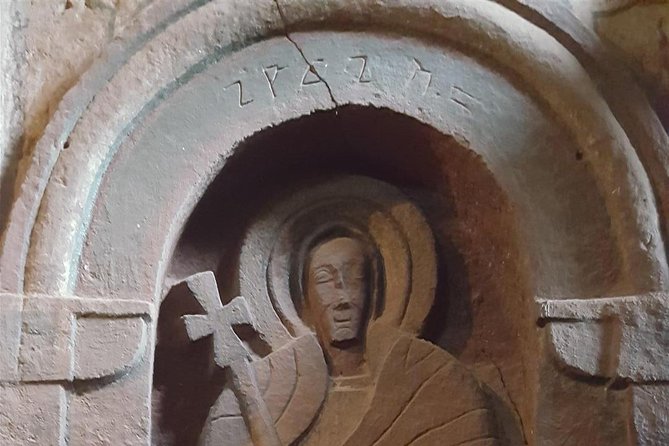
The experience is strongest when the guide connects physical details with faith. A carved cross, a passage cut below ground, or a church set apart from the others can mean more when you understand how the buildings are used. You are seeing architecture, but you are also entering a place where Ethiopian Orthodox worship continues.
Photography may be possible in many areas, but you should follow the guide’s advice. Religious services and prayer take priority over pictures. A respectful approach will make the visit better for you and for the people who come here to worship.
St. George, the church carved in the shape of a cross
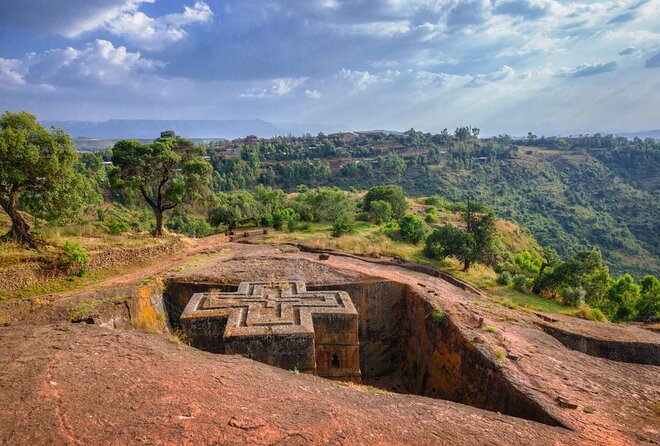
The final major stop is the Church of St. George, often described as the masterpiece of Lalibela’s rock-hewn churches. It is the church most people picture when they think of Lalibela.
Unlike a building assembled from blocks, St. George was cut down into the rock. Its cross-shaped plan is best understood from above or from the surrounding edges of the rock-cut trench. You can appreciate the skill involved in shaping a complete church from one mass of stone, with the surrounding ground removed to reveal it.
The approach itself is part of the experience. You walk through the cut rock toward the church rather than simply arriving at a freestanding structure. The scale is impressive, but the setting remains intimate and religious.
Do not assume St. George is the only important church. It is the visual highlight, but the wider complex explains Lalibela’s religious design and the variety of forms used by the builders. If you rush through the earlier churches just to reach St. George, you lose much of what makes the full visit worthwhile.
The first day is listed at about six hours, though the actual length can depend on access, church activity, walking speed, and how many questions you ask. Build some flexibility into your evening rather than planning another demanding activity afterward.
An early morning service before breakfast
Day two begins before breakfast, with attendance at an early morning church service if schedules allow. This is the most distinctive part of the itinerary because it places the churches in their proper setting: active Ethiopian Orthodox worship.
The service is described as atmospheric and attended by local worshipers. The experience may be quieter and more reflective than the previous day’s sightseeing, but it also requires respect and patience. Your guide can help you understand where to stand and how to behave.
Because attendance depends on the church schedule, it is not guaranteed. You should treat it as a valuable possibility, not as a fixed performance arranged for tourists. That uncertainty is part of what makes the opportunity feel genuine.
After the service, you return for breakfast. Breakfast and dinner are included, while lunch is not listed. The morning visit lasts about one hour, and afterward you are transferred to Lalibela Airport to end the tour.
The airport transfer makes this a useful option for a short itinerary. Still, check your flight timing carefully. The tour’s listed schedule begins at 7:00 am on arrival day, and the second morning includes an early visit before breakfast and departure. Your flight details should allow enough time for the transfer and airport procedures.
What Muluye adds to the visit
The guide is one of the clearest reasons to choose this tour instead of visiting the churches without help. Muluye Tsegaw is praised for being attentive, punctual, courteous, and well connected in Lalibela.
His local background matters. A guide who was born in Lalibela and belongs to the local religious community can explain more than dates and building names. He can help you understand how the churches fit into Ethiopian religious life and why the site remains important to local people.
The strongest praise centers on his explanations of architecture, religion, and culture. He is also described as flexible in shaping the program around individual interests. That matters on a private tour, since you can ask for more detail instead of listening to a fixed speech.
Names are spelled in several ways in the tour information, including Mulie and Muluya. This is likely a simple spelling difference, but confirm the guide’s name and contact details before arrival so you recognize the person meeting you at the airport.
Is $387 per person good value?
At $387 per person, this is not a bargain-basement day trip. It becomes more reasonable when you count what is included: private touring, airport pickup, admission, a local guide-driver, dinner, breakfast, and transfers back to the airport.
The cost is easier to justify if you have only one night in Lalibela. You are paying for an organized route through all 11 churches, cultural explanation, and help with timing. A private guide can also reduce the uncertainty that comes with navigating religious sites on your own.
You should check what accommodation is included, since the hotel is not named in the information provided. Domestic flights are excluded, as are lunch, alcoholic drinks, personal expenses, and tips. These extras can affect the final cost.
The tour offers better value for a first visit than for someone who already knows Lalibela well and wants to explore independently. Its main benefit is not luxury. It is efficient access, local interpretation, and a carefully packed two-day schedule.
Who should book this Lalibela tour?
I would choose this experience if you want to see the main church complex in a short window and prefer having a local person explain what you are seeing. It also suits anyone who wants a private arrangement rather than a fixed group tour.
It is a good fit for:
- First-time visitors to Lalibela
- People with only one night available
- Anyone interested in Ethiopian Orthodox worship
- Visitors who want architectural and cultural explanation
- Small groups who prefer a flexible private schedule
- People who value airport pickup and arranged transfers
It may be less suitable if you want slow, unstructured exploration. The program covers a lot on the first day, and the churches are not a quick, easy stroll. You should also reconsider or request detailed advice if uneven ground, stairs, or narrow passages are difficult for you.
Booking details worth knowing
Confirmation is sent within 48 hours, subject to availability. The tour is private, and pickup is offered at Lalibela Airport.
You can cancel for a full refund if you cancel at least three full days before the local start time. Cancellations or changes made less than three full days ahead are not refunded or accepted. The experience requires good weather, and a weather cancellation results in an alternative date or a full refund.
Tips are not included. Domestic flights, alcohol, lunch, and personal needs are also outside the stated price. Ask about the hotel and transport before booking so you know exactly what the $387 covers.
Final verdict: should you book it?
Book this tour if you want a well-organized, private introduction to Lalibela and have limited time. The combination of all 11 churches, local guidance, airport pickup, and a possible early service makes the schedule unusually useful for a one-night visit.
The main reason to book is Muluye Tsegaw’s local knowledge and personal approach. The main reason to pause is the price, especially if your flights and lunch are still extra. For a short first visit, though, the tour offers a practical way to see Lalibela as both a remarkable architectural site and a living place of worship.
FAQ
Where does the tour begin?
The tour begins at Lalibela Airport in Lalibela, Ethiopia, with a listed start time of 7:00 am.
Is airport pickup included?
Yes. Your local guide-driver meets you at Lalibela Airport, and the tour ends with a transfer back to the airport.
How long does the tour last?
The experience lasts approximately two days and includes one night in Lalibela.
How many churches are visited?
The program covers Lalibela’s 11 rock-hewn churches. Six are in the Earthly Jerusalem group, four are in the Heavenly Jerusalem group, and the Church of St. George is also visited.
Is a church service included?
An early morning church service may be attended on day two if church schedules allow. Attendance is not guaranteed.
What meals are included?
Dinner and breakfast are included. Lunch is not listed as included.
Are domestic flights included in the price?
No. Domestic flights, alcoholic drinks, personal expenses, and tips are not included.
Just added in Lalibela
- Lalibela Backpacker tours★ 5.0 · 6 reviews
- Trekking in Ethiopia’s Lalibela Wollo Highland 4 Days / 3 Nights★ 5.0 · 6 reviews
- The Rock-Hewn Churches of Lalibela: 3 Days / 2 Nights★ 5.0 · 6 reviews
- Lasta Mountains: Highland Eco Trekking Tour in Lalibela★ 5.0 · 4 reviews
- Lalibela Churches Day Tour★ 5.0 · 7 reviews
- Day Tour of the Rock Hewn Churches of Lalibela★ 5.0 · 2 reviews
- Lalibela churches Guided Tour★ 5.0 · 6 reviews
- Full Day Tour To The 11 Rock Hewn Churches Of Lalibela★ 5.0 · 5 reviews
Rock-Hewn Churches, compared.
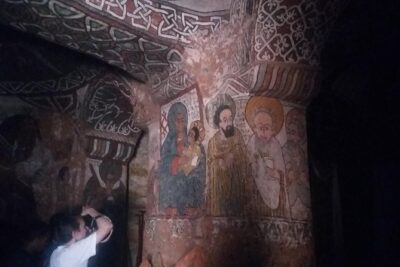
Ethiopia Tigray Tours: Guided tour of Tigray rock hewn churches
Read our review →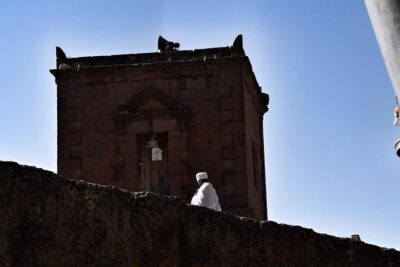

The Rock-Hewn Churches of Lalibela: 3 Days / 2 Nights
Read our review →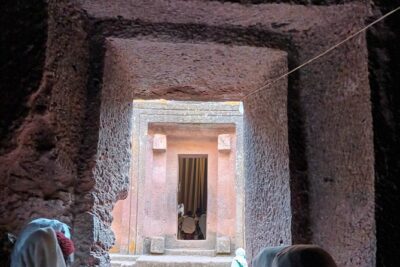
Full Day Tour To The 11 Rock Hewn Churches Of Lalibela
Read our review →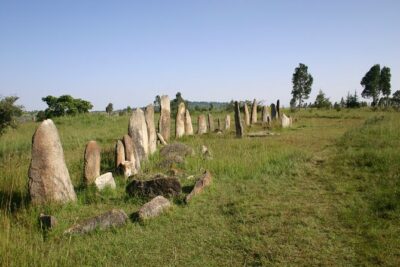
Rock Hewn Churches of Adadi Maryam, Tiya Stele & Melka Kunture
Read our review →
Day trip to Melka Kunture & Adadi Mariam rock-hewn church.
Read our review →
6 days 5 nights Addis Abeba sightseeing & Lalibela Rock-Hewn Churches
Read our review →Browse the lists this tour appears in