
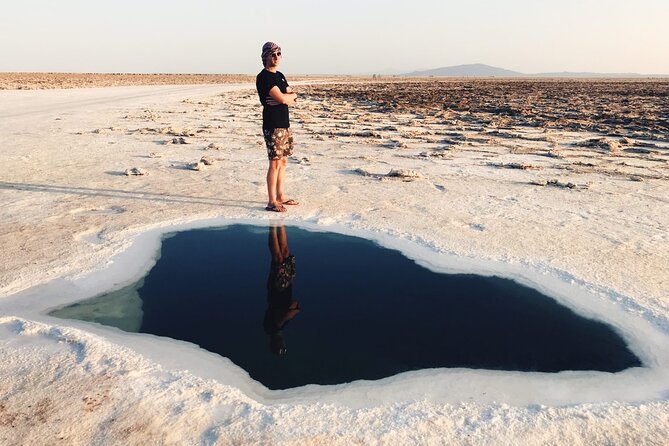
Reviewed · DANAKIL DEPRESSION EXPEDITIONS
Danakil Depression 3 Days trip
Heat changes the rules here. This three-day Danakil Depression trip takes you into one of Ethiopia’s strangest regions, with sulfur pools, salt flats, volcanic ground, camel caravans when available, and the glowing crater of Erta Ale. You travel from Addis Ababa by air, then continue by road with local Afar guides and support from militias.
I like the mix of Dallol and Erta Ale, since you get both colorful mineral formations and a working volcano. I also like that the trip includes transport, meals, water, permits, local guides, and entrance fees in the $500 price. The main drawback is the rough schedule: long drives, basic overnight conditions, extreme heat, and a physical climb to Erta Ale make this a serious trip, not a soft sightseeing break.
The published schedule also uses Dallol in the description for both the first and second day, so I would confirm the exact order with GishAbay Ethiopia Tours before paying for flights. The route may be adjusted around road conditions, weather, and the timing of your arrival in Semera or Mekele.
In This Review
- Key points before you book
- Why the Danakil Depression is worth the effort
- Day 1: Flying north, crossing salt country, and reaching Hamed Ela
- Day 2: Returning to Dallol and heading for Erta Ale
- Day 3: Sunrise at the crater and the return to Addis Ababa
- What the $500 price really covers
- Heat, walking, and overnight conditions
- Guides, Afar culture, and local support
- Who will enjoy this trip most
- Booking, cancellation, and practical checks
- Should you book the Danakil Depression trip?
- FAQ
- How long is the Danakil Depression trip?
- Where does the tour start?
- Is transport included?
- Is food included?
- Are entrance fees included?
- How large is the group?
- Do I need to be physically fit?
- What is the cancellation policy?
Key points before you book
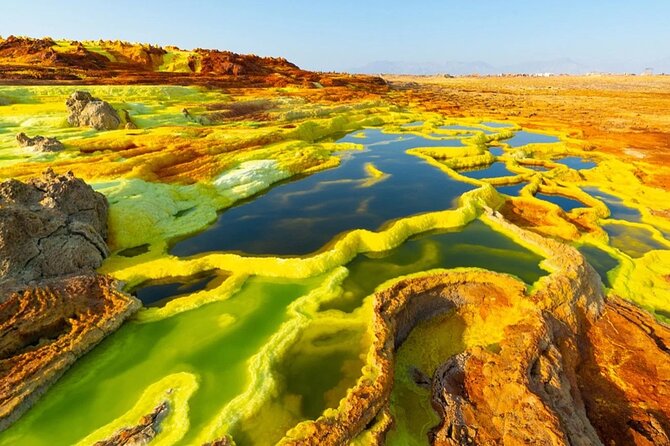
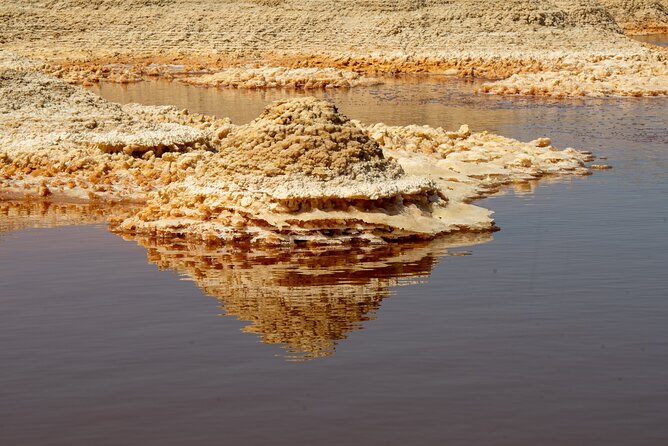
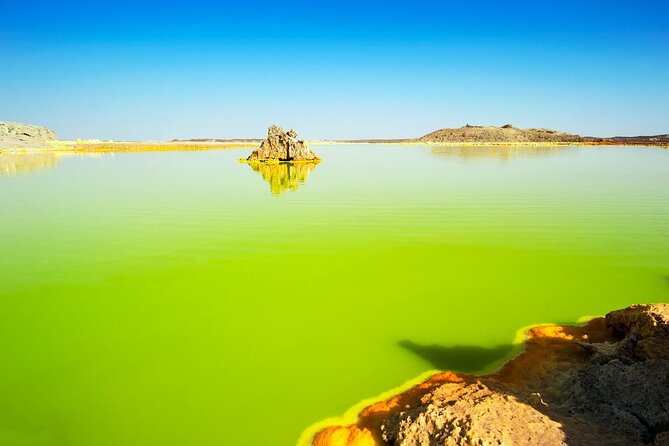
- Dallol is the colorful science lesson: Sulfur pools, mineral formations, salt flats, and deep heat make this one of Ethiopia’s most unusual places to visit.
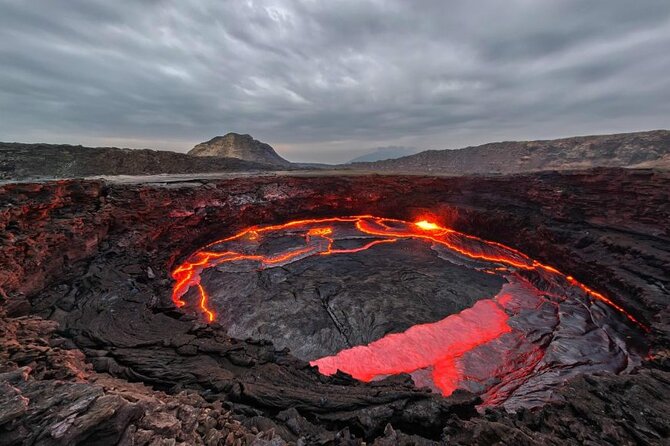
- Erta Ale is the physical highlight: You trek to a volcanic crater and may see the lava lake at sunset and again at sunrise.
- The $500 price covers a lot: Air-conditioned transport, flights within the route, meals, water, permits, local guides, and entry fees are included according to the supplied details.
- Expect basic nights: You stay at Hamed Ela and the Dodom campsite, with the trip focused on access and scenery rather than comfort.
- The group is limited to 15 people: That is small enough for a more manageable road trip, though the pace can still feel demanding.
- Weather and minimum numbers matter: The operator may change the date or offer a refund if bad weather or low participation forces cancellation.
Why the Danakil Depression is worth the effort
The Danakil Depression is not a normal sightseeing stop. It is a harsh volcanic area with salt, heat, mineral colors, and open horizons that can look almost unreal. You are not visiting one famous monument. You are moving through a large natural zone where the ground itself is the attraction.
Dallol gives you the strangest colors. Erta Ale gives you motion and heat from below. The salt flats add a wide, quiet contrast between the more active volcanic areas. Together, these places create a much fuller experience than a quick visit to only one site.
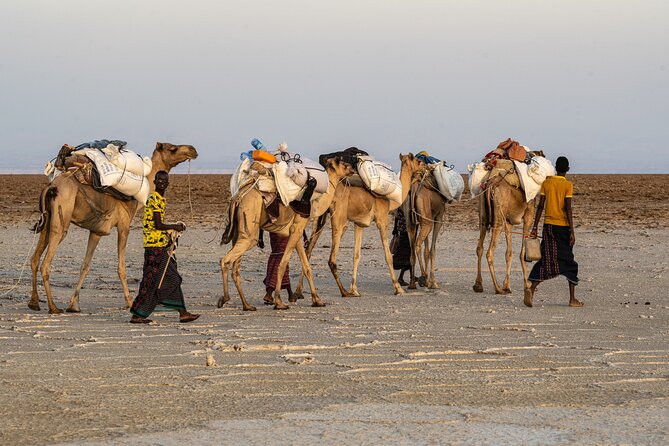
The cultural side also matters. The tour includes Afar local guides, and the route may bring you close to the traditional salt trade and camel caravans if they are present. That connection helps you see the area as a working home, not just a dramatic backdrop for photographs.
You should still set realistic expectations. The Danakil region is hot, remote, and demanding. A three-day trip can show you its major sights, but it does not leave much room for a slow pace or long rest periods.
More Danakil expeditions:
- 12 Days SIMIEN MOUNTAIN-LALIBELA-DANAKIL-TIGRAY CHURCHES
★ 5.0 · 45 reviews - 3 Day Danakil Depression Ertale and Dallol Tours
★ 5.0 · 44 reviews - 5 DAYS Lalibela, Axum, Tigray churches and Danakil
★ 5.0 · 34 reviews
Day 1: Flying north, crossing salt country, and reaching Hamed Ela
The trip begins with an 8:00 am start from the meeting point. You then take a morning flight to Semera or Mekele before continuing by road toward Hamad Ela, also spelled Hamed Ela in the supplied details.
This flight saves valuable time. Reaching the Danakil by road from Addis Ababa would make the trip much longer, so air travel allows you to spend your limited days on the main sights. From the airport, the air-conditioned vehicle becomes important. You will be in a very hot region, and a cooled vehicle offers a needed break between stops.
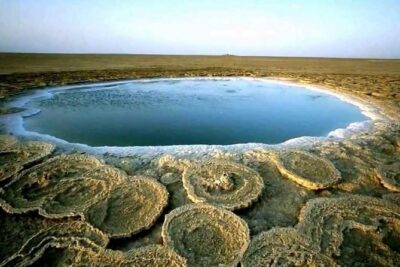
The first day includes Dallol, Lake Karum, and the salt flats. Dallol is known for sulfur pools, mineral formations, and intense heat. The colors can be remarkable, but you should remember that this is a natural volcanic area, not a manicured park. Conditions underfoot may be rough, and you should follow your guide closely.
Lake Karum adds another view of the salt country. The name suggests water, but the Danakil is also famous for broad salt surfaces and mineral-rich ground. The contrast between bright mineral colors and huge pale salt areas is part of what makes the region so striking.
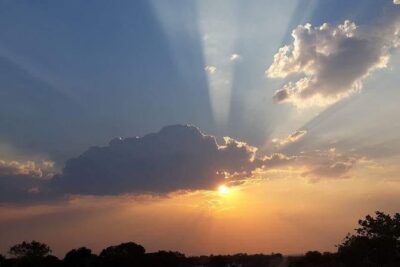
The sunset stop on the salt flats should be one of the calmer moments of the trip. After a day of movement and heat, the open setting gives you time to watch the light change across the flat surface. If camel caravans are passing through, you may also see a living part of the traditional salt route.
You spend the night at Hamed Ela. The details do not promise hotel-style lodging, so plan for a basic overnight stay. Coffee and tea are included, along with bottled water, but you should still treat comfort as secondary to access.
One point deserves clarification before departure. The schedule places the first Dallol visit on day one, while the second-day description also begins with Dallol. Ask the operator how much time is planned at Dallol and exactly when you will transfer toward Erta Ale.
Day 2: Returning to Dallol and heading for Erta Ale
The second day is described as an early visit to Dallol, followed by a trip to the local salt mines and then the Dodom campsite near Erta Ale. This wording suggests that Dallol may be split across the first two days, or that the published timing needs updating.
That matters because the day already contains a lot of movement. You may be visiting colorful volcanic features in the morning, seeing salt-mining activity, traveling onward by road, and then preparing for a nighttime climb. Ask for the final route plan so you know how much time is available at each place.
The salt mines offer useful context for the region. The salt flats are not just a strange natural setting. They support local work and movement, with Afar communities connected to the salt trade. A local guide can help you understand what you are seeing in a way that a quick photo stop cannot.
Later, you reach Dodom campsite, near Erta Ale Volcano. The next part is the physical test of the trip: a trek up the smoking mountain to the crater. The supplied information does not give a precise distance, elevation gain, or walking duration, so you should ask the company for those details before booking.
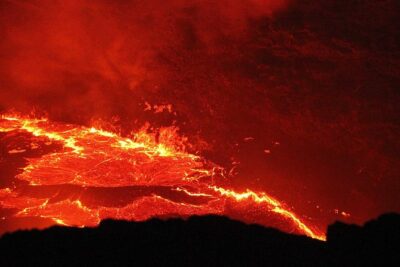
The reward is the possibility of seeing the lava lake at sunset. This is the signature moment for many people on a Danakil tour. The red glow, volcanic smoke, dark crater, and fading daylight can make the scene feel far removed from ordinary travel.
You then return to camp for dinner and sleep. The timing may be late, and the night will not be luxurious. The trip includes dinner and other meals, but the main attraction is the volcano, not the campsite.
You should have moderate physical fitness for this portion. The operator specifically lists that requirement, and it is sensible. Even if the hike is manageable for you, heat, dust, darkness, and fatigue can make a straightforward walk feel harder.
Day 3: Sunrise at the crater and the return to Addis Ababa
The third day begins with another walk to Erta Ale. The plan is to watch the lava lake at sunrise, hike back for breakfast, return to Mekele or Semera, and fly to Addis Ababa.
Seeing the volcano at sunrise gives you a second chance to view it under different light. The sunset visit offers drama against a darkening sky, while sunrise can reveal more of the crater and surrounding ground. There is no guarantee of a particular volcanic display, but the chance to view the site twice gives the schedule real value.
The walk back for breakfast is followed by a long return transfer. This is where the three-day format becomes tight. You will have seen major sights, but you may finish tired, dusty, and ready for a shower rather than another activity in Addis Ababa.
The return flight is included in the planned route, though the exact airport depends on whether the trip uses Mekele or Semera. Confirm flight arrangements, baggage details, and the pickup point before departure. The provided information says pickup is offered, and the activity ends back at the meeting point.
A few more options to weigh up in Addis Ababa
- Full Day Tour of Addis Ababa with Hotel Pickup and Drop-off
★ 5.0 · 430 reviews - Taste of Ethiopia
★ 5.0 · 406 reviews - Day Trip From Addis Ababa See Historical Monastery,Stunning Nature,Animals,Birds
★ 5.0 · 303 reviews - Addis Ababa: Debre Libanos, Blue Nile Gorge, and Cave Tour
★ 4.5 · 256 reviews
What the $500 price really covers
At $500 per person, this tour is not simply a three-day road trip. The price includes air-conditioned vehicle transport, bottled water, coffee or tea, meals, taxes, permits, entrance charges, Afar guides, militia support, and entry to both Dallol and Erta Ale.
The included food is listed as four lunches, four dinners, and three breakfasts. That is more than the three-day wording might first suggest, so ask the operator to confirm the exact meal count and whether any meals are tied to the flight schedule. Still, having food arranged in such a remote region is a practical advantage.
The price also reduces the need to arrange separate permits and local support. In the Danakil, that has real value. You are paying for access, vehicles, guides, and coordination in a place where independent planning may be difficult.
The group limit is 15 people. A group of that size can keep costs down while still allowing you to stay with a guide. It is not a private tour, though, and road stops, meal times, and the volcano walk will follow the group schedule.
Group discounts are available, which could help if you are traveling with friends or family. Ask how the discount is applied, since the supplied information does not give a specific rate.
Heat, walking, and overnight conditions
You should prepare for a demanding setting. The tour is described as taking place in one of the hottest parts of the world, and heat affects everything: walking speed, rest stops, sleep, and how much water you need.
Bottled water is included, which is important. I would still ask how much water is supplied per person each day, since the information does not give a quantity. Pack sun protection, a hat, sturdy walking shoes, light clothing, and any personal supplies you need for a basic campsite.
The Erta Ale trek is the most obvious physical challenge. You need enough fitness for walking uphill and returning after sunset or sunrise. The tour does not provide a detailed difficulty rating, so do not rely only on the word moderate. Ask about the walking time, surface, and available support.
The overnight stops are Hamed Ela and Dodom campsite. The description mentions dinner and rest, but not beds, tents, showers, toilets, or electricity. Treat these as simple field camps unless GishAbay Ethiopia Tours confirms otherwise.
That lack of detail is not a reason to reject the tour. Remote access often means basic facilities. It is a reason to ask clear questions so you arrive prepared rather than surprised.
Guides, Afar culture, and local support
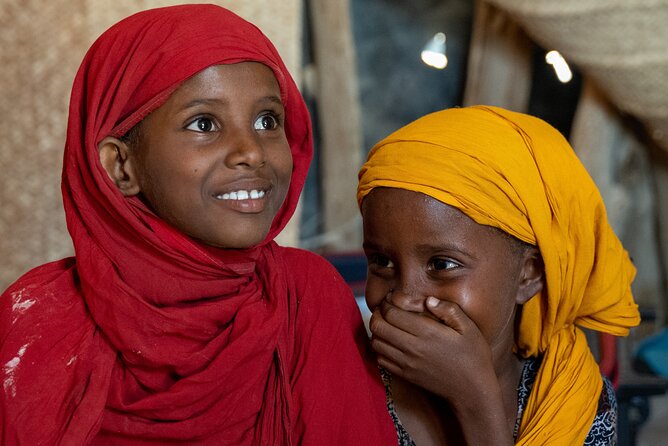
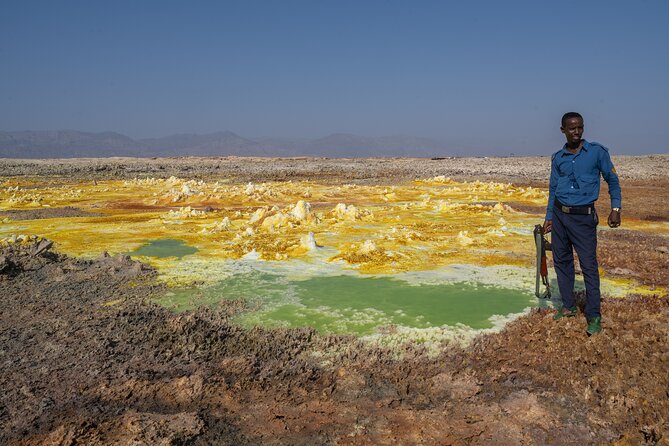
Afar local guides are included, along with militia support. This is important in a remote borderland and volcanic area, where local coordination can affect both access and safety.
The cultural value is strongest around the salt mines and camel routes. If a caravan is available during your visit, you may see how people and animals remain part of the movement through this severe region. The supplied details do not guarantee a camel caravan, so consider it a possible bonus rather than a promised stop.
One earlier booking combined Addis Ababa, Danakil, and Lalibela, with the route adjusted to the customer’s requests. That suggests the company may be able to organize a broader Ethiopia trip, though this three-day product should still be judged on its own schedule.
Another booking praised the service, people, volcano, and salt flats, noting that the company delivered what it promised and added a little extra. The strongest praise is aimed at organization and the natural sights, especially the power of Erta Ale and the scale of the salt flats.
Who will enjoy this trip most
I would recommend this tour to you if you want unusual natural scenery and are willing to trade comfort for access. Photographers, geology fans, active sightseers, and people building a wider Ethiopia trip around rare destinations should find plenty to like.
It also suits anyone who wants local contact built into the route. The Afar guides and salt-mining areas give the trip more meaning than a quick drive to a viewpoint.
I would be cautious if you need a cool room, reliable sleep, detailed comfort standards, or a relaxed daily pace. The schedule is compact, the terrain is severe, and the climb to Erta Ale is not an optional scenic drive.
The trip is also a poor fit if you dislike uncertainty. Weather, volcanic conditions, flight timing, road travel, and minimum group numbers can all affect the plan. The operator states that bad weather or insufficient numbers may lead to a new date, another experience, or a full refund.
Booking, cancellation, and practical checks
Confirmation is provided at booking. Pickup is offered, the ticket is mobile, and the activity ends back at the meeting point.
Free cancellation is available if you cancel at least 24 hours before the local start time. Cancel within 24 hours, or make changes inside that period, and you should not expect a refund. If the operator cancels because of bad weather or too few people, you can choose another date or experience, or receive a full refund.
Before booking, I would ask five direct questions:
- Which airport will you use, Semera or Mekele?
- How is Dallol divided between the first and second day?
- How long is the Erta Ale walk in each direction?
- What sleeping and washing facilities are available at both camps?
- How much bottled water is supplied each day?
These questions do not spoil the adventure. They help you judge if the adventure fits you.
Should you book the Danakil Depression trip?
Book it if you want a short, organized route to Dallol, the salt flats, and Erta Ale, and if you accept heat, basic camping, long transfers, and a demanding walk. The $500 cost looks reasonable because it covers transport, meals, permits, guides, water, and entrance fees in a hard-to-arrange region.
I would not book without confirming the Dallol timing and campsite conditions. Those are the two unclear points in the supplied schedule. If GishAbay Ethiopia Tours gives you clear answers and you are comfortable with the physical demands, this trip offers a rare look at Ethiopia’s volcanic north, with the strongest moments likely to come from the salt flats, the Afar connection, and the glow of Erta Ale.
FAQ
How long is the Danakil Depression trip?
The experience lasts approximately three days.
Where does the tour start?
The tour starts in Addis Ababa, with an 8:00 am start time and pickup offered.
Is transport included?
Yes. The package includes an air-conditioned vehicle and flights along the planned route between Addis Ababa, Semera or Mekele, and the return to Addis Ababa.
Is food included?
Yes. The supplied inclusions list breakfast, lunch, dinner, coffee or tea, and bottled water.
Are entrance fees included?
Yes. Entrance and admission fees for Erta Ale and Dallol in the Danakil Depression are included.
How large is the group?
The maximum group size is 15 people.
Do I need to be physically fit?
Yes. The tour states that you should have a moderate level of physical fitness, especially because the route includes a trek to Erta Ale.
What is the cancellation policy?
You can cancel at least 24 hours before the start time for a full refund. Cancellations or changes made within 24 hours are not refunded. If bad weather or insufficient numbers cancel the experience, you will be offered another date or experience, or a full refund.
Just added in Addis Ababa
- Yod Abyssinia Cultural Night: Dinner, Music, and Dance★ 5.0 · 7 reviews
- Addis Ababa City Tours Full-Day Tours★ 5.0 · 5 reviews
- Locally crafted beer and wine tasting and nightlife in Addis tour★ 5.0 · 6 reviews
- Unique Ethiopian Cooking Class and Coffee Ceremony with a Local in Addis Ababa★ 4.5 · 7 reviews
- Stunning Views Wonchi Crater Lake a Private Day Trip★ 5.0 · 3 reviews
- Visiting the wonders of Lalibela in Three (3) days and Two ( 2) nights★ 5.0 · 2 reviews
- .2- Days and 1 Night Tour To Awash National Park water falls★ 5.0 · 1 review
- Two days Lake Wenchi and Menagesha Forest★ 5.0 · 1 review
Danakil Depression Expeditions, compared.
12 Days SIMIEN MOUNTAIN-LALIBELA-DANAKIL-TIGRAY CHURCHES
Read our review →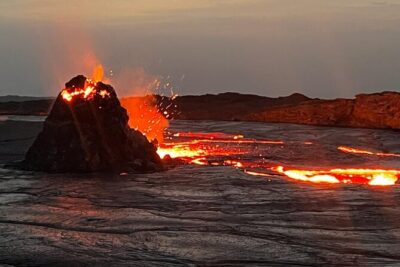
3 Day Danakil Depression Ertale and Dallol Tours
Read our review →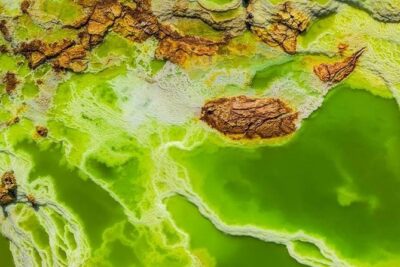
5 DAYS Lalibela, Axum, Tigray churches and Danakil
Read our review →
6 Days tour Package (Simien Mountains, Lalibela, and Danakil Depression)
Read our review →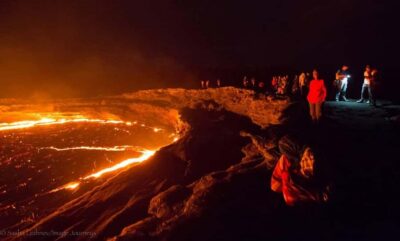
2-Night 3-Day Danakil Depression Tour without Flights
Read our review →
Lalibela, Axum, Danakil and Omo Valley 8 DAYS
Read our review →Browse the lists this tour appears in