
Reviewed · DANAKIL DEPRESSION EXPEDITIONS
5 DAYS Lalibela, Axum, Tigray churches and Danakil
Volcanoes, churches, and salt roads make a wild combination. This five-day Ethiopia trip links the rock-hewn churches of Lalibela, the ruins of Axum, Tigray’s Gheralta area, and the Danakil Depression in one tightly packed route. I like the way historic sites and extreme geology share the same itinerary, and I like that domestic flights cut out some long overland journeys. The main drawback is the pace: Erta Ale and Danakil bring rough roads, basic conditions, early starts, and a very long final day.
At $1,025.65 per person, the package includes three Ethiopian Airlines flights, five breakfasts, three lunches, and three dinners. That makes the price easier to justify than it first appears, though you should still allow extra money for tips and laundry. The tour has a 4.9 rating from 34 reviews, with 97 percent recommending it, but Ethiopia’s changing conditions can require route changes. One booking was reshaped into two days in Lalibela and four in Danakil after access to Axum and Tigray became difficult.
In This Review
- What makes this Ethiopia tour different
- Lalibela begins with stone churches underground
- Axum adds ancient ruins before the road to Tigray
- Gheralta’s churches require time and stamina
- Erta Ale turns the middle of the trip into an expedition
- Sunrise at Erta Ale rewards an early start
- Salt, camels, and Dallol finish the route
- Three flights make the price more reasonable
- What the high rating tells you, and what it does not
- Who should book this five-day route
- Should you book it?
- FAQ
- How long is the Lalibela, Axum, Tigray, and Danakil tour?
- What flights are included?
- Are meals included?
- Is the tour physically demanding?
- Are camel caravans available all year?
- Can I cancel for a full refund?
What makes this Ethiopia tour different
- Three major Ethiopian regions in five days: You move from Lalibela’s medieval churches to Axum’s ancient ruins, then into the volcanic Afar region.
- A permanent lava lake at Erta Ale: The volcano rises to 613 meters and contains one of the world’s few permanent lava lakes.
- Dallol sits 116 meters below sea level: The final day brings colorful mineral ground, salt mining, Lake Assal, and camel caravans.
- The tour is private: Only your group participates, which gives the operator more room to adjust plans.
- Three domestic flights save valuable time: Flights connect Addis Ababa, Lalibela, Axum, and the return to Addis.
- The physical demands are real: Rough roads, walking at altitude and in heat, basic camping near Erta Ale, and a 16-hour final day require good fitness.
Lalibela begins with stone churches underground
Your first day starts with a morning flight north to Lalibela. After arriving, you are transferred to your hotel, with lunch before the afternoon visit.
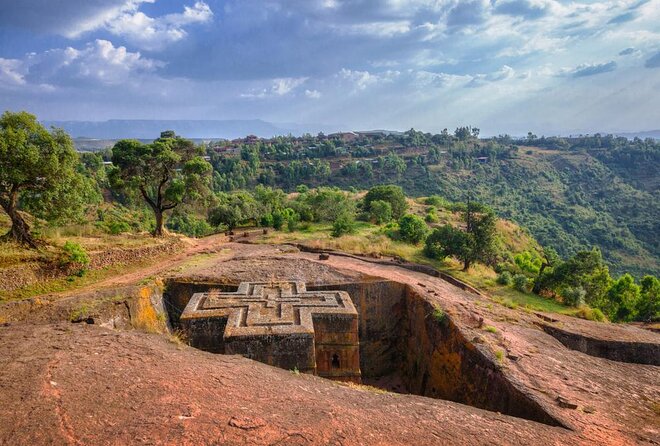
Lalibela is famous for eleven churches cut directly into volcanic rock. These are not buildings assembled stone by stone. They were carved downward and inward during the reign of King Lalibela, from 1181 to 1221. A small stream called the Jordan River divides the church complex, and the first visit focuses on the group north of that stream.
I like this opening because it gives the tour a strong cultural anchor before the harsher days in Afar. The churches are UNESCO-listed, and their design makes you pay attention to vertical space, trenches, tunnels, and courtyards rather than simply walking from one façade to another.
The schedule allows one day in Lalibela, so your time is useful but limited. The program says you will see about eleven churches arranged in groups of three, but the first afternoon specifically covers the northern group. Ask your tour operator how the remaining churches are assigned within the day, especially if your arrival is delayed.
You spend the night at Lalibela Lodge. Accommodation details beyond the lodge name are not provided, so you should not assume resort-style comforts. The important point is that the first night is in Lalibela, not on the road, giving you a proper base after the flight and church visit.
More Danakil expeditions:
- 12 Days SIMIEN MOUNTAIN-LALIBELA-DANAKIL-TIGRAY CHURCHES
★ 5.0 · 45 reviews - 3 Day Danakil Depression Ertale and Dallol Tours
★ 5.0 · 44 reviews - 2-Night 3-Day Danakil Depression Tour without Flights
★ 4.8 · 31 reviews
Axum adds ancient ruins before the road to Tigray
On day two, you fly from Lalibela to Axum in the morning. Axum gives the trip a different kind of historical setting. Instead of carved churches, you visit the ruins of one of Ethiopia’s major ancient centers before driving south toward Hawzien.
The drive from Axum to Hawzien covers about 190 kilometers and is listed as roughly two hours. The route passes through Adwa and then across the Gheralta plains. Hawzien is used as the base for visiting Tigray’s rock-hewn churches, with an overnight stay at either Gerealta Lodge or Wukro Lodge.
This is a smart geographic connection. You get Axum in the morning, then position yourself near Gheralta for the church country ahead. The drawback is that the day combines a flight, several hours at a major archaeological site, and a road transfer. You will need to keep an eye on the clock.
Axum and Lalibela also offer different experiences. Lalibela is about the drama of churches carved below ground level. Axum is about ruins and the physical traces of an older kingdom. If you care about Ethiopia’s past, seeing both is worthwhile. If you prefer a slower visit, this five-day version may feel compressed.
The route is also the part most exposed to conditions outside the operator’s control. The itinerary connects places that may not always be equally accessible. A previous booking had its route changed because of tensions in the country, with the company asking the customer what arrangement was preferred. That flexibility is useful, but you should accept that the printed plan is not an absolute promise.
Gheralta’s churches require time and stamina
Hawzien is your base for the Gheralta area, known for churches cut into rocky highlands. The supplied schedule does not name a particular church visit on day two or provide walking distances, so you should ask for the exact church plan before departure.
That missing detail matters. Tigray church visits can vary greatly in difficulty, and some require steep walking or climbing. The tour only states that you need moderate physical fitness, so do not treat the Gheralta stop as a simple roadside sightseeing break.
I would use the evening in Hawzien to prepare for the Danakil section. Charge devices, arrange clothing for heat and dust, and confirm the next morning’s departure time. Once you leave the Gheralta area, the trip changes from cultural sightseeing to a demanding volcanic expedition.
Erta Ale turns the middle of the trip into an expedition
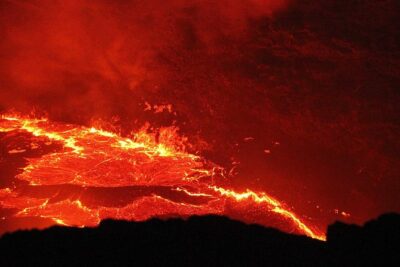
Day three is the major physical test. The route heads toward Erta Ale through Mekele, whose name means smoky mountain in the Afar language. Erta Ale is a shield volcano with a base about 30 kilometers wide and a summit caldera measuring roughly one square kilometer.
The volcano reaches 613 meters and contains a lava lake described as one of only five in the world. It has reportedly existed since the early twentieth century, making it one of the longest-lasting lava lakes known. That is the geological headline, but the practical reality is just as important: reaching it involves a rough road and a remote overnight camp.
The group begins around 9:00 in the morning and drives to Dodom, at the base of Erta Ale. The road is described as one of the roughest in the world, with about 80 kilometers between the starting area and the volcano base. The supplied schedule does not give the full drive duration, and part of the written description is incomplete, so you should expect the day to be tiring and ask for current timing.
This is not a polished sightseeing stop. You may find heat, dust, jolting vehicles, and basic facilities. The appeal is precisely that the volcano is not packaged like an easy attraction. You are going to a remote geological site, not a paved overlook.
The overnight near Erta Ale also means you should pack for a practical night rather than a comfortable hotel stay. The information provided does not specify tents, beds, toilets, or showers. Confirm those details before booking, particularly if you need reliable facilities.
A few more options to weigh up in Addis Ababa
- Full Day Tour of Addis Ababa with Hotel Pickup and Drop-off
★ 5.0 · 430 reviews - Taste of Ethiopia
★ 5.0 · 406 reviews - Day Trip From Addis Ababa See Historical Monastery,Stunning Nature,Animals,Birds
★ 5.0 · 303 reviews - Addis Ababa: Debre Libanos, Blue Nile Gorge, and Cave Tour
★ 4.5 · 256 reviews
Sunrise at Erta Ale rewards an early start
Day four begins before most people would choose to get out of bed. The plan calls for sunrise at the northern pit, which corresponds to the main crater. A five-minute walk takes you to the southern and central pits, which may be an ancient pit or a collapse structure.
The main crater is described as about 200 meters deep and 350 meters across. The smaller southern pit is around 65 meters wide and 100 meters deep. These figures give you a sense of scale, but the visit is not just about measurements. At sunrise, the changing light should help reveal the crater shapes and the volcanic ground around them.
The descent from Erta Ale begins around 9:00, with breakfast planned as early as 7:00 if possible. You should reach the Dodom camp by about 10:30, then rest before continuing. That rest period is important after the climb, the heat, and the night near the volcano.
The next destination is Lake Giulietti, also called Lake Afrera, reached by driving from Dodom. The schedule marks this as optional and warns that it may not be available during some conditions or seasons. Do not build your entire decision around swimming or seeing the lake. Treat it as a possible bonus, not a guaranteed feature.
Salt, camels, and Dallol finish the route
The fifth day is the busiest and longest. The morning drive heads to Ragad, also called Asebo, where salt workers cut salt from the ground into rectangular pieces. The blocks are loaded onto camels, continuing a trade scene that feels far removed from modern city life.
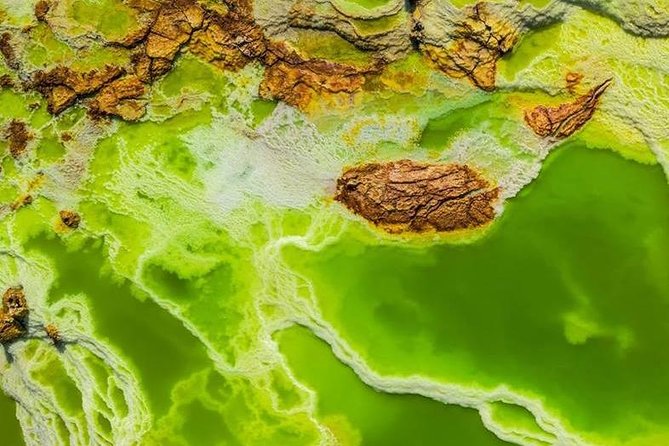
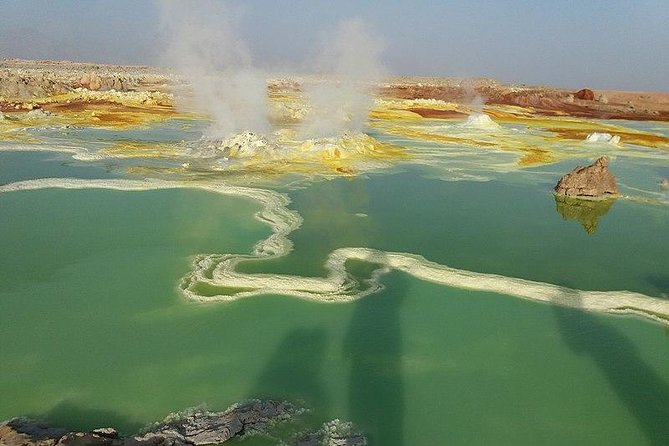
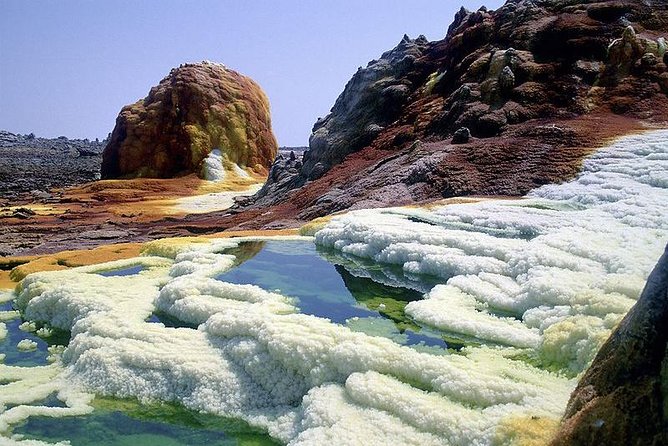
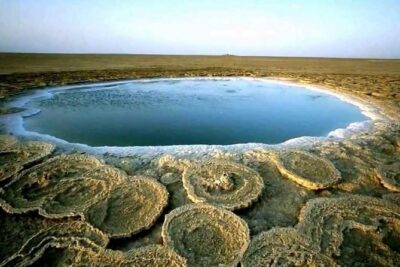
The route then continues to Dallol, one of the lowest points on earth at about 116 meters below sea level. Volcanic activity has created unusual colors and mineral formations there. The visit also includes Lake Assal, camel caravans, and time walking with Afar people.
The word colorful can make Dallol sound gentle, but the setting is volcanic and severe. You should follow the guide’s instructions closely, stay with your group, and avoid treating the ground as an ordinary walking area. The schedule does not provide a separate safety briefing or detailed equipment list, so ask what footwear, water, sun protection, and protective clothing are expected.
Camel caravans are not available in July, August, or early September. If that sight is important to you, avoid those months or confirm the current operating season before paying. The salt workers and mineral scenery remain central parts of the day, but the camel element is seasonal.
After Dallol and Lake Assal, you drive back to Hamedela and continue to Mekele. The tour ends with a 7:50 p.m. flight to Addis Ababa, arriving at 9:10 p.m. The listed length for this final day is 16 hours. That is a serious endurance day, especially after Erta Ale and the previous night in basic conditions.
Three flights make the price more reasonable
The price is $1,025.65 per person. At first glance, that may seem high for five days, but the package includes three domestic Ethiopian Airlines flights, five breakfasts, three lunches, and three dinners. It also includes admission tickets and private touring for your group.
The flights are the key value. Without them, connecting Addis Ababa, Lalibela, Axum, and the far north by road would take much longer and make this schedule nearly impossible. One account specifically praised the flights for running on time, which matters when a missed connection could disrupt an already tight plan.
The package does not include tips or laundry. The meals included are not identical each day, either. You receive five breakfasts, three lunches, and three dinners, so budget for additional food when meals fall outside the package or when the schedule keeps you on the road.
Private touring is another advantage. Only your group participates, giving Ethio Travel And Tours more flexibility when conditions change or when your group needs to adjust its preferences. It does not guarantee that every site will be open, but it is more adaptable than a large fixed departure.
What the high rating tells you, and what it does not
The experience has a 4.9 rating from 34 reviews, and 97 percent recommend it. The praise centers on organization, punctual flights, and the operator’s ability to manage a difficult route.
That is meaningful here. Ethiopia’s distances, weather, road conditions, and regional tensions can make a complicated itinerary harder than it looks on a map. Good coordination is not a minor detail when you have flights, long drives, remote camps, and a late return to Addis.
Still, a high rating does not remove the tour’s rough edges. The route can change. One booking lost Axum and Tigray because of tensions and was reshaped into more time in Lalibela and Danakil. The company reportedly asked what the customer preferred and arranged an alternative plan, which is encouraging, but you should be comfortable with uncertainty before booking.
The written schedule also has incomplete sections, especially around the long drive to Erta Ale and the optional Lake Afrera visit. Ask for the current route, accommodation details, and safety arrangements. Those questions are sensible preparation, not needless fuss.
Who should book this five-day route
I would recommend this tour to you if you want a concentrated introduction to northern Ethiopia and can handle demanding travel days. It suits people who value rare geological sights, UNESCO churches, ancient ruins, and local working life more than long hotel stays or a relaxed pace.
You should be reasonably fit. The operator requires moderate physical fitness, but the combination of rough roads, walking around volcanic craters, heat, early mornings, and remote accommodation makes the trip feel tougher than that phrase may suggest.
This is also a good choice if you have limited time and want flights to handle the biggest distances. The tour lets you see Lalibela, Axum, Tigray, and Danakil without arranging each transfer yourself.
I would hesitate if you need a predictable schedule, comfortable facilities, or generous time at each historic site. I would also think twice if a change in route would ruin your trip. Danakil is the star for many people, but it asks you to accept discomfort in exchange for access to a rare natural setting.
The operator offers pickup, confirmation at booking, and free cancellation up to 24 hours before the start time. Changes made within 24 hours are not accepted, and poor weather can lead to a different date or a full refund. Service animals are allowed, and the tour is near public transportation, though the remote Danakil portion naturally has limited transport options.
Should you book it?
Book this tour if you want maximum variety in five days and are willing to trade comfort for access. The combination of Lalibela, Axum, Gheralta, Erta Ale, Dallol, and the salt caravans is unusually broad, and the included flights make the price reasonable for a private trip.
Before paying, confirm the current security situation, the exact Gheralta churches, the Erta Ale camp facilities, the road schedule, and whether Lake Afrera will operate during your dates. If you accept that the route may change, this is a strong choice for an adventurous first look at northern Ethiopia. If you want an easy holiday, choose a slower itinerary.
FAQ
How long is the Lalibela, Axum, Tigray, and Danakil tour?
The tour lasts approximately five days. The final Danakil day is listed as 16 hours, including the return flight from Mekele to Addis Ababa.
What flights are included?
Three domestic Ethiopian Airlines flights are included. The route uses flights between Addis Ababa, Lalibela, Axum, and the return to Addis Ababa.
Are meals included?
Yes. The package includes five breakfasts, three lunches, and three dinners. Tips and laundry are not included.
Is the tour physically demanding?
Yes. A moderate level of physical fitness is required. The itinerary includes rough roads, walking around Erta Ale’s craters, early morning activity, and remote conditions in the Danakil Depression.
Are camel caravans available all year?
No. Camel caravans are not available in July, August, and early September.
Can I cancel for a full refund?
You can cancel at least 24 hours before the experience starts for a full refund. Cancellations or changes within 24 hours are not accepted for a refund. If poor weather causes the tour to be canceled, you will be offered another date or a full refund.
Just added in Addis Ababa
- Yod Abyssinia Cultural Night: Dinner, Music, and Dance★ 5.0 · 7 reviews
- Addis Ababa City Tours Full-Day Tours★ 5.0 · 5 reviews
- Locally crafted beer and wine tasting and nightlife in Addis tour★ 5.0 · 6 reviews
- Unique Ethiopian Cooking Class and Coffee Ceremony with a Local in Addis Ababa★ 4.5 · 7 reviews
- Stunning Views Wonchi Crater Lake a Private Day Trip★ 5.0 · 3 reviews
- Visiting the wonders of Lalibela in Three (3) days and Two ( 2) nights★ 5.0 · 2 reviews
- .2- Days and 1 Night Tour To Awash National Park water falls★ 5.0 · 1 review
- Two days Lake Wenchi and Menagesha Forest★ 5.0 · 1 review
Danakil Depression Expeditions, compared.

12 Days SIMIEN MOUNTAIN-LALIBELA-DANAKIL-TIGRAY CHURCHES
Read our review →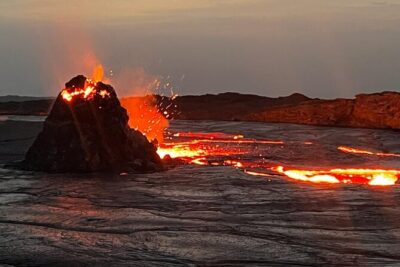
3 Day Danakil Depression Ertale and Dallol Tours
Read our review →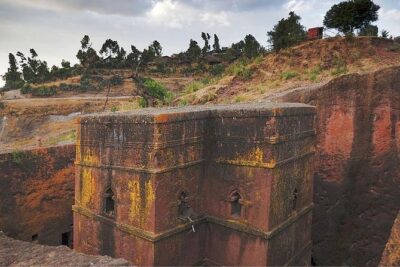
6 Days tour Package (Simien Mountains, Lalibela, and Danakil Depression)
Read our review →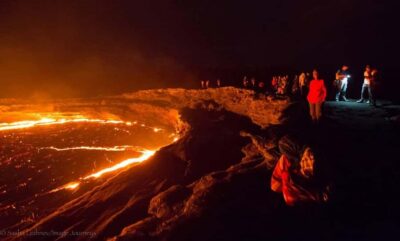
2-Night 3-Day Danakil Depression Tour without Flights
Read our review →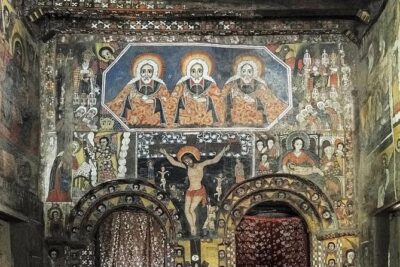
Lalibela, Axum, Danakil and Omo Valley 8 DAYS
Read our review →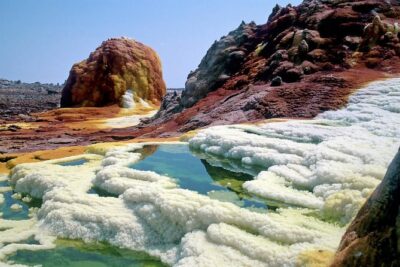
Browse the lists this tour appears in