
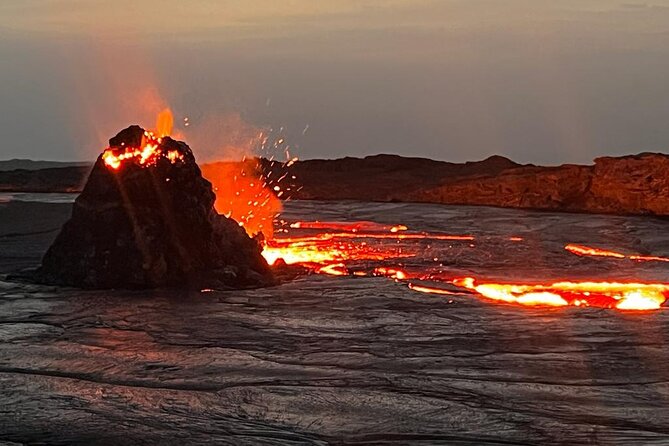
Reviewed · DANAKIL DEPRESSION EXPEDITIONS
3 Day Danakil Depression Ertale and Dallol Tours
Come for the colors, stay for the volcano. This three-day journey from Addis Ababa reaches Erta Ale’s active volcanic crater, the salt flats of Lake Asale, Hamed Ela, and the strange sulfur springs of Dallol. You travel through one of the hottest and lowest places on Earth, mostly by Toyota Landcruiser and convoy, with long off-road drives between widely scattered sights.
I like the way the tour combines major natural sights with a glimpse of Afar salt-mining life, including camel caravans carrying salt from Lake Asale. I also like that the $400 price includes transport, entry fees, bottled water, and six meals. The trade-off is real: this is a hard trip with rough roads, basic desert camping, no electricity or running water for much of the journey, and punishing heat.
The company receives a 5 out of 5 rating from 44 reviews, with 100 percent recommending the experience. Guides and drivers receive repeated praise, with names including Kbrom, Mickey, Aklilu, Ashu, Abey, Akelilu, Tesh, Asfaw, and Abe appearing in customer accounts. The exact guide assigned to you can vary, so ask before departure.
In This Review
- Key points to know before you book
- Why the Danakil Depression feels so different
- Day 1: Seven hours toward Erta Ale
- Erta Ale: The trip’s most dramatic night
- Day 2: A second look at the volcano, then Hamed Ela
- Day 3: Dallol’s sulfur springs and mineral colors
- Transport, camp, food, and group size
- Is $400 a fair price?
- Who should book this Danakil trip?
- Should you book it?
- FAQ
- Where does the tour start?
- What time does the tour start?
- How long is the experience?
- What is the price?
- How many people can join the tour?
- Is pickup offered?
- What meals are included?
- Is bottled water included?
- Are entrance fees included?
- Is alcohol included?
Key points to know before you book
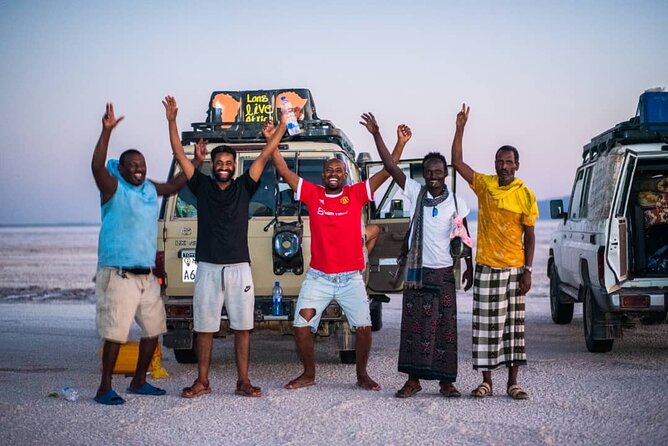
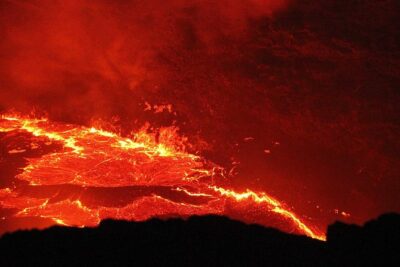
- Erta Ale after dark: A long off-road drive leads to a volcano where you may see glowing lava and feel heat, abrasive vapor, and volcanic sound close to the crater.
- Dallol’s acidic colors: Yellow, red, and green mineral formations, fumaroles, salt mounds, and hot springs create an alien setting.
- Two nights under open skies: Sleeping outdoors is part of the experience, with basic conditions and no normal hotel comforts.
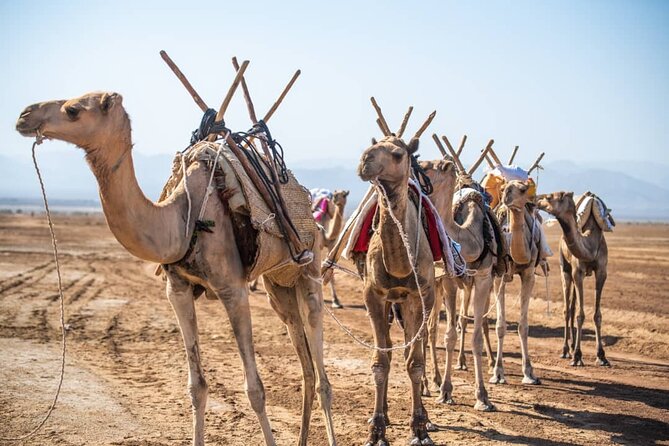
- Afar salt culture: At Lake Asale, you can watch salt being cut, loaded onto camels, and carried across the desert.
- Small convoy format: The group is limited to 10 people, which helps keep the expedition more personal inside the vehicles and at camp.
- Meals and water included: Breakfast twice, lunch three times, dinner twice, and plenty of bottled water are covered in the advertised price.
Why the Danakil Depression feels so different
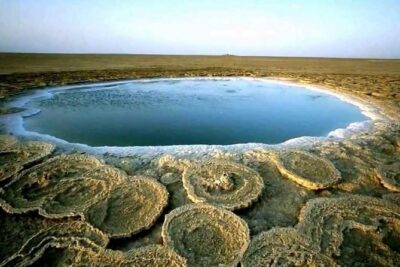
The Danakil Depression is not a sightseeing area in the usual sense. It is a severe volcanic and salt desert in Ethiopia’s Afar region, with lava fields, salt lakes, acidic springs, mud pools, salt canyons, and broad salt flats.
The heat is central to the experience. The area is described as averaging about 35 degrees Celsius, with some days rising above 48 degrees. Dry air can make the heat feel less oppressive than humid tropical heat, but you should still treat sun, dehydration, and exposed ground seriously.
The scenery changes slowly during the long drives. Smooth roads near Semera give way to rough tracks across rock, sand, and solidified lava. The vehicle becomes your moving shelter, and the journey itself is a major part of the tour.
That matters when deciding if this is right for you. You are not buying three easy days of short walks between comfortable facilities. You are buying access to a remote region where the road, heat, and lack of services are part of the story.
More Danakil expeditions:
- 12 Days SIMIEN MOUNTAIN-LALIBELA-DANAKIL-TIGRAY CHURCHES
★ 5.0 · 45 reviews - 5 DAYS Lalibela, Axum, Tigray churches and Danakil
★ 5.0 · 34 reviews - 2-Night 3-Day Danakil Depression Tour without Flights
★ 4.8 · 31 reviews
Day 1: Seven hours toward Erta Ale
The advertised start time is 9:00 am, with pickup at the Oasis Building on Cameroon Street in Addis Ababa. The itinerary then describes meeting the Toyota Landcruiser convoy at Semera, the regional gateway for the Danakil route.
That creates an important point to clarify before booking: the information lists Addis Ababa as the meeting point but also says the Danakil journey begins in Semera. Confirm how you get from Addis Ababa to Semera, and whether that transfer is arranged separately, before you pay. Some of the supplied customer accounts refer to airport pickups and domestic flight delays, but the listed inclusions do not specifically name flights.
Once you leave Semera, the first stretch is easier. Asphalt roads offer broad views of the Afar countryside, then the route becomes rougher as you approach Afdera and the salt region. Eventually, the road turns into a maze of black lava, loose rock, and sand.
The contrast is excellent. You see an ordinary town and paved roads give way to a place that feels almost uninhabited, except for occasional palm-lined oases and signs of local movement. This is when you start to understand why the Danakil requires a convoy and a prepared support team.
The drive from Semera to Dodom is listed at about seven hours. You stop for lunch before continuing to the Erta Ale base camp. Air-conditioned transport is included, but do not mistake that for a luxury road trip. The vehicle helps with the heat, yet hours over broken tracks can still be tiring, especially if you are prone to motion sickness or back discomfort.
At camp, the cooking team prepares dinner, and the sleeping arrangement is outdoors under the sky. One account describes roughly two and a half days without electricity or running water, which is a useful expectation to carry into the trip. The point is not comfort. It is being close to the desert and the volcano with very little between you and the night sky.
Erta Ale: The trip’s most dramatic night
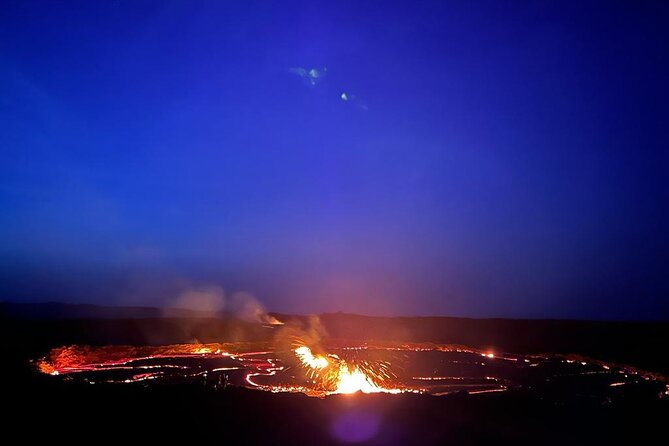
Erta Ale is the volcanic centerpiece. The experience is built around reaching the crater area when conditions are cooler and visibility is better, often around night and before sunrise.
The approach involves a hike, although the supplied information does not give a fixed distance or exact walking time for every departure. One account describes a newly cleared road reducing the walk to about 30 minutes, but conditions can change. Ask the operator about the current route, walking time, and terrain before you go.
At the crater, the setting is intense. The heat rises from the volcano, the air may carry abrasive vapors, and volcanic sounds add a physical element that photographs cannot capture. The tour description refers to blue-burning lava and an active lava lake, though volcanic conditions can change and visibility is never something an operator can guarantee.
This is the moment for patience. You may spend time watching the crater rather than moving from one marked attraction to the next. A guide such as Kbrom or Asfaw can add useful context, but the conditions themselves do much of the talking.
The hike and heat make moderate physical fitness necessary. You should be comfortable walking over uneven volcanic ground and coping with a hot, exposed environment. This is not presented as a technical climb, but it is not a casual stroll either.
Day 2: A second look at the volcano, then Hamed Ela
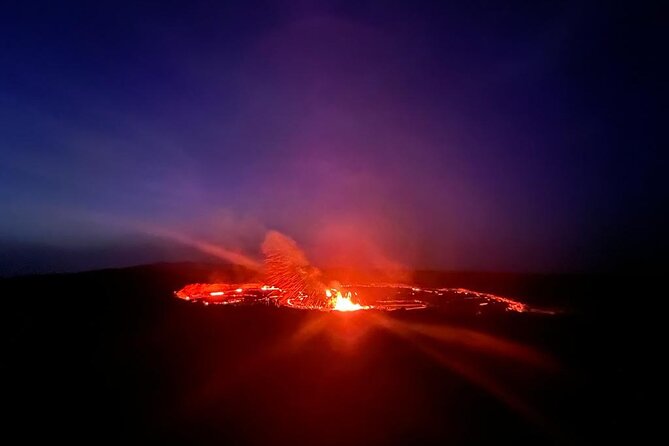
The published schedule for the second day begins with an early morning hike back to the crater. This gives you another chance to see Erta Ale before the sun becomes too strong. The plan says you leave around 6:30 am and reach camp by about 8:00 am for breakfast, followed by a roughly three-hour drive toward Hamed Ela.
There is some overlap in the supplied day descriptions: one section places Dallol on Day 2, while the next day also describes the Dallol visit. Treat the timing as a general outline rather than a fixed minute-by-minute program. Ask the company to confirm exactly when Erta Ale, Hamed Ela, Lake Asale, and Dallol occur on your departure.
Hamed Ela is a small Afar settlement with a population of about 600. The stop gives the trip a human dimension. You are not simply looking at salt and volcanic colors. You are seeing how people live in a place with very little water, shade, infrastructure, or conventional tourism service.
Approach this visit with respect and follow your guide’s advice about photographs and personal space. The value is in observing daily life rather than treating the village as a backdrop.
The drive across the salt pans is another highlight. The ground can appear almost endless, and the flat horizon makes distances hard to judge. You may find the scenery repetitive at first, but the emptiness is precisely what gives the Danakil its force.
At Lake Asale, the tour focuses on salt mining. You can watch salt being cut from the ground, shaped or loaded, and carried by camel caravans. This is one of the strongest parts of the itinerary because it connects the natural setting with a working local economy.
The salt pans are beautiful, but they can also be glaring and exhausting. Keep your water close, protect your head and eyes, and listen to the guide about where to walk. The tour includes plenty of bottled water, yet you should still drink regularly rather than wait until you feel thirsty.
A few more options to weigh up in Addis Ababa
- Full Day Tour of Addis Ababa with Hotel Pickup and Drop-off
★ 5.0 · 430 reviews - Taste of Ethiopia
★ 5.0 · 406 reviews - Day Trip From Addis Ababa See Historical Monastery,Stunning Nature,Animals,Birds
★ 5.0 · 303 reviews - Addis Ababa: Debre Libanos, Blue Nile Gorge, and Cave Tour
★ 4.5 · 256 reviews
Day 3: Dallol’s sulfur springs and mineral colors
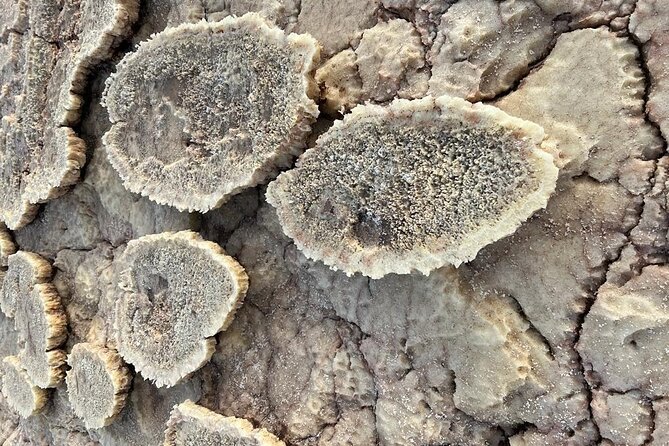
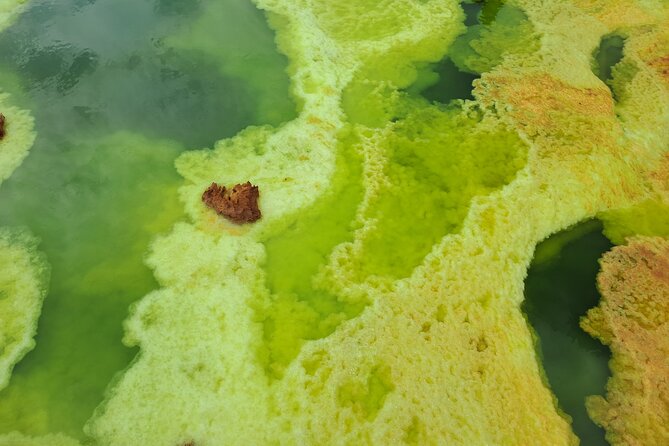
The final day begins early with a drive to Dallol, one of the most unusual geological areas in the Danakil Depression. Dallol is known for acidic springs, fumaroles, salt formations, and mineral colors that range through yellow, green, and red.
The colors are not painted decoration. They come from minerals and acidic geothermal activity. That makes the setting both beautiful and hazardous. Stay with the guide, remain on the permitted route, and do not touch pools or crusts simply because they look solid.
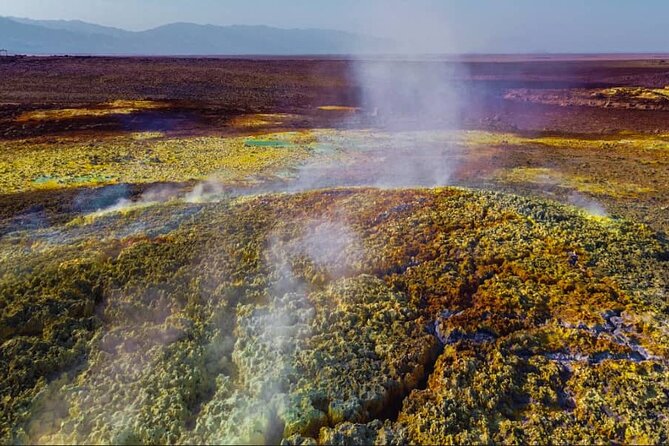
The advertised temperature at Dallol averages around 35 degrees Celsius, with some days above 48 degrees. Annual rainfall is listed at only 100 to 200 millimeters. Those figures explain the harshness of the place, but the visual effect is what stays with you: a broad, low, intensely colored area that seems more like another planet than a normal desert.
You may see hot springs, bubbling mud, salt mounds, and fumaroles releasing vapor. The ground can look delicate, but the chemistry beneath it is active. A good guide does more than point out colors. They help you understand where it is safe to stand and how to move through the area without damaging fragile formations.
Dallol is also linked to the local salt trade. You may again see people working with salt and camel caravans moving through the region. The combination of bright mineral formations and hard manual work gives the visit more meaning than a quick photo stop.
Plan for an early start and a short, focused visit in the worst heat. The itinerary lists about eight hours for the day, including driving and sightseeing. Much of that time is spent in the vehicle, not walking around Dallol.
Transport, camp, food, and group size
The tour uses air-conditioned vehicles and Toyota Landcruisers for the Danakil route. A convoy is important here because the roads are remote and rough. Expect long periods of jolting travel over rock, lava, and sand.
The maximum group size is 10 people. That is small enough to make guide contact easier than on a large coach tour, though the practical feel depends on how many people share each Landcruiser.
Meals included in the price are two breakfasts, three lunches, and two dinners. A cooking team prepares food at camp, and one customer account specifically praises the vegetarian meals. If you have dietary needs, tell the company in advance, since the provided information does not explain the full menu.
Bottled water is included in plentiful supply. Alcohol is not included. The sleeping setup is basic and outdoors, with no promise of electricity or running water. You should view this as desert camping, not a hotel stay with a scenic roof.
Bring clothing that protects your skin, a hat, sturdy footwear, personal toiletries, and any medication you need. These are sensible preparations for a hot, remote trip, not optional extras.
Is $400 a fair price?
At $400 per person, the tour offers good value if you want Erta Ale and Dallol in one organized trip. The price covers the vehicle, entry fees, bottled water, breakfasts, lunches, and dinners. It also places you with a small group and a support crew in a region that is difficult to visit independently.
The value is less clear if you expect a polished hotel-based holiday. The long road transfers, basic outdoor sleeping, and lack of normal services are not hidden side details. They are a large part of what you are paying to experience.
You should also clarify the Addis Ababa to Semera arrangement. The listed starting point is in Addis Ababa, while the route description begins at Semera. Since flights are not listed among the inclusions, ask exactly what is covered and what is not.
The operator’s coordination receives strong praise. Customers specifically credit Mickey, the owner, and guides such as Aklilu, Ashu, Abey, Akelilu, Tesh, Abe, Asfaw, and Kbrom for friendly service, safety, clear planning, and useful explanations. Names and staffing can change, but this gives you a good reason to ask who will lead your departure.
Who should book this Danakil trip?
I would recommend it to you if you want unusual geology, active volcanic scenery, salt-mining culture, and a genuine expedition feel. It suits people who can handle long drives, uneven ground, heat, basic camping, and an itinerary that may shift with local conditions.
It is a poor match if you need reliable electricity, running water, soft beds, short transfers, or a cool indoor environment at all times. The trip also deserves extra thought if you have limited physical fitness, since the itinerary includes hiking near Erta Ale and walking across rough volcanic terrain.
Solo visitors may appreciate the small group and the repeated praise for friendly staff. One solo woman described feeling safe with the company, but you should still discuss current regional conditions and the security arrangements before departure.
Free cancellation is available if you cancel at least 24 hours before the local start time. Cancellations or changes inside that window are not accepted for a refund.
Should you book it?
Book this tour if you see the Danakil Depression as an expedition rather than a comfortable holiday. Erta Ale at night, Dallol’s sulfur colors, and the camel-powered salt trade make a powerful three-day combination, and the included transport, meals, water, and fees keep the $400 cost sensible.
Before confirming, get clear answers about the Addis Ababa to Semera transfer, the exact day-by-day order, current walking time at Erta Ale, and your assigned guide. If you accept the heat, rough road, and outdoor sleeping, this can be one of Ethiopia’s most memorable journeys. If you do not, choose a gentler route.
FAQ
Where does the tour start?
The listed meeting point is Cameron Street, Oasis Building, Cameroon Street, Addis Ababa, Ethiopia. The route description says the Danakil drive begins in Semera, so confirm the transfer arrangements before booking.
What time does the tour start?
The listed start time is 9:00 am.
How long is the experience?
The tour lasts approximately three days.
What is the price?
The listed price is $400 per person.
How many people can join the tour?
The maximum group size is 10 people.
Is pickup offered?
Yes. Pickup is listed as an available feature.
What meals are included?
The tour includes two breakfasts, three lunches, and two dinners.
Is bottled water included?
Yes. Plenty of bottled water is included.
Are entrance fees included?
Yes. The price includes entrance and admission fees for Erta Ale and the Dallol Danakil Depression areas.
Is alcohol included?
No. Alcoholic beverages are not included.
Just added in Addis Ababa
- Yod Abyssinia Cultural Night: Dinner, Music, and Dance★ 5.0 · 7 reviews
- Addis Ababa City Tours Full-Day Tours★ 5.0 · 5 reviews
- Locally crafted beer and wine tasting and nightlife in Addis tour★ 5.0 · 6 reviews
- Unique Ethiopian Cooking Class and Coffee Ceremony with a Local in Addis Ababa★ 4.5 · 7 reviews
- Stunning Views Wonchi Crater Lake a Private Day Trip★ 5.0 · 3 reviews
- Visiting the wonders of Lalibela in Three (3) days and Two ( 2) nights★ 5.0 · 2 reviews
- .2- Days and 1 Night Tour To Awash National Park water falls★ 5.0 · 1 review
- Two days Lake Wenchi and Menagesha Forest★ 5.0 · 1 review
Danakil Depression Expeditions, compared.
12 Days SIMIEN MOUNTAIN-LALIBELA-DANAKIL-TIGRAY CHURCHES
Read our review →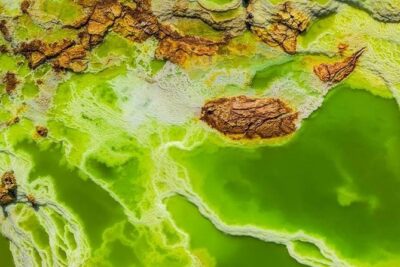
5 DAYS Lalibela, Axum, Tigray churches and Danakil
Read our review →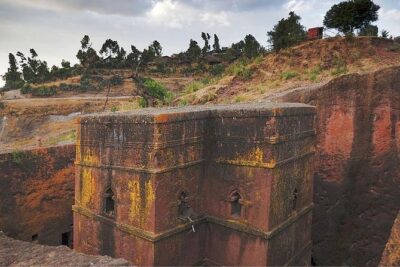
6 Days tour Package (Simien Mountains, Lalibela, and Danakil Depression)
Read our review →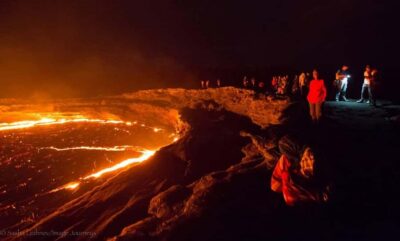
2-Night 3-Day Danakil Depression Tour without Flights
Read our review →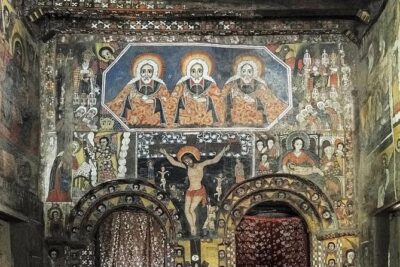
Lalibela, Axum, Danakil and Omo Valley 8 DAYS
Read our review →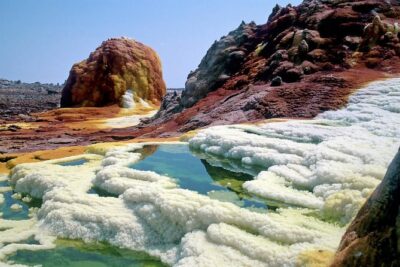
Browse the lists this tour appears in