
Reviewed · ETHIOPIAN COFFEE CEREMONIES
Addis Ababa: Traditional Ethiopian Coffee Ceremony Tour
Coffee begins with conversation. This three-hour Addis Ababa experience shows you why Ethiopian coffee is far more than a morning drink. You watch green beans roast over an open flame, grind them by hand, and share three rounds of coffee with a local host. I especially like the chance to take part in the preparation, and I appreciate that pickup and drop-off are included anywhere in Addis Ababa. The main consideration is simple: you need to be comfortable sitting on low stools or traditional seating for much of the visit.
At $30 per person, this is a good-value cultural experience for a short stay in Addis Ababa, particularly if you want direct contact with local customs instead of another sightseeing stop. The ceremony is private, English-guided, and suitable for wheelchair users, though the traditional seating arrangement is worth keeping in mind when planning.
In This Review
- Key Points About the Coffee Ceremony
- Why Ethiopian Coffee Means More Than Caffeine
- The 30-Minute Introduction Sets the Scene
- Roasting Green Beans Over an Open Flame
- Grinding the Beans With a Traditional Mukecha
- Brewing Coffee in the Jebena
- Three Rounds: Abol, Tona, and Bereka
- Conversation, Customs, and a Closing Blessing
- What the $30 Price Includes
- Practical Comfort and Accessibility Notes
- Who Should Book This Addis Ababa Experience?
- Should You Book It?
- FAQ
- How long does the Ethiopian coffee ceremony tour last?
- How much does the coffee ceremony cost?
- Is transportation included?
- How many rounds of coffee are served?
- Is the tour available in English?
- Can I take photographs or buy souvenirs?
Key Points About the Coffee Ceremony
- Three distinct coffee rounds: Abol, tona, and bereka each carry a meaning connected with friendship, goodwill, and blessing.
- Coffee roasted in front of you: Green beans are cleaned and roasted over an open flame, filling the room with a strong, inviting aroma.
- Hands-on preparation: You can grind the beans with a mukecha, a traditional mortar and pestle, before they are brewed in a jebena.
- More than a tasting: Conversation, snacks, incense, and a closing prayer or blessing make this a social custom, not simply a cup of coffee.
- Easy Addis Ababa logistics: Pickup is available anywhere in the city, with Addis Ababa Bole International Airport also listed as a pickup and drop-off point.
- Useful souvenirs: You can purchase locally roasted beans or handmade jebenas after the ceremony.
Why Ethiopian Coffee Means More Than Caffeine
Ethiopia is closely tied to the origins of coffee, and the ceremony gives you a practical way to understand that connection. Early in the visit, your host explains the story of Kaldi, the legendary goat herder associated with coffee’s discovery, along with the drink’s place in Ethiopian social life.
The important point is not just the origin story. Coffee is presented as a reason to pause, talk, welcome people, and strengthen relationships. The ceremony is built around time spent together. Nobody is rushing through a paper cup on the way to work.
I like this format because the cultural explanation stays connected to real objects and actions. You see the green beans, the roasting pan or fire, the mukecha, the jebena, and the incense. Each item helps make the customs easier to understand than a short museum label would.
The setting may be a local home or a cultural setup designed for the ceremony. That distinction matters. A home setting can feel more personal, while a purpose-built cultural space may be easier for a scheduled private visit. In either case, you should expect a focused cultural encounter rather than a broad tour of Addis Ababa.
More coffee ceremonies in Addis Ababa:
- Ethiopian Culinary Tour – Market, Food, Coffee Ceremony & more
★ 5.0 · 65 reviews - Market Tour and Cooking Class with a Coffee Ceremony at a Home in Addis Ababa
★ 5.0 · 32 reviews - Vintage Coffee Shops, Restaurants, Sightseeing in Addis Ababa
★ 5.0 · 17 reviews
The 30-Minute Introduction Sets the Scene
The itinerary begins with a guided introduction of about 30 minutes at the visitor center or designated ceremony location. This part gives you the background needed to follow what comes next.
You learn about the history of coffee in Ethiopia, its role in family and community gatherings, and the meaning of the ceremony. Your English-speaking guide also introduces the main tools and ingredients, including the jebena, green coffee beans, incense, and the charcoal stove used during preparation.
I find this opening useful because the ceremony has several stages. Without an explanation, it would be easy to see the roasting and brewing as a pleasant demonstration without understanding why the steps matter. The introduction gives you a framework, so you can pay attention to the order and symbolism.
This is also a good time to ask questions. The experience is a private group activity, so the conversation can be more personal than it would be in a large scheduled group. You can ask about customs, family life, and the place of coffee in everyday social gatherings.
Roasting Green Beans Over an Open Flame
The most memorable part for many people will be the roasting. Your host starts with fresh green coffee beans and carefully roasts them over an open flame. The beans darken as they heat, and their aroma spreads through the room.
This is not a quick switch from raw beans to finished coffee. The roasting is part of the ceremony and gives you time to watch the process closely. The smell is powerful, and it helps explain why the preparation itself is such an important part of the occasion.
You can take photographs, but ask before photographing your hosts or the ceremony. That small courtesy matters, especially in a private home or personal cultural setting. A camera is listed among the recommended items, but respectful observation should come first.
The roasting also gives you a better sense of what freshly prepared coffee involves. You are not simply being handed a drink made somewhere else. You see the beans change, smell them as they roast, and follow them through the next stages.
Grinding the Beans With a Traditional Mukecha
After roasting, you may participate by grinding the beans with a mukecha, a traditional mortar and pestle. This is one of the hands-on features that makes the experience feel more personal.
You should not expect a long workshop in coffee production. The activity is a short part of a three-hour ceremony, and the main focus remains the social ritual. Still, even a few turns with the mukecha help you understand the work behind the coffee.
The grinding stage also slows the pace. You have time to talk with the host and ask about the ceremony as the beans become ready for brewing. That relaxed rhythm is central to the experience. If you prefer tours that move quickly from one attraction to another, this may feel unhurried. If you enjoy conversation and small details, it is likely to suit you well.
A few more options to weigh up in Addis Ababa
- Full Day Tour of Addis Ababa with Hotel Pickup and Drop-off
★ 5.0 · 430 reviews - Taste of Ethiopia
★ 5.0 · 406 reviews - Day Trip From Addis Ababa See Historical Monastery,Stunning Nature,Animals,Birds
★ 5.0 · 303 reviews - Addis Ababa: Debre Libanos, Blue Nile Gorge, and Cave Tour
★ 4.5 · 256 reviews
Brewing Coffee in the Jebena
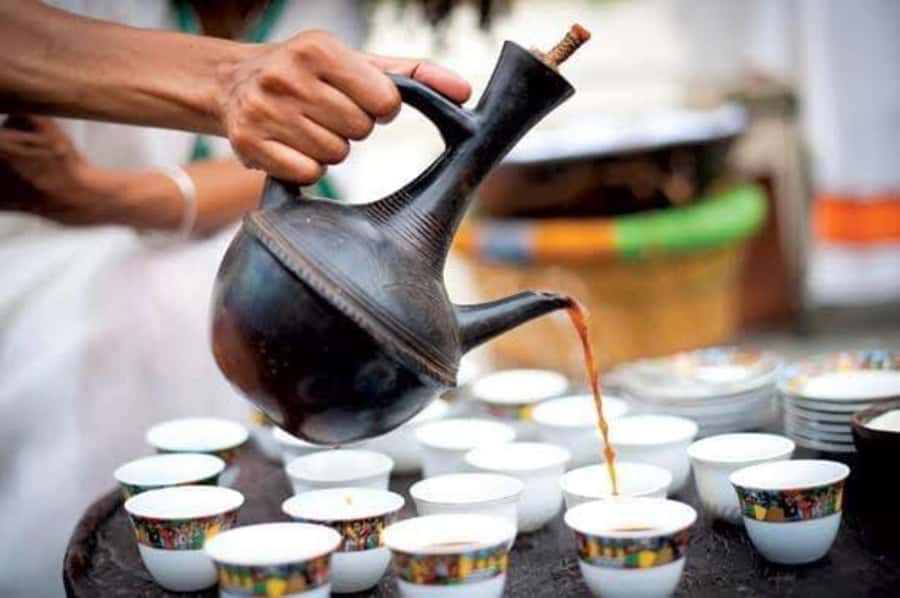
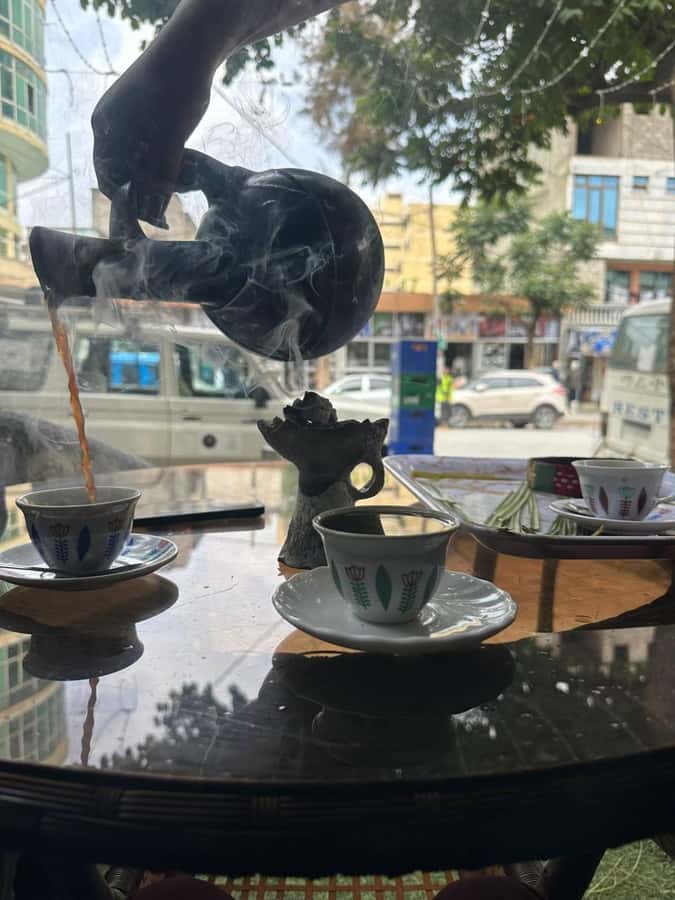
The ground coffee is brewed in a jebena, the traditional Ethiopian coffee pot. Water and coffee are combined over a charcoal stove, and you can watch the brewing process before the coffee is served.
The jebena is more than a practical vessel. It is the visual center of the ceremony, with a shape and method of use that distinguish this preparation from the machines and filters familiar in many cafes. The host explains the tools as the ceremony progresses, so you do not need prior knowledge.
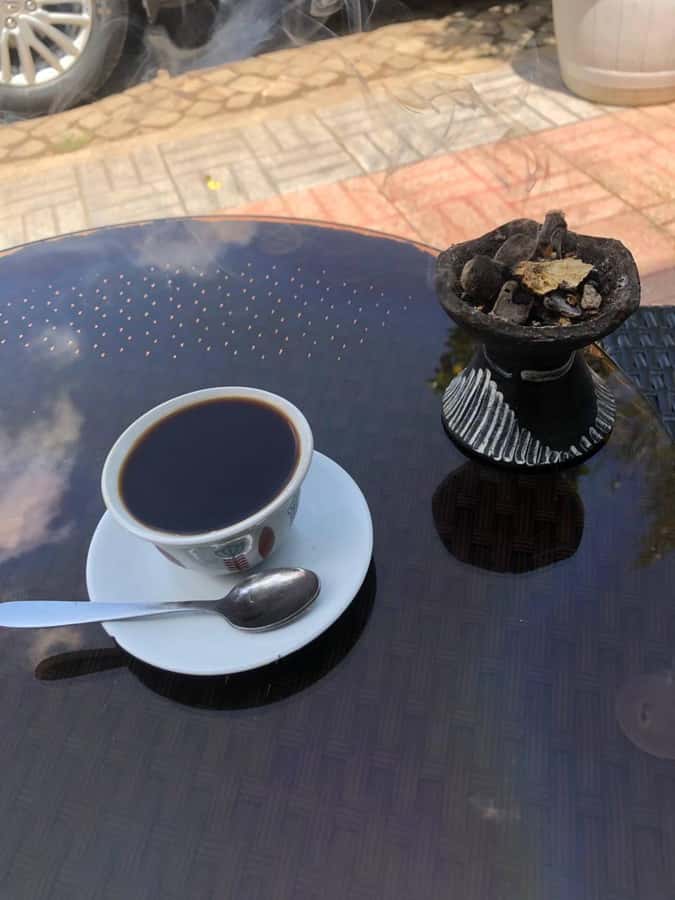
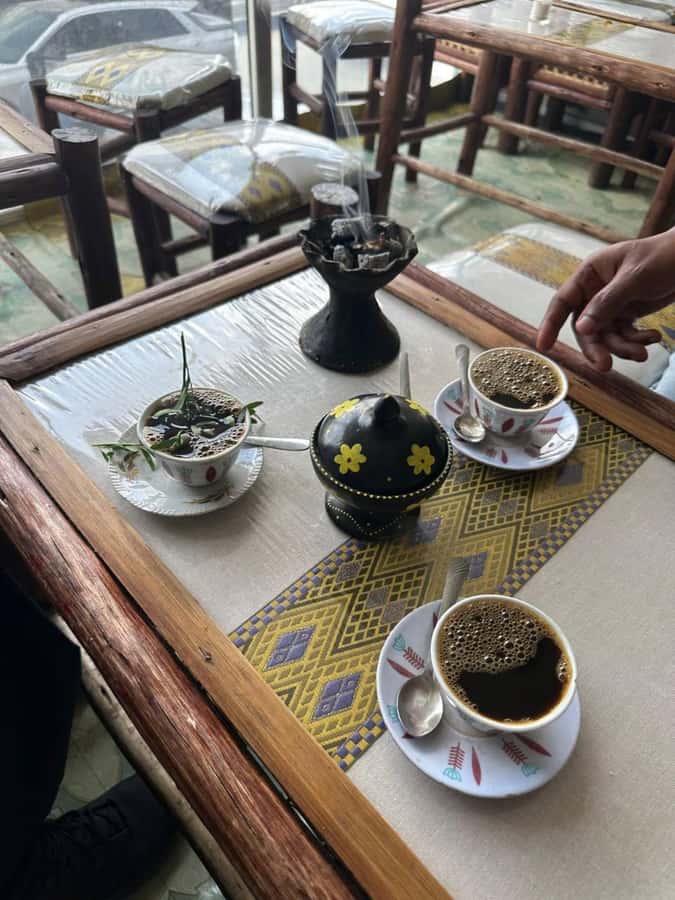
Incense is also part of the setting. Its aroma combines with the roasted coffee, making the ceremony a sensory experience rather than a simple tasting. You will notice smell, heat, sound, and conversation all working together.
The coffee may be served in small portions over several rounds. This is useful to know if you are expecting a large mug. The purpose is to share the ritual and the time together, not to provide a giant caffeine dose. If you are sensitive to coffee, water is worth bringing, and you can discuss your preferences with the host.
Three Rounds: Abol, Tona, and Bereka
The ceremony includes three rounds of freshly brewed coffee: abol, tona, and bereka. They are traditionally linked with friendship, blessing, and goodwill.
The three servings give the visit a clear structure. The first round introduces the coffee and opens the gathering. The later rounds continue the conversation and carry the ceremony toward its closing blessing. You do not simply drink once and leave.
Traditional snacks accompany the coffee. These may include dabo, a type of bread, kolo, roasted barley or chickpeas, and popcorn. The snacks help balance the strong coffee and give you something simple to share while talking.
I like this part because the food is not presented as a large meal. It is a modest accompaniment to the social ritual. You can concentrate on the coffee, the stories, and the customs without expecting a full restaurant service.
The three rounds may take time, especially when conversation is flowing. That is part of the value, but it also means the experience will not feel like a tightly timed attraction. Plan to stay for the full three hours rather than treating it as a quick airport stop, even though the airport is listed as a possible pickup and drop-off point.
Conversation, Customs, and a Closing Blessing
Conversation is one of the most important parts of this activity. Your host may discuss Ethiopian customs, family life, and the way coffee gatherings help maintain community ties.
The private format works well here. You have space to ask questions and listen without competing with a large group. The English-speaking guide can explain the ceremony as it happens, which makes the setting easier to understand.
The visit often ends with a closing prayer or blessing, sometimes led by an elder, wishing goodwill and prosperity. This is a meaningful finish because it shows that the coffee ceremony is connected with hospitality and well-wishing, not just preparation and consumption.
Be respectful if a prayer or blessing takes place. You can observe quietly and ask questions afterward. The experience allows photography, but asking permission remains the polite choice throughout the visit.
What the $30 Price Includes
At $30 per person, the price covers the guided coffee ceremony, traditional snacks, three rounds of coffee, cultural information from a local host, and transportation to and from the ceremony location.
That transportation adds real value in Addis Ababa. You do not have to arrange your own way to an unfamiliar home or cultural venue, and pickup is available anywhere in the city. Addis Ababa Bole International Airport is also listed as a pickup and drop-off option, which may help you fit the ceremony around an airport transfer, provided you allow enough time.
The price does not include anything not specifically listed. Souvenirs, such as locally roasted coffee beans or handmade jebenas, are extra. If you want to take coffee home, ask about the available beans and prices before buying.
For a three-hour private experience, the cost is reasonable. You are paying not just for coffee, but also for transport, preparation, interpretation, snacks, and the chance to take part in a household or cultural tradition. The value is strongest if you want personal interaction. It is less compelling if you only want to taste Ethiopian coffee and do not care about the ceremony around it.
Practical Comfort and Accessibility Notes
Wear comfortable clothes, since you may sit on low stools or traditional seating for a considerable part of the visit. The seating is an important practical detail. If you have difficulty sitting low or getting up from the floor, contact the provider before booking, even though the activity is listed as wheelchair accessible.
Bring water and a camera. Photography is permitted, but always ask before taking photos of people or close-up images of the ceremony. Your host may also be able to explain which objects are appropriate to photograph.
The activity lasts three hours and has a live English-speaking guide. It is offered as a private group, which makes it a good choice for couples, families, or friends who want to ask questions and set a comfortable pace.
Free cancellation is available up to 24 hours before the activity for a full refund. You can also reserve now and pay later, a useful option when your Addis Ababa schedule may change.
Who Should Book This Addis Ababa Experience?
I would recommend this tour to you if you want a focused introduction to Ethiopian culture and have three hours available. It suits coffee drinkers, but you do not need to be a serious coffee expert. The ceremony is just as much about hospitality, conversation, and tradition as it is about flavor.
It is also a strong choice for a first visit to Addis Ababa. The activity gives you cultural context without requiring a full day, and included transportation removes some of the practical work.
Families may appreciate the roasting and grinding stages, since they offer something to watch and do. Photographers will find plenty of detail in the beans, jebena, incense, snacks, and preparation, as long as they ask permission before photographing hosts.
You might skip it if you dislike coffee, cannot sit on low traditional seating, or prefer a fast-moving sightseeing schedule. The ceremony rewards patience. Its best moments come from the gradual preparation and the time spent talking.
Should You Book It?
Book this coffee ceremony if you want to understand how coffee functions as a social tradition in Ethiopia, not simply where the drink originated. The three rounds, handmade tools, fresh roasting, snacks, and closing blessing give the visit a clear sense of place.
At $30, the included transport and private format make it a sensible cultural stop in Addis Ababa. Just plan for a relaxed three hours, bring water, dress comfortably, and ask before taking photographs. If those conditions suit you, this is an easy way to experience Ethiopian hospitality in a personal and memorable setting.
FAQ
How long does the Ethiopian coffee ceremony tour last?
The tour lasts three hours.
How much does the coffee ceremony cost?
The listed price is $30 per person.
Is transportation included?
Yes. Transportation to and from the ceremony location is included, with pickup available anywhere in Addis Ababa. Addis Ababa Bole International Airport is also listed as a pickup and drop-off point.
How many rounds of coffee are served?
You receive three rounds of freshly brewed coffee called abol, tona, and bereka.
Is the tour available in English?
Yes. The experience includes a live English-speaking guide.
Can I take photographs or buy souvenirs?
Photography is allowed, but you should ask permission before photographing hosts or the ceremony. You can also purchase locally roasted coffee beans or handmade jebenas as souvenirs.
Just added in Addis Ababa
- Yod Abyssinia Cultural Night: Dinner, Music, and Dance★ 5.0 · 7 reviews
- Addis Ababa City Tours Full-Day Tours★ 5.0 · 5 reviews
- Locally crafted beer and wine tasting and nightlife in Addis tour★ 5.0 · 6 reviews
- Stunning Views Wonchi Crater Lake a Private Day Trip★ 5.0 · 3 reviews
- Unique Ethiopian Cooking Class and Coffee Ceremony with a Local in Addis Ababa★ 4.5 · 7 reviews
- Visiting the wonders of Lalibela in Three (3) days and Two ( 2) nights★ 5.0 · 2 reviews
- .2- Days and 1 Night Tour To Awash National Park water falls★ 5.0 · 1 review
- Two days Lake Wenchi and Menagesha Forest★ 5.0 · 1 review
Ethiopian Coffee Ceremonies, compared.

Ethiopian Culinary Tour – Market, Food, Coffee Ceremony & more
Read our review →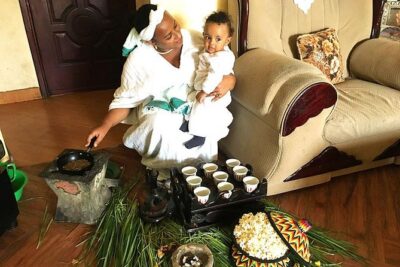
Market Tour and Cooking Class with a Coffee Ceremony at a Home in Addis Ababa
Read our review →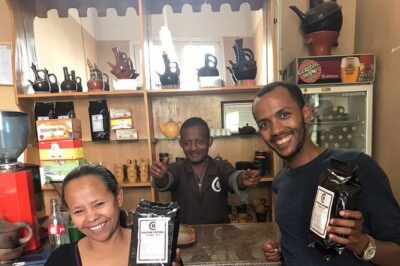
Vintage Coffee Shops, Restaurants, Sightseeing in Addis Ababa
Read our review →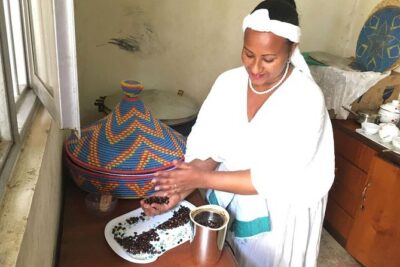
Ethiopian Cooking Class and Coffee Ceremony with a Local in Addis with transfers
Read our review →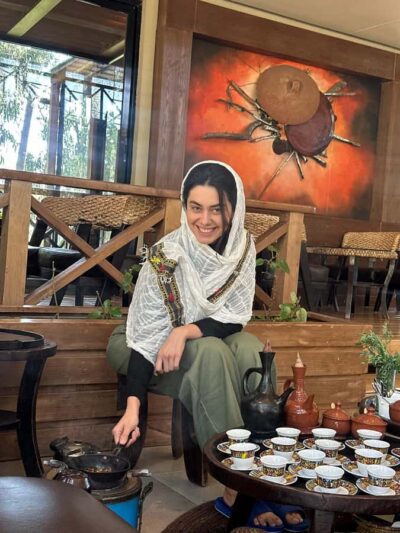
Ethiopia coffee cupping class/Ethiopian food injera making
Read our review →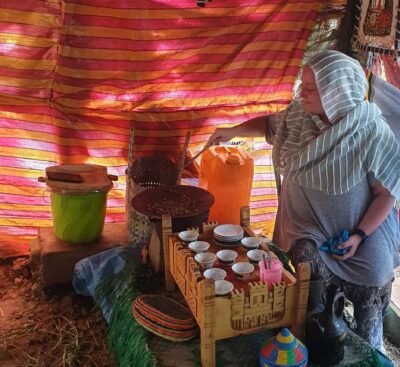
Ethiopian Culinary Tour – Market, Coffee Ceremony and More
Read our review →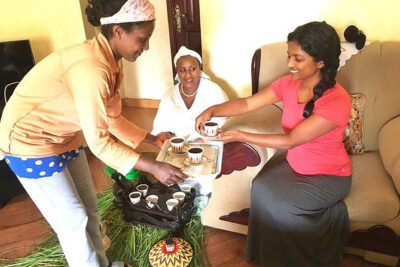
Unique Ethiopian Cooking Class and Coffee Ceremony with a Local in Addis Ababa
Read our review →
Addis Ababa City Experience : Markets, Coffee & Local Life
Read our review →Browse the lists this tour appears in