
Reviewed · DANAKIL DEPRESSION EXPEDITIONS
5 DAYS Axum, Lalibela, Tigray churches and Danakil
Five days, four worlds, one hard push north. This tour links Lalibela’s carved churches, Axum, Gheralta, and the Danakil Depression with domestic flights and a 4WD vehicle. I like the tiny group size, limited to four people, and I like that the price includes major transport, accommodations, a driver, and several meals. The main drawback is the pace: long drives, rough roads, early starts, heat, and a short visit to some major sites leave little room for wandering.
The tour is a strong choice if you want Ethiopia’s headline sights without arranging flights, drivers, hotels, and desert logistics yourself. The Danakil section is physically demanding, and the plan can change with weather or local conditions, so this is not a gentle sightseeing holiday.
In This Review
- Key points to know before booking
- Why this five-day route is worth considering
- Day 1: Lalibela’s churches carved from living rock
- Day 2: Axum, Adwa, and the road to Gheralta
- Day 3: The rough road to Erta Ale
- Day 4: Sunrise at the volcano and optional Lake Afrera
- Day 5: Salt miners, camel caravans, and Dallol
- Transport, hotels, camping, and meals
- The pace, price, and physical demands
- Who should book this Ethiopia tour?
- Should you book it?
- FAQ
- How long is the tour?
- Where does the tour begin?
- Are domestic flights included?
- What is the maximum group size?
- What type of vehicle is used?
- Are accommodations included?
- Which meals are included?
- What level of fitness is required?
- Are camel caravans guaranteed at Dallol?
Key points to know before booking
- Four major regions in five days: You cover Lalibela, Axum, Gheralta, and the Danakil Depression in one tightly packed route.
- Small groups of up to four: This allows more personal service than a large coach trip and makes a 4WD vehicle practical.
- Domestic flights save valuable time: Flights connect Addis Ababa with Lalibela, Axum, and the return from Mekele.
- Erta Ale requires real effort: Expect rough roads, a camp, walking, heat, and a moderate level of physical fitness.
- Dallol and Lake Assal are unusual final stops: You see salt mining, camel transport in some seasons, and volcanic scenery below sea level.
- The price covers the costly basics: At $1,000 per person, fuel, driver costs, 4WD transport, flights, accommodations, and listed meals are included.
Why this five-day route is worth considering
Ethiopia rewards careful planning, but this route removes much of the work. You do not need to arrange several domestic flights, find a driver for the long northern roads, or negotiate transport into the Danakil Depression. Those details matter here because the route is too spread out for ordinary public transport to work well.
At $1,000 per person, the value depends on how much independent planning you would otherwise do. The package includes domestic flights, a professional driver, fuel and lubricants, a Toyota Land Cruiser, accommodations, four breakfasts, three lunches, and two dinners. Not every meal is included, and personal expenses remain yours, but the costly transport pieces are covered.
The group limit of four is another practical advantage. A small group fits the 4WD vehicle better and should make airport transfers and schedule changes easier. It also gives you a better chance to ask questions or request a short stop when the road schedule allows.
Still, five days is a very short time for such a large area. You will spend part of each day moving between sites, and some visits are brief. I would choose this tour for access and efficiency, not for a relaxed pace.
The experience has a 4.6 rating from 22 reviews, with 91 percent recommending it. One particularly useful detail is the strong support provided during visa preparation. A past customer said the company helped process an Ethiopian visa only three hours before a flight. That is extra help rather than a guaranteed service, but it suggests the operator may be attentive when arrangements become complicated.
More Danakil expeditions:
- 12 Days SIMIEN MOUNTAIN-LALIBELA-DANAKIL-TIGRAY CHURCHES
★ 5.0 · 45 reviews - 3 Day Danakil Depression Ertale and Dallol Tours
★ 5.0 · 44 reviews - 5 DAYS Lalibela, Axum, Tigray churches and Danakil
★ 5.0 · 34 reviews
Day 1: Lalibela’s churches carved from living rock
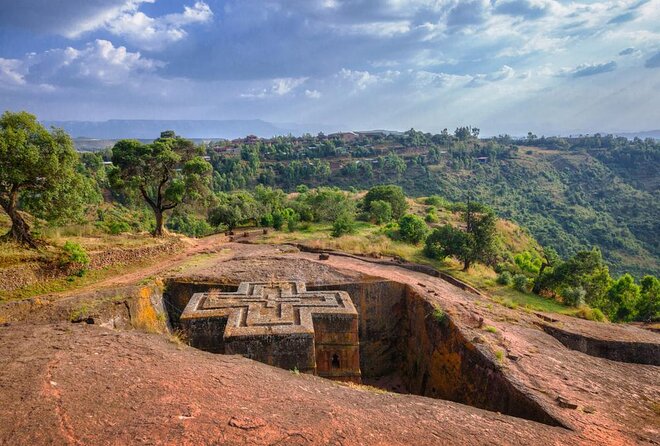
The tour begins with a morning flight from Addis Ababa to Lalibela. After transfer to your hotel and lunch, you visit the first group of rock-hewn churches north of the Jordan River.
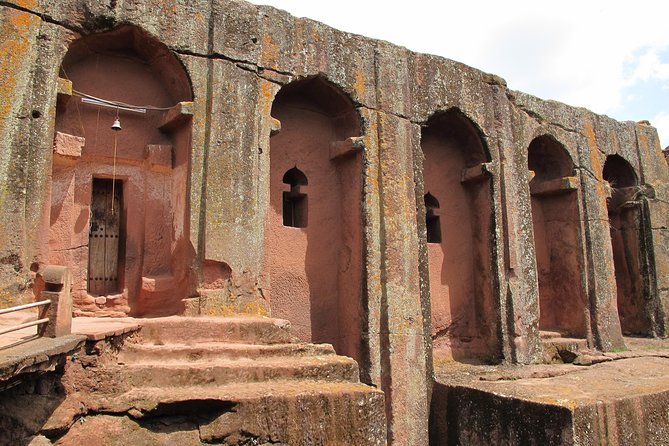
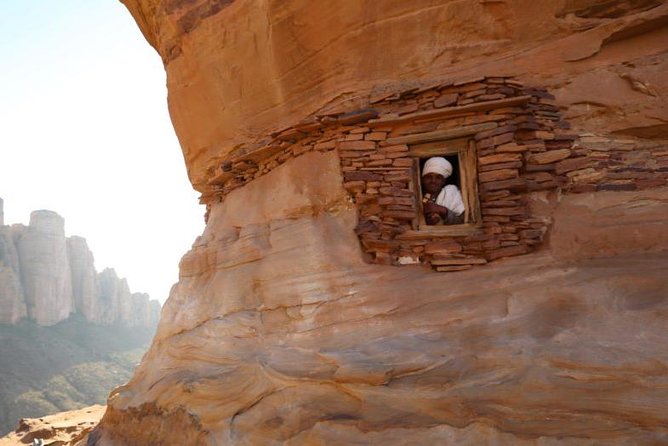
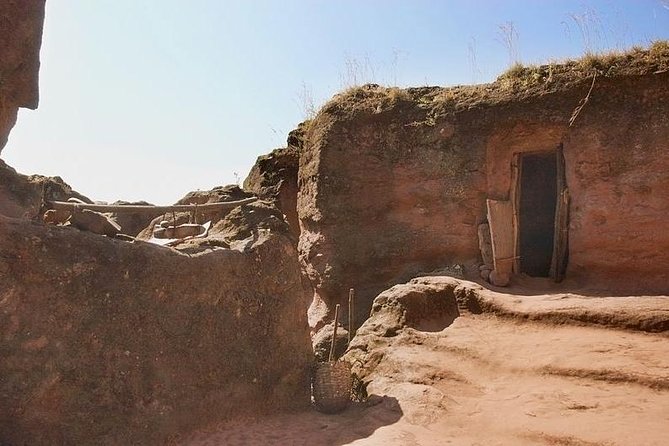
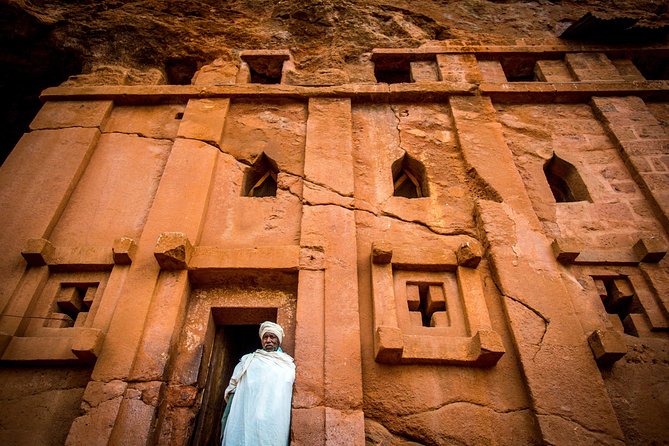
These are not churches built with stone blocks and later decorated. They were cut downward into solid rock during the reign of King Lalibela, from 1181 to 1221. The result is a group of religious buildings shaped from the ground itself, with courtyards and passages forming part of the experience.
The full town contains about eleven churches arranged in groups of three. The scheduled visit is four hours and focuses on the first group, so you should not assume you will inspect every church in Lalibela in detail. If seeing the entire complex is your priority, confirm the exact church coverage before booking.
Four hours is enough to make the visit meaningful, but it is not generous. You will want comfortable shoes and modest clothing suitable for religious sites. Admission is included, which keeps the day simple.
Lalibela is one of the tour’s strongest cultural stops. It gives you a close look at Ethiopia’s Christian traditions and building skills before the itinerary turns toward volcanoes and salt flats. The contrast is striking: one day is about sacred stonework and the next few days move into remote volcanic country.
Your accommodation that night is a hotel. Breakfast, lunch, and dinner arrangements vary by the package details, so check which meals are assigned to this day before you travel.
Day 2: Axum, Adwa, and the road to Gheralta
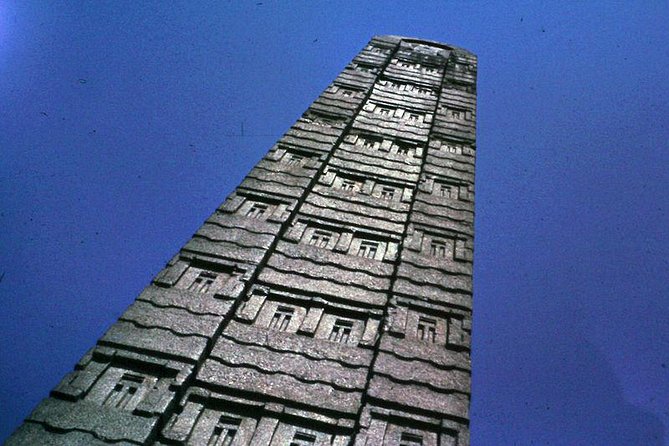
The second morning begins with a flight from Lalibela to Axum. The planned Axum visit lasts about one hour, followed by a drive toward Hawzen through Adwa and the Gheralta plains.
That one-hour stop is short for a city with major archaeological importance. You can expect an overview rather than a full day of exploration. If Axum is your main reason for visiting northern Ethiopia, this schedule may feel too brief. If your goal is to combine Axum with Lalibela and Danakil, the short stop is the tradeoff that makes the larger route possible.
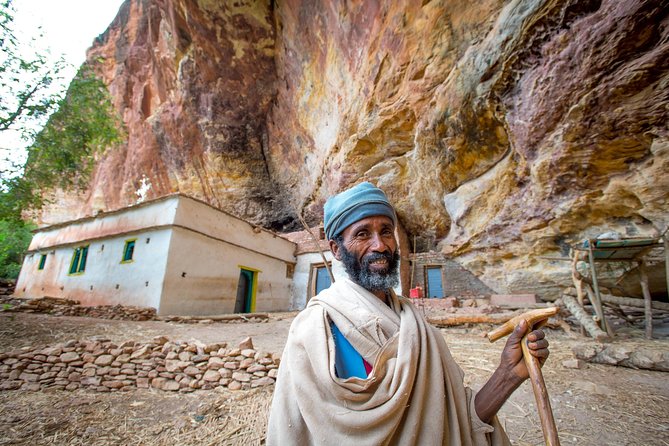
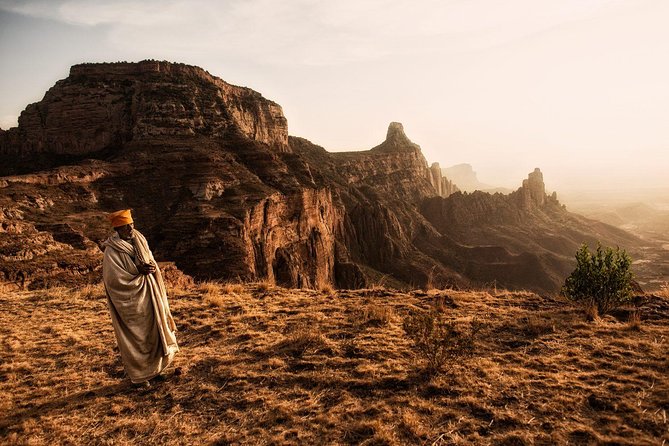
The drive from Axum to Hawzen is listed at 190 kilometers and about two hours, though road conditions can affect the timing. Gheralta is used as a base for rock-hewn churches cut into cliffs and hills. The day description refers to Gheralta churches, but it does not specify one named church or a fixed climbing route, so ask the operator exactly which church visit is planned.
This is an important question. Some Gheralta churches require steep walks or exposed approaches, while others are easier to reach. The tour asks for moderate physical fitness, and that advice matters more here than it might on an ordinary city tour.
You spend the night around Hawzen. The move from Axum to Gheralta also sets up the transition from major historic centers to the rougher Danakil section. I like this pairing because it gives the route more than a quick succession of famous names. You see religious sites in two different settings, then move on to one of Ethiopia’s most severe environments.
Day 3: The rough road to Erta Ale
The third day turns toward Erta Ale, a shield volcano in the Afar region. The route goes via Mekele and then continues to Dodom, the settlement at the volcano’s base.
The road to Dodom is a major part of the experience. The 80-kilometer stretch is described as extremely rough, and the 4WD Toyota Land Cruiser is not a luxury extra here. It is the right type of vehicle for the terrain. Expect a slow, tiring ride rather than a smooth transfer.
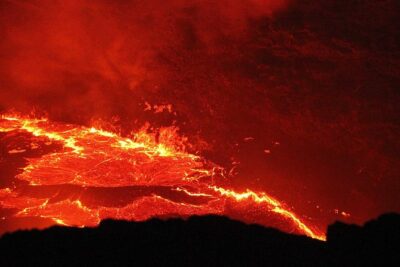
The volcano rises to about 613 meters and has a summit caldera roughly one kilometer square. Its main pit crater is about 200 meters deep and 350 meters across. Erta Ale is known for its lava lake, described as one of only five in the world and one of the longest-existing lava lakes.
The plan begins driving at about 9 a.m., though the timing may be adjusted by local conditions. The supplied schedule is partly abbreviated, so you should confirm the exact walking distance, camp arrangement, and volcano viewing conditions before departure.
Camping is part of the Danakil portion. That means the physical setting matters as much as the destination. You are not simply arriving at a viewpoint, taking a photograph, and returning to a hotel. You are spending time in a hot, remote area where the road, temperature, and ground conditions shape the day.
For me, this is where the tour becomes an adventure rather than a standard sightseeing circuit. It is also where you should be honest about your comfort level. The experience is not presented as easy, and the moderate fitness requirement should be taken seriously.
A few more options to weigh up in Addis Ababa
- Full Day Tour of Addis Ababa with Hotel Pickup and Drop-off
★ 5.0 · 430 reviews - Taste of Ethiopia
★ 5.0 · 406 reviews - Day Trip From Addis Ababa See Historical Monastery,Stunning Nature,Animals,Birds
★ 5.0 · 303 reviews - Addis Ababa: Debre Libanos, Blue Nile Gorge, and Cave Tour
★ 4.5 · 256 reviews
Day 4: Sunrise at the volcano and optional Lake Afrera
Day four starts early with sunrise at Erta Ale. The main pit crater is described as a three-level, roughly circular formation, with smaller southern and central pits nearby. A five-minute walk connects the main area with the southern and central pits.
You descend from Erta Ale around 9 a.m., with an early breakfast planned if possible at about 7 a.m. The schedule aims to return you to camp by approximately 10:30 a.m. That early start helps avoid some of the worst daytime heat, but it also means sleep may be limited after the previous day’s long road journey and camp stay.
After time to rest, the route may continue to Lake Giulietti, also called Lake Afrera. This stop is optional and may not be available during some seasons or under certain conditions. Do not treat it as a guaranteed part of the experience.
The morning has a clear physical rhythm: wake early, walk and view the crater, descend, then recover at camp. The afternoon adds a possible salt lake visit if time and conditions permit. That flexibility is sensible in the Danakil, where heat, roads, and local arrangements can affect plans.
This is also a day when personal packing choices matter. Bring sturdy footwear, clothing suitable for heat and dust, and only the personal items you can manage in a rough vehicle and camp setting. Laundry, internet, telephone costs, and other personal expenses are not included.
Day 5: Salt miners, camel caravans, and Dallol
The final Danakil day takes you to Ragad, also called Asebo, where local workers mine salt from the ground. You can see salt being broken, cut into rectangular pieces, and loaded onto camels.
The camel caravans are seasonal. They do not operate in July, August, or early September, so the timing of your visit affects what you see. If the caravans are important to you, ask about your travel dates before paying.
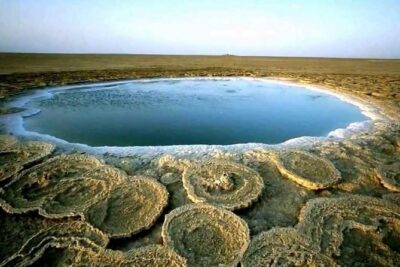
The route then continues to Dallol, one of the lowest places on Earth at about 116 meters below sea level. The area is known for unusual colors and formations created by volcanic activity. The plan also includes Lake Assal and time walking with Afar people.
This is a powerful ending because it connects geology with daily work. Salt is not just a scenic feature here. It is something people cut, carry, and transport across the desert. The experience gives you a look at how the Afar region is used, not only how it appears in photographs.
The scenery around Dallol and Lake Assal can be harsh and striking, but conditions are demanding. Heat, dust, and long vehicle transfers are part of the day. You return to Hamedela and continue to Mekele, where the Danakil tour ends.
A flight leaves Mekele at 7:50 p.m. and arrives in Addis Ababa at 9:10 p.m. That late flight makes the final day long. It also means you should keep your Addis arrangements flexible, especially if you have an onward international flight.
Transport, hotels, camping, and meals
The included Toyota Land Cruiser is one of the tour’s most important features. The route into Erta Ale and the Danakil Depression is not suited to a normal sedan or a standard sightseeing coach. Fuel and lubricants are included, as are the driver’s allowance and expenses.
Accommodation is a mix of hotels and camping. The hotel nights provide a more familiar base in Lalibela and around Hawzen, while camping lets the route reach Erta Ale and the remote desert areas. The description does not specify hotel names, room types, or camp facilities, so ask for those details if comfort is a major concern.
Four breakfasts, three lunches, and two dinners are included. That covers a useful portion of the five-day route, but not every meal. Alcoholic drinks, laundry, internet, telephone, fax, camera or videographer fees, and personal purchases are excluded.
The tour offers pickup and mobile tickets. Confirmation is provided at booking, and the stated start time is 9 a.m. Since several flights are involved, confirm the exact pickup location and flight schedule before departure.
The pace, price, and physical demands
At $1,000 per person, this tour is not cheap in the abstract, but it covers items that can quickly add up in Ethiopia. Domestic flights, a private 4WD setup within a group of four, fuel, driver costs, accommodations, and desert transport make the price easier to justify.
You are paying for access and organization. You are not paying for a slow, leisurely route with long afternoons in each town. The five-day design is efficient but compressed.
The hardest section is the Danakil Depression. Rough roads, walking around Erta Ale, early mornings, camping, and high heat all require reasonable fitness. The tour states that service animals are allowed and that public transportation is nearby, but the main route itself depends on flights and a 4WD vehicle.
Weather can affect the operation. If poor weather cancels the experience, you are offered a different date or a full refund. Other cancellations require at least three full days’ notice for a full refund. Within three days, the payment is not refunded, and changes are not accepted.
Who should book this Ethiopia tour?
I would recommend it to you if you want to see several of Ethiopia’s best-known northern sights and have only five days. It also suits anyone who prefers having flights, a driver, fuel, accommodation, and desert logistics handled in one arrangement.
The tour fits an adventurous first visit, especially if Erta Ale and Dallol are as important to you as Lalibela. The four-person maximum is useful for anyone who dislikes large groups and wants a more personal arrangement.
I would think twice if you want long visits at Axum or Lalibela, dislike camping, or need a predictable timetable. The short Axum stop, uncertain Lake Afrera visit, rough roads, and late final flight all make this a demanding schedule.
Should you book it?
Book this tour if your priority is range. In five days, you move from carved churches and ancient sites to cliff churches, a lava lake, salt mining, and volcanic formations below sea level. Few short itineraries offer that much variety.
Before booking, confirm three things: the exact Lalibela and Gheralta church visits, the camping setup near Erta Ale, and whether Lake Afrera is possible during your dates. If you are comfortable with a fast pace and basic desert conditions, the included transport and small group make $1,000 a reasonable package price. If you want depth at each historic site, choose a longer itinerary instead.
FAQ
How long is the tour?
The experience lasts approximately five days.
Where does the tour begin?
It begins in Addis Ababa, Ethiopia, with a stated start time of 9 a.m. Pickup is offered.
Are domestic flights included?
Yes. Domestic flights are included, including the return flight from Mekele to Addis Ababa.
What is the maximum group size?
The group is limited to a maximum of four people.
What type of vehicle is used?
Ground transportation is provided in a 4WD Toyota Land Cruiser.
Are accommodations included?
Yes. The package includes a mix of hotel and camping accommodation.
Which meals are included?
The package includes four breakfasts, three lunches, and two dinners.
What level of fitness is required?
A moderate level of physical fitness is required. The Erta Ale section includes rough roads, walking, an early sunrise visit, and a descent from the volcano.
Are camel caravans guaranteed at Dallol?
No. Camel caravans are not available in July, August, or early September.
Just added in Addis Ababa
- Yod Abyssinia Cultural Night: Dinner, Music, and Dance★ 5.0 · 7 reviews
- Addis Ababa City Tours Full-Day Tours★ 5.0 · 5 reviews
- Locally crafted beer and wine tasting and nightlife in Addis tour★ 5.0 · 6 reviews
- Unique Ethiopian Cooking Class and Coffee Ceremony with a Local in Addis Ababa★ 4.5 · 7 reviews
- Stunning Views Wonchi Crater Lake a Private Day Trip★ 5.0 · 3 reviews
- Visiting the wonders of Lalibela in Three (3) days and Two ( 2) nights★ 5.0 · 2 reviews
- .2- Days and 1 Night Tour To Awash National Park water falls★ 5.0 · 1 review
- Two days Lake Wenchi and Menagesha Forest★ 5.0 · 1 review
Danakil Depression Expeditions, compared.

12 Days SIMIEN MOUNTAIN-LALIBELA-DANAKIL-TIGRAY CHURCHES
Read our review →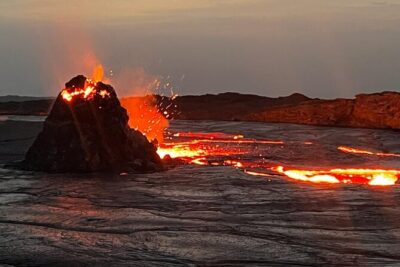
3 Day Danakil Depression Ertale and Dallol Tours
Read our review →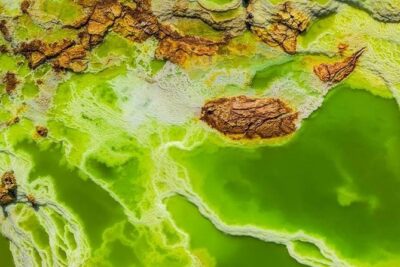
5 DAYS Lalibela, Axum, Tigray churches and Danakil
Read our review →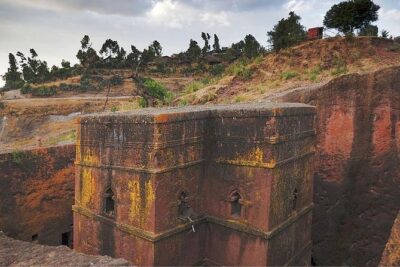
6 Days tour Package (Simien Mountains, Lalibela, and Danakil Depression)
Read our review →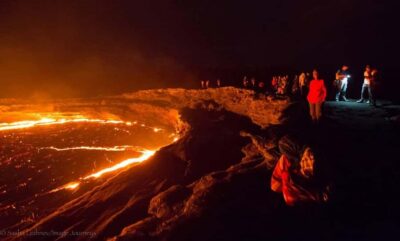
2-Night 3-Day Danakil Depression Tour without Flights
Read our review →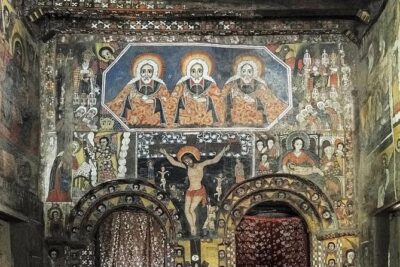
Lalibela, Axum, Danakil and Omo Valley 8 DAYS
Read our review →Browse the lists this tour appears in