
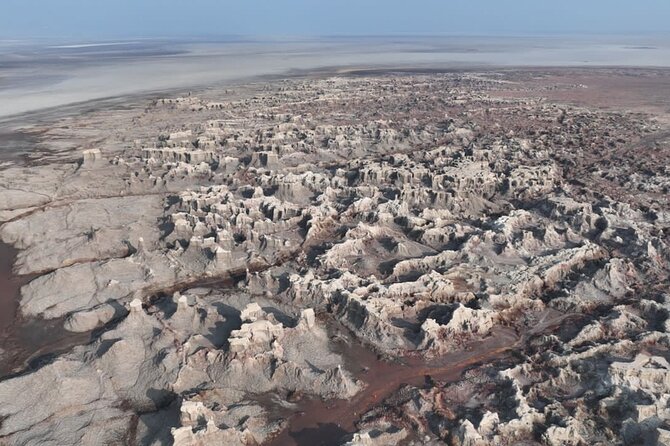
Reviewed · DANAKIL DEPRESSION EXPEDITIONS
2 Nights 3 Days Visiting Danakil Depression
The Earth is still pulling apart here. This three-day trip from Semera takes you into the Danakil Depression, one of Ethiopia’s strangest natural regions, with Erta Ale Volcano, Afdera Lake, salt caravans, and the bright mineral fields of Dallol. I like the compact route and the small maximum group of 10, which can make a demanding journey feel more personal.
I also like what is included for $400 per person: an air-conditioned vehicle, accommodation, full-board meals, and entrance fees. The main consideration is the hard travel schedule, including an early-morning volcano visit, rough desert roads, camping, and a flight from Semera at 5:00 p.m. on the final day.
This is not a soft-edged sightseeing trip. You spend two nights in the desert and cover long distances by road. But if you want unusual geology, open desert, salt mining, and an experience that feels far removed from ordinary Ethiopia touring, this package offers a lot in three days.
In This Review
- Key points to know before you go
- Why the Danakil Depression is worth the effort
- Starting in Semera and driving toward Kurswad
- The 3 a.m. climb to Erta Ale
- Salt, camels, and the road to Hamedila
- Dallol’s mineral colors on the final morning
- What the $400 package really includes
- The practical cost of the desert
- The guide team and the feel of the trip
- Who should book this Danakil tour?
- Booking details that matter
- Should you book the 2-night, 3-day Danakil experience?
- FAQ
- Where does the tour start?
- Is pickup offered?
- How long does the experience last?
- What places are visited?
- When does the Erta Ale visit begin?
- Where are the overnight stays?
- What meals are included?
- Is transportation included?
- How many people can join the tour?
- What level of fitness is required?
- Are all personal expenses included?
- Is cancellation free?
Key points to know before you go
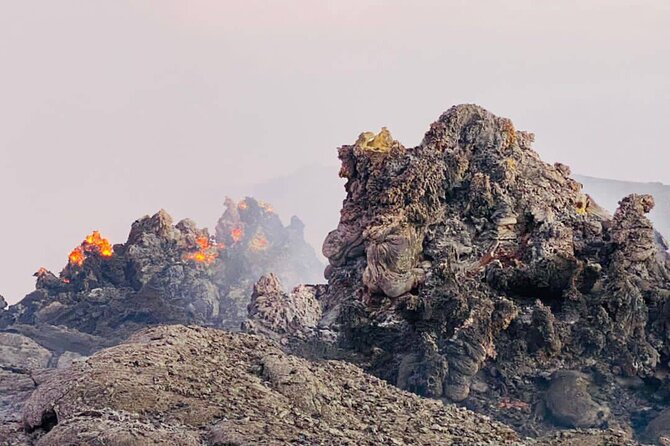
- Erta Ale begins around 3 a.m.: The active volcano visit starts before sunrise, then returns to camp for breakfast.
- Dallol brings the color: The final morning includes the striking crater area, known for unusual mineral colors and extreme geology.
- Afdera adds a quieter stop: Lake Afdera breaks up the first long drive toward Kurswad.
- Salt is part of daily life: You pass a salt-mining market and camel caravans on the way to Hamedila.
- The $400 price covers the basics that matter: Transport, accommodation, meals, taxes, and entrance fees are included.
- Plan for a moderate physical challenge: The trip uses desert roads, camping, long drives, and an early volcano outing.
Why the Danakil Depression is worth the effort
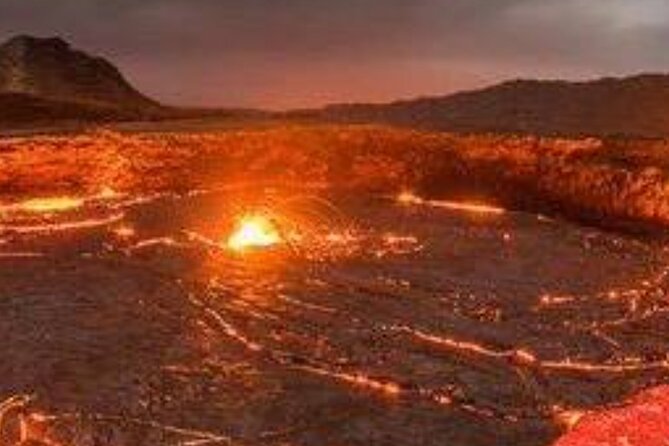
The Danakil Depression is part of the larger Afar Depression, a broad geological region reaching across Ethiopia, Djibouti, and Eritrea. The northern section, called the Danakil Depression, lies more than 100 meters below sea level.
Its origins are dramatic but easy to understand. Three tectonic plates meet here, and the African and Asian plates are moving apart by roughly 1 to 2 centimeters each year. That slow movement leaves behind a sinking, cracked region where salt, volcanic heat, and mineral-rich water create scenery that can look almost unreal.
The area also matters to human history. In 1974, researchers found the remains of Lucy here, an early human ancestor dating back about 3.2 million years. Lucy is now displayed at the National Museum in Addis Ababa, so the Danakil trip connects naturally with a museum visit before or after your desert journey.
The appeal is not simply that the region looks unusual. You are seeing geology in motion, salt being worked by people, and a desert shaped by forces far older than any town or road. That combination gives the trip more weight than a quick photo stop.
More Danakil expeditions:
- 3 Days Danakil Depression Tour
★ 4.5 · 135 reviews - 3 Days Danakil Depression Tours Via Semera
★ 5.0 · 47 reviews - 12 Days SIMIEN MOUNTAIN-LALIBELA-DANAKIL-TIGRAY CHURCHES
★ 5.0 · 45 reviews
Starting in Semera and driving toward Kurswad
The meeting point is Semera, the capital of Ethiopia’s Afar region. Pickup is offered, and the tour begins with a drive toward Kurswad via Afdera. The first day is listed as about eight hours, so you should expect the road journey to take up much of your day.
The air-conditioned vehicle is an important inclusion here. The Danakil is a harsh desert region, and an enclosed vehicle gives you a cooler place to rest between stops. The exact vehicle layout is not specified, but the package is designed for a maximum of 10 people, a useful limit on a route where space and long hours on the road matter.
Lake Afdera is the first named stop. It gives you a chance to see a major natural feature before the route continues toward the desert camp at Kurswad. The lake also helps break up the long drive, though this is not a leisurely day with hours at each attraction.
You spend the night camping at Kurswad. The exact camping setup is not described, so ask the operator what sleeping arrangements and washing facilities are available before you leave. The important point is that this is a basic desert stay, not a conventional hotel night.
The 3 a.m. climb to Erta Ale
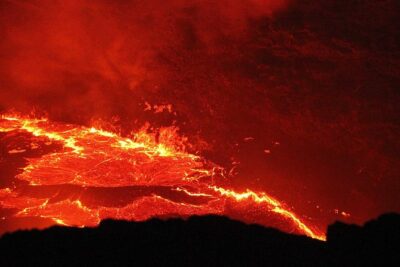
The next major moment begins around 3 a.m., when you visit Erta Ale, an active volcano. The early start is practical: it places the visit in the cooler part of the day and gives you a chance to see the volcano before the heat becomes more severe.
The supplied details do not give a walking distance, elevation gain, or precise time at the volcano. You should therefore ask for current conditions and the expected walking requirements. The tour requires a moderate level of physical fitness, and the combination of darkness, desert terrain, and an early start can make this the most tiring part of the trip.
After the volcano visit, you return to the camp for breakfast. That rhythm is worth noting. You are not simply driving past Erta Ale for a quick look, but you also should not picture a relaxed morning excursion. It is an early, physically demanding outing followed by a return to camp.
Several people who have taken this trip praised the coordination, leadership, and kindness of the team, especially Gashaw, Gashu, and Tsehayu. Those names are worth noting when you confirm your booking, since the person coordinating your departure may affect how smoothly the early start and long road days are handled.
Salt, camels, and the road to Hamedila
After breakfast, the route heads toward Dallol. The second day is listed at about five hours, shorter than the first and third days, though road conditions can affect the actual pace.
The stop at the salt-mining market adds an important human element. The Danakil is not an empty stage created only for photographs. Salt has long shaped work and movement in the region, and camel caravans remain part of that story. Seeing camels on the route helps you understand how goods move through this dry region without turning the trip into a purely geological sightseeing tour.
This is also where the trip feels most connected to local life. The salt market and caravans offer scenes that are difficult to understand from a standard city tour. You see a working desert, not just a dramatic one.
The night is at Hamedila. Again, accommodation is listed as included, but the specific standard is not given. Because the package uses camping in the desert, you should expect a simple setup rather than a polished lodge. Full-board meals are included, which removes one common worry on a remote route, but other personal expenses are not covered.
A completely different kind of day:
- Full Day Tour of Addis Ababa with Hotel Pickup and Drop-off
★ 5.0 · 430 reviews - Taste of Ethiopia
★ 5.0 · 406 reviews - Day Trip From Addis Ababa See Historical Monastery,Stunning Nature,Animals,Birds
★ 5.0 · 303 reviews - Addis Ababa: Debre Libanos, Blue Nile Gorge, and Cave Tour
★ 4.5 · 256 reviews
Dallol’s mineral colors on the final morning
The final morning begins after breakfast with a visit to the colorful Dallol crater area. Dallol is the visual centerpiece for many people: unusual shades formed by minerals and geothermal activity give the ground a palette that can seem out of place in a desert.
The trip details call this a beautiful and colorful crater. They do not provide a precise walking time or the amount of time spent there, so keep your schedule flexible. You need to return to Semera in time for the last flight to Addis Ababa, listed at 5:00 p.m.
That flight connection makes the final day especially important. The day is listed at about eight hours, and the drive back to Semera may leave little room for delay. I would avoid booking a separate, tight connection or an important evening commitment unless you have confirmed the timing directly with Ethio Backpacker Tours.
Dallol is also a place where you need to follow the guide’s instructions closely. The available information does not specify safety equipment or access rules, so do not treat every colorful patch as an invitation to walk wherever you like. The terrain is unusual and the tour is guided for a reason.
What the $400 package really includes
At $400 per person, the value is fairly strong if you want the complete three-day route rather than trying to arrange each part separately. The package includes:
- Air-conditioned vehicle
- Accommodation
- Full-board meals
- All fees and taxes
- Admission fees for the listed stops
That bundle matters in the Danakil because the route is remote and spread out. You are paying for transport through a difficult desert region, two nights away, meals, coordination, and access to the main sights.
The price does not include other expenses not listed in the inclusions. Since flights are not named among the included services, you should confirm whether your Semera to Addis Ababa flight is covered or needs to be purchased separately. The same applies to drinks, souvenirs, tips, and personal purchases.
The maximum group size is 10. That is small enough to make communication easier and can help the group move more efficiently during stops. It is not a private tour, however, so ask if you need a fully private vehicle or a specific departure arrangement.
The experience is booked, on average, 22 days before departure. That is a useful planning signal. If your dates are fixed, arranging it several weeks ahead gives you a better chance of fitting the desert trip into your Ethiopia route and protecting the final flight connection.
The practical cost of the desert
The tour’s main cost is not money. It is comfort.
You will spend long hours in a vehicle, camp in the desert, rise around 3 a.m. for Erta Ale, and cope with a road journey described by one participant as difficult. The trip is suitable for someone with moderate physical fitness, but it is not designed for a traveler who needs a slow pace, predictable sleep, or hotel comforts each night.
The desert setting also means you should think carefully about what you carry. The exact packing list is not provided, so ask the operator about camping supplies, water, bedding, washing facilities, and clothing recommendations. Do not assume that included accommodation means a standard room.
The full-board arrangement makes the trip easier, since you do not need to plan every meal along the route. Still, the phrase other expenses not listed is broad. Keep some money available for anything personal or unexpected.
The guide team and the feel of the trip
The strongest praise for this experience focuses on the people running it. Gashaw is repeatedly credited with organizing and coordinating the journey, while Gashu receives praise for leadership and attention to detail. Tsehayu is also singled out for creating an authentic, well-organized experience.
That matters on a three-day desert trip. A good coordinator has to manage pickup in Semera, vehicle movements, meal timing, camp stays, the pre-dawn volcano visit, and the return to the airport. This is not a route where you want vague instructions or a group left guessing about the next stop.
The small-group format helps. A maximum of 10 people gives the guide a better chance to answer questions and keep the day moving. It also means you should be prepared to share the schedule and accept that stops may be coordinated around the whole group.
The available comments repeatedly praise the friendly team, smooth organization, and helpful drivers. That does not erase the basic conditions of the trip, but it suggests that the human side of the operation is one of its best features.
Who should book this Danakil tour?
I would recommend this trip to you if you:
- Want unusual geology rather than standard city sightseeing
- Are interested in active volcanoes and mineral formations
- Enjoy remote places and simple camping
- Can manage long drives and a moderate physical challenge
- Want a packaged route with meals and transport included
- Have only a few days available for the Danakil
You may want a different arrangement if you need hotel accommodation, dislike early starts, or want a relaxed schedule with generous time at each stop. The three-day duration is efficient, but efficiency here means full days and little spare time.
It is also a good match for repeat visitors to Ethiopia who want something very different from the country’s historic northern cities, mountain churches, and highland scenery. The Danakil gives you salt, fire, desert, and tectonic drama instead.
Booking details that matter
You start in Semera, and pickup is offered. The tour is near public transportation, though the information does not specify exact pickup locations or times, so confirm those details before arrival.
Confirmation is received at booking. Free cancellation is available if you cancel at least 24 hours before the local start time. Cancellations or changes made less than 24 hours before departure are not accepted for a refund.
The tour has a 5 rating from 12 reviews, with 100 percent recommending it. The repeated praise centers on the small group, kind staff, strong coordination, and the chance to see Erta Ale, Dallol, the salt lake area, camel caravans, and a local village in one compact trip.
Should you book the 2-night, 3-day Danakil experience?
Book it if you want the Danakil’s main sights in a tightly organized package and you are ready for rough roads, camping, and a 3 a.m. volcano outing. At $400, the included vehicle, meals, accommodation, taxes, and admission fees make the package appealing, especially for a first visit.
Before paying, confirm the camping arrangements, the exact physical demands at Erta Ale, and whether the 5:00 p.m. flight is included. If those details suit you, this is a practical way to reach one of Ethiopia’s most unusual regions without arranging every moving part yourself.
FAQ
Where does the tour start?
The tour starts in Semera, Ethiopia.
Is pickup offered?
Yes. Pickup is offered for this experience.
How long does the experience last?
The tour lasts approximately three days and includes two nights in the desert.
What places are visited?
The route includes Lake Afdera, Erta Ale Volcano, Dallol, a salt-mining market, camel caravans, and the surrounding Danakil Depression.
When does the Erta Ale visit begin?
The Erta Ale visit begins early in the morning, around 3:00 a.m.
Where are the overnight stays?
The first night is camping at Kurswad. The second night is at Hamedila.
What meals are included?
Full-board meals are included.
Is transportation included?
Yes. An air-conditioned vehicle is included.
How many people can join the tour?
The tour has a maximum group size of 10 people.
What level of fitness is required?
Participants should have a moderate level of physical fitness.
Are all personal expenses included?
No. Expenses not listed among the inclusions are not covered.
Is cancellation free?
Yes, you can cancel for a full refund if you cancel at least 24 hours before the experience begins. Changes or cancellations made less than 24 hours before the start time are not accepted.
Just added in Ethiopia
- Yod Abyssinia Cultural Night: Dinner, Music, and Dance★ 5.0 · 7 reviews
- Tigray Mountain Church’s Day Trip from Mekele★ 5.0 · 2 reviews
- Mekele City Tour★ 5.0 · 2 reviews
- Day trip to Tigray Churches★ 5.0 · 2 reviews
- 3 Day Tour of Geralta Churches Tigray Church’s★ 5.0 · 2 reviews
- 3 days tour Danakil Depression (Dallol & Erta Ale)★ 4.0 · 5 reviews
- 2 Days Dallol Trip★ 5.0 · 4 reviews
- Lalibela Backpacker tours★ 5.0 · 6 reviews
Danakil Depression Expeditions, compared.
12 Days SIMIEN MOUNTAIN-LALIBELA-DANAKIL-TIGRAY CHURCHES
Read our review →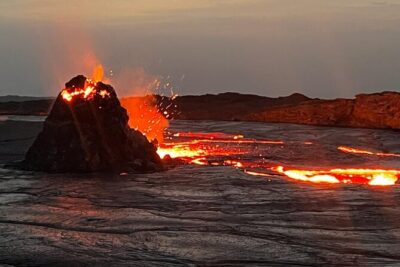
3 Day Danakil Depression Ertale and Dallol Tours
Read our review →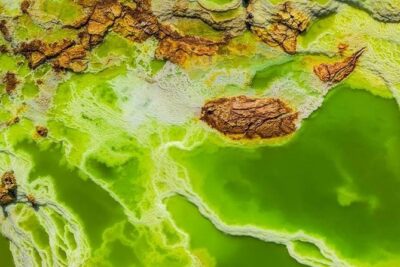
5 DAYS Lalibela, Axum, Tigray churches and Danakil
Read our review →
6 Days tour Package (Simien Mountains, Lalibela, and Danakil Depression)
Read our review →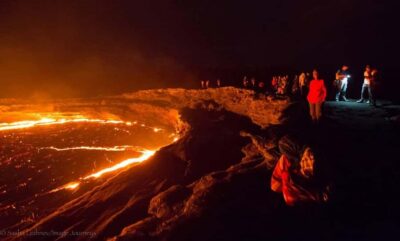
2-Night 3-Day Danakil Depression Tour without Flights
Read our review →
Lalibela, Axum, Danakil and Omo Valley 8 DAYS
Read our review →Browse the lists this tour appears in