

Reviewed · OMO VALLEY TRIBAL TOURS
Omo Valley Tribe Tours 8 Days
Africa gets personal here. This eight-day journey links Addis Ababa with the communities of southern Ethiopia, from Dorze weaving villages and Konso terraces to Mursi, Hamer, and Dassanech settlements. I like the broad range of places packed into one trip, and I especially like the mix of cultural visits, Lake Chamo wildlife, markets, and a final Ethiopian dinner with music and coffee.
The main trade-off is the road time. Several days run for six to nine hours, and the itinerary covers a large area by vehicle. I also recommend confirming the exact meal plan and lodging details before paying, since the inclusions list is brief and the schedule involves long transfers.
In This Review
- Six details that define this Omo Valley journey
- What the $1,589 price buys you
- Day 1: Addis Ababa from Entoto to Mercato
- Day 2: Dorze weaving and the long road to Arba Minch
- Day 3: Lake Chamo, Bana, and Ari communities
- Day 4: Mursi villages inside Mago National Park
- Day 5: Omorate and the Dassanech people
- Day 6: Konso terraces and coffee country
- Day 7: Lake Langano and the Rift Valley road
- Day 8: Lake Ziway, Debre Zeyit, and a final Ethiopian evening
- The road, the group, and the physical demands
- What makes this route worthwhile
- Who should book this tour?
- FAQ
- Where does the Omo Valley Tribe Tours experience start?
- How long is the tour?
- What time does the tour start?
- What is the price?
- What is the maximum group size?
- Is pickup available?
- Which communities are included in the route?
- Will I visit Mago National Park?
- Are meals included?
- Can I cancel for a full refund?
Six details that define this Omo Valley journey

- Mursi villages in Mago National Park: See the homes, clothing, and daily traditions of one of the best-known communities in southern Ethiopia.
- Dorze houses shaped like elephants: Visit a community known for weaving, enset farming, and unusual tall homes.
- Lake Chamo boat cruise: Look for Nile crocodiles, hippos, and water birds from the lake.
- Dassanech near Omorate: Cross toward the northern shore of Lake Turkana to meet people known as the people of the Delta.
- Konso’s terraced hillsides: Visit a UNESCO-listed cultural area and learn about local farming and coffee.
- Small-group format: The maximum group size is 15, with pickup offered and group discounts available.
What the $1,589 price buys you
At $1,589 per person, this is not a quick weekend excursion from Addis Ababa. It is a full southern Ethiopia circuit with transport, guiding, sightseeing, meals listed in the package, and airport transfers woven into the plan.
I see the value mainly in the route. Arranging Addis Ababa, Arba Minch, Jinka, Mago National Park, Turmi, Omorate, Konso, Langano, and the Rift Valley on your own would require careful coordination. The tour also takes you to communities that are difficult to reach without local help.
Still, I would ask for a written breakdown of what is included before booking. The package lists dinner, six breakfasts, and eight lunches, while another line says food and drinks are not included unless specified. That wording deserves clarification. Ask which meals are covered, which drinks cost extra, and whether park fees, boat fees, village contributions, and domestic flights are included.
The group limit of 15 is useful. It is small enough for a more manageable vehicle and easier communication, though a private departure may suit photographers or anyone who wants more control over stops. One past private departure was especially praised for its organization, and the names Yoseph, Frew, and Neway received strong personal praise for guiding and driving. Your assigned team may differ, so confirm names and roles if that matters to you.
More Omo Valley tours:
- 6 Days Omo Valley Tribes Tours From Addis Ababa
★ 5.0 · 33 reviews - 3 Days Omo Valley Tour
★ 5.0 · 24 reviews - 6 Days Lalibela, Omo Valley and Harar
★ 5.0 · 15 reviews
Day 1: Addis Ababa from Entoto to Mercato
Your arrival day begins with a hotel transfer and a city introduction lasting about six hours. The first major view comes from Mount Entoto, where you look across Addis Ababa from above before driving back into the city.
The National Museum follows. Its most famous object is the fossil known as Lucy, one of the oldest hominids presented in the museum’s collection. This is a worthwhile stop because it gives the rest of the trip a wider human context. You are not only visiting present-day communities. You are also seeing a country central to the story of human origins.
The Holy Trinity Cathedral provides a change of pace, with its religious and modern Ethiopian political associations. You then visit the Ethnographic Museum, located in the former palace of Emperor Haile Selassie. Its setting helps explain the country’s imperial past and regional variety.
The day ends at Mercato, described as the largest market in East Africa. Go ready for noise, movement, and plenty to look at. Keep your belongings close, follow your guide’s advice, and wear covered shoes. The market is less about a tidy shopping experience and more about seeing how Addis conducts daily business.
Day 2: Dorze weaving and the long road to Arba Minch
Day two is listed at about nine hours, making it one of the hardest driving days. The reward is Dorze country near Arba Minch, where weaving is a major skill and enset, often called false banana, is a staple food.
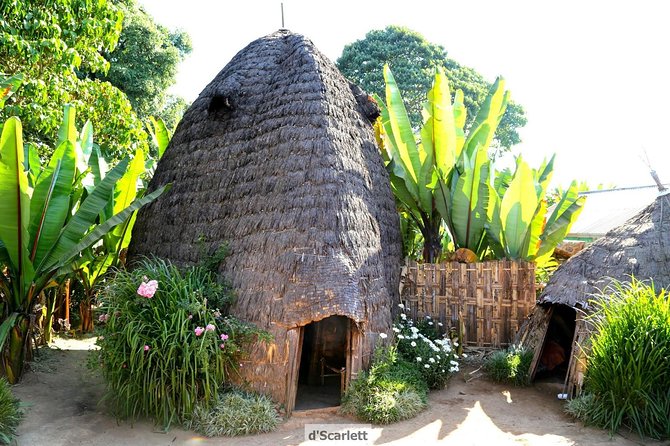
The Dorze houses are shaped to resemble elephants. The form is linked to memories of elephants once living in the area, giving the architecture a direct connection to local identity. I find details like this more useful than a simple photo stop because they show how homes, food, and memory fit together.
This is also where you begin to feel the scale of the south. The drive is not a minor transfer between attractions. It takes much of the day, so plan for road fatigue. A moderate level of physical fitness is requested, and you should expect time getting in and out of the vehicle.
Day 3: Lake Chamo, Bana, and Ari communities

The third day combines wildlife with cultural visits. After breakfast, you take a boat cruise on Lake Chamo, Ethiopia’s third-largest lake. The water may offer views of Nile crocodiles, hippos, and many kinds of birds.
The boat ride breaks up the long road sections and gives you a chance to see the area from a different angle. Sightings are never guaranteed, but the lake’s wildlife is a strong reason to keep this stop in the plan.
You then continue toward Bana country. The Bana are described as pastoral and semi-nomadic people living in the demanding conditions of the lower Omo region. Men may wear colorful clay caps decorated with feathers, an example of how hair and dress can carry social meaning.
The Ari people come next. They are the largest population in the lower Omo Valley, and the visit introduces pottery and clothing made from enset-related plant material. The day is scheduled for about six hours, though road conditions and the pace of visits can affect the actual timing.
A few more options to weigh up in Addis Ababa
- Full Day Tour of Addis Ababa with Hotel Pickup and Drop-off
★ 5.0 · 430 reviews - Taste of Ethiopia
★ 5.0 · 406 reviews - Day Trip From Addis Ababa See Historical Monastery,Stunning Nature,Animals,Birds
★ 5.0 · 303 reviews - Addis Ababa: Debre Libanos, Blue Nile Gorge, and Cave Tour
★ 4.5 · 256 reviews
Day 4: Mursi villages inside Mago National Park

For many people, this is the day they most anticipate. You travel into Mago National Park to visit a Mursi village, then return to Jinka for lunch before continuing toward Turmi, home of the Hamer people.
The Mursi are widely known for the lip plates worn by some women and for stretched ear lobes. Their homes are low huts built from straw and leaves. These details may attract photographers, but I encourage you to look past the visual novelty. The important part of the visit is the chance to learn about a community living through cattle herding and cultivation in a demanding environment.
The Mursi move between seasonal areas around the Omo River and Mago National Park. Their way of life is shaped by climate, livestock, and access to farmland. A good guide should help explain these pressures rather than reduce the stop to costumes and photographs.
You should also approach photography with care. The supplied details do not spell out a photo policy, so ask your guide how to request permission and whether payments are expected. Bring covered shoes and clothing suited to dust, heat, and uneven ground.
The later drive to Turmi keeps the day moving. You may feel that the schedule gives each place only a short window. That is the price of covering several communities in eight days.
Day 5: Omorate and the Dassanech people

Day five takes you from Turmi to Omorate, where you visit the Dassanech, a community described as the people of the Delta. Their home is on the northern shore of Lake Turkana, giving this excursion a clear geographic connection to the lake region.
The visit adds another distinct culture to the route. After seeing Mursi, Bana, and Ari communities, you begin to notice that the Omo Valley is not one single cultural zone. Clothing, settlement patterns, work, and local traditions change from one area to the next.
The schedule allows about six hours, followed by a return to Turmi for the night. Ask your guide how the local crossing and village access will work, since the supplied program does not give exact transport details. This is one of the places where local organization matters most.
Day 6: Konso terraces and coffee country

Day six turns north toward Konso. Depending on the day, you may join a local market before visiting the Konso cultural area. Markets are valuable because they show ordinary exchange and local production, not just staged cultural presentation.
Konso is recognized by UNESCO for its terraced farming areas. The terraces are the main lesson here: people have shaped steep ground for agriculture through careful stonework and long-term planning. They also show why the region cannot be understood only through portraits and village visits.
Konso is known for producing some of Ethiopia’s best coffee. The program does not specify a formal coffee tasting, so do not assume one is included, but coffee remains an important part of the area’s identity. After the visit, you continue to Arba Minch.
This is another day of movement, though it is listed at roughly six hours. The change from the lower Omo communities to Konso’s farming culture gives the route useful contrast.
Day 7: Lake Langano and the Rift Valley road
After breakfast, you drive toward Lake Langano. The lake is presented as a place for water activities, so it offers a more relaxed pause after several culture-heavy days.
The road also passes Shashemene, where you see what the program calls Jamaican villages. The itinerary gives no further detail about this stop, so I would ask your guide what you will visit and how much time is planned there. That simple question can prevent a vague roadside stop from feeling like a missed opportunity.
Lake Langano is listed as the principal stop, with about six hours for the day. If water activities matter to you, confirm what is available and whether equipment or fees are extra. The package does not specify those details.
Day 8: Lake Ziway, Debre Zeyit, and a final Ethiopian evening
The final day brings you back north to Addis Ababa. En route, you visit Lake Ziway, the largest of the upper Rift Valley lakes, covering about 400 square kilometers. Water lilies line parts of its shore, and the lake provides a habitat for Ethiopian birdlife.
Lunch is planned at a resort in Debre Zeyit, also known as Bishoftu, before you return to Addis. The final evening includes a folkloric dinner, national dishes, traditional dancing from several Ethiopian ethnic groups, and a coffee ceremony.
This ending works well. After days spent visiting specific communities, you get a broad cultural presentation that brings together food, music, dance, and coffee. It is more polished than a village visit, but that is not necessarily a flaw. Think of it as a farewell performance rather than a substitute for the earlier encounters.
The itinerary then transfers you to the airport for departure. Since flight timing is not provided, confirm how much time you will have between the dinner, transfer, and your flight.
The road, the group, and the physical demands
The tour begins at 7:00 a.m. and includes several long driving days. Day two reaches about nine hours, while most other days are listed at six hours. You will spend a lot of time seated, then get out for walking, village visits, markets, museums, or boat travel.
A moderate fitness level is requested. That does not mean a strenuous trek, but you should be comfortable with uneven surfaces, warm weather, dust, and repeated vehicle stops. Covered shoes are specifically advised. Formal dress is also listed, although practical clothing for outdoor visits remains important.
Pickup is offered, mobile tickets are available, and the group can reach a maximum of 15 people. Group discounts may improve the price for companions. Free cancellation is available until 24 hours before the start time. Poor weather can lead to a different date or a full refund, according to the stated terms.
What makes this route worthwhile
I like that the program does not stop with the Mursi. The Mursi may be the best-known name, but the Dorze, Bana, Ari, Hamer, Dassanech, and Konso communities make the trip far more useful.
I also like the geographical variety. You see Addis Ababa museums and markets, Lake Chamo wildlife, the Omo River region, Lake Turkana country, Konso terraces, and Rift Valley lakes. That range helps you understand Ethiopia as a large, varied country rather than a single cultural postcard.
The strongest personal praise has gone to the guide and driver teams. Yoseph and Frew were described as exceptional, and Neway was praised as a highly capable driver. The organizer, Amanuel, was also credited with planning a smooth trip. Good driving matters here because the roads and distances shape the whole experience.
The weak point is compression. Eight days can introduce you to many places, but it cannot give you a slow, detailed stay in every community. If you want more time for photography or ceremonies, a longer private trip may be a better fit. One past itinerary extended to 13 days for photography, which gives you an idea of how much more time the region can absorb.
Who should book this tour?
I would choose this tour if you want a structured introduction to southern Ethiopia and prefer having transport, local visits, and route planning handled for you. It suits people who value cultural variety and can accept long road days.
I would hesitate if you dislike early starts, frequent hotel changes, or uncertain timing. I would also ask more questions if food, accommodation standards, photography access, or precise border and village arrangements are central to your decision.
Before booking, confirm the meal inclusions, the exact hotels, the makeup of the group, and whether your departure is private or shared. If those answers suit you, the price offers a practical way to cover a difficult route in a short period.
FAQ
Where does the Omo Valley Tribe Tours experience start?
The experience starts in Addis Ababa, Ethiopia.
How long is the tour?
The tour lasts approximately eight days.
What time does the tour start?
The listed start time is 7:00 a.m.
What is the price?
The listed price is $1,589 per person.
What is the maximum group size?
The tour can have a maximum of 15 participants.
Is pickup available?
Yes, pickup is offered.
Which communities are included in the route?
The program includes visits connected with the Dorze, Bana, Ari, Mursi, Hamer, Dassanech, and Konso communities.
Will I visit Mago National Park?
Yes. Day four includes an excursion to Mago National Park and a visit to a Mursi village.
Are meals included?
Dinner, six breakfasts, and eight lunches are listed as included. Food and drinks are otherwise excluded unless specifically stated, so confirm the exact meal arrangements before booking.
Can I cancel for a full refund?
Yes. You can cancel at least 24 hours before the experience start time for a full refund. Changes or cancellations made less than 24 hours ahead are not accepted for a refund, and poor weather may result in a new date or full refund.
Just added in Addis Ababa
- Yod Abyssinia Cultural Night: Dinner, Music, and Dance★ 5.0 · 7 reviews
- Addis Ababa City Tours Full-Day Tours★ 5.0 · 5 reviews
- Locally crafted beer and wine tasting and nightlife in Addis tour★ 5.0 · 6 reviews
- Unique Ethiopian Cooking Class and Coffee Ceremony with a Local in Addis Ababa★ 4.5 · 7 reviews
- Stunning Views Wonchi Crater Lake a Private Day Trip★ 5.0 · 3 reviews
- Visiting the wonders of Lalibela in Three (3) days and Two ( 2) nights★ 5.0 · 2 reviews
- .2- Days and 1 Night Tour To Awash National Park water falls★ 5.0 · 1 review
- Two days Lake Wenchi and Menagesha Forest★ 5.0 · 1 review
Omo Valley Tribal Tours, compared.
6 Days Omo Valley Tribes Tours From Addis Ababa
Read our review →
Lalibela, Axum, Danakil and Omo Valley 8 DAYS
Read our review →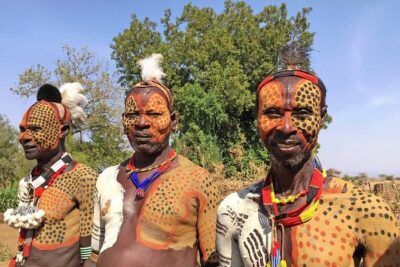



9 Days Tours To Danakil Depression, Simen MNP, Lalibela With Omo Valley Tribes
Read our review →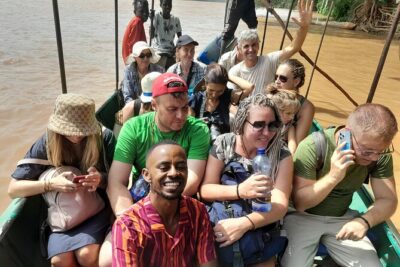
5 Day Private tour to the Omo Valley Tribes and Adventure Tour
Read our review →Browse the lists this tour appears in