

Reviewed · OMO VALLEY TRIBAL TOURS
From Addis Ababa: 4-Day Omo Valley Tribes Tour
Ethiopia’s Omo Valley is not a quick sightseeing stop. This four-day trip takes you from Jinka into Mago National Park, across the Omo River, and into communities of the Mursi, Karo, Hamer, and Desanech people. I like the strong mix of village visits and open-country driving, and I especially like that the route includes both the Omo riverside village and a weekly livestock market. The main drawback is the pace: four days gives you a powerful introduction, but long drives and limited free time leave little room for wandering on your own.
The tour costs $899 per person, with transport, accommodation, breakfast, entrance fees, and guide fees included. Flights, lunch, dinner, and alcohol are not generally included, although the trip details also say a farewell dinner in Addis Ababa is included. I would confirm that point before paying, since the two descriptions do not match.
In This Review
- Key points to know before booking
- Why this short Omo Valley route works
- Day 1: Mago National Park and a Mursi village
- Day 2: Korcho village above the Omo River
- Day 3: Omorate, the Omo River, and the Desanech
- Day 4: Returning through southern Ethiopia
- What the $899 price really covers
- Languages, timing, and comfort
- Who should book this Omo Valley tour?
- Should you book it?
- FAQ
- Where does the tour begin?
- Are flights included in the $899 price?
- Which communities does the tour visit?
- Will I cross the Omo River?
- What is included in the tour price?
- Are lunch and dinner included?
- What languages are available for the guide?
- What should I bring?
- Can people with mobility impairments join?
Key points to know before booking

- Mursi village in Mago National Park: See the famous clay lip plates worn by some Mursi women and learn about their pastoral way of life.
- Karo village of Korcho: The village sits above the Omo River, giving you one of the tour’s most striking viewpoints.
- Hamer weekly market: Plan around the market day, especially if you want to see livestock trading and traditional Hamer dancing.
- Desanech village by boat: Crossing the Omo River adds a memorable travel moment and takes you close to the Kenyan border.
- Four days means a busy schedule: The tour begins in Jinka, not Addis Ababa, so you must arrange or add flights to reach the starting point.
- Best for active cultural sightseeing: Long drives, early starts, boat travel, and uneven village paths make this a poor fit for anyone with mobility problems.
Why this short Omo Valley route works

The Omo Valley is often reduced to a few famous images: lip plates, painted faces, cattle, and colorful clothing. Those details are part of what you see, but this route is better understood as a journey through distinct communities living in a demanding part of southern Ethiopia.
The Mursi, Karo, Hamer, and Desanech are not one single culture with four versions. Each community has its own customs, clothing, body decoration, economy, and relationship with the land. The tour gives you a useful comparison because each day introduces a different setting.
You will not spend four days in one base with gentle excursions. Instead, you move from Jinka to Mago National Park, then toward Turmi, Omorate, and back to Jinka. That makes the journey efficient, but it also means you should expect time in a vehicle. The reward is the changing scenery, from dry open country to the Omo River and its surrounding villages.
I also like the fact that the route includes ordinary social settings, not only formal village visits. A weekly market can tell you more about daily trade and community life than a staged cultural display. The market, particularly if it falls on Tuesday, was the most praised part of the experience in the available feedback, along with the village beside the Omo River.
More Omo Valley tours:
- 6 Days Omo Valley Tribes Tours From Addis Ababa
★ 5.0 · 33 reviews - 3 Days Omo Valley Tour
★ 5.0 · 24 reviews - 6 Days Lalibela, Omo Valley and Harar
★ 5.0 · 15 reviews
Day 1: Mago National Park and a Mursi village
Your tour begins at Jinka airport, where the guide and driver meet you. From there, you drive into Mago National Park to visit a Mursi village before returning to stay at Jinka Resort.
The Mursi are pastoralists, and their identity is closely tied to cattle, movement, family life, and local traditions. The best-known custom is the clay lip plate worn by some women. A plate is placed in the lower lip, and larger plates have traditionally been linked with social value and marriage arrangements.
This is an important visit, but it calls for respectful attention. The lip plates are not a costume added for tourists. They are part of a cultural practice with meaning inside the community. Look, listen, and follow your guide’s instructions about photography and personal space.
The Mursi visit also raises a practical point about cultural tourism. You are entering a living community, not walking through a museum. The quality of the experience depends heavily on how the guide manages introductions, photographs, and payments. An English, French, or German-speaking guide is available, and a good guide should help explain what you are seeing without turning people into photo subjects.
Mago National Park gives the day a wider setting. You are not simply driving to a village and turning around. The road takes you into a large area of southern Ethiopia, with broad views and a sense of distance. Still, road conditions and driving times can make this a tiring first day, especially if you have arrived in Jinka after a flight.
A night at Jinka Resort keeps the schedule practical. You are positioned for the next morning’s drive toward Turmi, but this is not a leisurely city break. Bring water, sunscreen, a hat, and comfortable shoes. The supplied advice is simple and correct.
Day 2: Korcho village above the Omo River

Day two starts early, with a drive toward Turmi. On the way, you visit Korcho, a Karo village perched above the Omo River.
This is likely to be one of the most memorable stops on the route. The Karo are the smallest of the Omo Valley communities included here, and they are known for elaborate body decoration. Their village location adds another layer to the visit, since the view down toward the Omo River gives you a clear sense of how geography shapes life in the area.
The Karo visit is valuable because it combines people and place. You see clothing, body decoration, and village life, but you also see the river that supports communities along its banks. The setting helps you understand that the Omo is not just a pretty backdrop. It is a route, a resource, and a major part of local life.
Photography will probably be tempting here. I would keep your camera ready but use it with restraint. Ask before taking close portraits, and let the guide handle any local expectations about photographs. A visit like this feels more worthwhile when you pay attention to the setting and conversation rather than rushing from one portrait to the next.
In the afternoon, you visit the Hamer weekly market. This is the stop I would plan around most carefully. Market days bring together trade, livestock, clothing, food, and social activity. The available feedback singled out the Tuesday livestock market as one of the strongest parts of the trip, so check the market day before confirming your dates.
The market is also where the tour may feel least like a scheduled cultural presentation. You can see people buying and selling goods, meeting one another, and handling practical business. Traditional Hamer dances may also take place, adding music and movement to the visit.
Do not expect a quiet, slow afternoon. Markets can be busy and visually intense, and the group may have a set amount of time before continuing to Turmi. If this is your priority, ask the operator how much time is normally allowed and which day the market falls on.
Day 3: Omorate, the Omo River, and the Desanech
Day three begins in the cooler morning hours with a drive to Omorate. From there, you cross the Omo River by boat to visit a Desanech, also called Geleb, village.
The boat crossing is more than a transport detail. It changes the rhythm of the day and gives you another view of the river. The Desanech live as nomadic pastoralists on the western bank of the Omo, south of Lake Turkana and close to the Kenyan border. Their location makes this one of the most geographically distinct visits on the tour.
The Desanech community is known for movement across a broad dry region. That context matters. You are seeing people whose lives are connected to livestock, seasonal conditions, and a border region that does not fit neatly into a single city-based itinerary.
The river crossing may be simple, but you should be prepared for an outdoor setting. Wear shoes you can manage comfortably, carry water, and protect yourself from the sun. Since the tour is not suitable for people with mobility impairments, the boat transfer and village paths deserve serious consideration before booking.
In the afternoon, you drive to a Hamer village. The Hamer are known for detailed body decoration and jewelry, including beads, cowries, leather, and thick copper necklaces. The tour description also points to their high cheekbones and distinctive appearance, but the more useful focus is on how decoration expresses identity and social life.
The Hamer visit follows the market from the previous day, so you get two different views of the community. At the market, you see trade and public activity. In the village, you have more time to consider clothing, ornaments, family structures, and daily routines.
This is a full day. Omorate is far from Jinka, the river crossing takes coordination, and the afternoon drive continues the schedule. You should see it as an active field trip rather than a relaxing resort excursion.
A few more options to weigh up in Addis Ababa
- Full Day Tour of Addis Ababa with Hotel Pickup and Drop-off
★ 5.0 · 430 reviews - Taste of Ethiopia
★ 5.0 · 406 reviews - Day Trip From Addis Ababa See Historical Monastery,Stunning Nature,Animals,Birds
★ 5.0 · 303 reviews - Addis Ababa: Debre Libanos, Blue Nile Gorge, and Cave Tour
★ 4.5 · 256 reviews
Day 4: Returning through southern Ethiopia
The final day starts early, with a drive back toward Jinka airport. The route passes through wide African scenery and gives you one last look at the communities and countryside you have been moving through.
The drive itself is part of the experience, but it may also be the least exciting section for anyone who prefers concentrated sightseeing. After three busy days, you may be ready for a quiet seat and a nap. Keep your camera nearby, though, since the changing views and passing daily life are part of the route.
You then fly from Jinka to Addis Ababa and transfer to Bole International Airport. The trip information also includes a farewell dinner at a traditional restaurant in Addis Ababa, with a selection of Ethiopian dishes and folkloric dances. Since dinner is also listed under exclusions, confirm exactly how this works before departure. It may be included as the planned farewell meal while other dinners remain your responsibility.
The dinner is a fitting finish because Ethiopian food is best approached as a shared experience. Expect a chance to taste several dishes rather than ordering one isolated plate. The folkloric performance gives the final evening a festive tone, though it is wise to remember that a staged dance show is different from the village visits earlier in the trip.
What the $899 price really covers
At $899 per person, this is not a budget add-on, especially because flights are excluded. The cost can still offer fair value if you want one company to handle the southern route, local transport, accommodation, entrance fees, and village visits.
Included items are:
- Transportation during the tour
- Accommodation
- Breakfast
- Guide fees
- Entrance and tax fees
- Mursi visit in Mago National Park
- Karo visit at Korcho
- Hamer market visit
- Desanech village visit
- Hamer village visit
You must budget separately for flights, lunches, most dinners, and alcoholic drinks. The tour begins in Jinka, so the most important extra cost is getting there. Your driver and guide can meet you at Jinka, and a free shuttle is offered for pickup at Bole International Airport or another specified area, but that airport transfer does not replace the flight to the starting point.
The reserve-now, pay-later option and free cancellation up to 24 hours before the tour add useful flexibility. Still, I would first confirm the domestic flight schedule, the market day, the accommodation details, and the farewell dinner.
Languages, timing, and comfort
Guiding is offered in English, French, or German. That is helpful in a region where clear explanations matter, especially during village visits and when discussing photography and local customs.
The itinerary contains several early starts. Day two begins with an early breakfast, day three uses the cooler morning for the Omorate drive, and day four starts early for the airport. You will spend substantial time on the road, so this tour suits you if you value access and variety more than a slow pace.
Comfortable shoes are essential. Add a sun hat, sunscreen, water, and a camera if you want one. Smoking is not allowed during the activity.
The tour is specifically not suitable for people with mobility impairments. The reason is clear from the route: outdoor village visits, uneven ground, a river crossing by boat, and long transfers. If you have a temporary injury or need walking assistance, ask the operator for precise conditions before booking.
Who should book this Omo Valley tour?
I would recommend it to you if you want a concentrated introduction to several Omo Valley communities and prefer having transport, guides, accommodation, and site fees arranged together. It is also a good match if the Tuesday livestock market, the Omo River villages, and the Mursi visit are your main priorities.
You should think twice if you want long, unstructured time in one village, dislike early mornings, or expect all meals and flights to be included. The itinerary is busy, and the $899 price is only part of the final cost.
The strongest reason to choose this route is its variety. In four days, you see Mursi lip plates, Karo decoration and river views, Hamer market life and village customs, and the Desanech community across the Omo. The strongest caution is that these visits need care. The people you meet are not attractions placed on a schedule, so your experience will be better if you remain patient, respectful, and willing to listen.
Should you book it?
Book this tour if you want a compact, well-organized route through the Omo Valley and you are comfortable with long drives, early starts, outdoor conditions, and extra flight and meal costs. Give it priority if you can match your dates with the Hamer weekly market, since that was the most praised part of the experience along with the Omo riverside village.
Before paying, confirm the flight connection to Jinka, market day, lodging, group arrangements, and the conflicting dinner information. With those details settled, this tour offers a strong first look at southern Ethiopia in a short time.
FAQ
Where does the tour begin?
The tour begins in Jinka. Your guide and driver can meet you at Jinka airport, and pickup support is also available from Bole International Airport or a specified area.
Are flights included in the $899 price?
No. Flights are not included, so you need to arrange the flight to Jinka and the return flight to Addis Ababa separately.
Which communities does the tour visit?
The route includes the Mursi, Karo, Hamer, and Desanech, also called Geleb, communities.
Will I cross the Omo River?
Yes. On day three, you cross the Omo River by boat to visit a Desanech village near the Kenyan border.
What is included in the tour price?
Transportation, accommodation, breakfast, guide fees, entrance and tax fees, and the listed village and market visits are included.
Are lunch and dinner included?
Lunch, dinner, and alcoholic drinks are listed as excluded. The tour information also says a farewell dinner in Addis Ababa is included, so confirm this detail with the provider before booking.
What languages are available for the guide?
Guiding is available in English, French, and German.
What should I bring?
Bring comfortable shoes, a sun hat, a camera, sunscreen, and water.
Can people with mobility impairments join?
The tour is listed as unsuitable for people with mobility impairments because it includes village visits, outdoor conditions, and a boat crossing.
Just added in Addis Ababa
- Yod Abyssinia Cultural Night: Dinner, Music, and Dance★ 5.0 · 7 reviews
- Addis Ababa City Tours Full-Day Tours★ 5.0 · 5 reviews
- Locally crafted beer and wine tasting and nightlife in Addis tour★ 5.0 · 6 reviews
- Unique Ethiopian Cooking Class and Coffee Ceremony with a Local in Addis Ababa★ 4.5 · 7 reviews
- Stunning Views Wonchi Crater Lake a Private Day Trip★ 5.0 · 3 reviews
- Visiting the wonders of Lalibela in Three (3) days and Two ( 2) nights★ 5.0 · 2 reviews
- .2- Days and 1 Night Tour To Awash National Park water falls★ 5.0 · 1 review
- Two days Lake Wenchi and Menagesha Forest★ 5.0 · 1 review
Omo Valley Tribal Tours, compared.
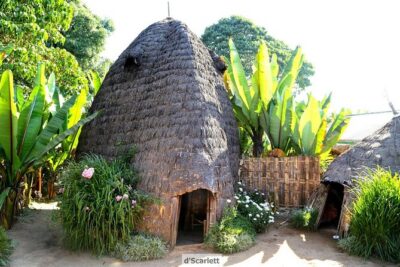
6 Days Omo Valley Tribes Tours From Addis Ababa
Read our review →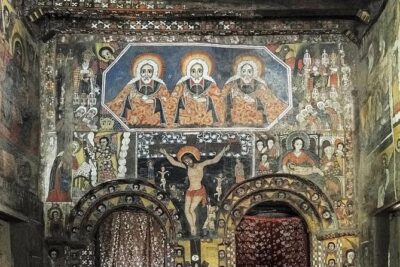
Lalibela, Axum, Danakil and Omo Valley 8 DAYS
Read our review →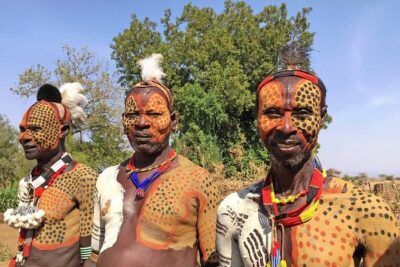

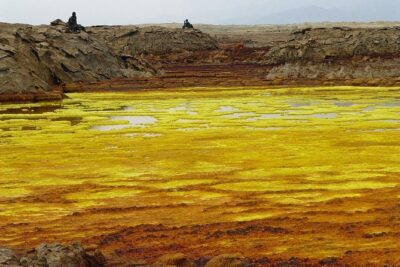


9 Days Tours To Danakil Depression, Simen MNP, Lalibela With Omo Valley Tribes
Read our review →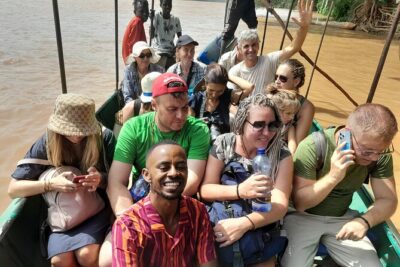
5 Day Private tour to the Omo Valley Tribes and Adventure Tour
Read our review →Browse the lists this tour appears in