
Reviewed · OMO VALLEY TRIBAL TOURS
Ethiopian Fasika with North And South Omo Valley Tour Packages
Ethiopia celebrates Easter with unusual force. This 15-day journey combines Fasika in Lalibela with ancient churches, mountain scenery, southern wildlife areas, and visits to Omo Valley communities. I like the rare timing: you are present for the Easter vigil after a 55-day fast, not simply looking at old buildings after the crowds have gone. I also like the range, from Axum and Gondar in the north to Hammer, Dassanech, Mursi, and Ari communities in the south. The main concern is the pace. Long road transfers, several early starts, and a demanding route make this better for people with moderate fitness than for anyone wanting an easy holiday.
The price is $1,371.91 per person, with accommodation, breakfast, buffet lunch, and buffet dinner included. That is a strong package price for a private 15-day program covering much of Ethiopia, though you should check the final day count and exact transport plan before paying, since the supplied schedule lists days through Day 13 while the tour is advertised as approximately 15 days. A 5/5 rating from four published ratings is encouraging, especially since the praise focuses on organization, hotel arrangements, safety, and the variety of the route.
In This Review
- Five details that shape the experience
- Why Fasika in Lalibela is the heart of the trip
- Lalibela and Axum, two very different historical stops
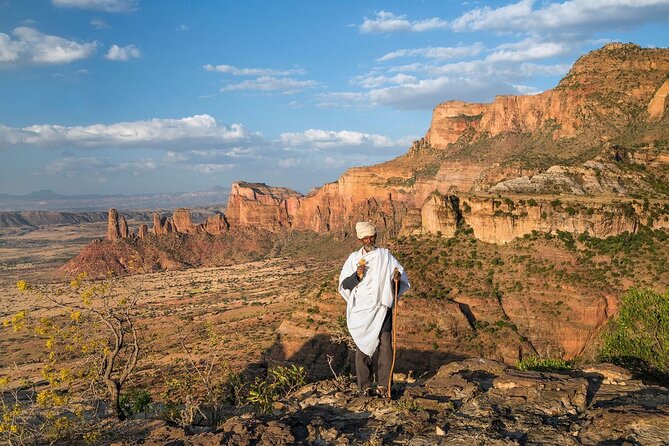
- The Simien Mountains and Gondar’s royal mood
- Bahir Dar and the return to Addis Ababa
- Lake Chamo and Arba Minch bring a wildlife pause
- Turmi and the Hammer visit
- Omorate, Dassanech, and the road to Jinka
- Pottery and weaving among the Ari near Jinka
- Tiya, Adadi Maryam, and one final Ethiopian evening
- What the $1,371.91 price really covers
- Practical matters to settle before booking
- Who should book this Ethiopia route?
- Should you book it?
- FAQ
- Where does the tour start?
- How long is the tour?
- What is included in the price?
- Is airport pickup offered?
- Is this a private tour?
- Are vegetarian meals available?
- Are alcoholic drinks included?
- Can I cancel for a full refund?
Five details that shape the experience
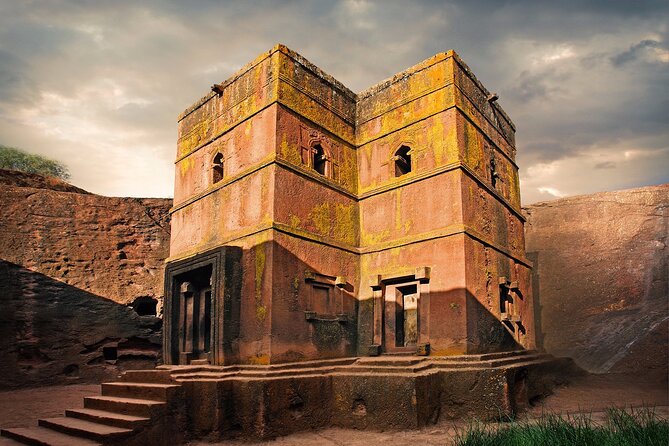
- Ethiopian Fasika in Lalibela: See the Easter market and an evening ceremony at Bete Medhanialem during one of Ethiopia’s most important religious celebrations.
- North-to-south route: The program links Lalibela, Axum, the Simien Mountains, Gondar, Bahir Dar, Awassa, Arba Minch, and the Omo Valley.
- Several Omo Valley communities: Visits include Hammer, Dassanech, Mursi, Benna, Tsemay, and Ari communities, with pottery and weaving included near Jinka.
- Private group format: Only your party takes part, with pickup from Bole Airport and possible support from a multilingual guide.
- Meals and hotels included: Breakfast, buffet lunch, buffet dinner, and accommodation are part of the listed cost, helping keep daily spending predictable.
- A demanding overland schedule: The southern section includes long drives, safari time at Lake Chamo, national park visits, and village excursions.
Why Fasika in Lalibela is the heart of the trip
Ethiopian Easter, called Fasika, comes after a 55-day lent period. During that fast, members of the Ethiopian Orthodox Church avoid meat, milk, and eggs. That context matters. The Easter ceremony you see in Lalibela is not a staged cultural show. It follows a serious religious season that has shaped daily life for weeks.
The week before Easter is known as HeMamat. It recalls the suffering, wounds, beatings, and pain of Jesus. The mood is deliberately restrained. People avoid laughing, kissing, joking, and other forms of light entertainment. You should approach this period with quiet respect, modest clothing, and patience around ceremonies.
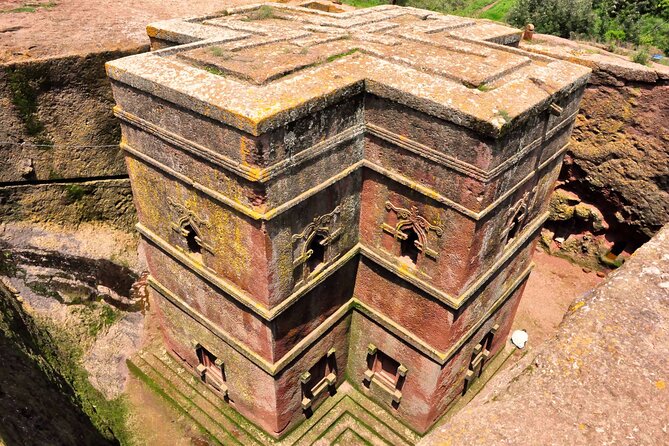
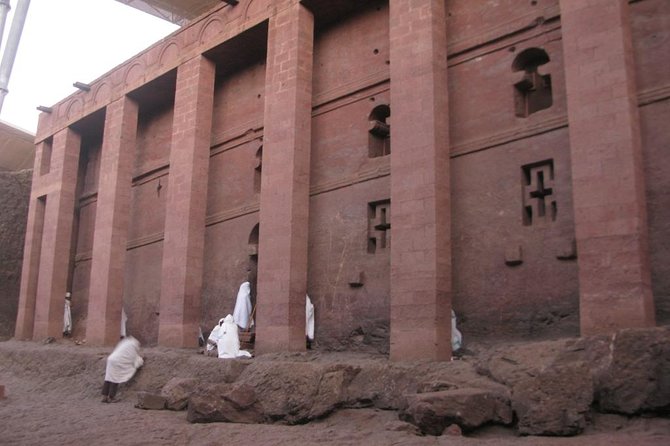
On Day 3, you visit more of Lalibela’s rock-hewn churches before going to an annual Easter market. The schedule then places you at Bete Medhanialem in the evening for an important Easter ceremony. This is likely to be the most meaningful part of the entire route, especially if your interest is religion, architecture, or living tradition rather than quick sightseeing.
A week after Easter comes Dagme Tinsae, another colorful celebration marking the ascension of Jesus into heaven. The schedule does not clearly state whether the tour is timed for the main Easter event, the later celebration, or both. Ask the operator for the exact departure dates and ceremony schedule. Availability for shows cannot be checked before booking, and confirmation depends on availability.
More Omo Valley tours:
- 6 Days Omo Valley Tribes Tours From Addis Ababa
★ 5.0 · 33 reviews - 3 Days Omo Valley Tour
★ 5.0 · 24 reviews - 6 Days Lalibela, Omo Valley and Harar
★ 5.0 · 15 reviews
Lalibela and Axum, two very different historical stops
Lalibela gives you carved churches cut directly into volcanic rock. The churches are not just monuments. They remain places of worship, which makes the visit feel very different from walking through an empty museum. The Easter timing adds a religious layer that ordinary sightseeing cannot provide.
The road then continues to Axum, described in the schedule through its mysterious monoliths. Axum is an important stop for anyone interested in Ethiopia’s early Christian and imperial past. The program calls this section Mysterious Monoliths, so expect the focus to be on the city’s famous stone monuments and historic setting.
The challenge is the transition. Moving from Lalibela to Axum, then onward toward the Simien Mountains, creates a packed northern circuit. You will want sensible shoes, water, and a willingness to spend substantial time on the road. The schedule gives no detailed drive times, so ask for those before departure, particularly if you are uncomfortable with long transfers.
The Simien Mountains and Gondar’s royal mood
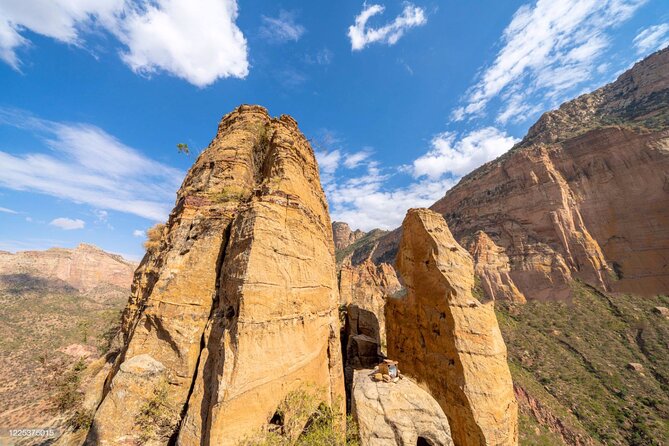
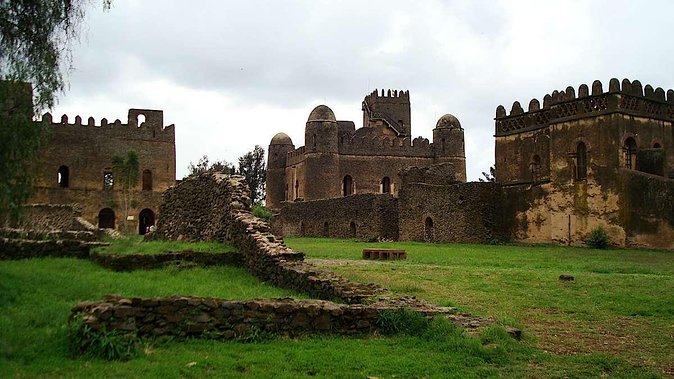
Day 5 takes you from Axum toward the Simien Mountains. The following day runs from Debarq to Gondar, known here as the Camelot of Africa. The route gives you two different ways to see northern Ethiopia: mountain scenery near Simien and royal-era architecture around Gondar.
The schedule does not promise a specific hike, trail, viewpoint, or park activity in the Simien Mountains. That distinction matters. You may see the mountain area, but you should not assume a full trekking program. Ask whether walks are included and how much time is planned outside the vehicle.
Gondar adds historic buildings and a more urban stop after the mountain section. Since the program includes an overnight stay in Gondar, you are not simply passing through for a photo stop. Still, the outline is brief, so request the exact sights included in the city visit.
Bahir Dar and the return to Addis Ababa
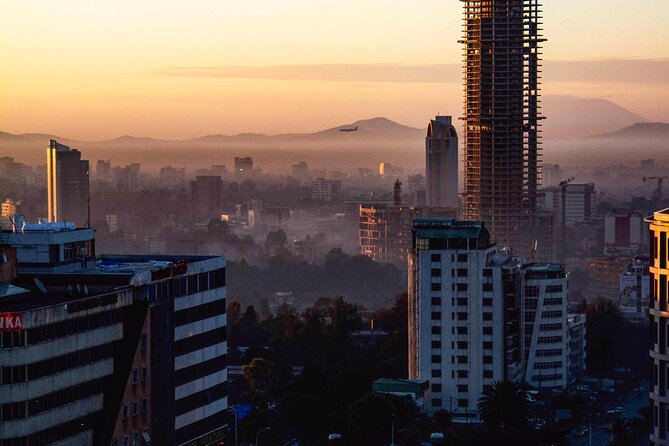
The next northern stop is Bahir Dar, followed by travel to Addis Ababa on Day 7. The supplied details do not specify a lake excursion, monastery visit, or other particular attraction in Bahir Dar. You should treat it as a route stop unless the operator confirms additional visits.
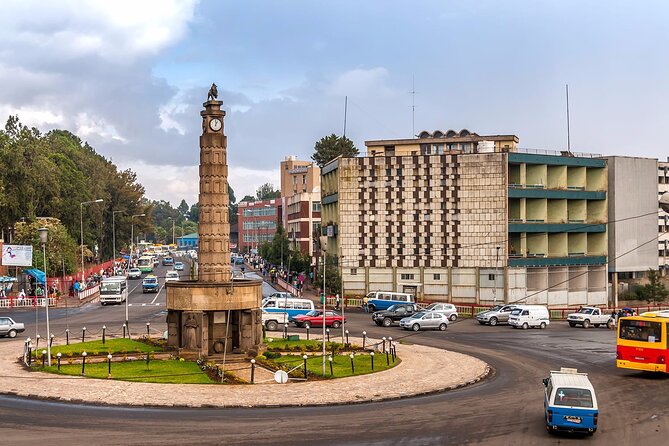
Addis Ababa then becomes the bridge between the northern circuit and the south. Day 8 heads to Awassa, also called Hawassa. This breaks up the long journey and begins the shift from highland churches and royal sites to lakes, parks, and southern cultural encounters.
The route is ambitious. By this point, you have moved through several major regions in only a few days. I would plan to keep your expectations realistic: the value lies in the breadth of the trip, not in spending several relaxed days in each place.
A few more options to weigh up in Addis Ababa
- Full Day Tour of Addis Ababa with Hotel Pickup and Drop-off
★ 5.0 · 430 reviews - Taste of Ethiopia
★ 5.0 · 406 reviews - Day Trip From Addis Ababa See Historical Monastery,Stunning Nature,Animals,Birds
★ 5.0 · 303 reviews - Addis Ababa: Debre Libanos, Blue Nile Gorge, and Cave Tour
★ 4.5 · 256 reviews
Lake Chamo and Arba Minch bring a wildlife pause
Day 9 takes you from Awassa to Arba Minch. The next day includes a safari at Lake Chamo and Nech Sar National Park before continuing toward Turmi. The schedule specifically identifies this as a safari, giving the journey a welcome change from churches, markets, and road travel.
The information does not promise particular animals or a boat trip, so do not book this expecting a guaranteed wildlife sighting. The appeal is the chance to see a different side of Ethiopia and to pause in a national park setting before the Omo Valley visits begin.
The transfer from Arba Minch to Turmi is substantial. On the way, you are scheduled to see Benna and Tsemay villages. After arriving in Turmi, the program visits the Hammer community and includes an overnight stay at Turmi Lodge.
That overnight stop is useful. It keeps the Omo Valley section from becoming one exhausting out-and-back excursion. It also gives you a base for the next day’s trip to Omorate and Jinka.
Turmi and the Hammer visit
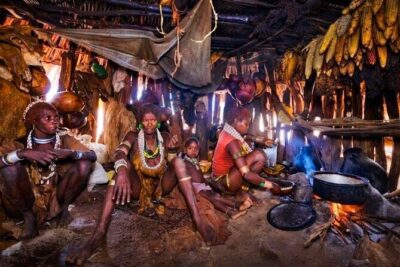
The Hammer visit is one of the tour’s main cultural attractions. The schedule places it after the drive from Arba Minch and before the overnight at Turmi Lodge. You may find this more rewarding than a short city stop because the southern part of the tour is built around community visits rather than large monuments.
Approach these encounters carefully. You are entering homes and communities where daily life is not a performance created for outside visitors. Follow your guide’s instructions about photography, personal space, and permission. The supplied details do not state whether photography fees are included, so ask before taking pictures.
The route also names Benna and Tsemay communities on the way to Turmi. These brief stops may be more dependent on timing and local conditions than the fixed church visits in the north. That is normal for a road-based cultural program, but you should remain flexible.
Omorate, Dassanech, and the road to Jinka
Day 11 begins with an excursion to Omorate to visit the Dassanech people, described as people of the Delta, who live on the northern shore of Lake Turkana. You then return to Jinka for lunch before driving to a Mursi village.
This is a full day. You will cover ground, visit two separate cultural areas, and return to Jinka for the night at a resort. The schedule’s mention of lunch in Jinka gives the day a clear rhythm, but the exact duration of each visit is not provided.
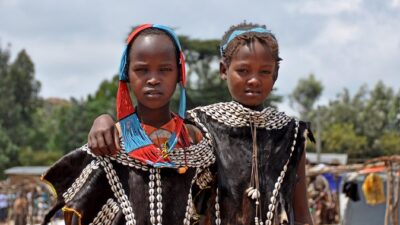
The Mursi visit is likely to be memorable, but it also calls for tact. The program presents the visit as a chance to see the community, not as a promise of a formal performance. Ask your guide how interactions and photographs are handled. A respectful attitude will make the encounter better for you and for the people you meet.
The repeated praise for the route’s variety makes sense here. In only two days, you move from Hammer communities around Turmi to Dassanech and Mursi areas near Omorate and Jinka. That is a lot of cultural range, but it also means little spare time.
Pottery and weaving among the Ari near Jinka
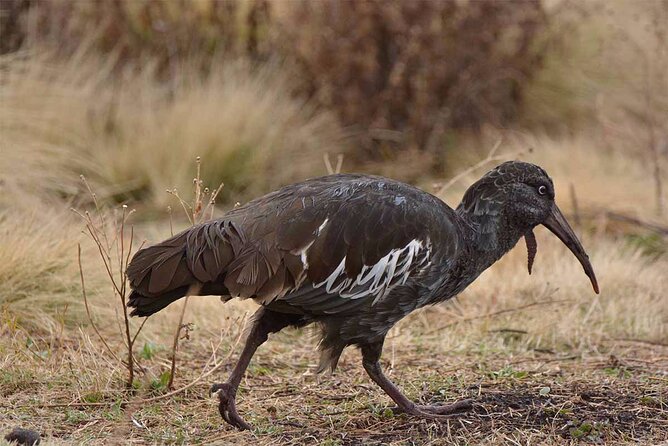
On Day 12, the program visits Ari villages early in the morning. You are scheduled to see how pottery is made and how weaving is done before driving to Welayta Sodo for dinner and an overnight stay.
This is one of the more practical cultural visits on the route. Instead of only looking at houses or clothing, you see skilled work and the methods behind it. If you enjoy craft traditions, this may be one of the strongest southern stops.
The early start is worth noting. You will need to be ready before the day warms up and before the long drive begins. The schedule does not state how much time you spend in the villages, so confirm whether there is time for questions and demonstrations or only a short visit.
Tiya, Adadi Maryam, and one final Ethiopian evening
Day 13 returns to Addis Ababa from Welayta Sodo. On the way, you visit Tiya, a UNESCO site known for its stelae, and Adadi Maryam, a rock-hewn church associated with St. Lalibela.
These stops are a smart final pairing. Tiya gives you another look at Ethiopia’s stone monuments, while Adadi Maryam returns you to the carved-church tradition introduced at Lalibela. You finish the road section by connecting the north and south through architecture, belief, and older stonework.
In Addis Ababa, the program includes a folkloric dinner. You can taste several national dishes, watch dances from different Ethiopian ethnic groups, and take part in a traditional coffee ceremony. It is a polished ending after many days on the road, though it is more of a hosted cultural evening than an informal neighborhood meal.
The schedule says you are later transferred to the airport for departure. Since the overall tour is described as approximately 15 days but the detailed outline ends at Day 13, confirm whether extra hotel nights, rest days, or flight arrangements are included.
What the $1,371.91 price really covers
At $1,371.91 per person, this package offers solid value if you want one organized trip through Ethiopia’s major northern and southern regions. Accommodation, breakfast, buffet lunch, and buffet dinner are included, so the price covers much of the basic daily cost.
The private format adds value for couples, families, or small groups who want the route to belong only to them. Group discounts are offered, and pickup begins at Bole Airport in Addis Ababa at 7:00 a.m. The first transfer to the hotel is listed as about 10 minutes.
You still need to budget for alcoholic drinks, since they are available to buy but not included. A per-person departure tax is also excluded and is payable at tour check-in. The supplier says this fee is set by the local transit or governing authority and is outside its control.
The price looks strongest for people who would otherwise need to arrange several hotels, road transfers, park visits, meals, and local guiding separately. It is less attractive if you prefer slow travel or want to choose every hotel and meal yourself.
Practical matters to settle before booking
The tour operates in all weather conditions, so dress for changing conditions. The stated dress code is formal, but the route also includes mountain areas, parks, village visits, and long drives. Ask the operator how formal clothing is interpreted for the practical parts of the trip.
You should have a moderate level of physical fitness. The schedule includes church visits, village walking, safari time, early starts, and long road journeys. No accessibility details are provided, so anyone with mobility needs should discuss the route directly with Aman Ethiopia Tours and Travel Agent.
A multilingual guide may operate the tour. The information does not provide a guide’s name. Previous praise specifically credits Amanuel and his team with careful organization, good hotels, and safety, but you should confirm who will lead your departure.
Vegetarian meals are available if requested at booking. Other dietary requirements should also be supplied before the trip. The package includes buffet meals, but it does not specify the full menu at every stop.
Free cancellation is available up to 24 hours before the local start time for a full refund. A minimum number of participants is required, despite the private group format, and the operator may offer another date or a full refund if that minimum is not met.
Who should book this Ethiopia route?
I would recommend it to you if you want breadth, religious tradition, archaeological sites, mountain scenery, national parks, and southern cultural visits in one organized program. It suits curious, active people who accept long drives in exchange for seeing far more than one region.
It is especially appealing if Fasika is your main reason for visiting Ethiopia. The Easter market and evening ceremony at Bete Medhanialem give the trip a fixed cultural purpose, while the Omo Valley keeps the journey from becoming only a church and monument circuit.
I would hesitate if you need a gentle pace, guaranteed show availability, detailed hiking plans, or extended time in each community. The schedule is packed, and some activities are described broadly. Get the exact day-by-day timing, transport details, hotel list, Easter dates, and final number of days in writing.
Should you book it?
Book this tour if you want a broad first look at Ethiopia and value having hotels, meals, guiding, and transport arranged in advance. The strongest parts are the Fasika timing, the north-to-south variety, the private format, and the chance to see craft work and several Omo Valley communities.
Skip it if you would rather linger in Lalibela, hike extensively in the Simien Mountains, or travel at a slower pace. For the right person, this is an efficient and unusually varied introduction to Ethiopia. Just confirm the schedule details before committing, especially the apparent difference between the advertised 15 days and the detailed 13-day outline.
FAQ
Where does the tour start?
The tour starts at Bole Airport in Addis Ababa, Ethiopia, with a listed start time of 7:00 a.m.
How long is the tour?
The experience is advertised as approximately 15 days. The detailed schedule provided lists activities through Day 13, so confirm the exact duration before booking.
What is included in the price?
Accommodation, breakfast, buffet lunch, and buffet dinner are included.
Is airport pickup offered?
Yes. Pickup is offered, and the first transfer from Bole Airport to the hotel is listed as about 10 minutes.
Is this a private tour?
Yes. Only your group will participate in the private tour or activity.
Are vegetarian meals available?
Yes. A vegetarian option is available, but you should request it when booking. You should also provide any other dietary requirements at that time.
Are alcoholic drinks included?
No. Alcoholic drinks are available to purchase but are not included in the listed price.
Can I cancel for a full refund?
Yes, if you cancel at least 24 hours before the local start time. Cancellations made less than 24 hours before the start are not refunded, and changes within that period are not accepted.
Just added in Addis Ababa
- Yod Abyssinia Cultural Night: Dinner, Music, and Dance★ 5.0 · 7 reviews
- Addis Ababa City Tours Full-Day Tours★ 5.0 · 5 reviews
- Locally crafted beer and wine tasting and nightlife in Addis tour★ 5.0 · 6 reviews
- Unique Ethiopian Cooking Class and Coffee Ceremony with a Local in Addis Ababa★ 4.5 · 7 reviews
- Stunning Views Wonchi Crater Lake a Private Day Trip★ 5.0 · 3 reviews
- Visiting the wonders of Lalibela in Three (3) days and Two ( 2) nights★ 5.0 · 2 reviews
- .2- Days and 1 Night Tour To Awash National Park water falls★ 5.0 · 1 review
- Two days Lake Wenchi and Menagesha Forest★ 5.0 · 1 review
Omo Valley Tribal Tours, compared.
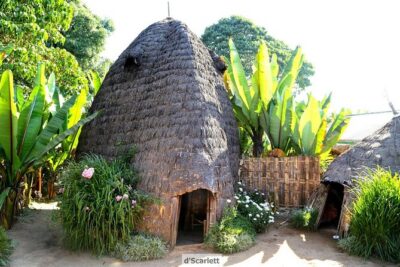
6 Days Omo Valley Tribes Tours From Addis Ababa
Read our review →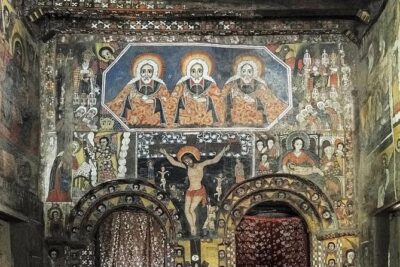
Lalibela, Axum, Danakil and Omo Valley 8 DAYS
Read our review →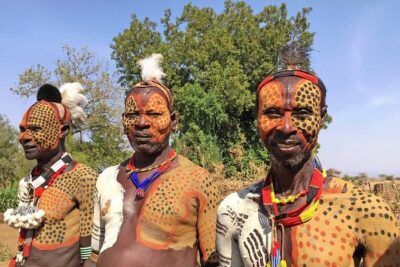

9 Days Tours To Danakil Depression, Simen MNP, Lalibela With Omo Valley Tribes
Read our review →
5 Day Private tour to the Omo Valley Tribes and Adventure Tour
Read our review →Browse the lists this tour appears in