

Reviewed · OMO VALLEY TRIBAL TOURS
8 Days Omo Valley
Remote roads reward patient travelers. This private eight-day Omo Valley tour links Ethiopia’s southern highlights with local markets, rock-hewn churches, wildlife, and visits to Mursi, Hamer, Dassenech, Dorze, Konso, and other communities. I like the air-conditioned vehicle and the fact that lunch, dinner, admission fees, and site visits are built into the price. I also like the chance to travel only with your own group, which makes it easier to pause, ask questions, and adjust the day.
The main drawback is the amount of road time. The route covers Addis Ababa, Hawassa, Dorze, Arba Minch, Turmi, Omorate, Jinka, Konso, and back to Addis in eight days. That is a lot of ground, and some days combine long transfers with several visits. You should be comfortable with early starts, uneven roads, heat, and a moderate level of physical activity.
In This Review
- Key points to know before booking
- Why this Omo Valley route is worth your time
- Day 1: Tiya, Adadi Maryam, and Melka Kunture
- Day 2: Hawassa fish market and Dorze village
- Day 3: Lake Chamo, Erbore, and Hamer dancing in Turmi
- Day 4: Crossing the Omo River at Omorate
- Day 5: Dimeka and Key Afer market country
- Day 6: Mago National Park and the Mursi
- Day 7: Key Afer and the terraces of Konso
- Day 8: Returning to Addis Ababa
- What the $2,282.04 price includes
- Comfort, pace, and who should book
- Should you book the Omo Valley tour?
- FAQ
- Where does the tour begin?
- How long does the experience last?
- Is this a private tour?
- Is pickup available?
- Are meals included?
- What type of vehicle is used?
- Which market days are important?
- Is the Mursi visit included?
- Can I cancel for a full refund?
Key points to know before booking

- Mursi visit through Mago National Park: The trip reaches a Mursi village, then adds time at the South Omo Museum and Research Center in Jinka.
- Market days matter: Dimeka is most useful on Tuesdays and Saturdays, while Key Afer is best on Thursdays.
- Lake Chamo adds wildlife: A two-hour boat trip offers the chance to see crocodiles and hippos near Arba Minch.
- Private transport keeps the route flexible: Your group rides in an air-conditioned vehicle rather than joining a large coach.
- Meals are supplied for eight days: Lunch and dinner are included, but alcoholic drinks are not.
- The trip is culture-focused, not just scenic: Village visits, customary dancing, weaving, farming, ceremonies, and museums make up the heart of the journey.
Why this Omo Valley route is worth your time

The Omo Valley is not a quick sightseeing stop. It is a remote southern region where communities maintain distinctive clothing, homes, farming methods, ceremonies, and trade traditions. This tour gives you a broad introduction rather than focusing on one village or one ethnic group.
That variety is its strongest feature. In eight days, you see the stone markers of Tiya, an underground church at Adadi Maryam, early tool-making evidence at Melka Kunture, Dorze weaving, Lake Chamo wildlife, Hamer dance, Dassenech village life, Mursi customs, Konso terraces, and several regional markets.
I especially like the balance between cultural and natural stops. You are not spending every day inside a vehicle going from one village to another. The route includes lakes, hills, a national park, historic sites, museums, and market towns. Still, the schedule is full. You will get breadth, but not much spare time.
The private format matters here. A fixed group can make village visits feel rushed, while a private vehicle gives your guide more room to explain what you are seeing. Earlier trips arranged by Alex included Solomon as the Omo Valley driver, and Solomon was praised for sharing extra local information, entering homes with permission, and helping shape the day around what the group wanted to see. Ask at booking who will guide and drive your departure, since staff assignments can change.
More Omo Valley tours:
- 6 Days Omo Valley Tribes Tours From Addis Ababa
★ 5.0 · 33 reviews - 3 Days Omo Valley Tour
★ 5.0 · 24 reviews - 5 Days Omo Valley Tours
★ 5.0 · 15 reviews
Day 1: Tiya, Adadi Maryam, and Melka Kunture
The opening day begins at 6:30 am, so you should be ready for an early start from Addis Ababa. The first stop, Tiya, is a World Heritage Site known for its carved stone stelae. The visit lasts about 45 minutes, with admission included.
Tiya works well as an introduction to Ethiopia’s southern route. The carved stones are compact and easy to see in a short visit, although 45 minutes will not allow for a long archaeological discussion. Your guide’s explanation will make a real difference here, especially because the site can be difficult to understand from a quick look alone.
Next comes Adadi Maryam, a rock-hewn church visited for about an hour. Ethiopia is known for churches carved from living rock, and this stop gives you a chance to see a different example from the famous churches farther north. Dress respectfully for a religious site and expect the visit to involve walking on uneven ground.
The final stop is Melka Kunture, a prehistoric tool-making site. The scheduled visit lasts about 45 minutes. It is a useful reminder that the region’s story reaches far beyond modern ethnic identity and recent customs. If archaeology interests you, this stop adds depth to a day that could otherwise feel like a string of brief photo stops.
The first day contains three separate admissions and a transfer onward to Hawassa. It is a strong opening, but it may feel busy. Take water, keep your camera ready, and do not expect long unplanned pauses.
Day 2: Hawassa fish market and Dorze village
After breakfast, you visit the fish market beside Lake Hawassa. The stop lasts around 45 minutes and offers a glimpse of local trade at the water’s edge. It is a short visit, so you will need to pay attention to the activity around you rather than expect a formal tour.
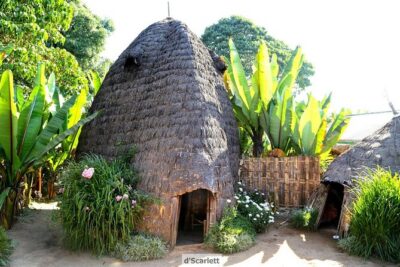
From Hawassa, the route continues toward Dorze in the highlands above Arba Minch. Dorze is best known for its tall, beehive-shaped houses and cotton weaving. You spend about two hours in the village, learning about daily life and seeing the work of local craftspeople.
This is one of the better-paced cultural visits on the route. Two hours gives you enough time to look at the unusual houses, hear about village routines, and understand why weaving matters to the local economy. The visit is more useful when you ask specific questions about the building style, cotton work, and household life.
The highland setting also provides a change from the warmer lowlands farther south. You will still be on a demanding schedule, but Dorze gives the day a slower feel than the short archaeological stops on Day 1.
Day 3: Lake Chamo, Erbore, and Hamer dancing in Turmi
Day 3 begins near Arba Minch with a boat trip on Lake Chamo. The excursion lasts about two hours and is intended to show you crocodiles and hippos near the area known as the crocodile market.
The boat ride is a welcome break from road travel. Wildlife sightings are never guaranteed, but the trip is designed around the lake’s crocodile and hippo habitat. Keep your expectations sensible: this is a local boat outing, not a specialized wildlife safari.
After Arba Minch, the road passes through Weyto Valley and the village area associated with the Tsemai people. There is also a brief visit to an Erbore village. These shorter stops provide a sense of the region’s cultural variety, though they will not offer the same time for conversation as the longer Dorze or Dassenech visits.
The day ends in Turmi, home of the Hamer people. At night, you may see Evangadi, a traditional Hamer dance. The planned visit lasts up to three hours, making it one of the more memorable evening activities on the route.
The timing of this performance can depend on local arrangements. The program says you can see the dance at night, but it should not be treated as a guaranteed scheduled show. The possibility of seeing a real community gathering is part of the appeal, while the uncertainty is something to accept.
A few more options to weigh up in Addis Ababa
- Full Day Tour of Addis Ababa with Hotel Pickup and Drop-off
★ 5.0 · 430 reviews - Taste of Ethiopia
★ 5.0 · 406 reviews - Day Trip From Addis Ababa See Historical Monastery,Stunning Nature,Animals,Birds
★ 5.0 · 303 reviews - Addis Ababa: Debre Libanos, Blue Nile Gorge, and Cave Tour
★ 4.5 · 256 reviews
Day 4: Crossing the Omo River at Omorate
Day 4 takes you to Omorate for a visit with the Dassenech people. The excursion lasts about six hours and includes crossing the Omo River by local boat before entering a Dassenech village.
The boat crossing is a practical part of the visit, not a decorative sightseeing ride. It connects the route to the community on the other side and gives you a direct sense of how the river shapes movement in this area. You should expect a simple crossing rather than a polished transport service.
After the village visit, you return to Turmi to visit a Hamer village. If the timing is right, you may attend a bull-jumping ceremony, described here as a Hamer coming-of-age tradition. This is an important distinction: the ceremony depends on local events and luck, so it cannot be promised as part of every departure.
This is one of the longest cultural days. You will get the most from it if you remain curious and respectful. Village visits should not be treated as a performance arranged solely for photographs. Follow your guide’s advice about where to walk, when to take pictures, and how to approach people.
Day 5: Dimeka and Key Afer market country
The drive toward Jinka includes Dimeka and Key Afer. Dimeka is especially important on Tuesdays and Saturdays, when its market attracts Hamer, Benna, Karo, and other groups from the area.
Market days can give you more insight into daily life than a short village stop. People come to trade goods, and the mix of clothing, products, and languages helps show how communities interact across the region. The scheduled Dimeka visit is about three hours, which gives you time to move beyond a quick glance.
The practical tip is simple: check the calendar before you book. If your route reaches Dimeka on a non-market day, the stop will not have the same level of activity. The tour includes Key Afer as part of this wider route, but Dimeka’s Tuesday and Saturday timing is specifically important.
You then continue to Jinka. This is another transfer-heavy day, so carry snacks even though lunch and dinner are included. Meals are convenient, but they do not remove the need to bring personal water and small items for the road.
Day 6: Mago National Park and the Mursi
One of the tour’s main draws comes on Day 6, when you drive through Mago National Park to a Mursi village. The Mursi are widely known for lower lip and earlobe plates, but reducing the visit to that one custom would miss the point.
The value of this stop is the chance to learn about a living community in its own setting. You should listen to the explanation of clothing, body adornment, family life, and local traditions rather than treating the visit as a photo opportunity. The experience may feel intense and unfamiliar, which is exactly why a good local guide matters.
In the afternoon, you return to Jinka to visit the South Omo Museum and Research Center. The museum visit lasts about an hour and provides context for the many communities seen during the trip. This is a smart pairing: the village visit gives you direct observation, while the museum can help organize what you have seen.
There is also an alternative two-hour hike in the surrounding hills to visit an Ari village. The program presents this as an alternative, so you should clarify before departure whether the Mursi visit, the Ari hike, or both will be included in your specific plan.
Moderate physical fitness is required. Even when the walking time looks short on paper, village paths, museum access, and the general road conditions can make the day tiring.
Day 7: Key Afer and the terraces of Konso
The route turns back toward Arba Minch through Key Afer and Konso. Thursday is market day at Key Afer, where Benna and Tsemai people trade goods. As with Dimeka, the day of the week affects what you see.
Key Afer is listed as a one-hour stop. That is enough for a first look, but not enough for a slow market study. If you want more time for shopping or photography, ask your guide what flexibility is possible.
Konso provides a different kind of cultural visit. The area is known for wooden waka statues honoring dead heroes and for carefully built agricultural terraces. You visit a local village and a cultural museum, with about two hours scheduled for the stop.
I like this part of the route because it shows how farming and community design can shape an entire region. The terraces are not just scenery. They reflect practical work and planning, while the waka statues connect public memory with local custom.
Admission is not listed as included for Key Afer or Konso, unlike many earlier stops. The tour says fees not listed in the inclusions are excluded, so bring extra money for any unlisted admission or personal purchase.
Day 8: Returning to Addis Ababa
The final day takes you from Arba Minch back to Addis Ababa. The return is a major road transfer, so the day will feel less like sightseeing and more like the closing leg of a long circuit.
In the evening, the program includes a farewell party at an Ethiopian traditional restaurant with cultural music and dance. This provides a festive ending after several days of village visits and road travel. You then transfer to the airport for your flight home.
Be careful with flight planning. The tour description does not give a detailed arrival time in Addis Ababa, and road conditions can affect the schedule. I would avoid booking a tight same-evening connection unless the operator confirms the timing directly.
What the $2,282.04 price includes
At $2,282.04 per person, this is not a budget hop between towns. It is a private, multi-day journey covering a large section of southern Ethiopia. The price includes an air-conditioned vehicle, eight lunches, eight dinners, admission and entry to listed tourist sites, and private participation for your group.
That package can offer fair value if you want one arrangement covering transport, regional stops, cultural visits, and meals. Organizing the same route independently would require solving several transport and timing problems, especially for the remote southern section.
The price is less attractive if you prefer slow travel or want to choose every meal and stop yourself. The schedule is fixed enough that you are paying for access to a broad route, not for long stays in one place.
Alcoholic drinks are excluded, as are fees not listed among the inclusions. Plan for personal purchases, drinks, and any extra admission charges. Confirmation is provided at booking, and free cancellation is available up to 24 hours before the start time.
Comfort, pace, and who should book
The air-conditioned vehicle is a meaningful comfort feature. Southern Ethiopia involves long road days, and a private car is easier than a crowded public bus. The private setup also means only your group participates, which is useful for questions and small timing changes.
Still, air conditioning does not turn this into a relaxed luxury tour. You should expect early starts, long transfers, uneven walking surfaces, and days with several separate stops. The stated fitness level is moderate, and that is a fair description.
I would recommend this trip for you if:
- You want a broad first look at the Omo Valley.
- You value local guides and cultural explanation.
- You are comfortable with a packed schedule.
- You want private transport rather than a large group.
- You care more about access and variety than high-end accommodation details.
I would hesitate if you want a slow holiday, guaranteed ceremonies, or a trip built mainly around wildlife. The itinerary includes crocodiles, hippos, and a national park, but culture and road travel are the main focus.
Should you book the Omo Valley tour?
Book it if you want an ambitious introduction to southern Ethiopia and you are willing to trade comfort and spare time for reach. The strongest parts are the private vehicle, the wide range of communities, the Mursi visit, the Lake Chamo boat trip, and the chance to see markets on the right days.
Before paying, confirm the guide and driver, the exact accommodation plan, how the Day 6 alternatives work, and the timing of the final return to Addis Ababa. If the operator can match earlier arrangements involving Alex for coordination and Solomon for the Omo Valley drive, that is worth requesting.
This is a serious road journey, not a gentle sightseeing package. For an active visitor who wants direct contact with Ethiopia’s southern cultures, it offers a lot in eight days. For anyone who dislikes long transfers, the same breadth may feel like too much.
FAQ
Where does the tour begin?
The tour begins in Addis Ababa, Ethiopia, with a stated start time of 6:30 am.
How long does the experience last?
The tour lasts approximately eight days.
Is this a private tour?
Yes. Only your group participates in the activity.
Is pickup available?
Pickup is offered, and the tour provides a mobile ticket.
Are meals included?
Yes. Eight lunches and eight dinners are included. Alcoholic beverages are not included.
What type of vehicle is used?
Transport is provided in an air-conditioned vehicle.
Which market days are important?
Dimeka is listed as a market destination on Tuesdays and Saturdays. Key Afer market day is Thursday.
Is the Mursi visit included?
The route includes a drive through Mago National Park to a local Mursi village, followed by a visit to the South Omo Research Center Museum in Jinka.
Can I cancel for a full refund?
Yes. You can cancel at least 24 hours before the experience start time for a full refund. Changes or cancellations made less than 24 hours before the start time are not accepted for a refund.
Just added in Addis Ababa
- Yod Abyssinia Cultural Night: Dinner, Music, and Dance★ 5.0 · 7 reviews
- Addis Ababa City Tours Full-Day Tours★ 5.0 · 5 reviews
- Locally crafted beer and wine tasting and nightlife in Addis tour★ 5.0 · 6 reviews
- Unique Ethiopian Cooking Class and Coffee Ceremony with a Local in Addis Ababa★ 4.5 · 7 reviews
- Stunning Views Wonchi Crater Lake a Private Day Trip★ 5.0 · 3 reviews
- Visiting the wonders of Lalibela in Three (3) days and Two ( 2) nights★ 5.0 · 2 reviews
- .2- Days and 1 Night Tour To Awash National Park water falls★ 5.0 · 1 review
- Two days Lake Wenchi and Menagesha Forest★ 5.0 · 1 review
Omo Valley Tribal Tours, compared.
6 Days Omo Valley Tribes Tours From Addis Ababa
Read our review →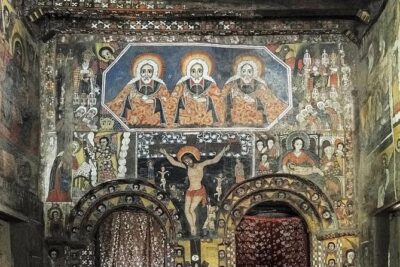
Lalibela, Axum, Danakil and Omo Valley 8 DAYS
Read our review →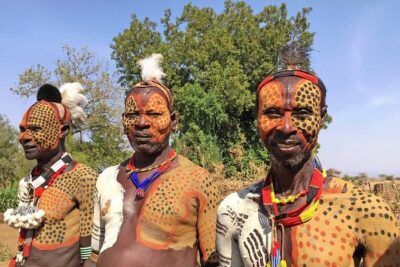



9 Days Tours To Danakil Depression, Simen MNP, Lalibela With Omo Valley Tribes
Read our review →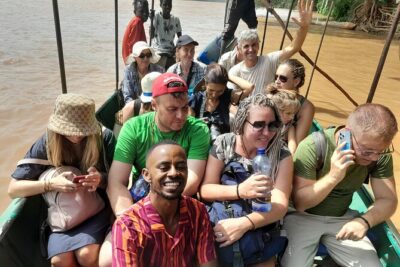
5 Day Private tour to the Omo Valley Tribes and Adventure Tour
Read our review →Browse the lists this tour appears in