
Reviewed · OMO VALLEY TRIBAL TOURS
5 days Omo valley
A short trip into Ethiopia’s cultural south. This five-day journey from Addis Ababa combines village visits, markets, a Lake Chamo boat safari, and long drives through southern Ethiopia. I especially like the chance to meet Dorze, Konso, Karo, Hamer, Nyangatom, Dassenech, and Ari communities in one carefully arranged trip. I also like that the group is limited to 13 people, with private transportation and an English-speaking guide.
The main drawback is the pace. You cover a lot of ground in only five days, so several days involve long road journeys and quick visits. The itinerary also says you fly to Arbaminch on the first day, but the included services do not clearly state whether the domestic flight is included in the $830 price. You should confirm that before paying.
In This Review
- Key points to know before booking
- Why this Omo Valley trip is worth your time
- Day 1: Dorze homes above Arbaminch
- Day 2: Lake Chamo, Konso, and the road to Turmi
- Day 3: Karo, Nyangatom, and Hamer traditions
- Day 4: The Omo River and Dassenech villages
- Day 5: Returning with a wider view of southern Ethiopia
- What the $830 price really covers
- Accommodation, transport, and the daily rhythm
- The guide can shape the whole experience
- Who should book this trip?
- My booking advice
- FAQ
- How long is the Omo Valley tour?
- Where does the tour start?
- Does the tour include a flight to Arbaminch?
- What communities can I visit?
- When can I visit the Keyafer and Dimeka markets?
- What is included in the price?
- How many people can join the tour?
- Can I cancel for a full refund?
Key points to know before booking
- The trip begins with a flight to Arbaminch, followed by a visit to a Dorze village in the mountains above the city.
- Lake Chamo adds a welcome change of pace, with a boat safari before the road journey toward Turmi.
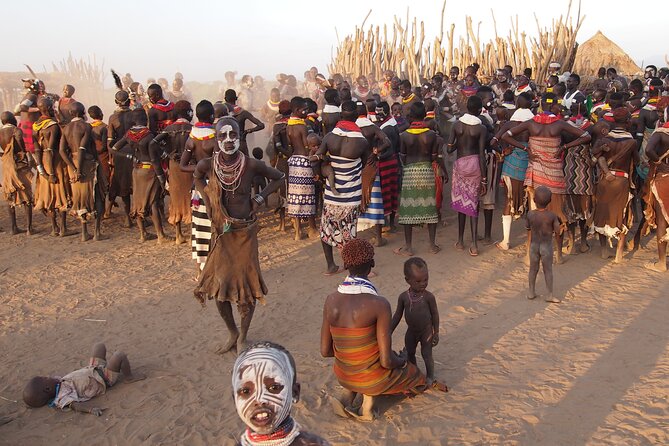
- The village visits are the heart of the trip, including Konso, Karo, Nyangatom, Hamer, Dassenech, and Ari communities.
- Market days matter, with Keyafer market listed for Thursdays and Dimeka market for Saturdays.
- The group can reach up to 13 people, a manageable size for road travel and village visits.
- The $830 price includes four nights of accommodation, private transportation, taxes, entry fees, and guiding, but ask specifically about the flight to Arbaminch and any other extras.
Why this Omo Valley trip is worth your time

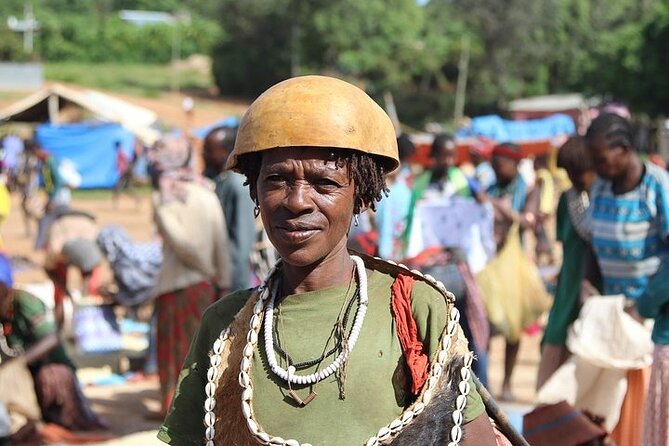
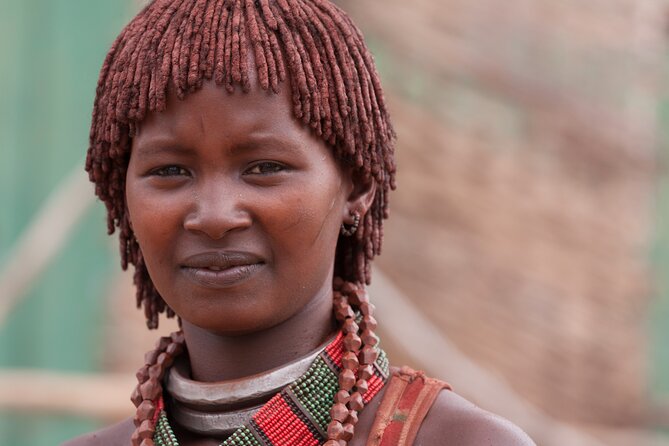
The Omo Valley is not a quick sightseeing stop. It is a broad southern region where clothing, body paint, jewelry, hairstyles, and ceremony carry strong cultural meaning. You will see colors made from local materials, including bright yellow, white, and earth-red clay tones. Decorative choices are not simply souvenirs for outsiders. They are part of how people present themselves within their communities.
That is what makes this trip more interesting than a standard photo safari. You are not only looking at scenery from a vehicle. You are visiting villages and markets, meeting people, and seeing how local traditions are expressed through daily life and personal style.
Still, you should approach the experience with care. Village visits can easily become uncomfortable if they are treated like a parade of photo subjects. A good guide matters greatly here. The company lists a professional English-speaking guide and private transport, while past guests have praised the personal service of staff members including Henok, Yenew, Gabriel, and Achu. Confirm who will lead your particular departure and ask how photography and local interactions are handled.
More Omo Valley tours:
- 6 Days Omo Valley Tribes Tours From Addis Ababa
★ 5.0 · 33 reviews - 3 Days Omo Valley Tour
★ 5.0 · 24 reviews - 5 Days Omo Valley Tours
★ 5.0 · 15 reviews
Day 1: Dorze homes above Arbaminch
Your first day starts with a flight to Arbaminch. From there, the tour heads into the mountains to visit a Dorze village overlooking the city.
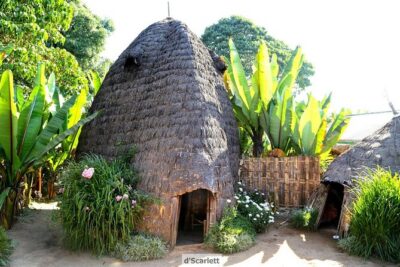
This is a strong opening because it places you in a highland setting before the hotter southern routes begin. The Dorze are known for their distinctive village architecture and longstanding cultural traditions, and the visit is intended to help you learn about the community rather than simply pass through it.
The views from the mountain setting are part of the appeal. You get a sense of how different southern Ethiopia can feel from Addis Ababa, both in climate and scenery. The tour description highlights wild trees, unusual flowers, and thick plant life, so you can expect the first day to have a greener, cooler character than the Omo Valley villages farther south.
The day also has practical questions attached to it. Since the itinerary includes a flight, check the departure airport, flight schedule, baggage allowance, and whether the airfare is part of the advertised price. The package includes private transportation and an air-conditioned vehicle, but the flight is not expressly listed among the included items.
Day 2: Lake Chamo, Konso, and the road to Turmi
The second day begins with a boat safari on Lake Chamo. This breaks up the cultural visits with time on the water and gives the trip a wildlife-oriented element without turning it into a conventional game drive.
After the boat trip, you drive toward Turmi and visit a Konso village along the way. Konso culture is one of the important parts of this route, and the village visit gives you another point of comparison with the communities you see later. The value here is variety. The tour does not present the Omo Valley as one single culture, but introduces you to different communities with their own customs and visual traditions.
This is also the day to plan around market schedules. Keyafer market is listed for Thursdays, while Dimeka market is listed for Saturdays. If the timing of your trip lines up, a market can be one of the most active parts of the journey. It gives you a chance to see trade, clothing, household goods, and local social life gathered in one place.
The drive to Turmi is a serious part of the day. The itinerary covers a large area, and road travel in this part of Ethiopia takes time. I would not book this trip expecting relaxed mornings and long afternoons at one site. You are trading comfort and leisure for access to several communities in a short period.
Day 3: Karo, Nyangatom, and Hamer traditions
Day three focuses on three very different village visits. You drive first to a Karo village, known for skin scarification and ornamental decoration. The tour description also emphasizes painted bodies, colorful makeup, bright accessories, and head decorations. These details help explain why the Karo visit can be so visually striking.
At the same time, this is where respectful behavior matters most. Scarification and body painting are cultural practices, not costumes arranged for entertainment. You should follow your guide’s instructions, ask before taking close photographs, and remember that a visit does not give you automatic permission to photograph everyone you see.
The route then continues to a Nyangatom village. Including Nyangatom communities makes the day more than a single themed stop. You see another local identity and another way of presenting community life, clothing, and decoration.
In the afternoon, the program visits a Hamer village. Hamer culture is among the best-known parts of the Omo Valley, and this visit may be one of the most anticipated moments of the trip. The tour includes the village entry fee, so you do not need to arrange admission independently.
The strength of this day is its cultural range. The weakness is the schedule. Karo, Nyangatom, and Hamer sites are all listed for the same day, so the time at each place may feel limited. If you prefer slow travel and long conversations, a longer custom itinerary may suit you better. If you want a broad introduction to the region, this packed schedule is more useful.
A few more options to weigh up in Addis Ababa
- Full Day Tour of Addis Ababa with Hotel Pickup and Drop-off
★ 5.0 · 430 reviews - Taste of Ethiopia
★ 5.0 · 406 reviews - Day Trip From Addis Ababa See Historical Monastery,Stunning Nature,Animals,Birds
★ 5.0 · 303 reviews - Addis Ababa: Debre Libanos, Blue Nile Gorge, and Cave Tour
★ 4.5 · 256 reviews
Day 4: The Omo River and Dassenech villages
Day four takes you to Omorate, a town on the Omo River, for a visit to a Dassenech village. The river is not just a scenic feature here. It is part of the setting that gives this region its distinct character and helps explain why settlements developed where they did.
The Dassenech visit adds another community to an already varied route. You will have seen Dorze, Konso, Karo, Nyangatom, and Hamer communities by this point, and the differences between them are one of the main reasons to choose this tour. The experience is strongest when you pay attention to those differences rather than trying to collect identical photographs at every stop.
After returning to Turmi, the route continues to Jinka. The itinerary then includes an Ari village, the South Omo Ethnography Museum, and the region’s market schedule. This makes for another full day, with a mix of village life, local interpretation, and town-based activity.
The museum is especially useful because it can give structure to what you have seen on the road. Village visits offer direct encounters, but a museum can help place customs, clothing, tools, and community identities into a broader regional setting.
The supplied inclusions also list entry to a Mursi village, although the day-by-day plan does not clearly state where that stop occurs. Ask the operator to confirm if a Mursi visit is included in your specific departure. That small clarification could make a big difference to your expectations.
Day 5: Returning with a wider view of southern Ethiopia
The provided itinerary details four main touring days and refers to a fifth day through the five-day duration and four nights of accommodation. The exact activities and return arrangements for day five are not specified, so you should request the complete schedule before booking.
That missing detail is not a reason to reject the tour. It is simply something you need in writing. Ask when you leave Jinka, how you return to Addis Ababa, and whether the final day includes a flight, road travel, or another scheduled visit.
The tour’s success depends on the way these days connect. The first day introduces the highland culture around Arbaminch. The next days move through the Omo Valley with its villages, markets, river communities, and museum. By the end, you should have a much broader sense of southern Ethiopia than a short city excursion could provide.
What the $830 price really covers
At $830 per person, the tour is not a budget backpacker trip, but the price includes a substantial package. You receive four nights of accommodation, private transportation, an air-conditioned vehicle, an English-speaking driver-guide, a professional guide, taxes, and listed entry fees.
The admission coverage is unusually clear. It includes Dorze, Konso, Karo, Nyangatom, Hamer, Dassenech, Ari, and Mursi village entries, along with Dimeka and Keyafer markets. That reduces the chance of being surprised by a long list of separate site fees during the trip.
The value also depends on group size. With a maximum of 13 people, you are not in a huge coach group. A smaller party should make road stops and guide explanations easier, though the experience may still feel busy because the itinerary includes many destinations.
The important price question is the flight. Day one says you fly to Arbaminch, while the inclusions list does not specifically include airfare. The section describing what is not included says anything outside the inclusion list is excluded. I would get a direct answer before booking, along with clarification on meals, drinks, tips, and any photography or local guide fees, since these are not named as included.
Accommodation, transport, and the daily rhythm
You receive four nights of accommodation, but the properties are not named. Past guests on longer trips with the same company praised the lodges and the organization, but you should still ask for the names and locations of your own hotels. This is especially useful if you care about air conditioning, room arrangements, internet access, or distance from the next morning’s departure point.
The air-conditioned vehicle is a real advantage. Southern Ethiopia involves long road sections, and a comfortable vehicle matters more here than it would on a short city tour. Private transportation also gives the group more control than public buses, though the tour remains tied to a demanding route.
Pickup is offered, and confirmation is provided at booking. Most people can participate, and service animals are allowed. The tour is near public transportation, though the main program itself relies on its private vehicle and the listed flight.
The guide can shape the whole experience
The strongest praise connected with this company focuses on service, organization, and personal attention. Henok was described as passionate and clear when explaining Addis Ababa, while Yenew was praised for communication and professional planning. Gabriel also received warm praise after a longer trip, particularly for the quality of the lodges and the hospitality arranged along the way.
Those details matter because the Omo Valley is not a simple place to navigate independently in five days. You need someone who can keep the road schedule moving, explain local context, and help you behave appropriately during village visits.
When you book, ask for the name of the guide and driver if available. Also ask whether the guide will be with you for the full route or if local guides join at specific villages. The advertised package includes an English-speaking driver-guide and a professional guide, but the precise division of duties is not explained.
Who should book this trip?
I would recommend this tour to you if you want a broad first look at southern Ethiopia and prefer having transport, accommodation, admissions, and guiding arranged in one package. It suits people who are comfortable with long drives and who want access to several communities without planning every road connection themselves.
It is also a good fit for a small group. Group discounts are offered, and the maximum size of 13 keeps the experience more personal than a large scheduled coach trip.
I would hesitate if you want slow mornings, boutique hotels, or long unplanned conversations in one village. The route is ambitious, and the number of communities packed into the middle days means you should expect an active schedule.
This trip also requires a thoughtful attitude. Body painting, scarification, clothing, and ceremonial decoration are not just colorful images for a camera. Go with curiosity, patience, and respect, and listen carefully to the guide’s instructions.
My booking advice
I would book this Omo Valley tour if my priority were access and variety. In five days, you reach a remarkable number of places, from Dorze country and Lake Chamo to Karo, Hamer, Dassenech, Ari, and the markets at Keyafer or Dimeka.
Before confirming, I would ask four direct questions: Is the Arbaminch flight included? What are the exact hotels? What happens on day five? Is the Mursi village visit definitely part of my departure?
You can cancel for a full refund if you do so at least 24 hours before the experience begins. A shorter-notice cancellation is not refundable, and poor weather or failure to meet the minimum group size may lead to a new date, another experience, or a full refund.
FAQ
How long is the Omo Valley tour?
The tour lasts approximately five days and includes four nights of accommodation.
Where does the tour start?
The experience is based in Addis Ababa, and pickup is offered.
Does the tour include a flight to Arbaminch?
The itinerary says you fly to Arbaminch on day one, but airfare is not specifically listed among the inclusions. Confirm this detail with the provider before booking.
What communities can I visit?
The listed route includes Dorze, Konso, Karo, Nyangatom, Hamer, Dassenech, Ari, and Mursi village entries. The day-by-day schedule does not clearly identify when the Mursi visit takes place, so ask the provider to confirm it.
When can I visit the Keyafer and Dimeka markets?
Keyafer market is listed for Thursdays, and Dimeka market is listed for Saturdays.
What is included in the price?
The package includes private transportation, an air-conditioned vehicle, four nights of accommodation, an English-speaking driver-guide, a professional guide, taxes, and the listed village and market admission fees.
How many people can join the tour?
The maximum group size is 13 people. Group discounts are also offered.
Can I cancel for a full refund?
Yes. You must cancel at least 24 hours before the experience start time for a full refund. Poor weather or failure to meet the minimum number of participants may also result in a different date, another experience, or a full refund.
Just added in Addis Ababa
- Yod Abyssinia Cultural Night: Dinner, Music, and Dance★ 5.0 · 7 reviews
- Addis Ababa City Tours Full-Day Tours★ 5.0 · 5 reviews
- Locally crafted beer and wine tasting and nightlife in Addis tour★ 5.0 · 6 reviews
- Unique Ethiopian Cooking Class and Coffee Ceremony with a Local in Addis Ababa★ 4.5 · 7 reviews
- Stunning Views Wonchi Crater Lake a Private Day Trip★ 5.0 · 3 reviews
- Visiting the wonders of Lalibela in Three (3) days and Two ( 2) nights★ 5.0 · 2 reviews
- .2- Days and 1 Night Tour To Awash National Park water falls★ 5.0 · 1 review
- Two days Lake Wenchi and Menagesha Forest★ 5.0 · 1 review
Omo Valley Tribal Tours, compared.
6 Days Omo Valley Tribes Tours From Addis Ababa
Read our review →
Lalibela, Axum, Danakil and Omo Valley 8 DAYS
Read our review →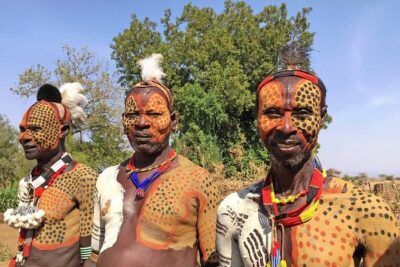



9 Days Tours To Danakil Depression, Simen MNP, Lalibela With Omo Valley Tribes
Read our review →
5 Day Private tour to the Omo Valley Tribes and Adventure Tour
Read our review →Browse the lists this tour appears in