

Reviewed · OMO VALLEY TRIBAL TOURS
5 Days Omo Valley Tribal Tours
The Omo Valley changes the travel script. In five days, this small-group tour links Dorze beehive houses, Konso villages, Hamer ceremonies, Karo body painting, Mursi lip plates, and Mago National Park. I like the maximum group size of four, which gives you a better chance to ask questions and keep the long drives manageable.
I also like the practical help from the Enat Ethiopia Tours team. Ashu is repeatedly praised for staying in contact and anticipating needs, while guides and drivers including Roble, Biruk, Danile, and Tame receive warm credit for their care. The main drawback is cost clarity: the $1,100 price does not include domestic flights, lunches, dinners, photographer fees, or possible bull-jumping ceremony charges.
In This Review
- Key points to know before booking
- What this five-day Omo Valley trip is really like
- Day one: Addis Ababa to Dorze and Arba Minch
- Day two: Konso’s generation poles and the road to Turmi
- Day three: Karo culture, Hamer communities, and the bull-jumping question
- Day four: the road to Jinka and the painted traditions of the south
- Day five: Mago National Park and the Mursi community
- Why the small group matters
- What the $1,100 price includes
- Who will get the most from this tour
- Booking, cancellation, and practical details
- Should you book the Omo Valley tour?
- FAQ
- Where does the Omo Valley tour start?
- Where does the tour finish?
- How long is the tour?
- How many people can join the tour?
- Is pickup available?
- Is the domestic flight included in the price?
- What meals are included?
- Is the bull-jumping ceremony guaranteed?
- Are photographer fees included?
- Is the boat trip included?
- Can I cancel for a full refund?
Key points to know before booking
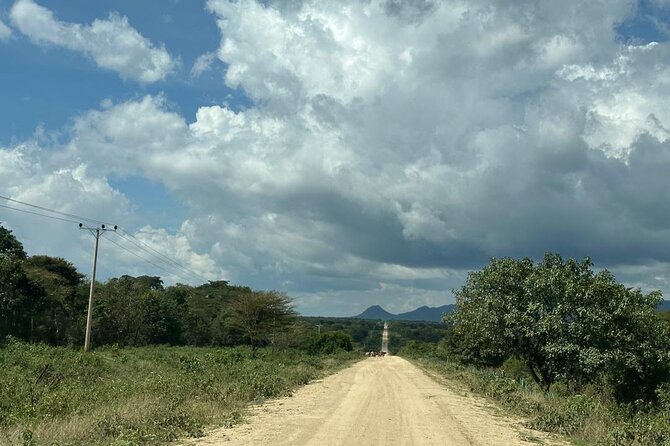
- Dorze houses look like giant beehives: You visit a village known for tall, unusual homes and cotton weaving.
- Konso includes a UNESCO-recognized village: Generation poles help explain how the community marks time.
- Hamer bull jumping is seasonal: It may not happen during your visit, and extra charges can apply.
- The Mursi visit requires an early start: Day five combines a long drive through Mago National Park with a flight from Jinka.
- A boat trip to the Dessenach people is included: This is one of the less common features in a short Omo Valley program.
- The tour is built for a very small group: No more than four people can join, and airport pickup is provided.
What this five-day Omo Valley trip is really like
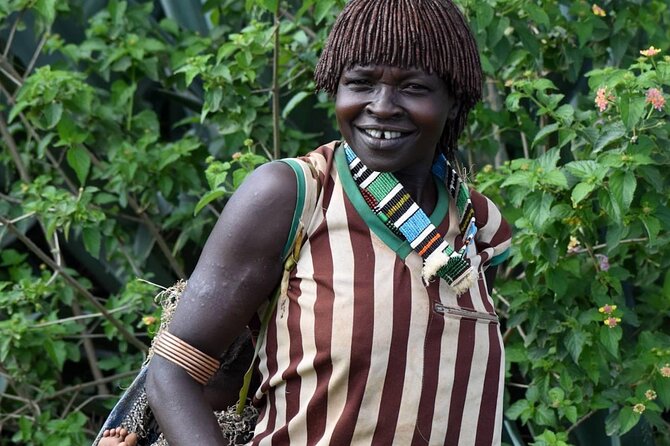
This is not a relaxed resort holiday. You spend long hours on the road, rise early, and move between several remote communities. The reward is variety: each day brings a different cultural setting, from the woven homes of Dorze to the painted faces of the Karo and the distinctive lip plates associated with Mursi women.
The route begins with a flight from Addis Ababa to Arba Minch and ends with a flight from Jinka back to Addis Ababa. Between those flights, you travel by road through southern Ethiopia, with overnight stops in Dorze or Arba Minch, Turmi, and Jinka.
I see the tour as a useful introduction rather than a slow, detailed study of every community. Five days allows you to see a great deal, but the schedule is tight. If you want long village visits, extended photography sessions, or time to wait for a particular ceremony, you may find the pace brisk.
More Omo Valley tours:
- 6 Days Omo Valley Tribes Tours From Addis Ababa
★ 5.0 · 33 reviews - 3 Days Omo Valley Tour
★ 5.0 · 24 reviews - 5 Days Omo Valley Tours
★ 5.0 · 15 reviews
Day one: Addis Ababa to Dorze and Arba Minch
The first day starts with a flight from Addis Ababa to Arba Minch. A driver meets you at the airport and takes you onward, first to your hotel and then to Dorze after a short break.
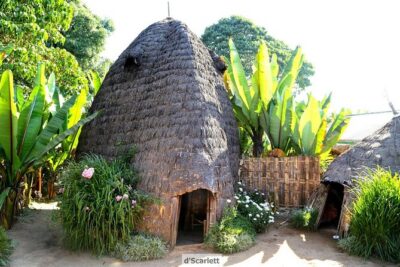
Dorze is one of the strongest opening stops because its homes are so immediately distinctive. The tall, beehive-like structures are a memorable part of the village, and you can learn about the local way of life and the area’s fine cotton weaving. The visit gives you more than a quick photo stop. It introduces the idea that housing, work, and community identity are closely linked.
If your visit falls on market day, you also go to the local market in Dorze. That timing matters, since the market visit is not guaranteed every day. Ask your guide about the market schedule before setting your expectations.
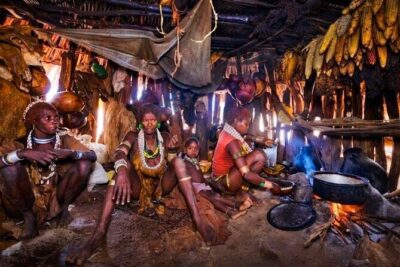
Overnight arrangements vary. You may sleep in a traditional hut in Dorze or stay at a hotel in Arba Minch. The first option offers a more direct connection to the setting, while the hotel option may feel easier after the flight and road transfer. The information provided does not promise one arrangement for every departure, so confirm the plan before you go.
The day is listed at about six hours, though flight schedules, transfers, and village visits can affect the actual timing. Breakfast is included as part of the five breakfasts supplied across the tour. Lunch and dinner are your responsibility.
Day two: Konso’s generation poles and the road to Turmi
You leave early after breakfast and drive toward Konso. The day includes lunch and a short break before a village visit, then continues to Turmi for the night. At about eight hours, this is one of the more demanding road days.
Konso is valuable because it gives cultural context to the journey. One of the nine UNESCO-registered villages is included, and the visit focuses on the community’s generation poles. A pole represents 18 years, so the number of poles can indicate the age of a village. It is a simple but powerful way to understand how the community records time and generations.
The Konso stop also breaks up the long drive south. You should not expect a full day of exploration here. The schedule allows for lunch, a short pause, and a village visit before the road to Turmi. Wear comfortable clothing and keep water close, since much of the day is spent in transit.
You stay overnight at Turm Lodge. The accommodation details are limited, so anyone with particular room or comfort needs should ask Enat Ethiopia Tours before departure. The small group helps, but it does not shorten the roads.
Day three: Karo culture, Hamer communities, and the bull-jumping question
Day three begins early with a drive to a Karo village along the eastern bank of the Omo River. The Karo are described as a small clan with an estimated population of about 3,000. Their face and body painting is a major part of the visit, especially the designs created with natural materials such as ochre, white chalk, yellow mineral rock, and other local substances.
The painting can include lines, dots, shapes, animal motifs, and handprints. Men may also use clay in elaborate hairstyles and headdresses linked with status, beauty, and bravery. Scarification is another practice associated with both appearance and symbolism.
This is a place where you should follow your guide’s advice closely. The goal is not simply to collect striking photographs. Take time to understand that the designs and adornments carry meaning for the people wearing them. The tour information does not spell out every photography rule, so ask before taking close portraits.
After returning to Turmi for lunch and a short rest, the program turns to the Hamer people. The most famous event here is bull jumping, a rite in which a boy is recognized as a man after jumping over a row of cattle. The description gives a range of five to 13 animals.
The important practical point is that the ceremony is seasonal. You may see it, but you may not. If it takes place, photographer fees and ceremony charges are not included in the tour price. Treat bull jumping as a possible highlight, not a guaranteed feature.
The day also refers to a special ceremony involving a woman showing her appreciation for a man, though the supplied details are incomplete. Ask your guide what is scheduled locally rather than assuming every ceremony will occur.
The day takes about seven hours and ends with another night in Turmi. This is one of the most culturally focused parts of the tour, but it also requires sensitivity. Customs are not performances arranged solely for a camera. Your guide’s role is especially important here, and the strong praise for Ashu, Roble, and Biruk matters because good communication can shape how comfortably you handle these encounters.
A few more options to weigh up in Addis Ababa
- Full Day Tour of Addis Ababa with Hotel Pickup and Drop-off
★ 5.0 · 430 reviews - Taste of Ethiopia
★ 5.0 · 406 reviews - Day Trip From Addis Ababa See Historical Monastery,Stunning Nature,Animals,Birds
★ 5.0 · 303 reviews - Addis Ababa: Debre Libanos, Blue Nile Gorge, and Cave Tour
★ 4.5 · 256 reviews
Day four: the road to Jinka and the painted traditions of the south
Day four takes you from Turmi to Jinka, with an early morning drive and an estimated duration of eight hours. The program includes a visit to a Dessanch community, followed by a return to Turmi for lunch. A local market visit may be added if the timing matches market day, then you continue to Jinka.
The supplied schedule uses Karo-related descriptions when explaining the body painting, hairstyles, headdresses, and scarification associated with this day. Because the community names and sequence are not perfectly clear, I would ask Enat Ethiopia Tours to confirm the exact village and stops before booking. That small clarification can prevent confusion, especially if you are planning a photography-focused trip.
Jinka is the overnight base, at NASA Hotel. Reaching Jinka positions you for the next morning’s Mursi visit and the return flight to Addis Ababa. The day is road-heavy, so do not plan demanding evening activities after arrival.
If a local market is operating, it can offer a more everyday look at the region than a ceremonial visit. But market access depends on the day of the week. The program does not give a fixed market schedule, so your guide will need to confirm it locally.
Day five: Mago National Park and the Mursi community
The final day begins early. You drive from the Jinka area through Mago National Park to a local village of the Mursi kin group. The Mursi are particularly known for lower lip and earlobe plates, which are important markers of identity and appearance.
This visit is one of the tour’s most recognizable stops, but it is also one where respectful conduct matters most. You should rely on the guide to explain how to approach portraits, interactions, and any local expectations. The supplied information does not promise a wildlife-focused excursion in Mago National Park, so think of the park primarily as part of the route to the Mursi village rather than a dedicated animal safari.
After the village visit, you return to Jinka for lunch and take the flight back to Addis Ababa. The listed duration is about four hours, but the combination of an early road journey, a park route, lunch, and a flight leaves little room for delay.
The tour ends back at the Addis Ababa meeting point. Additional nights in Addis Ababa and extra programs can be arranged on request, which is useful if your international flight is not on the same day.
Why the small group matters
The maximum of four people is a real advantage in the Omo Valley. You are not sharing every village stop with a large coach group, and you have a better chance of discussing what you see as it happens. A small group can also make the long drives feel less tiring.
The operator provides a guide, car, and fuel. The driver and guide pairing is central to the experience because the route involves several long road transfers and early departures. Ashu receives especially strong praise for keeping in touch and making sure arrangements go smoothly. Drivers named in the feedback include Roble, Biruk, and Tame, while Danile is praised for being friendly and helpful on a photography trip.
The information does not identify which guide or driver will lead every departure. If you have a preference, or if you want a guide experienced with photography, ask when you reserve.
What the $1,100 price includes
At $1,100 per person, the tour is not cheap, but the price covers several costly practical elements: the guide, vehicle, fuel, all taxes and fees, five breakfasts, and a boat trip at the Dessenach community. Airport pickup is also offered.
The price looks better if you value private-style transport and a group capped at four. The route covers a wide part of southern Ethiopia in only five days, and organizing the vehicle, guide, accommodation transfers, and regional visits yourself could be difficult.
Still, you must budget beyond the advertised amount. Domestic flights are excluded, as are lunch and dinner. Photographer fees, gratuities, personal needs, and any bull-jumping ceremony charges are also extra. Ask for the current flight cost and a full estimate before paying, since those additions can change the final total.
Who will get the most from this tour
I would recommend this trip to you if you want a concentrated introduction to Omo Valley cultures and prefer a guide-led route. It suits people who value access to several communities more than long periods in one place.
It is also a good match for photographers, provided you discuss fees and permissions in advance. The Karo painting traditions, Dorze houses, Hamer ceremonies, and Mursi adornment offer strong visual subjects, but respectful photography needs planning.
You should think twice if you dislike early starts, long drives, basic or variable accommodation, or tightly timed travel. The program does not provide much free time, and a ceremony such as bull jumping may not occur.
Most people can participate, according to the tour information. Still, the schedule includes several extended road days, so you should consider your own comfort with frequent transfers and early departures.
Booking, cancellation, and practical details
Pickup is offered from the Skylight Hotel parking area on Africa Avenue in Addis Ababa. The published operating period runs from October 17, 2024 through June 18, 2026, every day of the week.
Confirmation is received at booking. You can cancel at least 24 hours before the start time for a full refund. A cancellation within 24 hours is not refunded, and changes inside that window are not accepted. If the minimum number is not reached and the tour is canceled, you are offered another date or experience, or a full refund.
I would book at least several days ahead. The average booking lead time is five days, but flights and a small four-person capacity make early planning sensible.
Should you book the Omo Valley tour?
Book it if you want a compact, carefully arranged route through Dorze, Konso, Karo, Hamer, Dessanch, and Mursi communities, with the reassurance of a small group and a local team that has earned strong praise for personal service.
Do not book it based only on the promise of bull jumping or a particular ceremony. Those events depend on timing, and extra charges may apply. Before you commit, confirm the domestic flight cost, exact accommodation, the day’s community visits, and photography fees.
For the right person, this is a bold five-day introduction to southern Ethiopia. You trade comfort and leisure for cultural range, remote roads, and the chance to see traditions that remain closely tied to daily life.
FAQ
Where does the Omo Valley tour start?
The tour starts at the Skylight Hotel parking area on Africa Avenue in Addis Ababa.
Where does the tour finish?
The activity ends back at the Addis Ababa meeting point after the return flight from Jinka.
How long is the tour?
The tour lasts approximately five days.
How many people can join the tour?
The maximum group size is four people.
Is pickup available?
Yes. Pickup is offered.
Is the domestic flight included in the price?
No. The domestic flights are not included.
What meals are included?
Five breakfasts are included. Lunch and dinner are not included.
Is the bull-jumping ceremony guaranteed?
No. Bull jumping is seasonal, so it may not take place during your visit.
Are photographer fees included?
No. Photographer fees are not included.
Is the boat trip included?
Yes. The boat trip at the Dessenach community is included.
Can I cancel for a full refund?
Yes, if you cancel at least 24 hours before the experience starts. Cancellations within 24 hours are not refunded.
Just added in Addis Ababa
- Yod Abyssinia Cultural Night: Dinner, Music, and Dance★ 5.0 · 7 reviews
- Addis Ababa City Tours Full-Day Tours★ 5.0 · 5 reviews
- Locally crafted beer and wine tasting and nightlife in Addis tour★ 5.0 · 6 reviews
- Unique Ethiopian Cooking Class and Coffee Ceremony with a Local in Addis Ababa★ 4.5 · 7 reviews
- Stunning Views Wonchi Crater Lake a Private Day Trip★ 5.0 · 3 reviews
- Visiting the wonders of Lalibela in Three (3) days and Two ( 2) nights★ 5.0 · 2 reviews
- .2- Days and 1 Night Tour To Awash National Park water falls★ 5.0 · 1 review
- Two days Lake Wenchi and Menagesha Forest★ 5.0 · 1 review
Omo Valley Tribal Tours, compared.
6 Days Omo Valley Tribes Tours From Addis Ababa
Read our review →
Lalibela, Axum, Danakil and Omo Valley 8 DAYS
Read our review →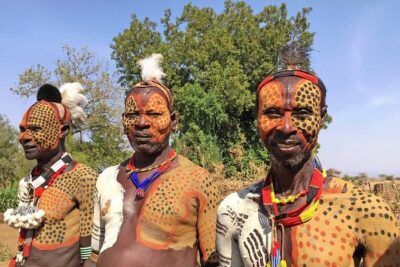


9 Days Tours To Danakil Depression, Simen MNP, Lalibela With Omo Valley Tribes
Read our review →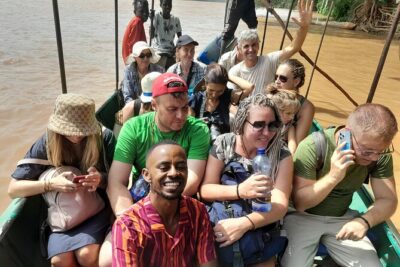
5 Day Private tour to the Omo Valley Tribes and Adventure Tour
Read our review →Browse the lists this tour appears in