

Reviewed · OMO VALLEY TRIBAL TOURS
3 Days Omo Valley Tours From Jinka
Remote Ethiopia rewards patience. This three-day Omo Valley tour gives you a practical way to reach Mago National Park, tribal villages, and busy regional markets without arranging every rough-road transfer yourself. I like the small-group format, capped at 15 people, and I like that accommodation, a professional driver, an English-speaking guide, park entrance, and scout fees are bundled together. The main drawback is the packed schedule: long drives, early starts, and a flight connection on the final day leave little room for delays.
I also appreciate the range of places covered in only three days. You see the Mursi near Mago, the Dassanech around Omorate, several communities at Dimeka Market, and the Ari people near Jinka. Still, the $845 price does not include domestic flights, lunches, dinners except for one listed dinner, drinks, or personal expenses, so your final cost will be higher.
In This Review
- Key points to know before booking
- What this Omo Valley trip is really offering
- Day 1: Mursi villages and the road to Turmi
- Day 2: Omorate, Dassanech communities, and Dimeka Market
- Day 3: Ari traditions, museum context, and onward travel
- The $845 price and what it covers
- Comfort, pace, and practical realities
- Cultural respect in the Omo Valley
- Who should book this three-day route
- Should you book the Omo Valley tour?
- FAQ
- Where does the tour start?
- Where does the tour end?
- How long is the tour?
- Is transportation included?
- Are park entrance and scout fees included?
- Are meals included?
- What is the minimum age?
- What is the cancellation policy?
Key points to know before booking

- Mursi villages in Mago National Park: Expect a cultural visit combined with savannah scenery and a drive of about three hours.
- Omorate and the Dassanech: The second day reaches the northern shore area of Lake Turkana, known locally for the Dassanech people and their Delta way of life.
- Dimeka Market: This is a useful place to see Hammer, Tsemay, Ari, and Kara people in one regional gathering.
- Ari culture near Jinka: The final day includes pottery traditions and clothing made from enset, a banana-like plant.
- A small group with practical support: The maximum group size is 15, with a guide, driver, vehicle, entrances, and scout fees included.
- A demanding schedule: The tour covers large distances, and you need moderate physical fitness, suitable clothing, and careful flight planning.
What this Omo Valley trip is really offering

The Omo Valley is not a quick sightseeing stop. Roads are long, conditions can change, and communities are spread across a wide area. This tour is useful because it puts the major southern stops into one route, beginning in Jinka and finishing with onward travel to Addis Ababa.
You are not simply looking at scenery from a vehicle. The focus is on meeting people from different communities and understanding how they live in a dry, remote part of Ethiopia. The guide and local scouts matter here. They help with access and interpretation, while also giving you a better chance to behave respectfully around villages, markets, and people who are often photographed.
A group of up to 15 is small enough to feel manageable, though it is not a private tour. If you want a quiet visit with a flexible pace, ask about a private arrangement before paying. If you value having the main transport and local coordination handled for you, the group format keeps the planning simpler.
The supplied experiences with Aman Ethiopia Tours point to strong organization and responsive communication. Amanuel is described as answering questions and requests quickly, sometimes on the same day. One account also describes him arranging a replacement driver after another company canceled at the last minute. Guide Tesfaye receives particular praise for explaining local tribal history and helping make the visit productive for photography.
Those details do not remove the need to confirm your own arrangements. They do suggest that communication is one of the company’s strengths, especially for a trip where road transport and flights must fit together closely.
More Omo Valley tours:
- 6 Days Omo Valley Tribes Tours From Addis Ababa
★ 5.0 · 33 reviews - 3 Days Omo Valley Tour
★ 5.0 · 24 reviews - 5 Days Omo Valley Tours
★ 5.0 · 15 reviews
Day 1: Mursi villages and the road to Turmi
Your first day begins after arrival at Jinka Airport. The route heads to Mago National Park, where the main visit is to a Mursi village. The drive and visit are listed at about three hours, with entrance included.
Mago protects open savannah and is one of the area’s best settings for seeing how people and wildlife share a dry environment. The Mursi are known for low huts built from straw and leaves. The tour description also points to traditional lip and ear ornaments worn by some women, details that have become widely associated with Mursi identity.
This is a place to slow down and remember that you are entering someone’s home area, not a staged museum. Ask your guide how photography works, follow local instructions, and avoid treating traditional clothing or body adornment as a spectacle. The presence of a local scout is especially useful because cultural visits require more than simply arriving with a camera.
The wording of the schedule suggests a return drive to Jinka before continuing toward Turmi. That makes for a long first day, especially after a flight. You then continue to Turmi for the night, with a later opportunity to visit the Hamer people.
The overnight stay is listed as Turmi Lodge Turmi or a similar property. The tour includes two nights of accommodation and two breakfasts, but the exact room standard and lodge facilities are not described. I would ask what similar means before booking if your comfort needs are specific.
The Hamer visit gives you another cultural point of comparison. The Hamer are one of the best-known communities in the southern Omo region, and seeing them after the Mursi helps you notice that the valley is not one single culture. Each visit should be approached as a meeting with a living community, not as a checklist of exotic images.
Day 2: Omorate, Dassanech communities, and Dimeka Market
Day two starts with an early breakfast, followed by the trip from Turmi to Omorate. The excursion is listed at about four hours, including the visit. This is the longest-feeling part of the route because you spend substantial time on the road and still have a market stop later.
Omorate is associated with the Dassanech, described here as the people of the Delta. Their home area lies near the northern shore of Lake Turkana, and the visit gives you a different view of life in the lower Omo region. The setting is shaped by dry country, water, seasonal movement, and distance from Ethiopia’s main cities.
The value of this stop is its contrast with Mago and the Mursi visit. You are seeing another community with its own dress, customs, and relationship to the surrounding environment. Your guide’s explanations will shape how much you take away, so this is a good day to ask direct questions about language, livelihoods, family life, and the effect of tourism.
After Omorate, the route returns toward Jinka and pauses at Dimeka Market. The market visit is listed at about 55 minutes, though the overall stop may feel longer depending on the day and road conditions. You are scheduled to see people connected with the Hammer, Tsemay, Ari, and Kara communities.
Dimeka is valuable because it brings several groups together in a place used for ordinary trade and social exchange. Market scenes can feel more natural than a formal village visit, but they also require tact. Ask before taking photographs, keep your equipment discreet, and give people room to carry on with their business.
The itinerary allows time at the market before continuing toward Jinka. It also mentions stopping again at Tsemay villages on the drive. This creates a full day with several short cultural encounters rather than one long visit.
You spend the second night at Jinka Nassa. Breakfast is included, while lunch and dinner are not generally included in the price. Since the day starts early and covers a lot of ground, plan ahead for food and carry water if your guide confirms that this is appropriate and available.
Day 3: Ari traditions, museum context, and onward travel

After breakfast, the final day includes time in Jinka and a visit to the Ari people. The Ari are described as the largest population in the lower Omo Valley. Their traditions offer a useful counterpoint to the smaller communities visited earlier in the tour.
The Ari women are associated here with skirts made from enset, a banana-like plant. The community is also known for pottery. These details show how local culture connects with plants, food, household work, clothing, and craft. Ask your guide to explain how enset is used, rather than treating it only as a material for clothing.
The day also includes the South Omo Research Centre Museum, with about one hour listed and admission included. A museum stop can be particularly helpful after village and market visits because it gives you background and a chance to organize what you have seen.
The schedule then calls for transfer to Jinka Airport for your flight to Addis Ababa. The tour information also describes a folkloric dinner in the evening, with national dishes, dances from various Ethiopian ethnic groups, and a traditional coffee ceremony before a later airport transfer.
That timing needs clarification. If your domestic flight from Jinka reaches Addis Ababa later in the day, the folkloric dinner may be part of the Addis Ababa finish. If it is intended before the flight, the listed sequence could be difficult. Ask the operator for the confirmed flight time, dinner location, and final airport transfer details before booking.
The coffee ceremony is a fitting way to close an Ethiopia trip. It is not just a drink service. It is a social ritual, and the chance to see it alongside music, food, and dances gives you a broader national picture after the very local encounters in the Omo Valley.
A few more options to weigh up in Addis Ababa
- Full Day Tour of Addis Ababa with Hotel Pickup and Drop-off
★ 5.0 · 430 reviews - Taste of Ethiopia
★ 5.0 · 406 reviews - Day Trip From Addis Ababa See Historical Monastery,Stunning Nature,Animals,Birds
★ 5.0 · 303 reviews - Addis Ababa: Debre Libanos, Blue Nile Gorge, and Cave Tour
★ 4.5 · 256 reviews
The $845 price and what it covers

At $845 per person, this is not a bargain-priced road trip. It is also not an unreasonable figure for a remote three-day route if the vehicle, driver, guide, accommodation, park fees, and local scout costs are all properly arranged.
The included items are:
- Two nights of accommodation with breakfast
- Two breakfasts
- An English-speaking professional guide
- A professional driver and vehicle
- Entrance fees
- Scout fees
The price excludes domestic flights, lunches, dinners, alcoholic drinks, gratuities, and personal expenses. One dinner is mentioned in the final-day description, but the inclusion list does not clearly spell out its cost. Confirm this point directly.
The biggest unknown is the domestic flight. Since the tour begins in Jinka and ends in Addis Ababa, your airfare can change the total substantially. You should also budget for meals not supplied, drinks, tips, and any photography-related or personal costs.
The value comes from saving you the trouble of coordinating remote roads, local access, several communities, and a final flight transfer. A self-arranged trip might cost less in some cases, but it would require more planning and could provide less reliable support when schedules change.
Group discounts are offered, which may improve the price for families or friends booking together. A child rate applies only when the child shares with two paying adults, and the minimum age is 11. That makes this better suited to older children and teenagers than to families with toddlers.
Comfort, pace, and practical realities
You need moderate physical fitness. The trip involves airport transfers, vehicle travel, walking around villages and markets, and getting in and out of a vehicle on a demanding schedule. No special athletic ability is stated, but this is not a restful lodge holiday.
The tour operates in all weather conditions. Dress appropriately for changing conditions, and note that the formal dress code may be important at cultural or dinner events. The supplied information does not specify a packing list, so confirm what the operator expects for park visits, village visits, and the folkloric dinner.
Service animals are allowed. The tour has mobile ticketing and pickup is offered, but the meeting information lists a start time of 9:00 pm, which does not fit neatly with the first day’s arrival at Jinka. Treat that time as something to confirm, not as a final instruction.
The route is best for someone who accepts imperfect timing in exchange for access. Roads may take longer than planned, and the itinerary leaves little spare time. Your flight should be booked only after the operator confirms the final day schedule, especially if you are connecting to an international departure.
Cultural respect in the Omo Valley

The Omo Valley offers powerful encounters, but the way you approach them matters. Traditional body adornment, clothing, homes, markets, and ceremonies are not costumes for your camera. Pay the proper fee when a local arrangement requires one, ask before photographing, and listen when your guide or scout sets limits.
A guide such as Tesfaye can add real value by explaining the history and meaning behind what you see. The company’s network of English-speaking guides is also useful because language and local relationships affect the quality of a cultural visit.
Try to leave room for conversation. You may get better understanding by asking about work, family, food, and daily routines than by focusing only on the most visually striking details. The point of the trip is not to collect photographs of different groups. It is to see how varied life is within one region.
Who should book this three-day route
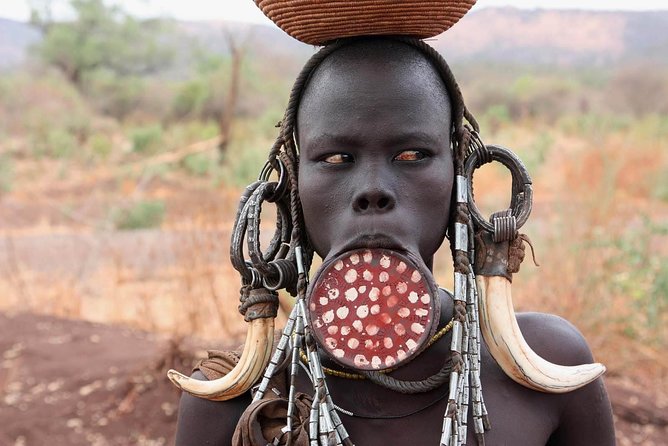
I would recommend this tour to you if you want a guided introduction to the Omo Valley and have only three days. It suits people who value coverage, local coordination, and a manageable group more than long stays in one village.
It is also a good fit if you are combining the Omo Valley with other parts of Ethiopia. Several strong experiences describe the company arranging wider, customized trips, including combinations with Danakil Depression and Harar. That suggests Aman Ethiopia Tours can be worth contacting if your schedule extends beyond this set route.
I would hesitate if you dislike long drives, fixed schedules, or uncertain meal arrangements. You should also think twice if your international flight leaves Addis Ababa soon after the return from Jinka. A short buffer is not enough for a route with multiple road and flight stages.
The tour has a perfect rating from seven supplied ratings, and the strongest praise focuses on organization, quick communication, emergency problem-solving, and guides who explain local culture well. That is encouraging, but the sample is small. I would still confirm the vehicle, lodging, flight plan, guide assignment, and dinner details in writing.
Should you book the Omo Valley tour?
Book it if you want a time-efficient, guided route through Mago National Park, Omorate, Dimeka, and Jinka, and you are comfortable paying for convenience. The best parts are the cultural variety, included access fees, professional driver, and local guide support.
Before you commit, ask three direct questions: Which domestic flight is included in the schedule, what exactly is the final dinner arrangement, and what accommodation replaces Turmi Lodge or Jinka Nassa if those properties are unavailable? If the answers are clear and your budget allows for excluded costs, this is a strong introduction to southern Ethiopia.
Free cancellation is available up to 24 hours before the local start time. Within 24 hours, the amount paid is not refunded, and late changes are not accepted.
FAQ
Where does the tour start?
The tour starts in Jinka, with pickup offered. The supplied meeting information lists a 9:00 pm start time, so confirm the exact pickup time with Aman Ethiopia Tours before the trip.
Where does the tour end?
The route ends in Addis Ababa after the domestic flight from Jinka and the final airport transfer.
How long is the tour?
The experience lasts approximately three days and includes two nights of accommodation.
Is transportation included?
Yes. A car with a professional driver is included, along with an English-speaking professional guide. Domestic flights are not included.
Are park entrance and scout fees included?
Yes. Entrance fees and scout fees are included in the tour price.
Are meals included?
Two breakfasts are included. Lunches and most dinners are not included. The final-day schedule mentions a folkloric dinner, so confirm whether that dinner is covered in the price.
What is the minimum age?
The minimum age is 11. A child rate applies only when the child shares with two paying adults.
What is the cancellation policy?
You receive a full refund if you cancel at least 24 hours before the experience start time. Cancellations or changes made within 24 hours are not accepted and are not refunded.
Just added in Addis Ababa
- Yod Abyssinia Cultural Night: Dinner, Music, and Dance★ 5.0 · 7 reviews
- Addis Ababa City Tours Full-Day Tours★ 5.0 · 5 reviews
- Locally crafted beer and wine tasting and nightlife in Addis tour★ 5.0 · 6 reviews
- Unique Ethiopian Cooking Class and Coffee Ceremony with a Local in Addis Ababa★ 4.5 · 7 reviews
- Stunning Views Wonchi Crater Lake a Private Day Trip★ 5.0 · 3 reviews
- Visiting the wonders of Lalibela in Three (3) days and Two ( 2) nights★ 5.0 · 2 reviews
- .2- Days and 1 Night Tour To Awash National Park water falls★ 5.0 · 1 review
- Two days Lake Wenchi and Menagesha Forest★ 5.0 · 1 review
Omo Valley Tribal Tours, compared.
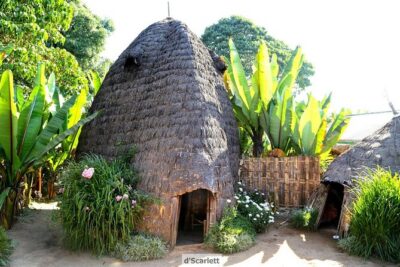
6 Days Omo Valley Tribes Tours From Addis Ababa
Read our review →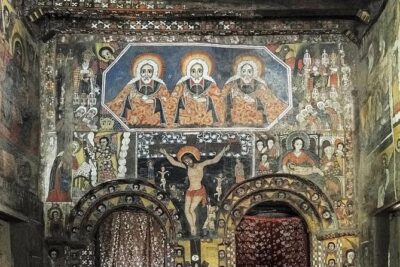
Lalibela, Axum, Danakil and Omo Valley 8 DAYS
Read our review →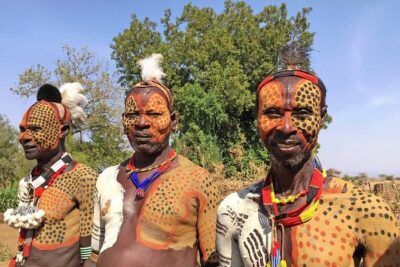



9 Days Tours To Danakil Depression, Simen MNP, Lalibela With Omo Valley Tribes
Read our review →
5 Day Private tour to the Omo Valley Tribes and Adventure Tour
Read our review →Browse the lists this tour appears in