
Reviewed · HISTORICAL TOURS
11 Days Northern Ethiopia Historical and Denakil Depressions
Salt, stone, and sacred places await. This 11-day route links Ethiopia’s famous rock-hewn churches with the harsh beauty of the Danakil Depression, giving you a rare mix of highland history and desert adventure. I especially like the chance to visit Lalibela, Yeha, and Axum in one trip, and the guided access to salt flats, sulfuric acid ponds, and camel caravans near Lake Asale. The main consideration is physical comfort: long drives, high-elevation walks, hot desert camping, and the climb to Abune Yemata Ghu demand stamina.
I also like that the price of $2,500 per person covers domestic flights, hotels, camping, full-board meals, entrance fees, a vehicle with fuel, drivers, and scouts. That removes many costly pieces from a difficult region to arrange independently. The route is tightly packed, though, so you will spend plenty of time on the road and should confirm the Day 4 and Day 5 pickup details before departure.
A verified booking from Pedro of Uruguay gave the operation five stars, with particular praise for its organization and guides. That fits the basic design of the trip: it is not just a string of sightseeing stops, but a guided route through places where local support matters.
In This Review
- Key points to know before booking
- Why this route works so well
- Days 1 and 2: Addis Ababa to Lalibela
- Day 3: Yimrhane Kristos and high-altitude Asheton Maryam
- Day 4: Flying toward Semera and the Afar heat
- Days 5 and 6: Ertale, desert roads, and Hamedela
- Day 7: Dallol, salt work, and sulfuric acid ponds
- Days 8 and 9: Gerhalta and the cliff church at Abune Yemata Ghu
- Day 10: Yeha and Axum
- Day 11: Axum, Addis Ababa, and the farewell evening
- What the $2,500 price really covers
- Who will enjoy this trip most
- Should you book this Ethiopia tour?
- FAQ
- How long does the Ethiopia tour last?
- What places are included?
- Are domestic flights included?
- Are meals included?
- What can I see in the Danakil Depression?
- Is the climb to Abune Yemata Ghu difficult?
- What should I bring?
Key points to know before booking
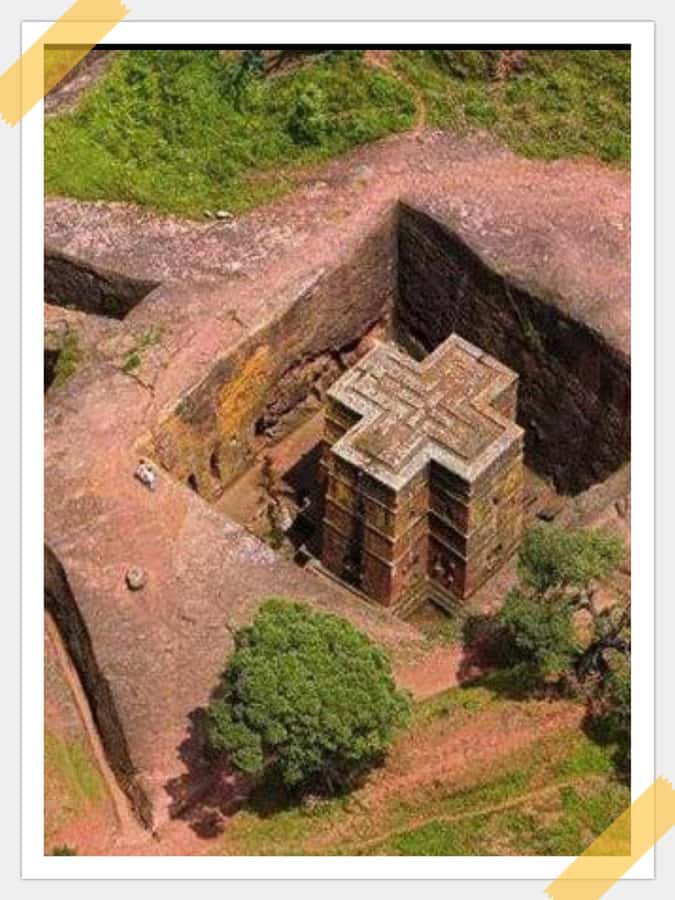
- Lalibela brings Ethiopia’s most famous rock-hewn churches, including a first-group church visit on arrival day and a full exploration day.
- Abune Yemata Ghu requires a serious climb, including an eight-meter cliff section, so this is not a casual church visit.
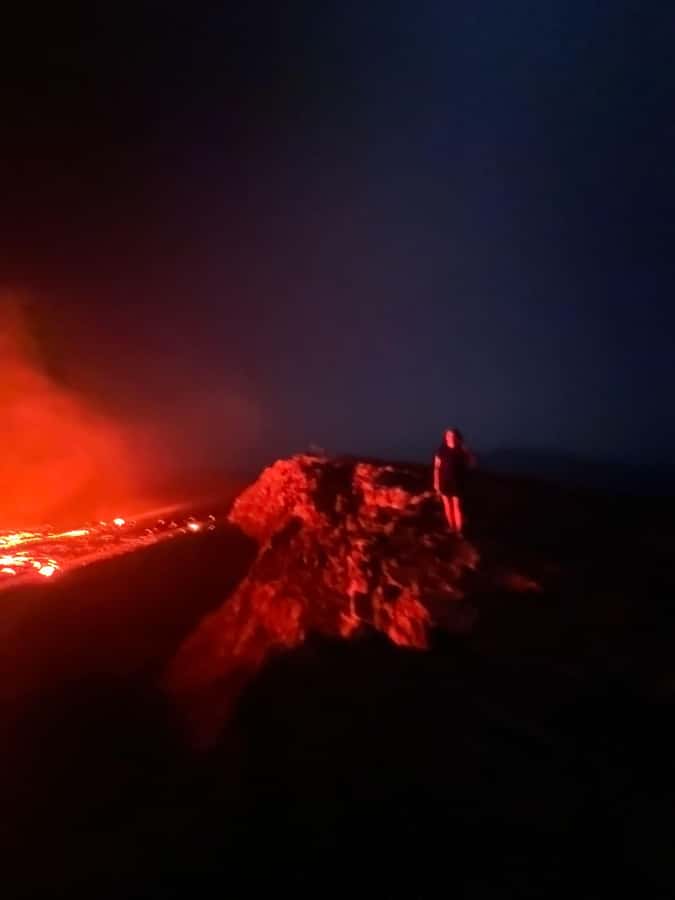
- The Danakil section includes Ertale, Dallol, Lake Asale, and Hamedela, with desert camping and long drives.
- Salt production is part of the experience, including traditional excavation methods and camel caravans carrying salt.
- The $2,500 price includes major trip costs, such as flights, meals, accommodations, entrance fees, transport, and scouts.
- The route suits active adults best, not people with back problems, babies under one year, or anyone seeking a relaxed hotel-based holiday.
Why this route works so well
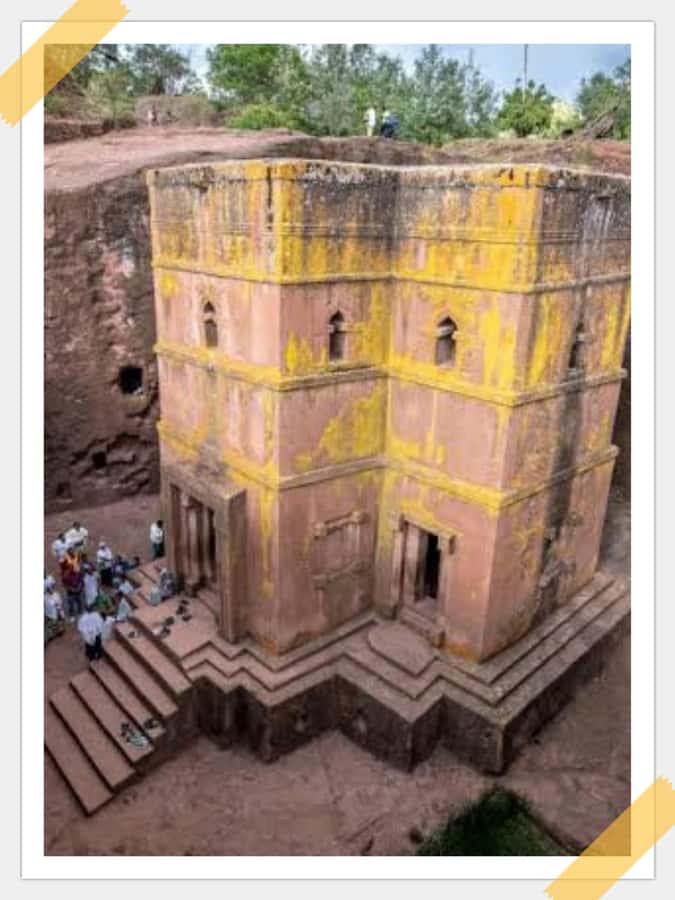
Northern Ethiopia rewards a trip that combines several regions rather than focusing on one town. Lalibela gives you monumental religious architecture carved into rock. The Danakil Depression changes the mood completely, with salt flats, sulfuric acid ponds, desert camps, and extreme-looking ground formations. Axum and Yeha add older historical sites to the final days.
I like the contrast. You can spend one day looking closely at stone churches shaped by hand, then another watching camels move across the salt flats. The trip also gives you a look at Ethiopian heritage through churches, monasteries, old temples, salt workers, and traditional transport.
The route is not easy. The itinerary includes long road sections, early or late activity periods, and camping near Ertale and Hamedela. You should think of this as an expedition with historical sightseeing, not a standard city tour with comfortable transfers between polished hotels.
More history tours in Mekelle and the Danakil:
- Day Trip From Addis Ababa See Historical Monastery,Stunning Nature,Animals,Birds
★ 5.0 · 303 reviews - Hidden Treasures of Addis Ababa – Food, Culture and History Tour
★ 5.0 · 57 reviews - Northern Ethiopia Historic Route
★ 5.0 · 12 reviews
Days 1 and 2: Addis Ababa to Lalibela
Your first day is simple. Staff meet you at Bole International Airport and transfer you to your Addis Ababa hotel. This arrival support is useful after an international flight, especially if you are unfamiliar with the airport or arriving late.
The next morning, you fly to Lalibela. After checking into your hotel, the afternoon is devoted to the first group of Lalibela churches. That timing gives you an early introduction to the town’s main attraction without spending your first day on a long road journey.
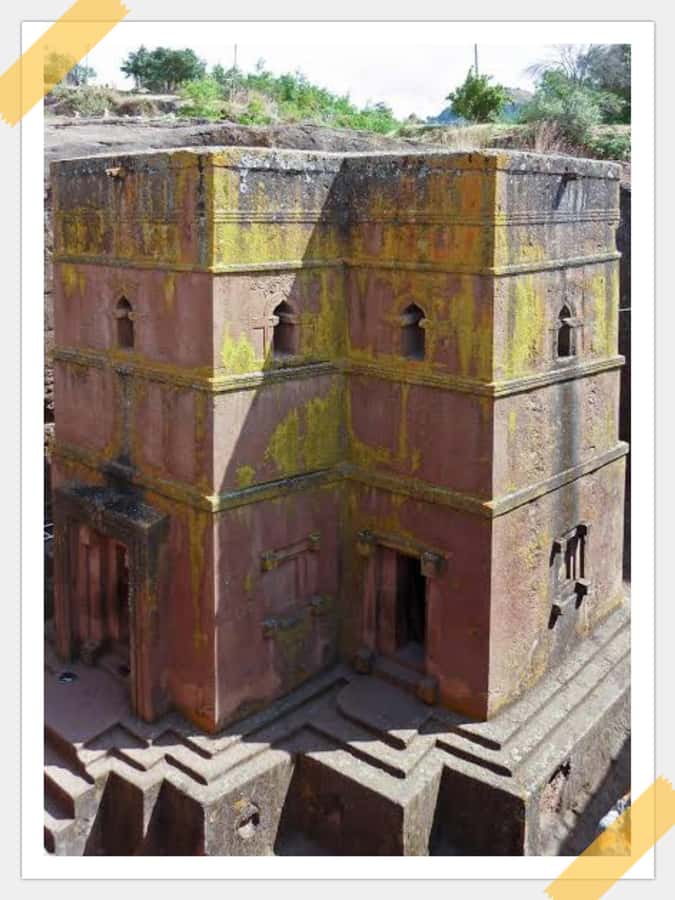
Lalibela’s churches are cut directly from rock rather than built from separate blocks. The setting and construction make the visit feel very different from a conventional church tour. You will want comfortable walking shoes and clothing suitable for visiting religious sites.
The itinerary does not provide the exact church names for the first-group visit, so you should ask your guide what you will see and how much walking is involved. The trip includes entrance fees, which keeps the day straightforward once you arrive.
Day 3: Yimrhane Kristos and high-altitude Asheton Maryam
Day 3 adds two very different religious sites. In the morning, you visit Yimrhane Kristos, then return to Lalibela for lunch. The afternoon takes you to Asheton Maryam Monastery, described as one of the highest in Ethiopia, at almost 3,700 meters southeast of Lalibela.
That altitude matters. Even if you are generally fit, walking at nearly 3,700 meters can feel harder than walking at low elevation. Take your time, drink water, and tell your guide if you feel unwell. The itinerary does not specify the exact length or difficulty of the walk, so ask before setting out.
This day is valuable because it moves beyond Lalibela’s best-known churches. Yimrhane Kristos and Asheton Maryam give you a broader view of religious sites around the region, but the schedule also makes Day 3 another active day rather than a rest period.
Day 4: Flying toward Semera and the Afar heat
You fly from Lalibela toward Semera via Addis Ababa. Semera is warmer than the places visited earlier, and the evening is used for dinner and preparation for the Danakil section. The listed overnight is at Ardi Hotel in Semera.
This is a useful transition day. The highland churches give way to the hot, dry Afar region, and your packing needs change. Sunglasses, biodegradable sunscreen, sandals, shorts, and biodegradable insect repellent are specifically recommended.
There is one practical point to clear up before you go. Day 5 refers to a pickup in both Mekele and Semera, while Day 4 places you in Semera. Contact the operator by WhatsApp or email before departure and confirm the exact pickup city, time, and meeting point. That small check can prevent a very large transport problem.
A few more options to weigh up in Mekelle and the Danakil
- Ethiopia Tigray Tours: Guided tour of Tigray rock hewn churches
★ 5.0 · 36 reviews - Danakil 3 days tour
★ 5.0 · 10 reviews - From Semera: Danakil Depression 3-Day Tour
★ 4.3 · 10 reviews - Two Days Tigray Churches Trip
★ 5.0 · 10 reviews
Days 5 and 6: Ertale, desert roads, and Hamedela
The journey toward Ertale begins at 9:00 in the morning. The route heads toward Lake Afdera, about 200 kilometers north, before continuing toward the Ertale area. The drive is described as slow, and you reach the campsite near Ertale around 5:00 in the afternoon.
At about 6:00 in the evening, you hike up to Ertale. The late timing makes sense in a hot desert region, but you still need to be ready for a demanding walk after hours in a vehicle. The overnight is camping near Ertale, so bring a practical attitude toward basic conditions.
On Day 6, you leave the Ertale base camp at 8:30 in the morning. You drive through the Dodom desert and reach Hamedela at about 4:00 in the afternoon. From there, the route continues to the Lake Asale salt flats for sunset.
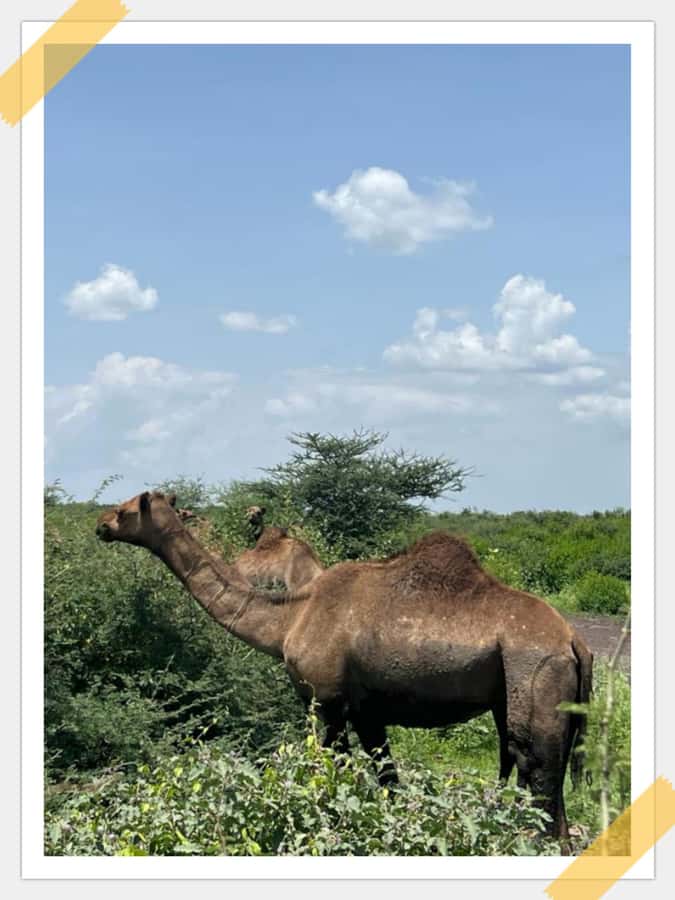
This is one of the strongest parts of the trip for visual variety. The day includes a long desert drive, but the reward is an evening near salt flats with camel caravans transporting salt. You are seeing a working tradition, not simply a scenic viewpoint.
You camp in Hamedela that night. Camping in this region will suit you if you value access and location over comfort. The schedule does not give details about tents, bedding, showers, or toilet facilities, so ask the provider what camping equipment is supplied.
Day 7: Dallol, salt work, and sulfuric acid ponds
The Dallol visit brings together the most unusual features of the Danakil section. The program includes the colorful Dallol mountain, camel caravans, Lake Asale salt flats, traditional salt excavation methods, sulfuric acid ponds, and the chance to swim in the Salt Lake.
The salt work is especially important. You are not only looking at a strange natural setting, but also seeing how salt is excavated and moved by traditional methods. Camel caravans connect the scenery to local work and trade, giving this part of the tour a human purpose.
The sulfuric acid ponds require care and close attention to your guide’s instructions. The itinerary also promotes swimming in the Salt Lake, but you should ask about the exact location, current conditions, and safety guidance before entering the water. Bring sandals, protect your eyes from glare with sunglasses, and use biodegradable products as requested.
After the visit, you drive back toward Mekele. The road time is a major part of the experience, so do not book this expecting quick transfers. The benefit is access to an area that is difficult to visit without transport, guides, and scouts.
Days 8 and 9: Gerhalta and the cliff church at Abune Yemata Ghu
After breakfast, you drive to Gerhalta Hawzen. The main attraction is Abune Yemata Ghu, a rock-hewn church reached by climbing an eight-meter cliff section. This is one of the trip’s clearest tests of fitness and confidence.
The climb is not a minor detail. If you are uncomfortable with exposed rock, have back problems, or struggle with steep sections, you should think carefully before booking. The schedule does not give technical equipment details or an alternate route. Ask the operator exactly what the climb involves and what support scouts provide.
The reward is a church carved into rock in an extraordinary setting. The visit connects architecture with physical effort: reaching the site is part of understanding its character. Wear secure footwear, keep your hands free, and follow the scout’s instructions closely.
Day 9 offers a full day in Gerhalta. You first enjoy views of the Gerhalta mountains, then trek to St. Maryam Korkur, a rock-hewn church from the sixth century. This gives you a second chance to see how religious sites are tied to the surrounding rock and high country.
Two church hikes in two days make this section more active than the earlier Lalibela visits. I would plan for the possibility of slow walking, uneven ground, and heat. The exact trek length is not supplied, so get a clearer estimate before departure if walking distance is important to you.
Day 10: Yeha and Axum

After breakfast, you drive to Axum. On the way, you visit Yeha, home to a fifth-century temple. The site displays advanced stonework and is described as the oldest building still standing in Ethiopia.
Yeha adds a useful historical layer to the route. Lalibela is famous for medieval rock-cut churches, while Yeha takes you to an earlier period and a different architectural tradition. The stop also breaks up the drive to Axum.
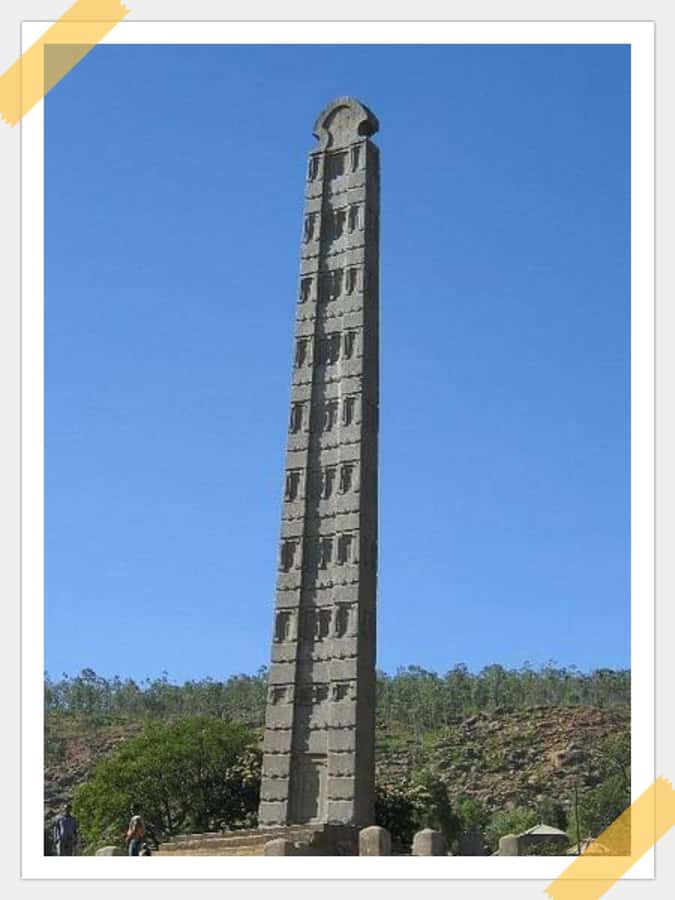
You spend the night at Yared Zema Hotel in Axum. The itinerary does not list a separate full Axum sightseeing program before the final flight, so ask whether any city sites are included on Day 10 or Day 11. Axum is an important reason many people choose northern Ethiopia, and you will want to know how much time is allocated there.
Day 11: Axum, Addis Ababa, and the farewell evening
After breakfast, you drive to Axum Airport and fly to Addis Ababa. A hotel day stay is arranged in Addis, followed by lunch and a full city tour.
This arrangement is practical. You have a place to wash, rest, and organize your luggage before the international flight rather than waiting in the airport for hours. The day ends with a farewell dinner at a traditional Ethiopian restaurant, accompanied by music and dance, before your airport drop-off.
Your international flight timing matters here. The schedule says you prepare for the flight after dinner, but it does not give the departure time or exact airport transfer time. Confirm the final timing so you know how long you will have in Addis and whether the city tour is adjusted around your flight.
What the $2,500 price really covers
At $2,500 per person, this is not a budget trip, but the inclusions give it reasonable value for a route with several flights and difficult ground transport. The price covers:
- Accommodation listed in the program
- Domestic flights
- Full-board meals
- Entrance fees
- A vehicle, fuel, and driver allowance
- Scouts
The biggest value comes from having the transport and local support arranged in the Danakil and Gerhalta sections. Those are the parts most likely to be difficult to organize on your own. Full-board meals also make budgeting easier, since food is included across the long route.
Alcohol is not included. Alcohol and drugs are not allowed, and the rules also prohibit making noise and making fires. You should tell the company about allergies before booking so meals can be planned safely.
The itinerary does not state group size, room arrangements, camping facilities, or the flight schedule. Those details can affect how comfortable the trip feels, so ask directly before paying.
Who will enjoy this trip most
I would recommend this experience to you if you want a concentrated introduction to northern Ethiopia and are comfortable with physical travel. It suits people who care about churches, ancient sites, local traditions, salt production, and unusual natural settings more than resort comforts.
You should be prepared for:
- Long drives on the Danakil route
- Desert camping near Ertale and Hamedela
- A hike to Ertale
- High-altitude walking near Asheton Maryam
- The eight-meter cliff climb at Abune Yemata Ghu
- Hot conditions around Semera and the Danakil Depression
The tour is specifically not suitable for people with back problems, babies under one year, or people over 95. Those limits do not describe every possible challenge, so anyone with another health concern should discuss it with the operator first.
The recommended packing list is short but sensible: sunglasses, sandals, biodegradable sunscreen, shorts, and biodegradable insect repellent. I would also pay close attention to footwear because several days involve walking or trekking. That is practical advice based on the route, not a promise about exact trail conditions.
Should you book this Ethiopia tour?
Book it if you want Lalibela, Axum, Yeha, and the Danakil Depression in one organized trip, and if you accept that the most memorable parts may also be the least comfortable. The five-star assessment from Pedro of Uruguay specifically praised organization and guides, which matters on a route with flights, remote camps, long drives, and steep church access.
Think twice if you want slow mornings, detailed hotel comfort, or easy walking. Before confirming, ask for the exact pickup point on Day 5, the daily flight times, the Abune Yemata Ghu climb details, the camping facilities, the group size, and the time reserved for Axum.
For an active visitor who wants historic churches alongside salt flats and camel caravans, this is a strong value at $2,500. It is best approached as a demanding cultural expedition, not a soft sightseeing holiday.
FAQ
How long does the Ethiopia tour last?
The tour lasts 11 days, beginning with arrival in Addis Ababa and ending with a flight from Addis Ababa to your international destination.
What places are included?
The route includes Addis Ababa, Lalibela, Yimrhane Kristos, Asheton Maryam Monastery, Semera, Ertale, Lake Afdera, the Danakil Depression, Hamedela, Dallol, Mekele, Gerhalta, Abune Yemata Ghu, St. Maryam Korkur, Yeha, and Axum.
Are domestic flights included?
Yes. Domestic flights listed in the program are included in the price.
Are meals included?
Yes. The tour includes full-board meals. Alcoholic drinks are not included.
What can I see in the Danakil Depression?
The program includes Ertale, Dallol, Lake Asale salt flats, camel caravans, traditional salt excavation methods, sulfuric acid ponds, and swimming in the Salt Lake.
Is the climb to Abune Yemata Ghu difficult?
The program says you reach the rock-hewn church by climbing an eight-meter-long cliff section. People with back problems are advised not to take this tour, so you should ask the operator for exact climb details before booking.
What should I bring?
The recommended items are sunglasses, sandals, biodegradable sunscreen, shorts, and biodegradable insect repellent. You should also inform the company about any allergies before booking.
Just added in Mekelle and the Danakil
- Mekele City Tour★ 5.0 · 2 reviews
- Day trip to Tigray Churches★ 5.0 · 2 reviews
- Tigray Mountain Church’s Day Trip from Mekele★ 5.0 · 2 reviews
- 3 Day Tour of Geralta Churches Tigray Church’s★ 5.0 · 2 reviews
- 3 days tour Danakil Depression (Dallol & Erta Ale)★ 4.0 · 5 reviews
- 2 Days Dallol Trip★ 5.0 · 4 reviews
- 2 days Tigray Church★ 5.0 · 3 reviews
- Mekele: 3-Days Danakil Depression Tour & “Velcano”.★ 5.0 · 1 review
Historical Tours, compared.
Day Trip From Addis Ababa See Historical Monastery,Stunning Nature,Animals,Birds
Read our review →
Hidden Treasures of Addis Ababa – Food, Culture and History Tour
Read our review →
5 Days Tour to World Heritage–listed Harrar, Dire Dawa and Awash NATIONAL PARK
Read our review →
DAY TRIP TO THE UNESCO HERITAGE SITE TIYA & Melka Kunture
Read our review →
Experience a Cultural and Historical Journey through Addis Ababa
Read our review →
Historical tours – in five days, Addis Ababa, Axum, Laliebla and Gonder
Read our review →
city tour of Addis Ababa ( history ,culture , food and more)
Read our review →Browse the lists this tour appears in