
Reviewed · OMO VALLEY TRIBAL TOURS
10-Day Cultural Immersion Experience with Omo Valley Tribes
Ethiopia’s south rewards patience. This 10-day private journey links Addis Ababa, ancient stone markers, Rift Valley lakes, and villages of the Dorze, Ari, Mursi, Bana, Hamer, Dassanach, and Tsemay peoples. I like the mix of cultural visits and wildlife: one day brings woven bamboo homes and spinning demonstrations, while another brings Nile crocodiles and hippos on Lake Chamo. I also like that the route supports community tourism projects in Dorze and Konso rather than focusing only on quick photo stops.
The main drawback is the amount of time spent in the vehicle. Several days include six to twelve hours on the road, and conditions can make the schedule tiring. Still, private transportation, a private group, and an experienced local team led by guide and company owner Biruk Chiksa, with driver Werku Argaw, give the trip a useful degree of flexibility and personal attention.
In This Review
- Key points at a glance
- Addis Ababa begins with Lucy and Mercato
- Tiya brings a mystery before the southern road
- Lake Chamo and the woven homes of Dorze
- Konso terraces and Tsemay traditions
- Jinka gives you a choice of Mursi or Ari culture
- Hamer country brings markets, dress, and ceremony
- Omorate and the Dassanech clans
- The return route uses lakes and open country
- What the $2,336.51 price gets you
- Who should book this southern Ethiopia route?
- Should you book it?
- FAQ
- How long is the tour?
- Where does the tour begin?
- What time does the tour start?
- Is transportation private?
- Which communities will I visit?
- Are meals included?
- Will I see a Hamer bull-jumping ceremony?
- What level of fitness is required?
- Can I cancel for a full refund?
Key points at a glance
- Seven Omo Valley cultures: Meet the Dorze, Ari, Mursi, Bana, Hamer, Dassanach, and Tsemay peoples in their home regions.
- Lake Chamo wildlife: Cruise toward the famous crocodile market, where large Nile crocodiles sun themselves, with hippos often seen nearby.
- Two UNESCO sites: Visit the mysterious stelae at Tiya and the terraced Konso Cultural Landscape.
- Private touring: Only your group takes part, with private transportation and pickup available.
- Long road days: The route is rewarding but demanding, especially Days 6 and 7 in the Hamer and Dassanech region.
- Strong cultural finish: End in Addis Ababa with Ethiopian food and traditional dances at Yod Abyssinia.
Addis Ababa begins with Lucy and Mercato
The first day gives you a quick introduction to Ethiopia’s capital before the long southern road journey begins. The city tour includes museums, churches, and Mercato, the enormous commercial center often described as Africa’s largest market.
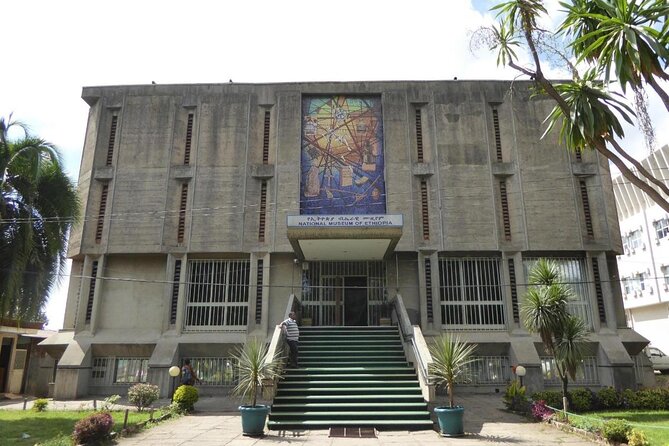
The National Museum of Ethiopia deserves special attention. Its best-known resident is Lucy, the 3.5-million-year-old skeleton discovered in 1974. The display helps place Ethiopia at the center of the human story, while the museum’s other rooms cover archaeology, fossils, ethnography, and modern art.
At Holy Trinity Cathedral, you get a look at the importance of Ethiopian Orthodox Christianity. The church was built to mark Ethiopia’s liberation from Italian occupation and is considered one of the country’s most important religious sites, second only to the Church of Our Lady Zion in Axum.
Mercato is less a tidy market attraction than a working part of the city. Streets are packed with stalls, small shops, and kiosks selling almost everything. Keep your belongings close, stay with your guide, and expect to negotiate. The tour begins at noon, so confirm the exact pickup plan with Venture Ethiopia before the day starts, particularly if you are staying outside the listed meeting point.
More Omo Valley tours:
- 6 Days Omo Valley Tribes Tours From Addis Ababa
★ 5.0 · 33 reviews - 3 Days Omo Valley Tour
★ 5.0 · 24 reviews - 5 Days Omo Valley Tours
★ 5.0 · 15 reviews
Tiya brings a mystery before the southern road
Day 2 leaves Addis Ababa early and heads toward Butajira. The stop at Tiya is brief but memorable. Here, carved stone stelae rise from an open field, marked with symbols whose original meaning remains uncertain.
Tiya is a UNESCO World Heritage site, but it is not a large complex requiring hours of inspection. One hour is enough for a close look and an explanation of what is known and what is still debated. I appreciate this kind of stop because it asks you to accept a little uncertainty instead of presenting a neatly packaged story.
After Tiya comes a long drive to Arba Minch through fertile countryside. The six-hour road segment is an early reminder of the tour’s character. You are not simply moving between nearby attractions. You are crossing a large part of southern Ethiopia, and the changing scenery is part of the experience, even when the road feels long.
Lake Chamo and the woven homes of Dorze
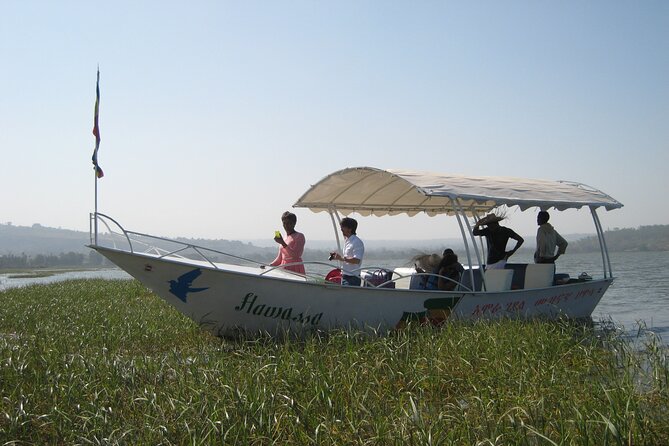
Arba Minch serves as your base for two nights, with Lake Chamo providing the first major wildlife outing. The boat ride lasts about three hours and heads toward the crocodile market, a sandy stretch where huge Nile crocodiles gather in the sun. Hippos are also commonly seen on the lake.
This is a good example of why a private tour helps. Wildlife sightings cannot be guaranteed, but your guide can help you make the most of the time on the water and explain what you are seeing. Bring sun protection and keep your expectations sensible. A crocodile cruise is exciting, but nature does not run on a timetable.
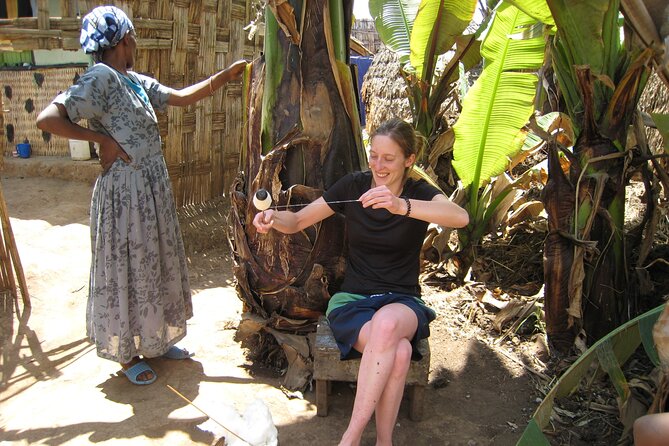
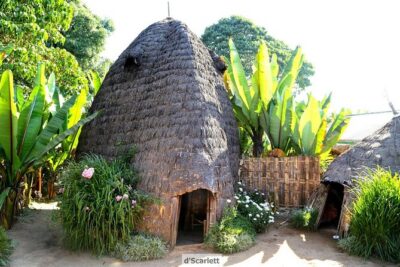
In the afternoon, the road climbs toward a Dorze community in the highlands. The Dorze are admired for weaving, and the visit includes a look at their work, a chance to try spinning thread, and an explanation of how the enset, or false banana, is used.
The homes are especially distinctive. Built from bamboo and shaped like large woven structures, they show how practical materials can produce something both sturdy and attractive. This stop has more value than a standard village photo call because you are shown a skill and invited to try part of it yourself.
Konso terraces and Tsemay traditions
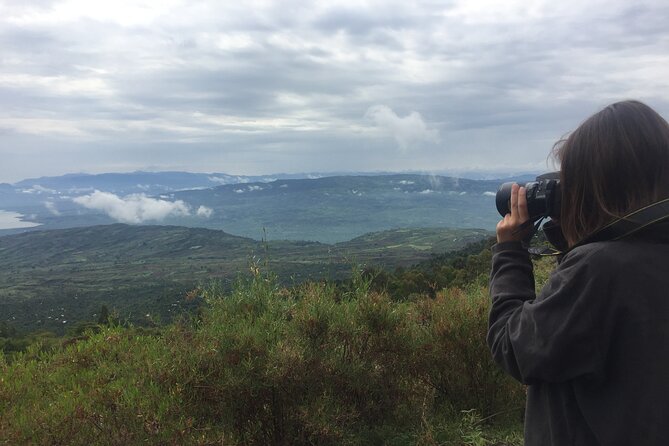
Day 4 takes you south to Karat-Konso and the Konso Cultural Landscape. The area includes 42 villages and farmland, with roughly 250,000 people living among hilltop settlements protected by stone walls.
Konso farming is the central story here. Stone terraces help hold moisture and reduce soil erosion on the slopes. The system reflects generations of careful work, and it gives the area its distinctive appearance. You may also see waka, carved wooden funerary statues connected with the region’s traditions.
The Konso people have lived in the area for at least 400 years and speak a Cushitic language. The visit is valuable because it connects architecture, farming, settlement patterns, and belief rather than treating the village as a single attraction.
The route then continues toward the Woito River and a Tsemay community. The Tsemay combine slash-and-burn agriculture with animal husbandry. Their spiritual leader, the bogolko, prays for rain, good harvests, healthy children, and successful crops.
If the timing works, Thursday offers another option at the Key Afer market. This is a useful choice: a market shows daily commerce and social life, while the Tsemay visit provides a closer look at community traditions. The day ends in Jinka after another long transfer, listed at about six hours from the afternoon stops.
A few more options to weigh up in Addis Ababa
- Full Day Tour of Addis Ababa with Hotel Pickup and Drop-off
★ 5.0 · 430 reviews - Taste of Ethiopia
★ 5.0 · 406 reviews - Day Trip From Addis Ababa See Historical Monastery,Stunning Nature,Animals,Birds
★ 5.0 · 303 reviews - Addis Ababa: Debre Libanos, Blue Nile Gorge, and Cave Tour
★ 4.5 · 256 reviews
Jinka gives you a choice of Mursi or Ari culture
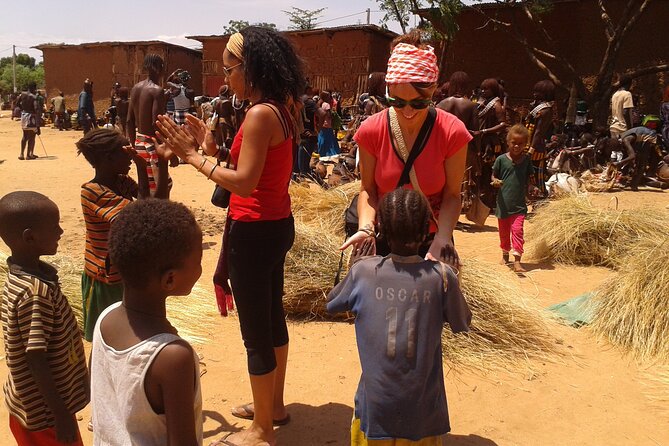
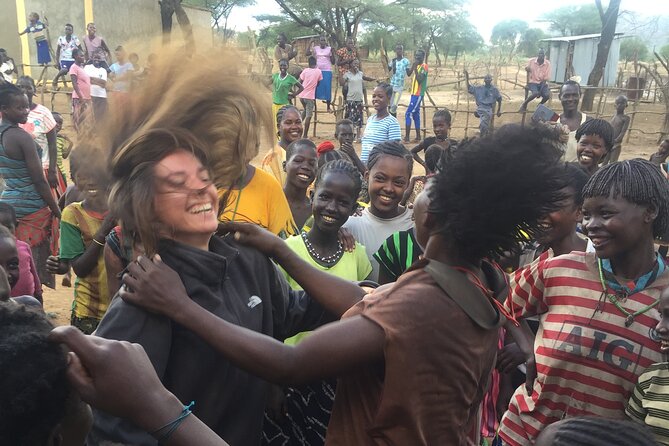
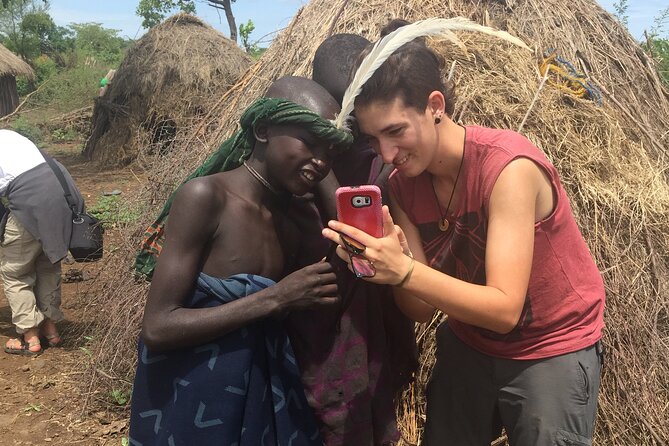
The Mursi village visit is one of the most discussed parts of the route. The Mursi live in a difficult-to-reach area between the Mago and Omo rivers and are traditionally associated with clay lip plates worn by some women.
The practice has more than one explanation. It has been linked to beauty, identity, and the possibility that disfigurement once discouraged slave raiders. You should approach this visit with respect and avoid reducing people to a single custom. Men and women may also wear scarification, and men traditionally carry the donga, a large stick.
This is a sensitive encounter, so your attitude matters. Follow your guide’s advice, ask before taking photographs, and remember that you are entering a living community, not a museum display. The tour provides about two hours here, enough for a visit but not an extended stay.
In the afternoon, you can choose between the Jinka museum and an Ari village. The Ari live around Jinka in fertile farming country, growing cereals, pulses, root crops, fruit, vegetables, coffee, and cardamom. In rural areas, some Ari women still wear clothing made from false banana leaves, along with colorful beads and bracelets.
The choice depends on what you want from the day. The museum offers context and a more structured setting. The Ari village offers direct contact with farming life and local dress. I would ask Biruk Chiksa for advice based on road conditions and the interests of your group.
Hamer country brings markets, dress, and ceremony
Day 6 is one of the tour’s longest, with about twelve hours devoted to the journey and visits around Turmi. The route passes through areas occupied by the Hamer and Bana peoples.
If the calendar matches Tuesday or Saturday, you may visit a local market. On other days, the plan may include a Bana village. Markets can be especially useful because they bring together trade, clothing, livestock, food, and conversation in one place.
The afternoon is reserved for a Hamer village or, if the timing is fortunate, a bull-jumping ceremony. The ceremony marks a Hamer man’s passage into adulthood. He must leap over a line of eight to twenty cattle four times before he can marry, have children, and own cattle.
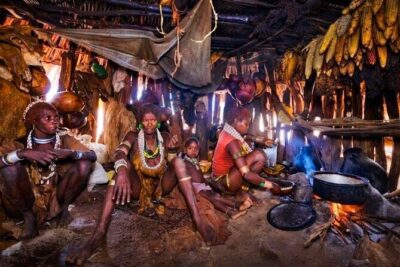
The event is not guaranteed, and that uncertainty should be part of your planning. A village visit is not a lesser substitute. Hamer women are known for decorated goat skins, beaded necklaces, bracelets, and waistbands, while the broader encounter offers a chance to learn about family life, ceremony, and status.
The day is physically and mentally full. You will want water, snacks, sun protection, and patience. Since the tour includes private transport, you can at least discuss rest stops and pacing with your driver.
Omorate and the Dassanech clans
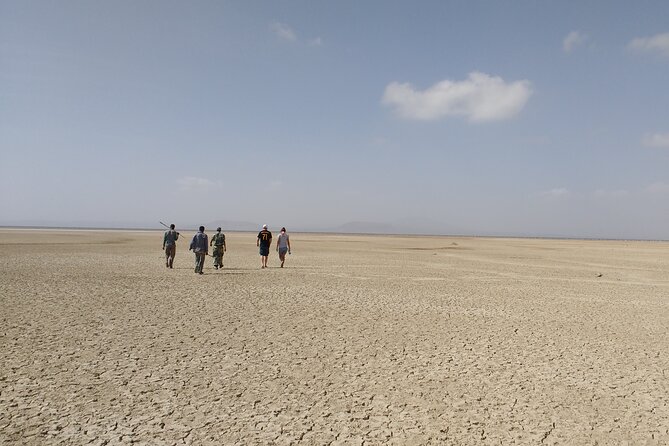
The following day reaches Omorate, near the Omo River, for a visit with the Dassanech people. The Dassanech are made up of several groups absorbed over time rather than one narrowly defined ethnic line.
Their society is divided into eight main clans. Each clan is associated with special powers involving subjects such as water, crocodiles, snakes, disease, drought, eye infections, scorpion bites, and muscular problems. Members of the same clan cannot marry or dance together, an unusual social rule that gives the visit a clear cultural focus.
Beads and bracelets are worn by both men and women. As with the Mursi visit, the best approach is respectful curiosity. Listen carefully, let your guide handle introductions, and ask about photography before raising your camera.
The afternoon returns to Hamer country. You may see the bull-jumping ceremony if you missed it the day before, or visit a Hamer village if you already witnessed the event. The second night in Turmi prevents this section from becoming a rushed single-day dash, although the schedule remains long at around ten hours.
The return route uses lakes and open country
Day 8 is mostly a six-hour drive back to Arba Minch. It may feel like a quiet day after the intense southern visits, but the return route is necessary and allows you to see the countryside from a different direction.
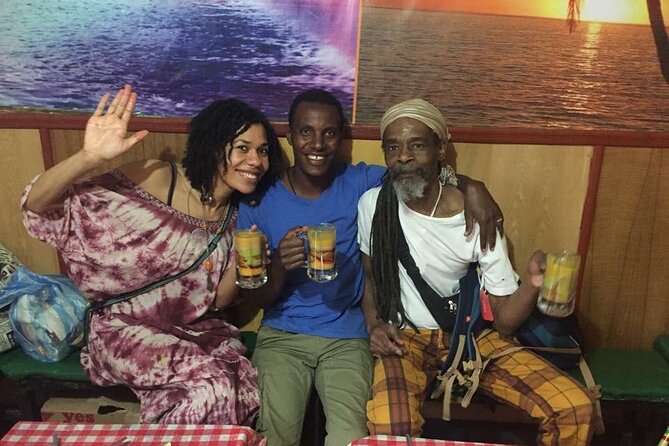
Day 9 continues north to Hawassa, also called Awasa. The road passes through productive farmland, with villagers often selling seasonal fruit along the roadside. Hawassa is a pleasant lakeside stop, and sunset over the water can provide one of the trip’s calmer moments.
The final morning begins at Hawassa’s fish market. This one-hour visit gives you a look at a working local economy rather than a staged cultural performance. Afterward, the road continues toward Addis Ababa with a stop at Abiyata-Shala National Park.
At Lake Abijatta, flocks of up to 50,000 flamingos may gather. The number is seasonal and sightings can vary, but the stop adds another wildlife element to a trip already featuring crocodiles and hippos.
The final event is dinner at Yod Abyssinia Traditional Restaurant in Addis Ababa. You can sample Ethiopian dishes while watching dances from different parts of the country. It is a polished finish after many rural visits, and a good place to enjoy a broad taste of the country’s music, food, and regional traditions.
What the $2,336.51 price gets you
At $2,336.51 per person, this is not a budget overland trip. The price makes more sense if you value private transportation, a dedicated guide and driver, several admission tickets, and a route that covers a large part of southern Ethiopia in ten days.
The value also comes from the range of experiences packed into the route. You receive city history, ancient archaeology, religious sites, wildlife, village visits, craft demonstrations, markets, UNESCO sites, and a cultural dinner. Recreating that combination independently would require arranging transport, local contacts, park visits, and timing around markets and ceremonies.
Meals need careful checking. Breakfast, lunch, and dinner are listed with optional markings, while water and soft drinks with meals are included and alcoholic drinks are not. Ask exactly which meals are covered in your booking and budget for anything extra.
The strongest service praise has focused on Biruk Chiksa’s customer care and broad grasp of Ethiopian history, culture, birds, and animals. Werku Argaw is also named as the driver. That combination matters on a route where good explanations and steady road support can make long transfers far easier.
Who should book this southern Ethiopia route?
I would recommend it to you if you want a private, tightly organized introduction to the Omo Valley and do not mind long road days. It suits people who care about cultural context, enjoy meeting craftspeople and community members, and want more than a standard wildlife itinerary.
You should think twice if you dislike rough travel, early starts, repeated six-hour drives, or uncertain scheduling. The Mursi, Hamer, and Dassanech visits also call for maturity and respect. You are seeing real communities with their own customs, not a series of performances arranged solely for tourists.
A moderate level of fitness is advised. Pickup is offered, the tour is private, and your group will be the only group taking part. Cancellation is allowed for a full refund up to three full days before the start time, subject to the stated local-time cutoff and minimum-group requirement.
Should you book it?
Book this tour if you want the Omo Valley’s major cultural encounters combined with Ethiopia’s lakes, wildlife, and UNESCO sites in one private journey. The route is ambitious, but that ambition is its main strength.
Do not book it expecting a relaxed holiday. Choose it for the chance to try spinning in a Dorze village, study Konso terraces, see crocodiles on Lake Chamo, visit a Hamer community, and finish with Ethiopian food and dance. If those experiences matter more to you than comfort and short transfers, the price can represent solid value.
FAQ
How long is the tour?
The experience lasts approximately 10 days, beginning and ending in Addis Ababa.
Where does the tour begin?
The listed starting point is Venture Ethiopia, 2QJ3+3J6, Addis Ababa, Ethiopia. Pickup is offered.
What time does the tour start?
The stated start time is 12:00 pm.
Is transportation private?
Yes. Private transportation is included, and only your group takes part in the activity.
Which communities will I visit?
The route includes visits connected with the Dorze, Ari, Mursi, Bana, Hamer, Dassanach, and Tsemay peoples.
Are meals included?
Breakfast, lunch, and dinner are listed as optional inclusions. Water and soft drinks with meals are included, while alcoholic drinks are not. Confirm the meal details when booking.
Will I see a Hamer bull-jumping ceremony?
You may see one if the timing is fortunate. The schedule includes a Hamer village visit when a ceremony is not available.
What level of fitness is required?
A moderate physical fitness level is recommended. The schedule also includes several long drives, including days listed at roughly six to twelve hours.
Can I cancel for a full refund?
Yes, if you cancel at least three full days before the experience start time. Cancellations or changes made less than three full days in advance are not accepted for a refund.
Just added in Addis Ababa
- Yod Abyssinia Cultural Night: Dinner, Music, and Dance★ 5.0 · 7 reviews
- Addis Ababa City Tours Full-Day Tours★ 5.0 · 5 reviews
- Locally crafted beer and wine tasting and nightlife in Addis tour★ 5.0 · 6 reviews
- Unique Ethiopian Cooking Class and Coffee Ceremony with a Local in Addis Ababa★ 4.5 · 7 reviews
- Stunning Views Wonchi Crater Lake a Private Day Trip★ 5.0 · 3 reviews
- .2- Days and 1 Night Tour To Awash National Park water falls★ 5.0 · 1 review
- Visiting the wonders of Lalibela in Three (3) days and Two ( 2) nights★ 5.0 · 2 reviews
- Two days Lake Wenchi and Menagesha Forest★ 5.0 · 1 review
Omo Valley Tribal Tours, compared.
6 Days Omo Valley Tribes Tours From Addis Ababa
Read our review →
Lalibela, Axum, Danakil and Omo Valley 8 DAYS
Read our review →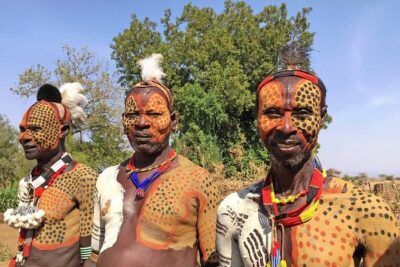


9 Days Tours To Danakil Depression, Simen MNP, Lalibela With Omo Valley Tribes
Read our review →
5 Day Private tour to the Omo Valley Tribes and Adventure Tour
Read our review →Browse the lists this tour appears in