
Reviewed · 4-DAY EXPERIENCES
Arba Minch, Dorze Tribe, Konso, and Awasa Private 4 Days Tour from Addis Ababa
Southern Ethiopia rewards curious visitors. This four-day route links ancient stone markers, highland villages, Rift Valley lakes, and living cultural traditions in one busy trip. The experience costs $1,285 per private group of up to six, with an air-conditioned Toyota minivan, English-speaking guide, local guides, bottled water, snacks, and a coffee ceremony included.
I like the private format, which gives your group more freedom than a large bus tour, and I like the mix of major sights and ordinary local life, from the Awasa fish market to the Dorze enset kitchen. The main drawback is the pace: you cover a lot of ground in four days, and you must arrange and pay for hotels, meals, and drinks separately.
Guide Muluken receives especially warm praise for his clear English, humor, care, and strong site knowledge. Drivers Belay and Fitsum are also singled out for safe driving and comfortable vehicles, useful reassurance on a route with long road days.
In This Review
- Five reasons this southern Ethiopia tour is worth considering
- What the $1,285 group price really covers
- Day one: Tiya, Butajira, and the Rift Valley road
- Day two: Konso stone terraces and clan traditions
- Day three: Dorze bamboo houses and enset cooking
- Day four: fish, wildlife, and three Rift Valley lakes
- The guide and driver can shape the whole experience
- Practical preparation for a smoother trip
- Is this four-day tour a good buy?
- FAQ
- How long is the tour?
- Where does the tour begin?
- How many people can join the private tour?
- Is accommodation included?
- Are meals included?
- Is an English-speaking guide provided?
- Is the Ethiopian coffee ceremony included?
- What should I expect during the rainy season?
- Can I cancel for a full refund?
Five reasons this southern Ethiopia tour is worth considering
- Tiya’s carved grave markers offer a compact UNESCO visit with about 40 stones dating to the 14th century.
- Konso combines scenery and culture, with stone terraces, fortified villages, ceremonial structures, a museum, and a meeting with the King of Konso.
- The Dorze visit is hands-on, showing bamboo houses and food made from false banana tree roots.
- Awasa adds everyday Ethiopian life, especially at the lakeside fish market and sunset shore.
- The private vehicle matters, since the route includes long drives, changing elevations, and several stops where timing can be adjusted.
- The package gives good group value, but only if your party can share the $1,285 cost and handle separate hotel and meal bills.
What the $1,285 group price really covers
The price is for the whole group, not each person, and the maximum group size is six. That makes the cost much more attractive for four to six people. For two people, the per-person figure becomes much higher, so the value depends heavily on your group size.
You receive a private air-conditioned Toyota minivan fitted with seat belts. A professional English-speaking guide accompanies you, and local guides are included at selected cultural sites. Bottled water and local snacks in the car are practical touches on long drives, where a quick drink or bite can save time.
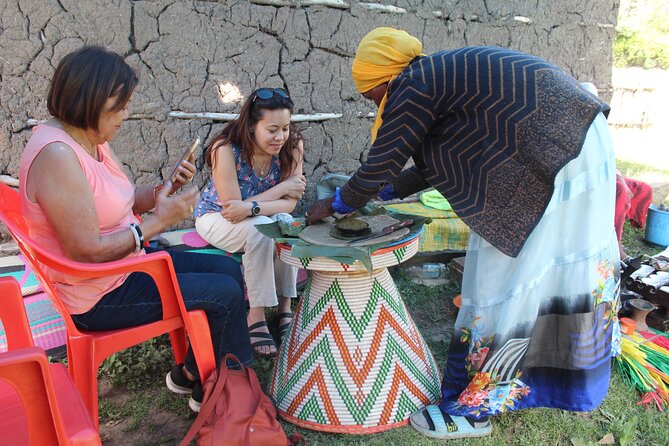
The Ethiopian coffee ceremony is another welcome inclusion. Coffee is not just a beverage here. The ceremony gives you a chance to pause, watch a familiar daily custom presented with care, and connect with the social side of the country.
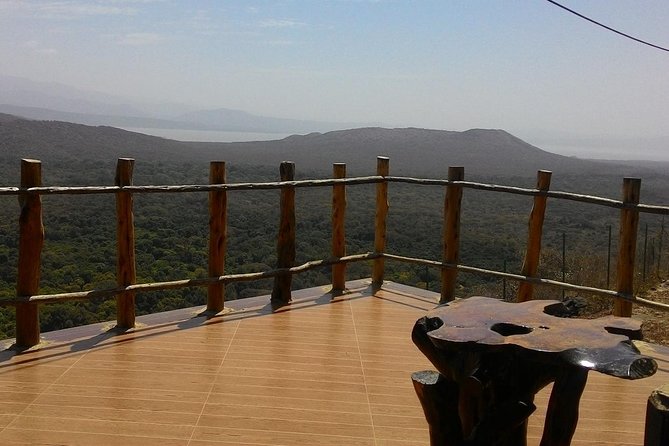
The price does not cover accommodation, meals, or drinks. That is important because the four days involve overnight stays in Arba Minch and Awasa. Suggested properties include Paradise Lodge and Haile Resort in Arba Minch, plus Lewi Resort and Haile Resort in Awasa. You need to book hotels before booking the tour, so check room availability first.
Admission is also not uniform at every stop. Some visits have no separate fee, while Tiya, Dorze Village, the Awassa fish market, and Abiyatta Shalla National Park list admission as extra. Ask for the current entrance costs when arranging the trip so your budget is not caught short.
A few more options to weigh up in Addis Ababa
- Full Day Tour of Addis Ababa with Hotel Pickup and Drop-off
★ 5.0 · 430 reviews - Taste of Ethiopia
★ 5.0 · 406 reviews - Day Trip From Addis Ababa See Historical Monastery,Stunning Nature,Animals,Birds
★ 5.0 · 303 reviews
Day one: Tiya, Butajira, and the Rift Valley road
The first day moves south from Addis Ababa toward Tiya, a UNESCO World Heritage Site known for its carved stone grave markers. About 40 steles are spread across the site, many marked with symbols and designs whose meanings remain part of the fascination.
You have about 45 minutes here. That is enough for an introduction and photographs, but not a long archaeological study. A local guide can help you notice the carvings instead of treating the stop as a quick collection of stones. Admission is not included, so carry some cash for the site fee.
After Tiya, the route continues to Butajira for lunch. This is a useful break rather than a major sightseeing stop. The schedule allows about two hours in the area, including a pass by Crater Lake Hare Sheitan, also called Devil’s Lake.
The road then reaches outlooks over the Ethiopian section of the Great East African Rift Valley. These viewpoints are among the most rewarding parts of the first day because they let you see the scale of the route. You are not simply moving between attractions. You are crossing a dramatic geological corridor of lakes, escarpments, and open country.
The limitation is time on the road. You should expect the first day to feel like a transport day with several worthwhile stops, not a slow village walk. The private vehicle helps because your guide can make the day feel less rigid, but the total distance still shapes the experience.
Day two: Konso stone terraces and clan traditions
Day two is devoted to Konso, one of the strongest cultural portions of the trip. The Konso Cultural Landscape is a UNESCO World Heritage Site, known for carefully built stone terraces, fortified villages, ceremonial wooden structures, and distinctive clothing.
The Konso people are also known for traditional masks, shields, feathers, and colorful woven cotton garments. The important point is that this is not a display built only for visitors. The villages and farming terraces form part of a working cultural setting, and the stone construction shows how people have adapted to difficult terrain.
You have roughly four hours for the Konso excursion. That gives you time to walk through a village and see the large stone fences that protect and define the settlement. The architecture is memorable because it combines practical defense, farming needs, and community identity.
A local guide is particularly useful here. Customs and symbols can be easy to misunderstand if you only look at the buildings. Your guide can explain the role of the villages, the clan system, and the ceremonial features without reducing the visit to a photo stop.
The route also includes a meeting with the King of Konso, described as the authority responsible for governing the nine Konso clans. This is one of the tour’s most unusual planned encounters. Keep your expectations sensible: the value is in learning about the traditional leadership structure, not in treating the meeting as a staged royal spectacle.
Two hours are set aside for the Konso Museum. That extra time gives the visit more depth. After walking through villages and terraces, museum displays can help connect what you saw with Konso history, beliefs, clothing, and social organization.
Konso is a highlight, but it is also a long day. The roads and distances mean you should be comfortable with extended time in the minivan. Wear shoes suitable for walking on uneven ground, and bring sun protection. The tour requires a moderate fitness level, and the village visit is more rewarding when you are ready to walk rather than remain beside the vehicle.
Day three: Dorze bamboo houses and enset cooking
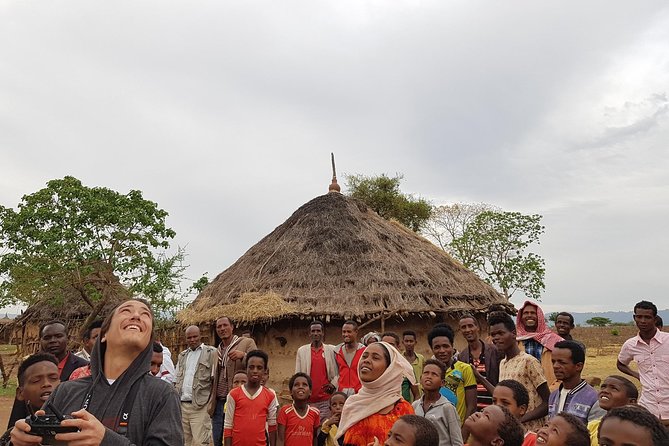
After breakfast, you drive about an hour to Chencha for a visit to a Dorze village. The Dorze are especially known for their tall bamboo houses, often compared in shape to large woven structures. The design is practical as well as striking, and seeing one in person gives you a better sense of how local materials shape daily life.
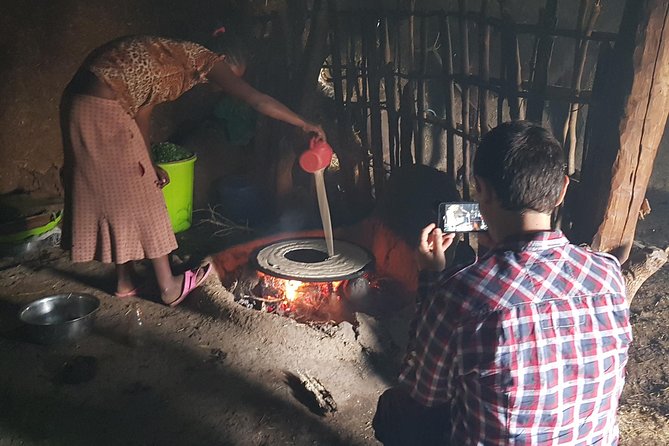
The visit lasts around three hours. You learn how the Dorze prepare bread and porridge from enset, the false banana tree. Enset is central to the food culture described here, and the cooking demonstration gives the stop a direct, useful quality. You are not only looking at houses or clothing. You are seeing how food, farming, and household life fit together.
The Dorze visit lists admission as extra. A local guide is valuable, especially if you want to ask questions about the house design and the enset preparation. The visit is cultural, not a museum exhibit, so respectful behavior matters. Ask before photographing people, homes, or ceremonies.
After Chencha, the route heads north toward Awasa, passing Alaba villages along the way. Lunch takes place around Shashemene, a town with an important connection to Rastafarian history.
The Jamaican Rastafarian community and its church provide a different kind of cultural stop. You learn about the religious and historical background of Rastafarianism and the presence of Jamaican expatriates in Ethiopia. This portion may be especially meaningful if you are interested in modern African history, religion, migration, and the symbolic role Ethiopia holds within Rastafarian thought.
The visit is scheduled for about two hours and has no listed admission fee. Still, it is worth approaching with care. You are visiting a living community, not simply checking off a landmark. Listen closely, follow local guidance, and avoid turning a religious site into a quick photo opportunity.
The day ends at Lake Awassa, where you can walk beside the shore and watch the sunset. One hour is allotted, which should be enough for a calm stroll and photographs if the timing works. The lake gives the day a welcome change of mood after several hours in the car.
A completely different kind of day:
- Addis Ababa: Debre Libanos, Blue Nile Gorge, and Cave Tour
★ 4.5 · 256 reviews - Addis Ababa Guided City Tour With Airport & Hotel Pick Up
★ 5.0 · 237 reviews - Breathtaking Nature, Wildlife and Cave Church Tour – Free Pickups
★ 5.0 · 225 reviews - Full-Day Private City Tour of Addis Ababa
★ 5.0 · 147 reviews
Day four: fish, wildlife, and three Rift Valley lakes
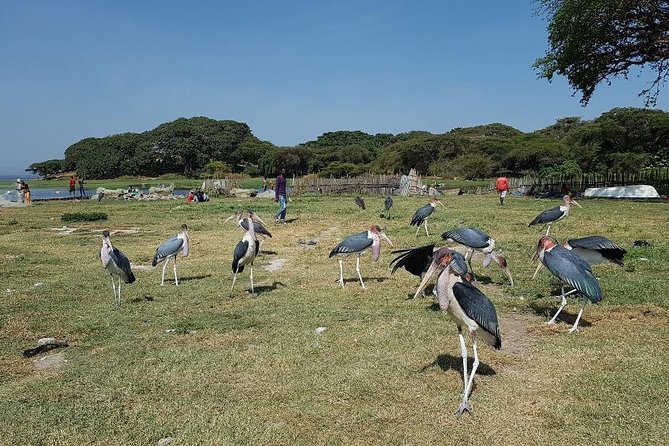
The final day begins at the fish market beside Lake Awassa. This is one of the most grounded stops on the route. You see local fishers collect their catch with nets, clean the fish by hand, and eat fresh fish for breakfast.
The market visit lasts about an hour, and admission is not included. Go early, as the attraction is the working morning activity rather than a formal exhibit. Expect a practical scene with fish preparation and local commerce. If you prefer polished sightseeing, this may feel rough around the edges. If you want to see how people use the lake as part of daily life, it is a strong stop.
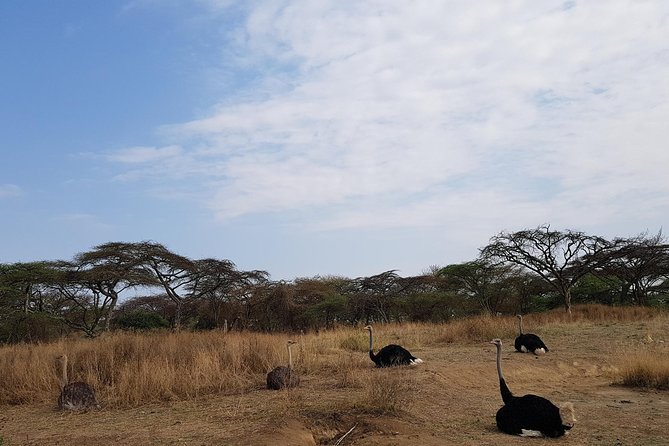
From Awasa, the route continues to Abiyatta Shalla National Park. The schedule allows about an hour for a gentle walking tour. You may see gazelles, warthogs, and ostriches, then stop at a viewpoint over Lake Abiyatta and Lake Shalla.
Wildlife sightings are never guaranteed, so treat the park as a chance to see open Rift Valley scenery and possible animals rather than a safari with fixed results. Admission is not included. Comfortable shoes are important, even though the walk is described as gentle.
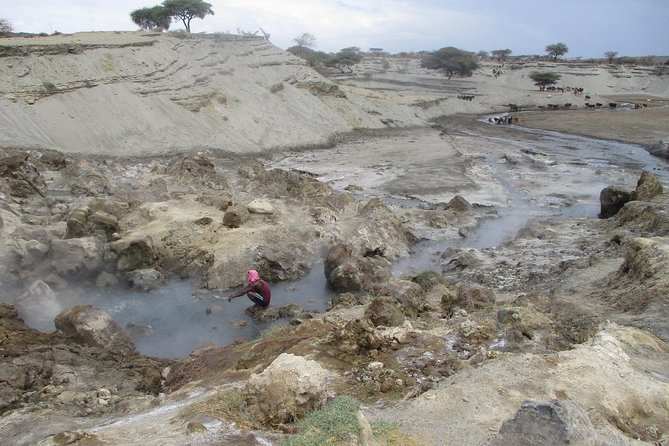
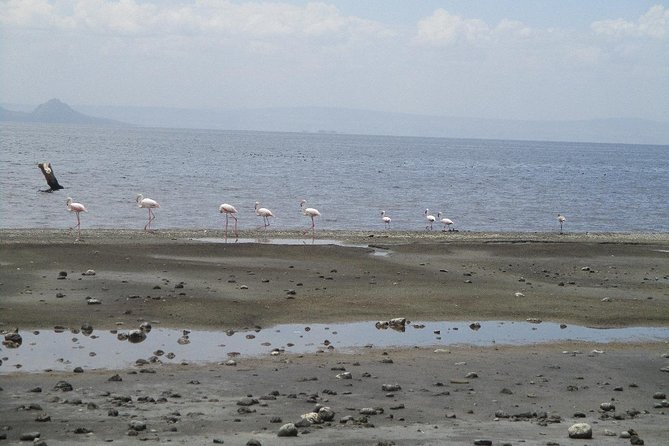
The lake views are a major reason to include the park. Abiyatta and Shalla sit within a broad, dry setting that contrasts with the greener highland areas around Chencha. The viewpoint also gives you a final look at the volcanic and geological character of the region.
The route then passes Lake Langano for lunch. The supplied trip details describe Langano as the only Ethiopian Rift Valley Lake free from bilharziasis and safe for swimming. If swimming is part of your plan, confirm conditions and local guidance on the day, but the stop is also useful simply for lunch beside the water.
On the journey back to Addis Ababa, you stop at Lake Ziway and one of the crater lakes near Bishoftu. Lake Ziway adds another water setting to a trip already shaped by lakes, while the Bishoftu stop provides a final look at the crater-lake country before Addis Ababa.
The last day packs several stops into the return drive. That makes it varied, but it may also be tiring. If you have an evening flight from Addis Ababa, allow extra time and confirm the expected arrival schedule before booking one.
The guide and driver can shape the whole experience
The strongest personal praise connected with this operator centers on the people leading the trip. Muluken is described as an excellent English speaker with humor, strong site knowledge, and a calm manner. He is also credited with answering questions and helping groups feel comfortable and safe.
Drivers Belay and Fitsum are named for safe driving and good care of their groups. On a four-day southern route, that matters. A good driver affects your comfort, the sense of security on the road, and how much energy you have left when you reach a village or viewpoint.
Because this is a private tour, only your group takes part. You can ask for more time at a site, within the limits of the day, or keep moving if a stop is not holding your interest. Still, private does not mean leisurely. The route has fixed distances, and the guide cannot remove the long drives between regions.
Practical preparation for a smoother trip
Book your hotels before confirming the tour. Paradise Lodge and Haile Resort in Arba Minch, along with Lewi Resort and Haile Resort in Awasa, are suggested options, but accommodation is not part of the price.
Pack light, breathable clothing, walking shoes, sun protection, and a layer for cooler highland areas. June, July, and August are the rainy season, so bring rain protection and footwear that can handle wet ground.
The tour requires moderate physical fitness. You should be ready for village walks, a gentle national park walk, uneven surfaces, and long periods seated in the minivan. Bottled water and local snacks are supplied, but meals and drinks are your responsibility.
Dress respectfully at cultural and religious locations. The additional guidance specifically says women should cover their hair when visiting Adadi Mariam Rock Church. That church is not listed among the main stops here, so confirm whether it has been added to your route. Carrying a light scarf is a sensible precaution.
You can cancel for a full refund if you do so at least 24 hours before the start time. Changes or cancellations made inside that window are not accepted for a refund.
Is this four-day tour a good buy?
Book it if you want a wide cultural sampler of southern Ethiopia and prefer a private vehicle with an English-speaking guide. It suits a small group that values local encounters, UNESCO sites, Rift Valley scenery, and a flexible pace within a demanding route.
Think twice if you want long stays in each village, relaxed meals, or a wildlife-focused trip. Four days is enough to see a lot, but not enough to explore every stop slowly. The price is strongest for a group of four to six, and you should add hotel, food, drink, and entrance costs before judging the final budget.
For the right group, the combination of Konso, Dorze, Awasa, Tiya, and the Rift Valley makes this an efficient way to see several very different sides of Ethiopia. The guide and driver service may be the deciding factor, since their care and explanations help turn a busy road journey into a meaningful trip.
FAQ
How long is the tour?
The tour lasts approximately four days.
Where does the tour begin?
It begins in Addis Ababa, Ethiopia, with pickup offered.
How many people can join the private tour?
The price covers one private group of up to six people.
Is accommodation included?
No. You must arrange and pay for your own accommodation. Suggested hotels include Paradise Lodge and Haile Resort in Arba Minch, and Lewi Resort and Haile Resort in Awasa.
Are meals included?
No. Meals and drinks are not included. Bottled water and local snacks in the vehicle are included.
Is an English-speaking guide provided?
Yes. A professional English-speaking guide and local guides at selected sites are included.
Is the Ethiopian coffee ceremony included?
Yes. Attendance at an Ethiopian coffee ceremony and the coffee are included.
What should I expect during the rainy season?
June, July, and August are the rainy season. You should prepare your clothing and footwear for wet conditions.
Can I cancel for a full refund?
Yes. You can receive a full refund if you cancel at least 24 hours before the experience start time. Cancellations or changes made less than 24 hours before the start time are not refunded.
Just added in Addis Ababa
- Yod Abyssinia Cultural Night: Dinner, Music, and Dance★ 5.0 · 7 reviews
- Addis Ababa City Tours Full-Day Tours★ 5.0 · 5 reviews
- Locally crafted beer and wine tasting and nightlife in Addis tour★ 5.0 · 6 reviews
- Unique Ethiopian Cooking Class and Coffee Ceremony with a Local in Addis Ababa★ 4.5 · 7 reviews
- Stunning Views Wonchi Crater Lake a Private Day Trip★ 5.0 · 3 reviews
- Visiting the wonders of Lalibela in Three (3) days and Two ( 2) nights★ 5.0 · 2 reviews
- .2- Days and 1 Night Tour To Awash National Park water falls★ 5.0 · 1 review
- Two days Lake Wenchi and Menagesha Forest★ 5.0 · 1 review
4-Day Experiences, compared.
4-Day Tour: Tigray Churches & Danakil Depression Adventure.
Read our review →
4 days semien mountain national park trekking,
Read our review →

4 Days Trekking to Simien Mountain National Park
Read our review →
Trekking in Ethiopia’s Lalibela Wollo Highland 4 Days / 3 Nights
Read our review →
Browse the lists this tour appears in