
Reviewed · CITY TOURS
Addis Ababa: City Walking Tour with Hotel Pickup
Addis Ababa reveals itself one street at a time. This five-hour walking tour links old railway history, royal symbols, religious sites, local shopping, and high mountain views, giving you a useful first look at Ethiopia’s capital. I especially like the small group size of eight and the chance to visit Mercato with a guide rather than trying to make sense of it alone.
I also like the local flavor: lunch at a neighborhood restaurant, simple Amharic words, and contact with people along the route. The main consideration is pace. Five hours covers a lot, and the walking, busy market, and climb toward Entoto may feel demanding if you want a slow, quiet outing.
In This Review
- Key points at a glance
- A useful first look at Addis Ababa
- Legehar Railway Station and the road to Djibouti
- The Lion of Judah and Ethiopia’s royal memory
- Entoto Mountain and the high view over Addis
- Lunch, Amharic words, and a taste of ordinary Addis
- Mercato Market, where Addis gets loud and practical
- Grand Anwar Mosque in the heart of Mercato
- Tiglachin Monument and the city’s political layers
- How much value do you get for $50?
- The guide can shape the whole experience
- Who should book this Addis Ababa walking tour?
- Should you book it?
- FAQ
- How long does the Addis Ababa walking tour last?
- Is hotel pickup included?
- What language does the guide speak?
- How many people are in the group?
- Is lunch included in the price?
- Which major sites are included?
- Can I cancel the tour?
Key points at a glance
- Legehar Railway Station: See the French-style terminal that once linked Addis Ababa with Djibouti.
- Lion of Judah: Learn how a royal monument survived the political changes of modern Ethiopia.
- Mercato Market: Walk through Africa’s largest open-air market, with coffee and farm goods among its main products.
- Grand Anwar Mosque: Visit one of Addis Ababa’s oldest and largest mosques in the heart of Mercato.
- Entoto Mountain: Reach about 3,400 meters for broad views over the capital and nearby countryside.
- Local contact: Practice a few Amharic words, eat at a local restaurant, and keep cash handy for food or purchases.
A useful first look at Addis Ababa
I see this tour as an orientation day rather than a gentle sightseeing stroll. You move between several parts of the city, and each stop adds a different piece to the story: transport, monarchy, religion, commerce, and the highland setting.
Hotel pickup keeps the morning simple. You wait in your hotel lobby about 10 minutes before the agreed time, and the guide contacts you on WhatsApp when arriving. After pickup, the tour lasts about five hours and returns you to Addis Ababa.
The group is limited to eight people, which matters in a city where narrow streets and crowded market lanes can make a large party awkward. A small group also gives you a better chance to ask about what you are seeing, practice Amharic, or request a little more time at a stop.
The tour is in English. Food and drinks are not included, so bring cash. Comfortable shoes are essential, and a camera makes sense for the railway station, monuments, market scenes, and views from Entoto.
More walking tours in Addis Ababa:
- Walking Tour of Addis Abeba – Discover Addis the Authentic way
★ 5.0 · 26 reviews - Addis Ababa: City Highlights Walking Tour
★ 5.0 · 1 review - Walking tours
★ 5.0 · 11 reviews
Legehar Railway Station and the road to Djibouti
The first major stop is Legehar, Addis Ababa’s old railway station. Completed in 1917, it was the terminal for the metre-gauge Ethio-Djibouti Railway, which connected the capital with the port at Djibouti.
The building’s French style reflects the nationality of the people who built it. That detail gives the stop more weight than a quick photo opportunity. The station helps you picture an earlier Addis Ababa, when the railway was the main route bringing people and goods into the capital.
The old metre-gauge railway is no longer in regular operation. It was largely replaced by the standard-gauge Addis Ababa to Djibouti Railway, completed in 2017, with the newer station located outside the city center.
I like this stop because it explains why Addis developed where it did and how strongly the capital has long been tied to trade beyond Ethiopia’s borders. The drawback is that the old station is not an active transport hub, so you should approach it as a historic site, not as a working railway attraction.
The Lion of Judah and Ethiopia’s royal memory

From Legehar, the tour continues to the Lion of Judah monument near the railway station and at the end of Churchill Avenue. The gilded bronze lion sits on a black granite pedestal decorated with relief portraits of Menelik II, Haile Selassie, Empress Zewditu, and Ras Makonnen Wolde Mikael.
The monument was created by French sculptor Georges Gardet for the coronation of Emperor Haile Selassie on November 2, 1930. Its design is formal and royal, but the monument’s later story is just as important as its appearance.
After the 1974 revolution, the Derg regime considered removing it because of its connection with the monarchy. Arbegnoch veterans argued that the monument also represented Ethiopia’s antifascist resistance and national identity. It remained in place.
That political background gives your guide plenty to explain. You are not just looking at a lion. You are looking at an object that passed through imperial rule, revolution, and arguments over what national symbols should mean.
The tour information also notes another monument commissioned by Haile Selassie in 1954 from sculptor Maurice Calka, near the National Bank of Ethiopia and the National Theater. Your guide may use this detail to place the Lion of Judah within the wider collection of public monuments in central Addis Ababa.
Entoto Mountain and the high view over Addis
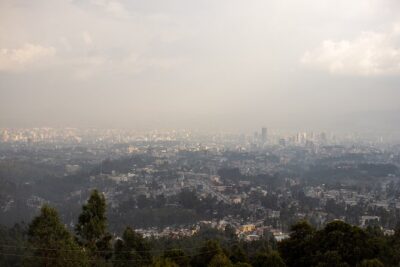
Entoto Mountain reaches about 3,400 meters and was the permanent camp and palace site of the former Emperor Menelik II. The mountain stop changes the mood of the tour. After central streets and market lanes, you get open views over Addis Ababa and the surrounding countryside.
I consider Entoto one of the strongest parts of the day because it gives you a sense of the city’s setting. Addis is not simply a flat urban spread. Its high-altitude position and surrounding hills help explain the climate, the views, and the way the capital expands across uneven ground.
There is a practical point here: 3,400 meters is high. The tour data does not promise a strenuous mountain hike, but the itinerary includes walking and hiking, so you should wear proper shoes and pace yourself. If you are sensitive to altitude, the elevation is worth considering before booking.
The visit is listed as Mount Entoto and Entoto Park. The exact amount of time at the site can vary, so I would treat the stop as a scenic and historical visit rather than a separate full-day mountain outing.
More city tours in Addis Ababa:
- Addis Ababa Guided City Tour With Airport & Hotel Pick Up
★ 5.0 · 237 reviews - Full-Day Private City Tour of Addis Ababa
★ 5.0 · 147 reviews - Addis Ababa Authentic Private City Tour
★ 5.0 · 134 reviews - Authentic Addis Ababa City Tour with a Local Guide
★ 4.9 · 109 reviews
Lunch, Amharic words, and a taste of ordinary Addis

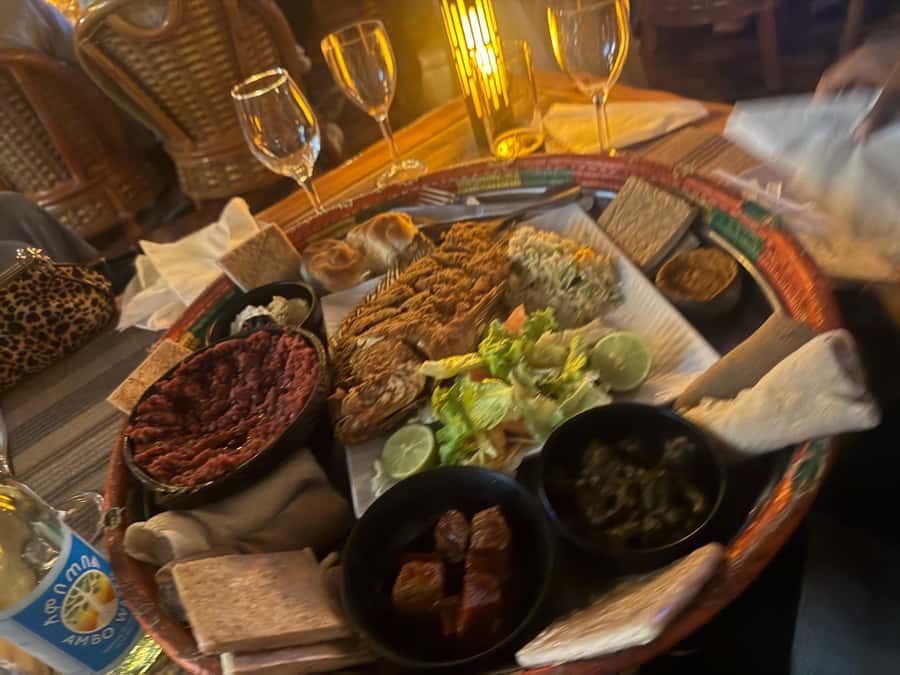
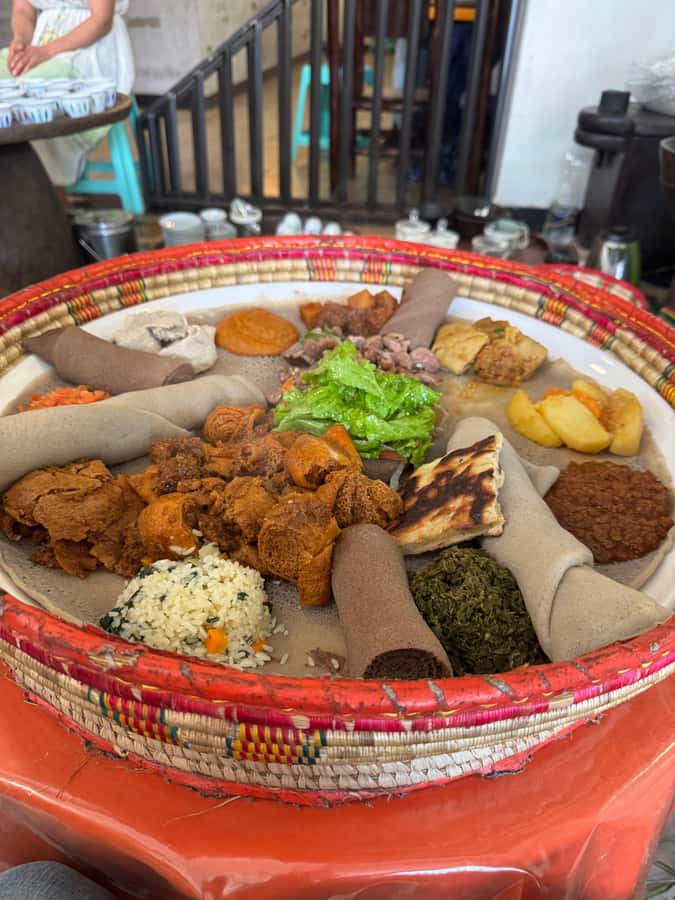
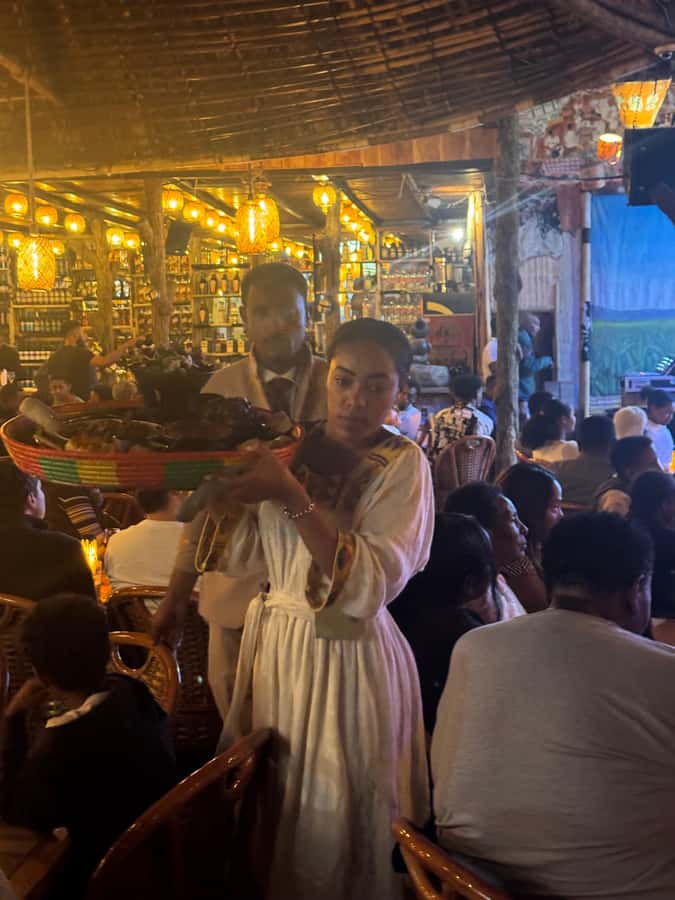
A lunch break at a local restaurant is included in the route, but the cost of food and drinks is not included in the $50 tour price. You can choose from a range of Ethiopian dishes, and you should tell the organizer about allergies in advance.
This is a useful part of the day because food gives you an easy way to connect the sites. You have seen the railway as a trade route and Mercato as a center of commerce. A local meal adds a personal side to that picture.
Your guide can also teach you several popular Amharic words. That may sound small, but even a few words can change how you approach a market or greet someone. The tour encourages you to practice with people at the stops, including Mercato.
I would not expect a formal language lesson. Think of it as a friendly introduction that helps you take part rather than simply watch. Bring cash for the meal, optional snacks, and any small purchases.
Mercato Market, where Addis gets loud and practical
Mercato is the tour’s busiest stop. It is described as Africa’s largest open-air market, covering several square miles and involving an estimated 13,000 people across 7,100 business entities.
Those numbers explain why a guide is useful. Mercato is not one tidy hall with clearly marked aisles. It is a broad commercial district with many kinds of goods and constant movement. The market’s main trade includes locally grown agricultural products, especially coffee.
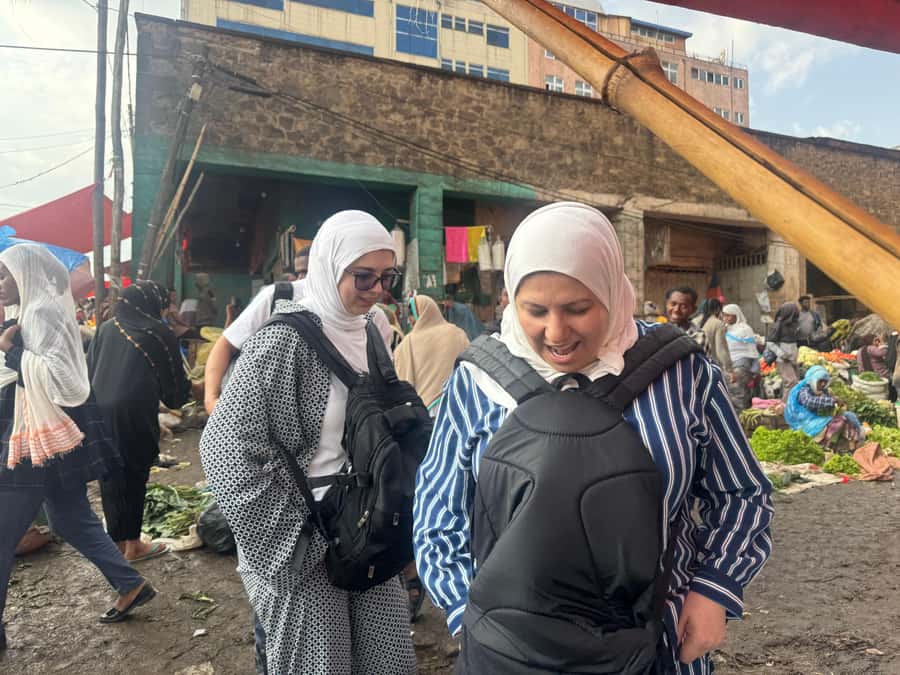
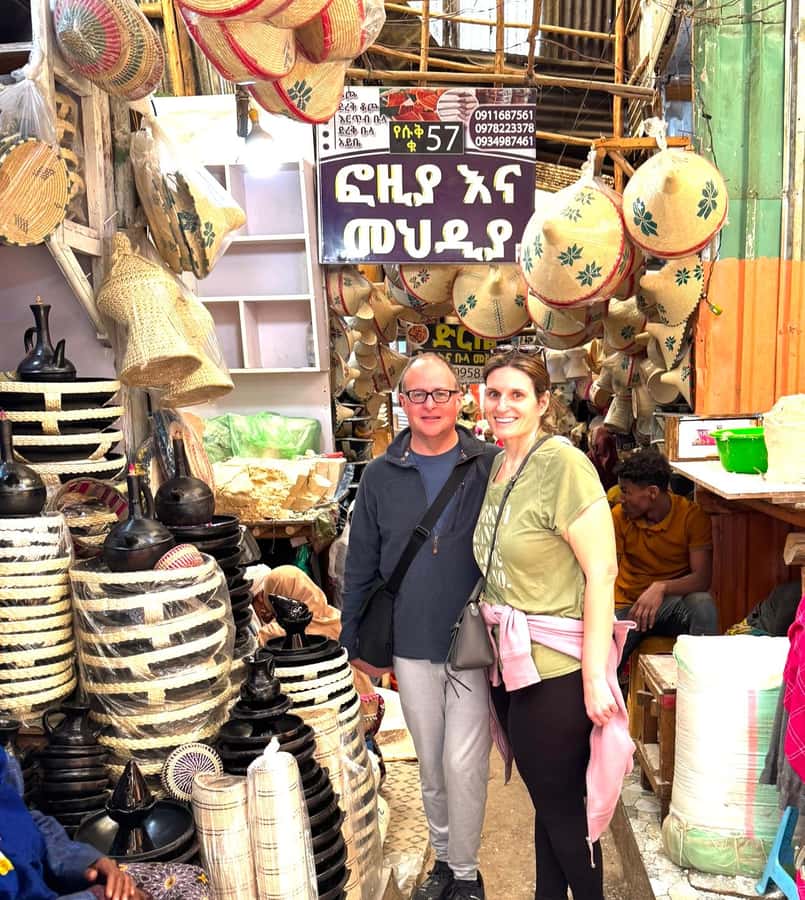
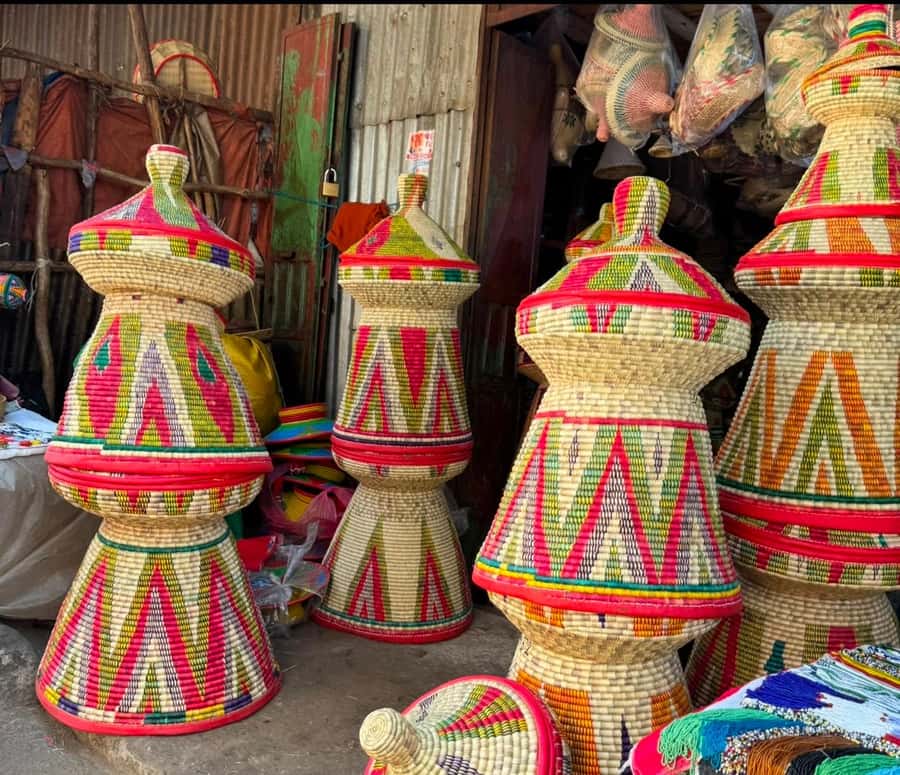
Expect this to be a walking and watching experience, with opportunities for shopping and street food. You may find arts and crafts, food stalls, and local products as you move through different sections. The itinerary also allows free time, but the guide remains important for keeping the visit manageable.
You should keep your belongings secure and carry only the cash you need. That is basic advice for any large market, not a warning about this tour specifically. Comfortable shoes matter here more than at the monument stops, since the market is likely to be the most active part of the walk.
Mercato can feel intense. If you want polished displays and quiet browsing, this may not be your favorite stop. If you want to see how people buy, sell, work, and move through the city, it is likely to be the most revealing.
Grand Anwar Mosque in the heart of Mercato
The Grand Anwar Mosque is in the Arada district, within Mercato. It was built by the Italian government around 1922 and is one of the oldest and largest mosques in Addis Ababa.
Its white and green architecture gives the market area a clear visual landmark. The mosque also adds a religious and cultural dimension to a route that could otherwise focus too heavily on commerce and royal history.
The supplied details explain that the Italians left the mosque unfinished and that Muslims continued the work. That gives the building a connection to both the period of Italian occupation and the city’s Muslim community.
As with any religious site, follow your guide’s instructions about appropriate behavior and access. The tour promises a visit, but it does not specify interior access or a guided religious presentation. I would enjoy the architecture and the setting while keeping expectations sensible.
Tiglachin Monument and the city’s political layers
The Tiglachin Monument is also included. It is another reminder that Addis Ababa’s public spaces carry political meaning, not just decoration.
The available details do not provide a full explanation of the monument or a precise amount of time there. Your guide can place it within the route and explain its modern relevance as you move between the central city, Mercato, and Entoto.
This is one reason a live guide adds value. A self-guided walk might let you photograph the monument, but it would be harder to connect it with the city’s changing governments, national symbols, and public memory.
How much value do you get for $50?
At $50 per person, this is not simply a transfer with a few photo stops. The price covers hotel pickup, an English-speaking guide, a five-hour route, and a small group capped at eight people.
Food and drinks are extra, so the real cost is slightly higher if you buy lunch, coffee, snacks, or market goods. Still, the value is reasonable if you want several major sites in one half-day and prefer not to organize the route yourself.
The strongest value comes from the guide’s interpretation. Legehar, the Lion of Judah, Grand Anwar Mosque, and Tiglachin can all be visited as separate points, but the tour links them into a story about Addis Ababa. Mercato is the place where a guide may be most useful, while Entoto gives you the wider view needed to understand the capital’s setting.
The price may feel less attractive if you only want a short walk or a quiet museum visit. This is a packed city introduction, not a relaxed café-and-photographs afternoon.
The guide can shape the whole experience
The guide is central to this tour. You are not only being shown locations. You are being asked to learn a few Amharic expressions, speak with people along the way, and understand why each stop matters.
Yonas received especially warm praise for helping create a close connection with local culture and traditions. That feedback also describes him as an excellent guide and friend, which suggests that his friendly approach is a major part of the experience when he leads the outing.
Guide assignments can vary, so I would not assume Yonas will lead every departure. Still, the point is useful: this tour works best when you take part. Ask questions, try the language practice, and let the guide explain what you are seeing rather than treating the day as a simple checklist.
Who should book this Addis Ababa walking tour?
I would recommend it to first-time visitors who want a broad introduction to the capital in limited time. It also suits people who enjoy markets, public monuments, local food, and city walks more than formal museum programs.
It is a good match if you want:
- A five-hour introduction with hotel pickup
- A small group rather than a large coach outing
- Central Addis Ababa, Mercato, and Entoto in one route
- Help understanding local history and public symbols
- A chance to practice basic Amharic words
- Time for shopping, food, and street scenes
I would think twice if you dislike crowds, need a slow pace, or want every stop to have a long formal presentation. The route includes a large market, walking, a high-altitude mountain stop, and extra costs for food and drinks.
Book at least 24 hours ahead if your schedule is uncertain, since free cancellation is available up to that point. You can also reserve now and pay later, which helps if you are still arranging your Addis Ababa plans.
Should you book it?
Book this tour if you want the real working city rather than a polished collection of isolated sights. The old railway station, Lion of Judah, Grand Anwar Mosque, Mercato, Tiglachin Monument, and Entoto each show a different side of Addis Ababa.
The best reason to go is the combination: history in the morning, local commerce, religious architecture, Ethiopian food, Amharic practice, and mountain views before returning to the city. The main caution is the full five-hour pace and the fact that lunch, drinks, and purchases cost extra.
For a first day in Addis Ababa, I think the $50 price offers solid value, especially with a small group and hotel pickup. Bring cash, wear comfortable shoes, keep an open mind at Mercato, and be ready to participate.
FAQ
How long does the Addis Ababa walking tour last?
The tour lasts five hours, including hotel pickup and return to Addis Ababa.
Is hotel pickup included?
Yes. Pickup is included from your hotel in Addis Ababa. You should wait in the hotel lobby 10 minutes before the scheduled pickup, and the guide will notify you on WhatsApp.
What language does the guide speak?
The live guide speaks English.
How many people are in the group?
The tour is offered as a small-group experience with a maximum of eight participants.
Is lunch included in the price?
No. Food and drinks are not included. A lunch stop at a local restaurant is planned, and you should bring cash.
Which major sites are included?
The route includes Legehar Railway Station, the Lion of Judah monument, Mercato Market, the Grand Anwar Mosque, the Tiglachin Monument, and Mount Entoto.
Can I cancel the tour?
Yes. You can cancel up to 24 hours in advance for a full refund. You can also reserve your place and pay later.
Just added in Addis Ababa
- Yod Abyssinia Cultural Night: Dinner, Music, and Dance★ 5.0 · 7 reviews
- Addis Ababa City Tours Full-Day Tours★ 5.0 · 5 reviews
- Locally crafted beer and wine tasting and nightlife in Addis tour★ 5.0 · 6 reviews
- Unique Ethiopian Cooking Class and Coffee Ceremony with a Local in Addis Ababa★ 4.5 · 7 reviews
- Stunning Views Wonchi Crater Lake a Private Day Trip★ 5.0 · 3 reviews
- .2- Days and 1 Night Tour To Awash National Park water falls★ 5.0 · 1 review
- Visiting the wonders of Lalibela in Three (3) days and Two ( 2) nights★ 5.0 · 2 reviews
- Two days Lake Wenchi and Menagesha Forest★ 5.0 · 1 review
City Tours, compared.
Addis Ababa Guided City Tour With Airport & Hotel Pick Up
Read our review →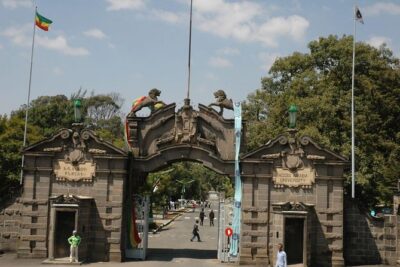

Authentic Addis Ababa City Tour with a Local Guide
Read our review →

Addis Ababa City Tours Full Day With Hotel Pickup And Drop Off.
Read our review →Browse the lists this tour appears in