
Reviewed · 2-DAY EXPERIENCES
2 Days Ethiopian Rift Valley Lakes Tour from Addis Ababa
Ethiopia opens up quickly. This private two-day trip links Tiya’s carved stone grave markers, Rift Valley lakes, wildlife, archaeology, and home-based coffee culture in one well-planned route from Addis Ababa. I especially like the private vehicle and English-speaking guide, which give you room to stop for photos, fruit, villages, and questions. The Ethiopian coffee ceremony is another strong point, since it brings you into a local setting rather than leaving culture at the roadside.
The main drawback is the pace. You cover a lot of ground in only two days, and the price of $845.39 per group does not include accommodation, meals, or entrance fees. For a solo visitor, that can feel costly. For a family or small group of up to six, the price becomes much easier to justify.
In This Review
- What makes this two-day route special
- From Addis Ababa to Tiya’s carved stones
- Butajira viewpoints and a Silte village
- Lake Ziway’s birds and possible hippos
- Melka Kunture and the story of early humans
- Lake Awassa at sunset
- Amora Gedel fish market on Lake Awassa
- Abiyatta-Shalla’s wildlife and hot springs
- Shashemene and Ethiopia’s Rastafarian connection
- Bishoftu and the Ethiopian coffee ceremony
- The vehicle, guide, and pace
- Is $845.39 a fair group price?
- Practical advice before you go
- Should you book this Rift Valley tour?
- FAQ
- How long does the tour last?
- Is the tour private?
- What vehicle is provided?
- Are meals and accommodation included?
- Are entrance fees included?
- What happens during the coffee ceremony?
What makes this two-day route special
- Tiya’s ancient stone markers: See carved grave steles dating from roughly the 12th to 14th centuries.
- Lake wildlife: Look for pelicans, Marabou storks, fish eagles, sacred ibises, hammerkops, hippos, and lowland birds.
- Lake Awassa at street level: Visit the Amora Gedel fish market, where fresh tilapia draws both people and birds.
- Human origins at Melka Kunture: View stone tools, fossilized footprints, and an open-air butchery site dating back hundreds of thousands of years.
- Local cultural encounters: Visit a Silte village, learn about the Rastafarian community at Shashemene, and join an Oromo coffee ceremony.
- A genuinely private format: Your group travels alone, with an air-conditioned Toyota Corolla or minivan and an English-speaking guide.
From Addis Ababa to Tiya’s carved stones
The first day moves south from Addis Ababa toward the Great East African Rift Valley. Tiya is an important early stop because it gives you a direct look at Ethiopia’s ancient past without requiring a long museum visit.
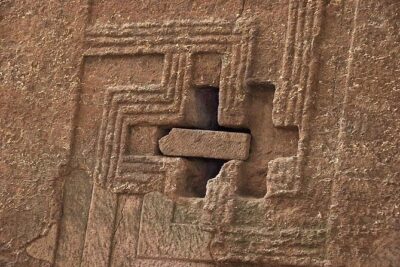
The site contains tall stone markers carved with symbols and shapes. They were erected between the 12th and 14th centuries in honor of important local warriors and leaders. A guided visit lasts about an hour, which is enough time to walk among the stones, hear the basic archaeological story, and look closely at the carvings.
Entrance is not included, so keep some cash available for site fees. The exact amount is not provided, and admission costs can change.
Tiya is best for anyone who enjoys places that make you stop and ask questions. The stones do not explain themselves. Your guide helps connect the markings with burial customs, local power, and the wider past of southern Ethiopia.
A few more options to weigh up in Addis Ababa
- Full Day Tour of Addis Ababa with Hotel Pickup and Drop-off
★ 5.0 · 430 reviews - Taste of Ethiopia
★ 5.0 · 406 reviews - Day Trip From Addis Ababa See Historical Monastery,Stunning Nature,Animals,Birds
★ 5.0 · 303 reviews
Butajira viewpoints and a Silte village
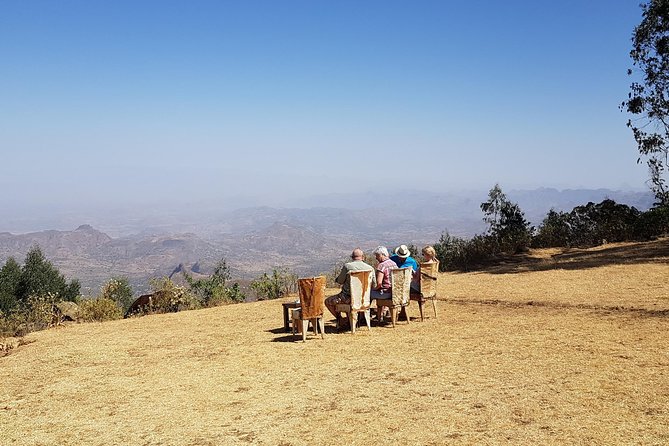
The route continues through the Butajira area, with stops at viewpoints over the Ethiopian section of the Great Rift Valley. This is a good place to slow down. The road journey is long, and a few short photo stops break up the drive.
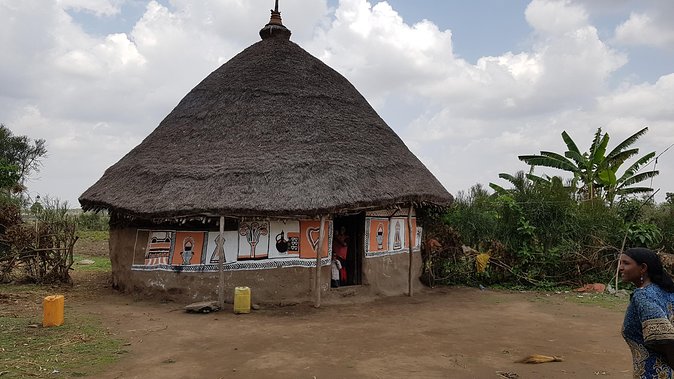
You will also visit a village of the Silte people for a cultural encounter. This part is less polished than a staged cultural show, which is exactly its value. You may see a slice of everyday community life and have a chance to ask your guide about local customs.
Keep your expectations sensible. The visit is scheduled for about an hour, so it is not a full-day cultural program. Still, it adds human context to the scenery. You are not only looking at hills and lakes through a vehicle window.
Lake Ziway’s birds and possible hippos
At Lake Ziway, you walk along the shore to look for lowland water birds. The bird list is impressive: great white pelicans, Marabou storks, African fish eagles, sacred ibises, and hammerkops are all possible sightings.
Families of hippos may also appear, but they are not guaranteed. That matters. Wildlife viewing depends on weather, timing, water conditions, and simple luck. You should treat the hippos as a welcome bonus, not a promised performance.
The lake stop lasts about an hour and includes admission. Bring binoculars if you have them, though the tour does not list them as provided. Comfortable walking shoes help, since the bird viewing takes place by the shore rather than from a formal viewing platform.
The birdlife is one of the best reasons to choose this route. You get a different side of Ethiopia from the churches and archaeological sites, and the guide can help you identify what you see.
Melka Kunture and the story of early humans
The schedule also includes Melka Kunture, an archaeological site beside the Awash River. In about 40 minutes, you visit the museum and learn about a human story reaching back 1.8 million years.
The collection includes stone tools associated with Homo erectus, fossilized footprints, and evidence from an open-air butchery site dating to about 800,000 years ago. That is a remarkable amount of time compressed into a short stop.
Melka Kunture is a good fit if you like archaeology, geology, or human evolution. The short visit may feel rushed for specialists, but it gives most people a clear and memorable introduction.
Admission is not included. You should also ask your guide how Melka Kunture fits into the day’s driving plan, since the route includes several stops and a long journey toward Lake Awassa.
A completely different kind of day:
- Addis Ababa: Debre Libanos, Blue Nile Gorge, and Cave Tour
★ 4.5 · 256 reviews - Addis Ababa Guided City Tour With Airport & Hotel Pick Up
★ 5.0 · 237 reviews - Breathtaking Nature, Wildlife and Cave Church Tour – Free Pickups
★ 5.0 · 225 reviews - Full-Day Private City Tour of Addis Ababa
★ 5.0 · 147 reviews
Lake Awassa at sunset
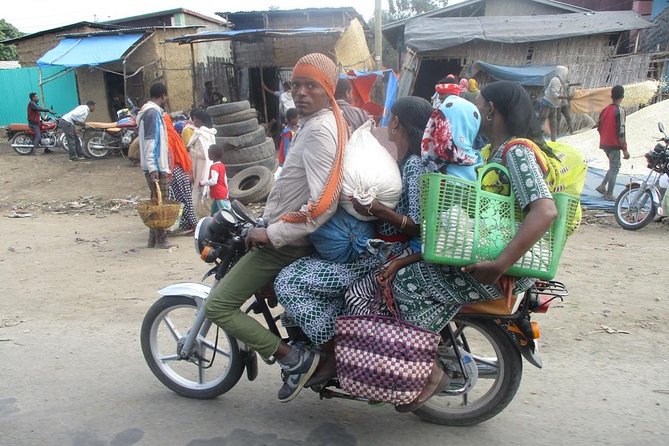
After the Lake Ziway area, the route drives about 115 kilometers south to Lake Awassa. If the weather cooperates, you may watch the sun set over the lake.
This is one of the quieter parts of the trip. After archaeological sites, viewpoints, village visits, and bird watching, the lake gives you time to simply look. Sunset is weather dependent, so do not judge the experience by whether the sky produces a perfect show.
Accommodation is not included. You will need to arrange your own lodging, although the operator can help book it if needed. Ask about the overnight plan before departure, especially if you want to stay close to the lake or prefer a certain standard of room.
Amora Gedel fish market on Lake Awassa
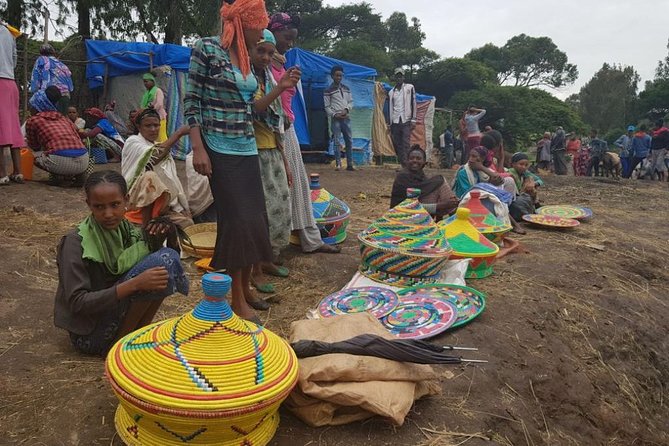
Day two begins at Amora Gedel, on the shore of Lake Awassa. This is one of the most memorable stops because it brings you into a working local food scene.
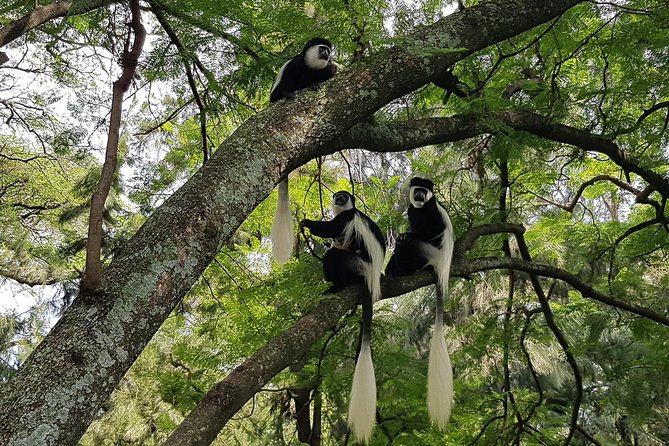
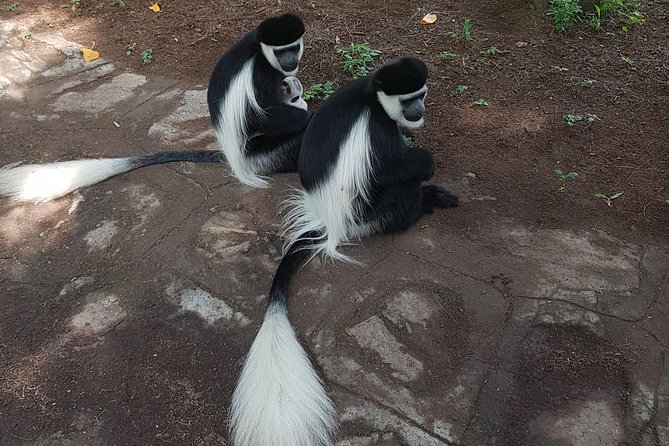
People come for breakfast made with fresh tilapia, while birds gather for fish scraps. You may see birds at close range and, if conditions are right, the black-and-white colobus monkey, also called the colobus monkey.
The visit lasts about two hours and includes admission. It is a better choice for curious eaters and photographers than for anyone who wants a quiet morning by the water. The market is active and practical, not arranged as a museum display.
Meals are not included, so ask your guide what you can buy at Amora Gedel and how payment works. The tour specifically notes fresh fish as part of the local morning scene, but you should decide for yourself what you want to eat.
Abiyatta-Shalla’s wildlife and hot springs
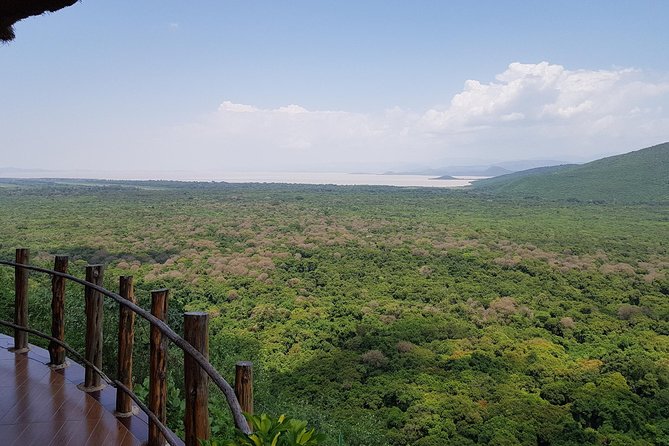
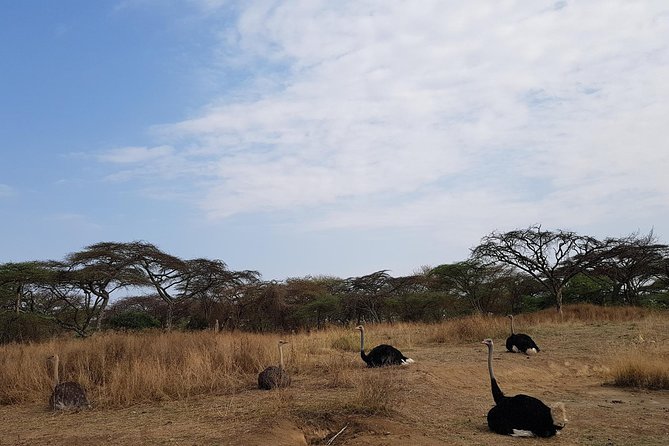
From Awassa, you head north toward Abiyatta-Shalla Lakes National Park. A walk of about half an hour gives you a chance to see ostriches, gazelles, warthogs, and more lowland bird species.
The park is one of the trip’s strongest wildlife stops, but it is not a safari with guaranteed sightings. The walk is short, and conditions can change. Your park scout and guide help you make the most of the time available.
If the weather is suitable, particularly from September through June, the route may continue to natural hot springs. Local people use the water for relief from skin diseases. This is a useful example of how the tour connects natural features with local life, rather than treating the springs as only a photo stop.
Entrance fees are not included. The rainy season runs from June to mid-September, so pack for wet conditions if you travel then. Roads, walking surfaces, and visibility may be affected by rain.
Shashemene and Ethiopia’s Rastafarian connection
The stop at Shashemene lasts about an hour and focuses on the Jamaican Rastafarian community. You learn about Rastafarian beliefs and their connection with Emperor Haile Selassie I.
This is a valuable cultural stop because it challenges the idea that Ethiopian history only matters within Ethiopia. The connection between Haile Selassie and Rastafarian identity has drawn people from Jamaica and elsewhere to Shashemene.
Your guide is important here. The subject involves religion, politics, identity, and Ethiopia’s modern past. Previous trips have been led by guides including Muluken, Biruk, and Teddy, all praised for making the route personal and easy to manage. If you book, ask who will guide your group and request extra explanation at Shashemene if this topic interests you.
Bishoftu and the Ethiopian coffee ceremony
The final stop is Bishoftu, also known as Debre Ziet, where you pause at one of the area’s crater lakes. The setting is scenic, and the stop gives you a final change of pace after the park and Shashemene.
You then visit an Oromo village for a traditional Ethiopian coffee ceremony. This is not just a quick cup served in the vehicle. It is a home-based cultural experience with local people, and it gives you time to see how hospitality works in an Ethiopian setting.
Coffee ceremonies can be among the most meaningful parts of a short Ethiopia visit because they create space for conversation. You are encouraged to ask questions through your guide and to take the moment slowly. The ceremony is included, and admission to the village visit is listed as free.
The route also mentions Adadi Mariam, a rock-hewn church, in the overall description. However, the detailed day-by-day schedule does not place it among the listed stops. Confirm before booking if seeing Adadi Mariam is essential to you. Women visiting the church are expected to dress fully and cover their hair.
The vehicle, guide, and pace
Transportation is by an insured private Toyota Corolla for one or two people, or a minivan with air conditioning, seat belts, and room for a group of up to six. Bottled water and fuel are included.
The private setup is a real advantage. You do not have to wait for strangers, and you can ask to stop for a photograph, fruit, or a short break. One previous solo itinerary included airport pickup and extra help getting around Addis Ababa, but you should confirm any airport transfer directly because it is not clearly listed among the standard inclusions.
The road days are busy. You will spend substantial time driving between sites, and the schedule combines archaeology, wildlife, villages, markets, and lakes. I would not choose this tour if you want long, unstructured time at one lake.
I would choose it if you have only two days and want a broad first look at southern Ethiopia. The route gives you several separate themes instead of repeating the same type of attraction.
Is $845.39 a fair group price?
The listed cost is $845.39 for a private group of up to six. That works out to about $141 per person if six people share the vehicle, before meals, lodging, and entrance fees. For two people, the same total is about $423 per person, and for a solo visitor, the value is harder to defend.
The price includes a private vehicle, fuel, bottled water, an English-speaking guide, local family visits, the coffee ceremony, onsite guides, and park scouts. Those inclusions matter because this is not simply a driver and a route map. You are paying for coordination across several different sites and for local interpretation.
Budget for accommodation, food, and admission charges. Because the total extra cost is not specified, ask for a current estimate before you commit. Families and small groups will usually get the best value from the fixed group price.
Practical advice before you go
Pack light but prepare for varied conditions. Bring comfortable walking shoes, sun protection, a light rain layer during the June to mid-September rainy season, and cash for entrance fees and personal purchases.
Use modest clothing at religious sites. At Adadi Mariam, women are expected to cover their hair and dress fully. Ask about photography rules before taking pictures of people, especially during village and market visits.
Wildlife is never guaranteed. Early attention, patience, and a good guide improve your chances, but ostriches, hippos, colobus monkeys, and birds may not appear on cue.
The tour allows most people to participate, but you should be comfortable with walking at lakes, parks, villages, and archaeological sites. Tell the operator about mobility concerns before booking so the route can be discussed clearly.
Free cancellation is available up to 24 hours before the start time. Changes made within 24 hours are not accepted, and the amount paid is not refunded for a late cancellation.
Should you book this Rift Valley tour?
Book it if you want a wide sample of Ethiopia in two days, especially if you are traveling with family or friends who can share the group price. You get archaeology, birdlife, lake communities, early human remains, Rastafarian history, Oromo hospitality, and a coffee ceremony without arranging separate transport for each stop.
I would be more cautious as a solo visitor, unless convenience and a private guide matter more to you than cost. The long drives and extra fees also mean you should confirm the overnight hotel, current entrance prices, meal arrangements, and whether Adadi Mariam is included in your exact departure.
For a first short trip beyond Addis Ababa, this is an ambitious and rewarding route. Its best moments come from the mix: a carved stone at Tiya, a fish market at Awassa, a bird over Lake Ziway, and coffee served in an Oromo home.
FAQ
How long does the tour last?
The tour lasts approximately two days and begins from Addis Ababa.
Is the tour private?
Yes. Only your group participates in the activity.
What vehicle is provided?
One or two people travel in a private Toyota Corolla. Larger groups use a minivan. The vehicle has air conditioning, seat belts, and insurance.
Are meals and accommodation included?
No. Meals and accommodation are not included. The operator can help arrange accommodation if needed.
Are entrance fees included?
Some stops list admission as included, but entrance fees are generally excluded from the tour price. Tiya, Melka Kunture, and Abiyatta-Shalla National Park specifically list admission as not included.
What happens during the coffee ceremony?
You visit an Oromo village and take part in a traditional Ethiopian coffee ceremony with local people. The ceremony is included in the tour.
Just added in Addis Ababa
- Yod Abyssinia Cultural Night: Dinner, Music, and Dance★ 5.0 · 7 reviews
- Addis Ababa City Tours Full-Day Tours★ 5.0 · 5 reviews
- Locally crafted beer and wine tasting and nightlife in Addis tour★ 5.0 · 6 reviews
- Unique Ethiopian Cooking Class and Coffee Ceremony with a Local in Addis Ababa★ 4.5 · 7 reviews
- Stunning Views Wonchi Crater Lake a Private Day Trip★ 5.0 · 3 reviews
- .2- Days and 1 Night Tour To Awash National Park water falls★ 5.0 · 1 review
- Visiting the wonders of Lalibela in Three (3) days and Two ( 2) nights★ 5.0 · 2 reviews
- Two days Lake Wenchi and Menagesha Forest★ 5.0 · 1 review
2-Day Experiences, compared.
2 Days 1 night tour to Lalibela Rock-hewn churches
Read our review →
Browse the lists this tour appears in