
Reviewed · ETHIOPIAN MONASTERIES
2 days Addis Ababa + Monastery, Baboons & Portuguese bridge
Two days, two very different Ethiopias. This tour pairs Addis Ababa’s museums, churches, markets, and coffee culture with the mountain roads and dramatic gorge scenery north of the capital. I especially like the chance to see Lucy at the National Museum and the easy, flexible guiding style praised by Jano from Slovakia, who traveled with guide Yonas.
I also like that the tour includes both city landmarks and a full-day outing to Debre Libanos and the Portuguese Bridge. The main drawback is the pace: 110 kilometers to Debre Libanos, a monastery visit, a gorge viewpoint, and a short hike make Day 2 a long road day. Entrance fees beyond the National Museum and Mount Entoto view are also extra.
In This Review
- Key points to know before booking
- What this two-day Ethiopia tour actually covers
- Day 1: Lucy, churches, coffee, and the capital
- Starting at the National Museum of Ethiopia
- Holy Trinity Cathedral and the tombs of Haile Selassie
- The Ethnological Museum inside Addis Ababa University
- Coffee at old Tomoka
- Shiro Meda and Addis Mercato
- Mount Entoto at sunset
- Dinner with music and dance
- Day 2: Debre Libanos and the Blue Nile Gorge
- The early drive north
- Debre Libanos Monastery
- Baboons and the Portuguese Bridge
- Guide quality, group size, and transport
- What the $166 price includes, and what it does not
- Who should book this experience?
- Should you book it?
- FAQ
- How long is the tour?
- What language is the tour conducted in?
- How many people can join the group?
- Is pickup included?
- Is the National Museum entrance fee included?
- Is the Mount Entoto visit included?
- Is food included?
- Is the tour suitable for children?
- Is the tour suitable for wheelchair users?
Key points to know before booking

- Lucy gives the Addis Ababa museum visit real purpose: The National Museum displays the famous 3.2-million-year-old fossil remains.
- Yonas is praised for flexibility: One verified booking review describes him as attentive to changing needs and walking pace.
- Debre Libanos adds a quieter religious setting: The 13th-century monastery offers a sharp contrast to the capital.
- The Portuguese Bridge brings the big scenery: You can look into the Blue Nile Gorge and take a short walk toward the river.
- Coffee is part of the welcome: The package includes a tasting at old Tomoka, one of Addis Ababa’s noted coffee stops.
- Small groups help: The tour is limited to eight people, with pickup from a hotel or Bole International Airport.
What this two-day Ethiopia tour actually covers
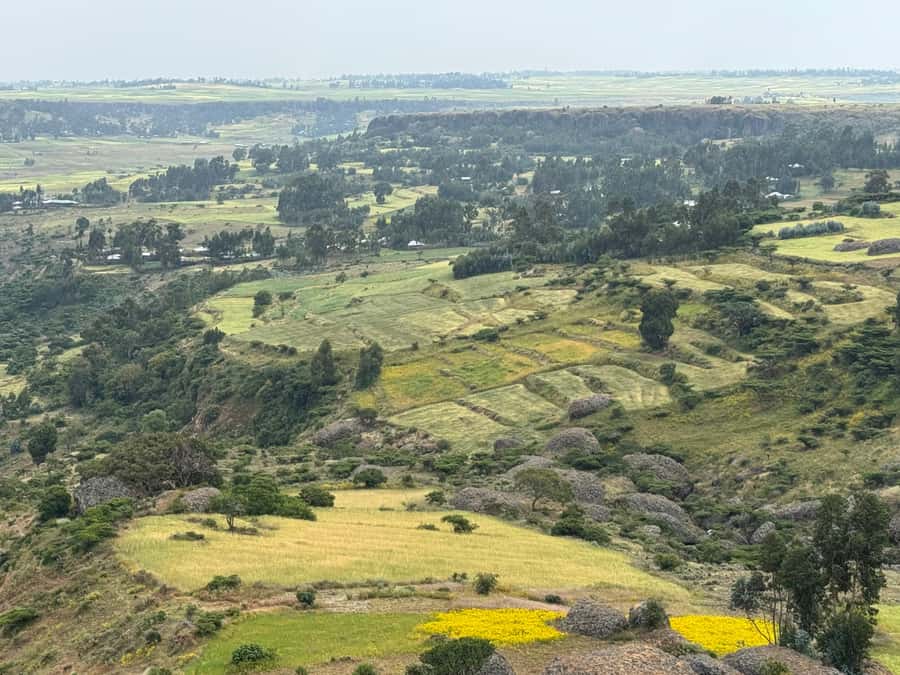
The experience is built as a compact introduction to Addis Ababa and the area north of the city. Day 1 stays mostly in the capital, with museums, churches, markets, coffee, a traditional meal, and a sunset view from Mount Entoto.
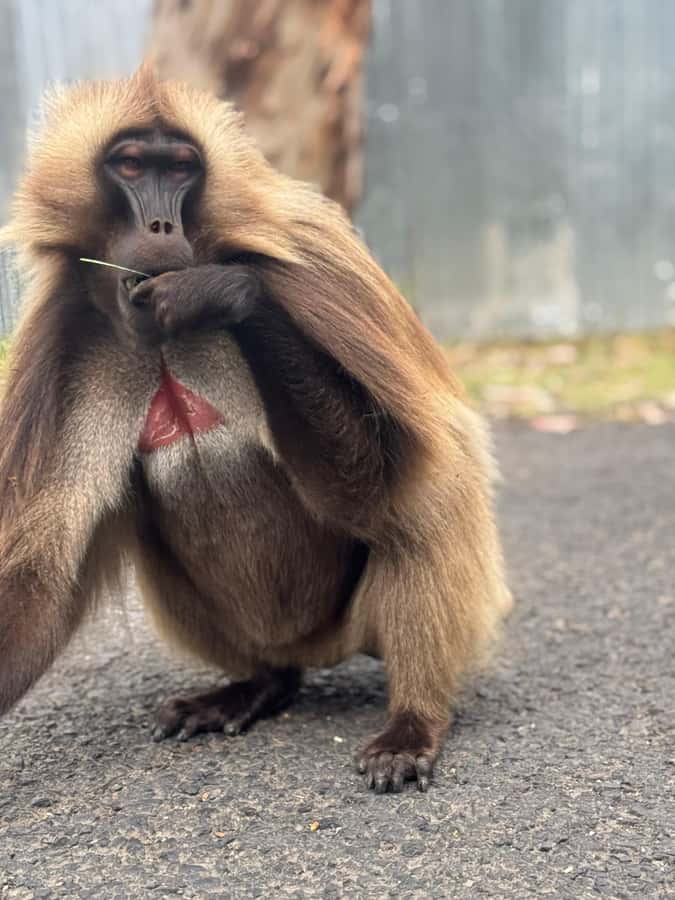
Day 2 leaves the city early for Debre Libanos, roughly 110 kilometers north. The program then continues to the Portuguese Bridge over the Blue Nile Gorge, with time for a short hike toward the river. The title also refers to baboons, but the detailed schedule does not give a separate baboon stop or guarantee a sighting, so I would treat that as a possible part of the route rather than a promise.
The tour costs $166 per person. That price includes transport, fuel surcharge, an English-speaking driver-guide, city transfers, bottled water, some visits, a traditional Ethiopian lunch, and government taxes. It does not include most attraction entrance fees, dinner at the cultural show, or personal expenses. The value is strongest if you want one booking to handle transport and guiding across both the capital and the countryside.
More monastery visits in Addis Ababa:
- Day Trip From Addis Ababa See Historical Monastery,Stunning Nature,Animals,Birds
★ 5.0 · 303 reviews - Debre Libanos Monastery and Jemma River Gorge – Day Tour from Addis Ababa
★ 5.0 · 20 reviews - DAY TRIP TO Debre Libanos Monastery Cave Church Nature and Wildlife
★ 4.5 · 12 reviews
Day 1: Lucy, churches, coffee, and the capital
Starting at the National Museum of Ethiopia
The National Museum is the right first stop because it gives you context before the rest of the city unfolds. Its most famous display is Lucy, the fossil remains of a 3.2-million-year-old human ancestor. Seeing Lucy in person helps place Ethiopia in the much larger story of human origins.
The museum visit is included, which improves the tour’s value. You should still expect other entrance fees during the day, since only the National Museum and the Mount Entoto panoramic views are specifically covered. Ask your guide which sites require payment before you arrive, so your budget does not receive a surprise.
Holy Trinity Cathedral and the tombs of Haile Selassie
Holy Trinity Cathedral is one of Addis Ababa’s key religious sites. The church contains the tombs of Emperor Haile Selassie and other prominent figures, giving the stop both architectural and historical importance.
This is not simply a quick photo stop. The cathedral connects Ethiopia’s religious life with its imperial past. Your guide can help explain what you are seeing, but remember that this remains an active place of worship. Dress and behave respectfully, and expect the visit to feel more reflective than the open-air market stops later in the day.
More trips to Debre Libanos:
- Addis Ababa: Debre Libanos, Blue Nile Gorge, and Cave Tour
★ 4.5 · 256 reviews - Day Trip From Addis Ababa To Debre Libanos & Portuguese Bridge
★ 4.5 · 64 reviews - Day trip Debre Libanos, Bule nile George &Portugal Bridge
★ 4.4 · 25 reviews - Escape From Addis – Day Trip To Debre Libanos And The Portuguese Bridge
★ 5.0 · 16 reviews
The Ethnological Museum inside Addis Ababa University
The Ethnological Museum focuses on Ethiopia’s many peoples and traditions. Exhibits include traditional objects, art, and displays about ethnic groups, making this a useful companion to the National Museum.
I like the pairing. The National Museum focuses on human origins and national archaeology, while the Ethnological Museum gives you a closer look at daily life, customs, and material culture. Together, they make the city tour more than a string of famous names.
The information does not specify that admission here is included, so plan for a possible extra charge. Your guide can also adjust the itinerary around your interests, which is useful if you prefer cultural exhibits to shopping.
Coffee at old Tomoka
Coffee tasting at old Tomoka is one of the most distinctive inclusions. Ethiopia is strongly associated with coffee, and a stop at a long-established local coffee house gives you a small but meaningful connection to that part of the country.
This is a good place to slow down. After museums and a cathedral, coffee offers a simple break before the next part of the city tour. The tasting is included, but any additional purchases should be treated as your own expense.
Shiro Meda and Addis Mercato
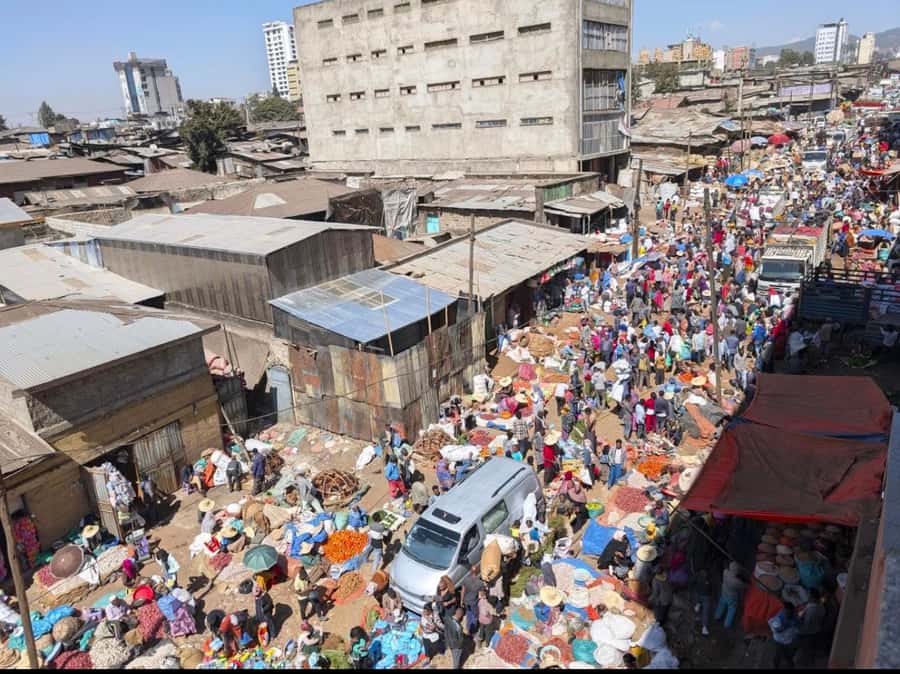
The itinerary includes Shiro Meda Local Market and Addis Mercato, described as Africa’s biggest outdoor market. These stops bring you closer to the working city, where shopping and everyday business matter more than polished sightseeing.
You may find textiles, traditional items, food, and other goods, though the exact market experience can vary. Go with curiosity and keep your belongings secure in crowded areas. If you want to buy something, ask your guide about fair prices and suitable places to shop.
Market visits are also where a flexible guide matters most. Jano’s review of Yonas praised his willingness to adapt to personal needs and pace. That quality can make a difference when you want more time at a stall, less time shopping, or a quieter route through the market.
Mount Entoto at sunset
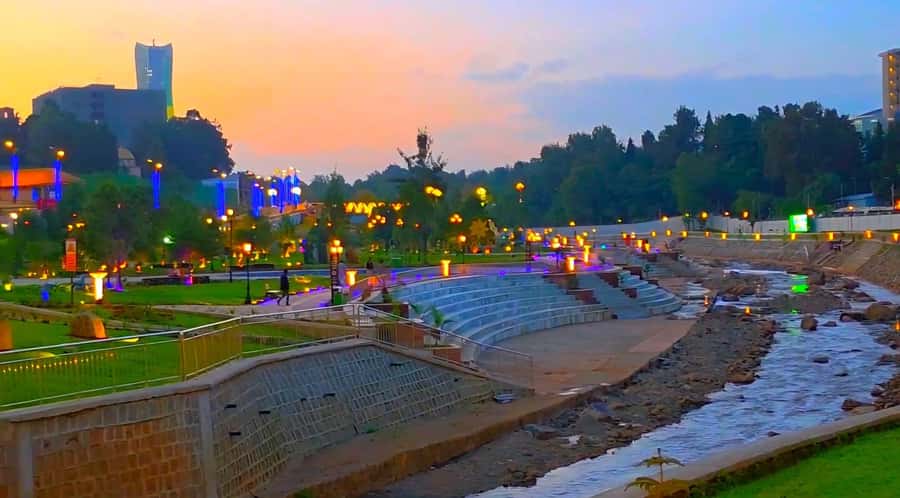
Mount Entoto provides a broad view over Addis Ababa. The tour includes the panoramic views, and the sunset timing gives the stop a natural finish to the city day.
Bring a hat, sunscreen, and water. The elevation and open setting can make the air feel cooler, but the sun remains strong. The exact sunset conditions will depend on weather and timing, so think of the stop as a scenic viewpoint rather than a guaranteed perfect sunset photograph.
A city view from above also helps you understand Addis Ababa’s scale. After spending the day moving through churches, museums, markets, and roads, you can see the capital as one large urban center rather than a set of separate attractions.
Dinner with music and dance
The evening includes dinner at ToTot Cultural Shows and traditional Ethiopian restaurants. Dinner is not included in the tour price, and the cultural show requires your own payment.
This is a good chance to try Ethiopian food while seeing traditional music and dance. If you are interested in local performance, it can be a memorable way to end the day. If you are tired after the long sightseeing schedule, you may prefer to treat the show as optional rather than an obligation.
Day 2: Debre Libanos and the Blue Nile Gorge
The early drive north
Day 2 starts early, with a drive of about 110 kilometers to Debre Libanos. The distance is not extreme on a map, but road time, stops, traffic, and the later visit to the Portuguese Bridge make this a full day.
The included air-conditioned vehicle matters here. You are not arranging separate transport, and the driver-guide handles the route between stops. Shared transportation keeps the cost down, but the small-group limit of eight people should make the day more manageable than a large coach trip.
This is also the day to wear proper shoes. The tour includes a moderate amount of walking and a short hike toward the Blue Nile River. The experience is not recommended for wheelchair users or people with mobility impairments.
Debre Libanos Monastery
Debre Libanos is a historic monastery founded in the 13th century. Its setting offers a quieter mood than the capital, while the church and surrounding grounds provide a look at Ethiopia’s religious tradition.
Take time to listen to the story of the monastery rather than rushing through for photographs. The value here comes from the combination of place, faith, and setting. You are seeing a site that has mattered for centuries, not simply another scenic stop.
The schedule does not provide a detailed list of included entrance fees for the monastery, so carry some money for admission and other site charges. Comfortable clothing and respectful conduct are important at a religious site.
Baboons and the Portuguese Bridge
The tour name includes baboons, but the supplied day-by-day details focus on the monastery and Portuguese Bridge. No guaranteed viewing area, timing, or wildlife stop is specified. You might see baboons along the route, but I would not book this as a dedicated wildlife excursion.
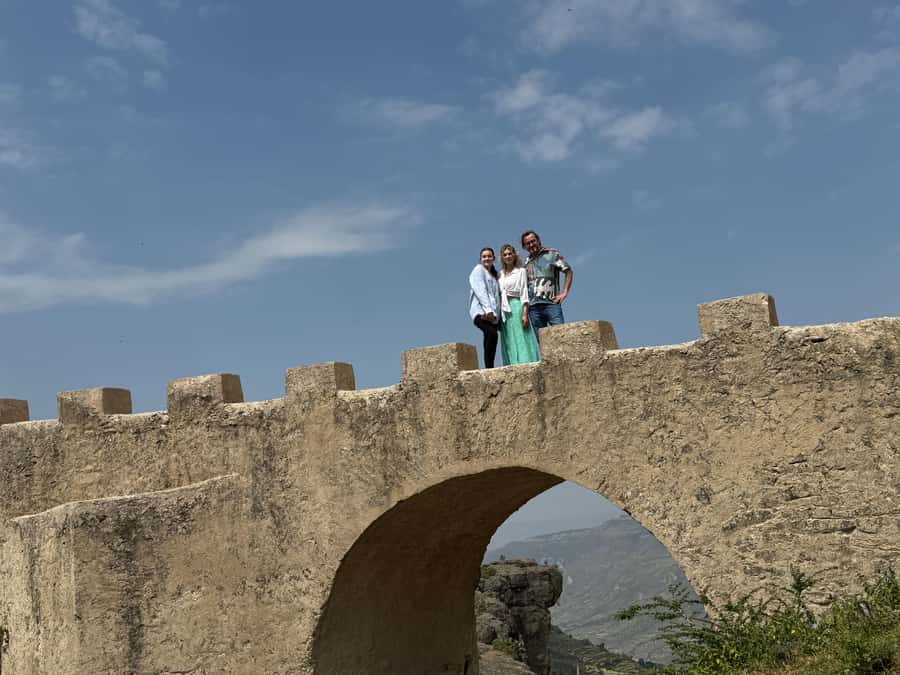
The Portuguese Bridge is the stronger guaranteed feature. Built in the 16th century, it crosses the dramatic Blue Nile Gorge and provides broad views of the surrounding countryside. The setting is a major change from Addis Ababa’s urban streets.
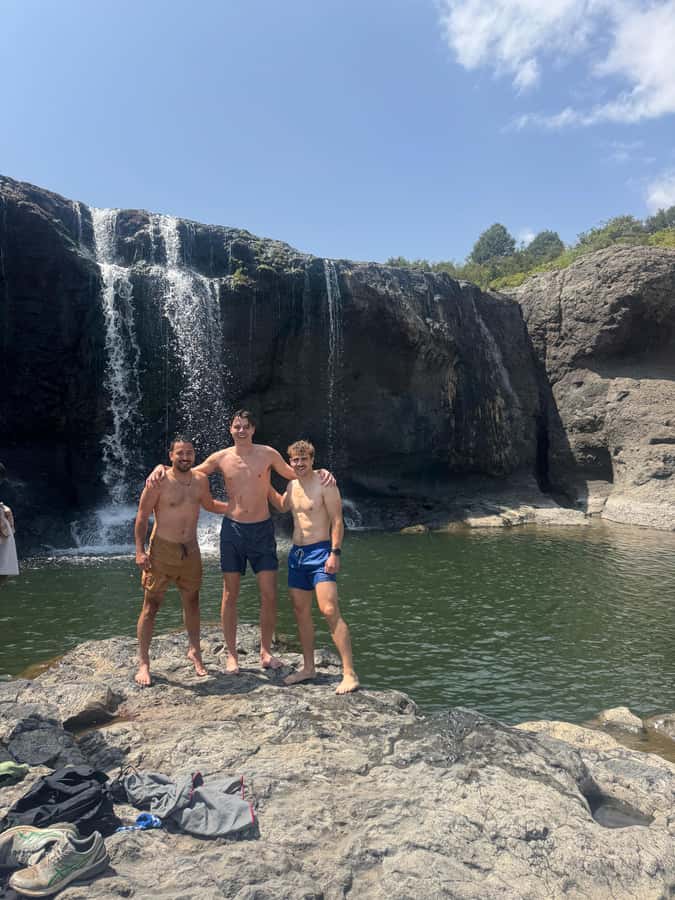
A short hike leads down toward the Blue Nile River. This is where sturdy shoes and a reasonable level of fitness become important. You do not need an extreme hiking background based on the description, but this is not a fully accessible viewpoint with no walking.
The gorge is the kind of place where you should leave room for pauses. Look at the stonework of the bridge, the drop into the gorge, and the changing scale of the view. The bridge itself is the historic focus, while the gorge supplies the visual drama.
Guide quality, group size, and transport
The tour is conducted in English and limited to eight participants. That is a useful middle ground: small enough for questions and adjustments, but not necessarily a private tour.
Pickup and drop-off are available at your hotel in Addis Ababa or at Bole International Airport. Airport pickup uses the hotel shuttle parking lots, so follow the meeting instructions carefully. You should wait in your hotel lobby for the driver-guide when using hotel pickup.
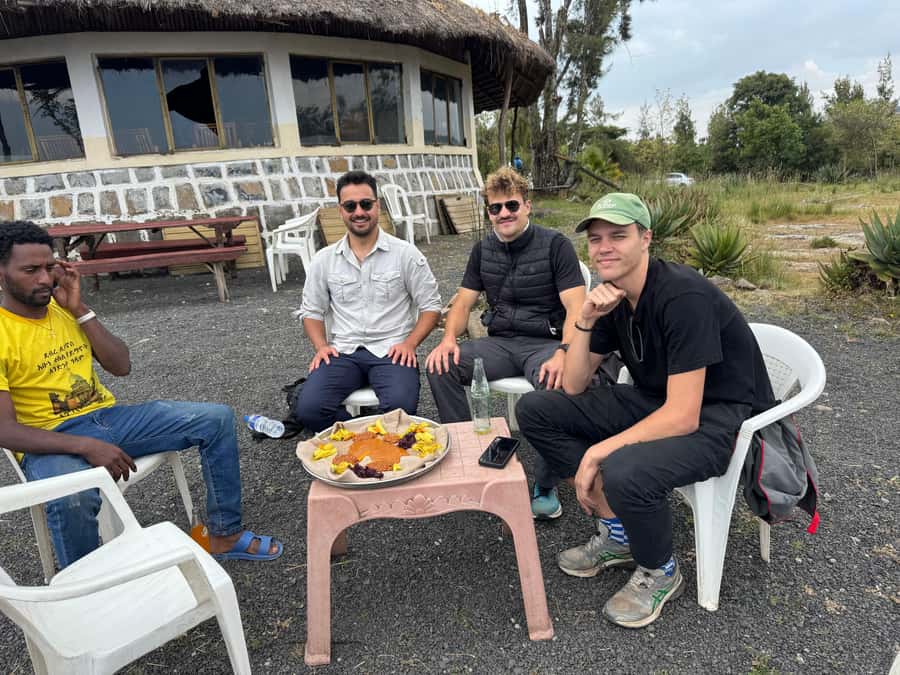
The strongest personal praise in the available feedback goes to Yonas. Jano described him as flexible, attentive, and willing to match the group’s needs and pace. That matters on a tour with both city walking and a long countryside day. A guide who can adjust the rhythm may help you enjoy the museums and markets without feeling hurried.
You receive unlimited drinking bottles of water, but still bring sunscreen, a hat, and comfortable shoes. Smoking is not permitted, and the activity information also says food and drinks are not allowed during the tour. Since dinner and the traditional lunch are handled at specific stops, follow the guide’s instructions about where eating and drinking are permitted.
What the $166 price includes, and what it does not
At $166 per person, this tour offers reasonable value if you want transport and a guide for two full days. The price includes:
- Airport or hotel pickup and drop-off
- Air-conditioned vehicle and fuel surcharge
- English-speaking driver-guide
- Shared transportation between stops
- National Museum visit
- Mount Entoto panoramic views
- Old Tomoka coffee tasting
- Shiro Meda Local Market
- Addis Mercato
- Traditional Ethiopian lunch
- Bottled water
- Government taxes
- An itinerary that can be adjusted around personal interests
You still need to budget for entrance fees at attractions other than the National Museum and Mount Entoto. Dinner at the cultural show is also extra, as are other expenses not listed in the package.
The price makes more sense if you value convenience. Booking separate transport to Debre Libanos and the Portuguese Bridge could be difficult, particularly if you do not know the roads or want a guide to explain the sites. If you prefer independent travel and already have reliable transport, the package may feel less essential.
The flexible itinerary is another part of the value. You can ask for more time at a museum, market, or viewpoint, though the long second day limits how much can be changed without dropping a stop.
Who should book this experience?
I would recommend this tour to a first-time visitor who wants a broad introduction to Addis Ababa and one important excursion outside the capital. It suits you if you want cultural sites, a historic monastery, a market, a coffee stop, and major scenery in a short stay.
It is also a good fit if you are arriving through Bole International Airport and want pickup arranged from the start. The small group, included transport, and English guide reduce the work involved in organizing a two-day visit.
You should think twice if you dislike early starts, long drives, or moderate walking. Day 2 is not a relaxed city outing. People under six cannot join, and the tour is not suitable for wheelchair users or people with mobility impairments.
The baboon reference needs a clear warning. If wildlife is your main reason for booking, ask the provider before paying how often baboons are seen and where the group stops. The confirmed attractions are Debre Libanos and the Portuguese Bridge, not a dedicated animal encounter.
Free cancellation is available up to 24 hours before departure, and you can reserve now and pay later. Check the starting time when booking because the exact schedule is not fixed in the supplied information.
Should you book it?
Book this tour if you want an efficient, guided introduction to Addis Ababa followed by a memorable countryside day. The strongest reasons are the mix of Lucy, Holy Trinity Cathedral, the Ethnological Museum, Addis Mercato, old Tomoka, Entoto Hill, Debre Libanos, and the Portuguese Bridge.
The best fit is a curious, reasonably active visitor who values local context and does not mind paying extra for some admissions and dinner. If you need guaranteed baboon viewing, a slow schedule, or fully accessible sightseeing, choose another option or confirm those details with Landscape Ethiopia Tour and Travels before booking.
FAQ
How long is the tour?
The tour lasts two days.
What language is the tour conducted in?
The live tour guide speaks English.
How many people can join the group?
The group is limited to eight participants.
Is pickup included?
Yes. Pickup and drop-off are available at your Addis Ababa hotel or Bole International Airport. Airport pickup uses the hotel shuttle parking lots.
Is the National Museum entrance fee included?
Yes, the National Museum is included. Entrance fees for attractions other than the National Museum and the panoramic views at Mount Entoto are not included.
Is the Mount Entoto visit included?
Yes. The tour includes panoramic views from Mount Entoto, with the visit planned around sunset.
Is food included?
A traditional Ethiopian lunch at an Addis Ababa restaurant is included. Dinner at the cultural show is not included.
Is the tour suitable for children?
Children under six years old are not permitted.
Is the tour suitable for wheelchair users?
No. The tour is not recommended for wheelchair users or people with mobility impairments because it involves a moderate amount of walking and a short hike near the Blue Nile Gorge.
Just added in Addis Ababa
- Yod Abyssinia Cultural Night: Dinner, Music, and Dance★ 5.0 · 7 reviews
- Addis Ababa City Tours Full-Day Tours★ 5.0 · 5 reviews
- Locally crafted beer and wine tasting and nightlife in Addis tour★ 5.0 · 6 reviews
- Unique Ethiopian Cooking Class and Coffee Ceremony with a Local in Addis Ababa★ 4.5 · 7 reviews
- Stunning Views Wonchi Crater Lake a Private Day Trip★ 5.0 · 3 reviews
- Visiting the wonders of Lalibela in Three (3) days and Two ( 2) nights★ 5.0 · 2 reviews
- .2- Days and 1 Night Tour To Awash National Park water falls★ 5.0 · 1 review
- Two days Lake Wenchi and Menagesha Forest★ 5.0 · 3 reviews
Ethiopian Monasteries, compared.
Day Trip From Addis Ababa See Historical Monastery,Stunning Nature,Animals,Birds
Read our review →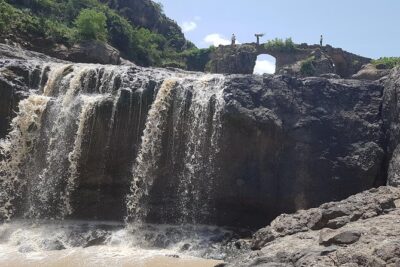
Debre Libanos Monastery and Jemma River Gorge – Day Tour from Addis Ababa
Read our review →
Day trip on Bahir dar. To visit lake tana monasteries and Blue Nile Falls.
Read our review →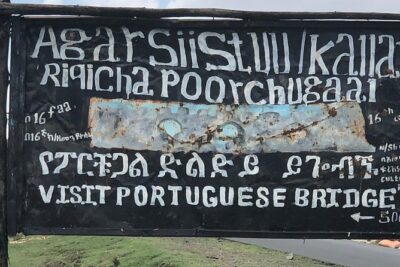
DAY TRIP TO Debre Libanos Monastery Cave Church Nature and Wildlife
Read our review →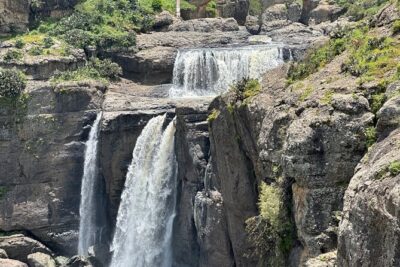
1-Day Tour Old bridge, Monastery,water falls Wildlife,Birds,
Read our review →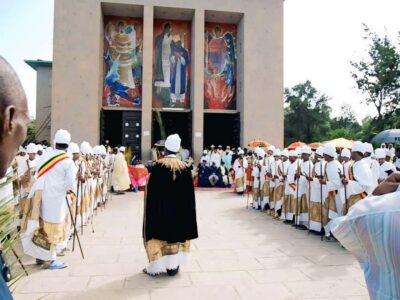
Debre Libanos Monastery & Scenic Portuguese Bridge Tour
Read our review →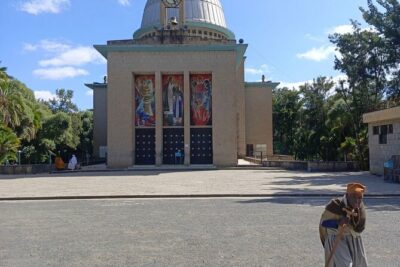
Monastic Marvels Exploring the beauty of Debre Libanos Monastery
Read our review →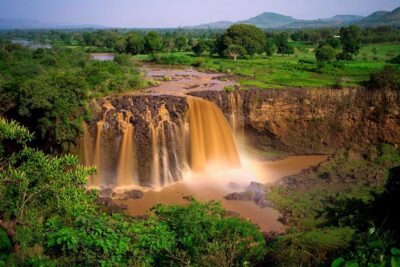
Private Guided Tours To Bahir Dar Lake Tana Monastery & Blue Nile Waterfalls
Read our review →Browse the lists this tour appears in