
Reviewed · ETHIOPIAN MONASTERIES
Monastic Marvels Exploring the beauty of Debre Libanos Monastery
History gets real here. This full-day trip from Addis Ababa combines Debre Libanos Monastery with the Portuguese Bridge, holy water, mountain views, and Ethiopia’s curious gelada baboons. I like the unusual church museum, where crowns, Italian guns, cooking pots, instruments, and wooden shackles sit beside religious objects. I also like that lunch, transportation, entrance fees, water, and a local guide are included.
The main drawback is the church exterior, which is plain at best and unattractive at worst. You should also expect a full eight-hour day, with time spent on the road and some walking near the cave and bridge. The small group size, limited to five people, helps keep the day personal.
In This Review
- Key points to know before booking
- Leaving Addis Ababa at 7:30 AM
- Debre Libanos Church and its surprising museum
- Walking toward Tekla Haimanot’s cave
- The Portuguese Bridge and the 600-meter waterfall
- What the $120 price really covers
- The guide can shape the whole day
- Who should book this Debre Libanos day trip?
- Should you book it?
- FAQ
- How long does the Debre Libanos tour last?
- What time does the tour leave Addis Ababa?
- What is included in the $120 price?
- How many people can join the tour?
- Will the tour visit Tekla Haimanot’s cave?
- Can I cancel for a full refund?
Key points to know before booking

- Debre Libanos is more than a church visit: The monastery museum adds military, royal, domestic, and religious objects to the usual collection of icons and church items.
- Tekla Haimanot’s cave is uphill: The cave is about 15 minutes into the hills from the monastery and is linked to the source of the area’s holy water.
- The Portuguese Bridge has a disputed past: Some accounts credit 16th-century Portuguese builders, while others connect it to Ras Darge, the uncle of Menelik, in the 19th century.
- Gelada baboons are part of the appeal: Near the bridge and waterfall viewpoint, you may see these Ethiopian endemic baboons along with local bird species.
- The price covers most day costs: At $120 per person, the package includes private transport, guide service, meals, entrance fees, drinks, water, taxes, and hotel pickup and drop-off.
- A five-person limit matters: This is a better fit if you prefer a small private outing instead of a large bus tour.
Leaving Addis Ababa at 7:30 AM
The day begins with hotel pickup in Addis Ababa at 7:30 AM. That early start is useful because Debre Libanos lies slightly more than 100 kilometers from the capital, so this is not a quick suburban outing. I would keep the morning free and avoid scheduling anything important for the evening.
Private transportation is included, along with hotel drop-off at the end. Since the group can have no more than five people, you get a better chance to ask questions, adjust the pace within reason, and hear the guide clearly. The small vehicle also suits this kind of outing better than a large coach, especially when the day includes a church, a cave, a bridge, and a walking section.
The tour lasts about eight hours. That makes it a practical choice if you have an extra day in Addis Ababa and want to see an important religious site without arranging several separate services. It is less suitable if you want a slow, flexible day with long breaks, since the monastery and outdoor stops all need to fit into one schedule.
The package includes bottled water, coffee or tea, and a local lunch. Local food can be a useful part of the day, since it gives you a break from standard hotel meals and keeps the outing tied to the place you are visiting. Personal purchases, alcoholic drinks, and tips are not included, so bring some extra money if you want those.
More monastery visits in Addis Ababa:
- Day Trip From Addis Ababa See Historical Monastery,Stunning Nature,Animals,Birds
★ 5.0 · 303 reviews - Debre Libanos Monastery and Jemma River Gorge – Day Tour from Addis Ababa
★ 5.0 · 20 reviews - DAY TRIP TO Debre Libanos Monastery Cave Church Nature and Wildlife
★ 4.5 · 12 reviews
Debre Libanos Church and its surprising museum
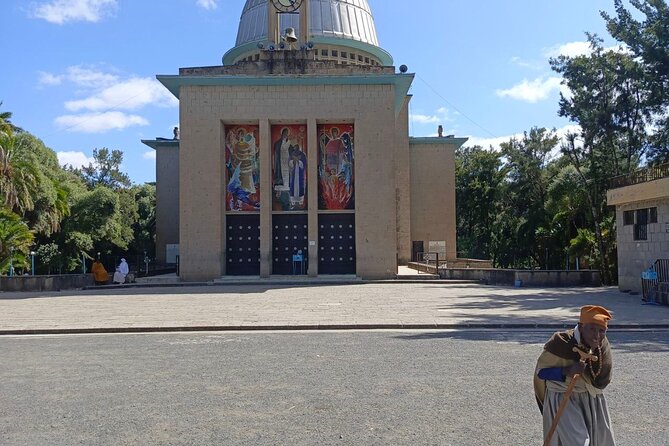
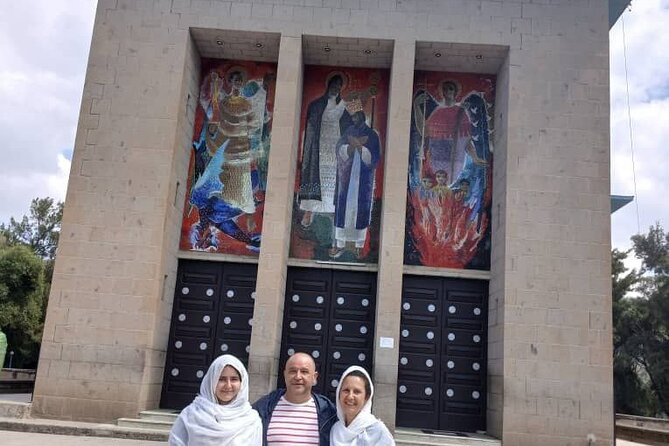
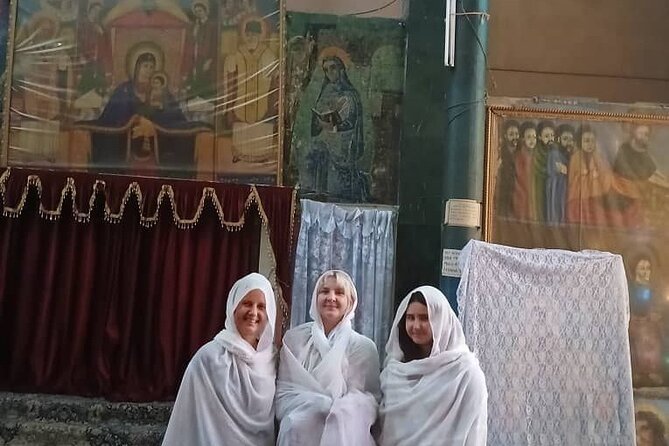
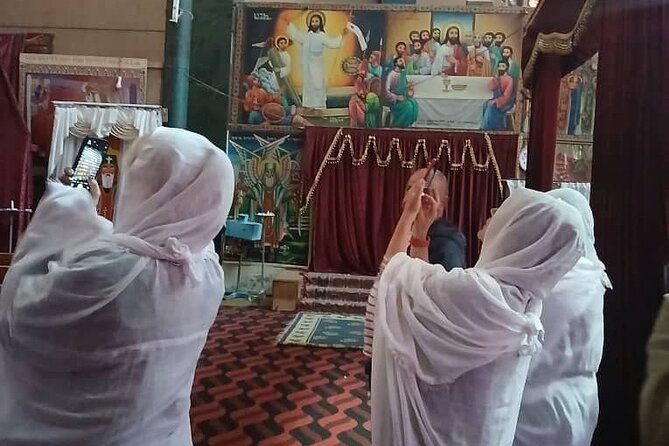
Debre Libanos is a major Ethiopian Orthodox monastery, and the church is the first main stop. Its exterior is not the reason you come. The building can look stark and somewhat unattractive from outside, but the interior has appealing stained-glass windows that give the visit more color and character.
I would approach the church with realistic expectations. You are not coming for polished architecture or ornate decoration on every surface. You are coming to understand the place as a working center of Ethiopian Orthodox faith and to see the objects connected to its religious and national past.
The museum is the real prize here. Alongside familiar ecclesiastical items, you can see Italian guns, large cooking pots, crowns belonging to former emperors and their wives, musical instruments, and old wooden shackles. That mix makes the collection unusually readable. It connects worship with warfare, royal life, music, cooking, and punishment.
The Italian guns are a striking reminder that Ethiopia’s religious sites can also preserve pieces of the country’s political and military story. The crowns offer a link to former rulers and their families. The cooking pots and instruments are more everyday objects, helping you picture how people lived around the monastery rather than viewing the site only as a sacred monument.
The wooden shackles are particularly sobering. They bring a harder side of the past into a museum that might otherwise feel ceremonial. I appreciate that the collection does not limit itself to beautiful objects. Some of what you see is awkward, practical, or unsettling, which makes the visit more honest.
Your local guide can help place these items in context and explain the role of the monastery within the Ethiopian Orthodox Church. If church history is new to you, pay attention to the explanations rather than rushing through the display cases. The museum may be modest in size, but the range of objects gives it real substance.
Walking toward Tekla Haimanot’s cave
About 15 minutes into the hills from the monastery is the cave associated with Tekla Haimanot, the founder of Debre Libanos. According to local religious tradition, this is where the saint did his praying. The cave also provides the source of the monastery’s famed holy water.
This portion gives the visit a more personal and physical connection to the monastery. The church presents the institution, while the cave points back to the founder’s life of prayer. You move from a formal religious setting into a simpler place tied directly to the saint.
You should be ready for some walking uphill. The information provided describes the cave as being up in the hills, but it does not give a full trail description or an exact walking time beyond the location being about 15 minutes from the monastery. Wear sensible shoes and bring the bottled water supplied with the tour.
Holy water is an important part of the site’s appeal. For many people, the source will be more than a scenic stop. It is part of the living religious practice connected to Debre Libanos, and your guide can help explain why it matters.
I would keep your expectations respectful here. This is not presented as a dramatic cave expedition. Its value comes from the link to Tekla Haimanot, the setting, and the chance to see how faith, place, and tradition connect.
The Portuguese Bridge and the 600-meter waterfall
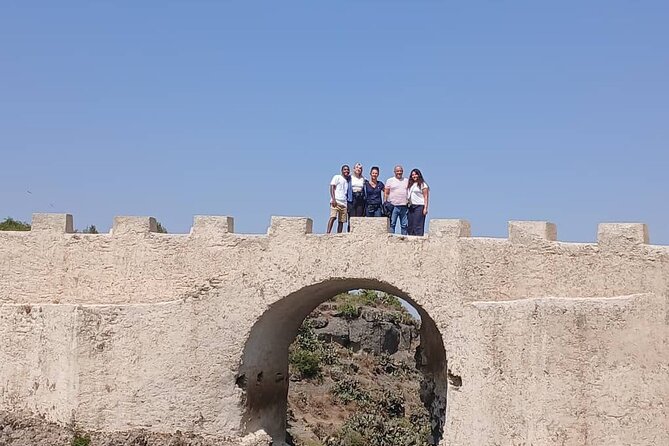
The final major part of the outing takes you to the Portuguese Bridge near the Blue Nile Gorge. The bridge has a disputed origin, which gives the stop an extra layer of interest. One account says Portuguese builders made it in the 16th century. Another says Ras Darge, Menelik’s uncle, built it in the 19th century.
That uncertainty is worth hearing rather than brushing aside. Old structures often collect competing stories, and the disagreement shows that the bridge belongs to a larger conversation about Ethiopia’s links with Portugal, imperial power, and local rulers. Your guide can explain the two traditions as you see the structure for yourself.
After crossing the bridge, the route described for the outing takes you left beside the river until you reach a large rock that provides a view of the 600-meter waterfall. This is the point where the day shifts from religious history to open scenery. The gorge, river, waterfall, and high ground give you a strong visual contrast with the monastery.
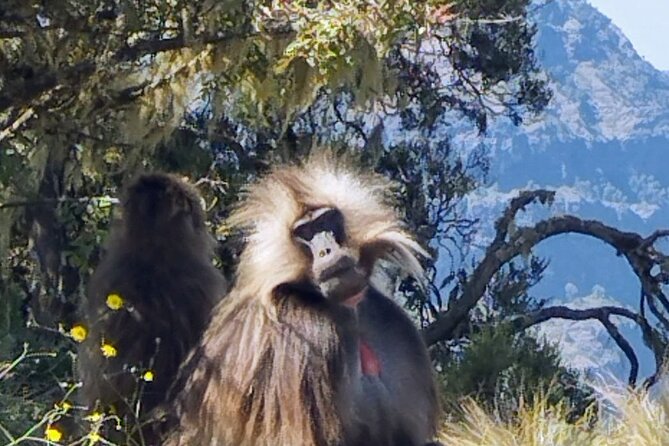
The rock viewpoint is also the place to look for gelada baboons. These animals are endemic to Ethiopia, so seeing them adds something specific to the country rather than simply adding another wildlife sighting to the day. You may also spot Ethiopian bird species in the area.
The animals are wild, and sightings cannot be guaranteed. That is part of the appeal, but it is also why you should treat this as a nature stop rather than a controlled wildlife encounter. Keep your attention on the surroundings and follow the guide’s advice near the river, rocks, and bridge.
The walk beside the river and the route to the viewpoint may be easy for many people, but the tour details do not promise a particular level of trail comfort. If you have concerns about walking, ask before booking. The trip is described as suitable for most people, yet the cave and waterfall section still require some movement on foot.
More trips to Debre Libanos:
- Addis Ababa: Debre Libanos, Blue Nile Gorge, and Cave Tour
★ 4.5 · 256 reviews - Day Trip From Addis Ababa To Debre Libanos & Portuguese Bridge
★ 4.5 · 64 reviews - Day trip Debre Libanos, Bule nile George &Portugal Bridge
★ 4.4 · 25 reviews - Escape From Addis – Day Trip To Debre Libanos And The Portuguese Bridge
★ 5.0 · 16 reviews
What the $120 price really covers
At $120 per person, this is not simply an entrance ticket to Debre Libanos. You are paying for a private day outing from Addis Ababa with transport, a local guide, all entrance fees, hotel pickup and drop-off, lunch, coffee or tea, bottled water, and government tax.
That makes the cost easier to assess. If you had to arrange a car, driver, guide, admission, food, and drinks separately, the day would require more planning and more chances for surprise costs. Here, the main extras are personal shopping, alcoholic drinks, and tips.
The private transportation is especially useful because the site is more than 100 kilometers from Addis Ababa. You are not left to work out how to reach the monastery, bridge, and gorge on your own. The maximum group size of five also adds value if you care about space and direct contact with the guide.
The price is less compelling for someone who only wants to see the church and return quickly. The strength of the package is the combination of several stops: church, museum, cave, holy water, bridge, waterfall, baboons, and birds. If you are interested in only one of those elements, the full-day cost may feel high.
I also like the fact that the meal and drinks are handled. Lunch is listed as local food, which keeps the day simple and gives you a chance to eat without searching for a restaurant between stops. Still, if you have dietary restrictions, ask about the meal before departure because no special menu details are provided.
The guide can shape the whole day
A guide matters here because the sites do not explain themselves fully. The museum contains objects from several parts of Ethiopian life, the monastery has religious importance, Tekla Haimanot’s cave is tied to local belief, and the bridge has two competing origin stories.
One guide associated with the outing is Lames. A specific account of the day praised the work of Ethio Top Land Tours and singled out the guide’s service. That gives you a useful name to confirm when you book, especially if you want to know who will lead your group.
A good guide can also help you move between the spiritual and historical sides of the trip without treating either as a mere photo stop. I would ask questions about the museum objects, the holy water, the bridge’s disputed construction, and the gelada baboons. Those subjects are where the day becomes more than a checklist.
Because the group limit is five, the guide should have a reasonable chance to respond to individual interests. You still need to accept the fixed eight-hour structure, but a small group is more comfortable for conversation than a large tour bus.
Who should book this Debre Libanos day trip?
I would recommend it most strongly if you have an extra day in Addis Ababa and want a clear, organized outing beyond the capital. It suits you if you enjoy religious sites, unusual museum collections, mountain scenery, short walks, and wildlife sightings that are tied to Ethiopia.
It is also a good match if you want the practical parts handled for you. Hotel pickup, private transportation, lunch, entrance fees, water, and a local guide are already included. The small group limit makes the experience more personal than a mass-market excursion.
You should think twice if you dislike early starts, long road transfers, uphill walking, or a tightly arranged day. The church exterior may disappoint anyone expecting a grand architectural showpiece, and the waterfall and baboon sightings depend on conditions you cannot control.
The current rating is 5 from three posted reviews, including strong praise for the day as an outing from Addis Ababa and for Ethio Top Land Tours. That is a positive sign, though the sample is small, so I would treat it as encouraging rather than final proof.
Free cancellation is available if you cancel at least 24 hours before the start time. Within 24 hours, the amount paid is not refunded, and changes made in that final period are not accepted.
Should you book it?
Book this trip if you want one well-organized day that joins Ethiopian Orthodox tradition with open-air scenery. The museum’s Italian guns, royal crowns, cooking pots, musical instruments, and shackles give Debre Libanos more depth than a quick church visit, while Tekla Haimanot’s cave adds a strong spiritual connection.
The Portuguese Bridge, 600-meter waterfall, and chance to see gelada baboons make the second half worthwhile. At $120, the package offers fair value because it includes nearly every major cost and limits the group to five people.
Skip it if you want a short city outing, dislike walking, or care mainly about impressive church architecture. For the right visitor, though, this is one of the more rewarding ways to spend a free day outside Addis Ababa.
FAQ
How long does the Debre Libanos tour last?
The tour lasts approximately eight hours.
What time does the tour leave Addis Ababa?
Hotel pickup and departure are scheduled for 7:30 AM.
What is included in the $120 price?
The price includes entrance fees, private transportation, a local guide, government tax, coffee or tea, local lunch, hotel pickup and drop-off, and bottled water.
How many people can join the tour?
The tour has a maximum of five people.
Will the tour visit Tekla Haimanot’s cave?
Yes. The tour visits the cave associated with Tekla Haimanot, the founder of Debre Libanos, and the source of the monastery’s holy water.
Can I cancel for a full refund?
Yes. You can receive a full refund if you cancel at least 24 hours before the experience starts. Cancellations or changes made within 24 hours are not accepted for a refund.
Just added in Addis Ababa
- Yod Abyssinia Cultural Night: Dinner, Music, and Dance★ 5.0 · 7 reviews
- Addis Ababa City Tours Full-Day Tours★ 5.0 · 5 reviews
- Locally crafted beer and wine tasting and nightlife in Addis tour★ 5.0 · 6 reviews
- Stunning Views Wonchi Crater Lake a Private Day Trip★ 5.0 · 3 reviews
- Unique Ethiopian Cooking Class and Coffee Ceremony with a Local in Addis Ababa★ 4.5 · 7 reviews
- Visiting the wonders of Lalibela in Three (3) days and Two ( 2) nights★ 5.0 · 2 reviews
- .2- Days and 1 Night Tour To Awash National Park water falls★ 5.0 · 1 review
- Two days Lake Wenchi and Menagesha Forest★ 5.0 · 1 review
Ethiopian Monasteries, compared.
Day Trip From Addis Ababa See Historical Monastery,Stunning Nature,Animals,Birds
Read our review →
Debre Libanos Monastery and Jemma River Gorge – Day Tour from Addis Ababa
Read our review →
Day trip on Bahir dar. To visit lake tana monasteries and Blue Nile Falls.
Read our review →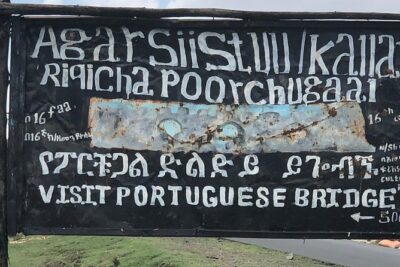
DAY TRIP TO Debre Libanos Monastery Cave Church Nature and Wildlife
Read our review →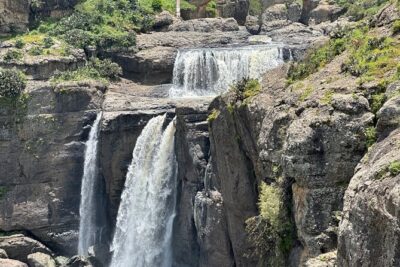
1-Day Tour Old bridge, Monastery,water falls Wildlife,Birds,
Read our review →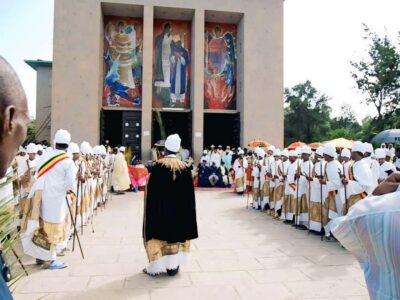
Debre Libanos Monastery & Scenic Portuguese Bridge Tour
Read our review →
Private Guided Tours To Bahir Dar Lake Tana Monastery & Blue Nile Waterfalls
Read our review →
2-Day Blue Nile Falls & Lake Tana Monasteries Tour
Read our review →Browse the lists this tour appears in