
Reviewed · CITY TOURS
2 Day Harar City Tour & Hyena Feeding
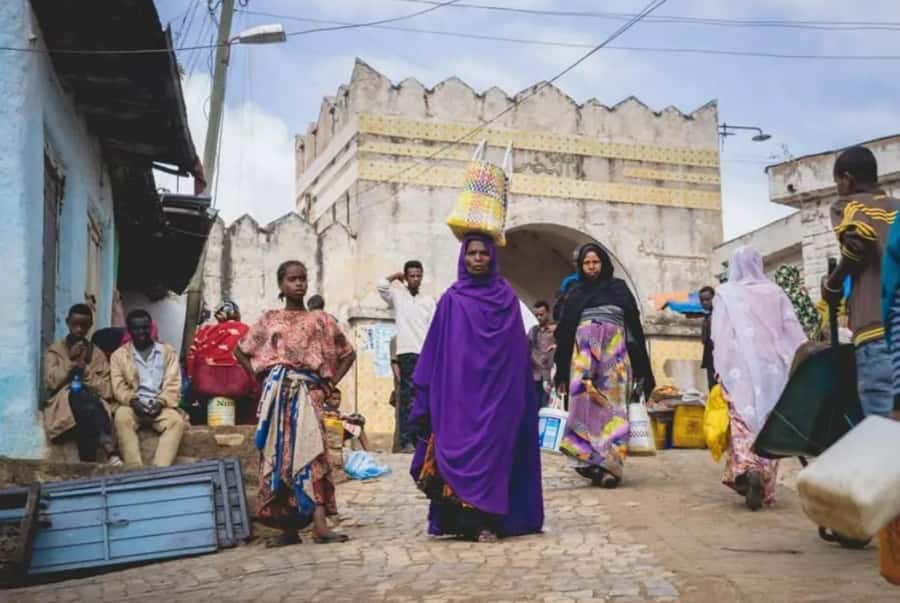
Harar saves its wildest meeting for sunset. This two-day trip gives you a focused introduction to eastern Ethiopia, with Harar’s ancient Jugal and its narrow streets on the first day, followed by coffee, mosques, markets, and Dire Dawa on the second. I like the mix of culture and wildlife, especially the chance to watch the Hyena Man feed wild hyenas by hand and mouth. I also like that the tour is private, with a local English-speaking guide and airport transfers arranged around your flights.
The main drawback is the price structure. The tour costs $300 per person, but domestic flights, lunch, dinner, and alcohol are extra. The schedule is also compact, so you should be ready for an early flight, a drive of about an hour from Dire Dawa, and a full day of walking in Harar.
In This Review
- Key points to know before booking
- From Addis Ababa to Dire Dawa and Harar
- Harar’s walls and gates introduce the Jugal
- Lunch with the Harari people
- Chat chewing and Harar’s social customs
- Arthur Rimbaud’s house and a literary connection
- Walking through the Jugal with a local guide
- Sunset with the Hyena Man
- Dire Dawa coffee and the Ethiopian coffee ceremony
- Mosques, shrines, and the older side of Harar
- Dire Dawa’s spice market and French railway station
- What the $300 price really covers
- Who will enjoy this two-day trip
- Should you book the Harar city and hyena tour?
- FAQ
- How long is the Harar city and hyena feeding tour?
- Where does the tour begin?
- How do I reach Harar from Addis Ababa?
- Are domestic flights included in the $300 price?
- Are meals included?
- Where is accommodation provided?
- Is the tour private?
- What language does the guide speak?
- Is the tour wheelchair accessible?
- What should I bring?
Key points to know before booking
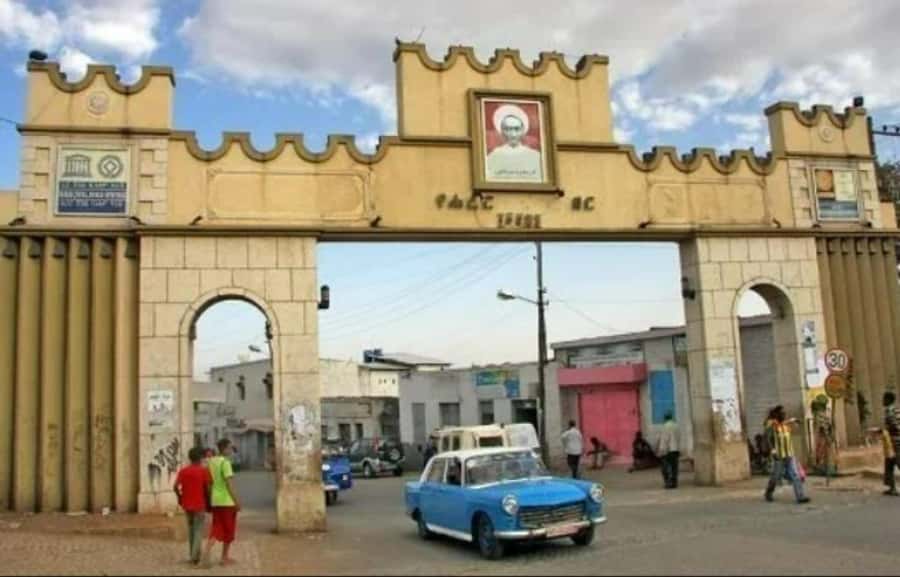
- Harar’s walled Jugal is the heart of the tour: Explore the old town on foot with a local guide, passing through its historic walls and gates.
- The hyena feeding is a rare evening sight: At one of Harar’s gates, the Hyena Man feeds wild hyenas by hand and mouth.
- Rimbaud’s Harar connection adds a literary stop: Visit the house linked to French poet Arthur Rimbaud, who lived in the city in the late 19th century.
- Dire Dawa adds coffee, spices, and railway history: See a small coffee-processing business, attend a traditional coffee ceremony, and visit the old French-built train station.
- The $300 price excludes air travel: Accommodation, breakfast, guides, local transport, and airport transfers are covered, but you pay separately for the flights and most meals.
- This is a private, English-language tour: It suits you best if you want a flexible experience rather than a large group itinerary.
From Addis Ababa to Dire Dawa and Harar

The trip begins with a domestic flight from Addis Ababa to Dire Dawa. Pickup is available from Bole Airport or your hotel in Addis Ababa, which makes the start easier if your schedule lines up with the tour departure.
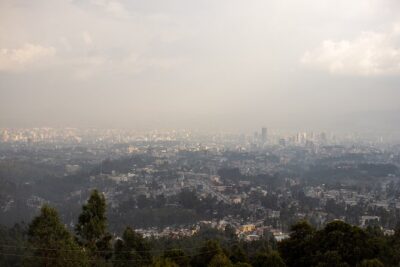
After landing in Dire Dawa, you drive for about an hour toward Harar. The road brings broad views of the surrounding mountains, and the transfer is more than a simple connection between airports and hotels. It gives you your first look at the setting around this historic city.
You should pay attention to the timing of your flight. The tour is only two days, and the return flight to Addis Ababa also leaves from Dire Dawa. Since the domestic flights are not included, check both flight schedules and prices before you commit to the tour. The provider handles airport transfers, but you will want your flight times confirmed well in advance.
More city tours in Ethiopia:
- Addis Ababa Guided City Tour With Airport & Hotel Pick Up
★ 5.0 · 237 reviews - Full-Day Private City Tour of Addis Ababa
★ 5.0 · 147 reviews - Addis Ababa Authentic Private City Tour
★ 5.0 · 134 reviews
Harar’s walls and gates introduce the Jugal
Before lunch, the tour visits the walls and gates of Harar. These structures help explain why Harar feels distinct from many other Ethiopian cities. The walls mark the old city and frame your first view of the Jugal, Harar’s historic walled quarter.
This is a good place to begin because you get the basic shape of the city before entering its lanes. Rather than seeing isolated monuments, you start with the physical boundary that defines old Harar.
The walking portion matters here. A private local guide can help you find your way through the old town and explain what you are seeing as you move between gates, streets, mosques, shrines, homes, and markets. Wear comfortable shoes. The itinerary includes walking through the old walled town, and a hat and sunscreen are sensible in the daytime.
Lunch with the Harari people

Lunch is arranged at a local house of the Adere, also known as the Harari people. This is one of the more personal parts of the day because it shifts the experience away from formal sightseeing and toward everyday local hospitality.
Lunch itself is not included in the tour price, so plan to pay separately. The meal gives you a chance to spend time in a local setting, but it also means you should budget beyond the advertised $300. Dinner is also excluded.
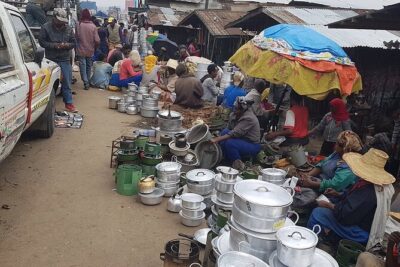
The tour then introduces you to Harar’s local market. The market is attended by Amhara, Oromo, and Harari people, giving you a direct look at the different communities connected with the city. I would take this stop slowly rather than treating it as a quick photo break. Markets often explain a place more clearly than a museum because you see what people buy, sell, carry, and use each day.
Chat chewing and Harar’s social customs
The itinerary includes a ceremony of chewing chat, a mild stimulant associated here with Adere, or Harari, culture. This is a cultural observation, not simply another market stop.
Chat is part of local social life in Harar, and the ceremony offers context for customs you may otherwise notice without understanding. If you do not wish to participate, you can still observe and learn from the guide. The supplied details describe chat as a mild stimulant, but they do not specify whether tasting it is expected or included, so ask your guide before taking part.
This is a good example of why a local guide helps. The point is not only to see a custom, but to understand how it fits into Harari life.
A completely different kind of day:
- Full Day Tour of Addis Ababa with Hotel Pickup and Drop-off
★ 5.0 · 430 reviews - Taste of Ethiopia
★ 5.0 · 406 reviews - Day Trip From Addis Ababa See Historical Monastery,Stunning Nature,Animals,Birds
★ 5.0 · 303 reviews - Addis Ababa: Debre Libanos, Blue Nile Gorge, and Cave Tour
★ 4.5 · 256 reviews
Arthur Rimbaud’s house and a literary connection
Arthur Rimbaud, the French poet, lived in Harar in the late 19th century. The tour visits his house, giving you a change of pace after the market and local cultural stops.
You do not need to be a poetry specialist to enjoy this visit. Rimbaud’s connection adds an international layer to Harar’s story and shows how the city has drawn people from outside Ethiopia as well as serving its local communities.
The house is best understood as one part of Harar’s identity, not the whole reason to come. The strongest part of the day is the combination of the house, market, walls, local meal, and old-town walk. If you are interested in Ethiopian beer, the itinerary also notes Harar Brewery as an optional visit.
Walking through the Jugal with a local guide
The Jugal is where the tour becomes most atmospheric. You explore the old walled town on foot, moving through a historic urban center rather than viewing it from a vehicle.
Keep your camera ready, but do not let photography turn the walk into a checklist. The value is in seeing how the old quarter works as a living part of Harar. The walls and gates, the market, the mosques, and the homes connect into one town plan.
Because this is a private group, you can ask for more time at the places that interest you. That is useful in a compact itinerary. A larger group might keep moving, while a private guide can respond to your questions and interests. The listed guiding language is English.
Sunset with the Hyena Man
The evening visit to the Hyena Man is the tour’s most unusual moment. Near one of Harar’s gates, you watch wild hyenas approach as he feeds them by hand and mouth.
This is not a standard zoo encounter. The animals are wild, which is precisely why the scene is so memorable, but it also means you should follow the guide’s instructions closely and keep a respectful distance unless the Hyena Man directs the action. Do not treat the animals as tame simply because they come close.
The hand-feeding is the main draw, and the mouth-feeding detail makes this a striking sight. It may not suit you if you are uncomfortable around wild animals or prefer wildlife experiences with a more controlled setup. If you enjoy unusual local traditions and understand the need for caution, this gives the Harar visit a dramatic finish.
Accommodation is arranged at Ras Hotel or Harari Cultural Guest House, also called Rewda Guesthouse. The information provided does not specify which property you will receive, so confirm the accommodation details before booking if the hotel choice matters to you.
Dire Dawa coffee and the Ethiopian coffee ceremony
On the second day, you drive back toward Dire Dawa and visit a small-scale coffee-processing business. Coffee from the area around Harar is regarded as one of Ethiopia’s best types, making this stop a natural link between local production and daily life.
The visit is not described as a large factory tour. That is a plus if you prefer seeing a small operation, though you should keep your expectations realistic. The experience focuses on the local coffee trade rather than a long technical presentation.
You also attend a traditional Ethiopian coffee ceremony. This is one of the tour’s strongest cultural stops because coffee is not treated simply as a drink. The ceremony gives you a chance to watch the preparation and social ritual in a traditional setting.
Breakfast is included at your accommodation, but lunch and dinner are not. If the coffee visit includes tasting, the provided details do not say so specifically. Your guide can clarify what is included on the day.
Mosques, shrines, and the older side of Harar
The second day also includes some of Harar’s oldest mosques and shrines. These visits add a religious dimension to the city, which is especially important when seen alongside the Jugal, the market, chat customs, and local homes.
The itinerary does not name individual mosques or shrines, so do not expect a fixed list of famous buildings from the information available. Instead, think of this as a chance to see important religious sites with explanations from your guide.
Dress and behave respectfully at religious places. Ask before taking photographs, especially inside or near active places of worship. Your guide can help you understand the appropriate conduct.
Dire Dawa’s spice market and French railway station
Before returning to the airport, the tour visits Dire Dawa’s colorful spice market. This is a useful final stop because it brings you back to trade and daily commerce after the more historic parts of Harar.
You can expect strong colors and the visual variety of spices, but the tour details do not specify what products are available or how much time you will have. If you want to buy something, ask your guide about prices and packing it for the flight.
The old train station was founded by the French in the 1900s. It offers a different view of the region, linking Dire Dawa to the era of French railway development. Together, the spice market and station make a good ending: one stop rooted in present-day trade, the other connected to the city’s older transport history.
After the visit, you return to Dire Dawa airport for the domestic flight back to Addis Ababa.
What the $300 price really covers
At $300 per person, the tour can offer solid value if you want the main arrangements handled for a private two-day visit. Included are:
- Accommodation
- Breakfast
- Airport transfers
- Local guides
- Transportation in and around Harar
- Service fees
The largest extra cost is the domestic flight between Addis Ababa and Dire Dawa. Lunch and dinner are also excluded, as are alcoholic drinks. Add those expenses before comparing this tour with a longer package or an independently arranged trip.
The private format is an important part of the value. You are not paying only for transport and a room. You are also paying for a local guide, organized transfers, and access to a tightly planned route that joins Harar and Dire Dawa in two days.
Still, the tour is not the cheapest way to see the region once flights and meals are added. I would choose it if you have limited time and want the logistics arranged. If your main goal is to spend several slow days in Harar, a longer stay may suit you better.
Who will enjoy this two-day trip
I would recommend this tour to you if you want:
- A short introduction to Harar from Addis Ababa
- A private group rather than a large shared departure
- A local English-speaking guide
- Historic streets, markets, religious sites, and cultural customs in one itinerary
- The unusual Hyena Man experience
- A taste of both Harar and Dire Dawa
You should think twice if you dislike early flights, compact schedules, or extra costs outside the headline price. The tour also involves walking, so comfortable shoes are essential.
Bring a hat, camera, sunscreen, and practical walking shoes. Alcohol is not included, and the itinerary does not list any special equipment. Wheelchair access is stated as available, but because the old walled town includes walking through historic streets, ask the provider how the route will be adapted to your needs.
The tour offers free cancellation up to 24 hours before departure for a full refund, and you can reserve now and pay later. Those terms help if your Ethiopian flight plans are still changing.
Should you book the Harar city and hyena tour?
Book it if you want the most distinctive parts of Harar in a short period: the walled Jugal, a Harari home meal, chat customs, Rimbaud’s house, coffee, religious sites, and the evening hyena feeding. The private setup and included local transport make the $300 base price easier to justify, especially if you value guidance and simple airport connections.
Before booking, confirm the domestic flight cost, hotel assignment, pickup time, and meal arrangements. If those additions fit your budget, this is a practical way to reach one of Ethiopia’s most unusual cities without organizing every transfer yourself. If you want a slow, unhurried stay or need all meals and flights included, choose a longer or more inclusive package instead.
FAQ
How long is the Harar city and hyena feeding tour?
The tour lasts two days.
Where does the tour begin?
Pickup is available from Bole Airport or your hotel in Addis Ababa upon request.
How do I reach Harar from Addis Ababa?
You take a domestic flight from Addis Ababa to Dire Dawa, then drive for about an hour to Harar.
Are domestic flights included in the $300 price?
No. Domestic flights are not included.
Are meals included?
Breakfast is included, but lunch and dinner are not. Alcoholic beverages are also excluded.
Where is accommodation provided?
Accommodation is arranged at Ras Hotel or Harari Cultural Guest House, also called Rewda Guesthouse.
Is the tour private?
Yes. The tour is offered for a private group.
What language does the guide speak?
The live tour guide language is English.
Is the tour wheelchair accessible?
Yes. The activity is listed as wheelchair accessible.
What should I bring?
Bring comfortable shoes, a hat, a camera, and sunscreen.
Just added in Ethiopia
- Yod Abyssinia Cultural Night: Dinner, Music, and Dance★ 5.0 · 7 reviews
- Mekele City Tour★ 5.0 · 2 reviews
- Day trip to Tigray Churches★ 5.0 · 2 reviews
- Tigray Mountain Church’s Day Trip from Mekele★ 5.0 · 2 reviews
- 3 Day Tour of Geralta Churches Tigray Church’s★ 5.0 · 2 reviews
- 3 days tour Danakil Depression (Dallol & Erta Ale)★ 4.0 · 5 reviews
- 2 Days Dallol Trip★ 5.0 · 4 reviews
- Lalibela Backpacker tours★ 5.0 · 6 reviews
City Tours, compared.
Addis Ababa Guided City Tour With Airport & Hotel Pick Up
Read our review →
Authentic Addis Ababa City Tour with a Local Guide
Read our review →

Addis Ababa City Tours Full Day With Hotel Pickup And Drop Off.
Read our review →Browse the lists this tour appears in