
Reviewed · ETHIOPIA
Taste of Addis: A Delicious 3-Hour Journey Ethiopian Flavors
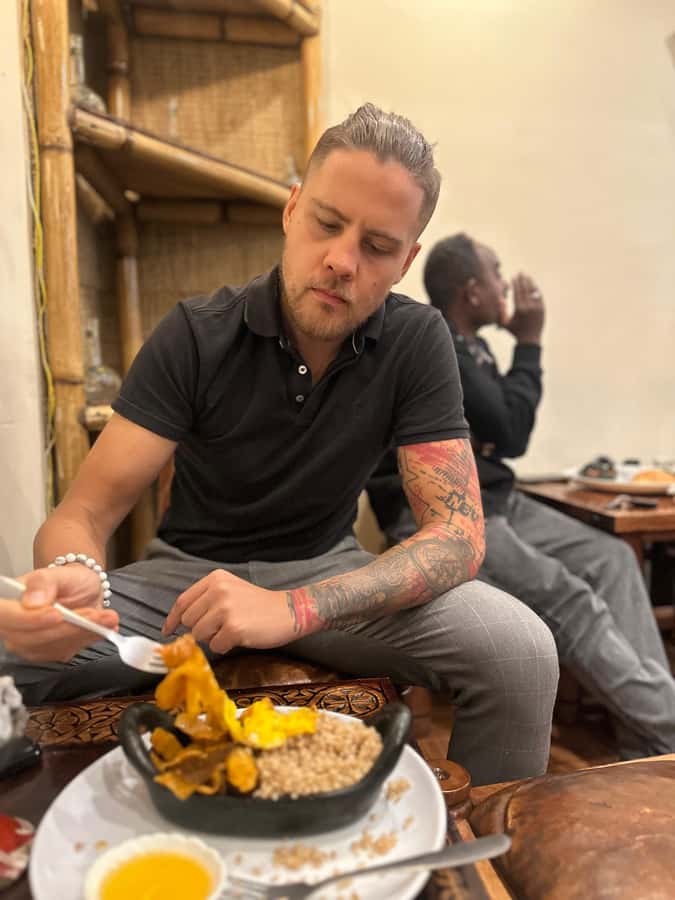
Food can explain a city fast. This three-hour Addis Ababa tour uses injera, doro wat, tibs, kitfo, and coffee to introduce you to Ethiopia at the table. You visit local restaurants, sample drinks, see how spices fit into daily cooking, and finish with a traditional coffee ceremony.
I like the mix of eating and culture, especially the chance to watch injera baking and take part in a coffee ceremony. I also like the practical hotel pickup and drop-off, private transportation, and the inclusion of beer, soft drinks, juice, water, and coffee. The main point to check is the route: the experience describes three food stops, while the included details specify food at two restaurants, so the exact plan may change by day.
The tour costs $47 per person, a fair price if you want several Ethiopian dishes without arranging restaurants yourself. It is still a short tasting tour, not a full cooking class or a long market walk. For a first look at Addis Ababa food, though, it packs plenty into one easy outing.
In This Review
- Key Points to Know Before You Book
- Why This Short Addis Food Tour Works
- Starting With Injera and Ethiopian Staples
- Restaurant Stops and the Shape of the Meal
- A Spice Stop That Adds Context
- Drinks: Fresh Juice, Beer, and Soft Drinks
- The Coffee Ceremony and Tomoka Finish
- The Guide and the Human Side of the Tour
- Hotel Pickup and the Comfortable Car
- Is $47 a Fair Price?
- Who Will Enjoy This Most?
- Practical Tips for a Better Three Hours
- Should You Book Taste of Addis?
- FAQ
- How long does the Taste of Addis tour last?
- How much does the tour cost?
- What foods can I expect to taste?
- Are drinks included?
- Is hotel transportation provided?
- Is the tour offered in English?
- Does the tour include a coffee ceremony?
Key Points to Know Before You Book

- Three hours of Ethiopian food: Expect several dishes, drinks, cultural explanation, and a coffee ceremony in a compact half-day outing.
- Classic plates on the table: Injera, doro wat, tibs, kitfo, fresh juice, local beer, and soft drinks are part of the food-focused plan.
- Coffee is the finale: The ceremony includes roasting, grinding, and brewing, with Tomoka coffee named as the final stop.
- A possible spice stop: Depending on the schedule, you may visit a spice market or small local vendor.
- Easy hotel transport: Pickup and drop-off, a guide who speaks English, transportation, and water are included.
- A personal touch from Liyu: The owner checks in before and after the trip, and the guide may add strong photography and filming skills.
Why This Short Addis Food Tour Works
Addis Ababa can feel like a large city to get your bearings in, especially if you have only a few days. A food tour gives you a useful introduction through places where people eat and the flavors they use every day.
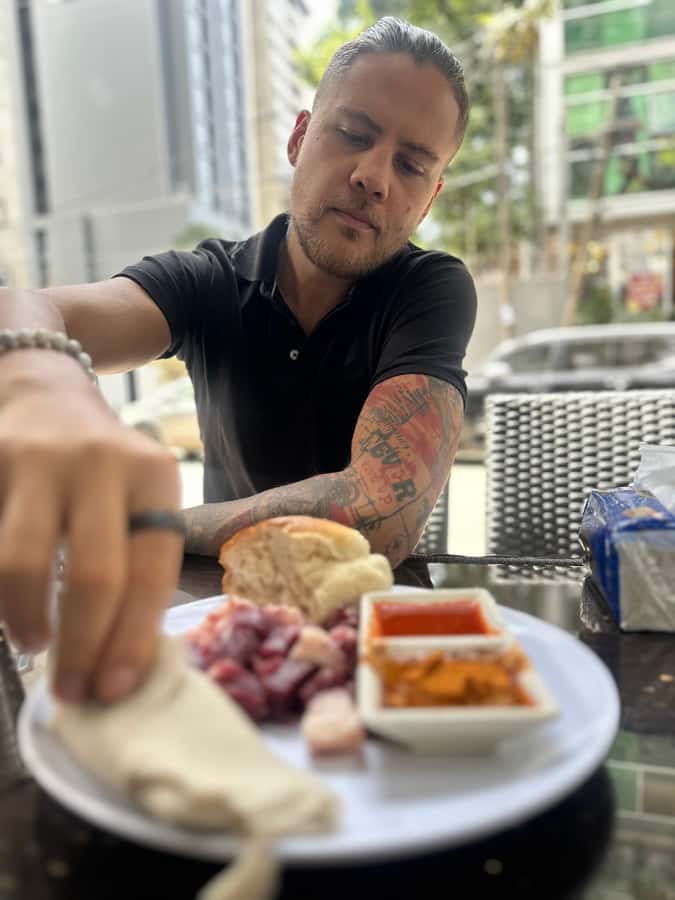
I like that this experience is not limited to one restaurant. Moving between stops lets you compare dishes and see that Ethiopian food is not just injera with one stew. The food may include fiery sauces, sautéed meat, minced beef, vegetables, spices, and different textures built around the same sour flatbread.
The three-hour length is one of its best features. You get a focused introduction without giving up an entire day of sightseeing. It should fit neatly into a short Addis Ababa visit, and pickup from your hotel removes the need to work out local transport before breakfast.
The drawback is that a short food tour cannot cover every part of Ethiopian cooking. You will taste representative dishes, but you should not expect a full lesson on every region, ingredient, or cooking technique. The schedule also appears flexible, so the order and number of restaurant stops may differ.
Other trips worth a look in Ethiopia:
- Full Day Tour of Addis Ababa with Hotel Pickup and Drop-off
★ 5.0 · 430 reviews - Taste of Ethiopia
★ 5.0 · 406 reviews - Day Trip From Addis Ababa See Historical Monastery,Stunning Nature,Animals,Birds
★ 5.0 · 303 reviews
Starting With Injera and Ethiopian Staples
Injera is the base of many Ethiopian meals, and this tour gives it a central role. The flatbread has a distinctive sour flavor and a soft, slightly spongy texture. You use pieces of injera to pick up stews and meat, so it functions as both bread and utensil.
One of the most useful parts of the experience is the chance to watch injera baking. That turns a familiar menu item into something more understandable. You see that the bread is not just placed beside the food as decoration. It shapes the way the meal is served and eaten.
Doro wat is another key dish. This spicy chicken stew is one of Ethiopia’s best-known foods, and it shows how berbere seasoning, slow cooking, and heat come together. The level of spice can vary, so if you are sensitive to chilies, ask your guide what to expect before taking a large portion.
Tibs brings a different character to the meal. It is sautéed meat, generally served with seasoning and accompaniments, and it gives you a firmer, more direct contrast to the soft injera and stew.
Kitfo is the bold choice. It is minced beef that may be served raw or cooked, depending on the preparation. If you are not comfortable with raw meat, say so clearly and ask for the cooked version. That simple question can make the meal more enjoyable.
Restaurant Stops and the Shape of the Meal

The tour is described as visiting three handpicked restaurants or food stops, each showing a different side of Ethiopian cooking. The included information also says food is provided at two restaurants. Since those details do not match perfectly, I would treat the third stop as part of a flexible route rather than a guarantee of a full restaurant meal.
That uncertainty is worth noting, but it does not weaken the main idea. You still get several chances to taste local food, and the guide helps explain what arrives on the table. The value comes from the range of samples rather than from spending hours at one formal restaurant.
One stop may function more like a small vendor or spice visit. This is useful because spices are not an afterthought in Ethiopian cuisine. They help create the heat, color, aroma, and depth in dishes such as doro wat and tibs.
I would keep your expectations flexible about the exact food lineup. The named dishes include injera, doro wat, tibs, and kitfo, but the tour also says and more. That wording allows the menu to change based on the day, the restaurants, or availability.
The pace may feel quick if you want long meals and extended conversation at every stop. On the other hand, the compact schedule means you can sample more than one place without spending half a day waiting between courses.
A Spice Stop That Adds Context
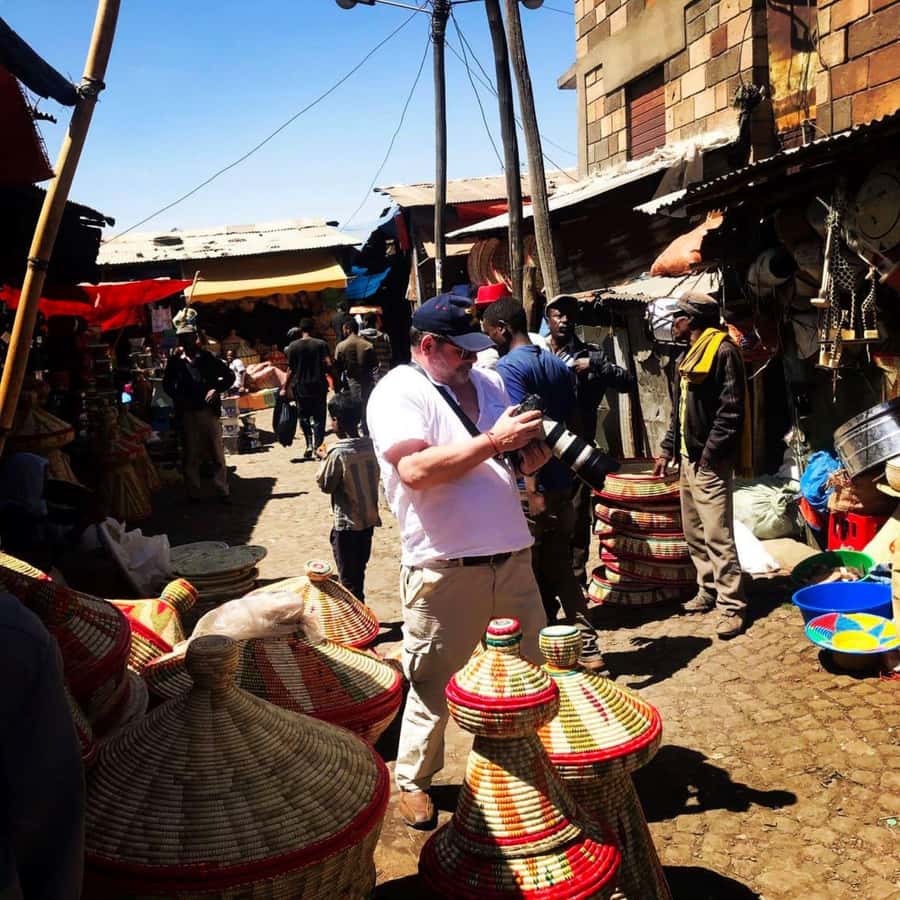
The possible market or spice-vendor visit is one of the most useful parts of the route. You may see the ingredients that give Ethiopian meals their strong character and learn how local cooks source them.
The stop is not guaranteed on every departure, so you should see it as a welcome addition rather than the main reason to book. Still, it helps connect the food on your plate with the shopping and preparation behind it.
I like this kind of small detail because it keeps the tour tied to daily life. A dish makes more sense when you understand the seasoning that shapes it and the local places where that seasoning is found.
Do not expect a long shopping expedition based on the information available. The visit may be to a spice market or a small vendor, depending on the schedule. If you want to buy ingredients, ask your guide what is practical and how to transport them home.
A completely different kind of day:
- Addis Ababa: Debre Libanos, Blue Nile Gorge, and Cave Tour
★ 4.5 · 256 reviews - Addis Ababa Guided City Tour With Airport & Hotel Pick Up
★ 5.0 · 237 reviews - Breathtaking Nature, Wildlife and Cave Church Tour – Free Pickups
★ 5.0 · 225 reviews - Full-Day Private City Tour of Addis Ababa
★ 5.0 · 147 reviews
Drinks: Fresh Juice, Beer, and Soft Drinks
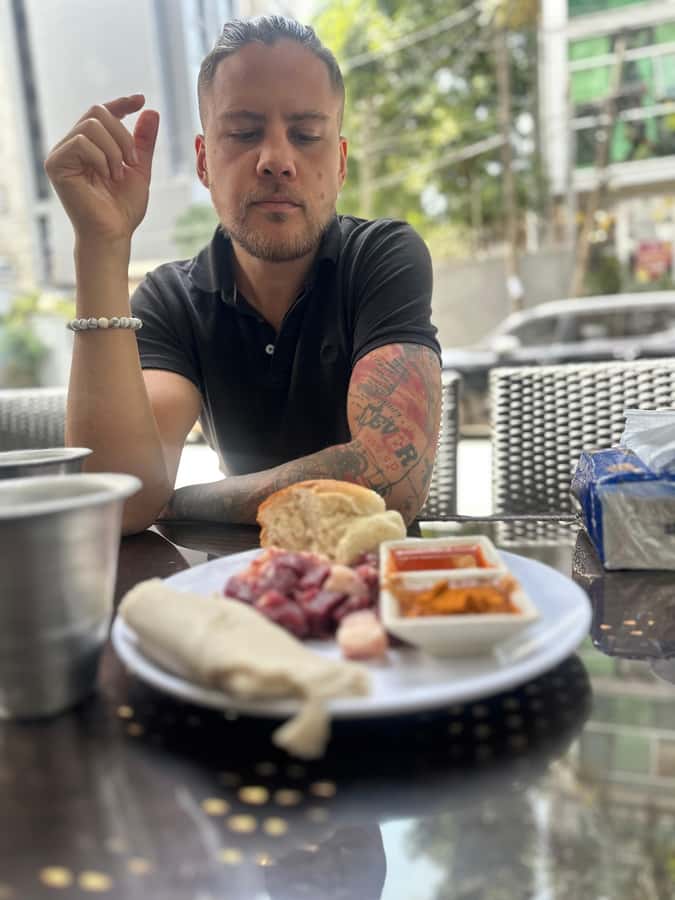
The drink selection makes the $47 price easier to assess. Fresh juice, local beer, soft drinks, and water are included, with the details describing unlimited beer and soft drinks during the meal portions.
That is more generous than a food tour that charges separately for every drink. It also gives you a chance to try a local beer without making a separate order a financial decision.
Fresh juice offers a break from spicy food, while water is important during a warm or heavily seasoned meal. If you do not drink alcohol, you still have juice and soft drinks included.
The exact beer selection is not specified, so do not book this expecting a particular brand or tasting flight. The point is casual sampling alongside lunch, not a dedicated beer tour.
The Coffee Ceremony and Tomoka Finish
The traditional coffee ceremony is the natural final chapter. Coffee is deeply tied to hospitality in Ethiopia, and the process matters as much as the cup.
You can expect to see the beans roasted, ground, and brewed. This makes the final drink feel like a cultural experience rather than a quick caffeine stop. The ceremony slows the pace after several food stops and gives you time to reflect on what you have eaten.
Tomoka coffee is specifically named as the final coffee stop. That detail is helpful if you care about coffee, though the available information does not specify the exact branch or setting.
One practical point: you may already be full by this stage. The food stops, juice, beer, and soft drinks add up over three hours. Pace yourself early, especially if you want to enjoy the final cup instead of treating it as an afterthought.
The coffee ceremony also gives the guide a chance to explain Ethiopian customs and social life. That cultural context is a major reason to choose this tour over simply ordering Ethiopian food on your own.
The Guide and the Human Side of the Tour

The guide speaks English and accompanies you between the stops. The tour is designed around explanation, not just delivery of food, so you can ask about dishes, ingredients, and local customs as you go.
The guide connected with this experience is also described as a travel and culture influencer with strong filming and photography skills. That could be a useful bonus if you want better photos of the meal, coffee ceremony, or city scenes. I would still keep your phone or camera ready, since the available details do not promise a professional photo package.
Liyu Ethiopia Tour and Travel also checks in before and after the trip. That suggests a more personal level of follow-up than a fully automated booking, and it can be reassuring if you are arranging several activities during a short stay.
The praise for the guide centers on history, culture, food explanation, and photography. Those are meaningful strengths for a first visit. Just remember that the quality of a food tour depends partly on the individual guide and the day’s restaurant schedule, so the experience may feel more conversational than tightly scripted.
Hotel Pickup and the Comfortable Car
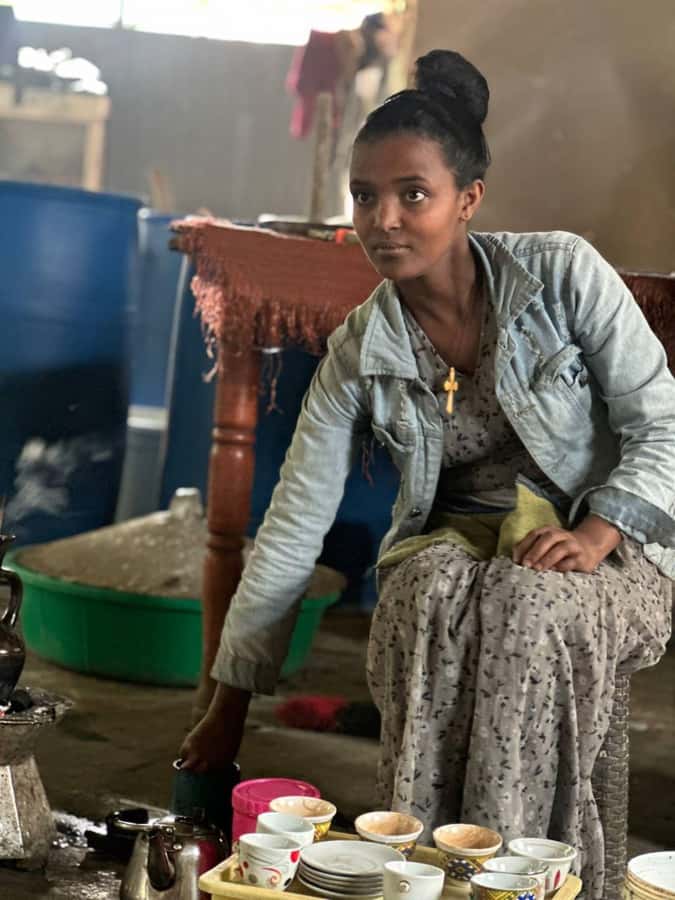
Pickup and drop-off at your hotel are included, along with transportation and water. That matters in Addis Ababa, where a food tour across several neighborhoods would otherwise require planning several rides.
A comfortable car and flexible transportation were important positives in the experience. For you, that means less time worrying about directions and more time focused on the food.
The route is through the Addis Ababa metropolitan area, but the available information does not list exact neighborhoods or driving times between stops. You should not assume the tour stays in one compact block. The car is part of the practical value, especially if the restaurants and spice stop are spread out.
Hotel pickup also makes this a convenient choice after arrival, when you may not yet know the city. It can be a good way to turn a first afternoon into an introduction to local food without handling the logistics yourself.
Is $47 a Fair Price?
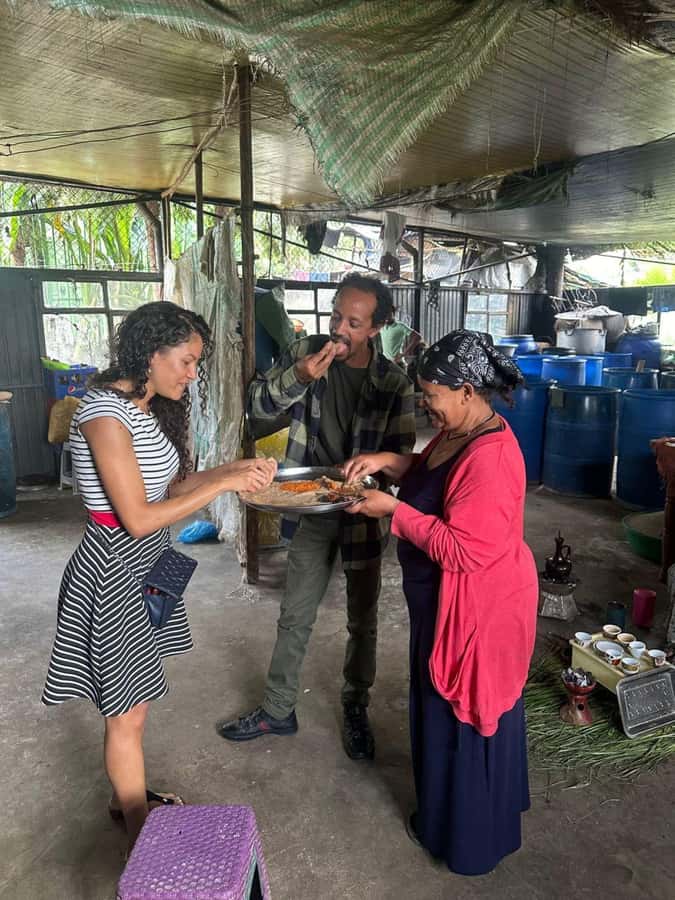
At $47 per person, this tour offers solid value if you use most of the inclusions. You get three hours, hotel transportation, an English-speaking guide, food, fresh juice, beer, soft drinks, water, and coffee.
The price looks especially reasonable for a solo visitor or anyone who wants several dishes and drinks without guessing how much to order. A meal at one restaurant could cost less, but it would not include the transport, multiple food stops, guide, spice visit, injera baking, and coffee ceremony.
The value is weaker if you want only a large lunch. In that case, paying for a guided route and cultural explanation may not be necessary. It is also not the best match for someone who dislikes trying unfamiliar food or prefers a long, quiet restaurant meal.
You can reserve now and pay later, which helps if your Addis Ababa plans are still shifting. Cancellation is allowed up to 24 hours in advance for a full refund. Those terms add flexibility, particularly during a short trip with several moving parts.
Who Will Enjoy This Most?
I would recommend this tour to first-time visitors who want a clear introduction to Ethiopian food. It also suits people with limited time, curious eaters, coffee fans, and anyone who prefers a guide to explain what they are tasting.
It should work well for a small group of friends or a couple who want a shared meal with some movement and conversation. The transportation makes it easier for people who do not want to arrange taxis between restaurants.
Food lovers who already know Ethiopian cuisine may still enjoy the spice stop and coffee ceremony, but the tour is primarily an introduction. If you already have favorite restaurants and know the dishes well, you may prefer a more specialized cooking or market experience, though that is not what this tour promises.
Vegetarians should ask about the available menu before booking. The named dishes include chicken, meat, and beef, and the information does not confirm a vegetarian menu. The same applies to anyone avoiding raw meat, dairy, gluten, or heavy spice. The presence of kitfo makes it especially important to explain your preferences before eating.
Practical Tips for a Better Three Hours
Arrive hungry, but not famished. You will likely sample several dishes, and eating too little beforehand is not a problem, while eating a heavy breakfast may leave you unable to enjoy the later stops.
Use small portions at the beginning if you have the choice. Save room for kitfo, tibs, and the coffee ceremony, since the experience is designed as a progression rather than one large plate.
Tell the guide about dietary limits early. Ask specifically about the preparation of kitfo if raw beef is a concern, and ask which dishes contain the strongest spice.
Keep your schedule open around the three-hour block. The route includes transportation and may include a market or vendor visit, so the food stops may not run like a timed restaurant reservation.
Bring a phone or camera if you want pictures. The guide has strong photography and filming skills, which may help, but you should not assume edited images are included.
Should You Book Taste of Addis?
Book it if you want to taste several Ethiopian staples, try local drinks, learn about spices, and end with a real coffee ceremony without arranging the day yourself. The hotel pickup, comfortable car, English-speaking guide, and generous drink inclusions make $47 a sensible price.
Think twice if you need a guaranteed three-restaurant meal, a fixed menu, a vegetarian program, or a long cooking class. The schedule is flexible, and the description gives slightly different details about two versus three restaurant stops.
For most first-time visitors with only a few days in Addis Ababa, I would choose this as an easy, useful food introduction. It gives you more than lunch, but it does not ask you to surrender a whole day. Most important, you leave with a better sense of how injera, spice, meat, beer, and coffee fit together in Ethiopian life.
FAQ
How long does the Taste of Addis tour last?
The guided food tour lasts three hours.
How much does the tour cost?
The listed price is $47 per person.
What foods can I expect to taste?
The named dishes include injera, doro wat, tibs, and kitfo. Other local dishes may also be served.
Are drinks included?
Yes. The inclusions list food, fresh juice, beer, coffee, soft drinks, and water. The details also describe unlimited beers and soft drinks.
Is hotel transportation provided?
Yes. Hotel pickup and drop-off, transportation, and water are included.
Is the tour offered in English?
Yes. An English-speaking guide is included.
Does the tour include a coffee ceremony?
Yes. The experience ends with a traditional coffee ceremony, including roasting, grinding, and brewing, with Tomoka coffee named as the final coffee stop.
Just added in Ethiopia
- Yod Abyssinia Cultural Night: Dinner, Music, and Dance★ 5.0 · 7 reviews
- Tigray Mountain Church’s Day Trip from Mekele★ 5.0 · 2 reviews
- Mekele City Tour★ 5.0 · 2 reviews
- Day trip to Tigray Churches★ 5.0 · 2 reviews
- 3 Day Tour of Geralta Churches Tigray Church’s★ 5.0 · 2 reviews
- 3 days tour Danakil Depression (Dallol & Erta Ale)★ 4.0 · 5 reviews
- 2 Days Dallol Trip★ 5.0 · 4 reviews
- Lalibela Backpacker tours★ 5.0 · 6 reviews